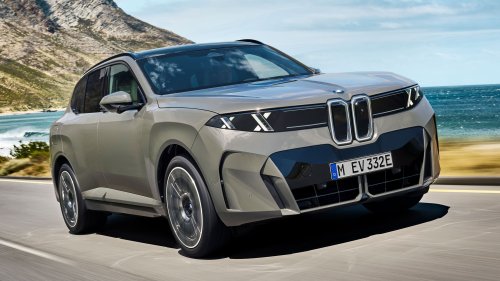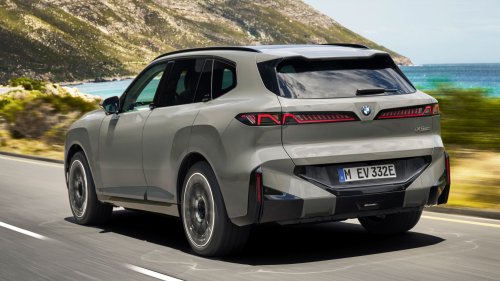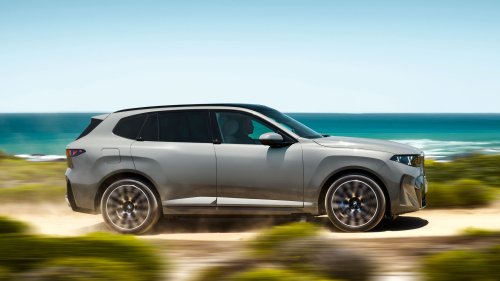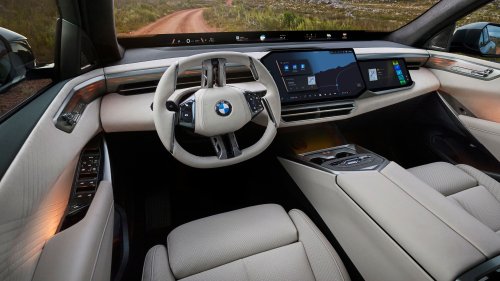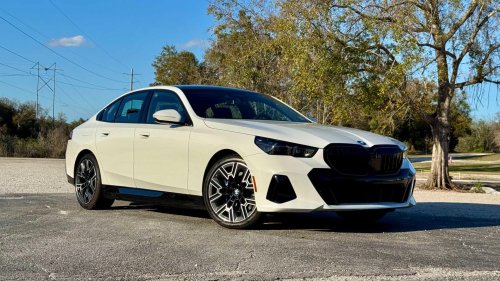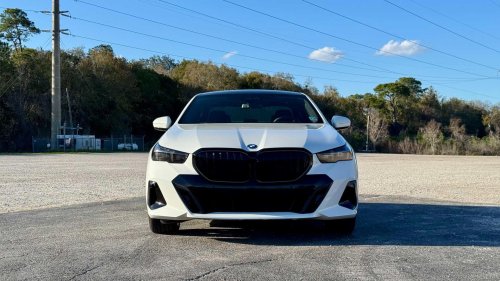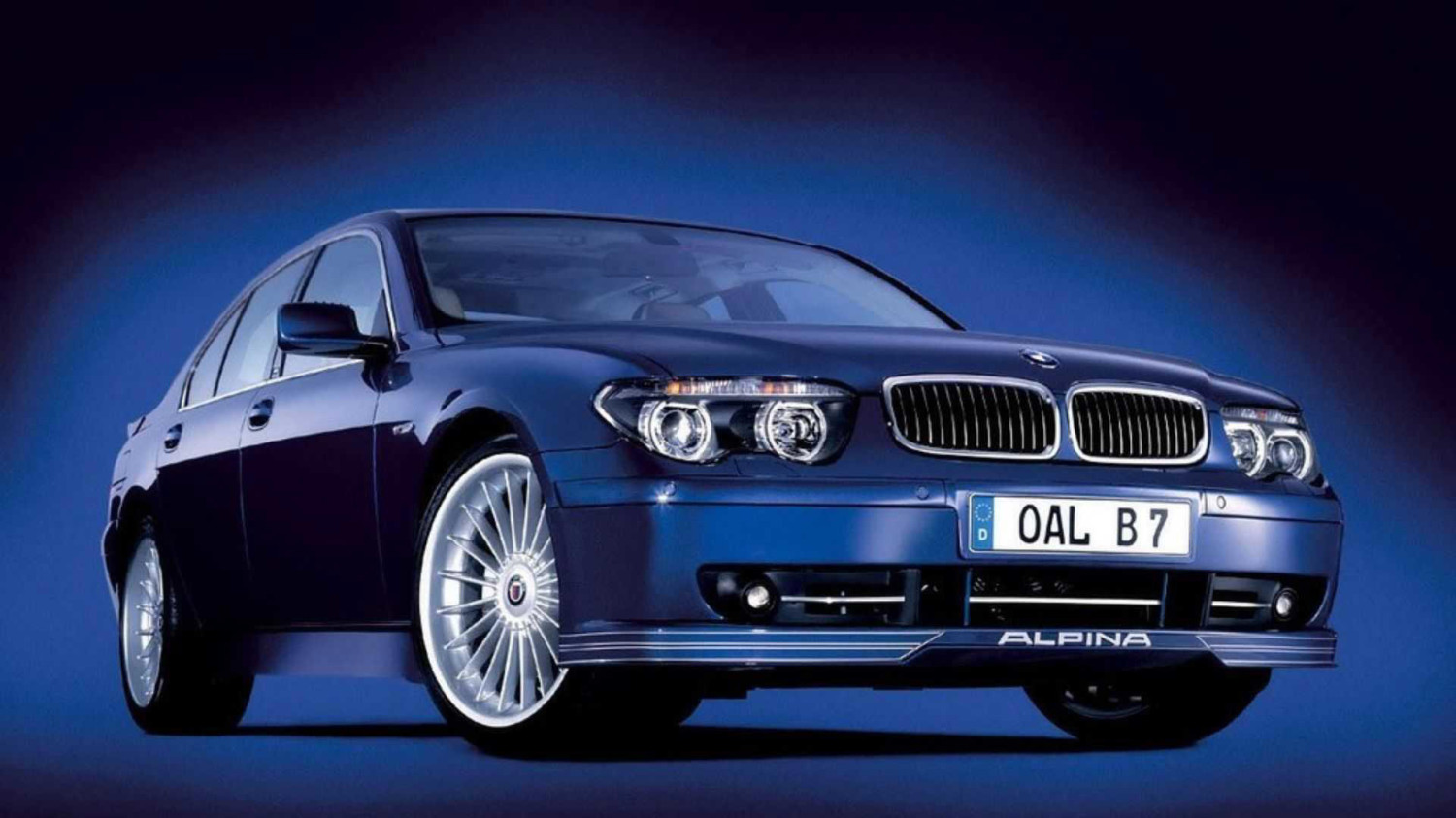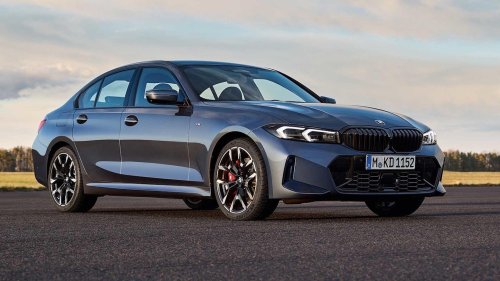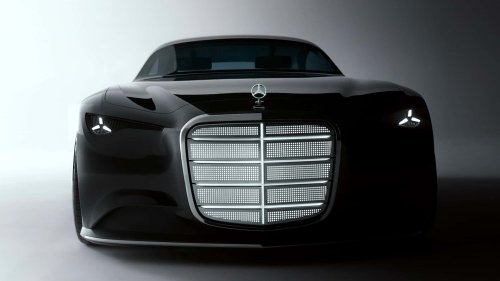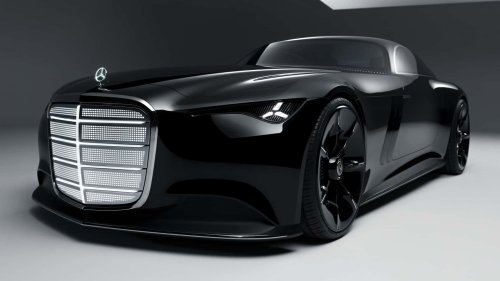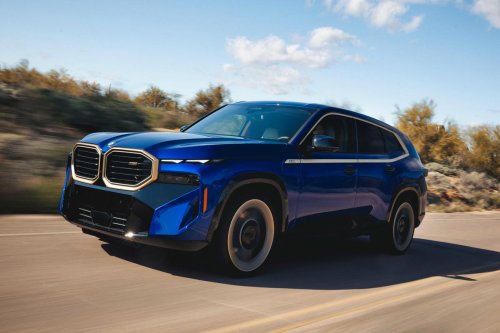
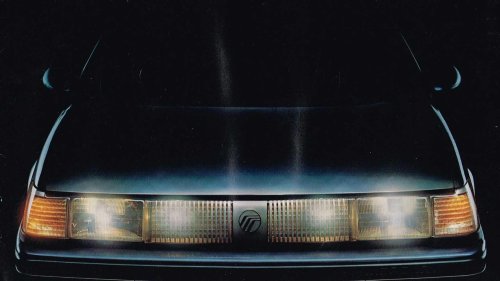
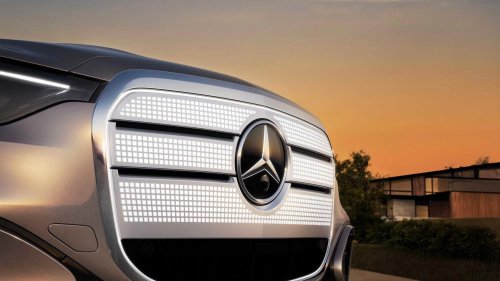
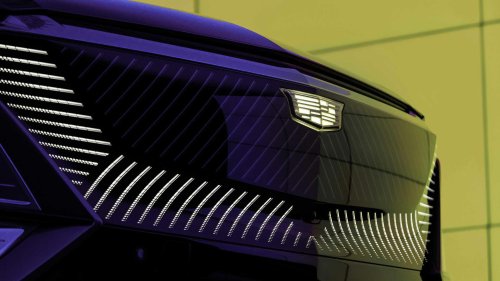
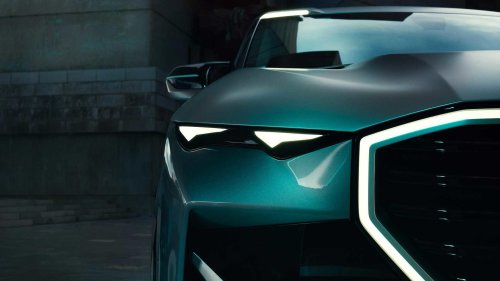
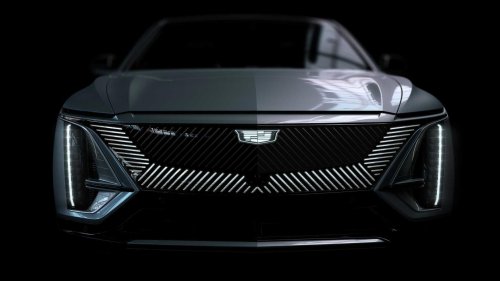
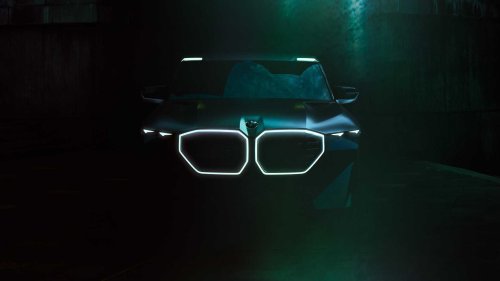



















The silks have finally dropped on the heavily updated seventh-generation BMW 7 Series, and it's the “biggest facelift of all time.” And while an updated straight-six engine, a design overhaul inside and out, and a more efficient alter-ego have nabbed most of the headlines, the new 7 Series is also the latest BMW available with an illuminated front grille, joining the likes of the 5 Series and Bimmer’s ‘X’ range of SUVs in the process.The choice makes perfect sense because the illuminated grille fits with the 7 Series’ modern, Neue Klasse style. Plus, given the flagship limo’s track record for pushing the creative envelope (remember, the Bangle Butt), why wouldn't BMW include one of its boldest looks in the design? Others, however, may see this as a gimmick that serves no purpose, on what is essentially the closest thing you can get to a Rolls-Royce with a BMW badge on the nose. And to those outspoken few, we say, the illuminated grille is actually more commonplace and more storied than you might think. It’s A New Thing, But Also Not A New Thing BMWWhile it’s not a definitive starting point, many would point to the BMW XM Concept from 2021 as the starting point for the Bavarian brand's nauseatingly titled "Iconic Glow." It was the first time, after all, that we’d seen BMW’s famous kidney grilles bordered with LED bulbs and fiber optic cables – in an official, planned production capacity, at least. It was not, however, the first time BMW had experimented with the idea. Not even close.Two years earlier, Iconic Glow appeared on the BMW X6. In what was then thought to be a nifty design, lights behind the front grille illuminated when the driver’s side door was opened. Prior to that, arch-rival Mercedes-Benz introduced a light-up three-pointed star on the front grille of its higher-spec models. But even Chrysler had experimented with this during the 1960s with the 300L.Ford Motor CompanyMercedes, having dispensed with its conventional hood ornament for all but its most opulent models (including one you might not expect), even flirted with a fully-lit front grille on the GLC crossover in 2025. Even this, though, was far from pioneering. Mercury, for example, introduced its Sable sedan with a split, light-up front grille way back in 1986, followed by a full-length version in 1989. It would remain the American brand’s trademark until the concept was abandoned in 1996. The Benefits Mercedes-BenzFar from a simple bling-ification of a car's normally placid front end, the illuminated grille arguably serves additional practical purposes. By their very nature, LED bulbs provide additional light, which, while mostly useless for the driver of said vehicle, is beyond handy for oncoming traffic in low-visibility conditions and particularly for unsighted pedestrians. Especially at a time when more and more drivers are finding LED headlamps too dazzling, and potentially even dangerous.Moreover, with so few manufacturers having fully embraced the concept, despite an apparent rise in popularity, illuminated kidney grilles, for example, are a nifty form of brand recognition for BMW. In much the same way that falcon doors distinctively mark the Model X out as a Tesla, and/or the futuristic front end marks the impending arrival of a Rivian. So too could an illuminated kidney grille in the future come to define a BMW for non-car fans.CadillacObtuse as it may sound, this fad may even help one of Germany’s biggest manufacturers, looking to increase market share in Europe, Asia, and North America, and across multiple segments to boot, further stand out from its similarly priced competitors. It's no real wonder that Mercedes introduced its own pixelated variant of its all-electric EQ range, and even Cadillac has taken a similar, albeit slightly more subtle, approach with its Lyriq SUV. The Drawbacks BMWThere are costs involved with such a venture, many of which are passed on to the consumer. The BMW Iconic Glow, after all, is not a standard feature on the new 7 Series (not every prospective owner will want light-up kidneys, after all). Given the lucrative package potential for a luxury sedan with an expected asking price north of $100,000, it is unlikely to be so any time soon. Indeed, opting for the Iconic Glow on the mid-sized 5 Series already sets potential customers back more than $600, while M-division models are closer to $1,000.Want an illuminated grille retrofitted to an older-generation BMW? Depending on how complex the build might be, that could land you well into four figures. Prices on the more affordable Mercedes-Benz GLC are a little more reasonable, granted, but those 942 backlit, animated LED dots would still set you back upwards of $200.The design is also a concern. Many detractors of the concept consider illuminated grilles as undignified, excessive, and, in some cases, just plain gaudy. Traits that may not age well, and of which one might have expected BMW, in particular, to take notice. The Bavarian brand has been no stranger to criticism of its famous nostrils in recent years, and the truly massive radiator air inlets that debuted on the second-gen 4 Series coupe have been particularly hauled over the coals. Ironically, at a time when BMW could be forgiven for adhering more closely to a classic design for its flagship model, the marque appears to have doubled down.CadillacA technically advanced illuminated front grille is also, lest we forget, another technical gremlin just waiting to strike. Be it through a simple (or potentially maddening) software glitch that requires an over-the-air upgrade, or a timely trip to the local dealership, it’s a potential maintenance cost that many premium saloon/SUV owners might be unwilling to cover. That said, fiber optics could potentially be damaged during everyday road use, which is another concern. Why It Probably Won’t Be Going Away Any Time Soon BMWMuch like the scourge of Piano Black trim (it gets streaked with fingerprints), the illuminated front grille, while probably not a sector that can grow exponentially, is unlikely to disappear any time soon. With no need for a conventional radiator grille, after all, automakers are leaning more heavily on illuminated panels for their all-electric vehicles. And as a modern take on internal-combustion-engined vehicles, the design has been largely well-received.According to a recent study, the Automotive Illuminated Grille Panel Market Size (yes, that is the official title) was potentially worth as much as $935.9 million in 2024. Much of this is down to investment from official automaker partners, including heavy hitters such as Mitsubishi Electric, Valeo, Magna International, and Entheos, as well as myriad third-party aftermarket specialists. By 2035, that $935.9 million figure could reasonably have grown to $2.5 billion. If that figure sounds wildly over the top, bear in mind that the underbody neon lighting craze was estimated to be worth about $1.4 billion in 2025, according to analysis from Future Market Insights. How many automakers do you expect would walk away from that?For those of you idly thumbing through the BMW catalog, and considering whether a brand-new 7 Series actually is the way you want to go after all, these are factors to consider. On top of that, and if you do fancy the luxury BMW route but balk at the illuminated front grille, there are other options to consider. This classic model, for example, with a noticeable sporting edge to boot, is available today for less than half its original asking price.Source: BMW / Mercedes / Kia