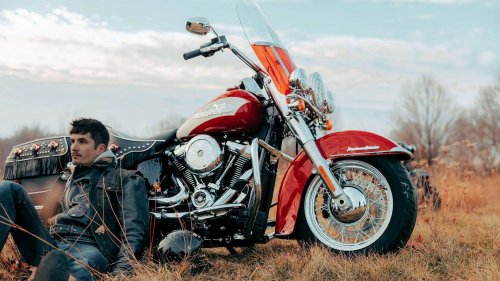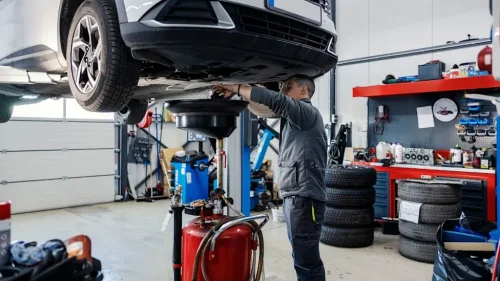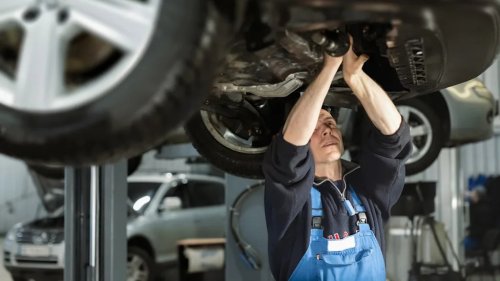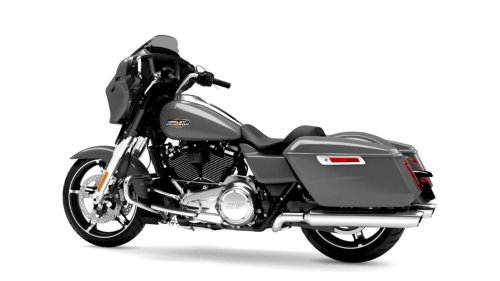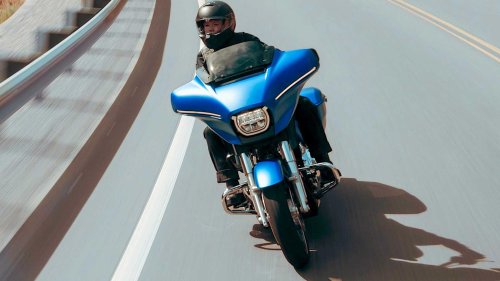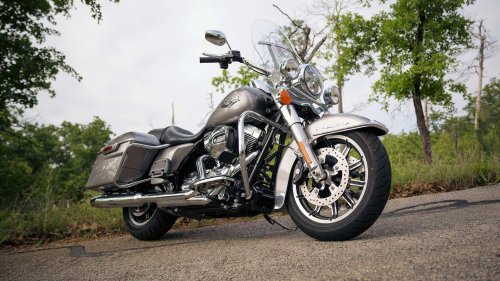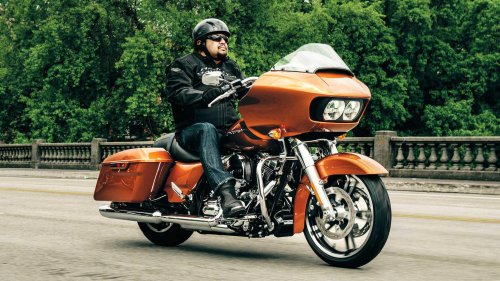
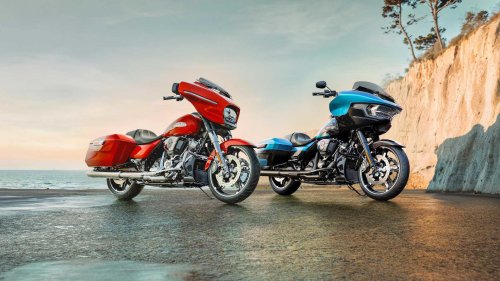
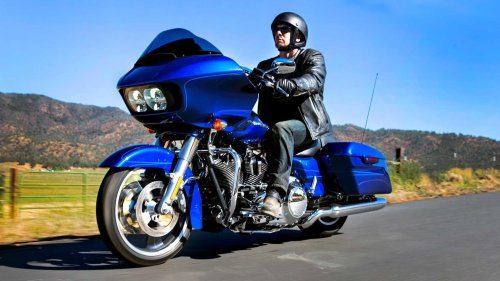
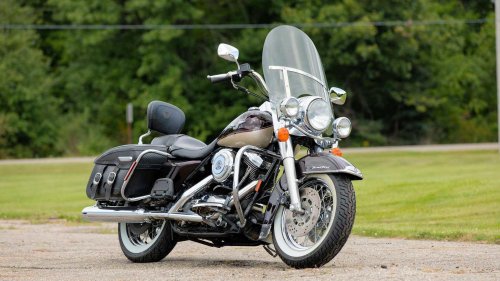
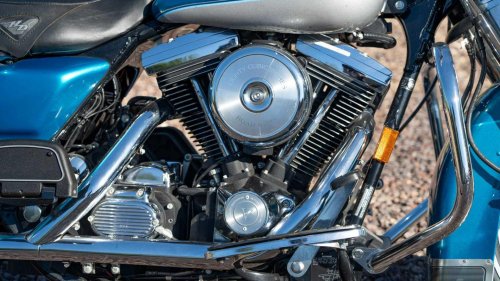
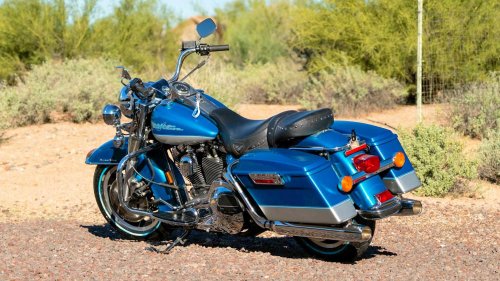
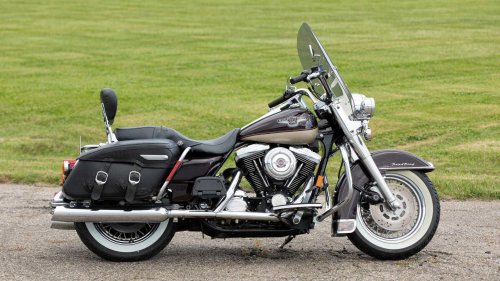
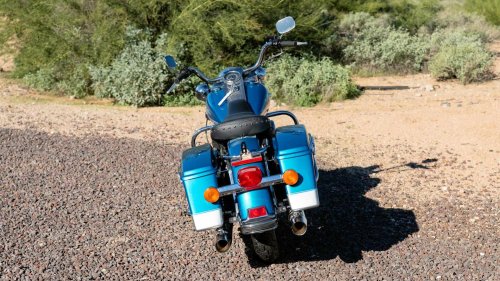
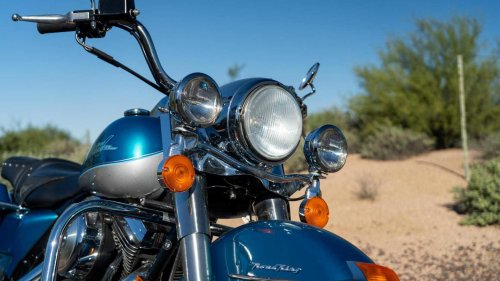
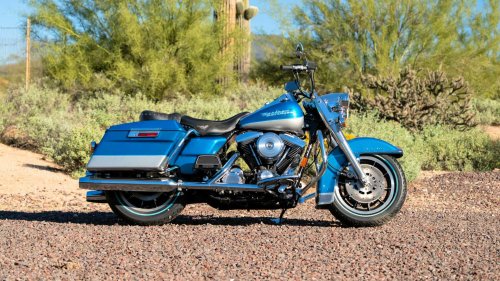
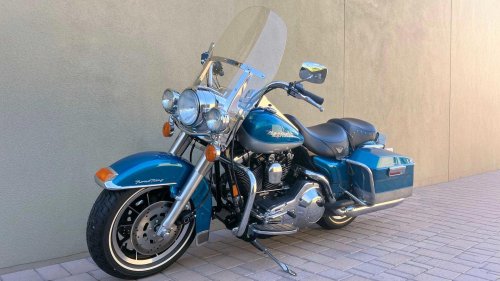
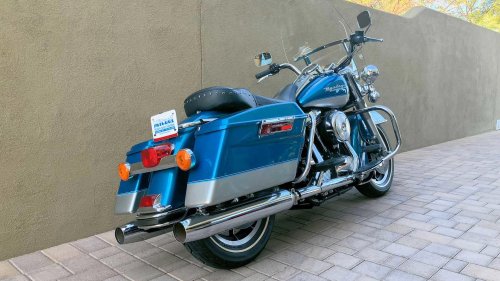


















Buying a Harley-Davidson bagger is easy. Living with one is where the real cost shows up. Maintenance is not just about a scheduled service. It is about how often the bike needs attention, how complicated that work becomes, and whether small issues stay small or turn into expensive shop visits. Some baggers look affordable on paper, then demand more time and money once the miles add up. Others quietly avoid those traps through simpler design, proven components, and easier service access. The difference is not obvious at the time of purchase, but it becomes clear in actual ownership. This is where the idea of “lowest maintenance cost” shifts. It is not about price tags or spec sheets. It is about which Harley bagger consistently asks the least from you over time.This article is based on Harley-Davidson technical documentation, factory service materials, and hands-on experience as a certified motorcycle mechanic. It reflects direct exposure to common failure patterns, long-term ownership behavior, and both warranty and post-warranty repair work, as well as familiarity with service bulletins and platform-specific updates. All information is accurate at the time of writing. What “Lowest Real-World Maintenance Costs” Actually Means The hidden cost of bagger ownership starts after you buy Harley-Davidson The mistake most riders make is chasing the least expensive Harley bagger upfront, only to pay for it later in the form of time, downtime, and repeat service visits. Real-world maintenance costs are not theoretical. It is how often the bike needs work, how expensive that work is, and whether those costs stay predictable after 20,000, 40,000, or 60,000 miles.Harley-Davidson Three factors separate the contenders from the pretenders. First, service simplicity. If routine work like cam inspection or primary service turns into a multi-hour labor bill, costs stack quickly. Second, known failure points. One weak system can erase years of low-cost ownership. Third, the parts ecosystem. The more common and standardized the platform, the cheaper it is to keep running. The close contenders that quietly drive up maintenance costs Harley-Davidson Several Harley baggers get close but miss. The Twin Cam Road Glide has massive aftermarket support, but cam chain tensioner wear often forces an $800 to $1,500 upgrade or repair if not proactively addressed. The Milwaukee-EightStreet Glide improves refinement and reduces some maintenance intervals, yet its added complexity and higher parts pricing push routine service costs upward. Even the early Twin Cam Road King seems like a safe bet, but it carries the same underlying liabilities. Real-world outcome: these bikes can feel affordable for stretches, then hit you with a single service event that wipes out the savings. The winner avoids that pattern entirely. The Harley That Actually Keeps Costs Predictable MecumMost baggers flirt with low ownership costs, then break that promise with one expensive weak point. The one that does not is the Harley-Davidson Road King with the Evolution (EVO) engine, particularly late-model bikes from the mid to late 1990s. It wins because it avoids the exact cost drivers that inflate long-term ownership costs.MecumThe EVO engine is simple, understressed, and built around hydraulic lifters, eliminating the need for routine valve adjustments. There are no cam-chain tensioners waiting to become a preventative expense. No added cooling systems. No layered electronics that turn minor issues into diagnostic labor. What you get instead is a platform designed around straightforward, repeatable service. Where simplicity turns into measurably lower ownership costs Mecum That simplicity shows up immediately in real ownership. A typical 5,000-mile service usually involves just fluids and an inspection, often completed in about an hour or less of shop time. There is no scheduled teardown hiding behind the mileage. Where a cam chest service on a Twin Cam bike can quickly turn into a four-figure visit, the EVO largely sidesteps that category of expense altogether. Parts are also cheaper and widely available, thanks to decades of production overlap and interchangeability. Owners regularly push these bikes past 50,000 miles. They have consistent, predictable maintenance costs that never spike unexpectedly. 1998 Harley-Davidson Road King Engine And Performance Specifications Why the EVO Road King Still Makes Sense Today Simplicity still wins Mecum The appeal of the EVO Road King is not just what it avoids. It is what it delivers consistently, mile after mile, without adding cost or complexity. This is where it separates itself from newer baggers that promise refinement but introduce more systems to maintain, diagnose, and eventually repair.Mecum Start with accessibility. The layout is open and straightforward, which means routine work such as fluid changes, battery swaps, and belt inspections can be handled quickly without stripping the bodywork. On many EVO Road Kings, a basic service can be completed in well under an hour with standard tools. Compare that to newer Touring models, where added components and tighter packaging can turn the same job into a longer, labor-heavy visit. Faster fixes, fewer headaches, and lower costs over time Mecum Then there is durability in real use. The EVO engine’s stable oiling system and low-stress design mean top-end work is rarely part of normal ownership. The carbureted setup reinforces that simplicity. If the bike runs rough, the fix is usually mechanical and immediate, not a sensor chase or diagnostic session. No scan tools. No software. Just straightforward troubleshooting. When something small goes wrong, it is typically fixed the same day, not scheduled weeks out. That difference is what keeps ownership costs low and predictable over time. The Bagger That Costs Less Because It Asks Less Mecum The idea that newer automatically means better breaks down fast when you look at maintenance. More refinement brings more systems, tighter packaging, and higher labor demands. That is where costs creep in. The EVO Road King takes the opposite approach. It stays simple, accessible, and free of the known cost traps that define later platforms, including cam chest service cycles and diagnostic-heavy electronics.Mecum This is not nostalgia. It is ownership math that holds up over time. No cam-chain tensioners to budget around. No sensor-driven troubleshooting sessions that turn a minor issue into hours of labor. A mature parts ecosystem keeps pricing stable, while a straightforward design keeps service time low and predictable. Every piece of the bike works in your favor once the miles start adding up. Predictable ownership, fewer repairs, and more time riding Mecum The result is a bagger that does not punish you for riding it. You can commute, tour, or ride weekly without having to plan around the next major service event. When maintenance does come up, it is usually simple, fast, and affordable. Instead of bracing for the next four-figure repair, you stay on the road, spend less over time, and keep ownership predictable. That is what the lowest real-world maintenance cost actually looks like.