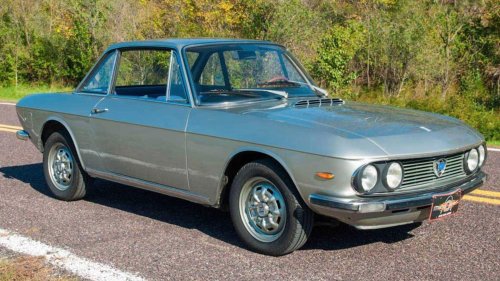
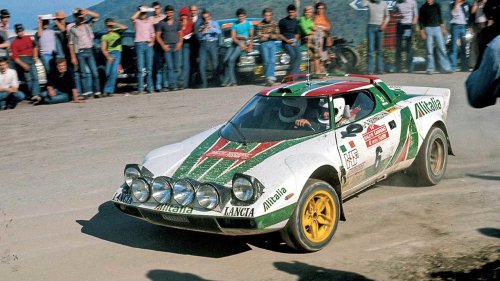
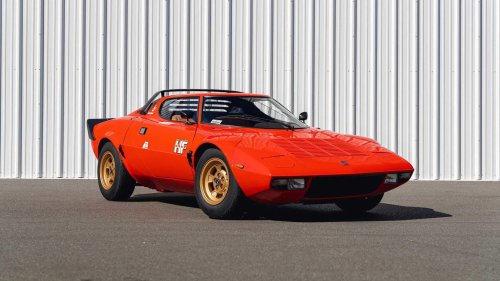
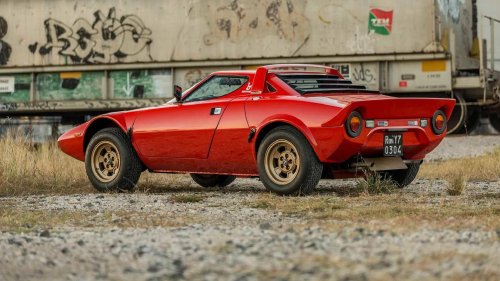
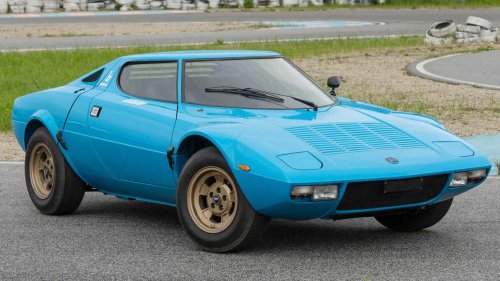


















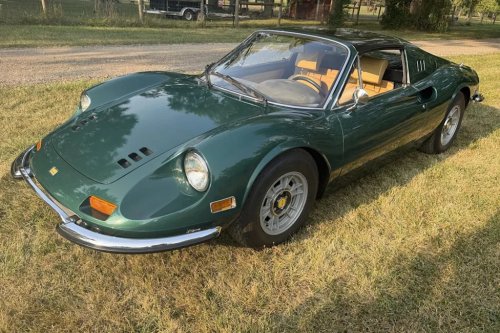
Rally is one of the ultimate tests of a car. The grueling punishment of a rally stage is something most cars simply can’t handle, meaning that those that come out on top are the ultimate in vehicular excellence. While most are impressive feats of engineering, there was one machine that took a Ferrari engine and scared the Maranello manufacturer so much that they didn't want them to compete. 1970s Rally Could Be As Dangerous As Formula 1 Bring a TrailerMotorsport in the 1970s was a very different beast. Deaths were common, safety standards were lax, and performance and spectacle were more important than protection. It wasn’t an environment for anyone who didn’t totally accept that they could face a fiery death at the next corner, and this was especially true in rallying.Sure, there were more deaths in Formula 1 in the 1970s than there were in rallies, but danger isn’t measured in deaths alone. F1 circuits were at least mostly purpose-built for high-speed racing, while rally stages were (and still are) competed on public roads, with problems like cliffs, fences, and spectators all getting in the way. While many would recoil at the hazards, the prestige of winning in those conditions was worth it for some drivers and manufacturers, with those in Italy embracing it, in particular. Italy’s Performance Rivalries Push The Marques MecumItaly’s obsession and passion for automotive competition was clear in the 1970s. Ferrari was winning F1 races and battling with Alfa Romeo and Porsche for Targa Florio wins, while on two wheels, Italian Giacomo Agostini was tearing up the Grand Prix Motorcycle Racing (now MotoGP) scene with six consecutive titles in both the 350 cc and 500 cc classes atop his Italian MV Agusta bike.Rallying was where Italy’s fiercest competition was, though. Fiat, Alfa Romeo, and Lancia were all vying for supremacy in the International Championship for Manufacturers (IMC, precursor to WRC), with Lancia taking the 1972 title with its Fulvia 1.6 Coupe HF. The WRC would launch a year later and was won by the now-legendary Alpine-Renault A110, but Lancia had an ace up their sleeve for the 1974 season. Not only would this car win, but it would redefine the sport. The Lancia Stratos HF Dominates On Stage And Off Lancia StratosWith the Fulvia HF looking increasingly sedate, Lancia needed a new car with which to tackle the rally stages of the world. It didn’t want a road car with a rally version, though, it wanted a rally car that could be adapted into a road-going car to placate homologation rules. To that end, it needed to be light, short, and powerful.Lancia had typically worked with Italian design house Pininfarina but, knowing that they wanted a replacement for the aging Fulvia, Bertone created a radical concept car in the Lancia Stratos Zero in 1970. Inspired by supersonic jets and space travel, Bertone’s Chief Designer, Marcello Gandini, designed the car as essentially a trapezoid with wheels underneath. Giovanni Bertone drove the car to the Lancia factory himself, the car being so low that it drove straight underneath the security barrier.Though the Zero was too extreme for production, the concept was a hit. The short wheelbase, the mid-engine layout, the driver-focused cockpit, and the wraparound windscreen were all kept, as was that signature aerodynamic wedge design. But while much remained the same, one crucial change from the Zero in the engine bay. The concept had used the engine from a Fulvia, but Lancia needed more. So it went to parent company Fiat, who also controlled Ferrari at the time. Despite initial resistance from Enzo Ferrari, they were able to get ahold of the homologation-required 500 Ferrari Dino 246 GT engines for the Stratos (though some sources claim only 492 cars were actually made).Bring a TrailerThe V6 engine was compact, high-revving, reliable, and, with the car’s mid-engine layout, perfect for weight distribution. Lancia then made it more motorsport-ready and fitted higher-compression pistons, revised the intake trumpets and exhausts, modified the tuning, and extracted more power any way they could, eventually taking it from around 190 horsepower to 320 hp in full rally spec.The car would have its first chance to compete in the 1974 Safari Rally, and was an immediate success in FIA Group 4. Taking third place with Italian Sandro Munari behind the wheel, the car went on to win its home rally — the Rally Sanremo in Italy — two rounds later, completing the hattrick in Canada at the next round. In all, the Stratos would win three of the six rounds it took part in 1974, comprehensively taking the title over Fiat. It won again in 1975, and took a third title in 1976, making it three consecutive WRC titles from the first four championships of the series. Ferrari Respects And Fears The Stratos Bring a TrailerThough they could lay some claim to Lancia’s success, being that they provided the engine, Ferrari weren’t entirely enamored with the Stratos’ success. It’d initially feared the Stratos would compete directly with the Dino 246 GT, only agreeing to provide the engine once the Dino had left production.This would prove to be well-founded, as the road-going Stratos' much lower weight (it was over 300 pounds lighter wet) meant that it could outperform the Dino, hitting 62 mph quicker and earning a reputation for fast throttle response, agile handling, and unforgiving oversteer. Of course, they were two very different cars, one designed for rally domination and the other for touring, but Lancia had used Ferrari’s own engine against them to create a car that was faster, more exciting, and successful on the world stage.That heritage, mixed with the Stratos’ rarity, has helped its value to far exceed that of the Dino 246 GT today. Sales are hard to come by with only 492 created, though one Lancia Stratos HF sold through Gooding Christie’s in 2025 for $966,092, with median prices around $655,000. Meanwhile, the Dino 246 GTS sells for a median price of $373,000, understandably seeing far more sales due to both the number created (2,295 Dino 246 GTs were made) and the collectibility of the Stratos. How The Stratos Changed Rally Forever RM Sotheby'sThe Lancia Stratos HF wasn’t just a strong rally car. For three years, it was the rally car. It dominated the discipline, and posters of it in the iconic Alitalia livery adorned the bedrooms of fans and dartboards of competitors around the world. Its purpose-built design philosophy flew in the face of the traditional “build it, then make it rally” approach, and it’s something that has continued to this day.Lancia would ultimately kill the Stratos in 1978, as it had fulfilled its purpose and the target set for homologation had been met. And while that five-year run might not sound impressive on paper, the Stratos was so much more than a limited run of cars. It was a car that uncompromisingly took on the world, and sat atop it for three years. That shocked Ferrari, taming their prancing horses better than even it could. And which rewrote the way in which rally cars would be made completely.