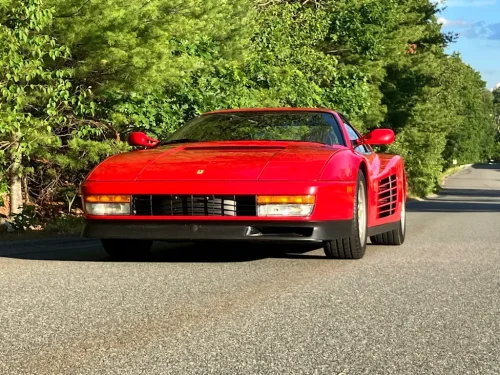
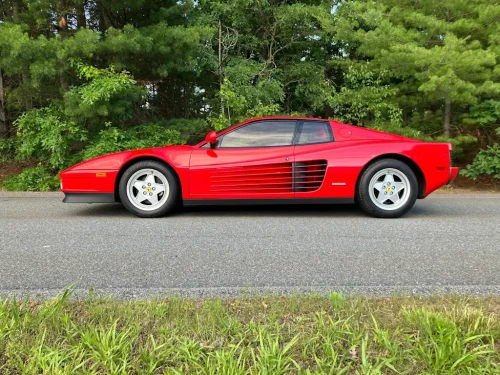
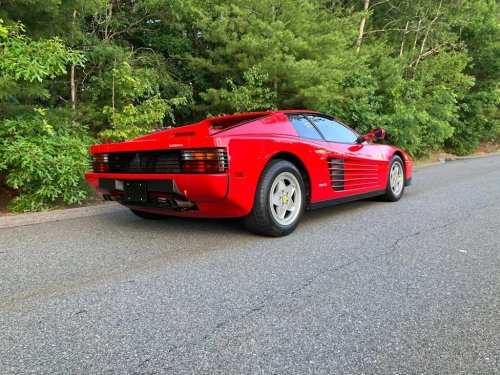
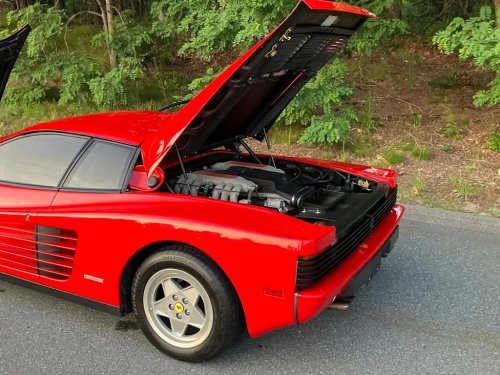
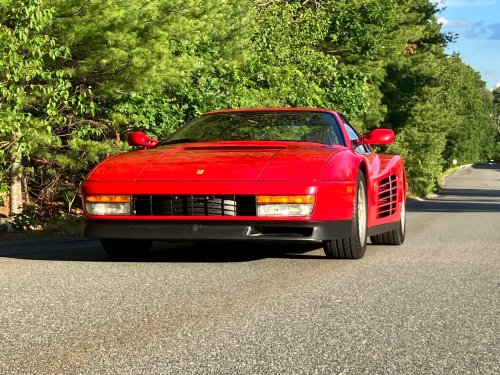
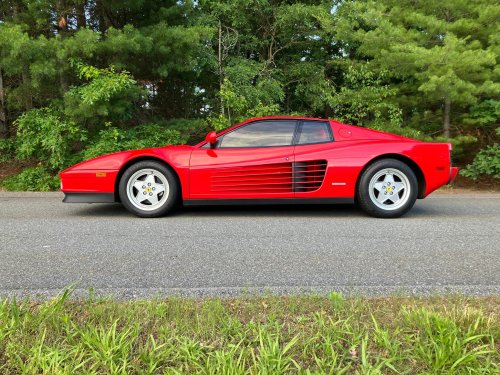
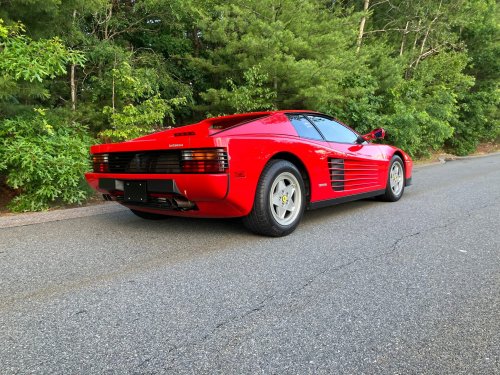
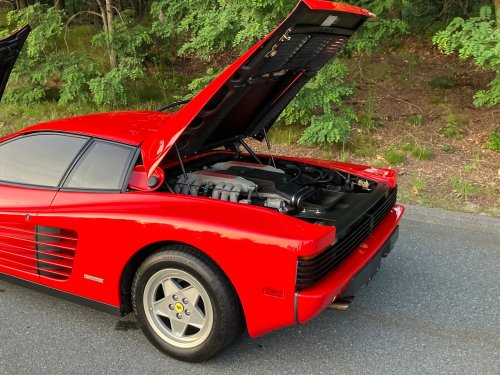
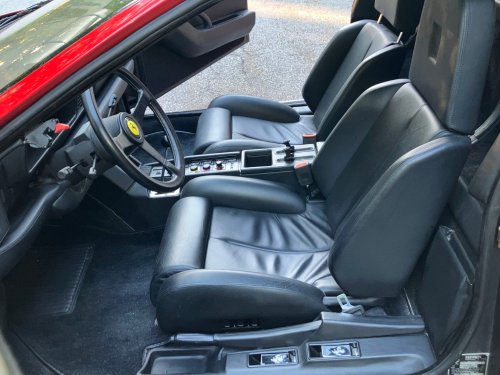
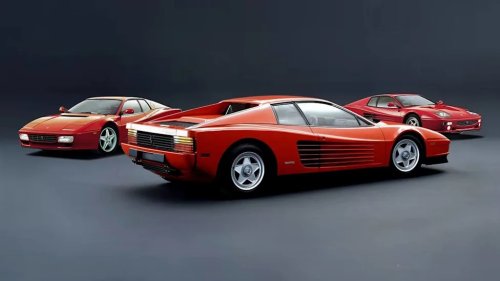
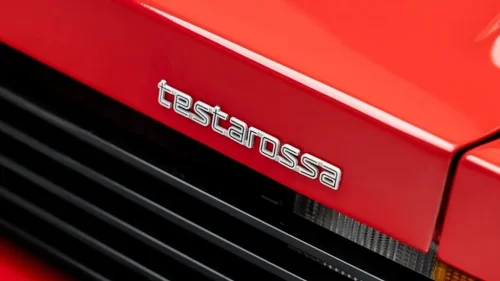
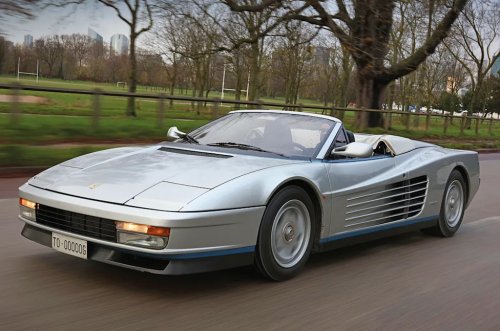
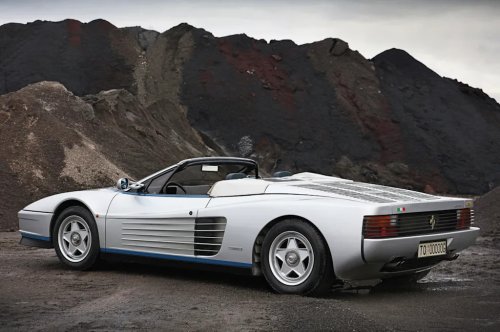
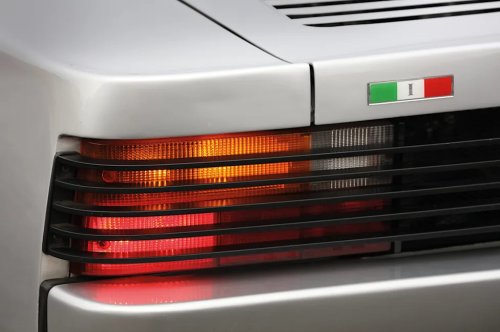
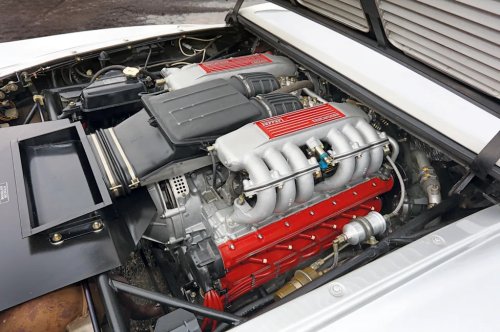
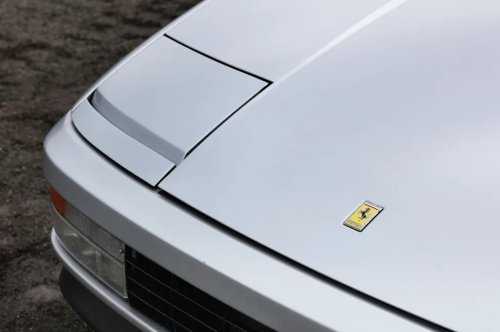
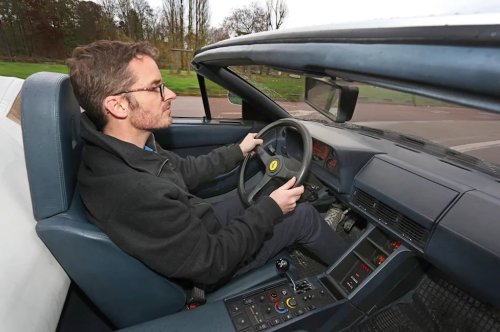
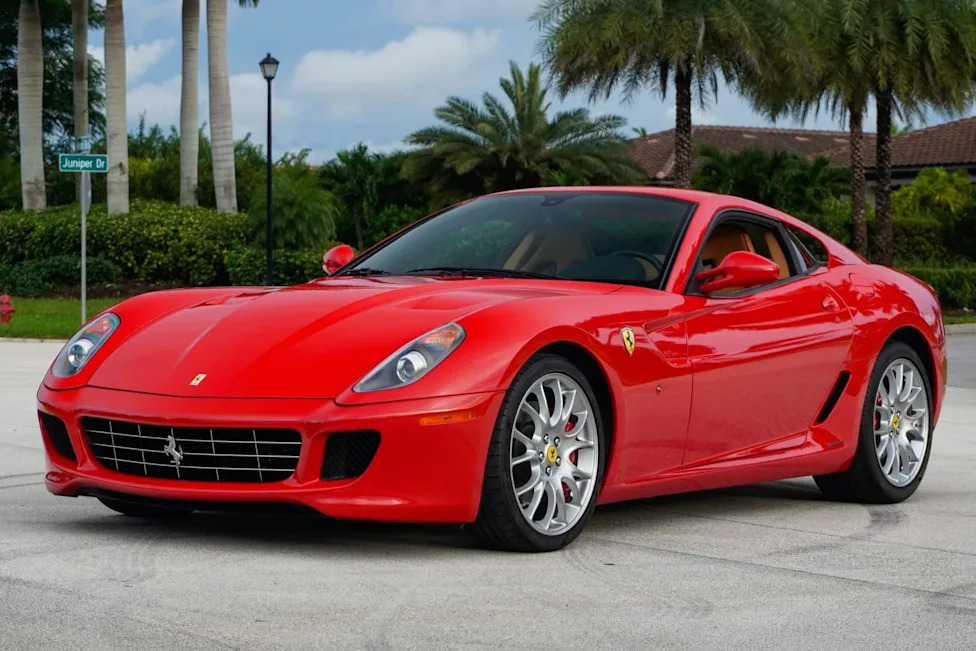
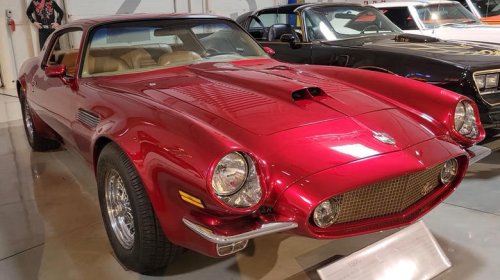
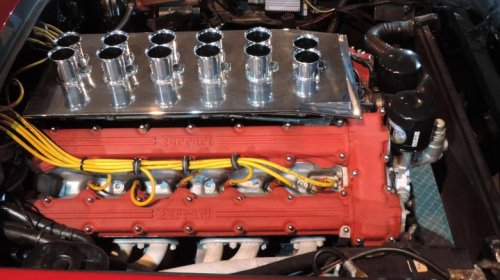
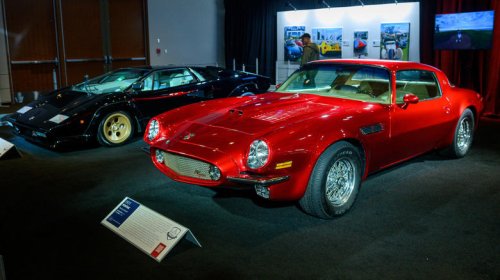
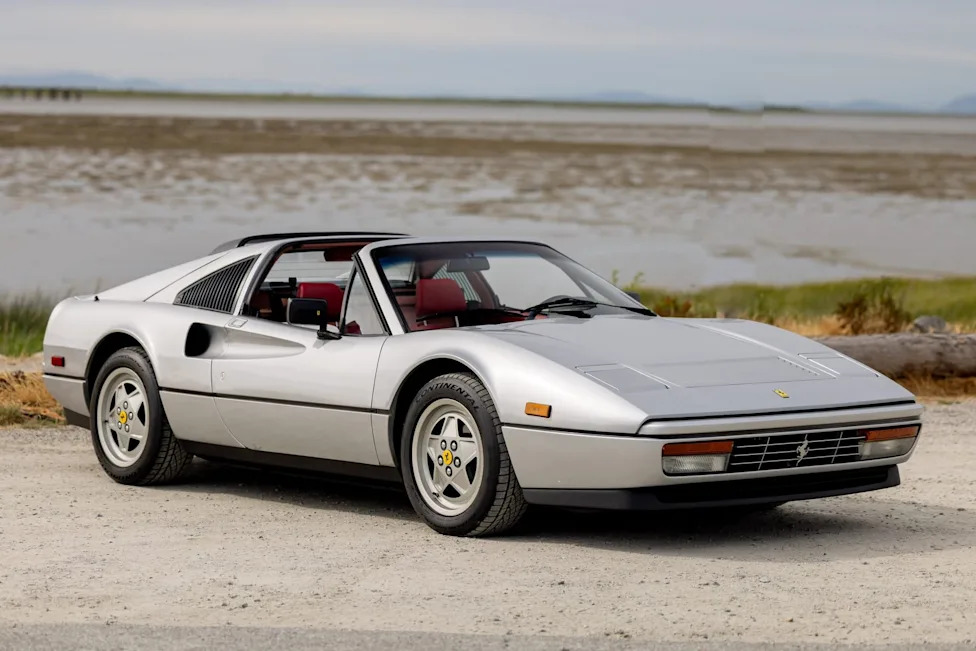
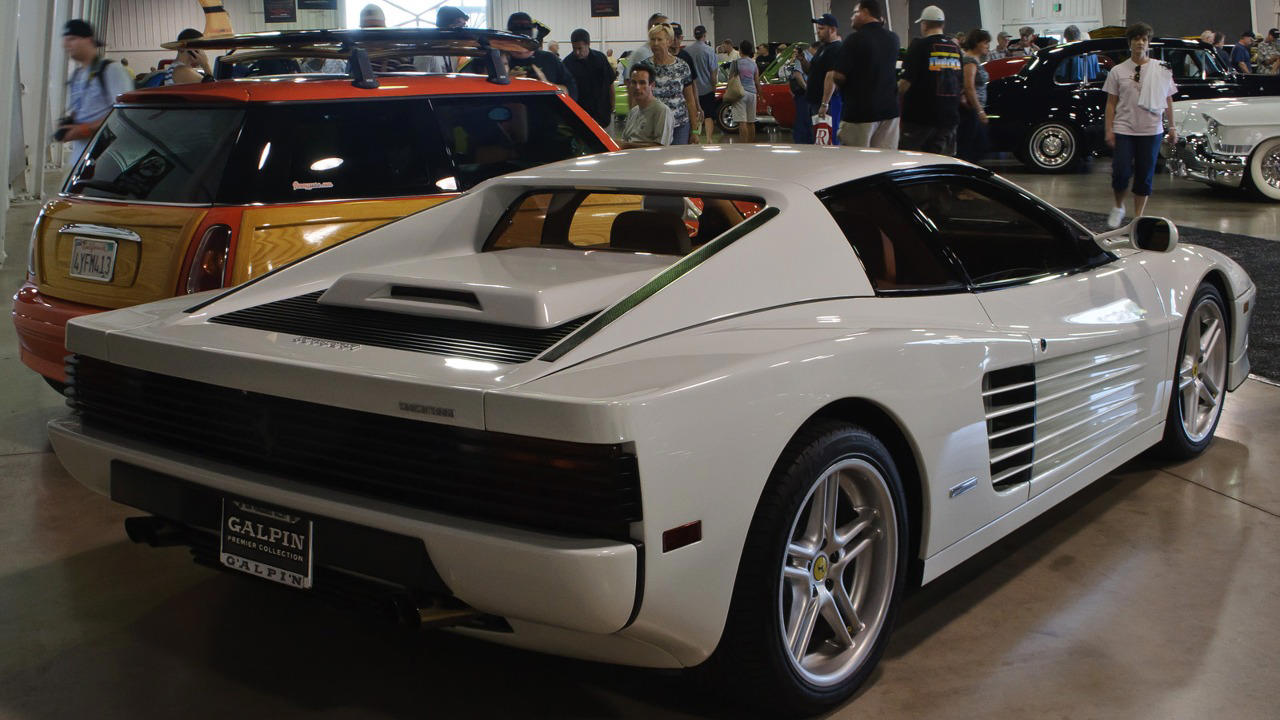
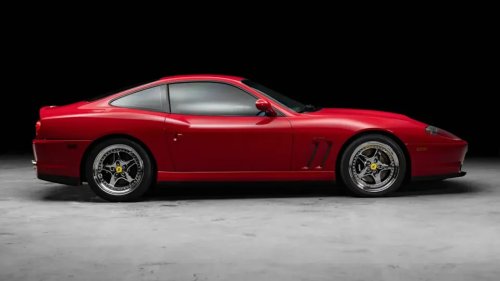
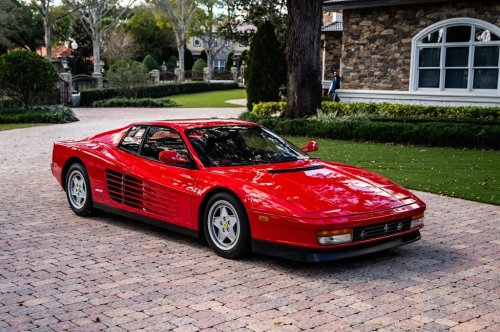
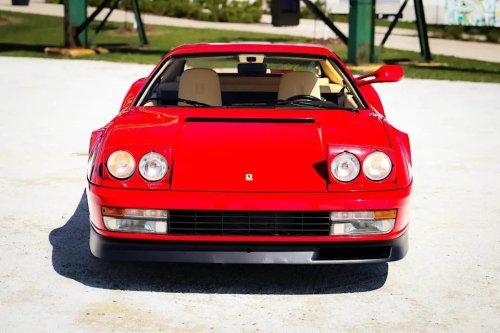
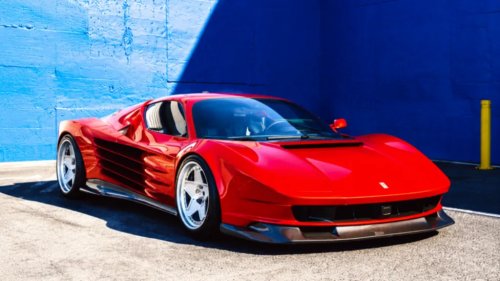
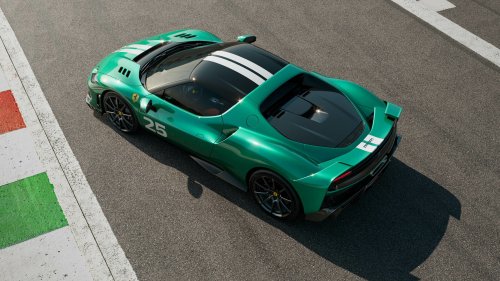
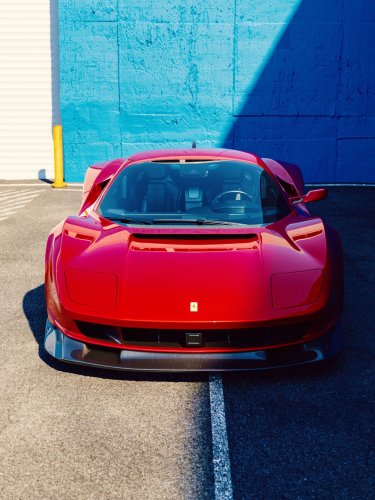
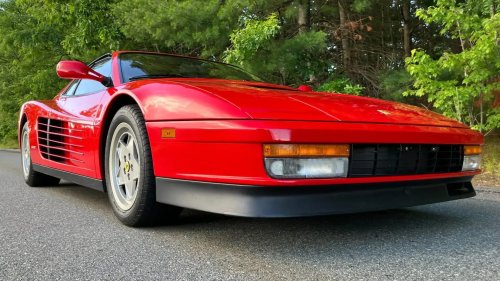
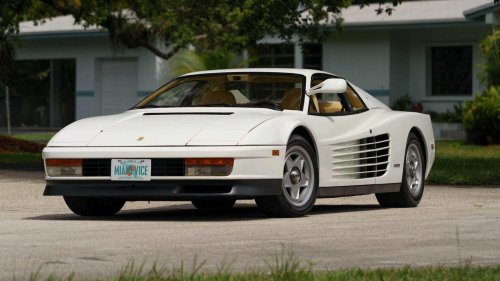
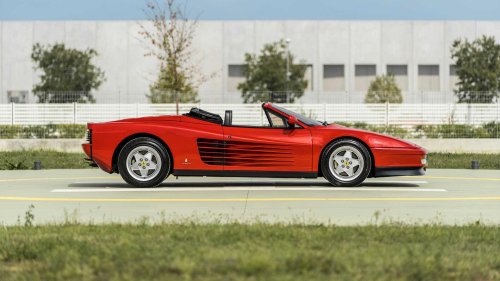
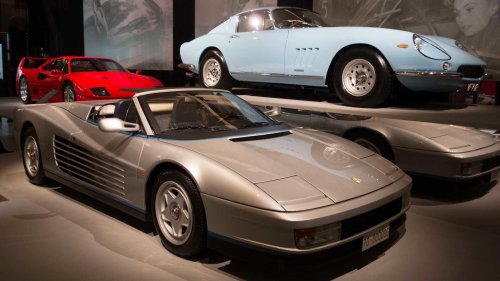
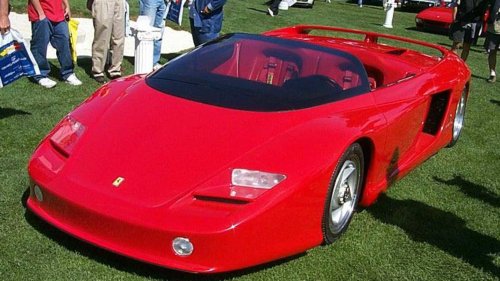
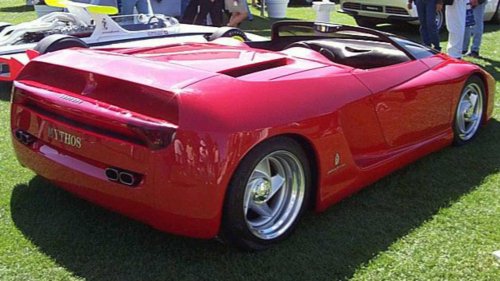
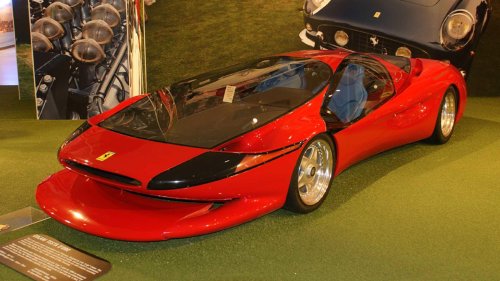
The Ferrari Testarossa is one of the most famous and instantly recognizable cars in history. A masterpiece of design, it has gradually gained a place as a pop culture icon of the 1980s. Although it was in production until the second half of the 1990s.The Testarossa was also a point of origin for several different one-off cars and concepts based on it. The mechanical underpinnings served as a launchpad for automotive designers to unleash their creativity, building all sorts of unique vehicles. Let’s take a closer look at some of them. The Model That Started It All: The Legendary Testarossa Mecum AuctionsThe model that gave rise to all these unique cars was none other than the iconic Testarossa, which became one of the most famous Ferraris in existence thanks to its distinctive design and its prominent place in pop culture. One notable example is its appearance in Miami Vice, which cemented its cultural association with the 1980s.The Testarossa was first introduced in 1984. It was characterized by long side strakes, which gave the car’s appearance a dynamic feel. This design was the work of the legendary Italian firm Pininfarina, which has also created countless other models that have earned a place in automotive history. The Testarossa’s name was a reference to the engine’s red cam covers; Ferrari had used this name before, in two race cars from the late 50s and early 60s – the 500 and 250 Testa Rossa.RM Sotheby's Power came from a 4.9-liter flat-12 engine, which produced between 385 and 434 hp in different versions of the model. Two other variants succeeded the original Testarossa over the course of the model’s life cycle: the 512 TR in 1991 and the F512 M in 1994. The model eventually went out of production in 1996, with a total of 9,939 units having been built. Testarossa Spider The production Testarossa never featured a convertible version in its lineup. Only one official Testarossa Spider was ever built, as a custom creation for none other than the chairman of Fiat at the time, Gianni Agnelli. He commissioned this droptop variant of the car in 1986 to celebrate his 20th year of chairmanship of the company. The car was finished in a striking shade of silver called Argento Nurburgring, and had a white magnolia leather interior with matte black sills and a dark blue stripe.The soft top was white and electronically operated, but it could also be stowed away manually. The Ferrari logo on the hood was made of solid silver rather than aluminum. The car’s silver theme is a reference to silver’s periodic table abbreviation “Ag”, the first two letters of Agnelli’s last name.In terms of mechanical components, the Testarossa Spider is not much different from the original model, with the same engine under the hood. The primary difference is the transmission, which was supplied by the French automotive firm Valeo. This transmission has the capability to switch between an automatic and a standard five-speed manual mode at the touch of a button. It was specifically installed at Agnelli’s request, as he suffered from a chronic leg injury.Surreal Name Given/Wikimedia Commons While Ferrari has received considerable interest over the years from customers seeking to acquire their own Testarossa Spider, it has never fulfilled the request, citing structural issues that would make it difficult to replicate this creation in larger numbers. However, some aftermarket firms (such as Pininfarina itself) have created and sold convertible Testarossas of their own. Mythos Craig Howell/Wikimedia Commons The Mythos was another Pininfarina creation. It was a mid-engined concept car based on the mechanical underpinnings of the Testarossa, and powered by the same engine: the 4.9-liter Tipo F113 flat-12. In the Mythos, it produced 390 hp and 261 lb-ft of torque. The five-speed manual transmission, which was also sourced from the Testarossa, sent power to the rear wheels. Although details about the Mythos’ performance are scarce, it is estimated that the car could reach a top speed of around 180 mph.Craig Howell/Wikimedia Commons The Mythos, however, had a design that was best described as controversial: a few years back here at CarBuzz, the concept car earned itself a spot on a list of Ferrari concepts deemed “too ugly for production." Colani Ferrari Testa d'Oro Ian Leech/Wikimedia CommonsThis car was named after its designer, Luigi Colani, an industrial designer who made a name for himself in the automotive world while also working on other projects, including furniture, airplanes, and cameras. The second part of the name, meanwhile, follows the Testarossa naming convention in a different way. Testa d’Oro is Italian for “golden head,” a nod to the engine’s cam covers, which were painted in gold.The car was built in 1989, with the aim of breaking land speed records at the legendary Bonneville Salt Flats. A German tuning company, Lotec, was responsible for adding a turbocharger to its flat-12 engine. The resulting output was 750 hp and 660 lb-ft of torque. The Testa d’Oro ultimately succeeded in its goal. In 1991, the vehicle broke the land speed record in its class, reaching a speed of 218 mph with catalytic converters fitted. FX Pat Durkin/Wikimedia Commons We continue our list with a car that isn’t a concept, but a one-off custom creation built at the request of a VIP customer: the 29th Sultan of Brunei. It is based on the F512 M version of the Testarossa and is powered by the same flat-12 engine. Its seven-speed sequential manual transmission, on the other hand, was sourced from the world of motorsport, being provided by the Williams Formula 1 team. The FX’s top speed is around 205 mph.The total number of examples built is uncertain, but is estimated to be under 10. Six of these cars were delivered to the royal family of Brunei. One example of the FX was bought by the late car collector Dick Marconi, a former racing driver, entrepreneur, and founder of the Marconi Automotive Museum. The car is now on display at the museum, located in Tustin, California. FZ93/ES1 Brian Snelson/Wikimedia CommonsNext up is the Formula Zagato 93, often abbreviated as the FZ93. This car was penned by automotive designer Ercole Spada, who also worked with a host of other major players in the industry, such as Aston Martin, Maserati, and Lancia. It was created as a follow-up to some of the Ferrari-based creations built by coachbuilding company Zagato.richard/Wikimedia CommonsThe FZ93 was showcased at the 1993 Geneva Motor Show, initially with a two-tone paint color scheme. In 1994, the car was given a revamp, which included a new, all-red paint job. At this stage, its name was also changed to ES1, after the initials of its designer. F90 This car was kept very closely under wraps, with Ferrari itself denying its very existence for the better part of two decades. The F90 was built in 1988, with six examples of the car being made for the Sultan of Brunei. The leader of the F90 project was Enrico Fumia, who headed Pininfarina’s Research and Development department at the time. The project was kept under such a strict level of secrecy that many at Ferrari itself were not aware of it.The Testarossa chassis served as the base for the F90. However, Pininfarina came up with a brand new body and interior. The original engine was kept in place, producing 385 hp. However, some mechanical changes were made, such as moving the radiators to the front of the car.Sources: Ferrari





















 +58 others