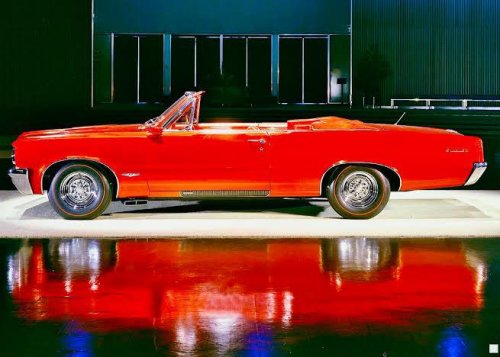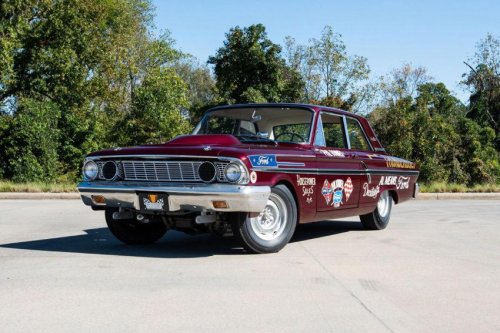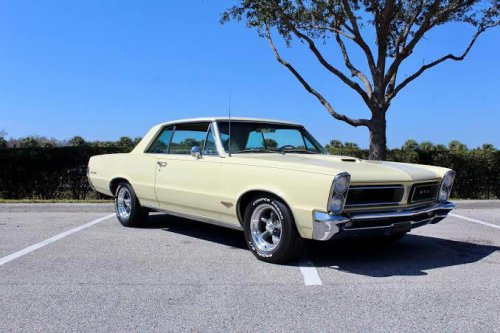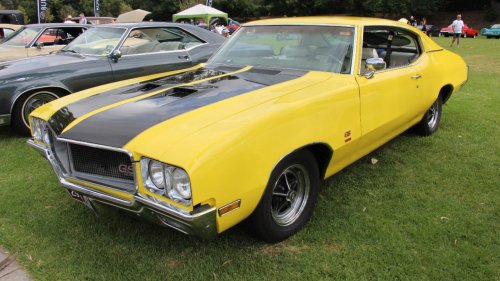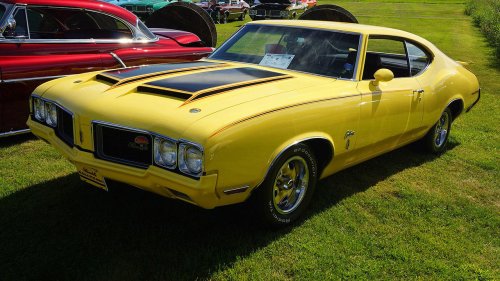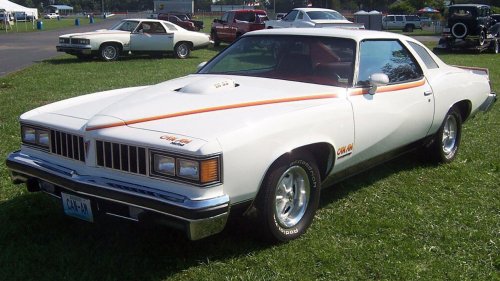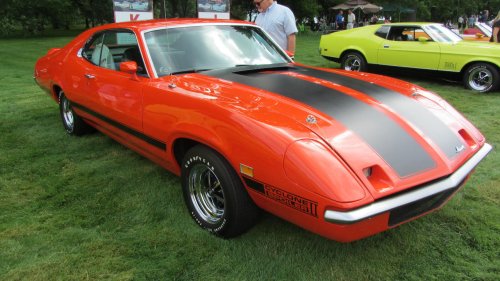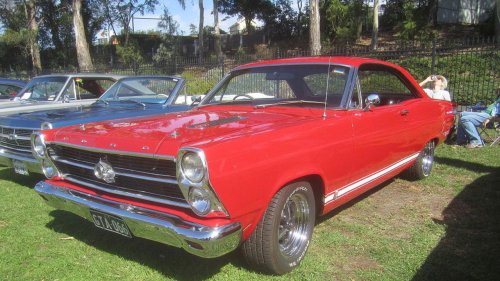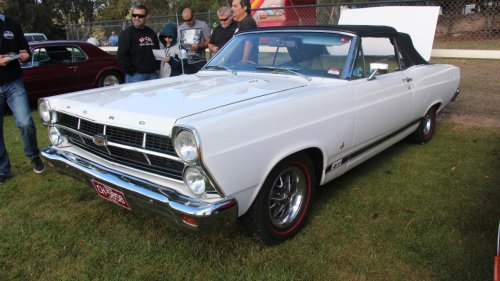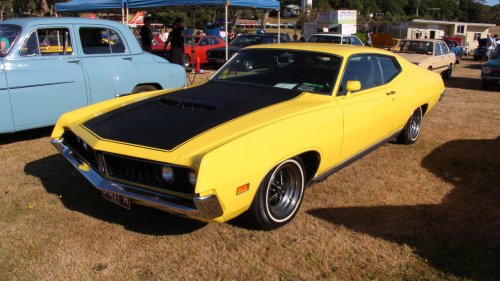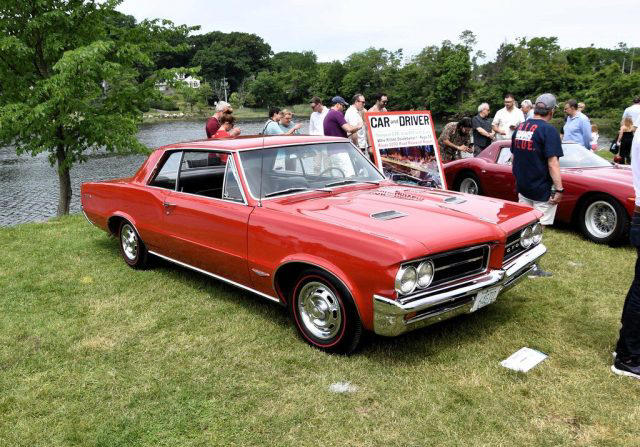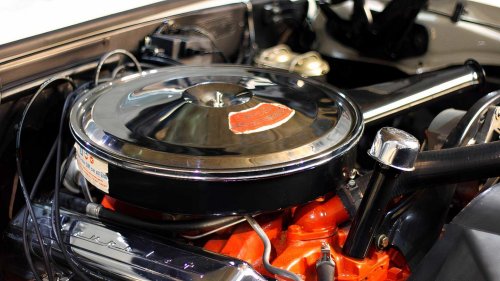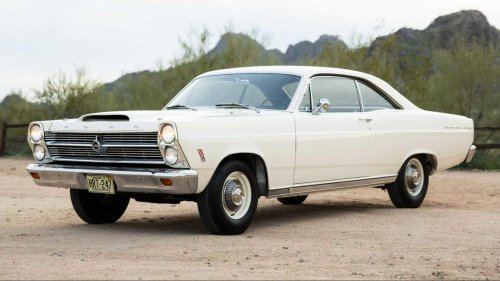
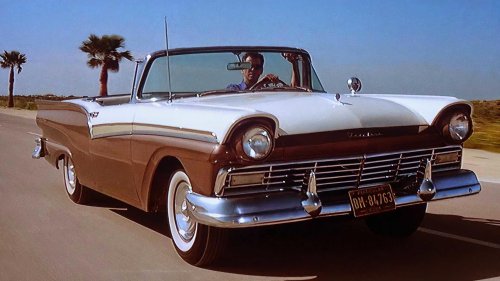
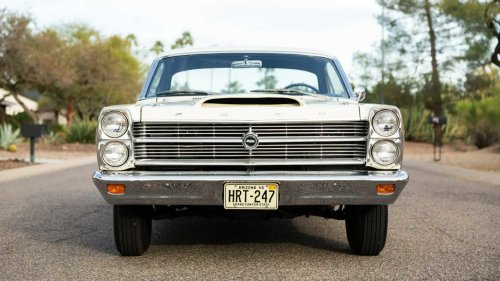
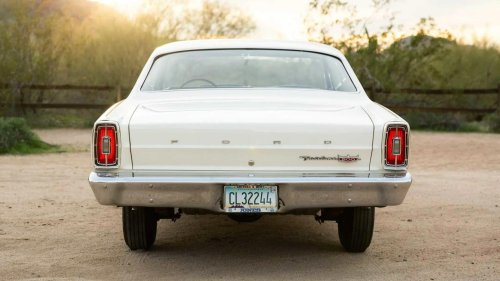
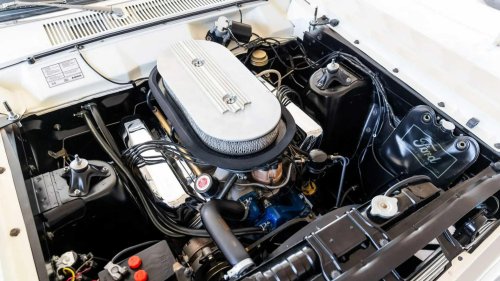
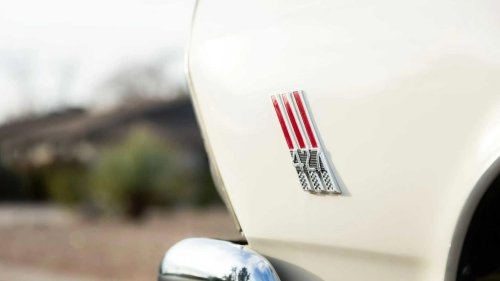
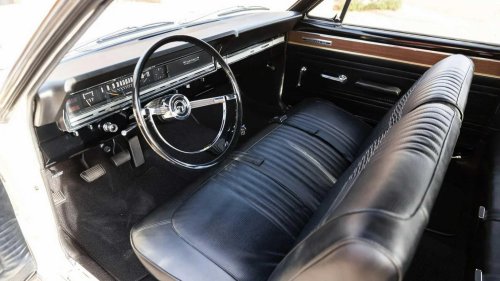
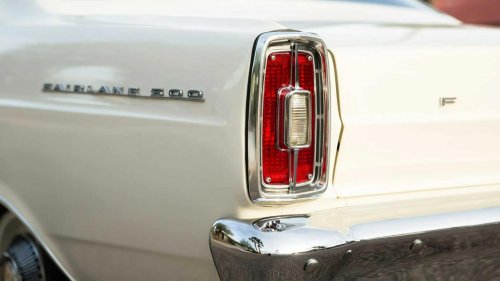



















A major industrial shift was underway during the early 1960s, particularly in the American automotive scene. The 1950s, a decade of long, low, and slow models, had passed. The early 1960s heralded a new era of more efficient cars for Americans, such as the Ford Falcon, Chevrolet Corvair, and Rambler. In addition, the classic muscle car era kicked off with the introduction of the 1964 Pontiac GTO: a mid-sized car with a huge engine shoehorned into its engine bay.Quickly, nearly all other American automakers rushed to create their own version of the GTO, generally by taking a midsize product and adding the big engines from larger models. Ford decided to join the fold, too. You could posit that the Mustang was Ford's first muscle car, but you'd find yourself in a heated argument with purists claiming it was a pony car.Arguably, the Blue Oval's first proper muscle car was the 1966 Fairlane GT. At the top of the range, there was the ultra-rare 500 R-Code model. It was a purpose-built machine to go drag racing. Ford's Popular Sedan, Muscle-ified Bring A Trailer Quick Facts About The Ford Fairlane 500 R-Code Introduced in 1966 Uses a 427 CID Side-Oiler V8 Built for drag racing Only 57 produced in 1966 Axed following the 1967 model year The Ford Fairlane nameplate arrived 11 years prior to the R-Code's introduction. It replaced the aging Crestline, a nameplate that sat at the top of the marque's offering list and helped bring Ford back from a bleak financial situation following the end of World War II. The Crestline, while well-liked, was aging, so Ford sprang into action to rectify the situation with a fresh new model.The Fairlane debuted at the end of 1954 for the 1955 model year. Along with a redesigned look that was much more with the times, the vehicle also came with several optional trim levels. At the top of the grade range sat the Crown Victoria Skyliner, which boasted a transparent roof. A Crown Victoria Coupe was also available, which had lots of chromed stainless steel trim. It also marked the first time Ford used the now-iconic "Crown Victoria" namesake in any capacity. This original Fairlane offered a few engine options, two of which were V8s shared with the Thunderbird.Eon Productions The Fairlane was redesigned for the 1957 model year, and it was during this second generation that the model would gain a "500" grade, serving as the top-spec model. The Fairlane was again revamped for the 1960 model year, which saw it relinquish the flagship positioning to the newly introduced Ford Galaxie. This meant the '60 Fairlane was smaller and lighter than it was over its previous two generations. The Fairlane's Performance Came Naturally 1966_ford_fairlane_r_code_full_frontalIt wouldn't be until the Fairlane was firmly in its fourth generation that the model finally gained a purpose-built performance model. In 1963, Ford built a handful of specialized drag racing cars based on the Fairlane. These offerings boasted 289 CID small-block V8s. For 1964, the Blue Oval decided to produce a few of these for the public, albeit with a different engine. The company called it the Thunderbolt, and the offering was a purpose-built drag racer, sporting a 427-cubic-inch (7.0-liter) big-block V8 tuned for the strip.1966_ford_fairlane_r_code_full_rearHowever, the real bruiser was the Fairlane 500 R-Code that arrived in 1966. The vehicle had a similar backstory to the Thunderbolt, in that it was a drag racer for the road, not the other way around. The purpose of the Fairlane 500 R-Code was to qualify both the engine and transmission for use in the NHRA and IHRA Super Stock drag racing series. Racing in the Super Stock class meant that at least 50 road-going versions needed to be produced, hence why the general public had a brief shot at buying an R-Coded Fairlane 500 for themselves.There were only about 57 R-Code Fairlane 500s produced during the 1966 model year. Every single one had the same powertrain, features, and color. Ford also offered the Fairlane 500 R-Code in 1967, with approximately 92 arriving that year. However, the '67 models were just a little different, mainly due to the fact that different paint colors were offered. The result was still a stripped-out, hardcore drag car. Here's What Made The R-Code So Spicy 1966_ford_fairlane_r_code_engine1Hidden underneath the fiberglass hood, necessary as a weight-saving measure, lived a very special engine. While most folks are familiar with Ford's 427 CID big-block V8, the Fairlane 500 R-Code utilized a special version called the "Side-Oiler." Side-oiler engines employed of a special oil passage that ran alongside the crankshaft, meaning the main bearings were lubricated first before oil was sent up to the top end of the motor. The result was that catastrophic bottom-end failures due to oil starvation were much less likely to happen than in other engines.Bring A Trailer In addition, the Fairlane 500 R-Code's mill also boasted a pair of four-barrel Holley carburetors. Handling the Side-Oiler's power was a four-speed "Top-Loader" manual transmission. The Top Loader was referred to as such because its service cover was located at the top of the transmission, rather than on the side or bottom. The layout made it easier to service and repair the gearbox, as racers didn't have to drop the transmission out of the car completely to facilitate certain jobs. On the drag strip, this time-saving measure made a big difference.Bring A Trailer Every single Fairlane 500 R-Code, regardless of year, came standard with a nine-inch rear end sporting a 3.89:1 gear ratio. The suspension was heavy-duty, with stiffer springs and shocks to keep the R-Code straight and level when under full throttle on the strip. A power-assist braking system with front discs was standard, as well. Inside, the Fairlane R-Code was quite sparse in its amenities. The model did without a radio or, in some cases, a heater. Expecting the drag-ready car to have power windows, seats, mirrors, or air conditioning was laughable.*Specs courtesy of Hemmings In The End... Bring A TrailerThe Fairlane 500 R-Code only stuck around for two years. However, once its production ended, Ford didn't give up on pursuing performance with a mid-sized model. In 1968, Ford introduced the Torino, a spruced-up version of the Fairlane as its midsize offering. The Torino effectively took over from the Fairlane when it came to Ford's involvement in the classic muscle car arms race, as well.The most powerful Torino, the 1970 Cobra and GT grades, came equipped with an optional 429 CID Super Cobra Jet V8. The mill was part of the Torino's Drag Pack. With this configuration, the hot Tornio produced 375 horsepower. While not as much as the R-Coded Fairlane 500, it was still enough to keep up with the likes of other muscle cars, like the Oldsmobile 4-4-2 and the Buick GS Stage 1.