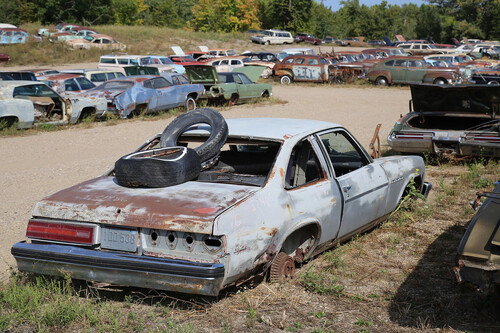
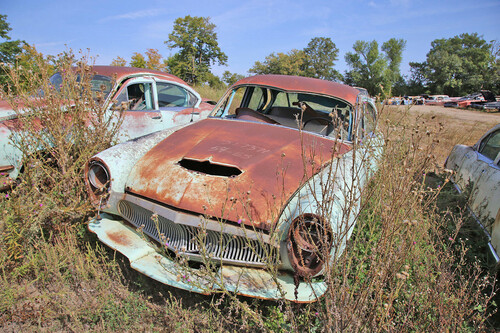
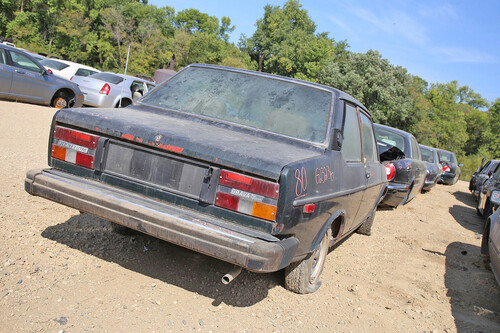
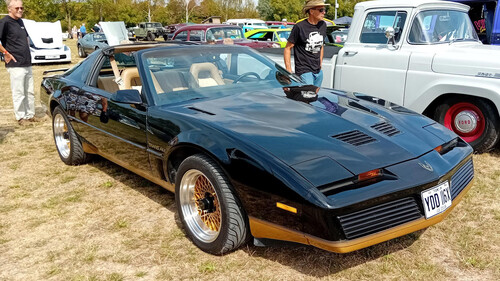
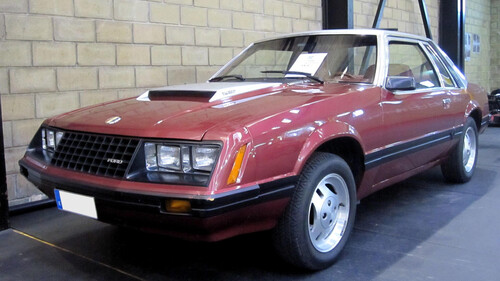
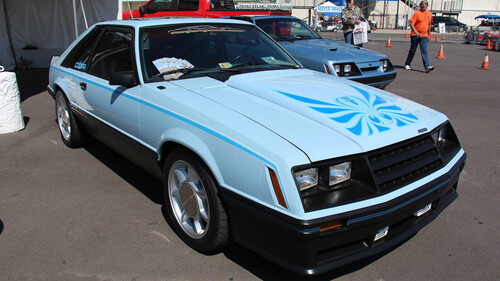
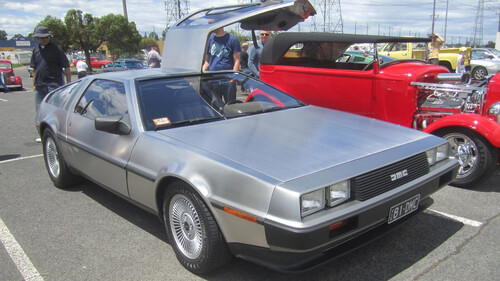
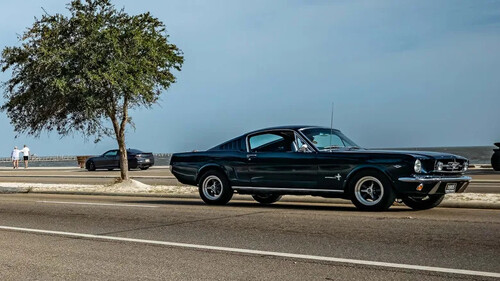
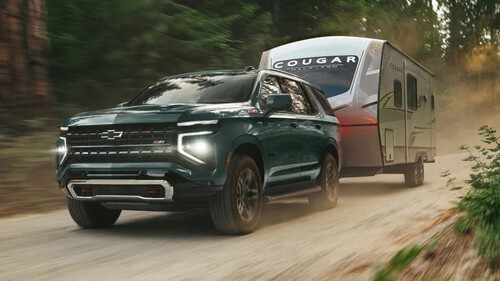
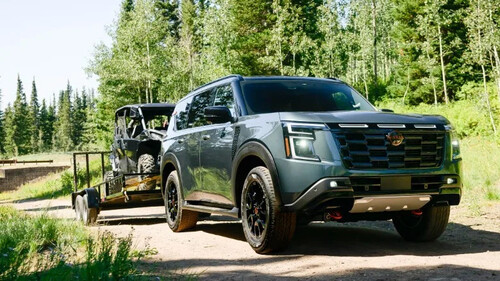
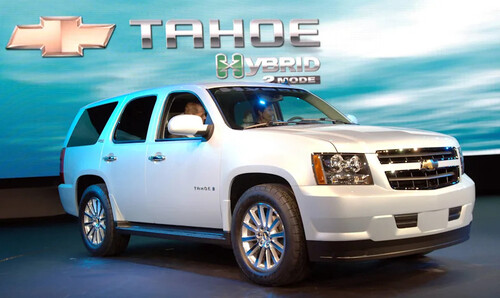
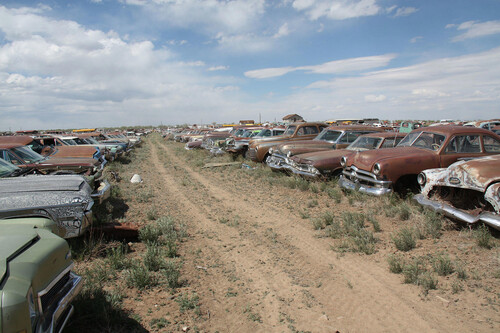
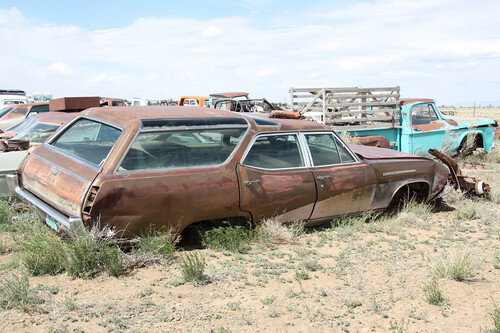
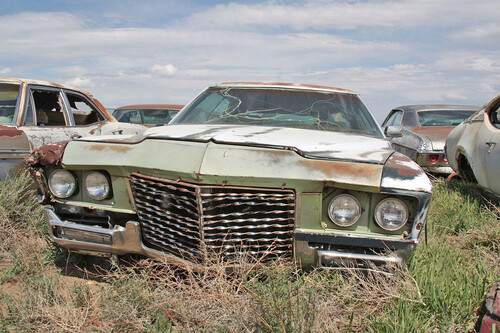
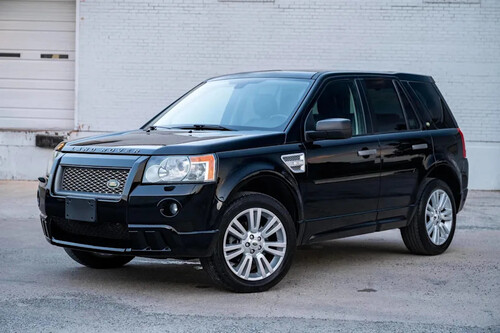
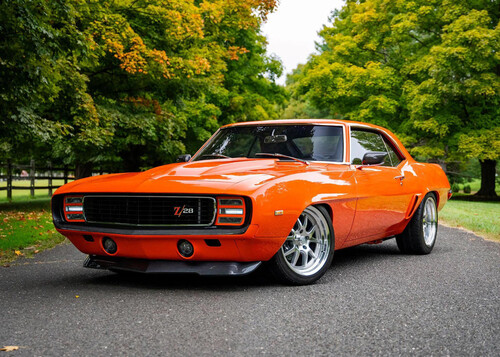
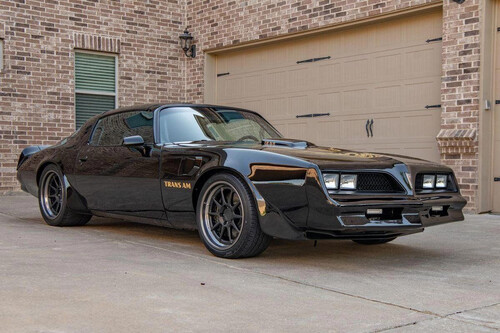
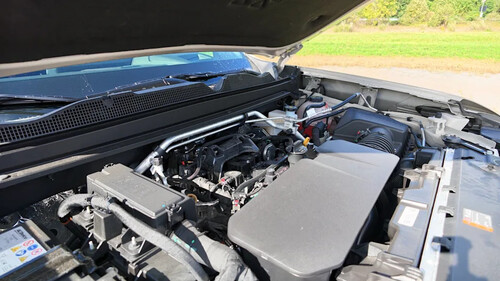
The Muscle Car EraStep outside a high school football game in 1968, and chances are a Pontiac GTO or Dodge Charger sat rumbling in the parking lot, drawing a crowd before the first quarter even started. That was the muscle car era, when Detroit decided speed and style should come standard, not as an afterthought. Big V8 engines, wide hoods, and bold stripes turned ordinary sedans into rolling statements of power. The Camaro, Mustang, and Chevelle SS weren't just transportation. They were proof that American engineering could compete with anything from overseas, and do it with attitude. Gas was cheap, insurance rates hadn't caught up yet, and horsepower numbers climbed every model year. For a lot of folks, this stretch of automotive history still represents the moment when driving became something to look forward to, not just a way to get somewhere.Bigger Doesn't Always Mean BetterBy the mid-1970s, American automakers started rethinking the massive land yachts that had ruled the roads for two decades. Fuel prices climbed, gas lines wrapped around city blocks, and drivers began asking for cars that felt easier to handle around town. The 1973 Cadillac Fleetwood stretched over nineteen feet bumper to bumper, and suddenly that kind of size felt like a liability instead of a luxury. Chevrolet's Caprice lost nearly a foot in length between 1976 and 1977, while the Nova and Ford Maverick proved a smaller footprint could still deliver comfort and style. Some folks missed that highway-hugging stability, but most welcomed cars that finally fit in a normal driveway. Downsizing wasn't a step backward. It showed that a well-designed compact could turn heads just as easily as its bigger cousins.It’s All About the ChromeChrome wasn't just decoration back in the 1950s—it was the whole point. Bumpers, grilles, hood ornaments, even the trim around your headlights got the shiny treatment, and manufacturers piled it on like frosting on a cake. Think about the 1958 Buick or Cadillac with those wide chrome grilles that looked like they were smiling at you from the driveway. Detroit understood something simple: chrome catches sunlight, and sunlight catches attention. Neighbors noticed when you pulled up in a car dripping with brightwork, and that mattered plenty in an era when your vehicle said something about who you were. Polishing all that chrome became a Saturday ritual for many families, a small act of pride that kept those bumpers gleaming like mirrors well into the next work week.An Improvement in Safety FeaturesSeatbelts felt like an afterthought in the early days, tucked away and often ignored by drivers who grew up without them. That started changing through the 1960s and 1970s, when padded dashboards, collapsible steering columns, and stronger door frames became standard equipment rather than fancy extras. Ralph Nader's 1965 book "Unsafe at Any Speed" pushed manufacturers to take crash protection seriously, and Washington followed with new regulations. Airbags arrived in the 1980s, first as pricey options on luxury models before spreading across showroom floors. Anti-lock brakes gave drivers better control on wet roads and icy driveways alike. None of these changes happened overnight, and plenty of engineers argued over costs versus benefits. Looking back, you can trace a clear line from those bare-bones interiors to the safety cages protecting families today.From Boxy to CurvyBy the late 1980s, automakers started ditching the sharp edges and flat panels that defined the previous decade. Wind tunnels became just as important as design studios, and engineers pushed for shapes that sliced through the air instead of fighting it. The Ford Taurus arrived in 1986 looking unlike anything else on the road, with rounded contours that some folks thought resembled a jellybean. Chevrolet followed suit, softening the Caprice's lines by the early 1990s. Fuel prices and highway speeds made aerodynamics a selling point rather than an afterthought. Chrome accents gave way to body-colored bumpers, and headlights tucked into smoother, wraparound designs. Your neighbor's driveway probably told the story well: boxy sedans parked next to sleek new models, proof that American design was chasing efficiency without giving up personality on the road.Materials, Motors, and YouUnder the hood, American cars were quietly going through a revolution of their own during the 1980s and into the 1990s, and it had everything to do with what engineers could finally build. Aluminum components started replacing heavier cast iron parts, shaving weight off engines and improving fuel economy without sacrificing the power you expected from a V8. Fuel injection systems took over from carburetors, giving your car smoother starts on cold mornings and better performance overall. Plastic and composite materials found their way into dashboards, bumpers, and body panels, changing how cars looked and how they held up over time. You might not have noticed these shifts from the driver's seat, but they shaped everything about how your car started, ran, and felt on the road for decades to come.Generational AttitudesEvery generation seems to fall for the cars that defined their coming-of-age years, and that loyalty shapes how folks talk about design even now. Grandparents who cut their teeth on chrome-laden Bel Airs and Fairlanes often see the muscle car era as the last time Detroit truly swung for the fences. Their kids, raised on boxy Reagan-era sedans and minivans, tend to value reliability and practicality over flash. Younger drivers today, meanwhile, gravitate toward retro-styled models that borrow design cues from decades they never lived through. Ask three people from three different eras what makes a car "beautiful," and you'll likely get three different answers rooted in the vehicles that surrounded their own childhoods and first driving experiences on Main Street.A Lesson in International RelationsThe oil crisis of the 1970s taught Detroit a lesson that no design meeting ever could: American drivers would embrace smaller cars when gas lines stretched around the block. Suddenly, those fuel-sipping imports from Japan and Germany weren't just curiosities anymore. Toyota Corollas and Volkswagen Rabbits started showing up in driveways next to Buicks and Fords, and American manufacturers took notice. Ford answered with the Pinto, Chevrolet countered with the Vega, and GM eventually rolled out the X-body compacts. These cars weren't always the most exciting to drive, but they represented something bigger. American car design had to compete on a world stage now, learning that efficiency and practicality mattered just as much as chrome and horsepower once had.A Focus on the InteriorBy the late 1980s and into the 1990s, American automakers started paying closer attention to what drivers touched, saw, and felt every day behind the wheel. Cloth and vinyl gave way to plush velour seats, dashboards grew softer contours, and digital displays began appearing in models like the Buick Reatta and Oldsmobile Toronado. Cup holders, once an afterthought, became a genuine design consideration as drive-thru culture took hold across suburban America. Cruise control, power windows, and adjustable steering columns turned into expected comforts rather than luxury add-ons. Manufacturers realized comfort sold cars just as much as horsepower did. Your daily commute or long road trip suddenly felt less like work and more like relaxation, with ergonomics finally getting the attention they deserved after decades of style taking center stage.The SUV TakeoverBy the late 1980s and into the 1990s, something shifted in American driveways, and station wagons started losing ground to a taller, tougher-looking alternative. The Jeep Grand Cherokee and Ford Explorer led the charge, giving families the cargo space of a wagon with the rugged stance of a truck. Suddenly, hauling kids to soccer practice felt like an adventure waiting to happen, even if most SUVs never left the pavement. Chevy's Suburban had been around for decades, but this new wave brought SUVs into the mainstream like never before. Dealerships couldn't keep them in stock, and neighbors compared trim packages the way they once compared muscle car horsepower. The SUV wasn't just a vehicle anymore. It became a statement about how you wanted to live, work, and explore on weekends.A Bit of Eco-Friendly StylingBy the late 1990s and into the 2000s, automakers started thinking about fuel economy in ways that changed the way cars looked, not just how they ran. Smoother curves replaced boxy edges, and rounded noses became the norm as engineers chased better airflow. The Toyota Prius stood out as a symbol of this shift, with its distinct silhouette announcing its hybrid status before you ever saw the badge. Honda's Insight followed a similar path, prioritizing shape over swagger. These cars looked different because they had to, every curve served a purpose beyond looks. Whether or not you embraced the styling, there's no denying it marked a turning point. Efficiency had officially become part of the design conversation, right alongside horsepower and style.A Splash of ColorRemember when cars came in colors that actually had personality? Back in the 1950s and 1960s, you could drive off the lot in shades like Coral Pink, Seafoam Green, or Tangerine Orange, and nobody thought twice about it. Two-tone paint jobs turned ordinary sedans into rolling works of art, with contrasting roofs and body panels that caught the sunlight just right. Chrome trim added extra sparkle, making even a trip to the grocery store feel like an event. These days, parking lots look a lot more like a sea of silver, black, and white. Automakers play it safe with neutral tones that appeal to resale value. There's nothing wrong with a classic gray sedan, but you have to admit, a driveway full of pastel convertibles and cherry-red coupes brought a certain joy that today's color palette just doesn't match.