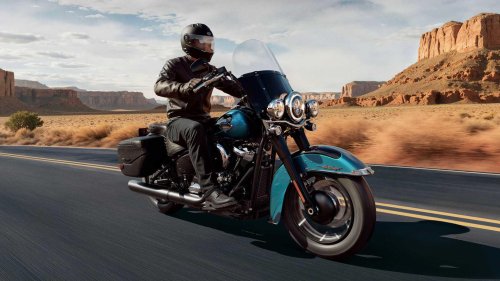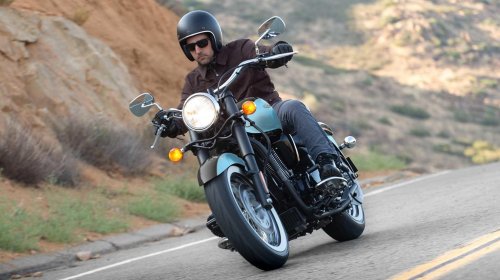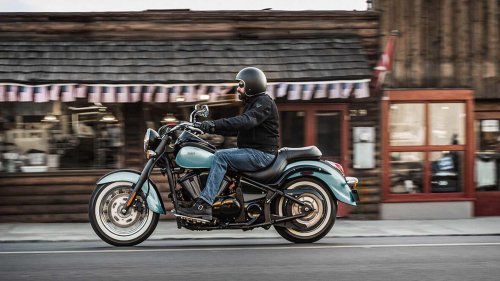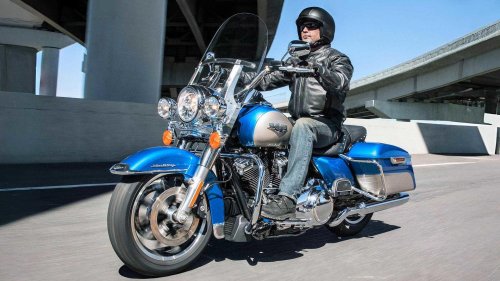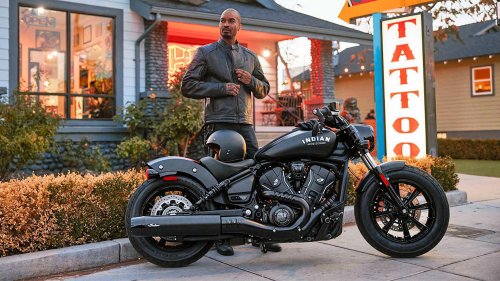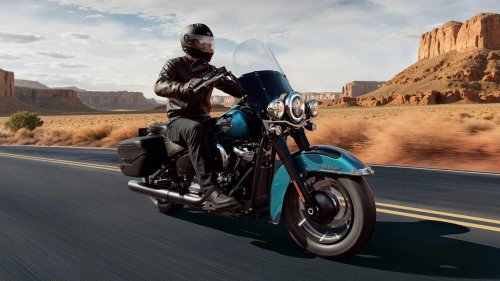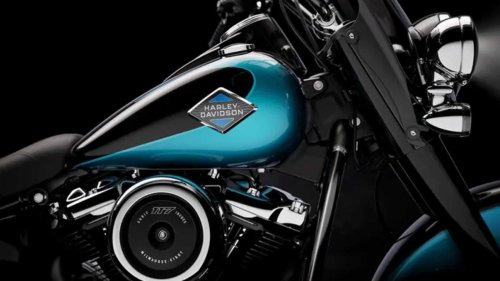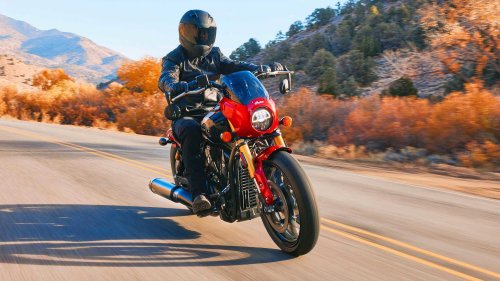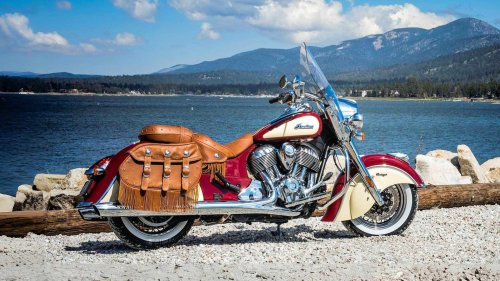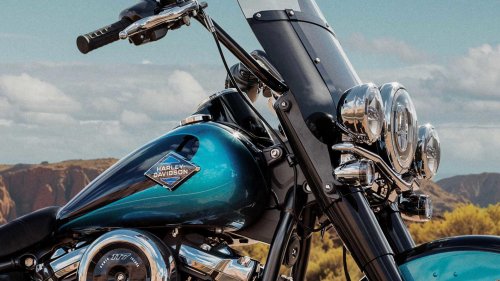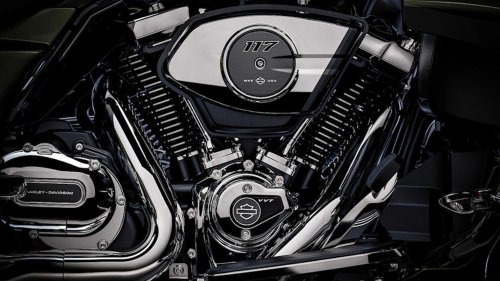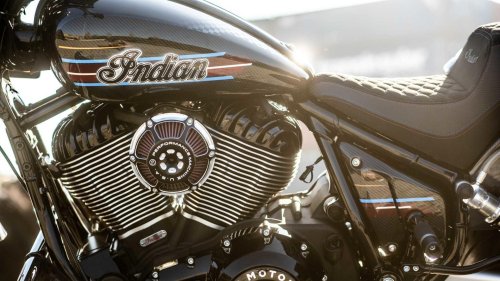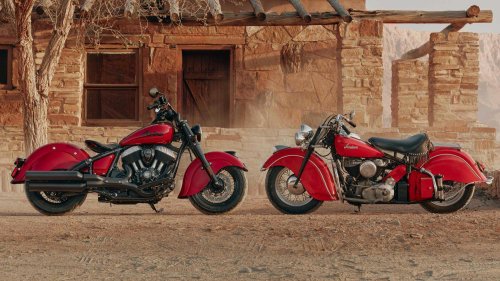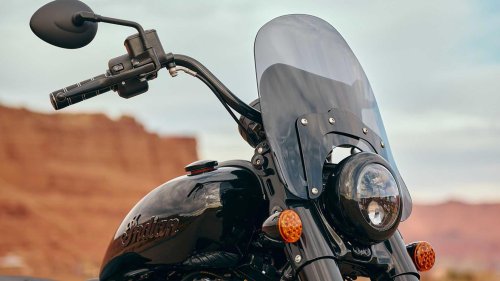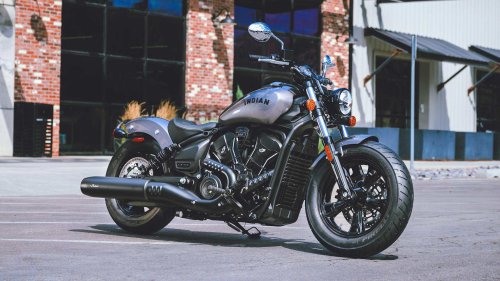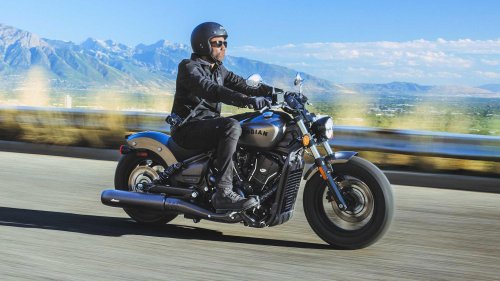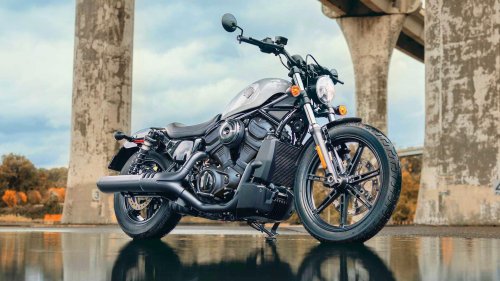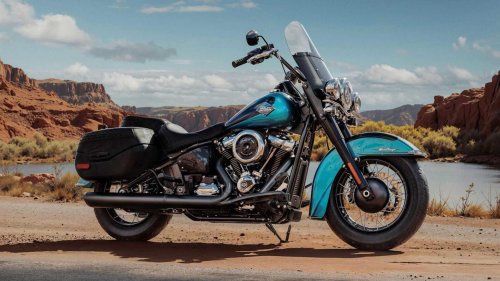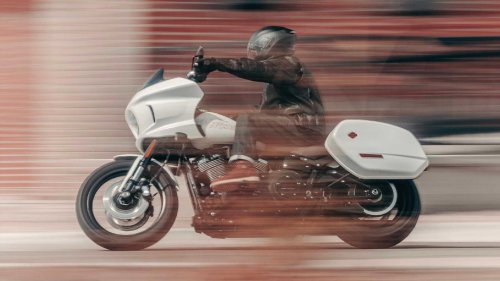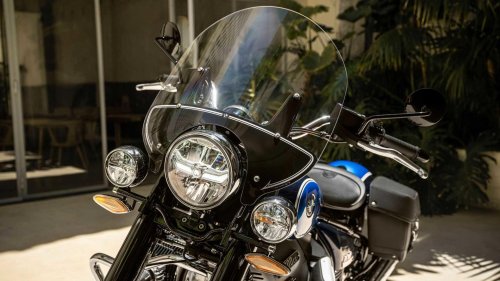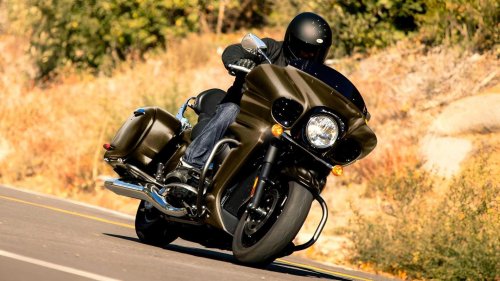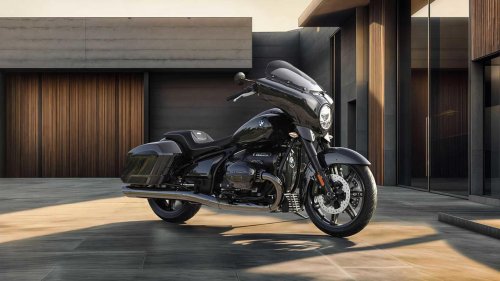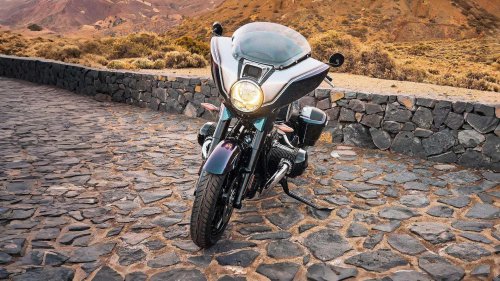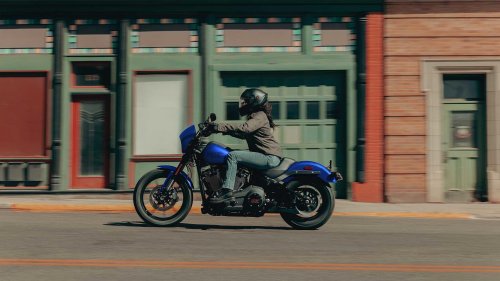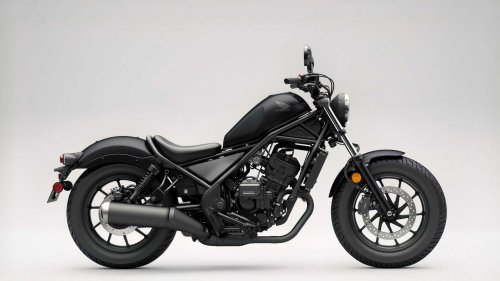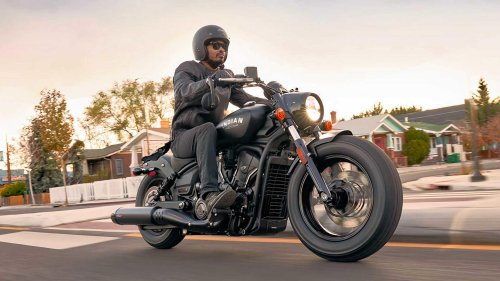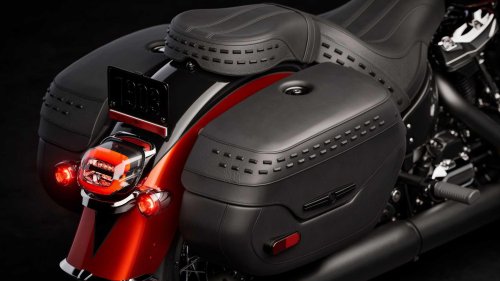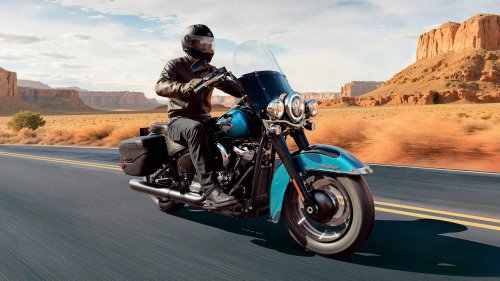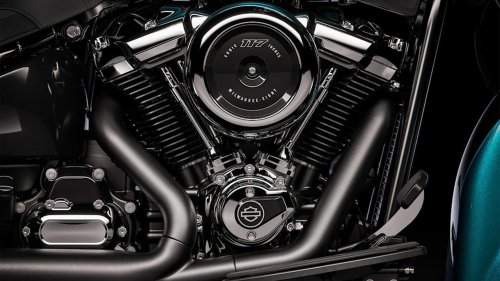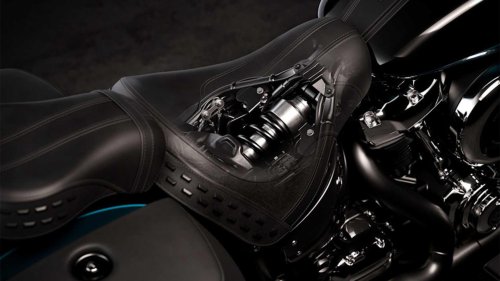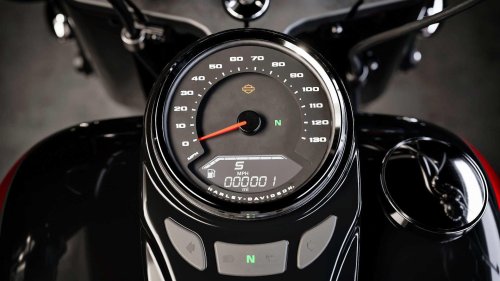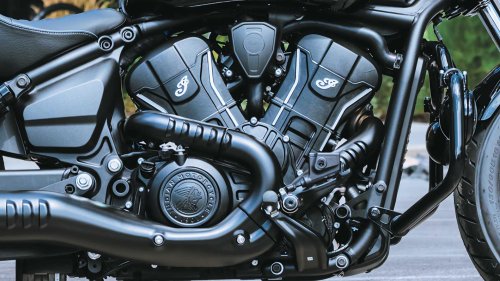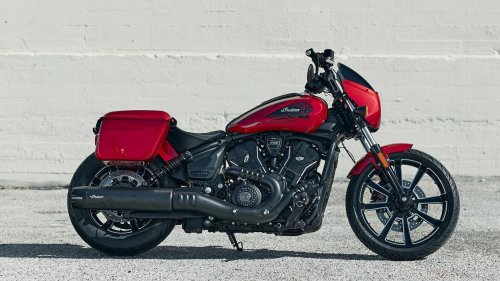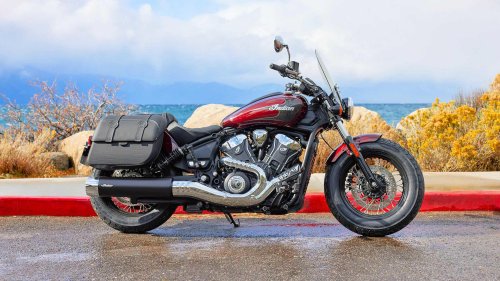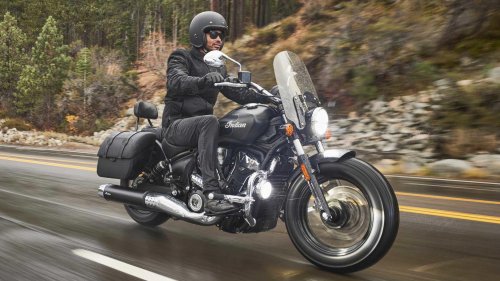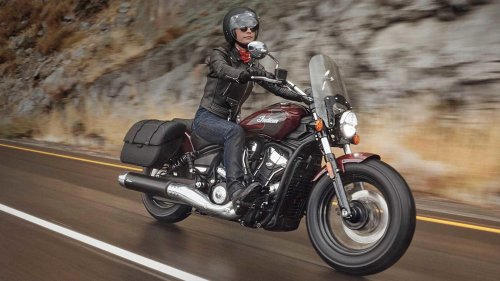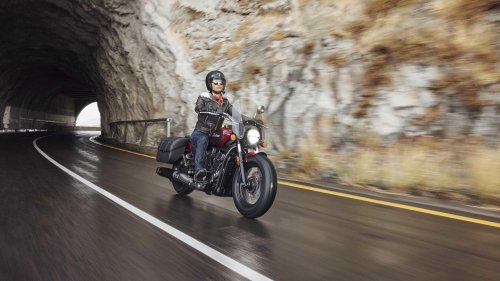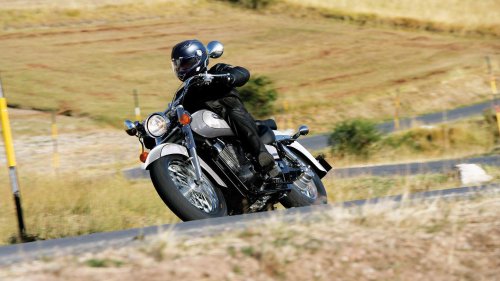
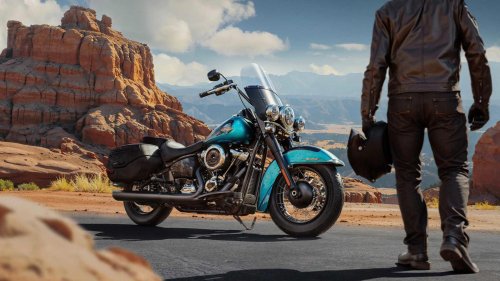
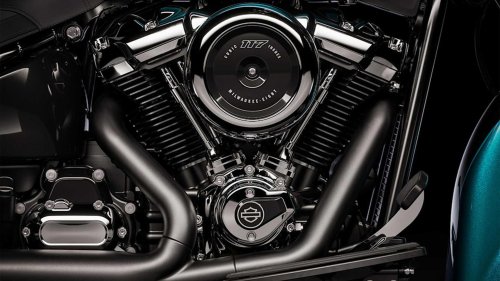
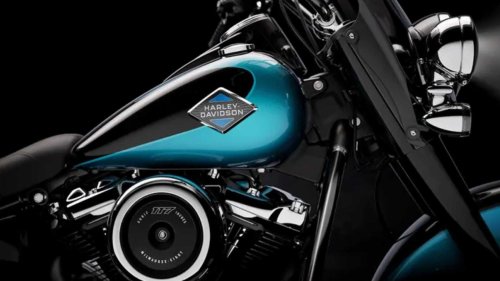
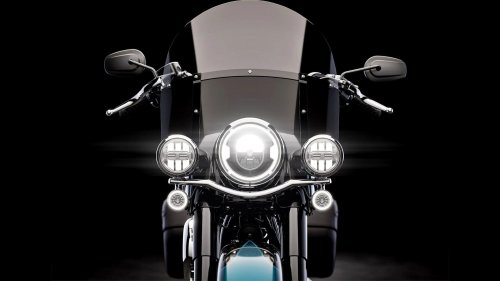
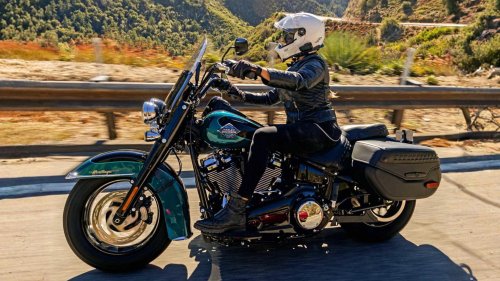
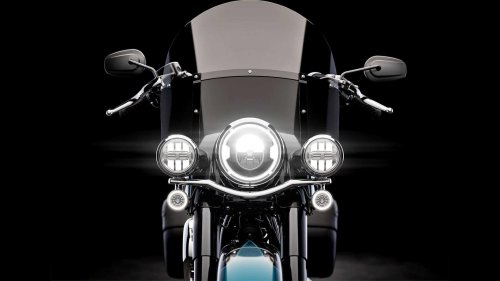
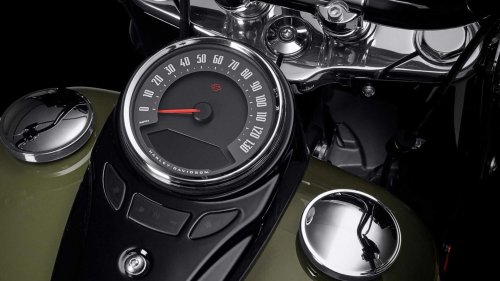
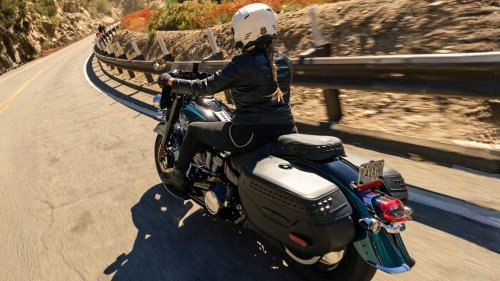



















Cruiser motorcycles paint the quintessential picture of classic motorcycling from the early days. Minimalist styling, a low seat height, and a laid-back riding position are the ingredients for them and, admittedly, look incredibly attractive in photographs. This recipe sells through weekend rides and short runs effortlessly. But push past the 200-mile mark in a single day, and the same recipe starts, revealing what was left out from the chef’s brief.Wind protection from the windscreen that isn't there, the requirement to carry luggage that requires an accessories order, and the seat padding that gave up somewhere around the state line. Most cruisers ask you to choose between looking the part and actually covering the distance. But only a handful complete the Michelin star presentation and back it up with the full set of flavors, of looking good while also being comfortable and practical. Why Most Cruisers Fall Short When The Miles Pile Up Harley-DavidsonA stripped-down cruiser is built around visual simplicity. The aesthetic bodes well at low speeds. At highway pace for hours on end, the rider absorbs the full force of the wind, and fatigue arrives well before the destination does. For example, the Indian Scout, handsome as it is, ships without any of those long-haul fundamentals as standard equipment. Seating compounds the issue further. A sculpted solo saddle or minimal pillion pad may look period-correct, but the padding compression that sets in miles later turns the last stretch of any long ride into an endurance test. A good long-distance cruiser seat holds its shape across a full tank, not just for the first hour out of the dealership. What Separates A Capable Cross-State Cruiser From A Weekend Bike Two features matter more than any other on a multi-state run. Luggage that doesn't require a separate options order, and something that cuts the wind away from the rider. Genuine touring capability means both are packaged as standard equipment. The second separator is suspension calibration. A chassis tuned for flat, smooth pavement will punish the rider on anything more demanding. Combine a seat that holds up through a long day with a windscreen that does real work at speed, and the shortlist of cruisers that qualify for serious distances narrows considerably. The Harley-Davidson Heritage Classic Is A Cruiser Built For The Long Haul Harley-DavidsonHarley-Davidson built the 2026 Heritage Classic around the Softail platform and dressed it in the 1950s classic American cruiser proportions. It’s a profile that the brand's heritage has refined over decades and well. Starting at $19,999, it ships with lockable saddlebags and the trusty Milwaukee-Eight 117 engine. Further, the long-haul hardware, such as a two-up saddle and a detachable windscreen come in for not too much of an extra cost. Milwaukee-Eight 117 Torque That Makes Interstate Miles Feel Effortless Harley-DavidsonWith the meaty 120 pound-feet arriving at just 2,500 rpm, the Milwaukee-Eight 117 Classic puts its peak torque at an engine speed where most riders spend the bulk of their interstate time. At low revs. That means low effort for roll-ons, thus low fatigue. The 1,923cc V-twin produces 98 horsepower at 4,600 rpm, though cross-state riders will rarely chase that figure. Harley rigid-mounts the engine to the Softail frame and runs dual counterbalancers to manage the vibration, allowing some mechanical character through to the rider without the coarser buzz that big-displacement V-twins typically deliver. The Classic Tune Makes More Sense For Cross-State Riding Harley-DavidsonThree Milwaukee-Eight 117 tunes exist across the 2026 Harley cruiser lineup, and each is calibrated differently through intake configuration, cam profiles, and ride mode programming. The Classic tune prioritizes low-end pull and a smooth, linear throttle response suited to long stretches at steady speed. The High Output variant, found on the Low Rider S, is tuned for a sharper, more aggressive character. On a cross-state run with a loaded bike and a passenger, the Classic tune's linear power delivery across a wide rpm band is the more apt choice by a distance.smallRelatedThe American Heritage Bike Built For Old-School SoulsA rare, authentic, and satisfying balance that's hard to find these days.2026 Harley-Davidson Heritage Classic Front An Ergonomic Platform That Holds Up Across State Lines Harley-DavidsonThe rider triangle geometry is the vital detail that separates a cruiser that looks great for a 50-mile journey from one that minimizes fatigue for over 500. The Heritage Classic uses a pull-back handlebar position that keeps the rider's shoulders relaxed rather than reaching forward. Floorboards replace footpegs, distributing the rider's weight across a broader contact area and even allowing for minor foot repositioning on long stretches. Seat height comes in at 26.3 inches laden.The Softail’s hidden monoshock runs a 2.2-inch stroke with hydraulic preload adjustment, and the front gets a dual-bending valve, 49 mm telescopic fork with dual-rate springs. That front fork design allows compliance across uneven pavement without the vague, floaty feel that softer single-rate setups can produce over successive bumps. At 719 pounds in running order, the Heritage Classic is not on the lighter side of the scales, but the mass is carried low through the Softail frame. The Detachable Windscreen Is A Big Plus Harley-DavidsonAt highway speed, wind pressure against the chest and shoulders builds slowly and contributes significantly to rider fatigue over long distances. The Heritage Classic's windscreen---standard on the two-up variant---cuts that load before it reaches the rider. It detaches without tools for in-town riding, where the clean visual of the bare headlight cluster suits the bike's proportions better. Attention to detail is also evident in the two-tone finish of the windscreen, which integrates beautifully with the Heritage Classic’s period-correct styling. Modern Safety Electronics Beneath The Vintage Exterior Harley-DavidsonThe 2026 Heritage Classic carries Harley-Davidson's full Rider Safety Enhancements suite as standard. Cornering-ABS accounts for lean angle during braking, while cornering traction control operates on the same lean-angle awareness, managing rear wheel spin under mid-corner acceleration. The Drag-Torque Slip Control System addresses rear wheel hop during abrupt downshift, while TPMS provides real-time tire pressure monitoring. The digital display also shows ride mode, cruise control status, ABS, fuel level, and tachometer data in digital readouts around the analog face. Three ride modes cover Road, Rain, and Sport, and to finish things off, full LED lighting runs front to rear, albeit encased in period reference housings. The Heritage Classic Makes A Good Proposition Harley-DavidsonAt $19,999, the Heritage Classic delivers its full touring kit at the base price. The Low Rider ST, Harley's sport-touring cruiser, offers a sportier chassis tune, but with a more fire-breathing High Output engine. Outside the Harley range, the Indian Super Chief at $21,999 is the closest stylistic rival, but it ships without a windscreen or hard luggage as standard. Matching the Heritage Classic's out-of-the-box touring capability on any of those alternatives requires additional spending before the first trip begins.The Heritage Classic then makes its case on what comes in the box at the asking price, delivering the complete set of cross-state tools, a proven long-distance engine tune, and the Softail chassis that has accumulated enough real-world miles to remove any doubt. For a rider whose measure of a cruiser is what it can do by the second tank of fuel, and not purely on how it looks, the price-to-capability argument of the Heritage Classic is pretty straightforward.