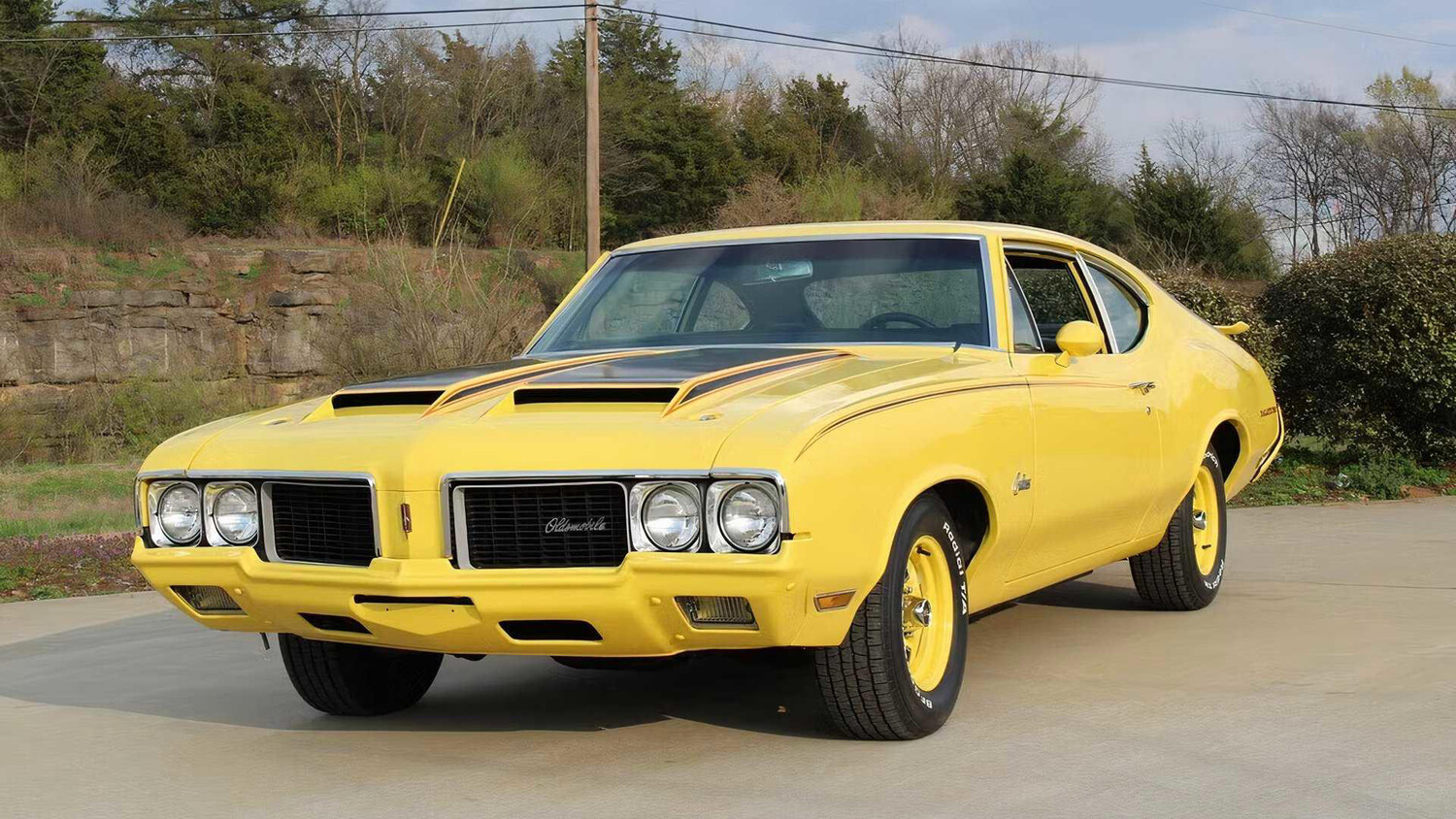
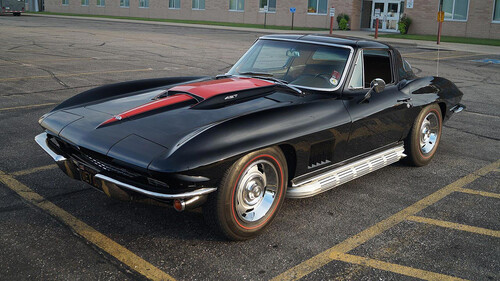
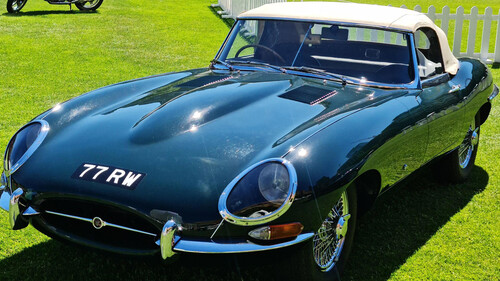
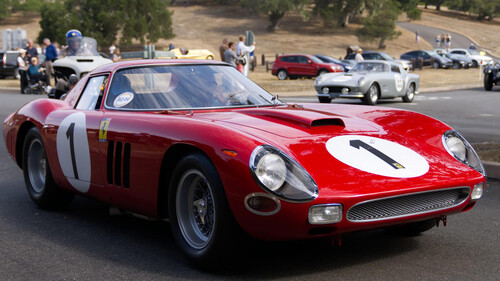
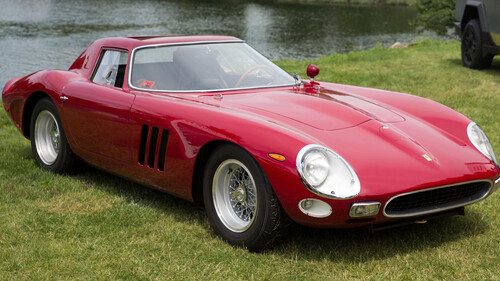
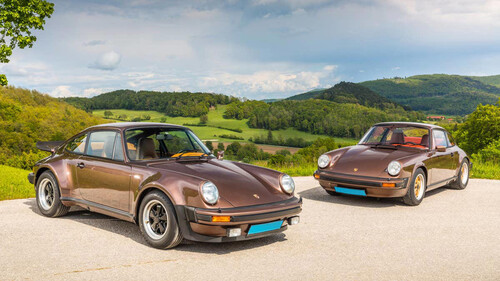
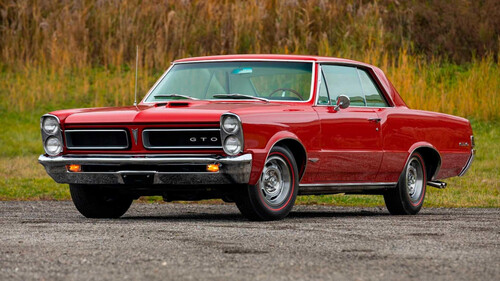
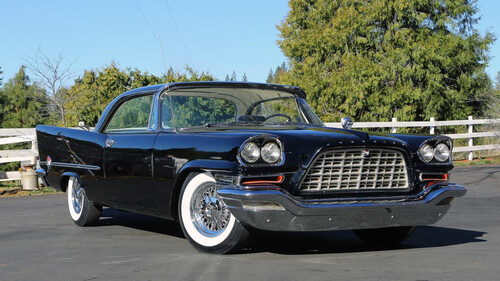
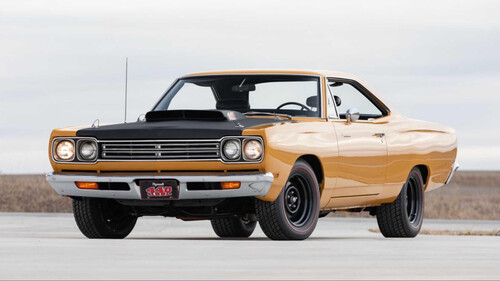
Some cars last only one year on the market for unknown reasons, while others have very specific reasons for being deleted after only one year. Regardless, there have been many cars throughout the history of the automotive industry that have left indelible marks on the industry while only being offered for one year.Which one-year wonder cars do you remember? Some of them are extremely cool and rare, while others might have been more common at the time but are relatively rare today. Regardless, these are some of the coolest cars that only lasted for one year, for various reasons.To give you the most up-to-date and accurate information possible, the data used to compile this article was sourced from various manufacturers’ websites and other authoritative sources, including Road & Track, Classic & Sports Car, and Motor Searches. 1963 Chevrolet Corvette Stingray (Split-Window) A Design Misstep Supercars.net The Split-Window design has made this Corvette iconic. Despite the Chevrolet Corvette being one of the most common performance cars ever made, the 1963 version with the split-window design was only around for one year. It featured a cool look at the rear with a frame piece separating the two sides of the rear window. Unfortunately, this design only lasted one year because of the reduced rear visibility, making it a unique Corvette.The 1964 Corvette did not feature the unique rear window design element, which meant it was a one-year wonder. Despite initial backlash to the design, these split-window Corvettes are highly coveted by collectors thanks to their rarity and distinctive styling elements. This means the design flaw that cuts rear visibility is now a coveted part of automotive history. 1999 Shelby Series 1 An Original Shelby Pexels The Shelby Series 1 is the only car designed entirely by Carroll Shelby himself. This car was produced for only one model year, but it sure had everything you could want in a high-performance sports car. The exotic rarity of the Series 1 makes it a driver’s dream, and the high-revving V8 under the hood adds more joy to the drive.The Series 1 blended engineering and innovation with Carroll Shelby’s racing heritage, ensuring an exhilarating experience during every drive. The direct connection to the automotive legend makes the Shelby Series 1 a collectible car that very few people see outside of auctions. 1973 Porsche 911 Carrera RS 2.7 A One-Year Porsche Wonder Classic & Sports Car The 1973 Porsche 911 Carrera RS 2.7 wasn’t even built for a full year. Production began in November 1972 and was completed in July 1973. There were fewer than 1,600 of these cars ever made, making it a rare and legendary car. The RS 2.7 was a homologation car allowing the 911 RS to enter racing with a car that was based on the popular 911 2.4 S.The Porsche 911 Carrera RS 2.7 had wider rear wheel arches, a distinctive ducktail spoiler, and a 2.7-liter engine, making it a little more powerful than the car on which it was based. The engine pumped out 210 horsepower, which was enough to make this version of the 911 a rare and legendary sports car. 1963 Jaguar E-Type Lightweight A Track-Focused Version Classic & Sports Car The Jaguar E-Type is well-known as one of the most stunning cars ever built. It was so attractive that Enzo Ferrari called it “the most beautiful car in the world,” which is a stunning honor from a competitor. The E-Type Lightweight was meant to create a stir on the track by swapping out the steel panels for lightweight aluminum and using the XK engine, which was an alloy block.The production of this car began in February 1963, but only 12 of the planned 18 cars were ever completed. This makes the track-focused 1963 Jaguar E-Type Lightweight an extremely rare car that demands more than seven figures at auction when one of these rare machines crosses the threshold. 1969 Dodge Charger Daytona Losing To Ford Was Unacceptable RM Sotheby's Near the end of the 1960s, Chrysler wasn’t keeping up with Ford in stock-car racing, which was one of the most important racing series to determine which muscle cars would see the highest sales each year. The 1969 Dodge Charger Daytona was a homologation special and only made for one year, making it both iconic and rare.Dodge attempted to beat Ford with the Charger 500, but the Daytona was the way to go. Only 503 of these cars were ever built, but they could reach top NASCAR speeds of 199 MPH during qualifying, which it proved at the Talladega 500 that year. This set a new record for the track. Unfortunately, the Charger Daytona wasn’t enough to stop Ford from winning the title in 1969, but that changed in 1970 when Chrysler finally beat Ford for the stock car title. 1969 Chevrolet Corvette ZL-1 A Camaro Name For A Corvette Mecum Auctions The Chevrolet Camaro ZL1 is legendary for its run at the Nürburgring, but back in 1969, the Chevrolet Corvette wore the ZL-1 badge for only one year. Most people don’t know much, if anything, about this Corvette because it wasn’t offered to the public, and only 12 prototypes were built. This makes it one of the rarest muscle cars ever made.It's too bad this Corvette never made it to production; it was powered by an incredible all-aluminum V8 engine that sent 427 horsepower to the wheels. That is some serious power today, but even more impressive in 1969 when most cars couldn’t come close to this figure. The performance potential of the ZL-1 was too much for Chevrolet to offer to the public. 1965 Chevrolet Chevelle Z/16 Big Block Muscle Car Power Mecum Auctions The Chevrolet Chevelle is one of the most popular and revered muscle cars in history. It also happens to be a pretty common car, but there was one version that was a one-year wonder and truly rare. The 1965 Chevrolet Chevelle Z/16 was only produced in 200 versions, and it used a 396-horsepower big-block V8 engine routed to the rear wheels through a four-speed transmission.This special edition car also had a heavy-duty suspension and other equipment that made it an impressive performance car. It was so rare that some Chevrolet dealers weren’t aware of its existence at the time, and since Chevy didn’t market it, that made a lot of sense. 1970 Oldsmobile Rallye 350 A Car Meant To Work Around Regulations gaaclassiccars The end of the muscle car was a sad time for the American automotive industry. Tightened regulations caused many automakers to build large cars with much lower horsepower figures than before. The 1970 Oldsmobile Rallye 350 was an attempt at working around the regulations by using a small-bloc V8 that produced 310 horsepower.This Oldsmobile isn’t nearly as rare as some of the other one-year cars on the list. GM made 3,547 of these cars for the 1970 model year. This car became the trendsetter in the industry as other automakers followed with smaller engines that could produce good horsepower. The Rallye 350 became well-known for its ingenuity and bright yellow signature paint color. 1970 Plymouth Roadrunner Superbird A Big, Recognizable Wing Trust Auto The 1970 Plymouth Roadrunner Superbird is hard to hide thanks to its signature feature: a massive and high wing on the rear. This car features NASCAR-inspired styling and became one of the most fantastic-looking cars of the early 1970s. This is a car you see wherever it appears, but it’s not all show and no go. The Superbird delivers the heat with a 440-cu-in V8 engine, which is the standard engine offered.Plymouth made fewer than 2,000 Superbirds for the public, and several more that raced at NASCAR. A nose cone with hideaway headlights works with the large spoiler to improve the car’s aerodynamics and make it faster without adding more power to the engine. These qualities contributed to the impressive speeds of this early 1970s Plymouth muscle car.