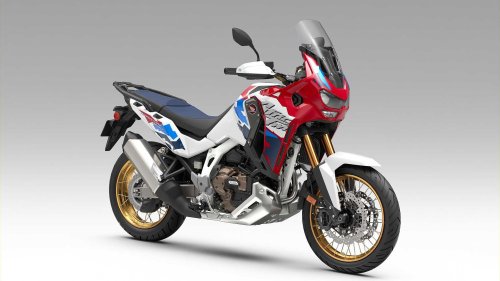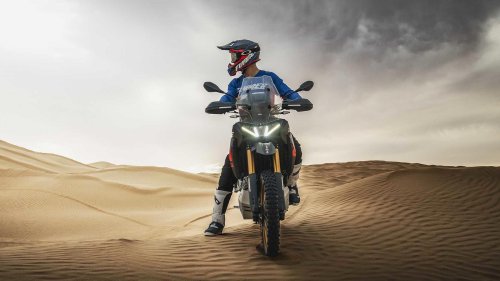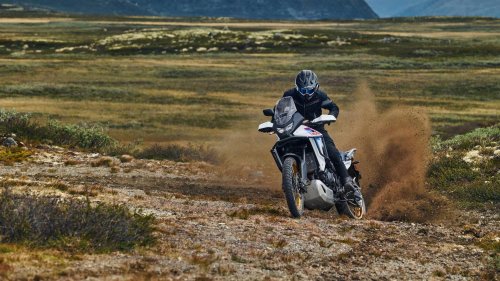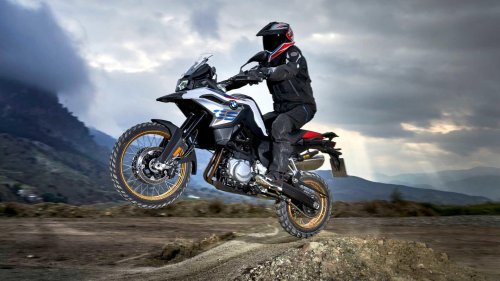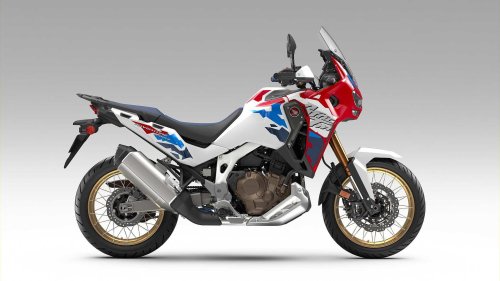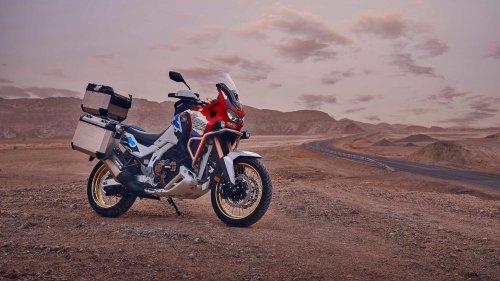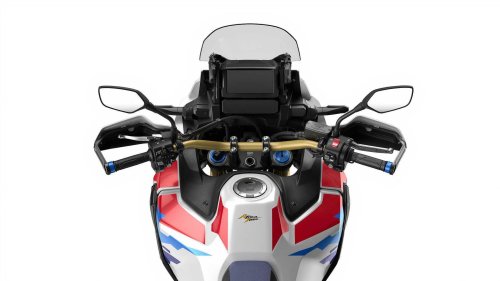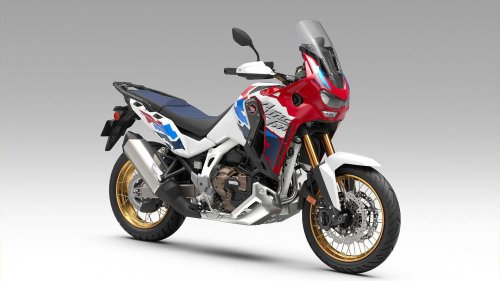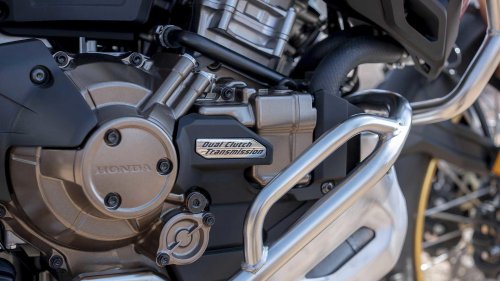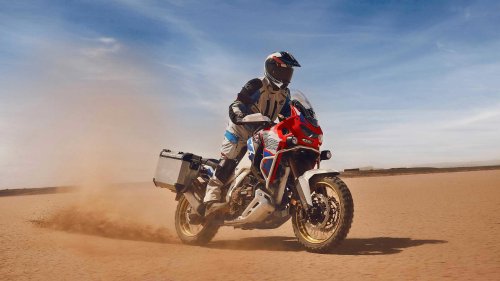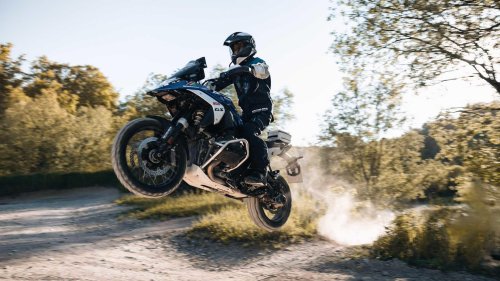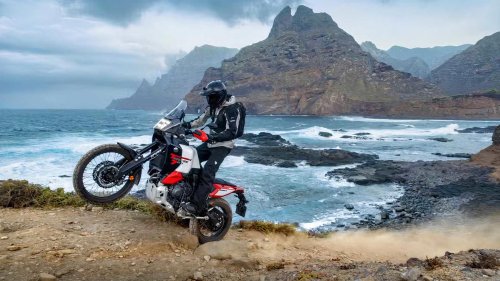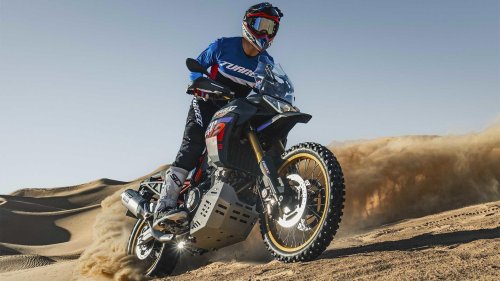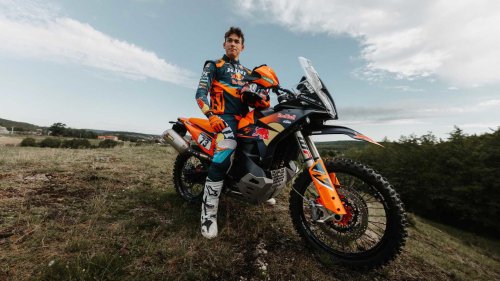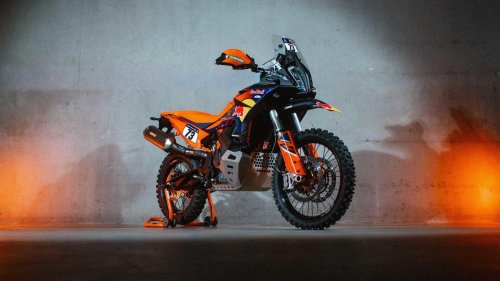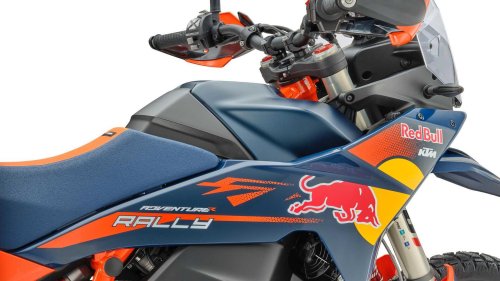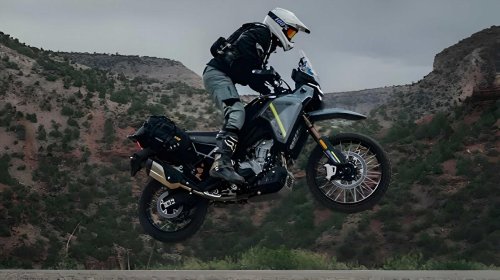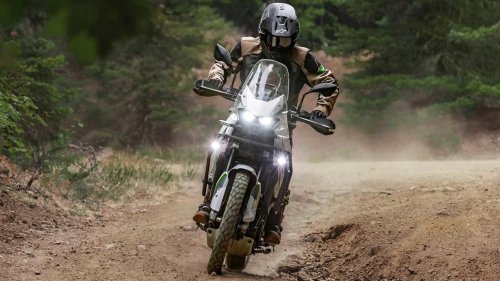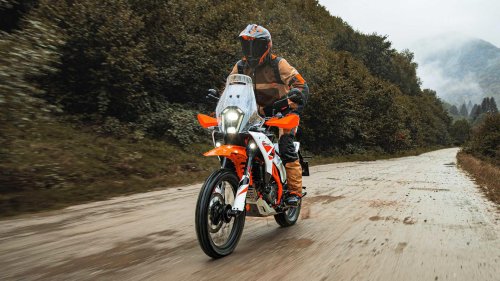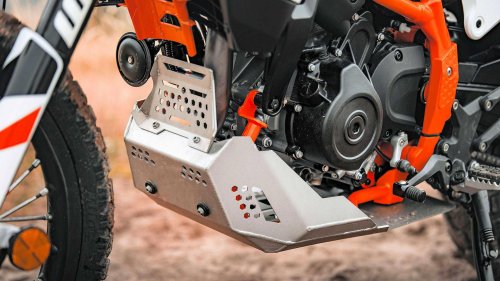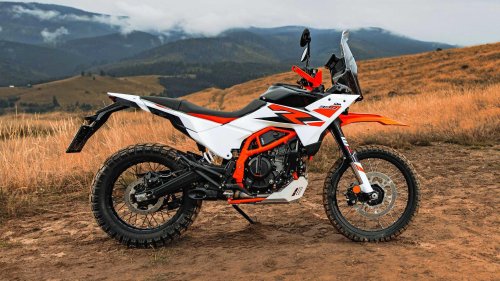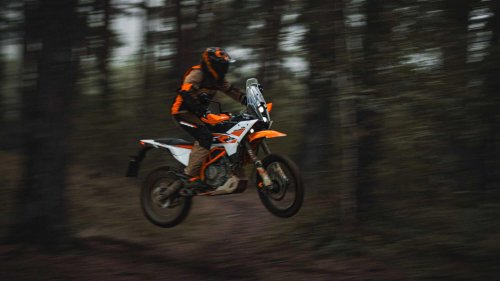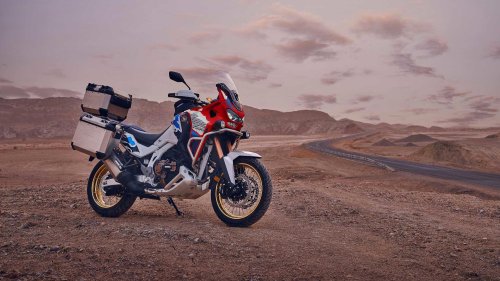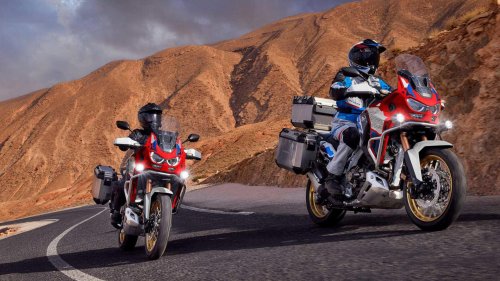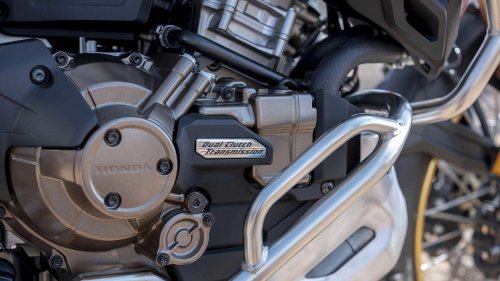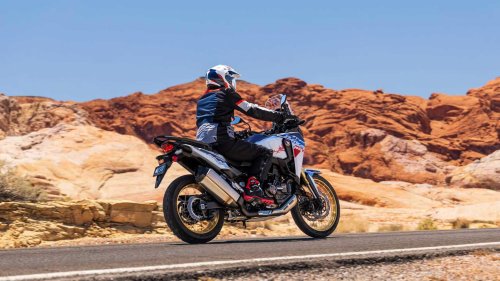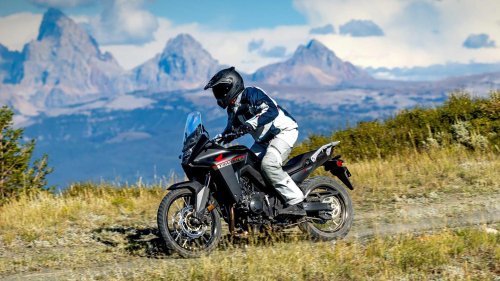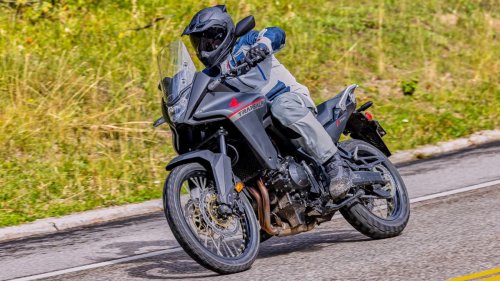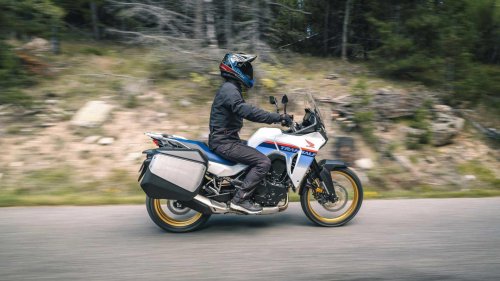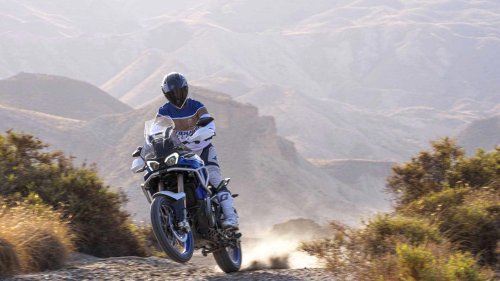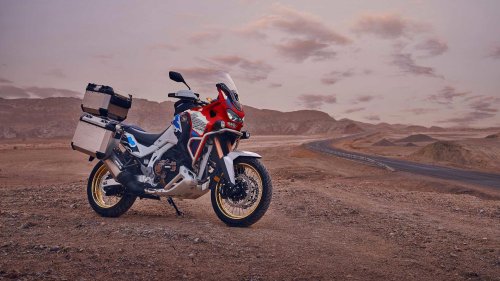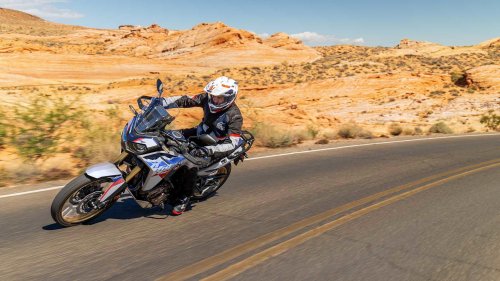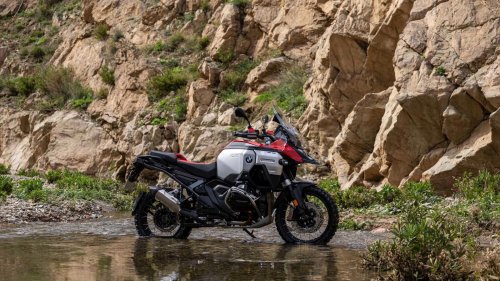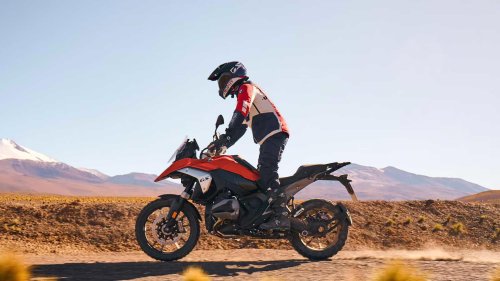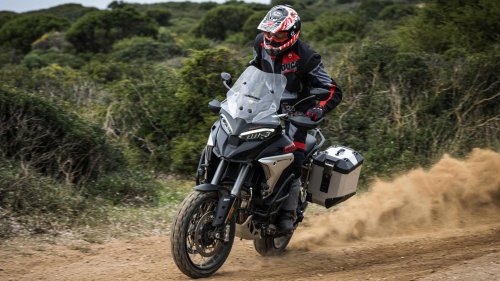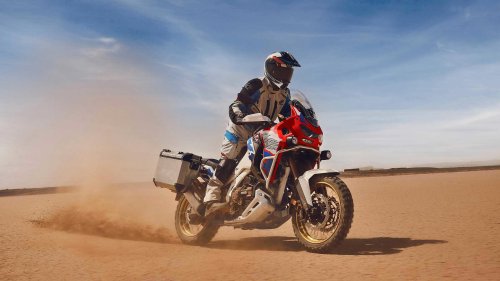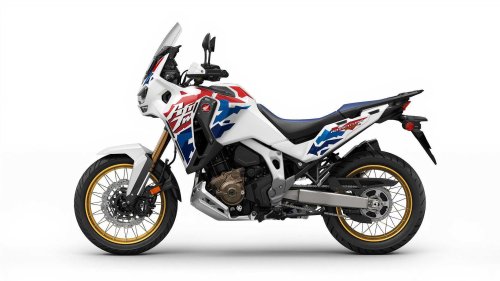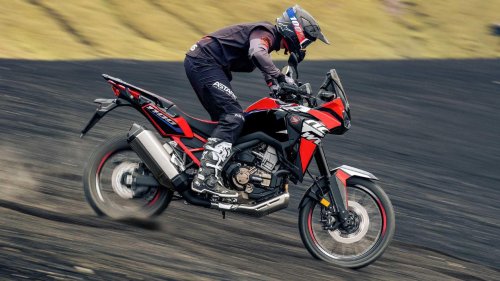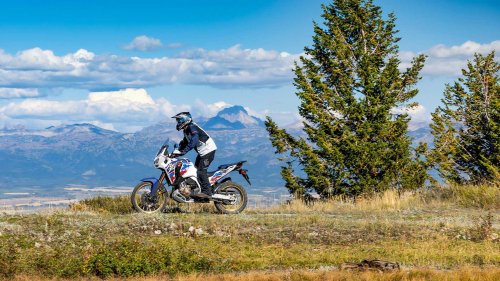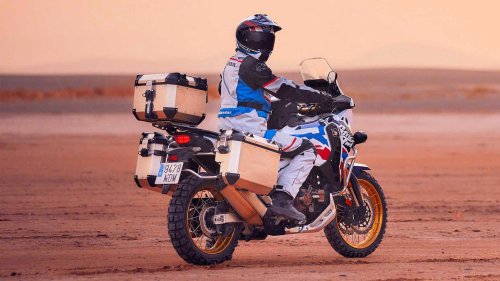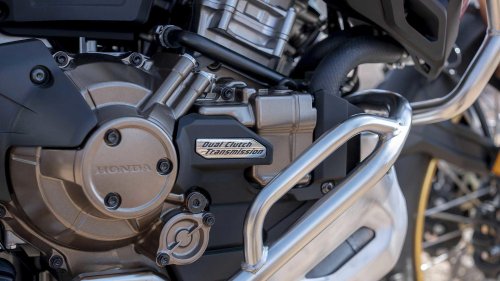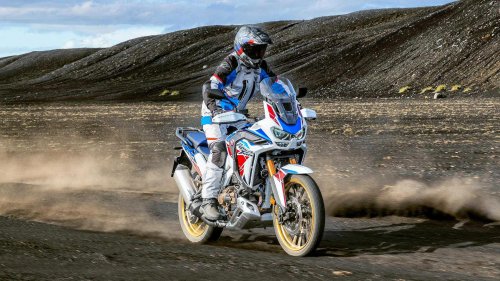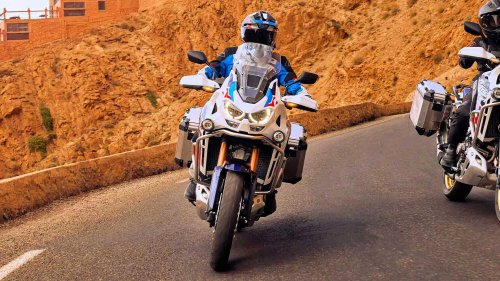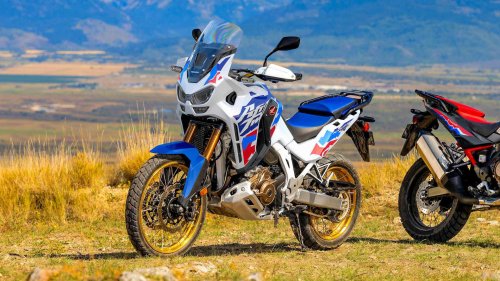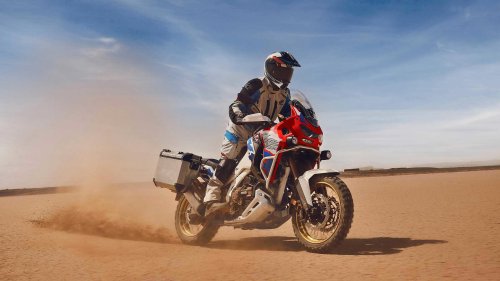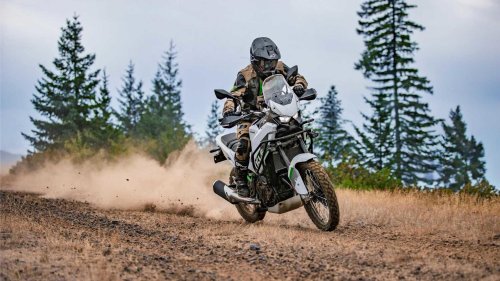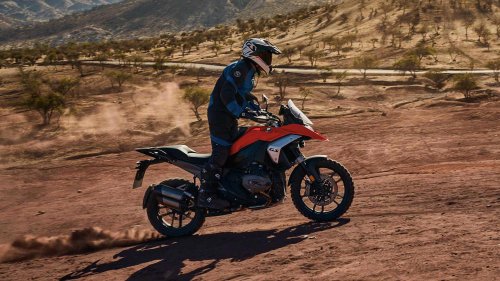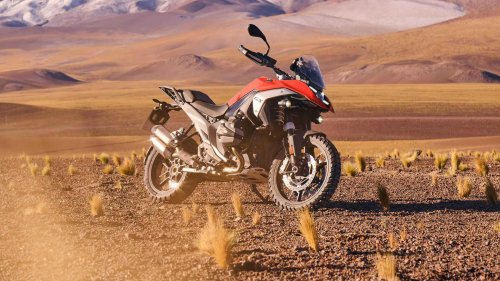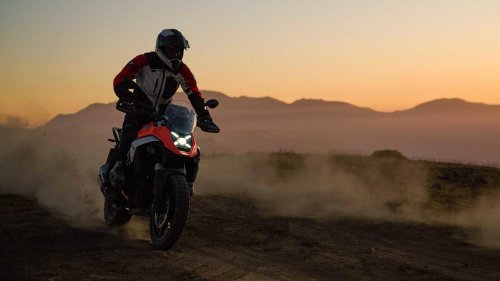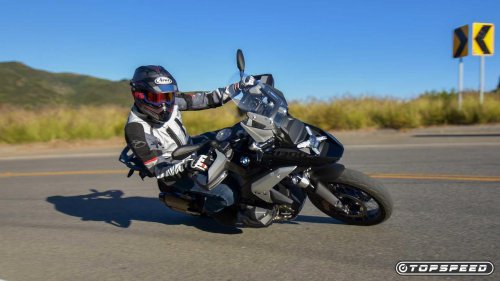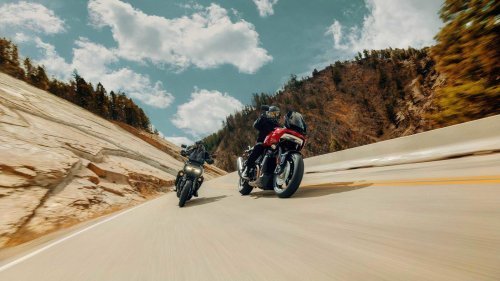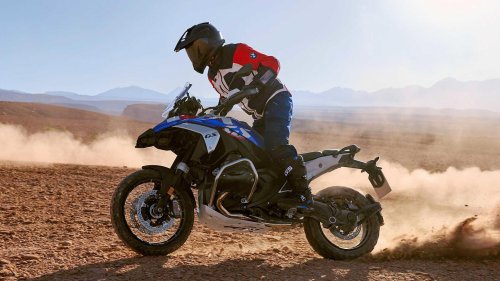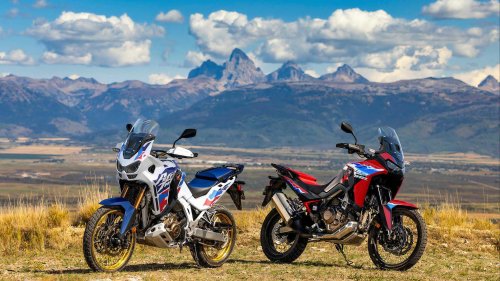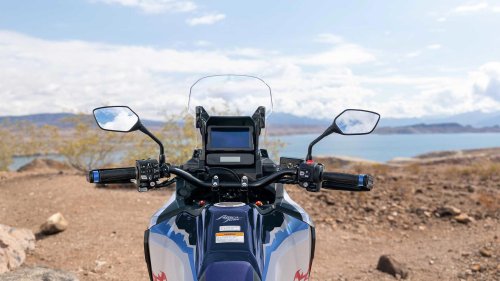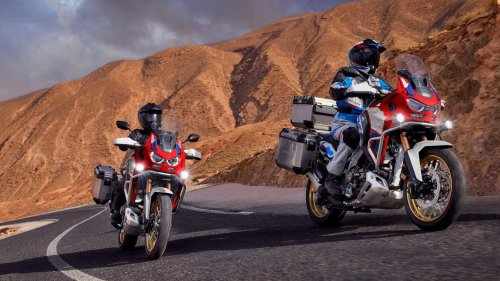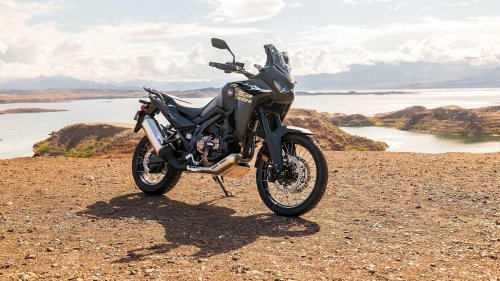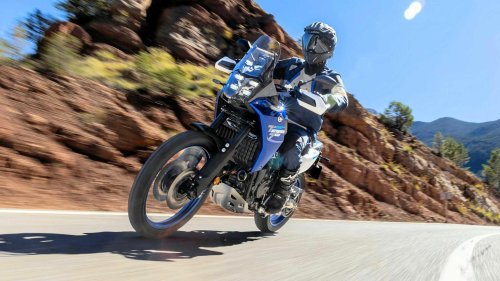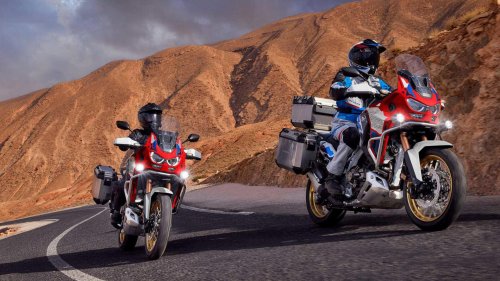
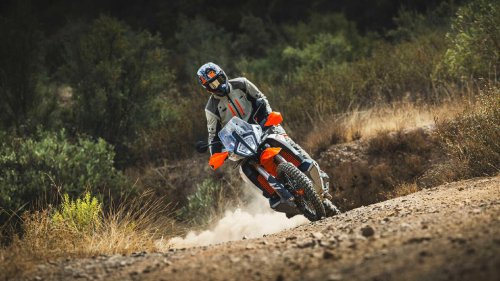
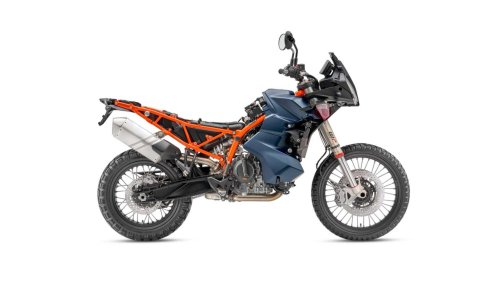
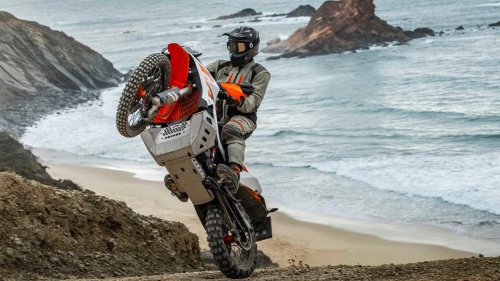
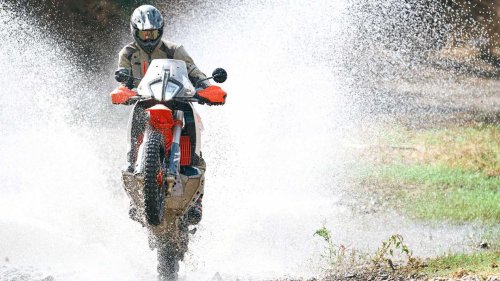


















The Honda Africa Twin earned its place as one of the default choices in the adventure bike world because it does almost everything well. It’s comfortable enough for thousand-mile road trips, capable enough for rough trails, and backed by Honda’s reputation for durability. For a lot of riders, especially those stepping into serious ADV riding for the first time, it’s the obvious answer.But spend enough time around riders who regularly tackle rocky climbs, deep sand, muddy two-track trails, and long-distance backcountry routes, and another conversation starts popping up. Sometimes it starts after a brutal section of loose terrain leaves a rider physically exhausted. And eventually, someone says the thing a lot of Africa Twin owners quietly admit later: maybe they should’ve bought something lighter, sharper, and more dirt-focused from the start. Why Some Riders Eventually Start Looking Beyond The Africa Twin Honda Powersports The Africa Twin succeeds because it balances competing priorities better than most large ADV bikes. It can commute during the week, cross state lines in comfort, and still survive a difficult fire road on the weekend. But once riders start pushing harder off-road, compromise becomes easier to feel. The same stability and comfort that make the Honda excellent on pavement can also make it feel large and demanding once the terrain gets rough. Big Adventure Bikes Start Feeling Heavy In Real Dirt Riding Yamaha Adventure bikes have steadily become larger, faster, and more luxurious over the past decade. That works brilliantly on highways, but dirt riding punishes weight harder than almost anything else. The current Africa Twin weighs roughly 535 pounds in DCT trim with fuel, and while that’s lighter than many large ADV bikes, it’s still a lot of motorcycle once traction disappears.That’s where many experienced riders begin reevaluating what they actually need from an ADV machine. Peak touring comfort starts mattering less than controllability. Massive fuel tanks become less important than weight distribution. Long-distance highway stability matters, but only if the rider still has enough energy left to enjoy the difficult sections waiting at the end of the route. Why Experienced Riders Begin Prioritizing Agility Over Comfort Aprilia The longer riders stay in the ADV world, the more their priorities tend to shift. Early on, comfort and versatility dominate the conversation. Bigger bikes feel more premium, more capable, and more reassuring. But experienced off-road riders often move in the opposite direction. They begin chasing lighter bikes, narrower chassis designs, and suspension setups that prioritize dirt performance over touring refinement. That shift explains why middleweight adventure bikes exploded in popularity over the last few years. And a KTM in particular offers off-road precision that no other can match in this space. The KTM 890 Adventure R Is The Bike That Keeps Coming Up KTM/Marco Campelli That motorcycle is the KTM 890 Adventure R. Unlike a lot of ADV bikes that market themselves as dirt-ready while clearly prioritizing pavement, the KTM feels unapologetically engineered around off-road riding first. For starters, the current 890 Adventure R uses an 889cc parallel-twin engine producing around 103 horsepower and 74 pound-feet of torque. On paper, those numbers don’t sound radically different from larger bikes like the Africa Twin. But the way the KTM delivers that power completely changes the riding experience. The engine feels punchy, immediate, and eager at lower speeds, especially in loose terrain.More importantly, the bike weighs significantly less. Fully fueled, the 890 Adventure R comes in at around 478 pounds. That difference of roughly 50 pounds compared to the Africa Twin might not sound dramatic on paper, but off-road, it changes everything. Riders constantly describe the KTM as feeling far lighter than its actual number suggests. KTM Built It Around Off-Road Performance First KTM KTM equipped the 890 Adventure R with serious hardware straight from the factory. Suspension duties come from fully adjustable WP XPLOR components with 9.4 inches of travel front and rear. Ground clearance sits at roughly 10.4 inches, while seat height measures around 34.6 inches. Those numbers matter because they translate directly into real off-road capability. Riders can hit rough terrain harder without bottoming out the suspension or smashing the underside of the bike into obstacles.The 21-inch front and 18-inch rear wheel combination further reinforces the bike’s dirt-focused personality. Tire options are extensive, with aggressive dual-sport and rally rubber readily available for serious mixed-terrain riding. Combined with the KTM’s geometry, those wheels give the bike exceptional confidence in loose conditions compared to larger ADV machines that feel more road-biased. Why Suspension, Geometry, And Weight Distribution Matter So Much KTM Spec sheets alone don’t explain why riders become obsessed with the 890 Adventure R after riding one off-road. The real difference comes from how all the components work together once conditions get difficult. The suspension setup absorbs impacts with an almost rally-bike-like composure. Riders can carry surprising speed through rocky sections without the bike feeling overwhelmed or unsettled. Meanwhile, the steering remains quick enough to react instantly when terrain changes unexpectedly. That combination creates a level of confidence that many heavier ADV bikes struggle to replicate.Long-distance ergonomics also deserves credit. Despite its aggressive focus, the KTM remains surprisingly livable on extended trips. The upright riding position, roomy cockpit, and relatively slim midsection make long days manageable, while the seat proves more comfortable than many riders expect. Plenty of owners regularly complete 500-mile days before diving directly into dirt sections the following morning.Real-world touring range is solid as well. Depending on riding conditions and tire setup, many riders report around 220 to 250 miles between fuel stops. That puts the KTM firmly within legitimate adventure-touring territory despite its dirt-first attitude. The 890 Changes What Riders Expect From A Midweight ADV The 890 Adventure R didn’t just become another successful ADV bike. It fundamentally changed what many riders expected from the middleweight segment. Instead of building a smaller touring bike with mild off-road capability, KTM essentially built a rally-inspired dirt machine that happened to remain practical enough for real-world travel. That reputation is reflected constantly throughout the ADV community. On forums and groups, riders frequently describe the bike as one of the few adventure motorcycles that genuinely shrinks the gap between dual-sport agility and long-distance touring capability.The aftermarket scene only strengthens that reputation. Owners can equip the bike with larger windscreens, upgraded seats, luggage systems, skid plates, rally towers, auxiliary lighting, and nearly endless suspension upgrades. Price also plays an important role. The current 890 Adventure R starts at roughly $16,299 in the US, positioning it below many premium large ADV bikes while still delivering genuinely elite off-road performance. Why It Became The “What If?” Bike For Africa Twin Owners KTM/Marco Campelli All in all, among experienced ADV riders who spend most of their time tackling difficult terrain instead of highway miles, the KTM 890 Adventure R became something more interesting. It became the bike that keeps lingering in the back of their minds after every difficult trail section. The bike they start researching late at night after wrestling a larger ADV machine through deep sand for the fifth time. The bike that repeatedly shows up in owner forums whenever riders start discussing what they would buy differently the second time around. And that’s probably the strongest compliment an adventure motorcycle can receive. The Africa Twin Still Does Some Things Better The Africa Twin remains one of the easiest large ADV bikes to live with over the long term. Its parallel-twin engine feels smoother at highway speeds, wind protection tends to be better for touring, and the overall riding experience feels calmer during endless pavement miles. Reliability reputation also matters enormously in the ADV world. KTM’s recent reliability record has improved significantly, but Honda still carries a level of ownership confidence that few manufacturers can match. Dealer availability, global parts support, and mechanical simplicity—the Africa Twin still holds an advantage in these areas as well.The Honda also appeals to riders who prioritize balance over specialization. It may not dominate technical terrain like the KTM, but it handles almost every environment competently without demanding constant aggression from the rider. For many people, that broader versatility is exactly what makes the Africa Twin the smarter choice overall.Sources: KTM, Honda Powersports