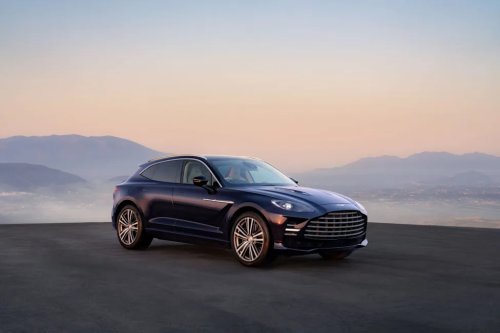
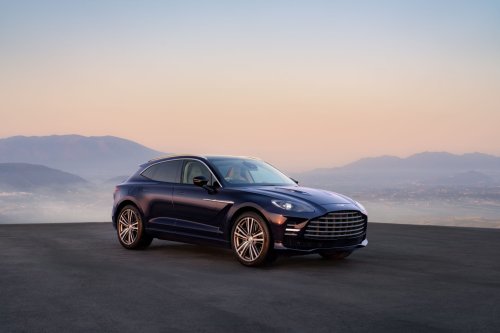
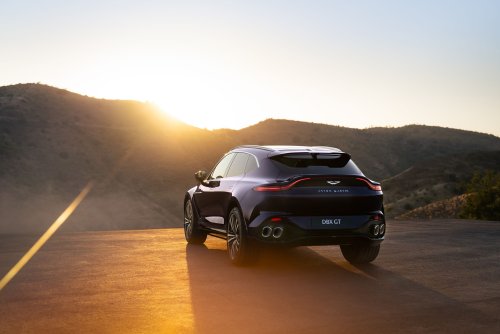
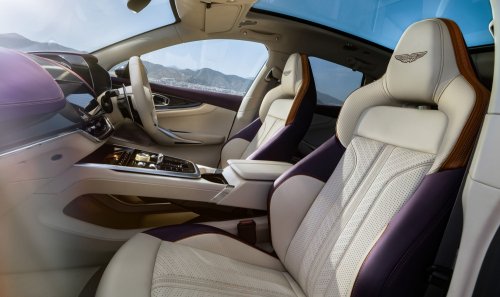
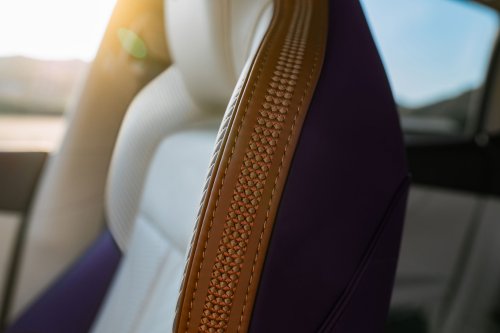
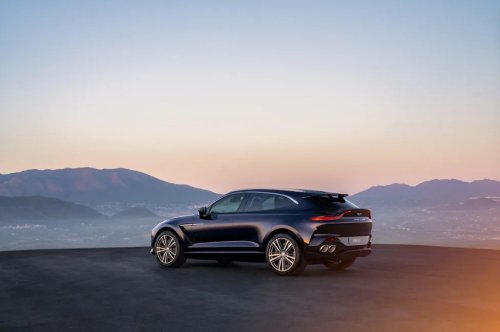
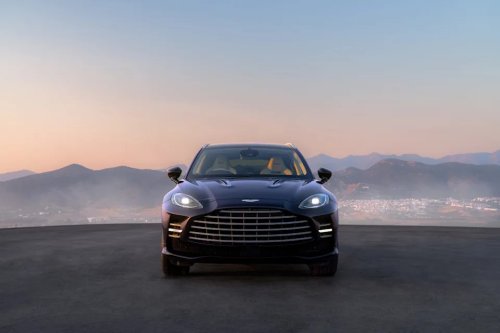
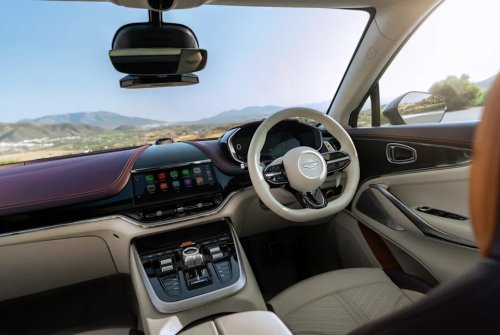
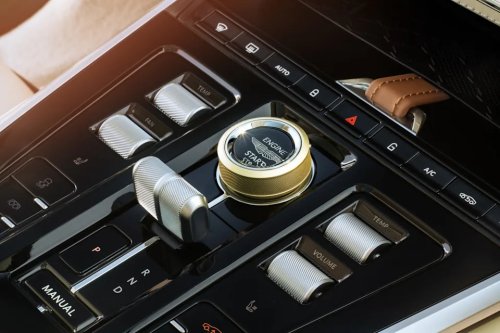
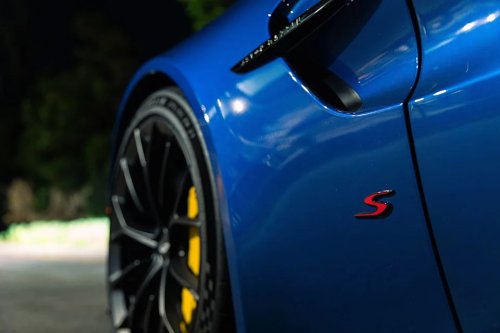
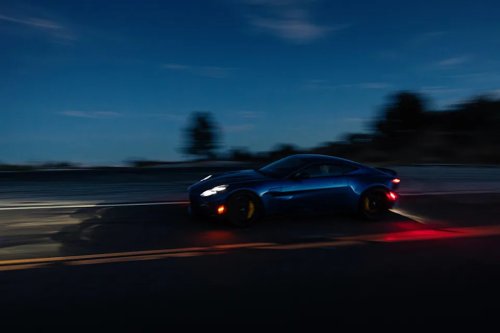
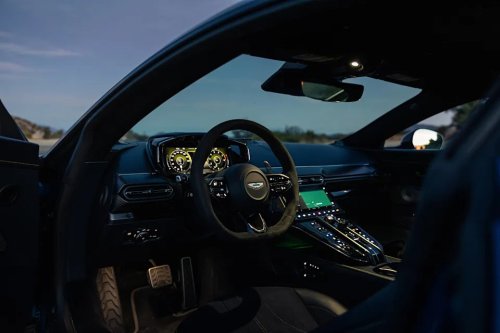
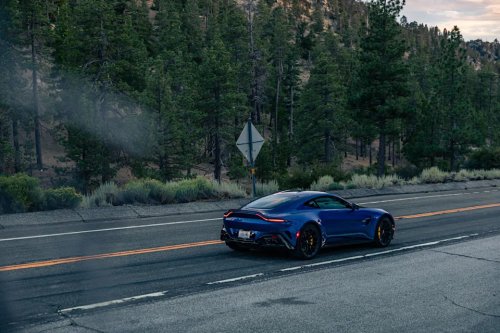
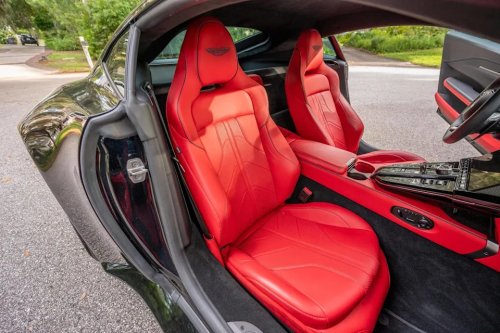
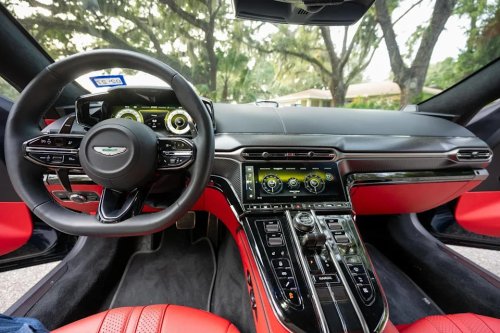
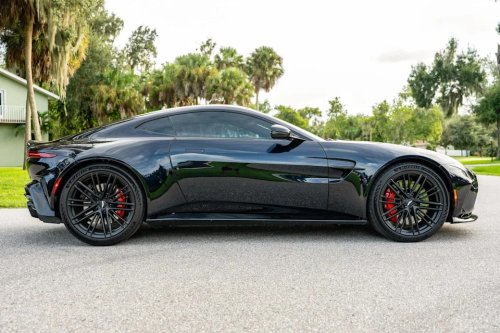
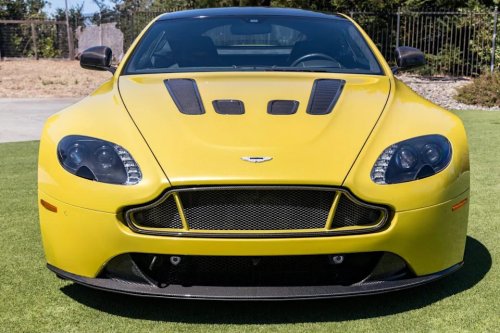
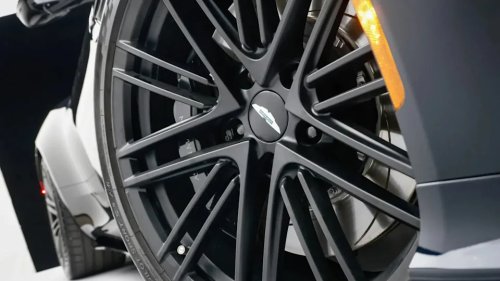
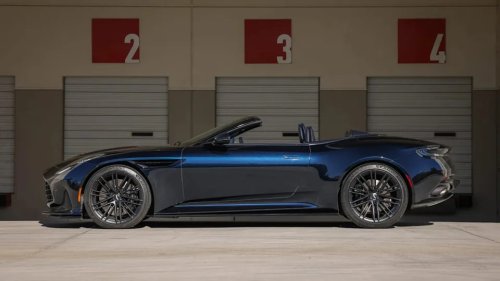
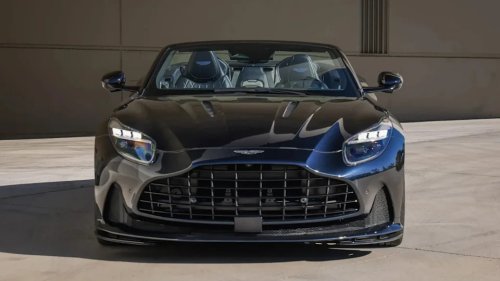
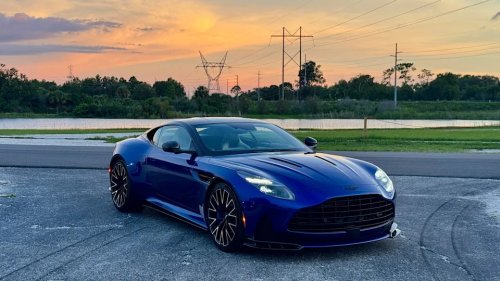
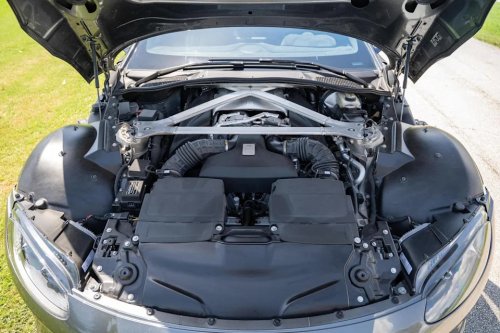
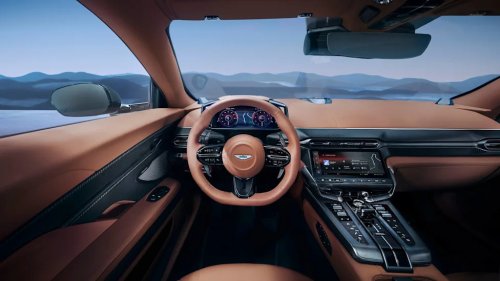
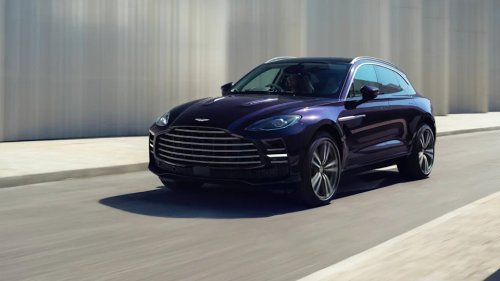
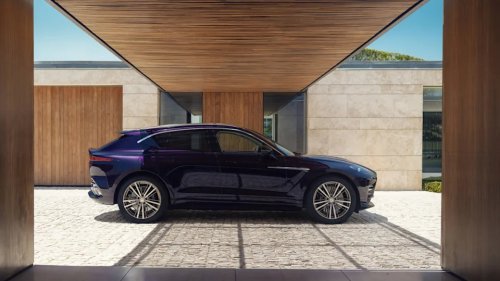
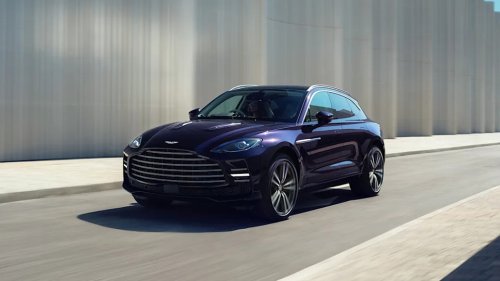
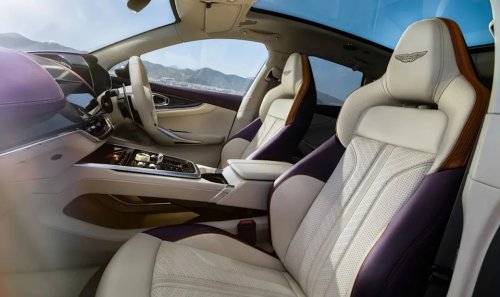
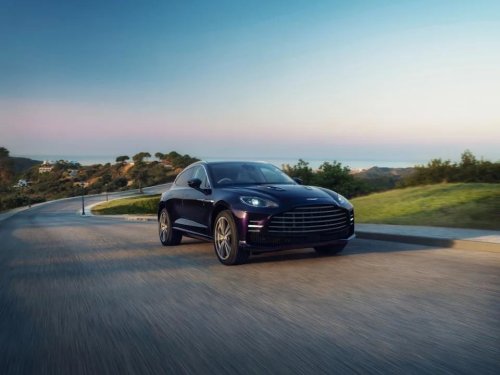
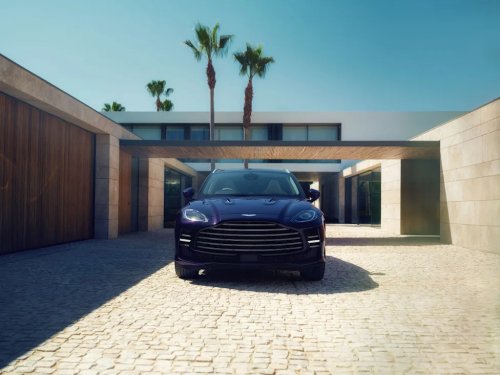
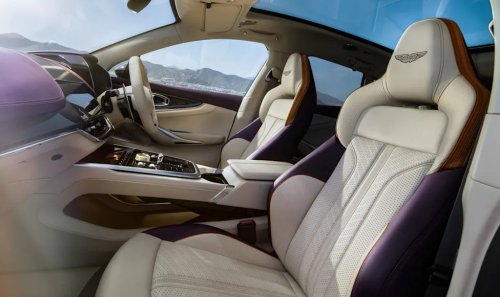
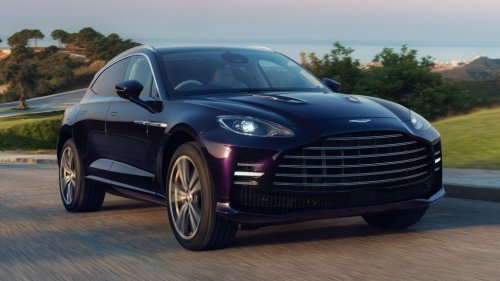
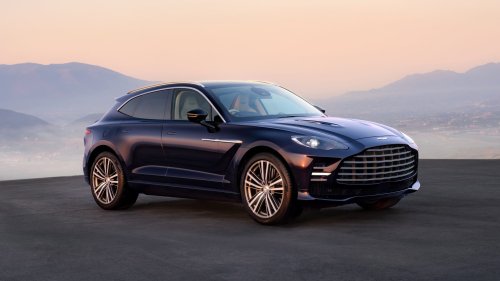
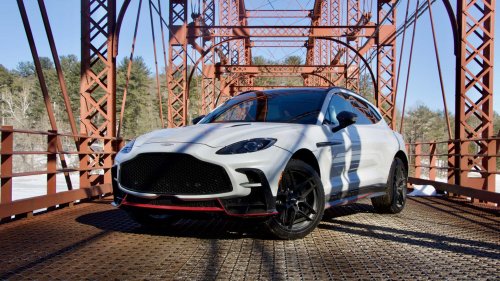
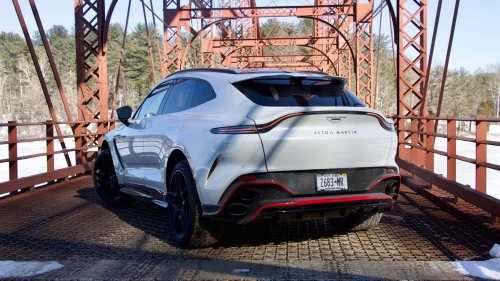
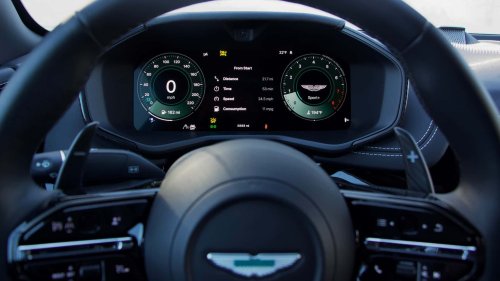
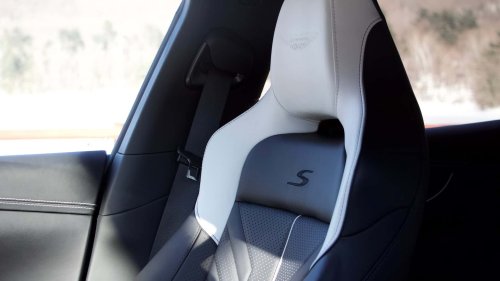
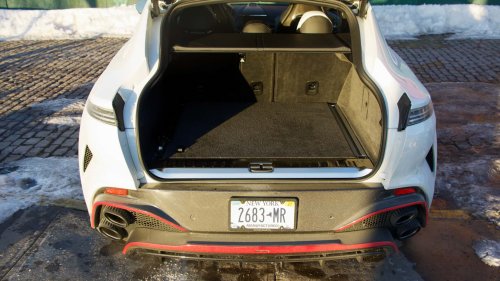
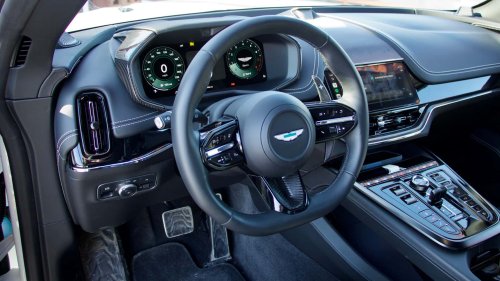
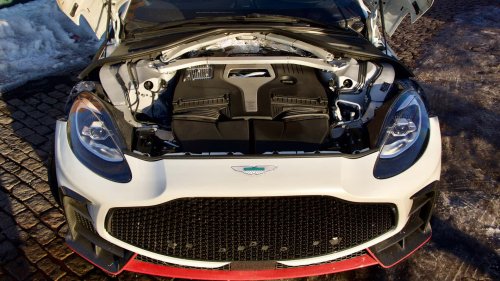
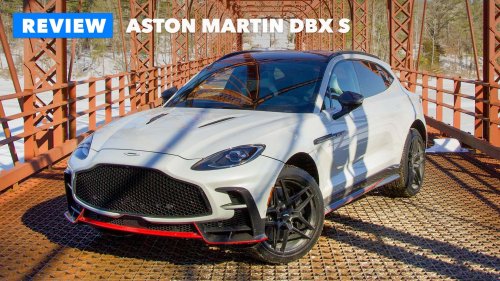
Five days before I was set to drive Aston Martin’s 717-horsepower DBX S SUV, a blizzard buried the East Coast in a foot of snow and ice. Arctic temperatures followed, and the resultant icy mixture coating roads and sidewalks looked like a late-night milkshake half-eaten and forgotten about in the freezer for a month. I emailed the fine folks who manage Aston’s New York press fleet to ask if they still thought turning me loose in a car with 23-inch magnesium wheels (a $21,600 option, if you must ask) was still a good idea. To their credit—and my amazement—they said yes. We already know how the DBX S drives on a perfectly-paved California canyon road, I figured, so why not find out how it copes with the potholes and frost heaves the rest of us face daily? After all, this is supposed to be what the .1 percent drive when the two-door sports car is put away for the winter. Quick Specs 2026 Aston Martin DBX S Engine Twin-Turbocharged 4.0-Liter V8 Output 717 Horsepower / 664 Pound-Feet 0-60 MPH 3.3 Seconds Trim Base Price / As Tested $291,200 / $422,200 The DBX S is a new trim level for 2026, slotting in above the now-base (if you can call it that) DBX 707. For an extra $13,000, you get a 20-horsepower bump from 697 to 717 and a 103-pound weight savings, if you check another $38,000 in boxes for optional carbon fiber. Despite the extra power, the DBX 707’s 3.3-second zero-to-60 time and 193-mph top speed remain unchanged. The DBX S also gets a retuned steering rack with a four-percent faster ratio but no mechanical changes. On top of its $291,200 base price, including destination and import tariffs, this DBX S carried an eye-watering $131,000 in options. Exterior trim options included a special Q metallic white paint ($13,600), carbon-fiber upper ($10,800) and lower ($20,200) exterior packs with a red pinstripe theme ($14,400) and a carbon-fiber roof ($7,200) on top of the aforementioned magnesium wheels. Inside, the DBX S sports dual-tone seats ($9,300), a "jewelry pack" ($6,200), and more carbon ($5,500) plus mirrored stitching ($2,900). This options list is pretty wild, so I recorded it for your entertainment here: Not all of these options are just for show, though. The carbon roof chops nearly 40 pounds (18 kg) from the DBX’s curb weight and lowers its center of gravity, while the magnesium 23s lose another 42 pounds of unsprung weight—an impressive 10 pounds per corner in a crucial place. The result is a 4,800-lb SUV that feels downright agile. Toss the DBX S into a corner, and it goes with almost imperceptible inertia or body roll. There’s no four-wheel steering at work here—just a balanced chassis and adaptive air suspension paired with Aston Martin’s electronic active roll control (eARC) to thank. The 48-volt system exerts up to 1,032 pound-feet of force on each axle to keep the DBX level in corners, and it’s uncanny in its ability to hide the car’s size and mass over bumps and through the twisties. The DBX doesn’t share its chassis with anything else, unlike some other cars in its segment, and hustling it on a back road reminds us of the magic that can happen when an automaker is in charge of the entire handling experience instead of making the best of what they’re given. Pros: Phenomenal Chassis, Lovely Seats, Supple Ride Like most of Aston’s other products, the DBX S’ engine is a 4.0-liter, twin-turbocharged AMG mill, and that’s not a complaint in the slightest. It gets a small boost over the DBX 707’s output figure thanks to turbochargers from the upcoming Valhalla hypercar. There’s a smidge of lag below 3,000 rpm, when a surge of boost rockets you forward, and the periphery blurs. I don’t think highway merges would ever get old in this car; at least, they didn’t during the week I had it. Carbon-fiber paddle shifters control a nine-speed torque-converter automatic transmission also lifted from AMG. If I had to nitpick, manual up- and downshifts at partial throttle aren’t as quick as Porsche’s PDK dual-clutch, but if you mat it in drive on the highway and trust the transmission, it’ll choose the right gear and get you going quickly. Photos by: Maddox Kay | Motor1 The DBX’s carbon-fiber (what else?) sport seats offer excellent support, both on highway stints and in corners. They also have one of the most powerful heating elements I’ve ever experienced. Seriously, temperatures stayed in the teens and dipped into single digits during my test, and I found any heat setting more than one out of three on the bum warmers overkill. The steering wheel isn’t too thick, like it is in many performance cars, and the rest of the leather-swathed interior is a high point. The smell of real leather is divine, and everything feels very well put together. The rear seats are comfortable for two six-foot adults, and the trunk (22.5 cubic feet, or 54.0 cubic feet with the rear seats folded) fits a Costco haul, though the narrow opening means you might struggle with larger items. Cons: Preposterous Price Tag, Glitchy Infotainment Aston Martin is currently the only automaker to offer Apple’s CarPlay Ultra advanced phone-mirroring software, and my experience was … mixed. When it worked, it was fairly intuitive, with haptic buttons on the steering wheel toggling various views and menus, and the main display showing what your phone would. But on day three, the feature inexplicably stopped working with my four-year-old iPhone 13, only to magically fix itself on day six. Luckily, I was able to get regular CarPlay to work just fine, but I never figured out the random disconnects. What’s more, the piano-black plastic trim on the center stack and dashboard smudges easily and is a disappointing contrast to the swaths of leather and carbon in a $400,000 car. Why do automakers love this stuff, again? While the DBX’s upwards-swinging doors are quite elegant, I found the pop-out door handles annoying. They didn’t deploy consistently when I walked up to the car with the key, leading to freezing seconds spent fumbling with gloves on. Finally, while the carbon-fiber roof means you don’t get a sunroof, the leather headliner still has a raised panel and seams where it would open. It’s a bizarre cost-cutting move, and the first time I drove the car, I spent several minutes looking for a sunroof button before realizing there wasn’t one. Aston Martin DBX S Verdict At its core, the DBX S is a very good cake. But does $131,000 of icing make that cake better, or just leave us with a sugar hangover? It’s undeniable that removing 40 pounds from the top of a car and another 42 pounds of unsprung weight at the corners will make it drive better. Let’s remember that this is still a nearly-5,000-pound SUV, though. How many people are taking it to the track? Call me old-fashioned, but in a two-and-a-half-ton daily driver, I’d rather be able to open the sunroof than save a couple of tenths of a second around Laguna Seca. I don’t want to shudder in horror when approaching a pothole. The DBX S is a fabulous driver’s car, and an easy one to live with. As it damn sure should be, for nearly half a million dollars. But I’m not sure the extra edge it offers in full race spec is worth the tradeoff for most performance SUV buyers. Aston Martin DBX S Competitors Bentley Bentayga Ferrari Purosangue Lamborghini Urus Porsche Cayenne Turbo GT 2026 Aston Martin DBX S Engine Twin-Turbocharged 4.0-Liter V8 Output 717 Horsepower / 663 Pound-Feet Transmission Nine-Speed Automatic Drive Type All-Wheel Drive Weight 4,845 Pounds Seating Capacity 5 Towing 6,000 Pounds Base Price $270,500 As-Tested Price $422,200 On Sale Now We want your opinion! What would you like to see on Motor1.com? Take our 3 minute survey. - The Motor1.com Team



















 +46 others