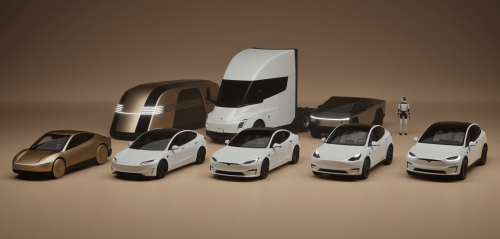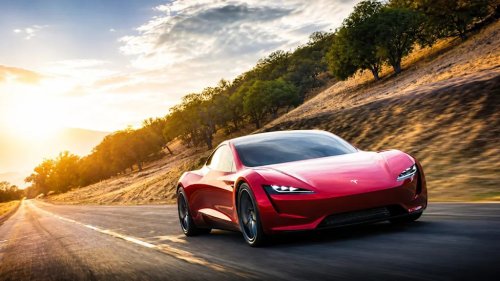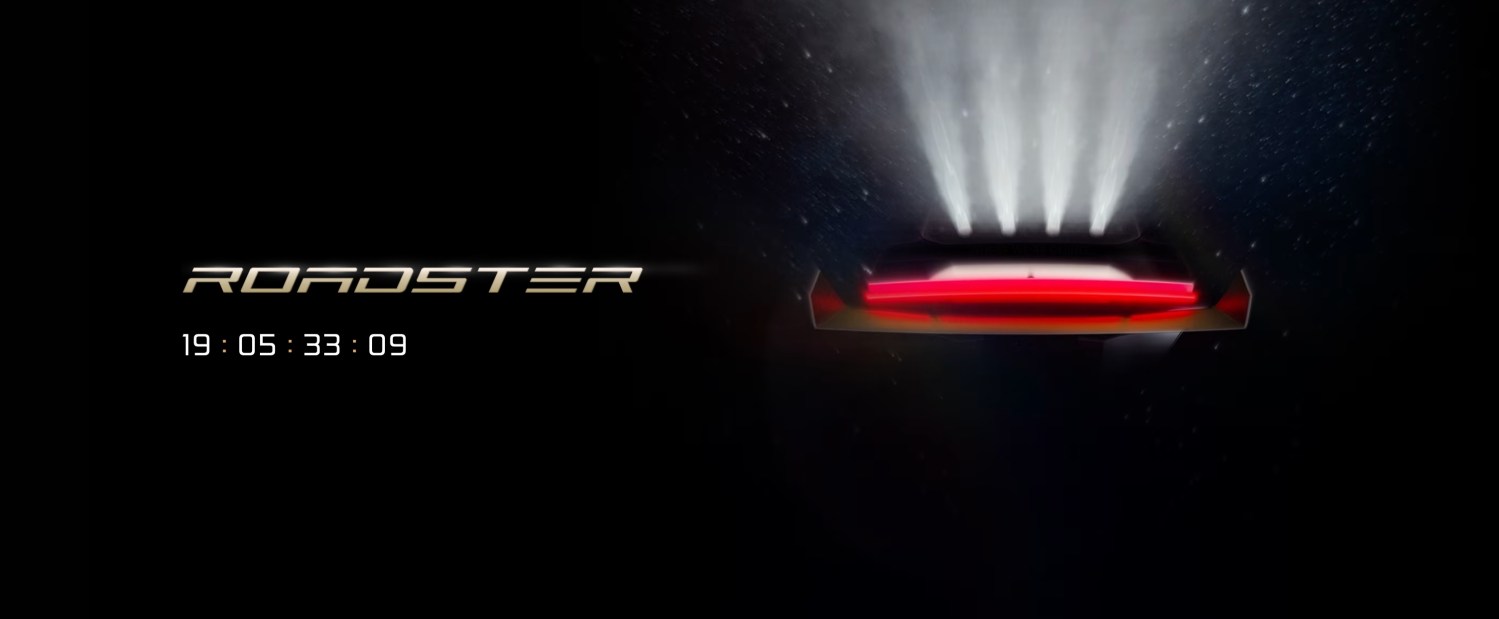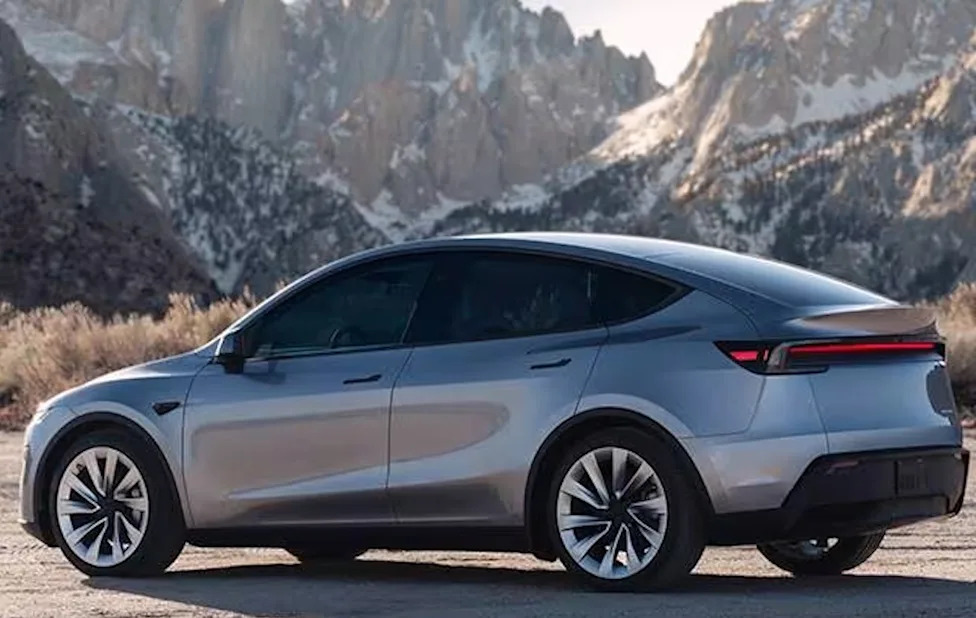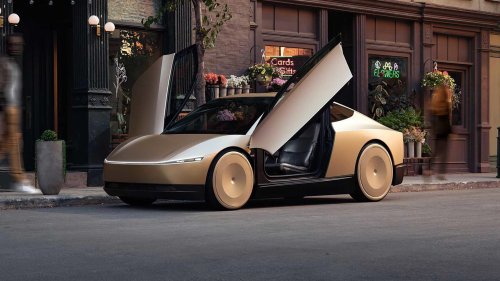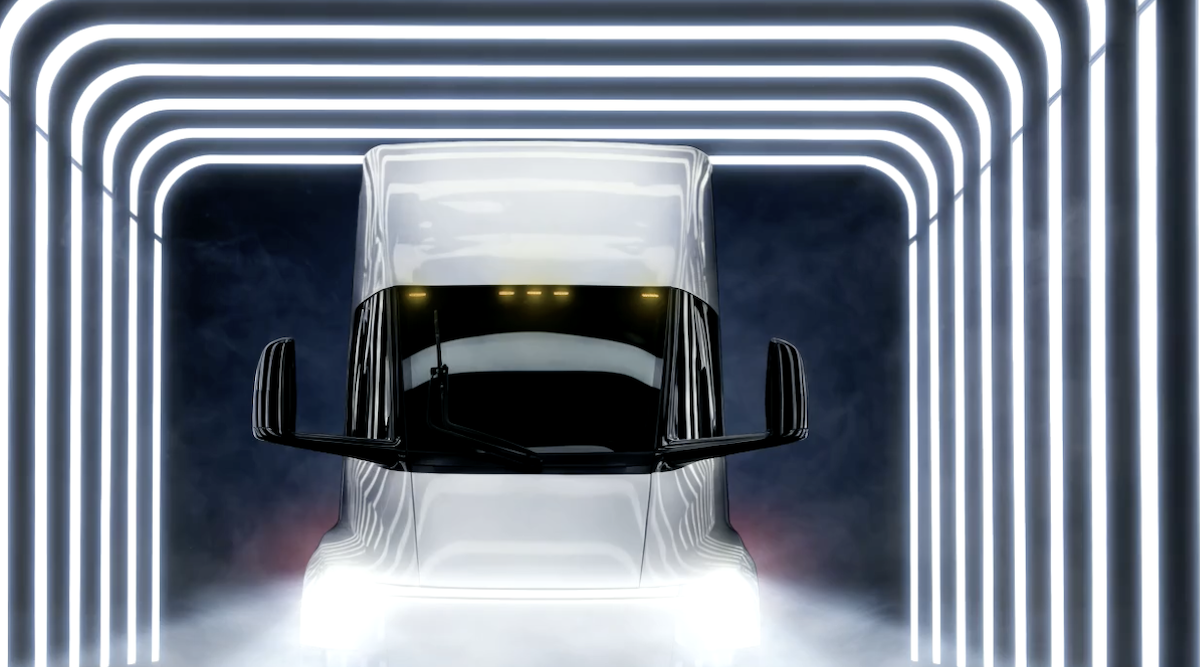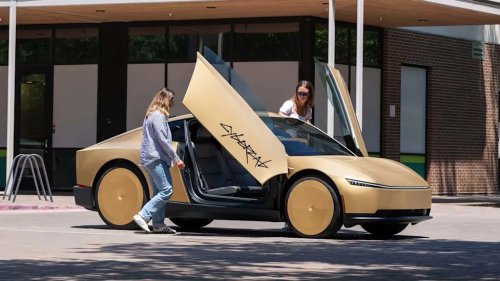
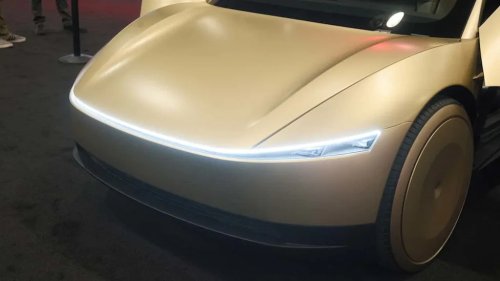
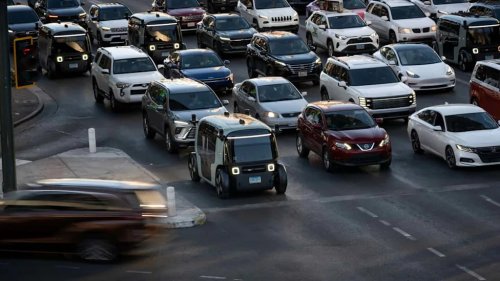
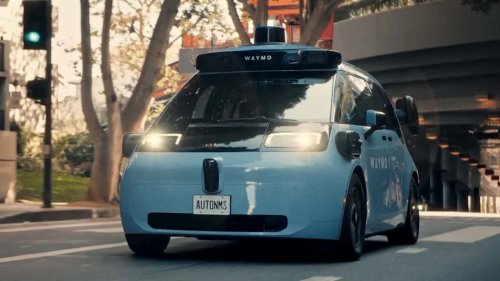
















Tesla Cybercab RobotaxiThe Cybercab launch is a big moment for a company that's spend a decade promising self-driving cars. Rivals haven't been sitting still.About two years after first revealing the golden, two-seat taxi, Tesla officially launched the Cybercab at a private event in Austin on Thursday. Tesla influencers were able to take some of the first quasi-public rides in Cybercabs, which are built from the ground up to be autonomous and lack steering wheels, pedals, and mirrors. On Friday, Cybercab rides opened to the broader public—giving patrons of its Robotaxi service another vehicle option beyond the driverless Model Ys already in its fleet. It's undoubtedly a big moment for Tesla and for its CEO, who has been promising for over a decade that Tesla would someday deliver a gleaming, self-driving future for all. The company's biggest fans have wasted no time taking victory laps on X. But throughout all the promises of "1 million robotaxis by 2020" and "unsupervised Full Self-Driving next year, for sure," the competition hasn't just waited around. Tesla Cybercab, LA Auto Show 2024A few years ago, Tesla would've been early. Now it's finding its footing in the robotaxi business as competitors make strides of their own. Consider the developments in the space from just the past week. AdvertisementAdvertisementAmazon-owned Zoox kicked off paid rides in a quirky autonomous pod of its own last month in Las Vegas, and offers free driverless jaunts in San Francisco. This week it announced that it's expanding testing to Houston and San Diego, laying the groundwork for robotaxi operations in more cities. Also this week, the company became the first autonomous provider to start driving to and from the Las Vegas airport. Airports are seen as cash cows for robotaxi companies, but the chaotic environment makes operating there tricky. Zoox Robotaxi Las VegasOn Thursday, Uber and autonomous-tech partner Wayve launched what they're calling the UK's first autonomous rides. During this initial phase, sensor-equipped Ford Mustang Mach-Es will arrive with a driver in the front seat to monitor the system. Over time, the two companies plan to deploy autonomous vehicles on the Uber app in 12 markets. They say Tokyo is coming online later this year, with help from Nvidia. Uber has struck dozens of partnerships to deploy AVs, including one with Lucid and Nuro that's supposed to bear fruit by the end of this year.And we can't forget Waymo. America's autonomous-vehicle leader announced the start of driverless rides in three more cities this week: San Diego, Tampa, and Denver. The latter will bring a challenge Waymo has never contended with outside of testing: rides in the snow. The news brings Waymo's footprint to 14 U.S. cities, by far the most of any robotaxi operator. Right now everybody in the space, Tesla included, is playing catch up with Alphabet's self-driving outfit.Critical Materials subscribers got this story earlyOur Friday newsletter breaks down the week's biggest mobility news Sign up today!AdvertisementAdvertisementThat's not to mention the many other players vying for a piece of this pie: Motional, Lyft, MOIA, Mobileye, May Mobility, AVRide, and the list goes on. Tesla is betting that it can come out on top through vertical integration and a cheaper, camera-only self-driving system that eschews the lidar and radar sensors practically all the competition uses. In these early innings, it's not yet clear that that approach can scale broadly. Tesla has registered 420 autonomous vehicles—including 45 Cybercabs—with the DMV in Texas, where most of its robotaxi operations take place. It's not clear how many of those are actually in service at any given time. Waymo, meanwhile, operates over 4,000 driverless Jaguars and Zeekr vans across the country, logging some 500,000 rides per week. Waymo OjaiIf the gamble pays off, Tesla could undercut Uber, Waymo, and the rest and ride the Cybercab to robotaxi domination. Such an outcome could prove Musk's pivot away from the traditional auto business—the Cybercab is its first all-new vehicle in years—was a sound move.But if it doesn't, or takes too long to pan out, Tesla risks watching rivals seize the self-driving future Musk has envisioned for so long. AdvertisementAdvertisementContact the author: [email protected] You May Enjoy...Rivian Just Made The R1S And R1T Feel A Whole Lot Newer For FreeThe Tesla Cybercab Is Already Being Investigated For Not Having A Steering WheelThis 7-Seat EV Went 582 Miles On A Charge. But There's A CatchHow Much Range The Tesla Model 3 And Model Y Lose After Almost 100,000 Miles