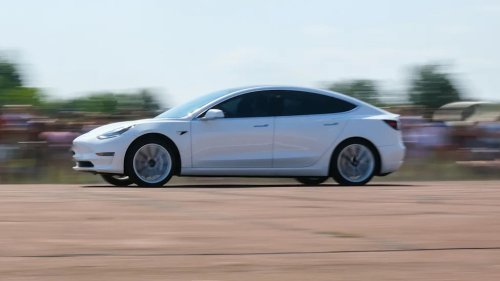
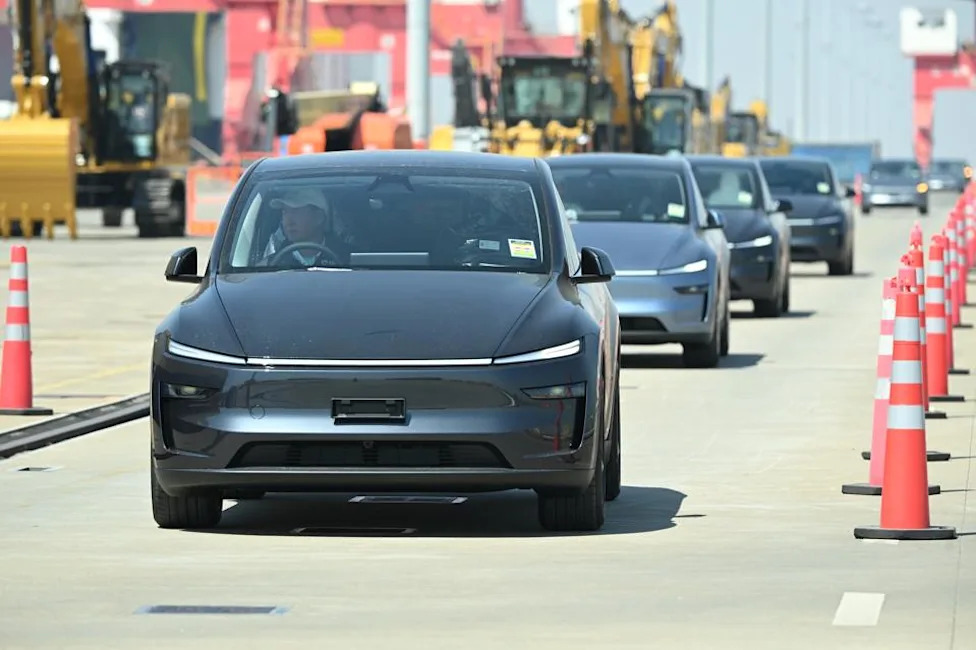
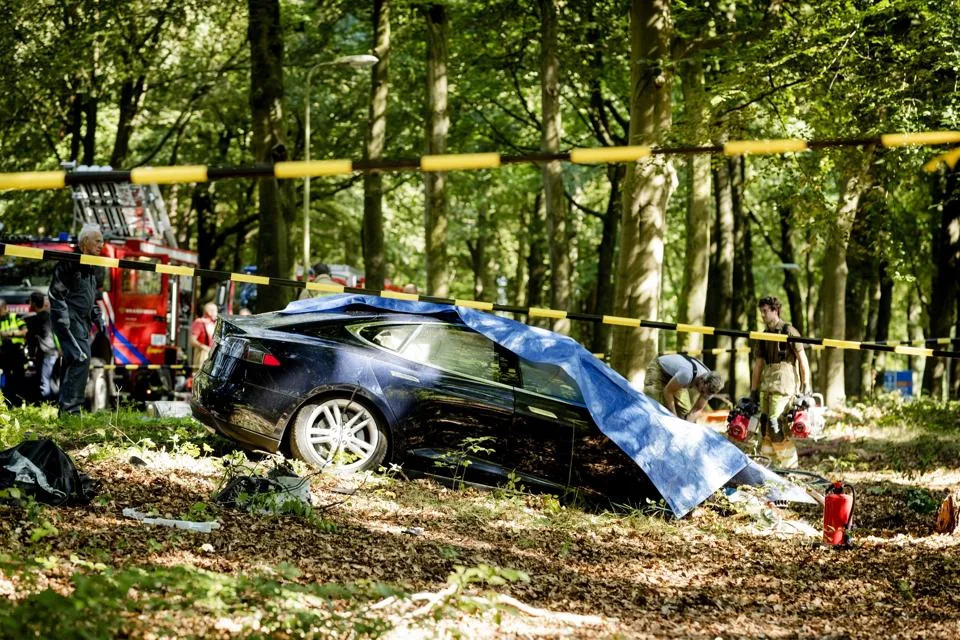
Tesla's bigger ever recall just exposed a major safety issue. (Photo by VCG/VCG via Getty Images)VCG via Getty ImagesTesla's latest recall is not about Autopilot, battery fires or unintended acceleration. It concerns something far more elementary: whether occupants and rescuers can open the doors after an accident.Chinese order Tesla and others to address major safety issueAs the New York Times pointed out yesterday, Chinese regulators have ordered Tesla and eight other manufacturers to address potentially unsafe emergency door-release systems in approximately 4.3 million vehicles—the largest automotive recall ever conducted in China. Tesla represents the lion's share, with roughly 2.98 million China-built Model 3 and Model Y vehicles affected.Other manufacturers include Xiaomi, Xpeng, Geely and Leapmotor, demonstrating that this is no longer solely a Tesla issue. Remedies according to Reuters, will vary from over-the-air software updates to clearer labels identifying mechanical emergency releases.AdvertisementAdvertisementThe underlying concern is frighteningly simple. Many modern vehicles use electrically operated interior buttons and sleek, flush-fitting exterior handles. If a collision disables the low-voltage electrical system, those familiar controls may stop working. A mechanical backup switch may exist, but passengers in shock—or rescuers attempting to enter from outside—might not know where it is.Tesla did not invent the flush door handle, but it transformed it into a symbol of the modern electric car. The original Model S featured handles that extended dramatically from the body as the driver approached the car. The Model 3 and Model Y adopted less elaborate press-and-pivot handles, helping give the cars their clean, wind-cheating profiles.Competitors quickly followed. Retractable or concealed handles now appear on cars from American, European, Korean and Chinese manufacturers. They look futuristic and can deliver a modest aerodynamic benefit, particularly valuable in an EV where reduced drag contributes to longer range.Passengers should be able to open doors easily in a crash. / AFP / ANP / Robin van Lonkhuijsen / Netherlands OUT (Photo credit should read ROBIN VAN LONKHUIJSEN/AFP via Getty Images)Opening a door should not require product trainingTesla's current Model Y owner's manual explains that when power is lost, front occupants must pull up a manual release positioned ahead of the window switches. Opening a rear door is more complicated: passengers must locate a slot in the bottom of the door pocket--say Tesla, lift off a cover and pull a hidden mechanical cable.AdvertisementAdvertisementThat procedure may appear manageable when studied calmly on a screen. It becomes less reassuring when imagined inside a crashed vehicle filling with smoke. A child, occasional passenger or rideshare customer cannot reasonably be expected to have memorized the owner's manual before getting into the car.China has decided that software and hidden backups are not enough. Beginning January 1, 2027, newly approved vehicles must provide mechanical releases on both the inside and outside of every passenger door. Existing approved models will have until January 2029 to comply. Interior releases must also be clearly identified says the Associated Press.The rule effectively ends fully concealed, electrically dependent door handles in the world's largest car market. Because manufacturers rarely want to engineer completely different doors for individual countries, China's decision could reshape vehicles sold worldwide.American Tesla owners will naturally ask whether their cars are included. The present recall applies to vehicles in China, not automatically to U.S.-market Teslas. Nevertheless, similar door-release concerns have attracted attention from American regulators, making China's intervention impossible for the wider industry to dismiss.AdvertisementAdvertisementThe episode highlights an uncomfortable tendency in contemporary car design. Automakers increasingly replace intuitive mechanical controls with touchscreens, capacitive switches and electronic buttons. These features can reduce parts, enable new styling and make vehicles appear technologically advanced. Yet sophistication is not always progress.A conventional door handle communicates its purpose instantly. You pull it, and the door opens. It works without a tutorial, software update or functioning battery.Tesla deserves enormous credit for forcing the industry to rethink what an electric car could be. But in copying Tesla's futuristic aesthetic, automakers may also have adopted complexity where none was needed.China's message is refreshingly analog: after a serious crash, elegant aerodynamics and theatrical electronics matter far less than being able to get out.This article was originally published on Forbes.com



















 +69 others