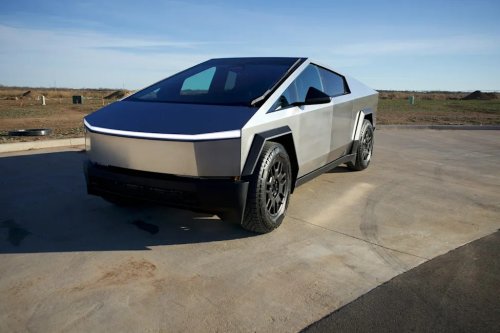
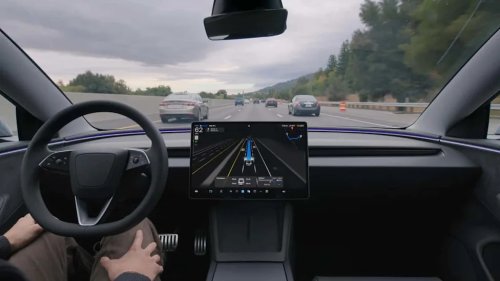
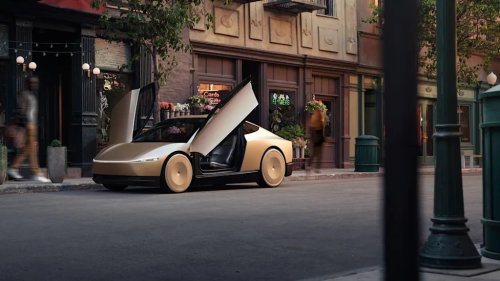
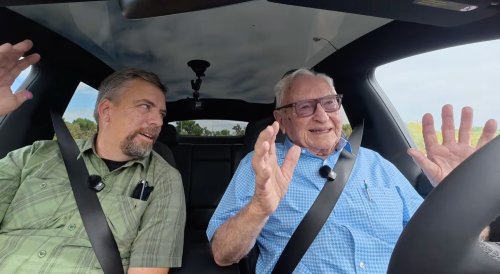
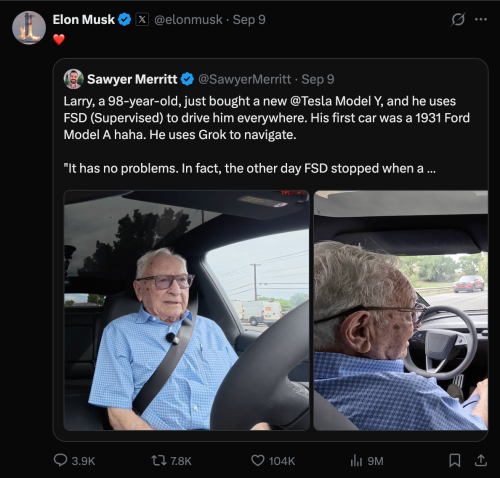
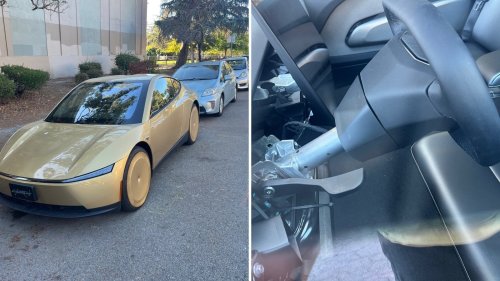
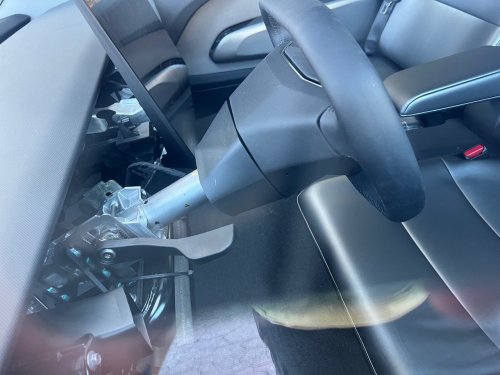
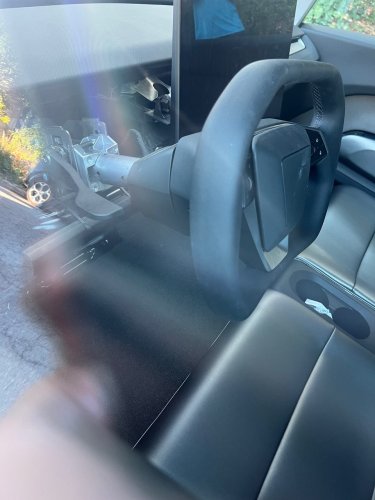
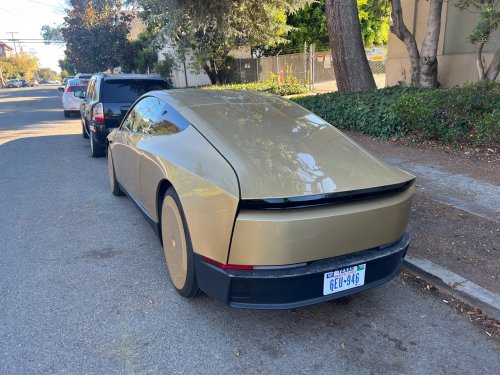
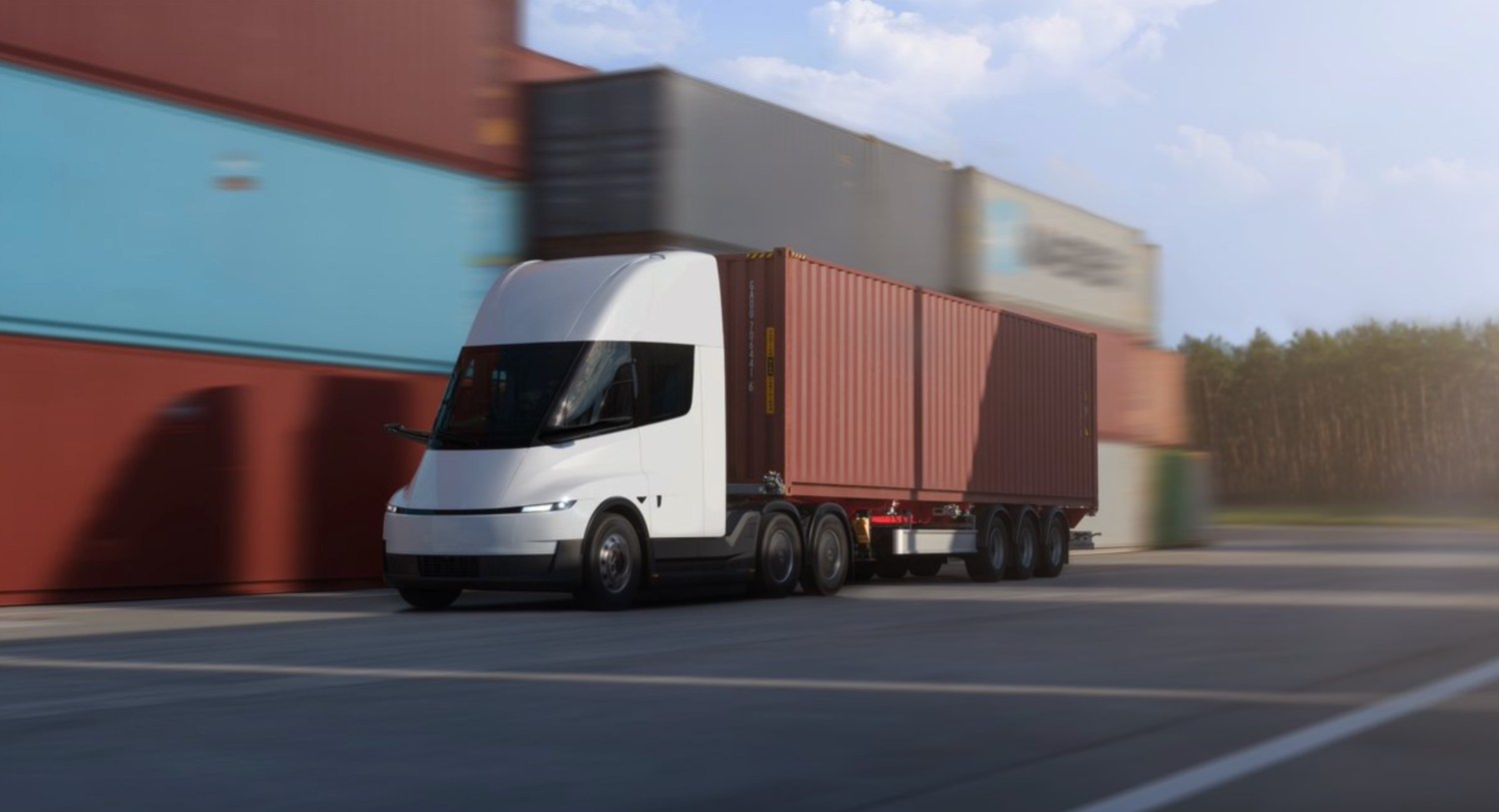
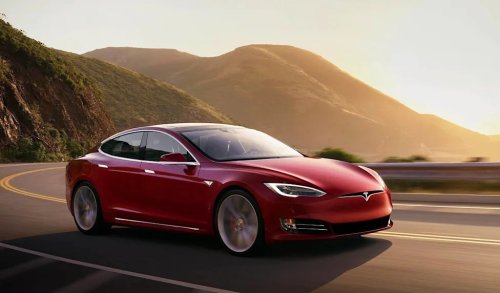
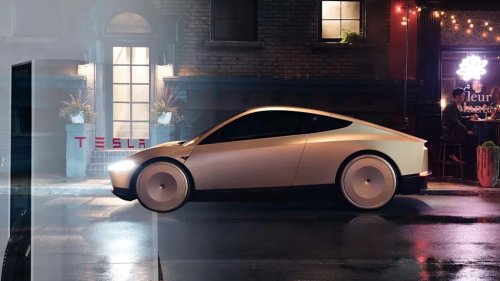
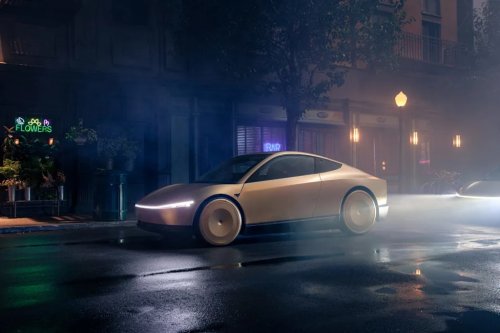
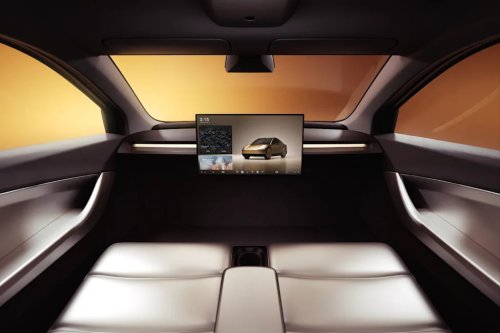
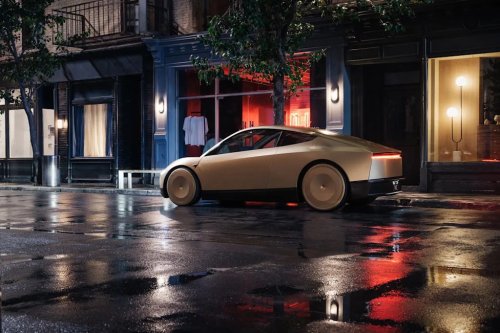
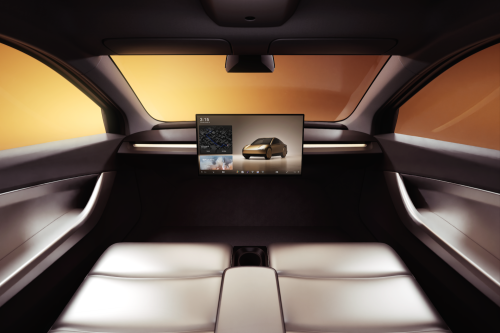
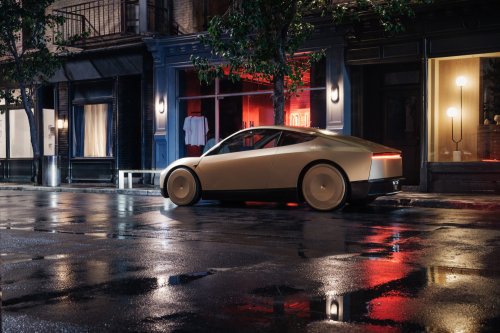
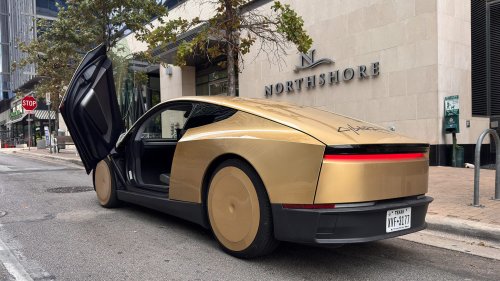
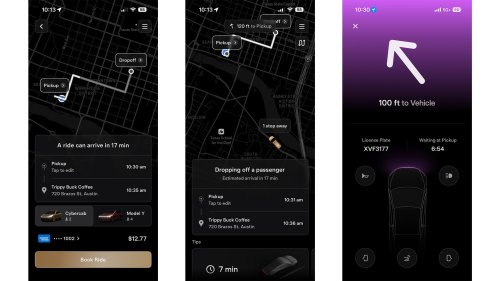
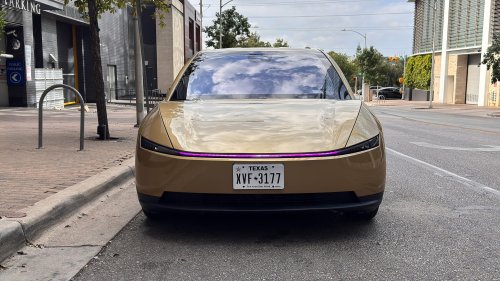
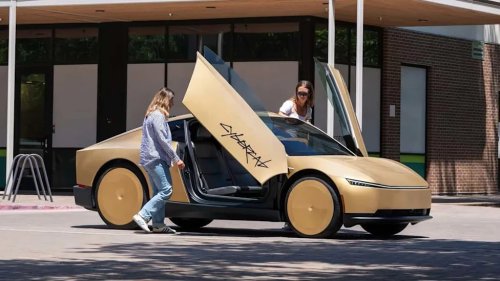
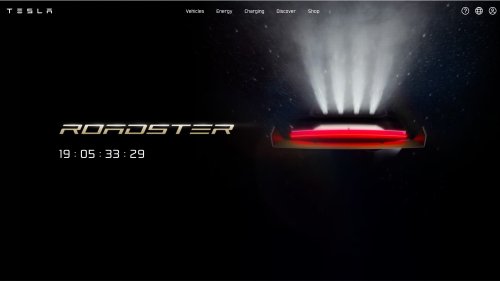
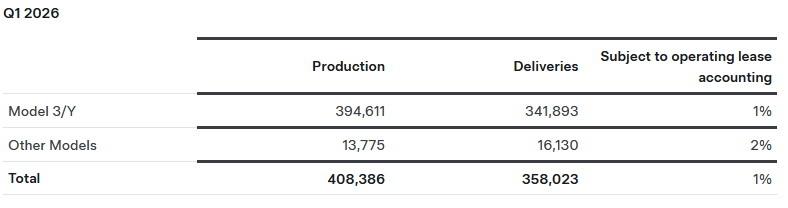
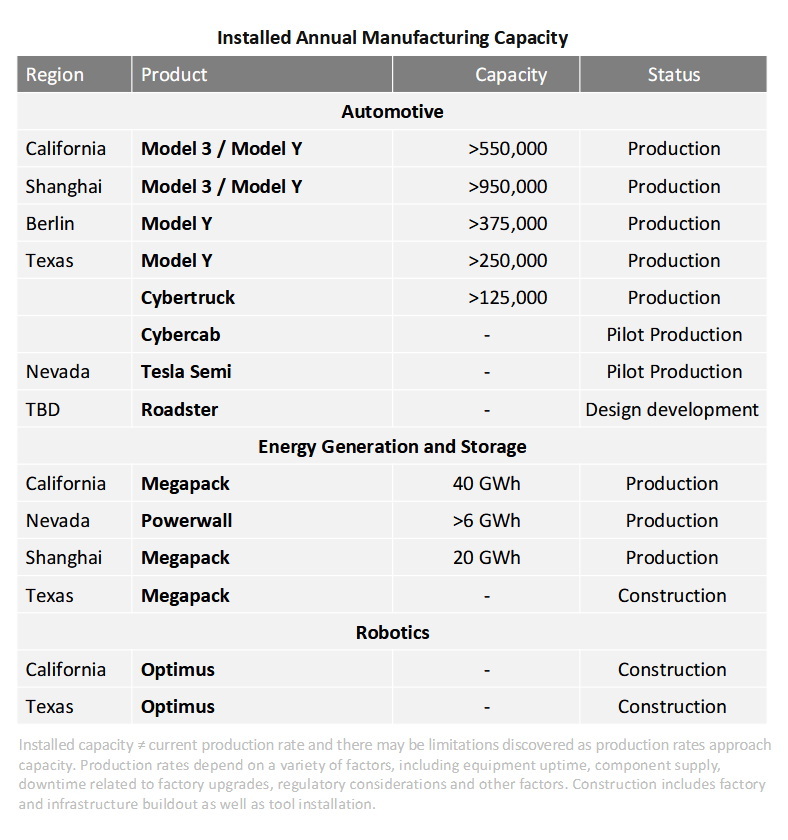
Gross profit recovered sharply but still trails two quarters from last year. Cybercab and Semi volume production is finally locked in for this year. The second-generation Roadster got a single line in the full report. In a quarter where volume slipped, Tesla found other ways to keep the numbers moving in the right direction. Despite Tesla’s global sales falling in the first quarter compared to the final three months of 2025, the car manufacturer’s revenue and profit increased, helped in part by higher average vehicle prices and more Full-Self Driving subscriptions. Reported revenue reached $22.38 billion in Q1 2026, a 16 percent rise from the $19.3 billion recorded over the same period last year. Revenue from Tesla’s automotive business climbed from $13.96 billion to $16.2 billion, and the company posted positive free cash flow of $1.44 billion. Gross profit rose to $4.72 billion, up from $3.15 billion in Q1 2025, though still below $5.05 billion in Q3 2025 and $5.00 billion in Q4 2025. Read: The Gap Between What Tesla Built And What It Sold Just Broke A Company Record Tesla’s overall deliveries totaled 358,023 vehicles in Q1 2026, down from Q4 2025 but up 6 percent from the same quarter in 2025. That volume supported revenue growth, but pricing and expansion in Tesla’s services business played an equally important role. Hefty Tariff Refunds? For example, Tesla says it now has 1.28 million Full Self-Driving subscriptions, though that figure requires context. The total actually represents 1.28 million FSD users, combining those who paid upfront for the system with those on monthly subscriptions. In its financial report, Tesla also noted that profits were lifted by an unspecified “increase in automotive one-time benefits related to warranty and tariffs.” While this was widely believed to include early tariff refunds from the US government, CFO Vaibhav Taneja said during the earnings call that the company has not received any benefit tied to the Supreme Court’s recent decision striking down parts of President Donald Trump’s tariff program, a ruling that has led other companies to seek refunds. Tesla is currently transitioning from its core EV business into a company focused on AI and robotics. As part of this change, it has begun construction of a plant near its Texas Gigafactory to produce the Optimus humanoid robot. It also confirmed that volume production of the Cybercab and Semi are scheduled to start this year, noting that both are currently in the pilot production state. As for the long-awaited second-generation Roadster, Tesla’s Q1 2026 update included only a brief mention, noting that it remains in “design development.”

















 +16 others