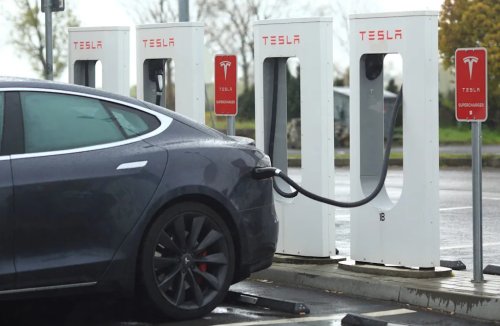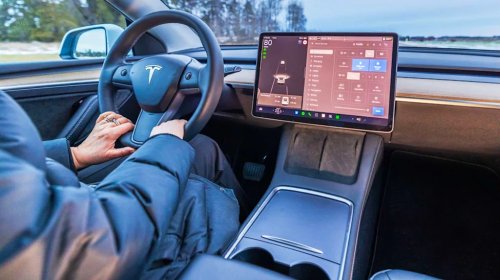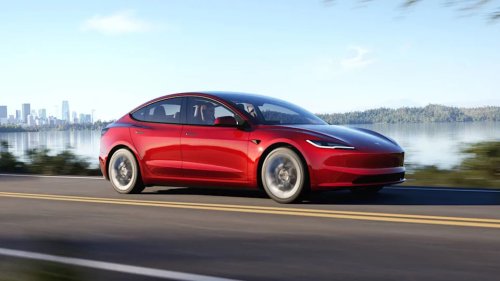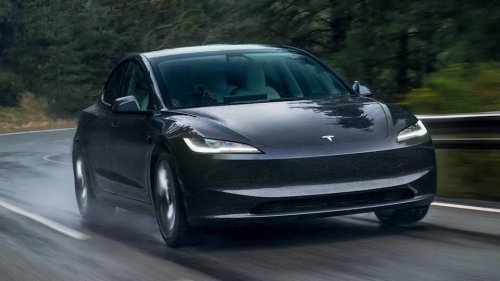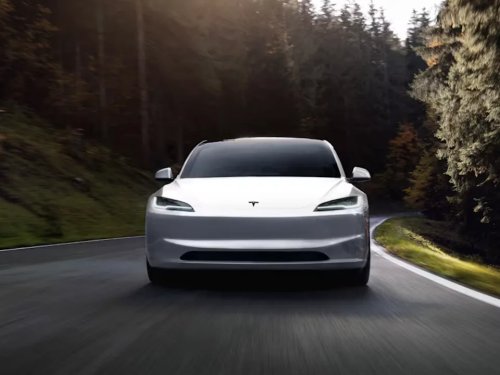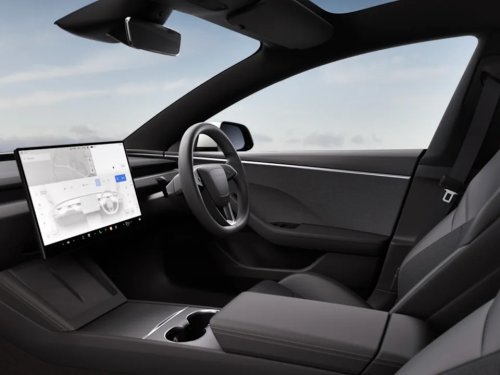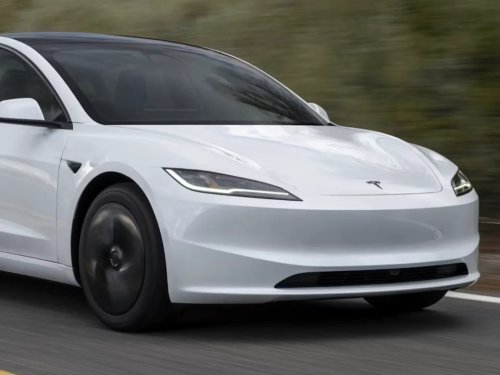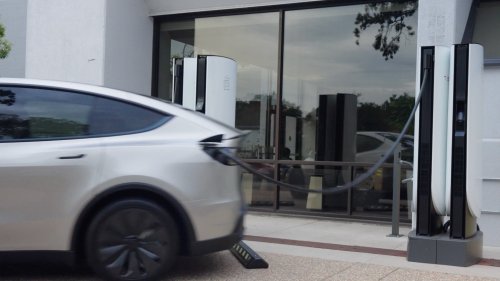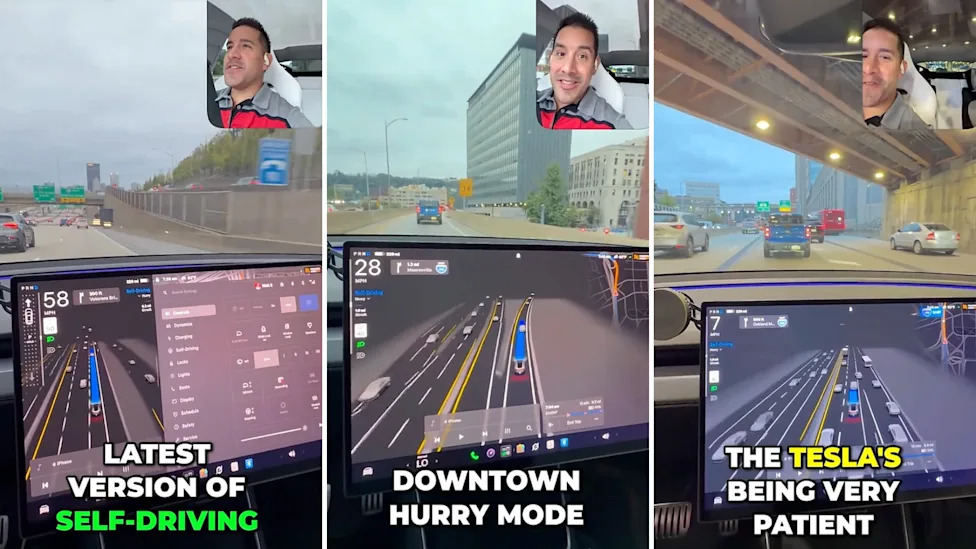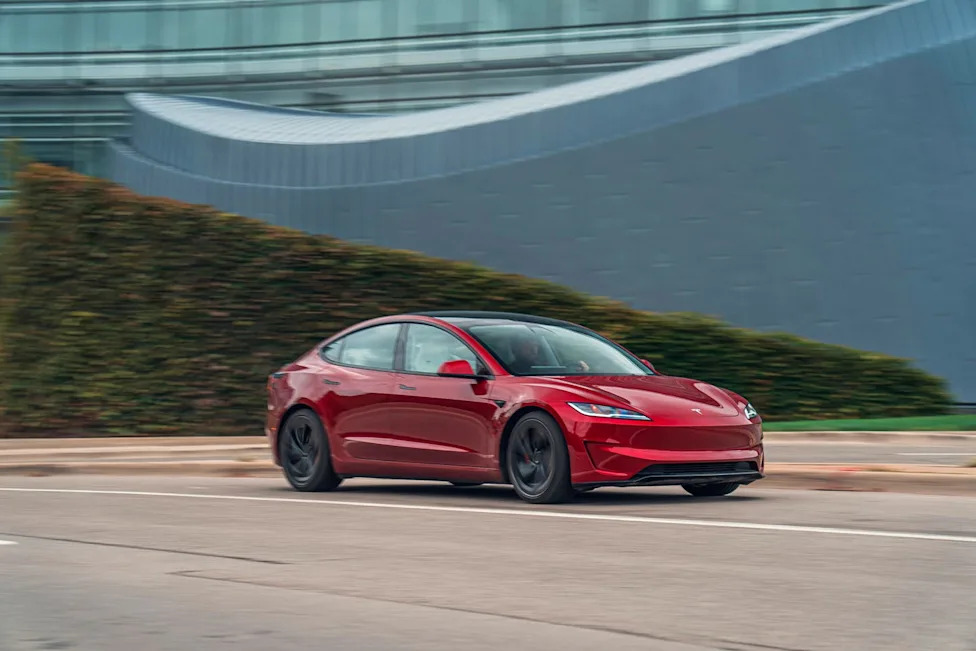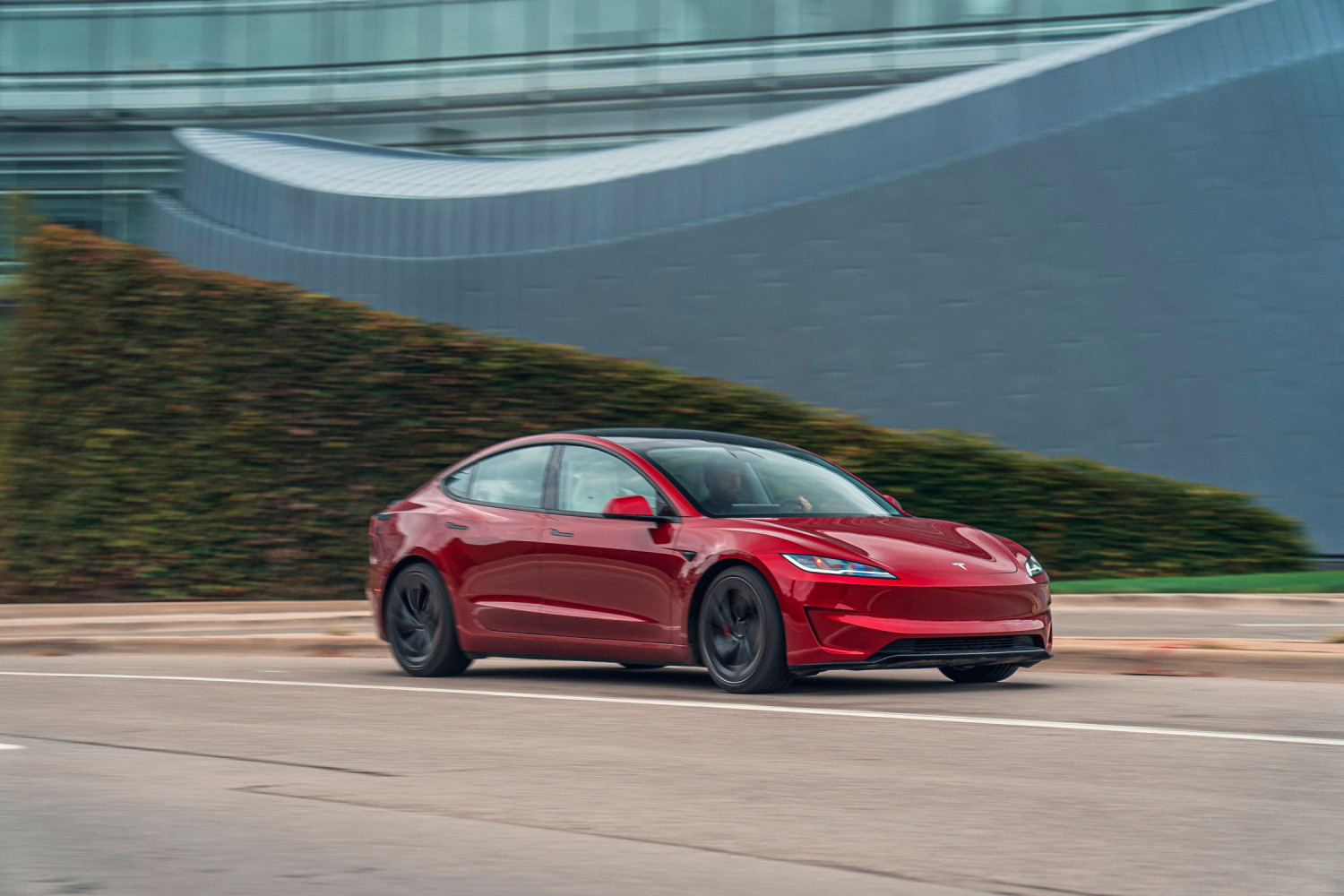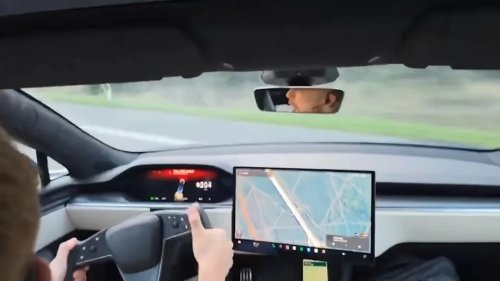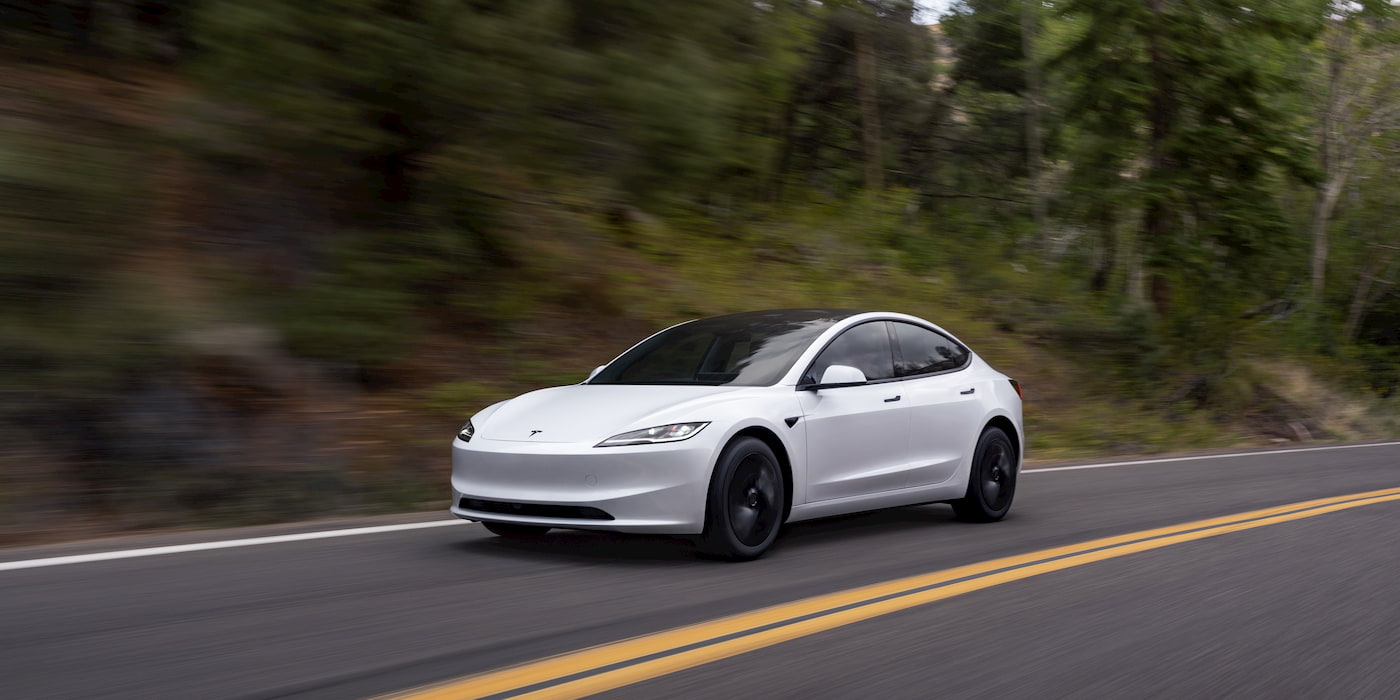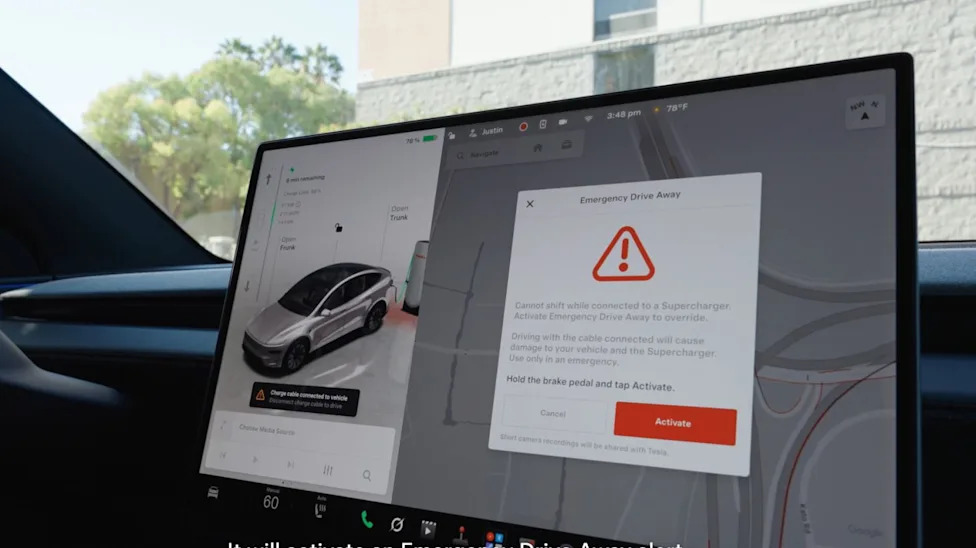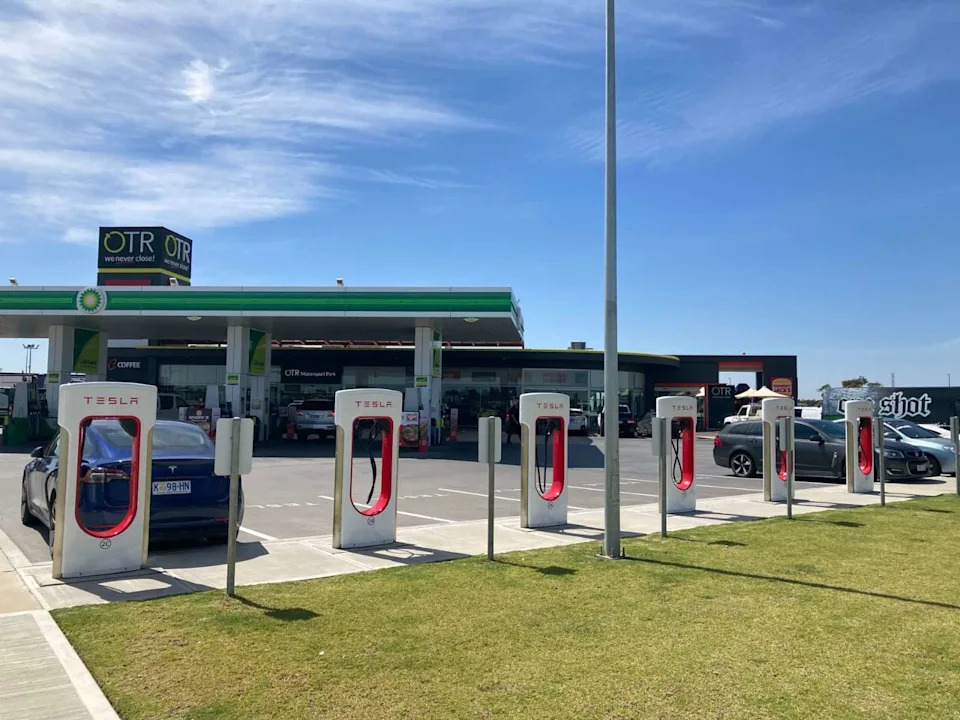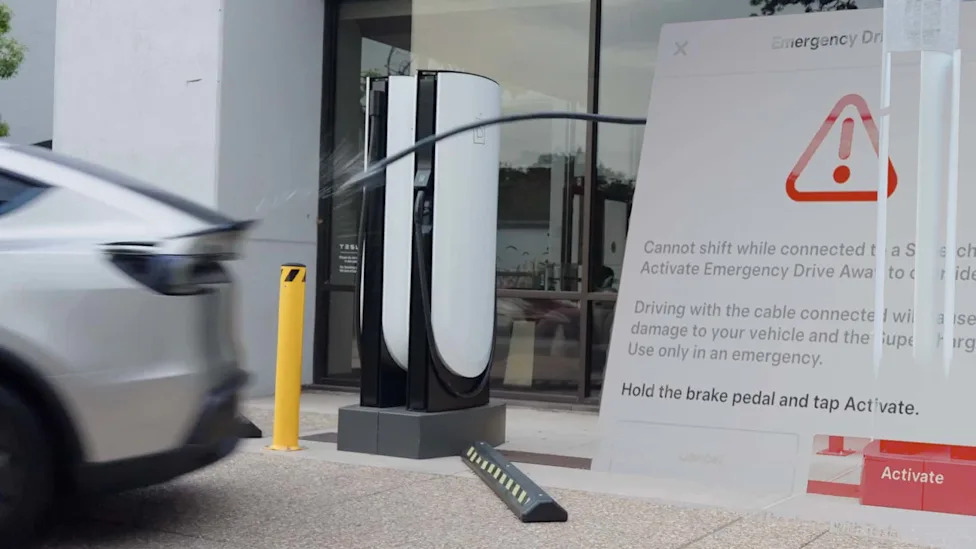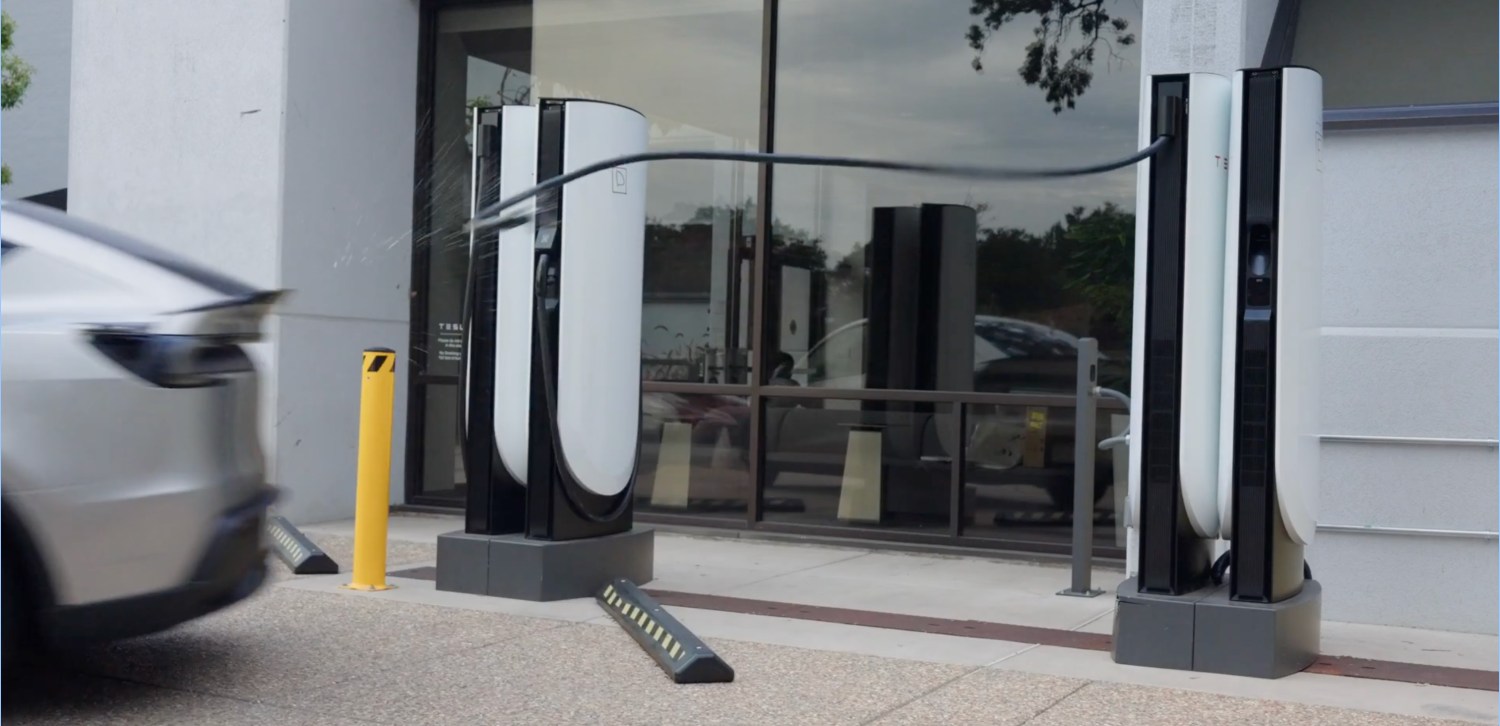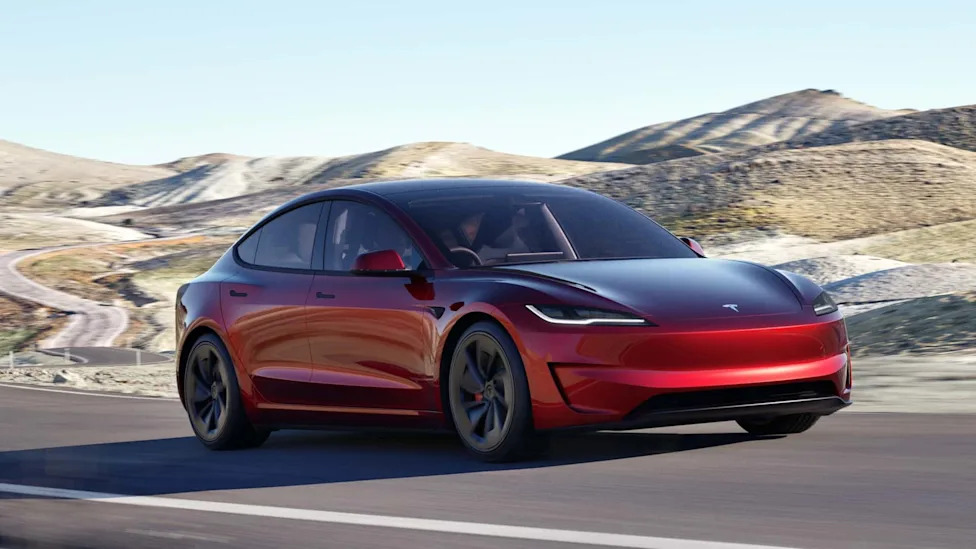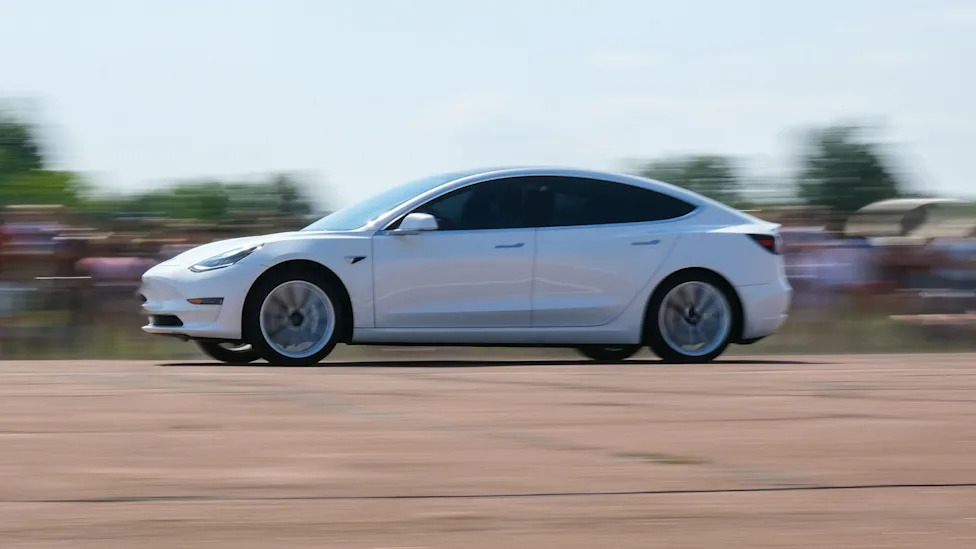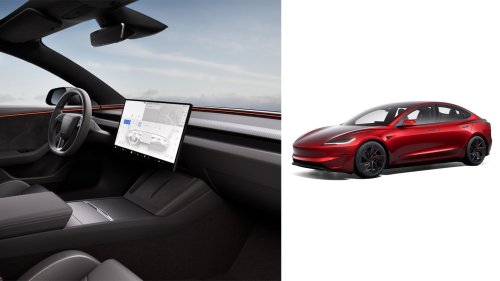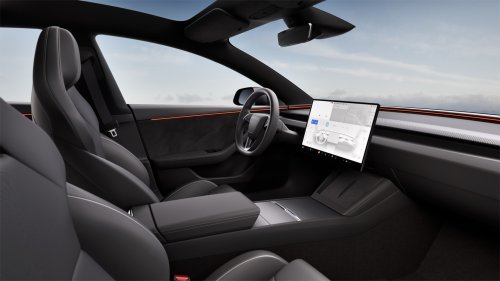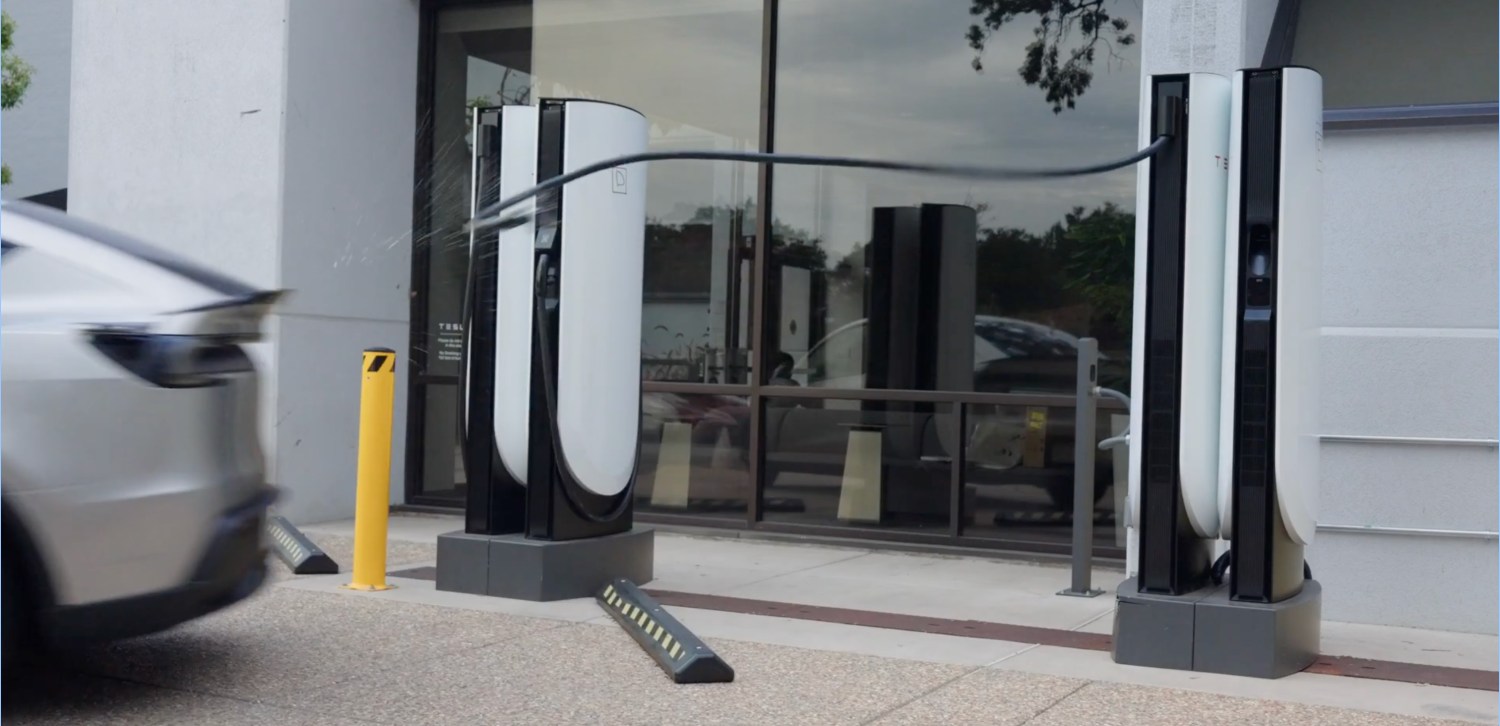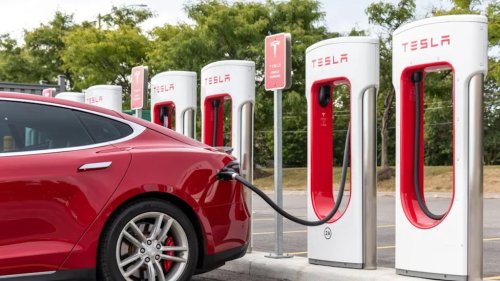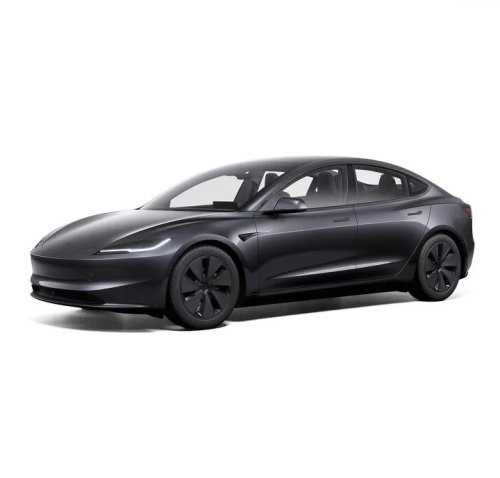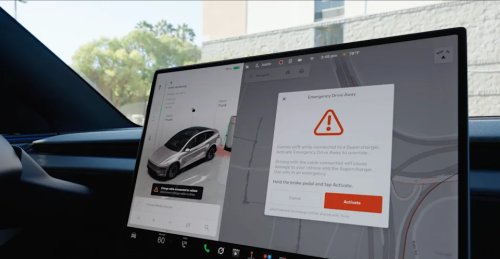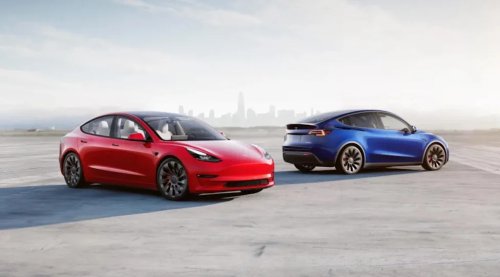


My friend Arthur is a great proponent of electric vehicles, running EV shows in Rockhampton, having a regional centre in Queensland, writing for a local newspaper, and speaking on the local radio. He has been sharing his experiences with Tesla Full Self Driving (Supervised) both on country roads, on highways, and in Brisbane’s congested traffic. I encouraged him to tell his story in writing. Thank you, Arthur. Enjoy. My wife and I took delivery of our new 2026 Tesla Model 3 Long Range in December 2025. It has a single rear-mounted motor and an 85 kWh battery that provides a real-world range of 625 km. This car replaced our 2020 Tesla Model 3 Standard Range model, with a 50 kWh battery and a range of about 360 km, that had completed over 110,000 km without missing a beat. In that car, we had made a number of long trips to Brisbane (1260 km round trip), Sydney (2824 km), Melbourne (4000 km) and Tasmania (7000 km), but the new model offered some new features in addition to the longer range. Laurel and Arthur Hunt with 2026 Tesla Model 3 LR overlooking Keppel Bay. Photo courtesy of Arthur Hunt. In the older car we had become accustomed to using Autopilot when the car did the steering but we had to keep a hand on the steering wheel. However, the new car offers hands-free Full Self Driving Supervised (FSD) that enables us to enter a destination into the navigation system and then let the car take us there without using the steering wheel, brake pedal or accelerator. It is very easy to specify a destination by voice command (“Go to …”). When driving locally and using home charging only, it costs $3/100 kilometers with our 5kW wall charger using Ergon Tariff 33 power supply. In recent months we have used FSD on a daily basis in Yeppoon and on trips to and from Rockhampton, 40 km away. The car has shown that it can handle roundabouts, traffic lights and stop signs accurately and it even slows down for speed humps and gives way on pedestrian crossings. This feels very safe, as the car has eight cameras that scan the road and surroundings continuously; the car never gets tired and is never distracted. If necessary, the driver can take control by pressing a button, touching the brake or turning the steering wheel. Recently, we have been free to make a longer trip to Brisbane and back, completing 1,546 km with only four highway charging sessions. On this trip, we used FSD (supervised) most of the time, which made the trip very relaxing. Although we had to stay alert and ready to take control, we were spared the need to concentrate on steering and controlling the speed. We were confident that the car would keep us in our lane at 100 km/h on two-lane highways with large trucks passing in the opposite direction. On dual-lane motorways, travelling at 110 km/h, the car would overtake automatically if it caught up with a slower vehicle. As we are not familiar with the convoluted layout of Brisbane streets, we were glad to leave the navigation to the car which negotiated on-ramps and off-ramps and merging lanes with ease. At times the car seems to use human intuition. On one occasion, on the highway, the car stopped behind a queue of cars that were waiting to proceed through some road works where the left-hand lane was closed. Without any intervention, our car followed the car in front as it diverted to the right-hand lane and stayed in the lane, marked with traffic cones, then veered into the left lane when it was clear to do so. The longer range of the new car was a distinct advantage. Together with the new fast charger sites on the Bruce Highway, this made charging a breeze. Despite reports of some queues at chargers on major highways during the Easter holiday weekend, this was not an issue on our trip. We drove past numerous charger sites that we did not need to use — Rockhampton, Mt Larcom, Calliope, Miriam Vale, Gunalda, Gympie and others. We left home with a 94% charge (587 km range) and made a brief comfort stop at Mirian Vale after 210 km. We stopped for lunch at Gin Gin where there is a new Tesla Supercharger with six pedestals rated at 250 kW maximum, open to all cars with CCS2 plugs. like the other chargers we used in our trip. If we select a Tesla Supercharger as the destination, the car shows how many pedestals are available before we arrive. Two other cars charged while we were there. We arrived with 39% of battery charge remaining and charged to 85% in 34 minutes while we had lunch at the Gin Gin Bakery. NorthLakes Superchargers. Photo courtesy of Arthur Hunt. As we were in no hurry on this trip, we detoured and stayed overnight at Hervey Bay where we did not bother to charge since we arrived with 63% battery charge. The next morning, we set our destination as Yandina to visit the Ginger Factory and use the Tesla Supercharger there. As we bypassed Gympie and headed south, we enjoyed the motorway. We arrived at Yandina with 28% of battery charge and connected to the last vacant fast charge in a row of six. While we had lunch, the battery was topped up to 91% in 45 minutes. The Ginger Factory was a popular school holiday venue for families. We headed on towards Brisbane but stopped at Brackenridge to enjoy afternoon tea with Tesla owners David and Majella Waterworth. They contribute articles on electric vehicles to CleanTechnica and organize coffee and cake events to promote electric cars to prospective and current EV owners. While there, we realized that we had omitted to order and install a toll tag in our new car. Fortunately, Majella was there to remind us how to select “no tolls” as a navigation option so that we avoided any unwanted toll fees. We pressed on to our accommodation at Auchenflower and, as we drove across the city, we appreciated that the car could handle the navigation and driving. With navigation audio commentary playing, we were warned about turns at roundabouts and intersections. The old days of map reading will not be missed. We arrived at Auchenflower with 58 % of battery charge remaining. During our brief stay in Brisbane, we did not need to use the car or to charge it. After two nights in Brisbane, we headed north to start our return journey. This time we planned to visit friends at Montville, in the Sunshine Coast hinterland. On the northern outskirts of Brisbane, we stopped at North Lakes to use the Tesla Supercharger, where there was one other car and nine pedestals for us to choose from. As this site next to a large shopping centre is often busy, it uses variable pricing to encourage off-peak use. We topped up the battery from 52% to 65% in 8 minutes at 112 kW and later realised we had been charged a low rate of 32 cents per kWh. We continued north and then headed up the range to Montville. The car handled the narrow, winding road with ease. After a pleasant lunch with our friends, we took a scenic route to Maryborough, arriving at our motel with 16% of battery range. The next morning, we headed five kilometres north to Olivers restaurant for breakfast. This is co-located with a Tesla Supercharger where one other car was sharing the eight pedestals. These are modern chargers rated at 300 kW maximum and the car started charging at 150 kW but slowed down as the battery filled. While we ate breakfast, the battery was charged from 15 % to 82% in 36 minutes. This was sufficient charge to reach home 420 km away. We made another brief comfort stop at Miriam Vale and arrived home in the early afternoon with 12% of charge (76 km range). The battery was then topped up to 94% using our wall charger. The total cost of energy for this trip of 1,546 km was $101.53, or $6.56/100km. At the current petrol price of $2.05/litre, inflated by the Middle East conflicts, this trip would cost about $210 in our old Toyota Camry hybrid and about $310 in a conventional petrol car. We are looking forward to more long trips in coming months in our economical EV, using FSD. Arthur tells me that he has convinced several others to try FSD, and wishes he got a commission for it! I have several other friends using FSD regularly and they report their satisfaction with the technology. YouTube has a myriad of videos of the “magic” in operation. Majella and I plan to upgrade to a Model Y with Hardware 4 so we can also enjoy FSD — after all, it was one of the reasons we bought our 2019 Model 3 in the first place. I am starting to lose my scepticism of the software and concerns about Australia’s roads and regulatory environment.