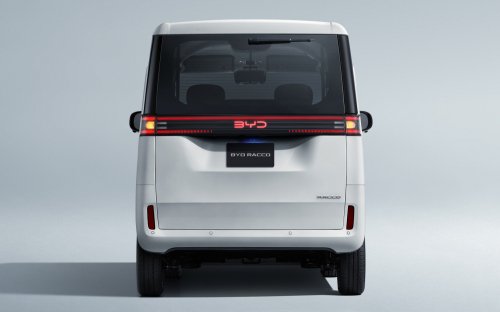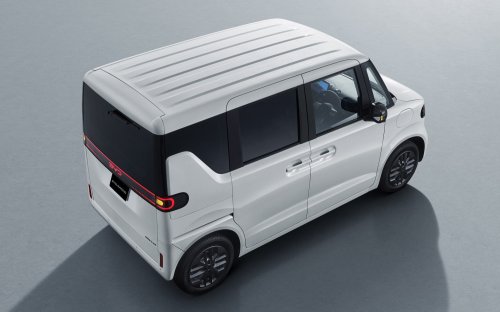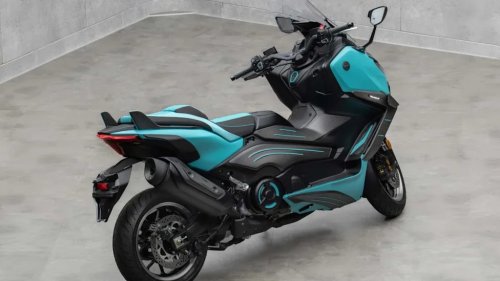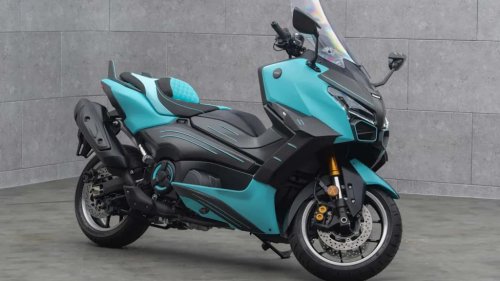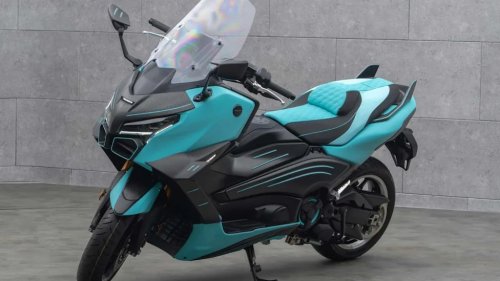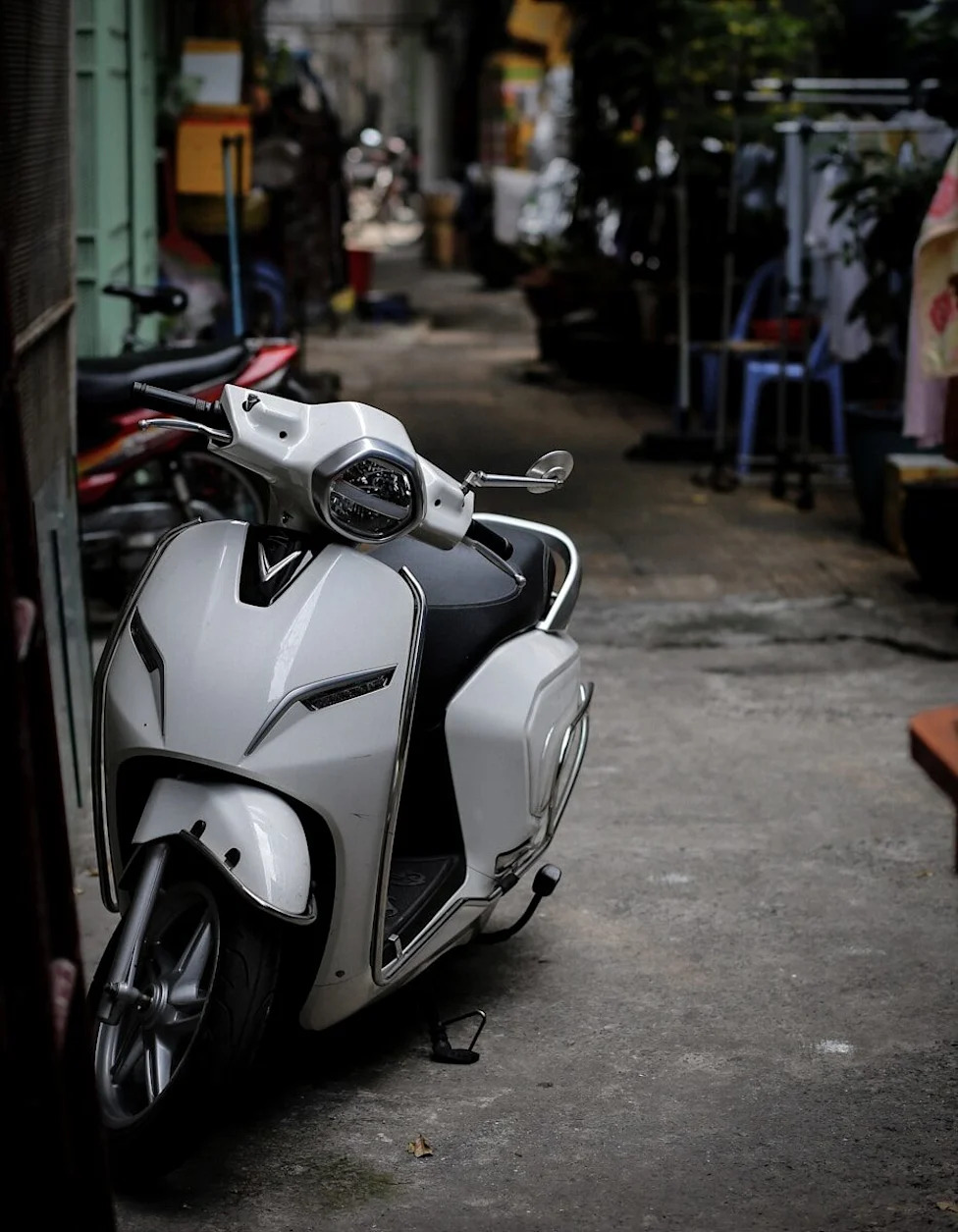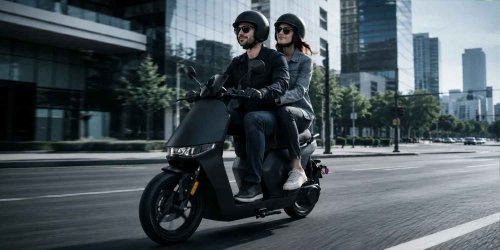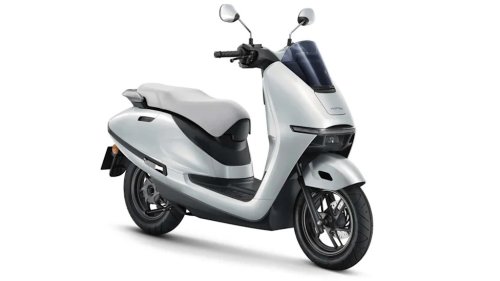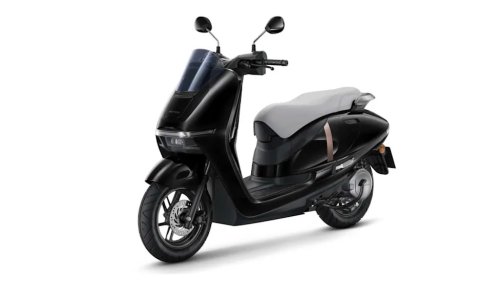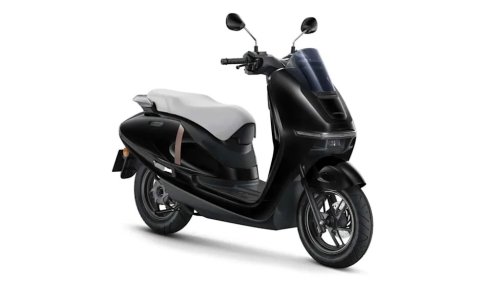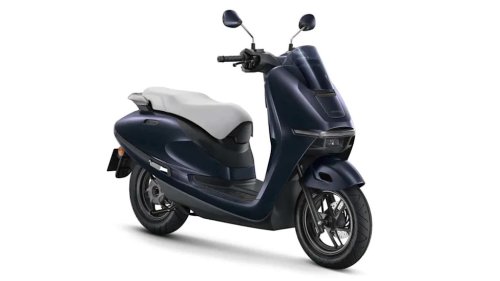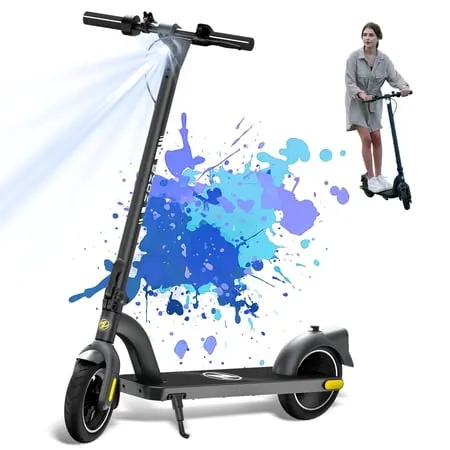



















Taiwan has long functioned as the world’s most intense proving ground for two-wheeled mobility. With more than 14 million scooters serving a population of roughly 23 million, the shift from combustion engines to electric drivetrains is unfolding in real time across its cities. By early 2026, that transition is no longer experimental. It is a full-scale market transformation, driven by subsidies, infrastructure, and an increasingly competitive field of manufacturers. The island nation’s electric two-wheeler segment is entering a decisive phase. Industry forecasts place the market at around $544 million by 2033, with 2026 marking a turning point as private adoption accelerates. Growth in the segment continues to outpace global averages, with a projected compound annual rate of 11.4 percent through the end of the decade. Recent sales data reinforces that trajectory. First-quarter 2026 figures show a noticeable rise in electric scooter purchases, largely fueled by a replacement wave as older gasoline-powered units are retired. Electrification is no longer limited to early adopters or fleet operators. It is increasingly the default option for everyday commuters. We aren’t painting a rosy future for electric mobility in Taiwan (as it is for the rest of the Asian markets). Only about 5.3 percent of Taiwan’s total scooter fleet was electric by the end of 2024, which is now up to about 8% percent of 1.4 million electric motorcycles and scooter. It is a big jump in two years, but 90 percent of motorcycles and scooters are ICE. EV policy Taiwan was among the earliest markets to deploy EV incentives at scale, accelerating adoption and enabling the rise of local players such as Gogoro well before 2020. As incentive structures evolved and became less aggressive, growth in the electric segment began to slow, exposing underlying demand sensitivity to pricing and infrastructure costs. By 2025, the market entered a correction phase. Total motorcycle sales rose 5.1 percent to 805,212 units, recovering from a 12.3 percent decline in 2024. Electric motorcycles, however, contracted sharply by 29.5 percent year on year, with L1 models falling 43.1 percent and L3 models down 7.6 percent. The divergence highlights a market where overall demand rebounded but EV adoption weakened under shifting economic and policy conditions rather than a single structural trigger. This keeps your numbers intact but strengthens credibility by avoiding oversimplification and tightening causation. Reshaping the market The market has settled into a three-way contest involving legacy manufacturers, a dominant electric ecosystem player, and a set of global alliances attempting to carve out share. Gogoro remains the central force in the electric segment, supported by its extensive battery-swapping network. By early 2026, it reported more than 665,000 subscribers. Under CEO Henry Chiang, the company has shifted focus toward financial discipline following a period of restructuring. Chiang described 2025 as a year of necessary correction, emphasizing that prioritizing long-term stability is now translating into improved financial performance. Kymco is emerging as the most aggressive challenger through its Ionex platform. Chairman Allen Ko has positioned the company as a hybrid of traditional manufacturing and digital mobility. Its partnership with LiveWire is central to that strategy, with a jointly developed maxi-scooter expected to launch in the first half of 2026. Sym continues to dominate overall scooter volumes while gradually electrifying its lineup. The company is blending conventional engineering with new design approaches and digital features to retain its commuter base. Meanwhile, Yamaha and Honda are expanding their presence more assertively. Yamaha leverages Gogoro’s battery-swapping infrastructure, while Honda is developing its own parallel ecosystem, combining fixed-battery models with its growing swap network. Hardware diversification accelerates What distinguishes 2026 from earlier phases is the breadth of vehicles now available. Electric scooters in Taiwan are no longer confined to lightweight urban commuters. The market now includes performance-oriented models, cargo-focused designs, and even hybridized range-extender concepts. Gogoro continues to define the ecosystem model, and its lineup reflects that dual focus on scale and performance. The Pulse serves as its technology flagship, pushing higher output and a more advanced digital interface, while the JEGO targets volume recovery in the entry-level segment. Models like the CrossOver expand into utility and lifestyle use, effectively positioning Gogoro beyond commuting. Updates to the Delight and SuperSport lines reinforce its core commuter base with incremental gains in comfort and connectivity. The strategy is clear: defend leadership through breadth while anchoring the network advantage. KYMCO, through its Ionex platform, is building a layered challenge that spans commuters to performance enthusiasts. Its i-One series focuses on lightweight urban mobility, while the Super 6, 7, and 9 tiers directly target traditional 125cc and 150cc segments. At the top end, the Ionex Max and S2 Arrow, developed alongside LiveWire, signal a move into the premium “maxi” category. Meanwhile, the Agility Carry EV shows a deliberate push into commercial fleets. Rather than matching Gogoro’s ecosystem outright, KYMCO is diversifying entry points across use cases. SYM is taking a dual-track approach, maintaining dominance in combustion while selectively advancing electrification. The Fiddle Electric leverages existing swapping infrastructure for urban riders, while the Mio Electric targets low-speed, short-distance use. At the more experimental end, the PE3 introduces a range-extender concept that blends electric drive with a generator system, stretching usability beyond typical battery limits. The eX’Pro, designed for delivery and logistics, reinforces SYM’s strength in practical, work-oriented mobility. Yamaha and Honda are approaching the market from different angles despite their shared global scale. Yamaha’s EMF and EC-05 remain tied to Gogoro’s swapping infrastructure, effectively outsourcing energy while focusing on ride dynamics and design. Honda, by contrast, is hedging its bets. The UC3 adopts a fixed battery with LFP chemistry aimed at home charging convenience, while the CUV e: and EM1 e: align with its growing e:Swap ecosystem. The divergence highlights an unresolved question in the market: centralized swapping versus decentralized charging. Policy support intensifies Government policy remains a decisive factor. Taiwan’s Ministry of Environment has introduced subsidies of up to NT$16,000 ($500) for consumers replacing gasoline scooters with electric alternatives. These incentives can be combined with local government programs, significantly lowering the cost of entry. Regulatory changes are also expanding the definition of two-wheeled mobility. The Ministry of Transportation and Communications is preparing to allow enclosed three-wheeled scooters on public roads by the second half of 2026. These vehicles, which require a light vehicle license, are intended to bridge the gap between scooters and compact cars by offering weather protection and improved safety. Technology and infrastructure evolve The technical baseline of the market is stabilizing around the 48V to 59V range, which offers a balance between cost and urban performance. However, higher-powered “maxi” scooters are gaining traction, indicating a gradual move beyond purely city-focused applications. Infrastructure is also entering a new phase. Gogoro’s network strategy is shifting toward what it describes as “precision density,” focusing on smaller, more localized battery-swapping stations rather than large centralized hubs. This approach aims to improve efficiency while maintaining convenience as adoption scales. Still maturing electric ecosystem Taiwan’s scooter fleet remains overwhelmingly internal combustion, with electric models still in the single-digit share of total vehicles. But in new sales, replacement cycles, and product development, electrification is steadily gaining ground. The result is not a sudden displacement of ICE, but a gradual erosion of its dominance alongside the rapid expansion of a more diverse and capable electric ecosystem. The 2026 oil shock strengthens the case for electric scooters, but it does not guarantee faster adoption. In Taiwan, policy and pricing—not just fuel costs—will determine whether the shift accelerates or stalls. The internal combustion scooter has not disappeared, but its dominance is clearly eroding. In its place is a diversified electric landscape that continues to expand in capability, accessibility, and scale.