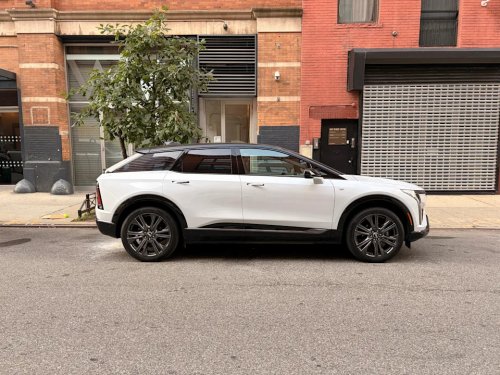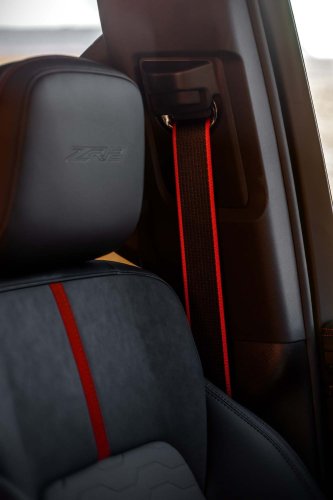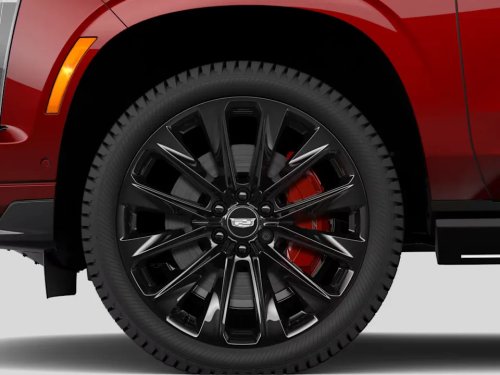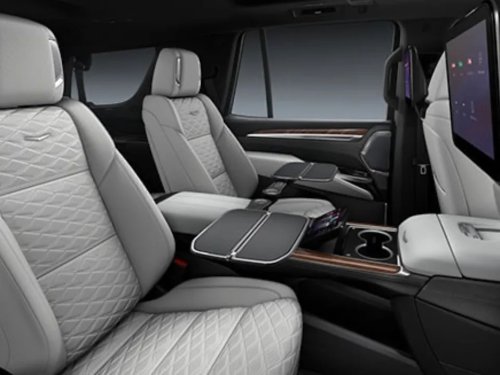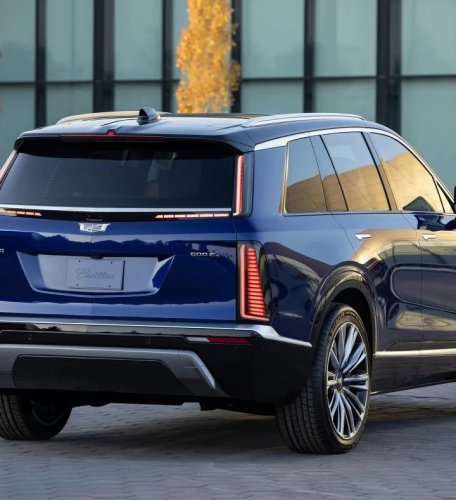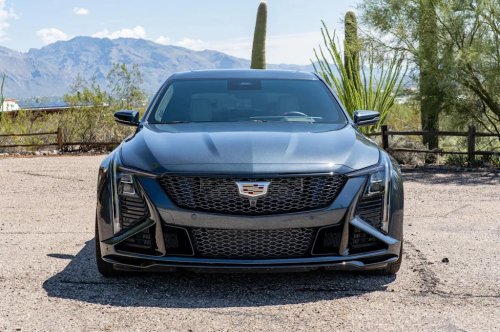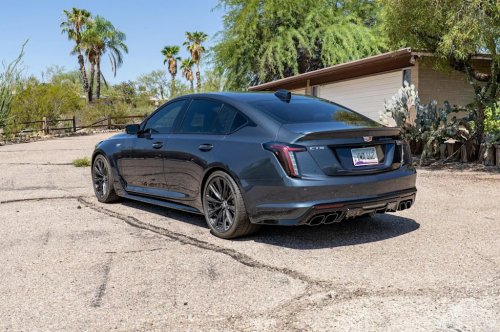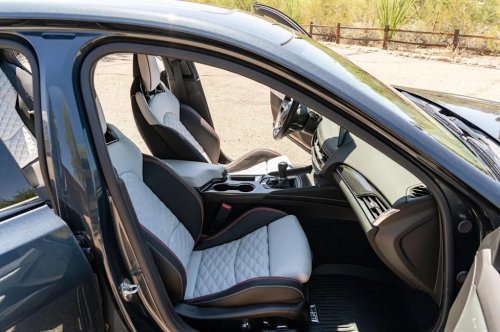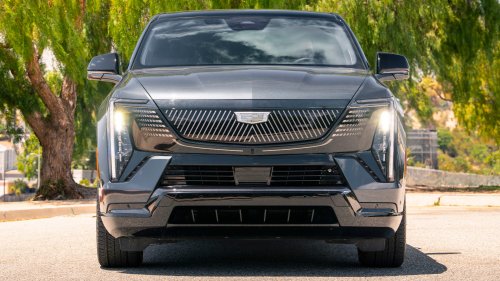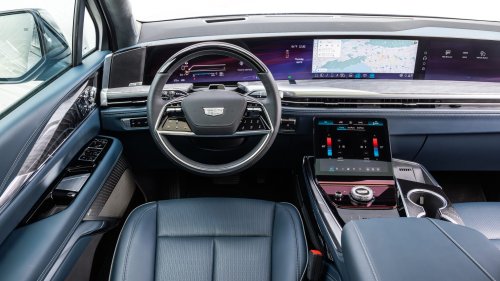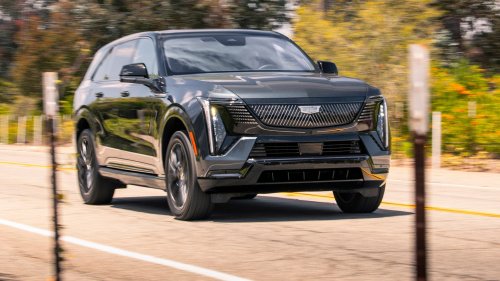
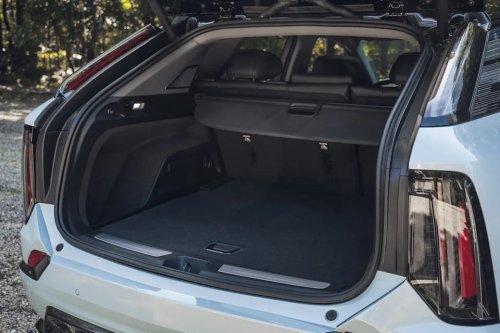
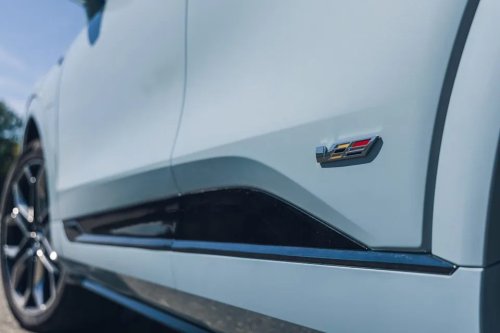



















Understated Achiever: 2026 Cadillac Optiq-V TestedMichael Simari - Car and Driver10/8/26 UPDATE: This review has been updated with instrumented test results.Letters like M, RS, AMG, N—and, in today's case, V—are the call signs of the car world. They might go unheard and unnoticed by the average citizen, nothing more than automotive background noise. But for car enthusiasts, ourselves included, they elicit a Pavlovian response that's a mixture of excitement, anticipation, and curiosity about every new vehicle they show up on, because those letters are shorthand for "driver's car within."Cadillac's been liberally spreading the V love across its lineup in recent years, with the latest effort focused on its compact electric SUV, the 2026 Optiq. On first impression, does the new 2026 Optiq-V seem like it will be a credible player in the world of performance machinery? After a half-day drive, several launch-control starts, and even a few runs around a too-tight autocross course, we think we have an answer.Michael Simari - Car and DriverBut first, a word about the nuances of Caddy's performance subbrand: To be clear, there are V's, and then there are V's. Most V models (whether gas or electric, sedan or SUV) are well-rounded performance vehicles, significantly more powerful, quicker, and better handling than their mainstream, pedestrian versions.The two spectacular outliers in Caddy land are the CT5-V and (recently departed) CT4-V Blackwings, incandescent superstar sedans with world-beating performance and a ride-and-handling bandwidth broad enough to make them great track cars, as well as sweet daily drivers. The new Optiq-V is a member of the former group rather than the latter, just like the larger Lyriq-V before it.Michael Simari - Car and DriverOptiq chief engineer John Cockburn said as much when he described the Optiq-V as a "canyon carver, not a track car," and as a former Corvette chassis engineer, he's well versed in the difference. Nevertheless, engineers made a smorgasbord of engineering upgrades to the standard Optiq in pursuit of a driving experience both aggressive and responsive enough to satisfy enthusiast drivers while still maintaining a large dose of daily-driver civility.Of course, there's more power. While the standard, non-V 2026 Optiq AWD's two motors combine for 440 horsepower and 498 pound-feet of torque, the V's output crests at 519 horsepower and 650 pound-feet when in full-on Velocity Max mode—increases of 79 horses and 152 pound-feet. New, shorter final-drive ratios for both motors are intended to improve launch from rest and pull out of corners, just as they would for a gas-engine vehicle.Michael Simari - Car and DriverThe V retains the standard model's 85-kWh battery and comes standard with an 11.5-kW onboard charger; a 19.2-kW charger is optional, and a NACS charging port is standard, the latter enabling use of the Tesla supercharger network. Cadillac claims that the Optiq-V can fast-charge at up to 150 kilowatts and add about 70 miles of range in about 10 minutes.Dedicated street car though it may be, the Optiq-V received a comprehensive chassis retuning. Spring rates are up 21 percent in the front and 32 percent in the rear. Front anti-roll bar stiffness rises by 47 percent, rear bar stiffness by 185 percent. Suspension bushings and subframe mounts are significantly stiffer as well, by as much as 163 percent in the case of the rear cradle mounts. The steering ratio is quicker, and the latest iteration of Sachs's CDC adaptive dampers are fitted to aid body control.New six-piston Brembo calipers clamp 15.4-inch brake rotors up front, while the V's rear sliding calipers pinch 13.6-inch discs. Enhanced resistance to brake fade is available via extra-cost, low-metallic-content brake linings, which the engineers admit create more brake dust than some buyers might like; that's why they're optional. Though the V's 21-inch wheels come shod with all-season rubber sized 275/40R-21, the car we drove wore the optional summer tires. Just know that if you do opt for the stickier tires, the EPA-estimated range drops from 278 to 250 miles.Michael Simari - Car and DriverFor all that was revised underneath, the V does anything but shout its performance intentions to passersby. Its exterior appearance is distinguished primarily by a handful of understated touches that include darker exterior trim and wheels, body-color wheel lip moldings in place of the standard model's black pieces, black rocker panels, and subtle V badges on the lower rear doors and liftgate. The changes are low-key enough that they're easy to miss. The visual subtlety clicks with this car's persona.Michael Simari - Car and DriverThe changes to the standard Optiq's interior furnishings are equally restrained and tasteful: splashes of blue on the dash and doors, blue piping and sewn-in V badges on the quilted faux-leather seats. (Should you desire extra blueness, you can add a blazing hit of it in the form of bright-blue front seatbacks and seatbelts that together comprise the Santorini Blue Interior package.) The cabin is otherwise unchanged, from the warm waffle-weave cloth on the doors to the large, 33-inch curved integrated cluster-and-infotainment display. Super Cruise hands-free driving is standard, along with a glass roof—complete with a power sunshade, thankfully.As this is the top-spec model, there's plenty of fancy stuff on board as well, like massaging, heated, and ventilated front seats; heated outboard rear seats; a head-up display; and a hot-sounding AKG Studio audio system with Dolby Atmos. We have no complaints about the roomy, upscale accommodations; Cadillac's interiors have long been a weak spot for the brand, but the materials and finishes in its EVs are now among the best in its lineup and finally competitive with cabins from BMW, Benz, Audi, and Lexus.Michael Simari - Car and DriverOur morning-long intro drive meandered along lazy lower-Michigan two-lanes, where the Optiq-V's ride showed itself to be tautly connected to the road surface but also supple enough to bridge the space between sporty and comfortable. Through the few sweeping corners where we were able to lean on it in Tour mode, the Optiq-V displayed the planted feeling that engineers refer to as "low rear cornering compliance"—when the car turns with the coordinated, locked-down, all-of-a-piece response that we find in the best-handling cars.Our drive ended at the private M1 Concourse driving club, where we took a few runs on a tight, low-speed autocross, which didn't reveal any more about the V's handling than we'd learned on the road. We did, however, rip off a few launch-control starts on the back straight after tapping into Velocity Max mode to unleash full power.Michael Simari - Car and DriverAt our test track, in launch control mode, the Optiq-V came out of the blocks hard, delivering a credible 3.4-second 60-mph time and zipping through the quarter-mile in 12.2 seconds at 108 mph. Four seconds later, it's doing 120 mph and shortly after hits its 126-mph speed limiter. On the highway in Tour mode, the Caddy feels considerably less motivated than its maximum power numbers suggest. Not long ago, the Optiq-V would have been considered shockingly quick, but in a world now populated with 1000-hp vehicles—many of them EVs—its straight-line performance proves merely punchy, not jaw-dropping. The same goes for its 0.94-g cornering grip and 151-foot stopping distance from 70 mph; they're good but far from reality-altering.In fact, the Optiq-V's performance and handling are in harmony with its reserved but classy looks and interior appointments. It's not rearrange-your-DNA quick, nor hard-edged and sharply responsive to steering inputs like a track car. Rather, on first blush, it's a highly engaging, extremely well-judged, likable EV SUV that leans well into sportiness and balances that with a big dollop of luxury. Come to think of it, the Optiq-V would make a credible garage mate to any number of enthusiast vehicles that also wear those special letters.Michael Simari - Car and Driver➡️ Skip the lot. Let Car and Driver help you find your next car.Shop New Cars Shop Used CarsGift Guide: Best Ride-On Electric Cars for KidsFuture Cars Worth Waiting For: 2025–2029