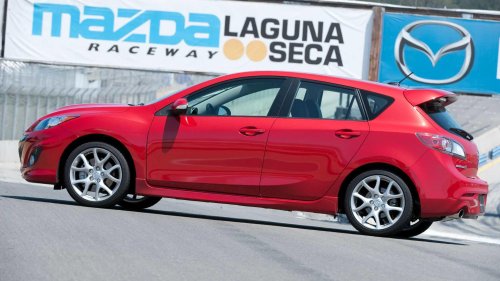
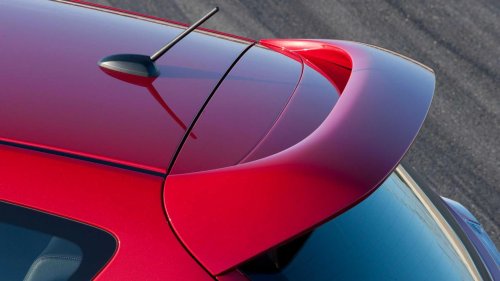
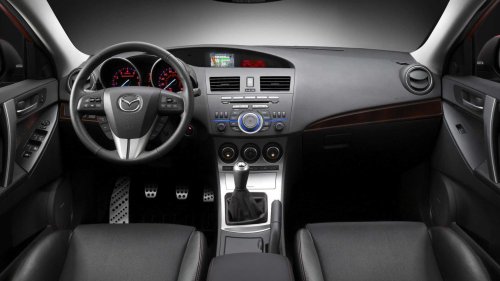
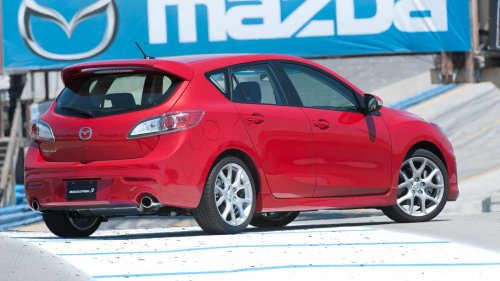
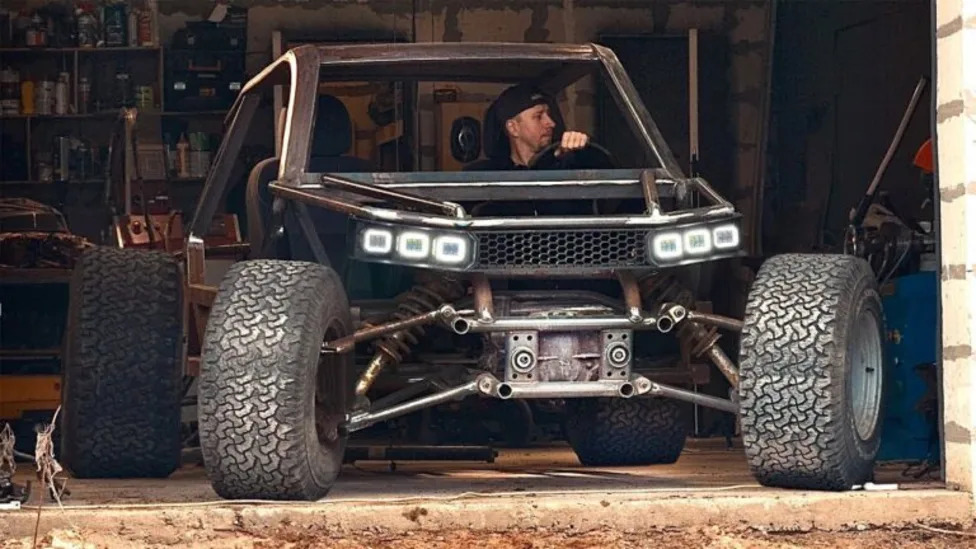
Someone Built a Powerful Off-Road Buggy From a $500 Snow-Buried MazdaA YouTuber going by Made by Madman pulled a purple Mazda hatchback out of a snowbank, paid $500 for the privilege, and decided the most logical next step was to gut it entirely and turn its mechanical guts into a custom-built off-road buggy. The result, documented across a multi-part video series, is one of the more ambitious garage builds to surface recently, and it actually looks finished.The donor Mazda, labelled onscreen as a V6 2.5 170 HP, is exactly what it claims to be: a 2.5-litre KL-DE V6 producing around 170 PS at 6,000 rpm and roughly 221 Nm of torque. The K-series Mazda V6 thrives in this 2.5-litre form – the KL family is a 60-degree 24-valve all-aluminium unit. Ultimately, it's going into a buggy, which means the label matters less than the weight savings about to happen around it.What the Build Actually InvolvedThe teardown was comprehensive. Doors, roof, interior – gone. From the carcass, the builder salvaged the engine, transmission, hubs, brake calipers, the rear differential and axle assembly, and the front seats. Using a single donor car this way has a real practical advantage: the components were engineered to work together from the factory, so integration headaches are minimal compared to mixing parts from multiple sources.AdvertisementAdvertisementThe custom frame came next, fabricated from steel profile pipe and water pipe with sheet metal for the body sections. Tube steel earns its place in builds like this because a hollow section is actually stronger than a solid bar of equivalent weight – which is why professional race car fabricators reach for it on roll structures and high-stress suspension points.The roll cage itself used a combination of square and round tubing, with curved overhead bars shaped on a manual pipe roller. A plasma cutter handled the sheet metal roof panels, which were welded into an angular canopy and ground smooth.What sets this build apart from a standard garage project is the headlight assembly. Rather than bolting on an off-the-shelf light bar, the builder designed a custom housing for three rectangular LED pods on a computer and printed it. The 3D-printed plastic was chemically bonded and smoothed using methylene chloride, threaded brass inserts were melted in with a soldering iron for solid screw points, and three cooling fans were wired to the rear of the housing to manage heat. The whole thing was then sprayed with a black protective coating using a pneumatic paint gun.Custom "MADE BY MADMAN" badges, laser-etched on a Wattsan engraver and cut from metal strip stock, were glued directly onto the housing before it was mounted to a welded front bumper bar.The Bigger Picture on DIY Buggy BuildsDonor-car buggies sit in an interesting corner of the automotive world. Most aren't road legal, the build complexity is genuinely high, and according to community build guides, a typical running buggy using purchased plans and kits lands somewhere between €8,000 and €12,000 – less if the builder fabricates components themselves rather than sourcing them. Starting with a $500 car and fabricating the frame from raw stock puts this build well toward the cheaper end of that range, assuming the builder's time is accounted for at the usual DIY rate of approximately nothing.AdvertisementAdvertisementThe video wraps with the buggy sitting in the garage under its own custom headlights, which is exactly the kind of ending a build series earns. Given the tool list involved – angle grinder, tube bender, MIG welder, pipe roller, plasma cutter, 3D printer, soldering iron, laser engraver – this isn't someone figuring it out as they go. The fabrication quality suggests the buggy has a decent shot at surviving contact with the ground it was built for.



















 +42 others