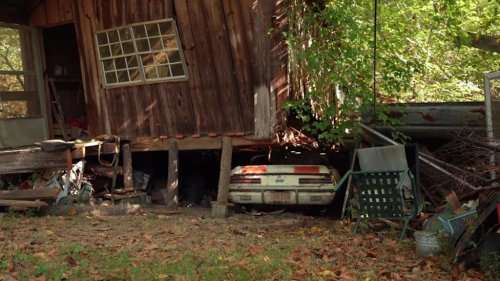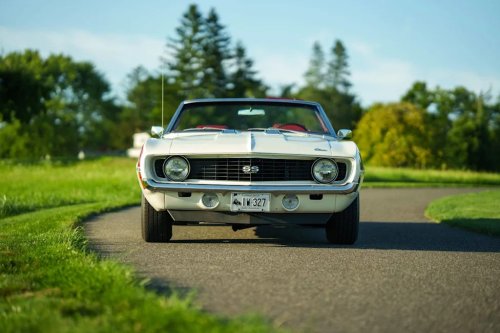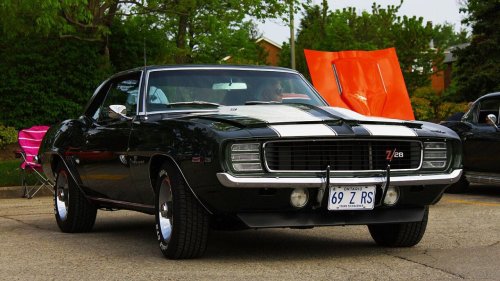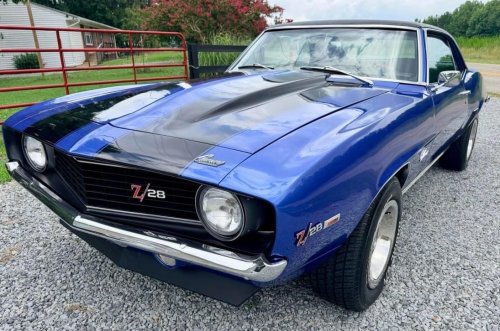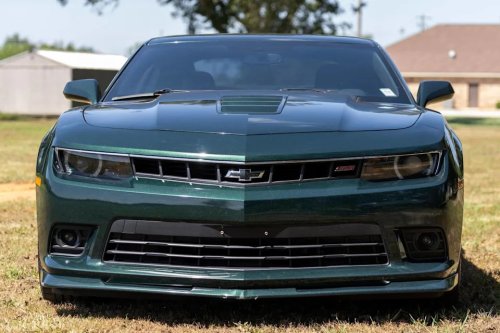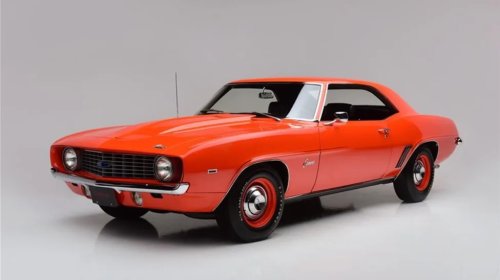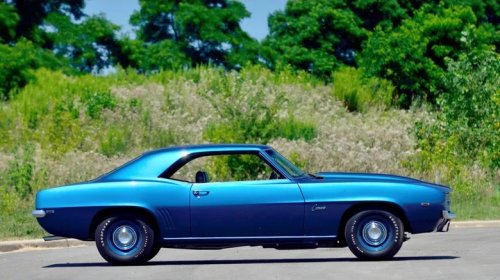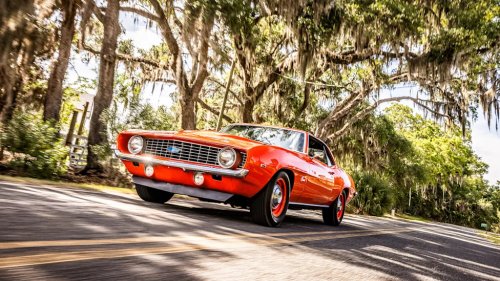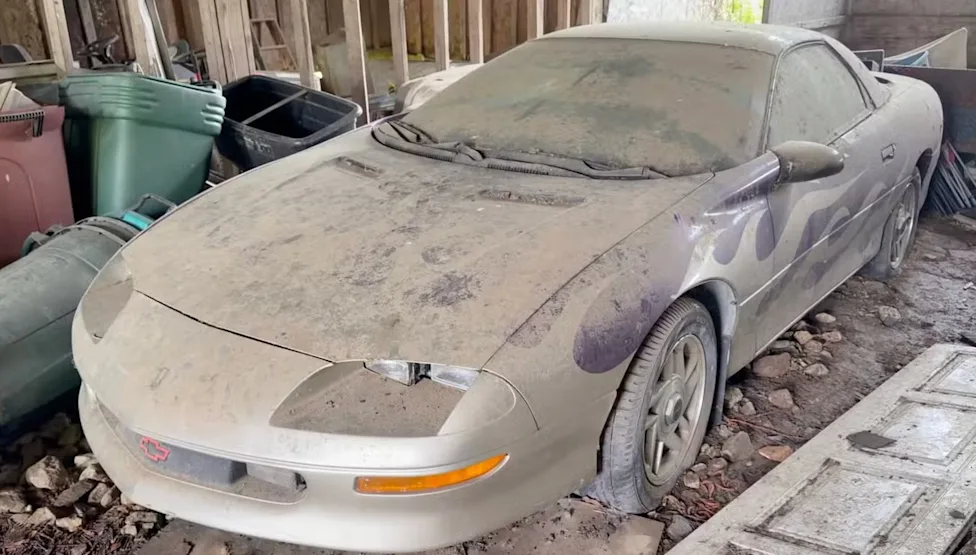



















Sleeping Giant: How a 1969 Camaro SS Came Back From 22 Years of DarknessThe garage door hadn't been opened in over two decades. When Dale Merritt finally worked up the nerve to slide it open on a cold March morning in rural Pennsylvania, he wasn't sure what he'd find. What he uncovered — buried beneath furniture, old paint cans, and a tarp gone brittle with age — was a 1969 Chevrolet Camaro SS 396 that had been quietly waiting for someone to remember it existed.A Family Heirloom Hidden in Plain SightThe Camaro had belonged to Dale's uncle, Ray Merritt, who purchased it new from a dealership outside Pittsburgh in the summer of 1969. Ray was 24 years old at the time, freshly employed at a steel mill and convinced that a Fathom Green SS 396 was the only reasonable way to spend his first real paycheck. For nearly a decade, the car was his pride — driven hard on weekends, drag raced at a local strip on summer Friday nights, and maintained with the obsessive attention only a young man with a single-car garage and too much free time can manage.Then life happened. Ray married, had children, and eventually passed the car along to a storage unit on the family property when a second vehicle became necessary. The Camaro was never meant to stay there long. But one season turned into several, several turned into a decade, and a decade turned into 22 years. Ray passed away in 2019, leaving the property — and its secrets — to the family. Dale, Ray's nephew, had heard the stories about the old muscle car his entire life. When he was finally settling the estate, he decided it was time to find out if the stories were true.What Time Does to Sheet MetalThe first thing Dale noticed when he pulled back the tarp was color — a deep, jewel-like green buried under a uniform coat of grey dust. Fathom Green was one of Chevrolet's more striking 1969 color options, and even under two decades of grime, it still managed to look like something. The chrome on the RS/SS badging had oxidized to a dull silver, and the rear bumper had taken on a thin skin of surface rust. The tires had gone completely flat and cracked at the sidewalls. The windshield had a spiderweb of hairline fractures near the lower driver's corner.AdvertisementAdvertisementInside, the bench-style front seat had fared worse than the exterior. Mice had been generous with their time. Nesting material filled the footwells, and the headliner had separated entirely from the roof and drooped down like a fabric cave ceiling. The original AM/FM radio — an optional dealer-installed unit that Ray had been particularly proud of — sat in the dash, its chrome face corroded but still intact. Remarkably, the original shifter for the Muncie 4-speed was still there, boot and all, unbothered and waiting.Under the Hood: A Numbers StoryThe real discovery came when Dale propped open the hood. Stamped on the engine block, right where it should be, was a VIN-derivative stamp confirming what the paperwork in the glovebox had always suggested: this was a genuine, numbers-matching SS 396. The 375-horsepower L78 big block sat exactly where Chevrolet had placed it more than five decades ago, its valve covers dull but uncracked, the intake still wearing its original chrome air cleaner lid.Finding a documented numbers-matching L78 in any condition is a significant event in the collector car world. The L78 was the high-output version of the 396 cubic-inch big block, and it was never cheap or common even when new. Most examples have long since been rebuilt, bored out, or swapped for something else entirely. One sitting in a private garage, untouched, with matching numbers intact, is the kind of thing that gets serious collectors out of bed at unusual hours.The Road BackDale brought in a local restoration shop — a small, family-run outfit that had been working on first-generation Camaros for thirty years — to assess what it would take to get the car running again. The fuel tank was drained and flushed after the old gasoline had turned to varnish inside it. The carburetor was disassembled, cleaned, and rebuilt with a new needle and seat. The brake master cylinder had seized solid and was replaced, along with all four wheel cylinders and the rubber brake lines. The battery was long dead, and the battery cables had corroded through at the terminals.AdvertisementAdvertisementElectrically, the car was in better shape than expected. The original wiring harness was dry and intact, with no signs of rodent damage — a minor miracle, given the evidence of habitation elsewhere in the car. After fresh fuel, a charged battery, and several careful attempts at priming the carb, the L78 turned over, coughed once, and settled into a rough but unmistakable idle. By the second day of work, it was running cleanly enough to be driven up onto a trailer for a more thorough going-over.More Than Just a CarWhat makes a barn find like this one meaningful isn't purely the mechanical story, though that story is compelling enough on its own. It's the chain of possession — the idea that an object can hold a life's worth of memory and personality even after sitting silent and unseen for two decades. Ray Merritt's Camaro still had his owner's manual tucked into the glovebox, his registration cards from the early 1970s paperclipped together, and, tucked under the driver's seat, a receipt from the local strip dated August 1974, showing he'd run a 13.8 in the quarter mile.Dale doesn't plan to sell the car. He's talked openly about doing a careful, factory-correct restoration — one that preserves the original paint where possible and keeps every numbers-matching component in place. The goal isn't a show-queen result, he says. The goal is to put the car back where it was meant to be: on the road, under power, doing exactly what Ray Merritt bought it to do in the summer of 1969. Some things are worth waiting 22 years for.