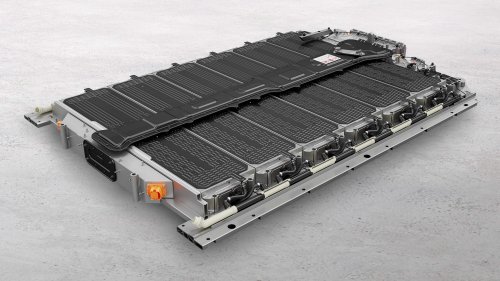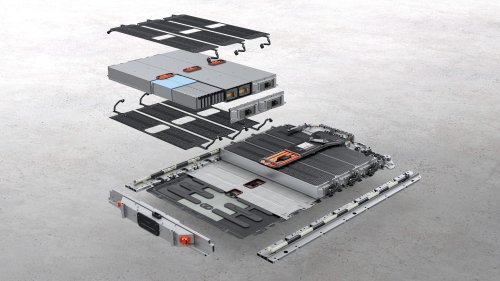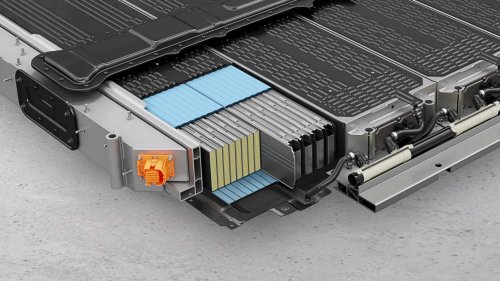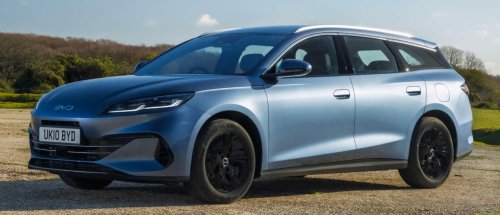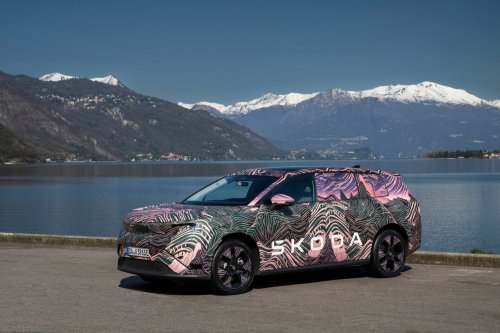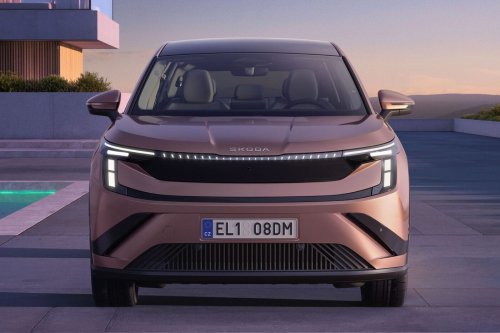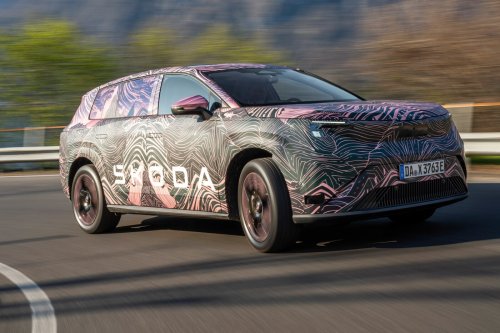
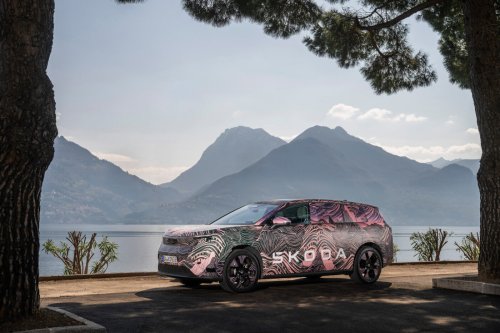
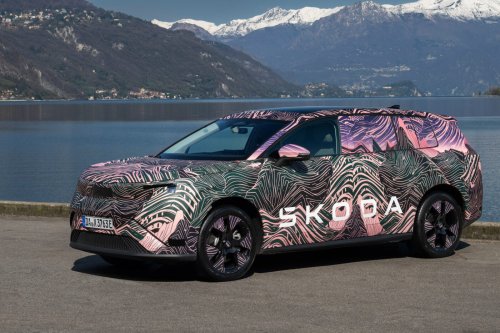
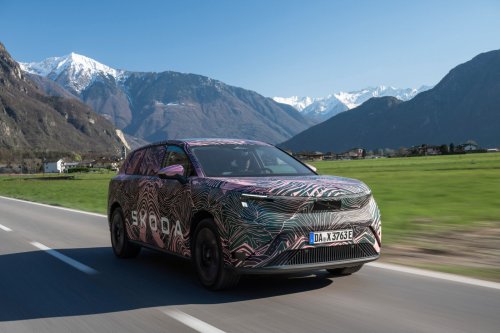
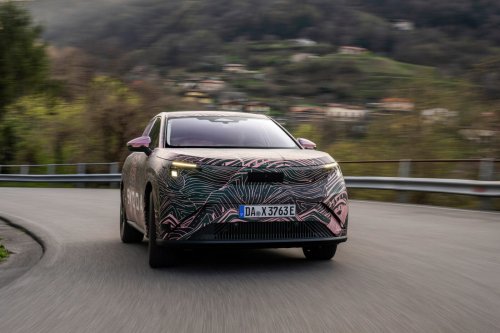
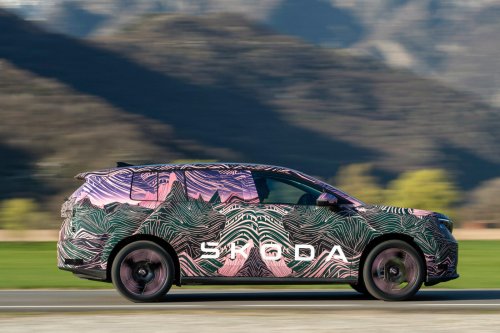
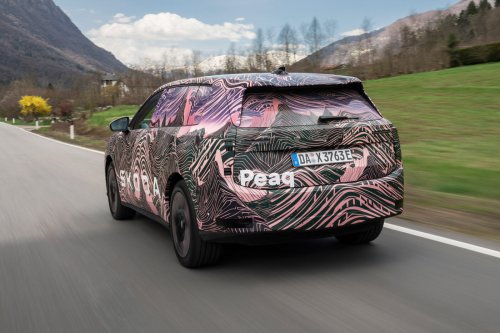
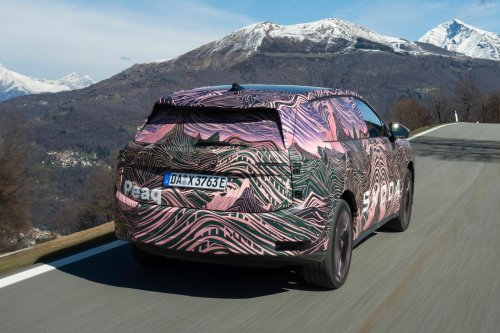
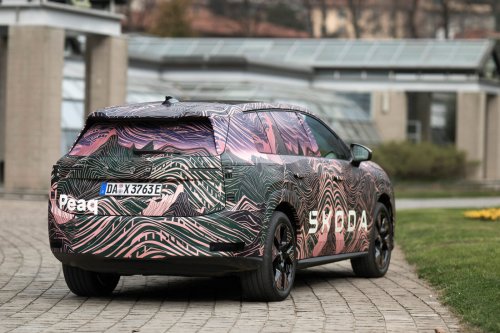
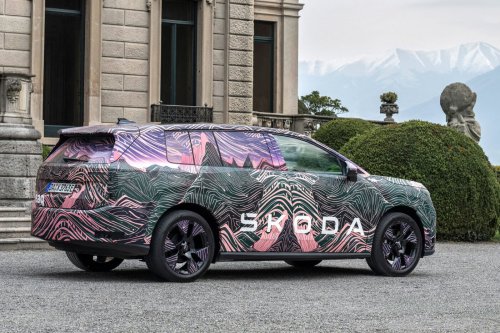



















Image: SkodaBased on the Vision 7S concept study, the Peaq will expand Škoda’s all-electric lineup from mid-2026. Measuring nearly 4.9 metres in length, it offers seating for five or seven passengers, depending on the configuration. Technically, the Peaq uses the well-known MEB platform from the Volkswagen Group and will help Škoda ‘double its all-electric model range by 2026’. In other words, the current two electric models (including the recently updated Elroq and Enyaq) will grow to four with the introduction of the small electric SUV Epiq and the larger Peaq.For the Peaq, customers can choose from three powertrain variants – 60, 90, and 90x – with power outputs ranging from 150 kW to 220 kW. The 90 and 90x versions offer a range of over 600 kilometres. Škoda states the gross energy content of the battery labelled ’90’ as 91 kWh. This is a familiar figure within the MEB platform, as the same 91 kWh battery is also used in the underbody of the VW ID.7 Pro S and GTS, as well as the long-wheelbase ID. Buzz. However, Volkswagen typically communicates the usable net energy content, which is why the 86 kWh figure is more commonly cited. It is highly likely that Škoda will use this proven battery in the Peaq.However, at a DC fast charger, the 90 kWh battery can be charged from 10 to 80 percent in 28 minutes, according to Škoda – two minutes longer than the factory specification for the ID.7 Pro S. This discrepancy could be due to Škoda using a different battery supply chain and cells from an alternative supplier. While these cells offer the same energy content, their charging performance differs slightly, a trend previously observed in some Škoda models. For example, no Škoda models are affected by the recent battery recall affecting several MEB models.Peaq 60Peaq 90Peaq 90xPowertrainRWDRWDAWDPower output150 kW210 kW220 kWAcceleration8.6 s7.1 s6.7 sTop speed160 km/h180 km/h180 km/hWLTP range>460 km>600 km>600 kmBattery capacity63 kWh91 kWh91 kWhDC charging time (10-80%)<27 min<28 min<28 minThe specifications for the Peaq 60 also deviate from expectations in another respect: in nearly all MEB models, the ‘old’ combination of the APP310 electric motor (150 kW) and the 59 kWh battery (net, with 63 kWh gross) is being replaced by a 61/58 kWh LFP battery paired with the APP350 motor (140 kW), as seen in the Elroq/Enyaq 60. However, Škoda specifies the Peaq as having a 63 kWh gross energy content, over 460 kilometres of range, and NMC cell chemistry – along with the 150 kW output of the APP310. The decision to use a battery-powertrain combination that is being phased out in other MEB models for Škoda’s upcoming flagship is surprising. However, the reasoning behind this choice is not explained in the current announcement.Focusing on what is known: at nearly 4.90 metres in length, 1.70 metres in height, and with a wheelbase of 2.97 metres, the Peaq will be “the largest and most spacious model in Škoda’s portfolio,” according to the Czech manufacturer. “With a wheelbase of nearly 3 metres, passengers in the second and third rows enjoy exceptional legroom and comfort. In addition, the third row offers generous headroom..” The interior also features Škoda’s signature ‘Simply Clever’ practical solutions. Image: Skoda Image: Skoda Image: Skoda Image: Skoda Image: Skoda Image: Skoda Image: Skoda Image: Skoda Image: Skoda Image: SkodaDue to its size, Škoda can offer the Peaq as a seven-seater, with 299 litres of boot space still available. As a five-seater, the luggage compartment accommodates up to 1,010 litres (note: this is with up to five passengers on board, not with the rear seats folded), making it the largest boot in any Škoda production model. Škoda has not yet revealed all the details, such as how many litres can be loaded with the rear seats folded. However, it confirms there will be a 37-litre frunk under the bonnet, ideal for storing the charging cable. A similar storage compartment under the bonnet will also be introduced in the facelifted Elroq and Enyaq.Like Škoda’s two smaller MEB-based SUVs, the Peaq will feature Vehicle-to-Load (V2L) functionality, allowing electrical devices to be powered via an adapter connected to the charging port. Additionally, “the newly introduced Ambibox DC Wallbox by Volkswagen Group brand MOON POWER now enables Škoda electric models to make use of Vehicle‑to‑Home (V2H) bidirectional functionality, allowing the vehicle to supply energy to a building – whether a business or a household.”The Peaq will also be the first Škoda model to feature flush door handles – a design choice Škoda had previously resisted in the Elroq and Enyaq, bucking the market trend. Another standout feature is the panoramic roof with Dynamic Shade Control. This electrochromic roof uses electrical voltage to adjust light transmission. In the Peaq, the roof is divided into nine individual segments.“The Škoda Peaq is designed for real life – for families who need space, for drivers who want confidence on long journeys, and for anyone who values modern style without compromise. As our next flagship, it raises the Škoda brand to a new level: more spacious, more practical, and more attractive for everyday explorers,” says Škoda CEO Klaus Zellmer. “Peaq brings a new sense of scale, smart functionality, and progressive design to the large electric SUV segment, setting a benchmark for what a modern Škoda can be. With its efficient electric drivetrain and focus on sustainable mobility, it blends practicality, emotion, and responsibility to create a new feeling of freedom on the road.”skoda-storyboard.com