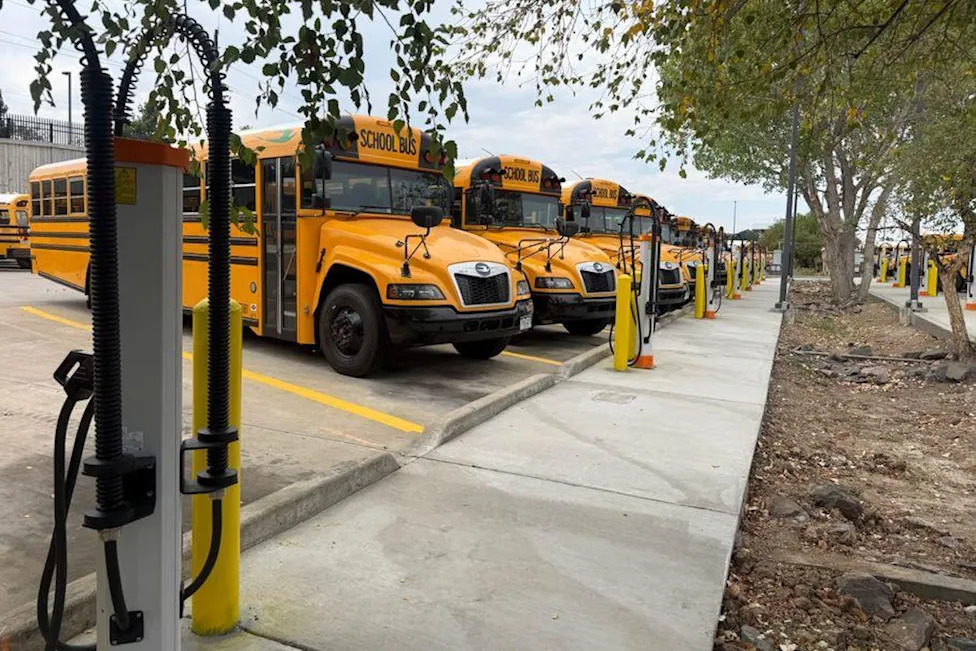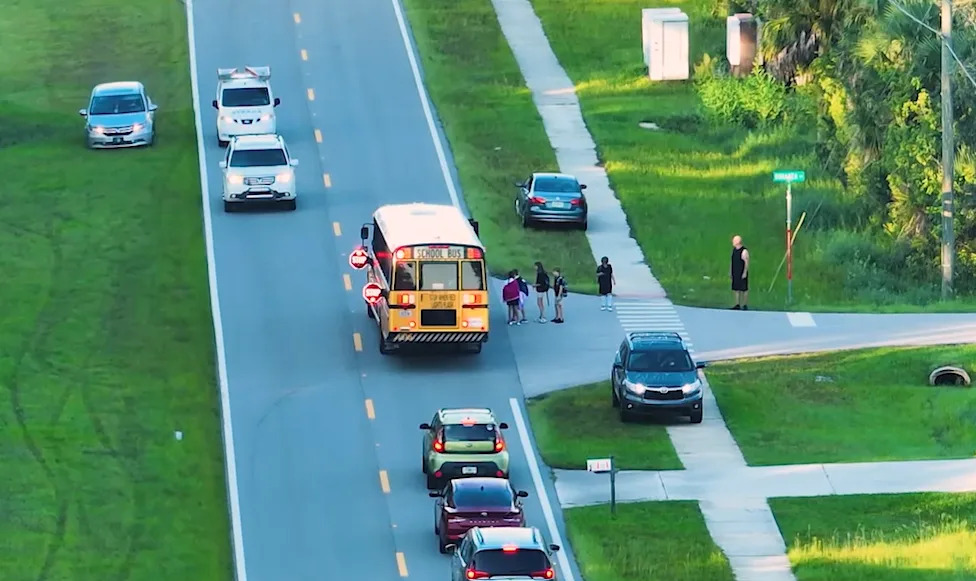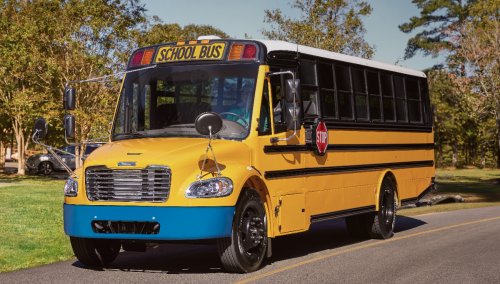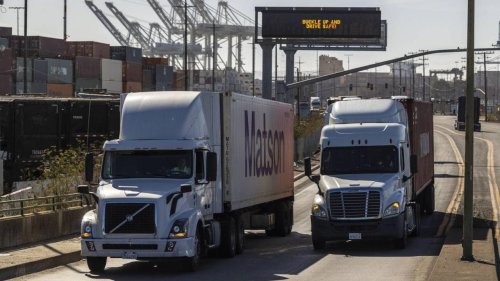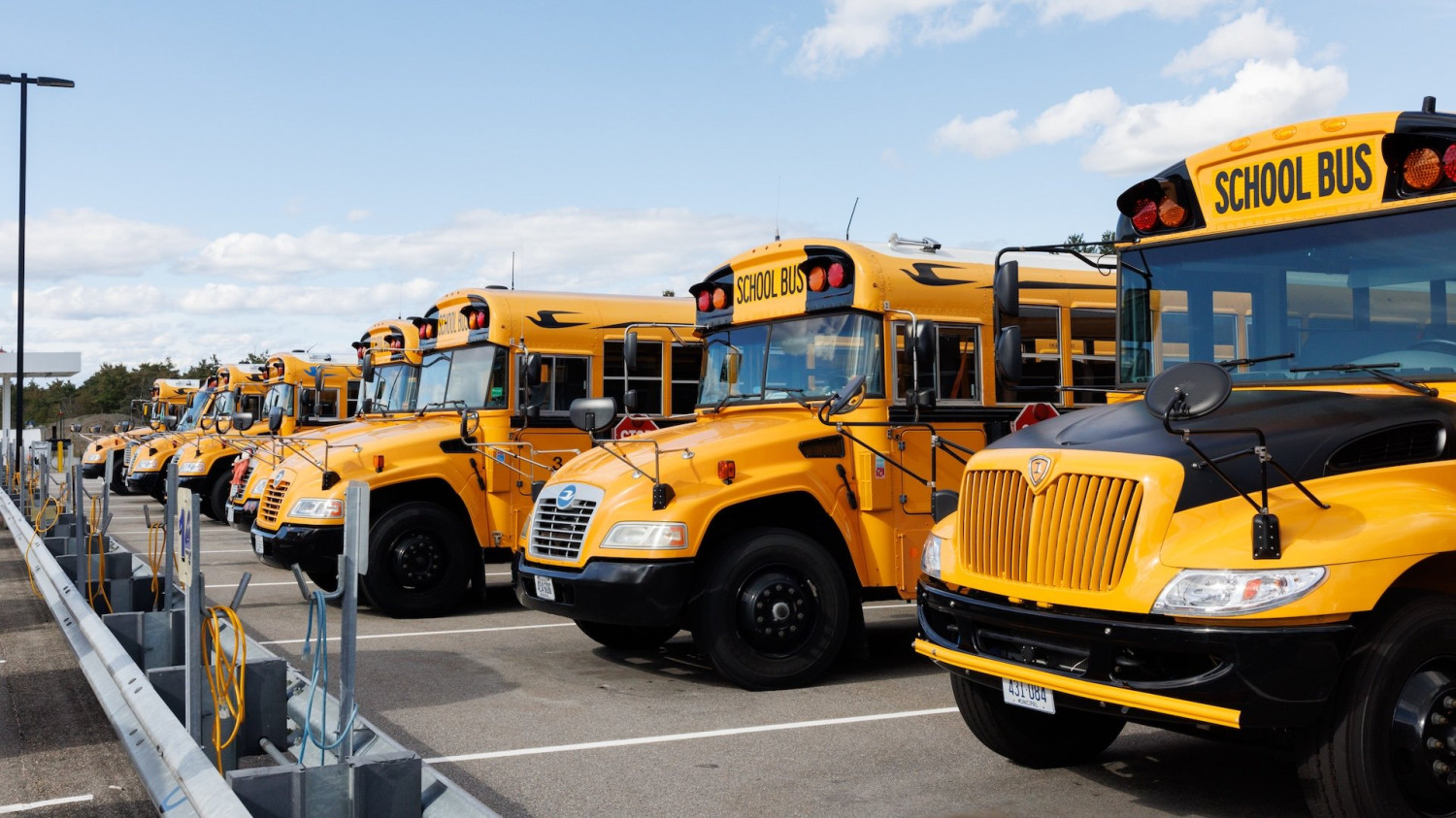



















Portland Press Herald via Getty This is one of those rare situations that probably only concerns you if you have kids in school, but even if you don’t, there’s still enough reason to be upset. Remember all those football games, band competitions, or cool field trips to the farm, zoo, park, or museums when you were in school? Well, for kids today, those are at risk of getting axed because of record-high diesel prices. The School Superintendents Association, the Association of School Business Officials International, and the National Association for Pupil Transportation recently surveyed 188 school districts nationwide to find out how today’s diesel prices are affecting their operational budgets. As the study and other reports highlight, fuel costs aren’t tied only to school buses; they also affect landscaping machinery, generators, and other equipment needed to run other vehicles, buildings, events, and more. “The historic fuel prices in general have created some serious budgetary hurdles for the district to navigate and overcome,” Aaron Butler, the transportation director of the Mishicot School District in Wisconsin, told NBC26. “I just filled the cans for lawnmowers this morning, and it was $115, and that takes us one week, so that adds up in a hurry too.” According to Butler, the district is spending an additional $1,000 per week, or $4,000 more per month on fuel than originally budgeted. As a result, many school districts are scrutinizing extracurricular activities like field trips because of the cost. And that’s exactly what the survey referenced above discovered: When asked to compare their approved/final budget for diesel in the 2025-26 school year to actual diesel costs, 22% of respondents reported actual costs running 11-20% over budget compared to 20% reporting costs running 6-10% over budget, and 14% reporting costs running more than 20% over budget. When asked how their district is managing rising diesel prices in the 2025-26 school year, respondents reported: absorbing extra costs within their current transportation budget (63%); transferring funding from other district funds/programs (32%); using district reserves/rainy day funds (19%); and not yet covered (15%). Perhaps more importantly, if you have kids in school, these additional expenditures have real consequences. These include reducing the number of routes and stops and making kids walk longer distances to bus stops—something that, in some areas, could be a major safety hazard. When asked to identify the operational changes already adopted in the 2025-26 school year to adjust for rising diesel costs, respondents reported: consolidated bus routes/adjusting route efficiency (40%); enforced anti-idling measures (27%); reduced number of routes (25%); limited non-required trips like field trips (20%); changed fuel purchasing practices (14%); increased walk-to-stop ratio (8%); moved away from yellow bus to non-diesel vehicles (7%); and negotiated contracts with transportation vendors (6%). As a parent with one kid who often rides the bus and another who drives their own car to school, it’s sad to see already cash-strapped schools get put through the wringer due to rising fuel costs.