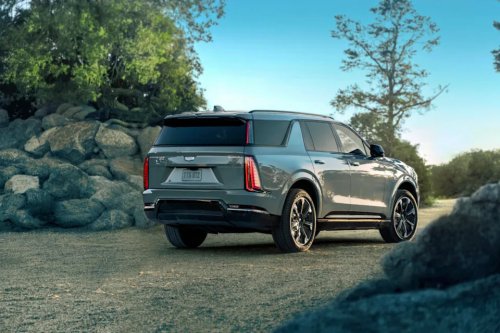
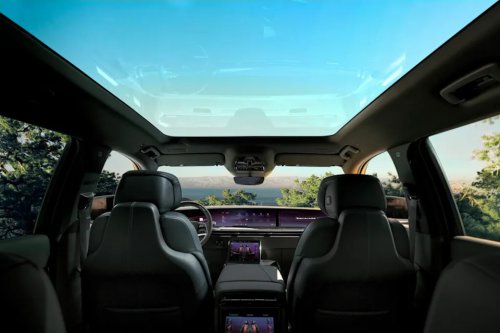
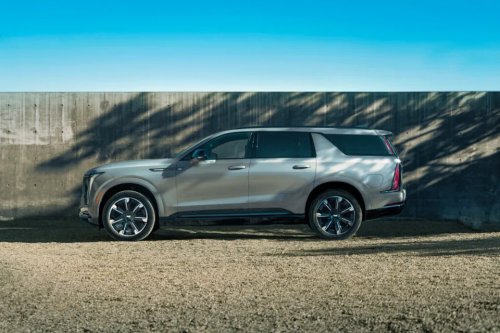
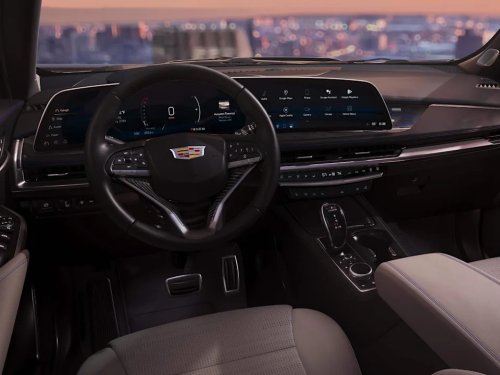
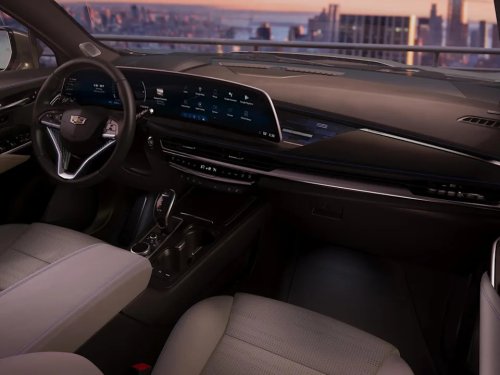
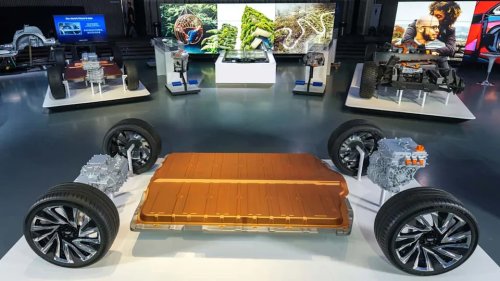
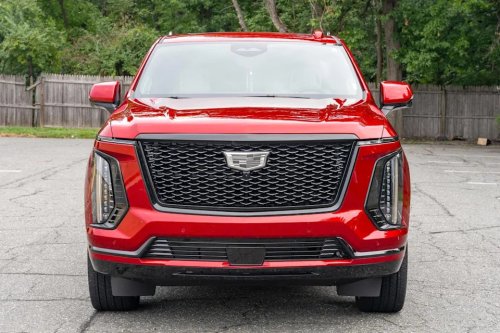
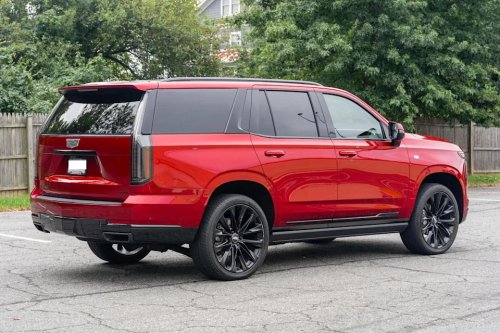
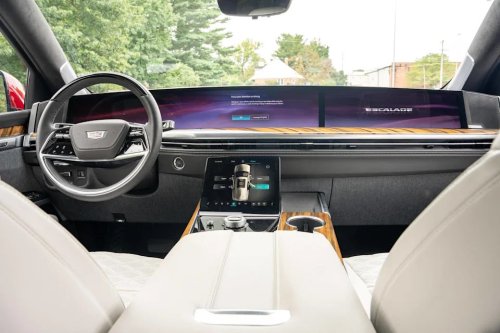
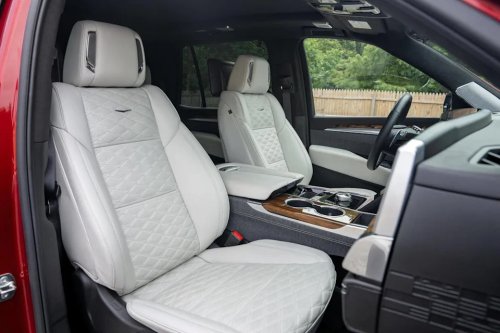
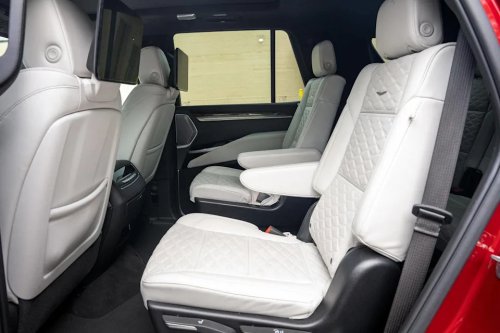
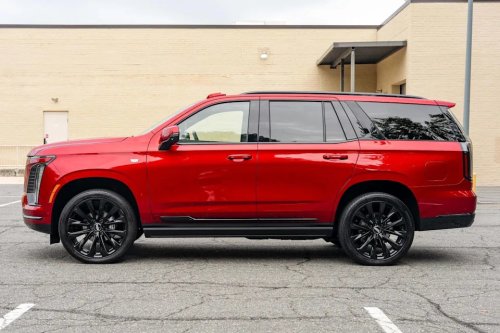
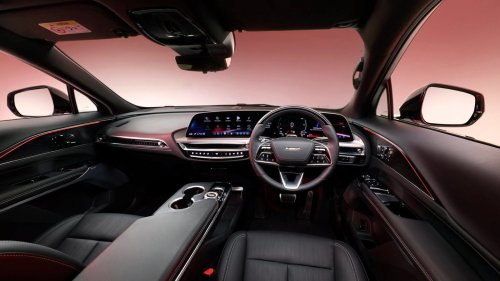
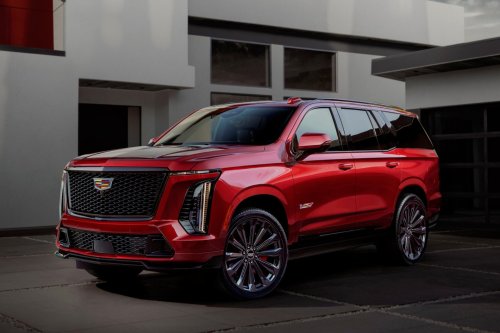
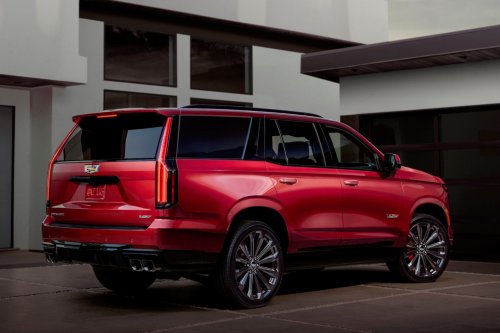
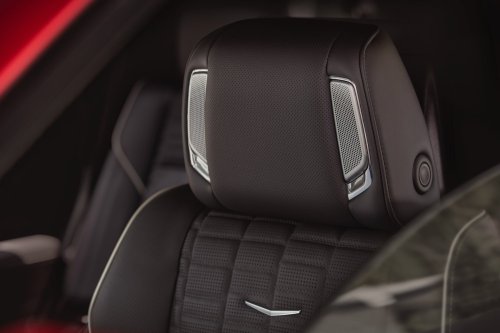
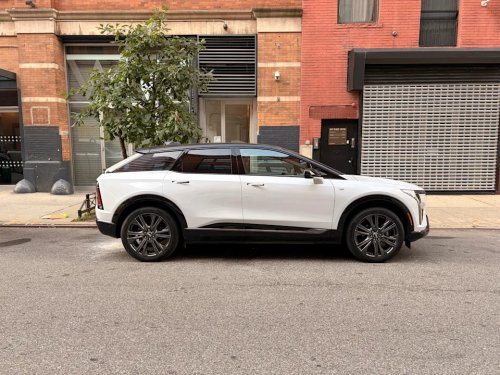
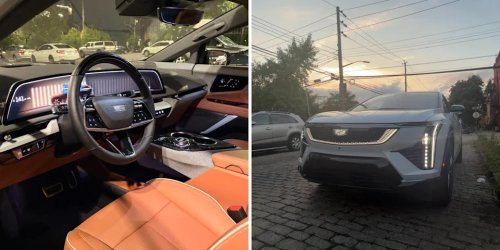
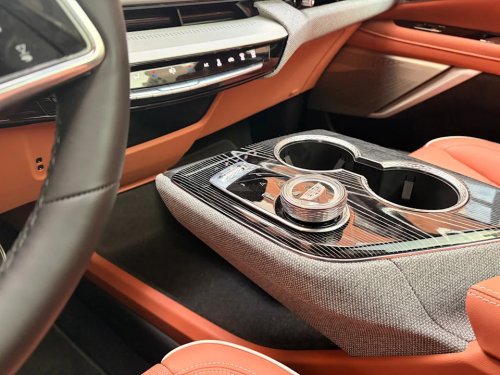
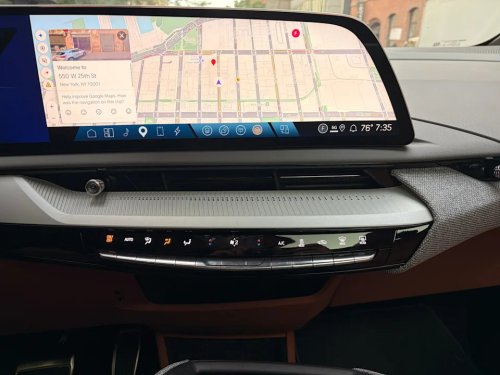
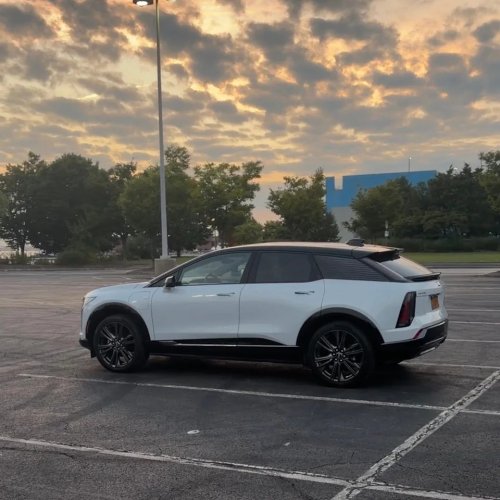
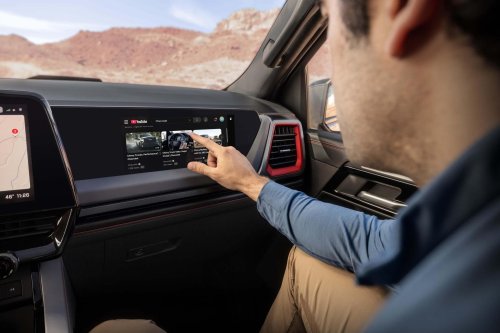
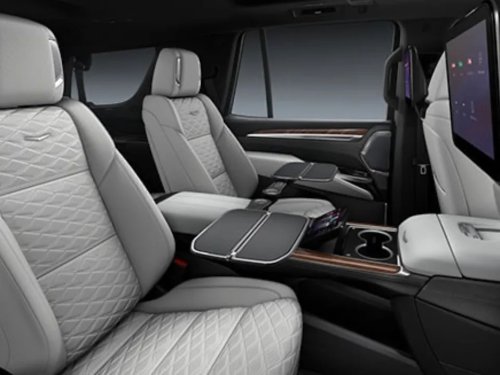
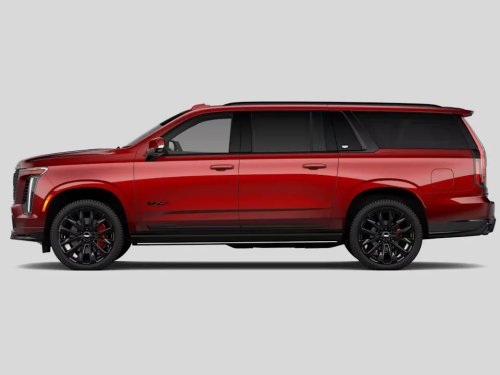
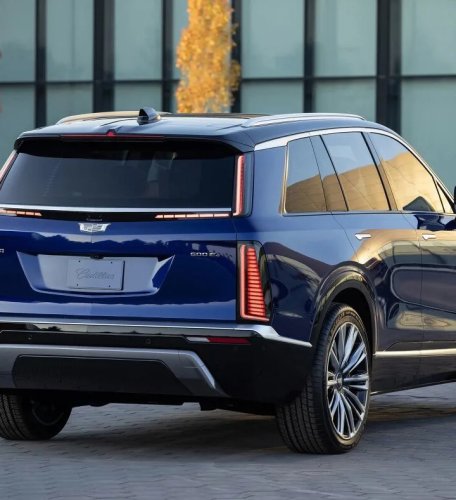
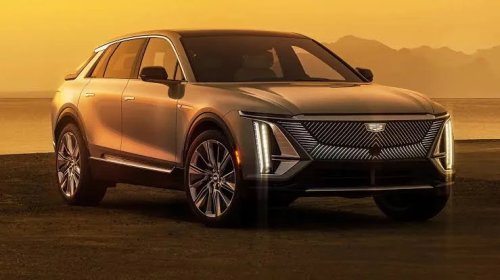
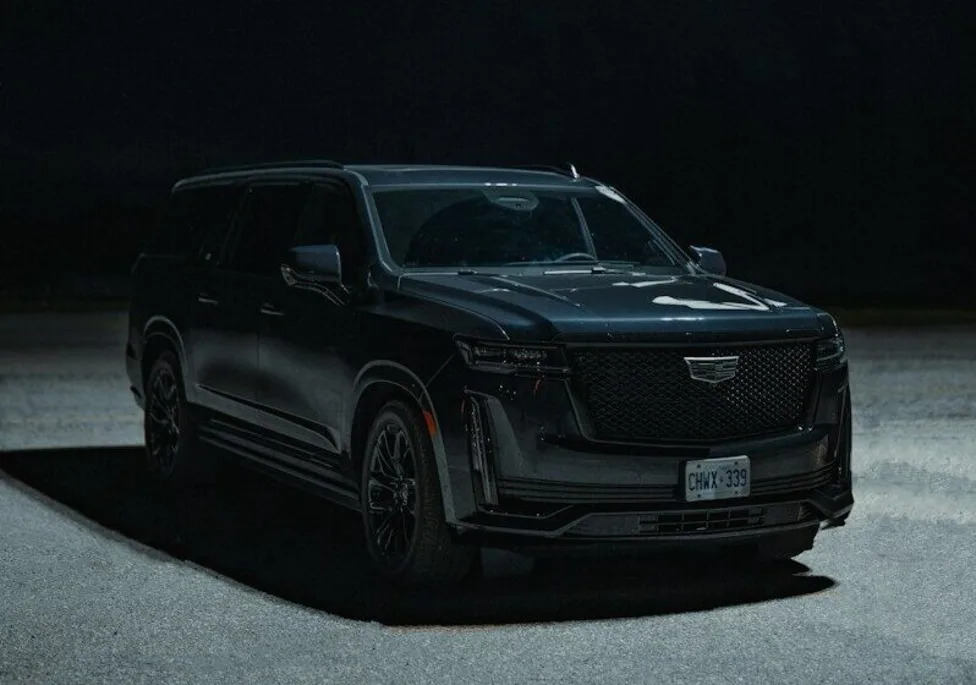
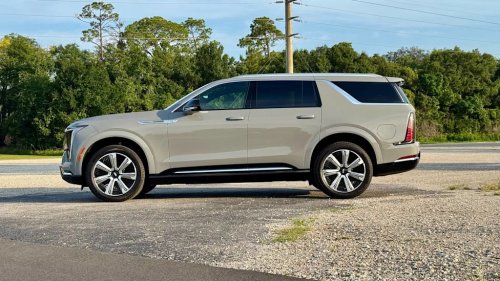
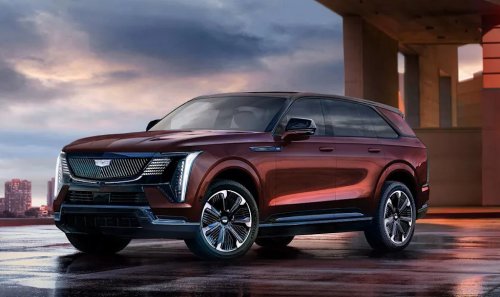
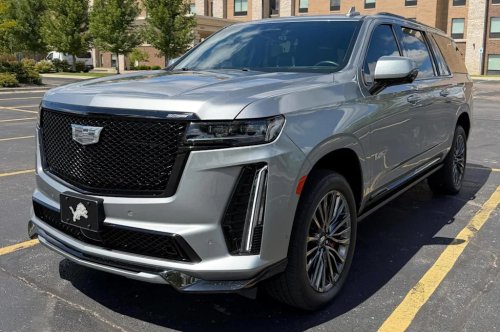
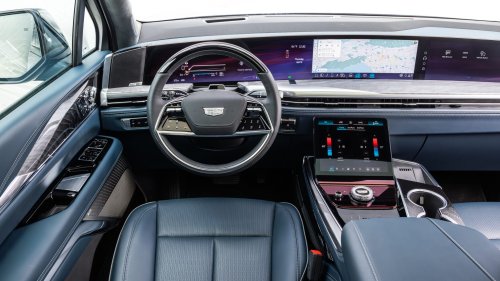
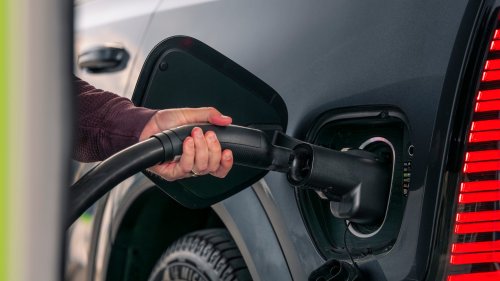
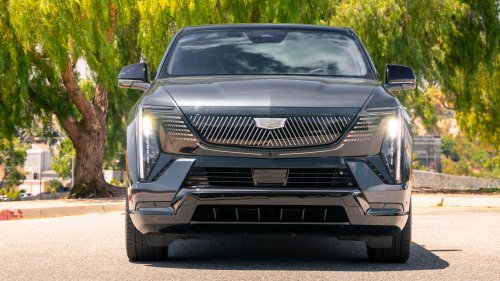
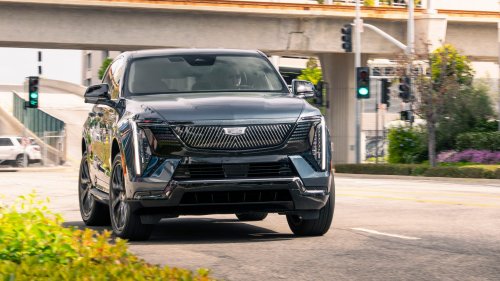
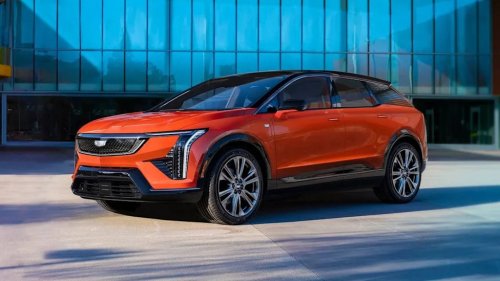
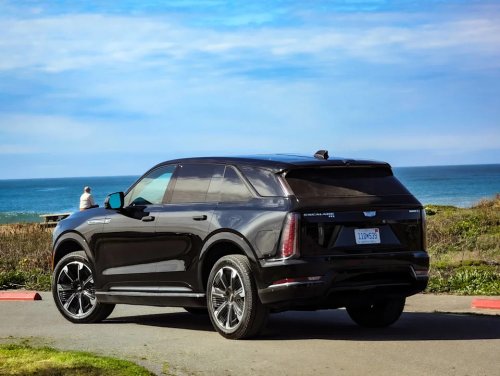
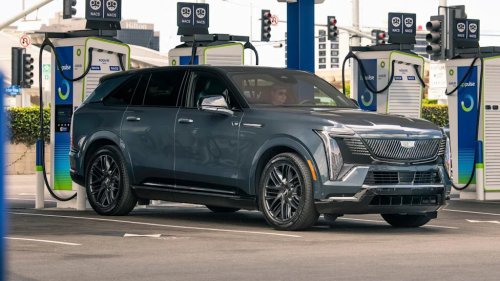
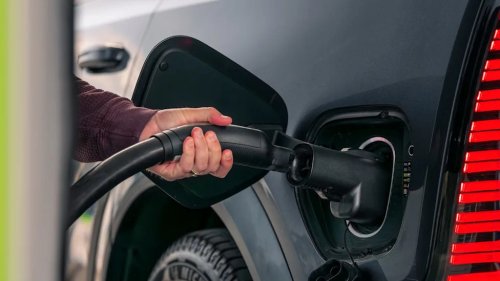
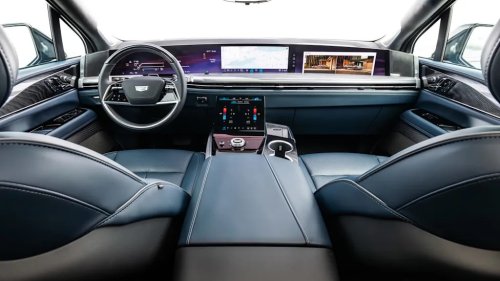
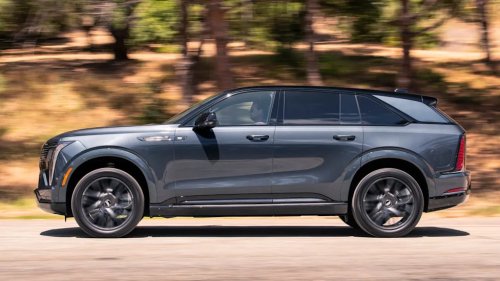
2026 Cadillac Escalade IQ Makes EV Road Trips EasyAmir Saidi - MotorTrendLong road trips have been the EV's kryptonite, but the strength of that kryptonite has flagged in the face of fast charging networks and bigger batteries. Our long-term 2026 Cadillac Escalade IQ combines both with an arsenal of comfort and driver assistance features that make it the ultimate road-trip EV, if not the ultimate road-trip vehicle, period.Range Anxiety? Never Met 'EmWith family and friends nearly 400 miles away in northern California, I've done a lot of EV road trips over the years. The earliest, in our long-term 2017 Chevy Bolt EV, took nine hours and three charging stops to reach my old stomping grounds along the California coast due to the car's comparably short range and its 50-kW peak charging speed. Earlier this year, I did the same drive in our Escalade IQ in five-and-a-half hours with zero charging stops, same as if I'd taken a gas-powered car with a decently large tank.On the way back, in our Bolt, I ended up stopping three times to charge, stretching the trip to 11 hours. In the Escalade IQ, on the other hand, I stopped the first time for just over 20 minutes and the second for just under, adding about 40 minutes to my drive. Given we'd be stopping for gas, restrooms, and food just the same in a gas-powered car, the added time was effectively meaningless.Amir Saidi - MotorTrendMore important, I gave almost zero thought to when, where, or how to charge on my Escalade IQ trip—a refreshing change of pace for EV road trips. Back in 2017, the Bolt trip required hours of pre-planning charging stops, backup charging stops, duration of stops, range and battery percentage calculations, route options, and on and on. It was exhausting, stressful, and now, a distant memory.AdvertisementAdvertisementIn the Cadillac, I charged it to 100 percent at home the night before I left and then I got in the car and drove. I made it to a friend's house with 20 percent of my battery remaining. That was enough that I didn't bother to charge again until it was time to turn around and head back to Los Angeles. Then I drove 16 miles to a fast charger selected by the built-in Google Maps navigation system and arrived with 13 percent charge left, good for more than 50 miles of range. The Cadillac hit 348 kW on that charger, and when it started to slow down above 50 percent, we left. A second short stop 124 miles later with 23 percent remaining—again, suggested by Maps with minimal input from me—saw it hit 347 kW and bumped the battery up to 57 percent, enough to cover the 213 remaining miles and still arrive home with 9 percent battery.No range anxiety. No finding-a-charger anxiety. No preplanning. I charged before I left, same as I'd filled up the tank before a trip. When I needed juice, I hit the appropriate digital button in Maps and it picked a charger, routed me to it, and told me how long to charge. Not quite as easy as spotting a gas station sign at the next exit but not materially more difficult. Forty minutes stopped to charge during what's already an 11-hour round trip, time I'd spend getting gas or food or using the restroom anyway, was meaningless.Amir Saidi - MotorTrendIn fact, were I more amenable to the posted speed limit, I might've reduced my charging time even further. Cadillac estimates the Escalade IQ can travel up to 465 miles on a full battery, and our Road-Trip Range test clocked it at 395 miles at a constant 70 mph with 5 percent battery left. I like to set the cruise control at 80 mph, and even still I went 349 miles on that first charge with 13 percent battery left.Save Us, Super CruiseI didn't just use cruise control, though. I Super Cruised. GM's superlative hands-free driver assistance system is ideal for road trips like this on long, straight, boring interstates and highways. With hands-free driving active and automated lane changes, I could go hours without having to touch the steering wheel or pedals.AdvertisementAdvertisementIs it the antithesis of driving? Philosophically, maybe, but long-distance road trips are hardly the pinnacle of driver engagement and fulfillment. Keeping the speed steady and the car in the lane for hours on end while staring at fields and endless straight tarmac is hardly the stuff of car enthusiast dreams. I'm more than happy to take over when there's something to do, but the rest of it I'm happy to leave to the machine. Not having to physically hold the wheel straight or the accelerator down allows me to get more comfortable in my seat, especially as the hours tick by.Amir Saidi - MotorTrendAiding that comfort are seat massagers in the front row. With dozens of combinations of massage type and intensity, stiff backs and backsides can be worked out while the car drives for you. You can even combine the massage with the seat heaters or coolers for optimal comfort. I find the fatigue is usually proportional to time behind the wheel, since the air suspension and active magnetic dampers combine for a pillowy ride that doesn't wear you out on its own. Nor will road noise, even at 80 mph, because there's so little of it.Are You Not Entertained?Just staring at the road and making sure the computer doesn't make a mistake isn't much fun, either (even with a massage), but there's plenty of entertainment on board, too. The 38-speaker AKG stereo sounds as good as you'd hope whether you're pulling down terrestrial, satellite, streamed, or stored music. No, you can't run the streaming stuff through CarPlay, but you can download your preferred audio streaming app to the infotainment system and listen to it that way.For passengers, there's also the video option. The third of the pillar-to-pillar screens in front of the front-seat passenger activates when someone is in the chair (though with a privacy filter to keep the driver from being distracted) and comes with preloaded video streaming apps, a web browser, and the ability to install additional apps. It's even large enough to be worth watching, which most passenger screens can't say.Amir Saidi - MotorTrendEven so, the screen is at an odd angle as it follows the curve of the windshield, and the passenger has to wear headphones to hear whatever's playing, inconveniences more than big enough to convince the average person to just watch on their phone or tablet. The case for handheld devices is further bolstered by the onboard Wi-Fi you're already paying for to make the other connected features work. No one who's yet ridden in the Escalade IQ has spent more than a minute or two poking around the passenger screen before losing interest.WhataboutismNow, some of you are going to bring up other EVs with long range and/or impressive hands-free driving modes. They're all perfectly good for road trips, but none has the combination of features and qualities the Escalade IQ does that make it the king. Tesla discontinued its two longest-range vehicles, and they didn't have the comfort to match the Cadillac even if FSD is better than Super Cruise. Lucid makes luxurious long-range cars, but their driver assistance and entertainment systems aren't nearly as good. The Escalade IQ is the complete package.There's a "But" ComingFor all the Escalade IQ's range and charging speed, it's not a particularly efficient vehicle. GM didn't solve the range problem with super-efficient motors, incredible feats of aerodynamics, or futuristic battery technology. The engineers just stacked two big battery packs on top of each other and wired them together. It's not an elegant solution, but it's effective. I've taken to calling it "brute-force engineering." We'll cover the resulting lack of efficiency and increased cost to charge in a future update.Amir Saidi - MotorTrendMore On Our Long-Term 2026 Cadillac Escalade IQ:We're Testing a Cadillac Escalade IQ For a Year: Is It Cadillac's Actual Halo Car?



















 +73 others