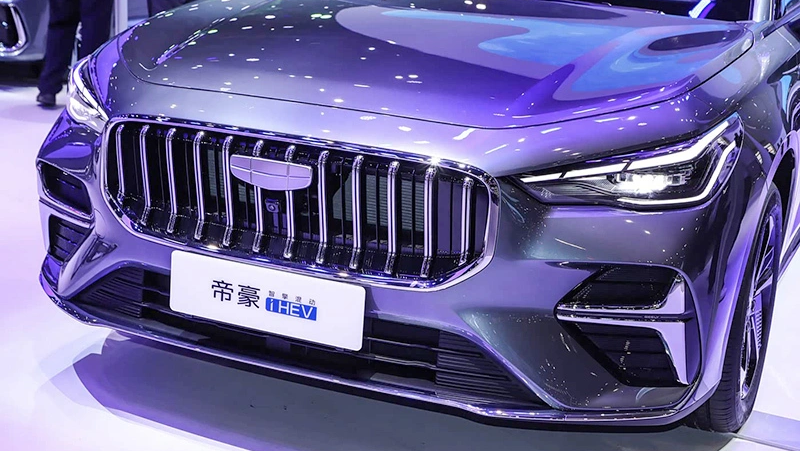
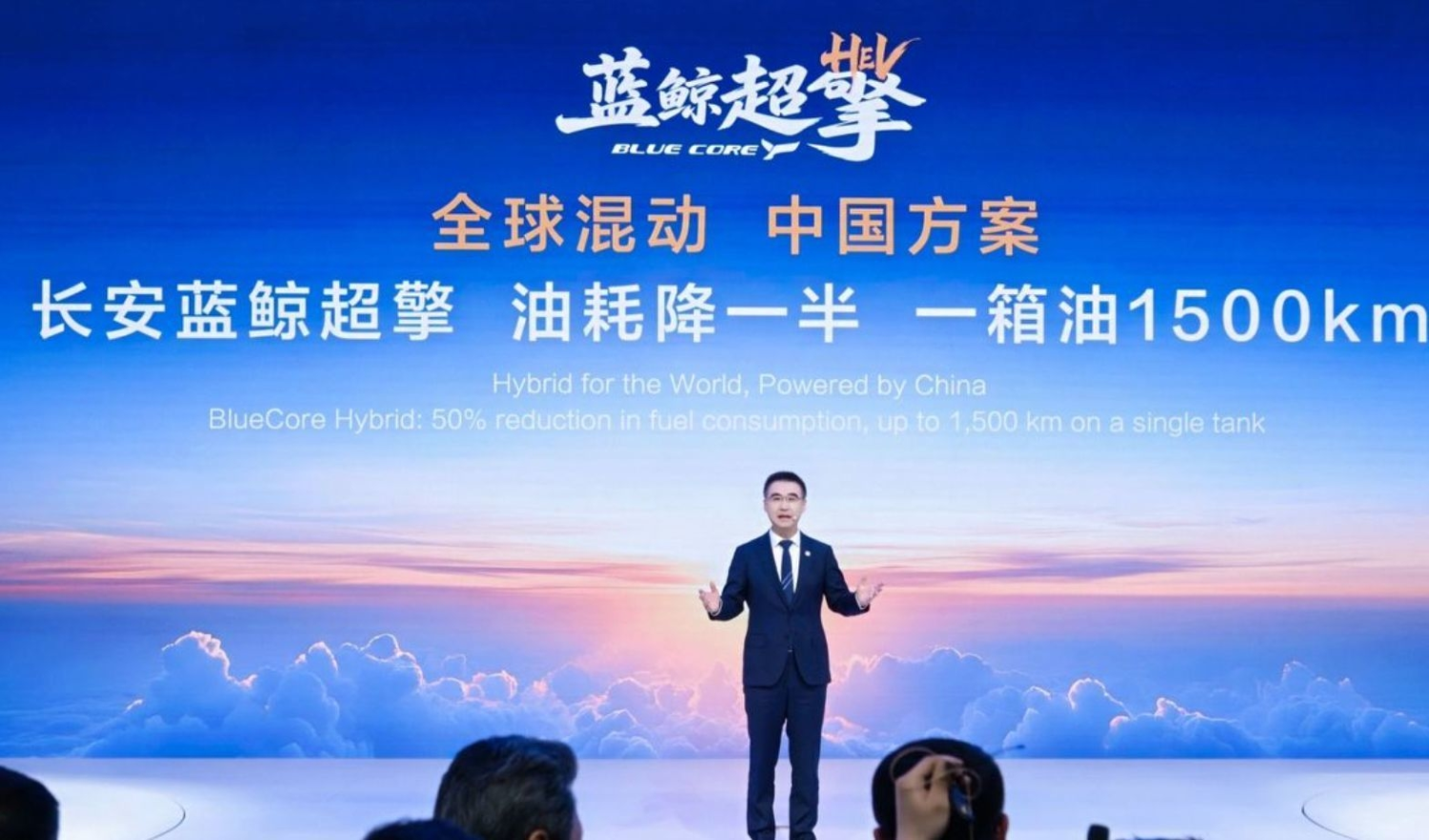
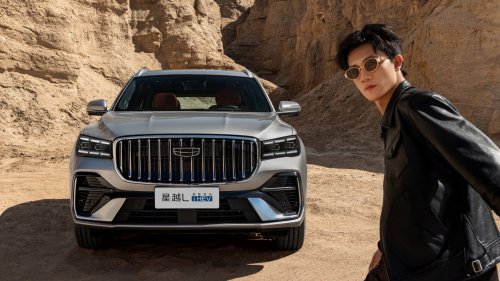
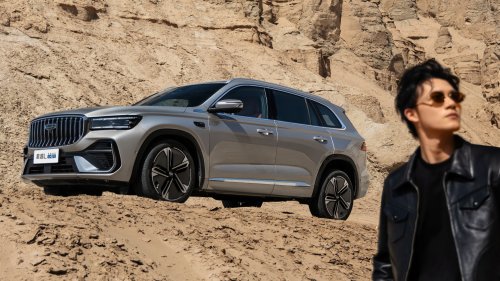
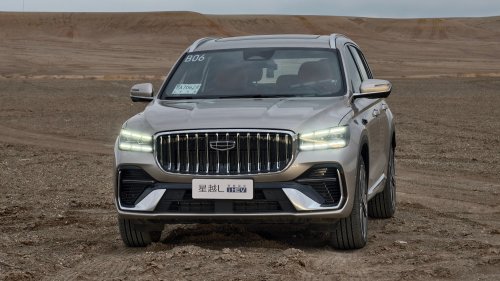
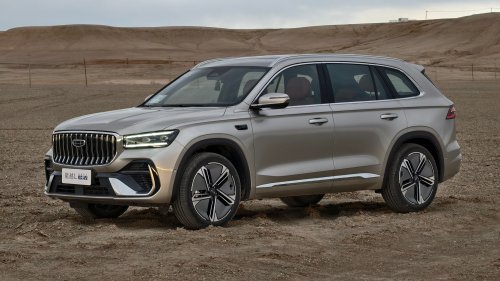
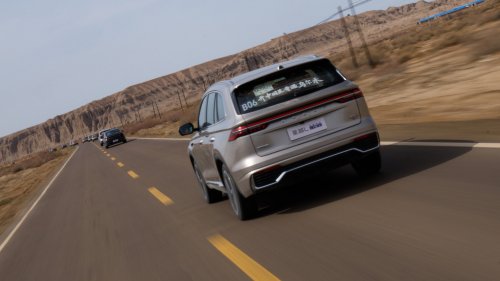
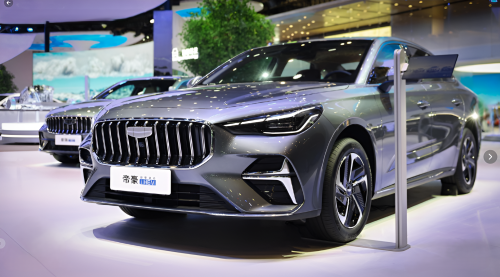
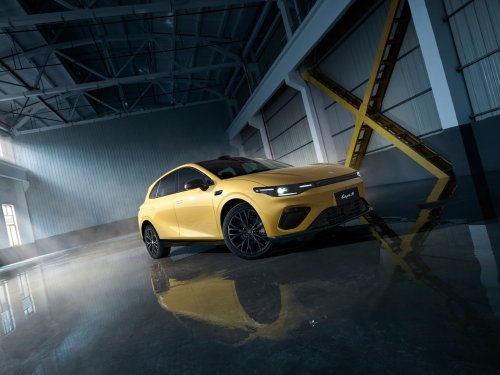
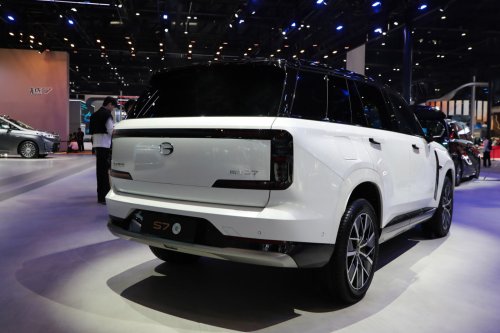
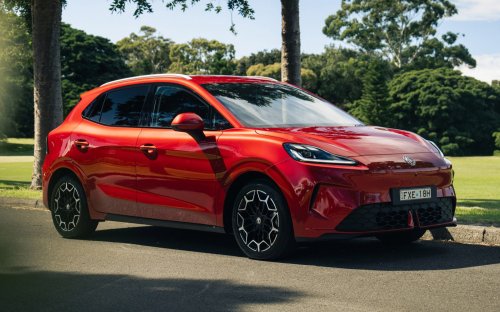
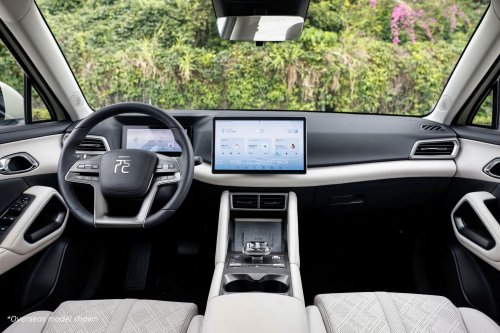
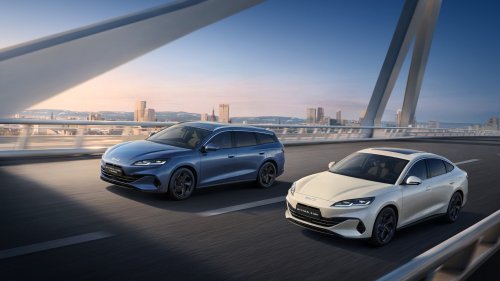
Geely Emgrand with i-HEV technology. Credit: Geely Understand China EV’s Market Real-time notifications when critical EV data is released All important data in one place 2,000,000+ data points Become a member Japanese media have publicly acknowledged that Chinese automakers are rapidly closing – and in some cases surpassing – Japan’s long-held advantage in internal-combustion engine technology, particularly in hybrid powertrains. In an article titled “Chinese Automakers Rapidly Catching Up with Japanese Rivals in Engine Technology, Power-Conversion Efficiency and AI Utilisation,” Nikkei Chinese highlighted breakthroughs by Chery, Geely and Changan that combine record thermal efficiency with intelligent control systems. Record-breaking thermal efficiency Chery unveiled its “Kunpeng Tianqing” hybrid system on the new Tiggo 9 at the Shenzhen Auto Show. The engine achieves a thermal efficiency of 48.57 per cent – the highest figure publicly claimed by any automaker. Geely‘s “i-HEV” powertrain, fitted to the Xingyue L (Monjaro), reaches 48.41 per cent efficiency through a 15.5:1 compression ratio, Miller-cycle valve timing and AI-driven energy management that adjusts in real time to altitude, humidity and temperature. Changan introduced the “Bluecore Super Engine” featuring the world’s first mass-produced 500-bar high-pressure direct-injection system, delivering finer fuel atomization and sharper throttle response. These figures exceed the 38–45 per cent range typical of current gasoline engines and even surpass many modern hybrids previously regarded as class-leading. Changan’s Bluecore Super Hybrid technology. Credit: Changan Intelligence on ICEBeyond hardware, Chinese engineers are embedding artificial intelligence and sensor fusion into engine control units. Geely’s system, for example, continuously optimises combustion and energy flow, allowing the powertrain to adapt instantly to changing road and weather conditions. Chery plans to deploy the same engine family across plug-in hybrids and range-extender electric vehicles, targeting markets where charging infrastructure remains limited. Dual-track approachWhile Chinese brands accelerate global electric-vehicle sales, they are simultaneously refining gasoline and hybrid technology to serve the more than 70 million annual buyers who still choose combustion-powered cars. In 2025, Chery sold 2.8 million vehicles, 70 per cent of them gasoline-powered, and exported 1.34 million units – more than any other Chinese automaker. As reported by Nikkei, Japanese firms still lead in non-electric segments with a 30 per cent share versus China’s 20 per cent, yet analysts at GF Securities argue that China’s combination of ultra-efficient engines and vehicle intelligence is poised to reshape the hybrid market through 2038, when GlobalData forecasts hybrids will still account for 15 per cent of global sales.