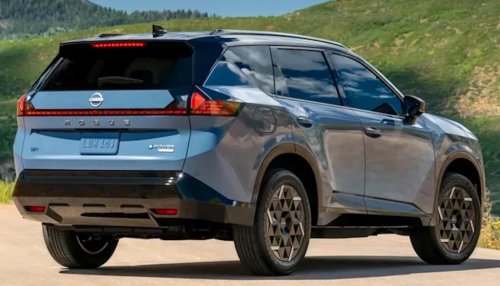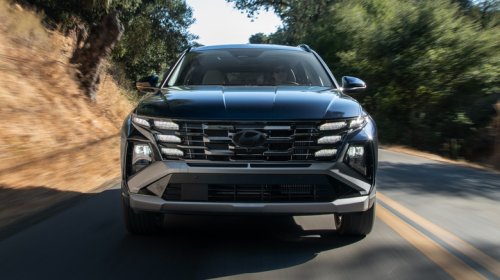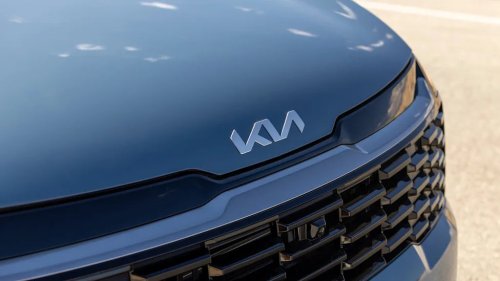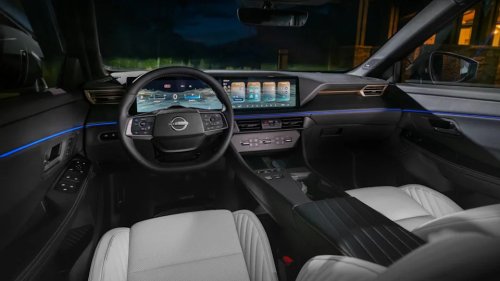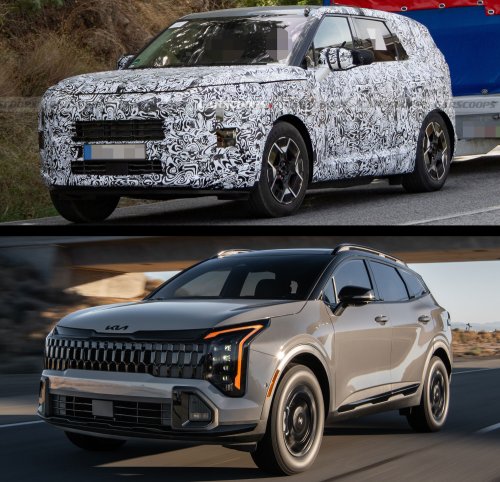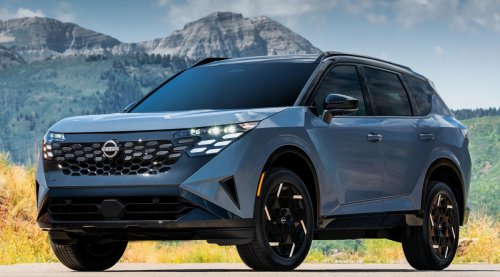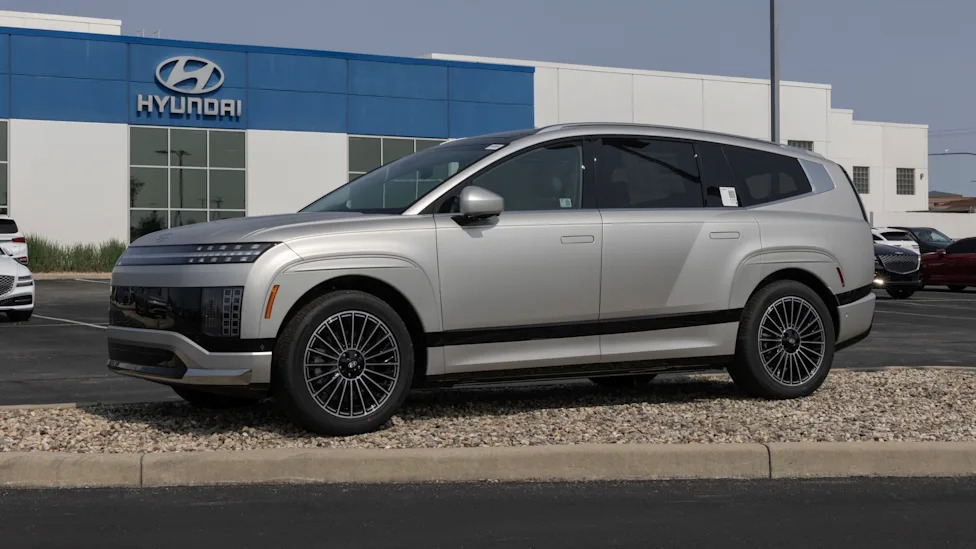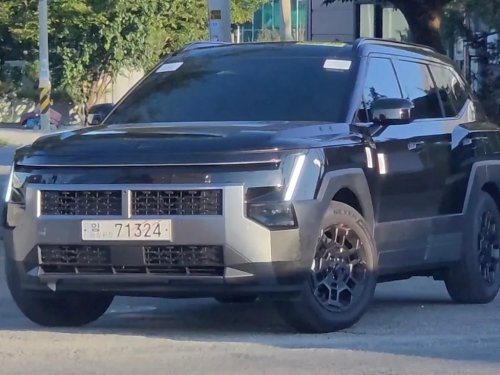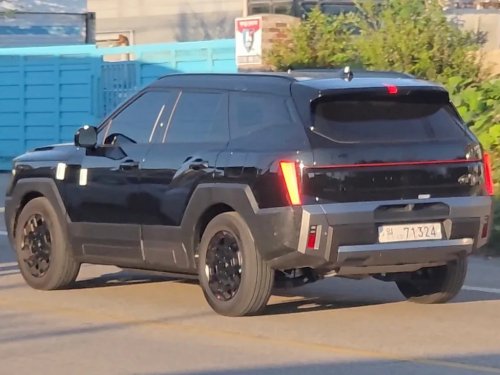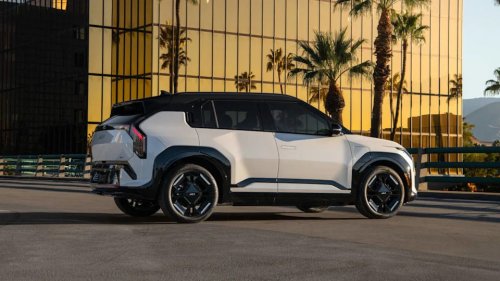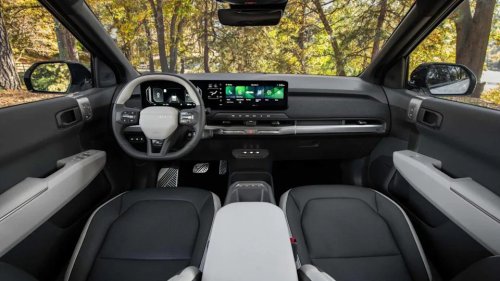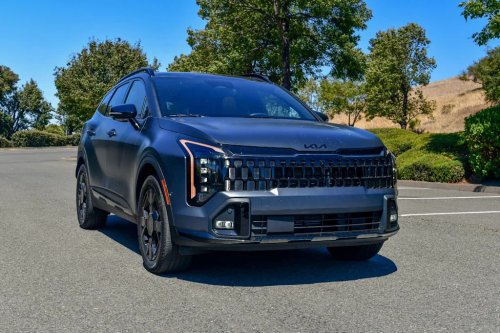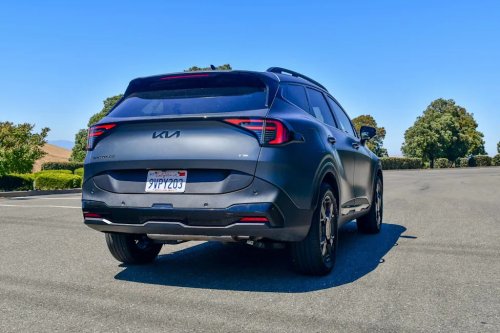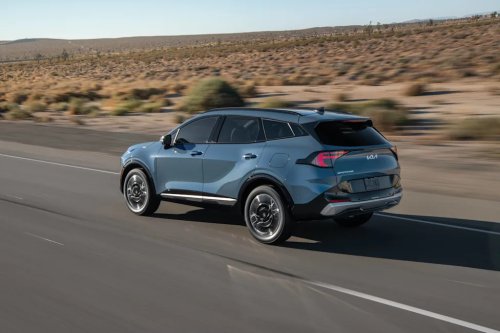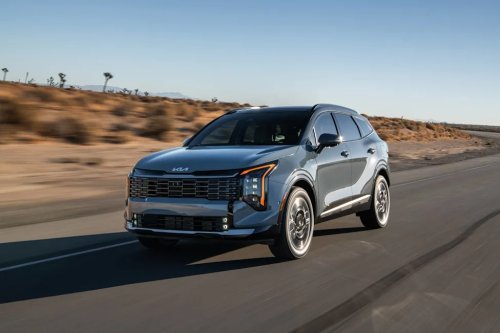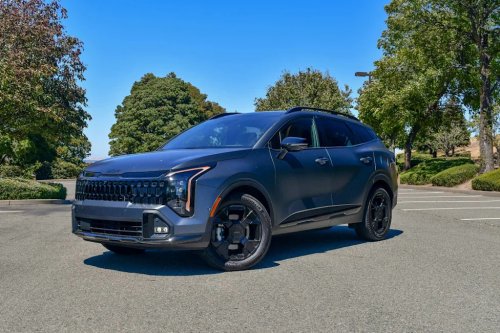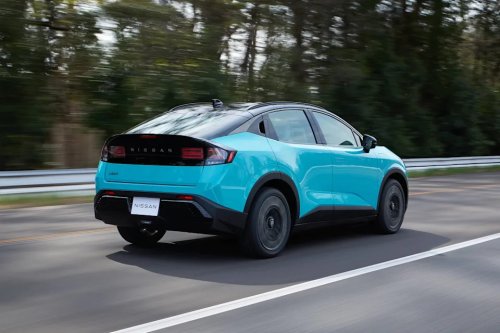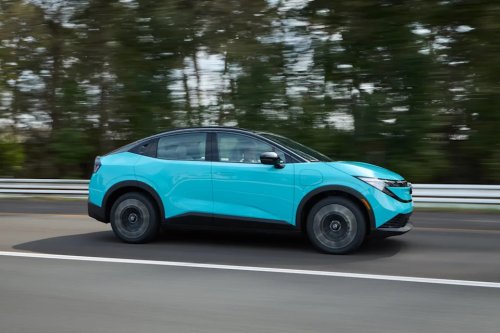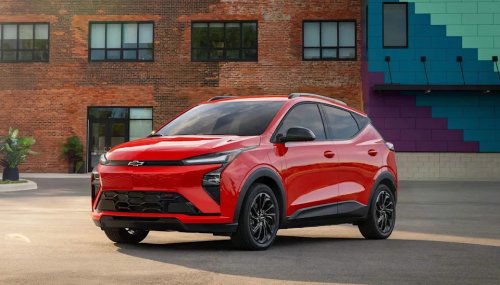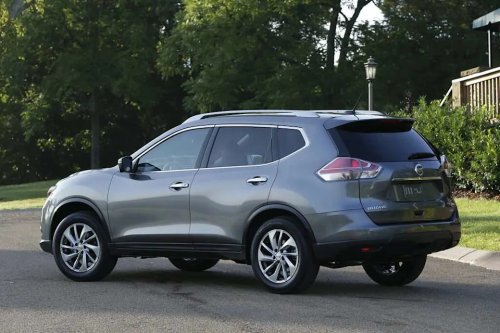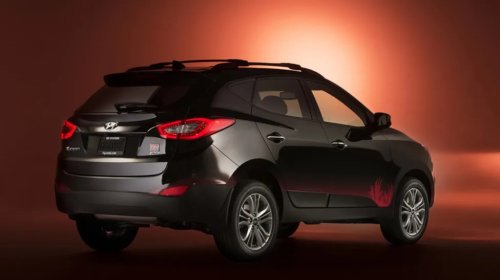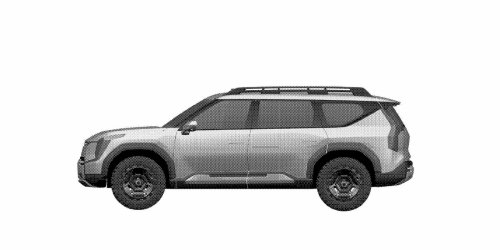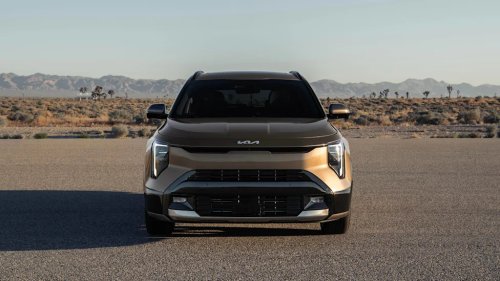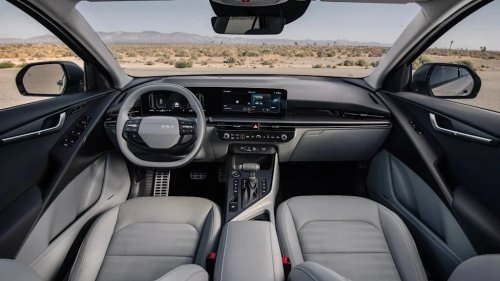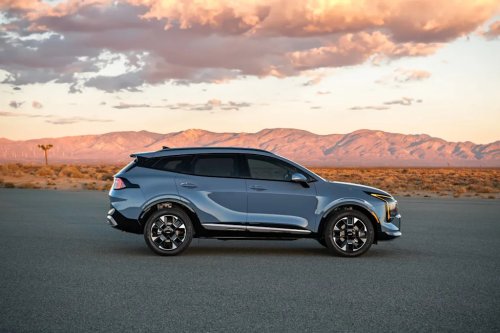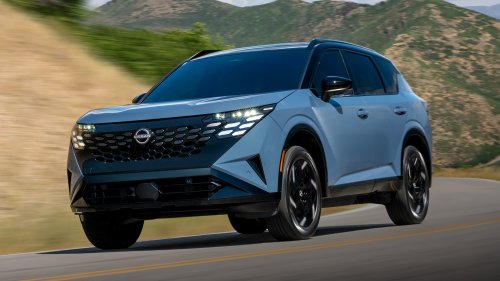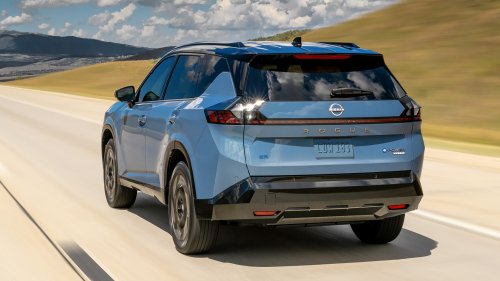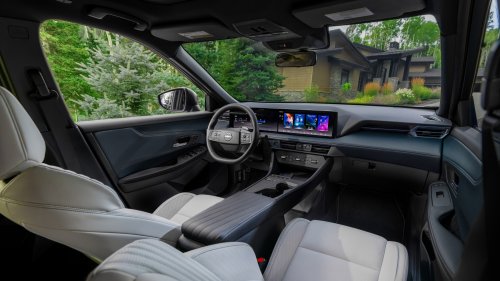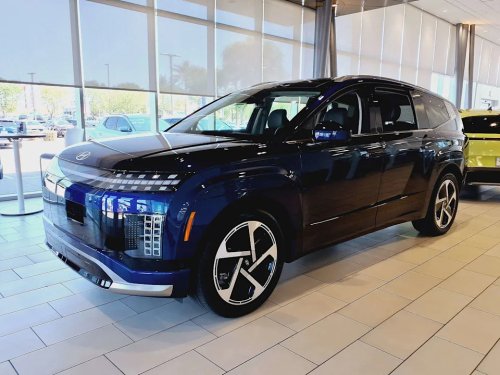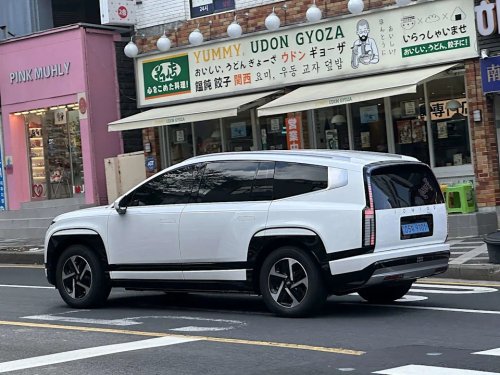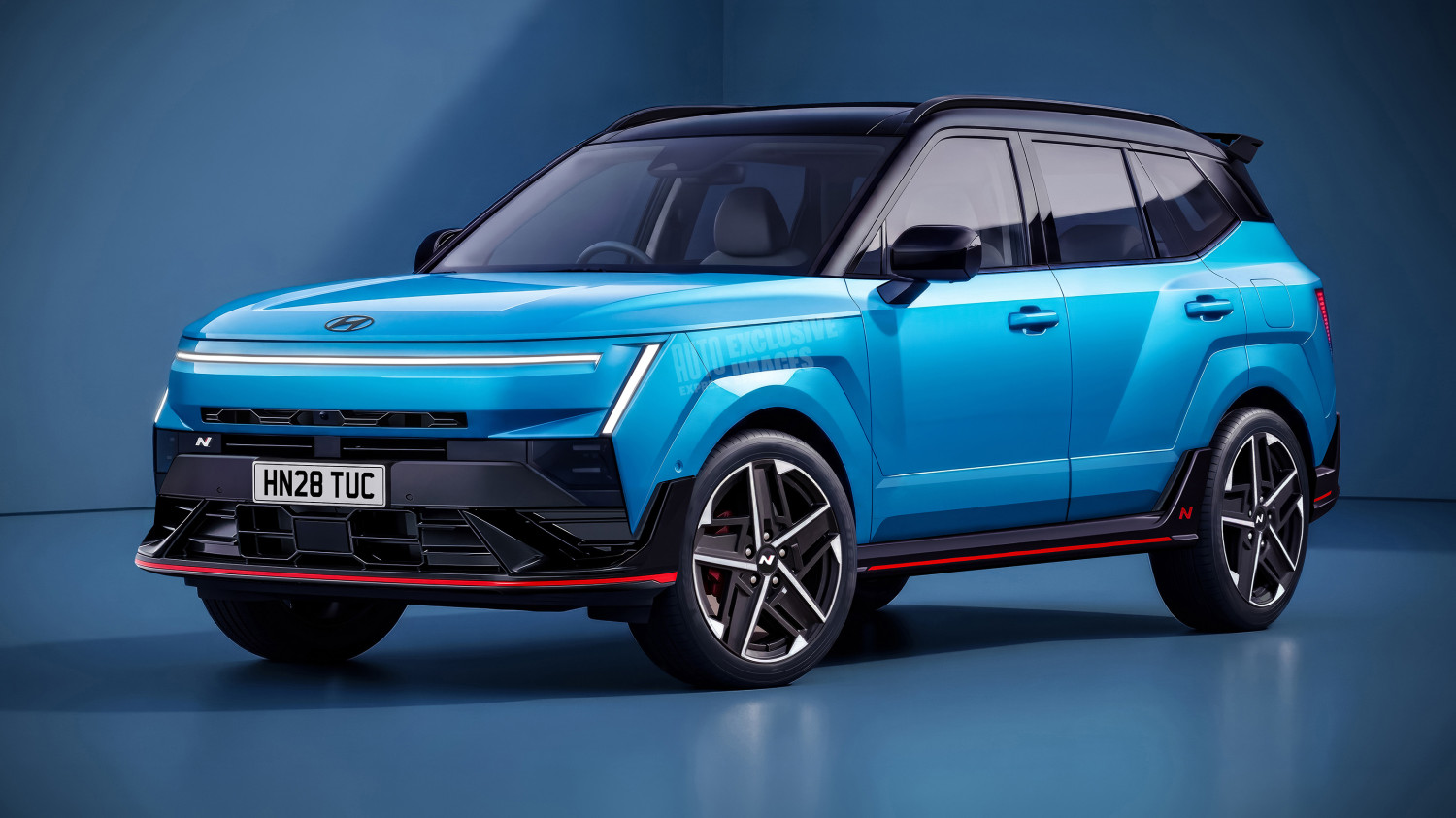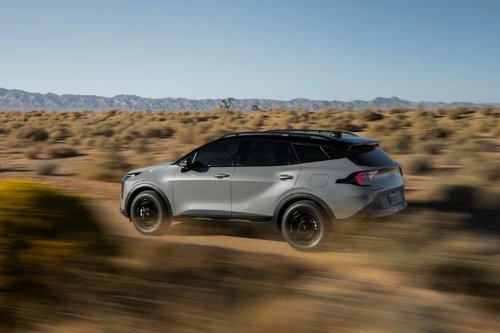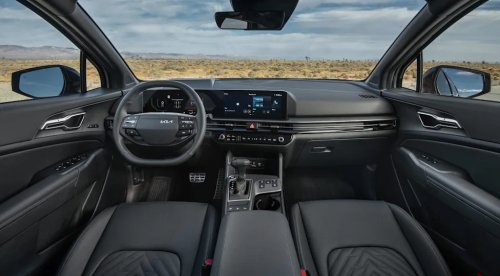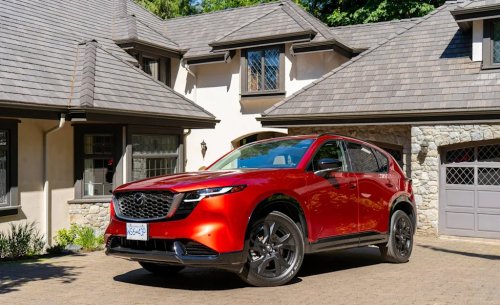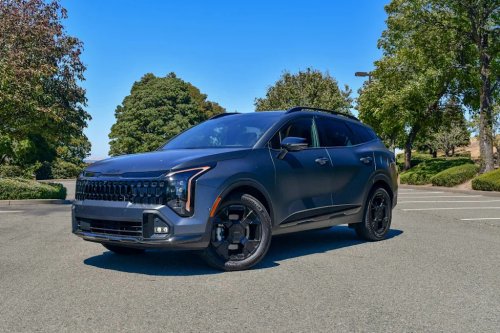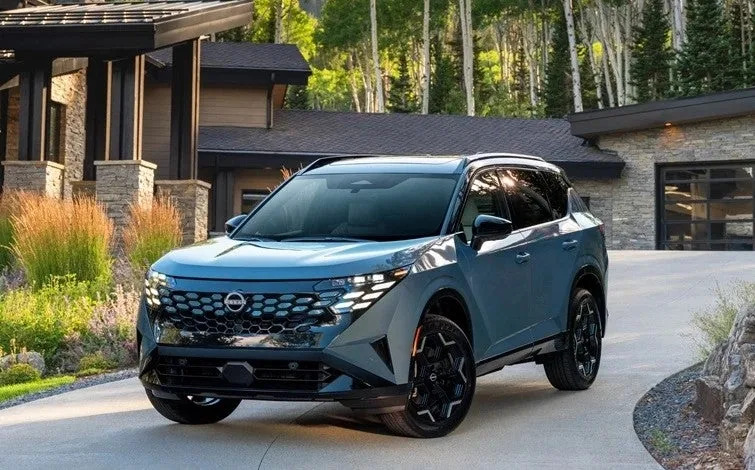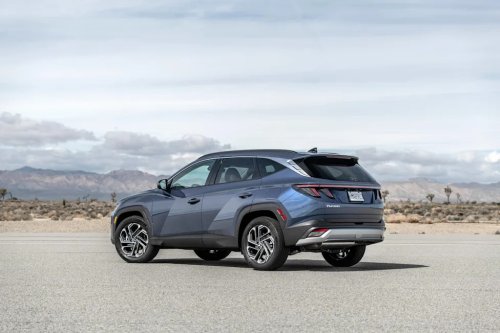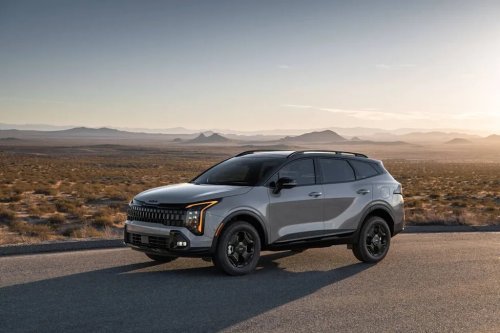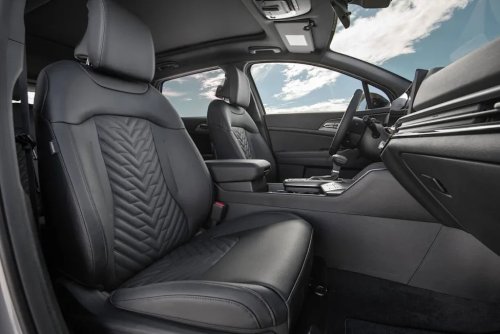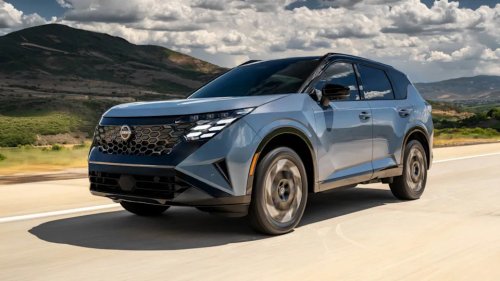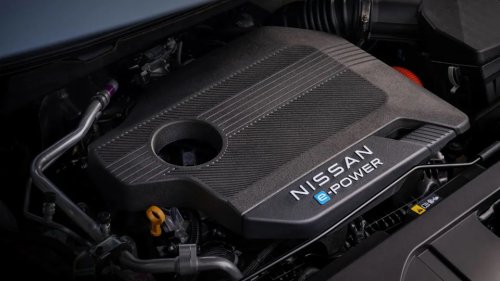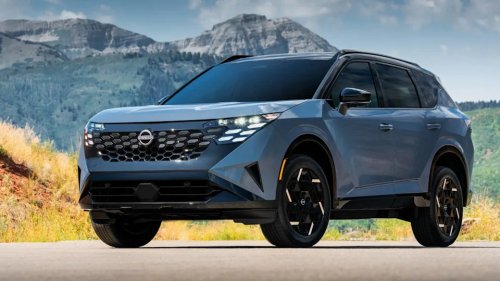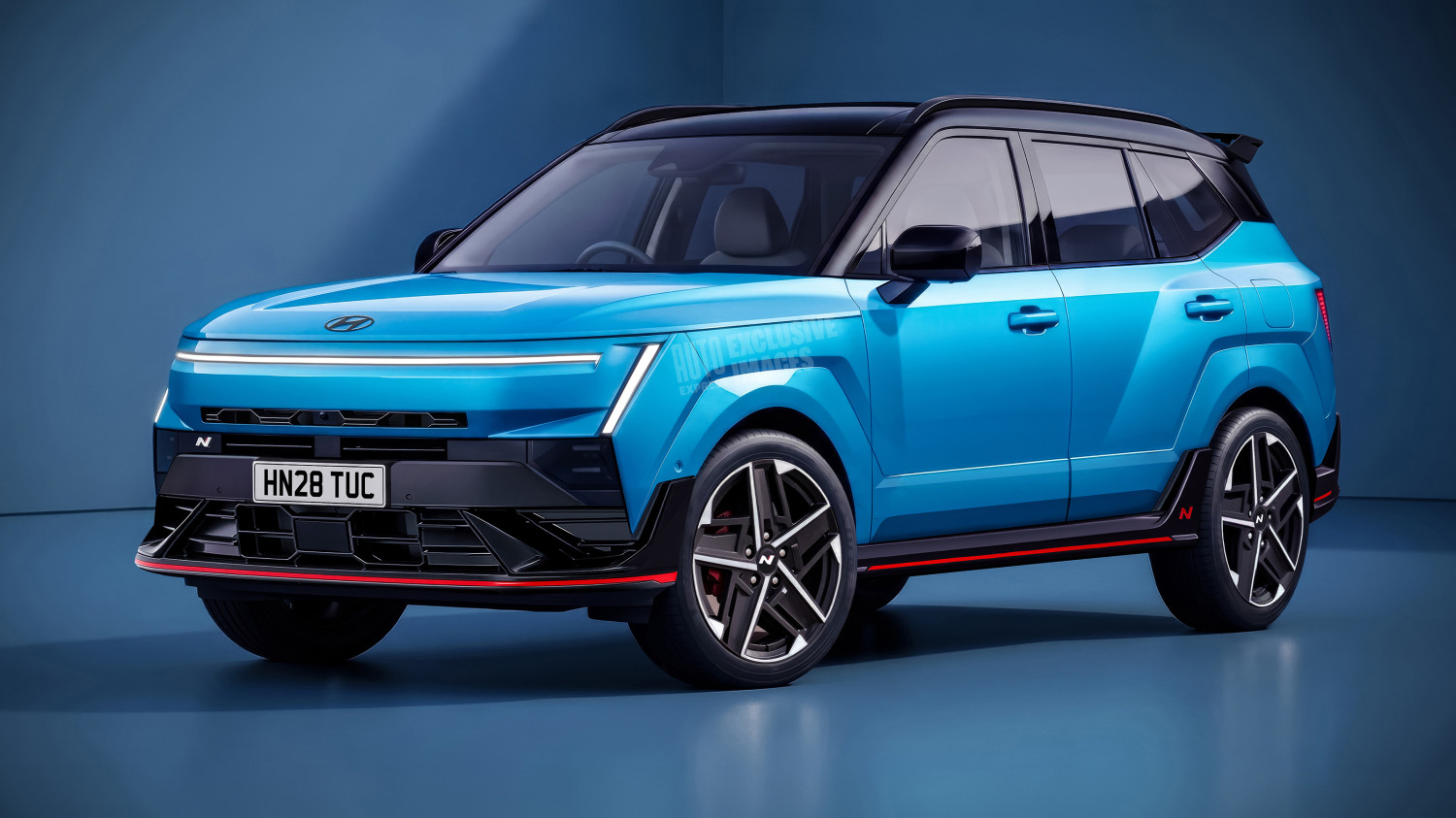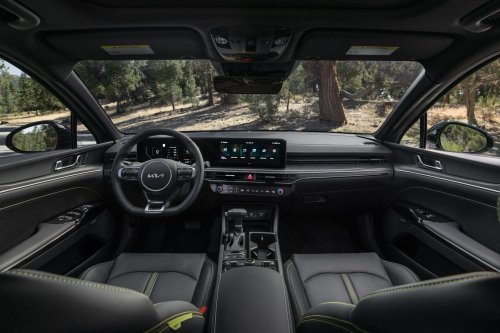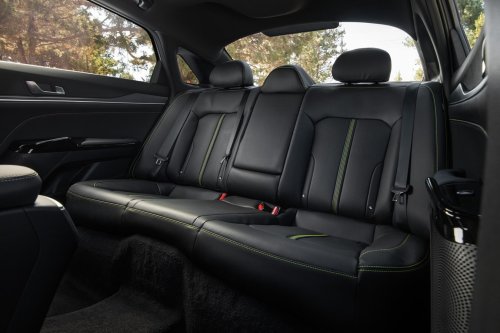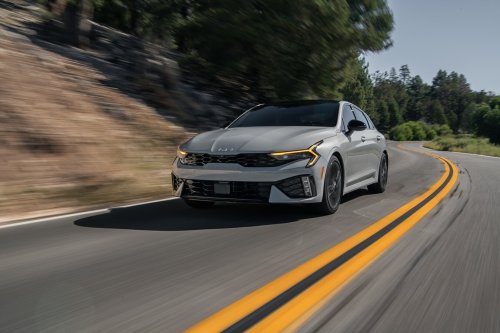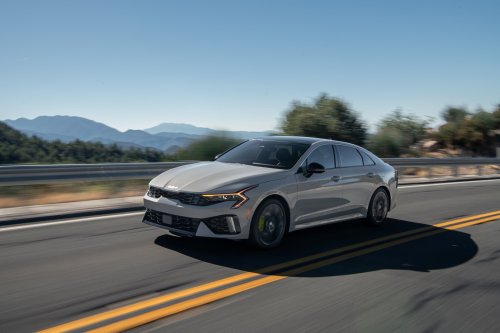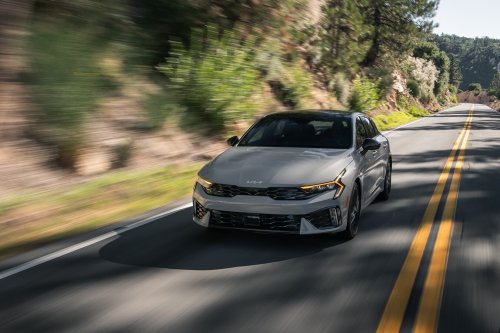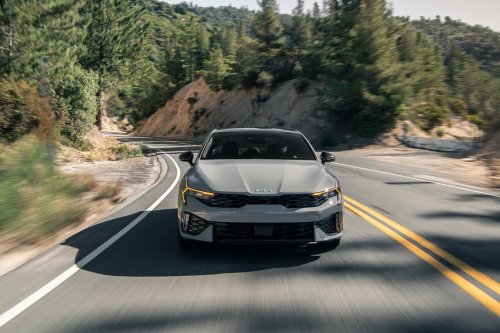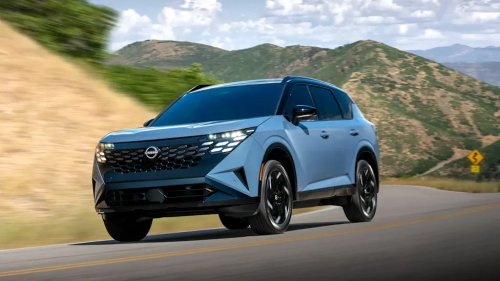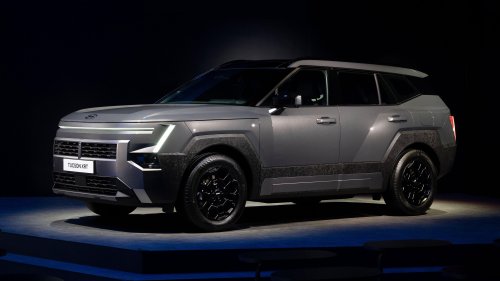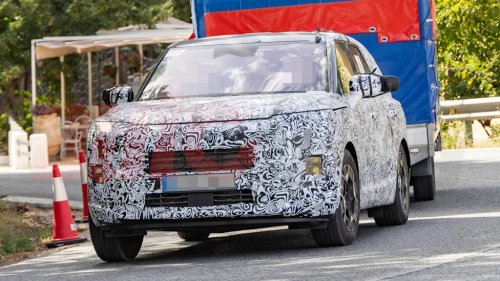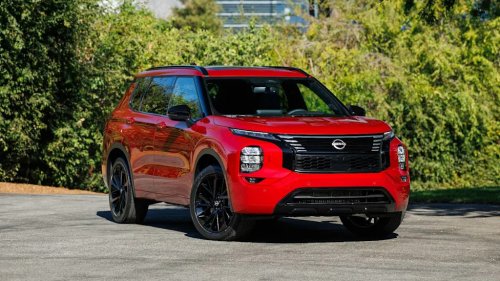
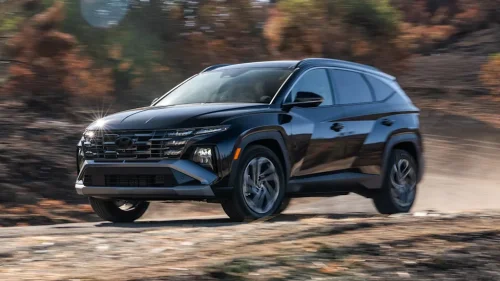
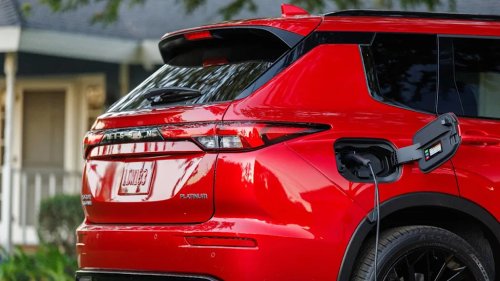
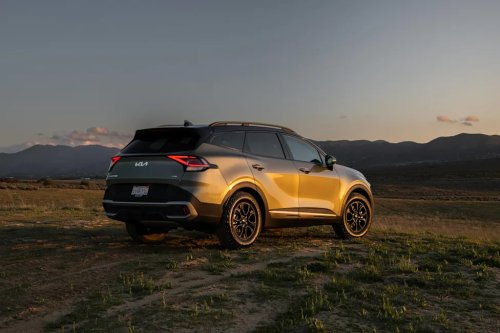
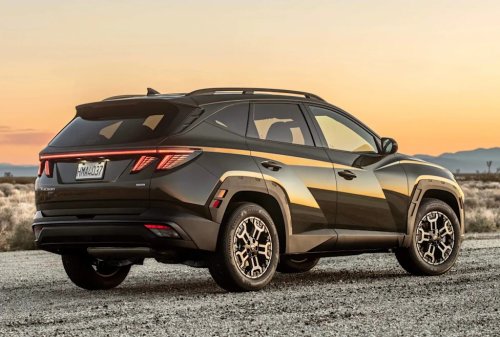
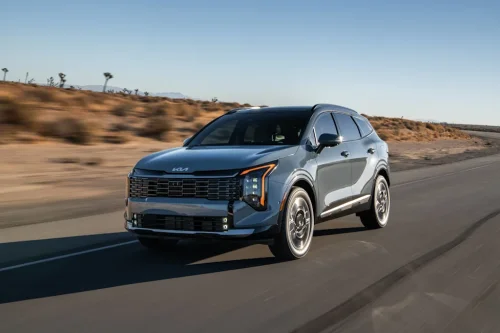



















Autoblog and Yahoo may earn commission from links in this article.The compact SUV class is crowded, and the Nissan Rogue, Hyundai Tucson, and Kia Sportage have all earned spots in it by offering strong value and generous features. On reliability, all three rate above average, which is a credit to a segment where dependability is increasingly the baseline expectation. The differences are real but measured, and they emerge from segment rankings, repair costs and frequency, complaint rates, and each model's typical problems. Weighing those together, the Sportage comes out on top, the Tucson follows closely as its mechanical sibling, and the Rogue places third despite a respectable rating of its own.2026 Nissan Rogue Plug-in HybridNissanSegment rankingsThe clearest separation shows up in how each ranks within the compact SUV class. The Sportage holds a 4.0 out of 5.0 reliability rating that places it sixth out of 26 compact SUVs, the best standing of the three. Crucially, its owners bring it in for unscheduled repairs only about 0.2 times a year, below the segment average and the lowest frequency of this group, which is one of the strongest indicators of real-world dependability. The Sportage's repairs are also lower in both severity and frequency than average.2026 Hyundai Tucson HybridHyundaiThe Rogue also earns a 4.0 out of 5.0 rating, but it ranks thirteenth out of 26 in the same segment, in the middle of the pack rather than near the top. Its repairs are average in both frequency and severity, where the Sportage is better than average. The Tucson, which shares its mechanical foundation with the Sportage, rates similarly to its Kia sibling on the underlying hardware but records a higher owner-complaint rate. On the segment-ranking measure, the Sportage clearly leads, with the Rogue trailing despite its identical headline rating.Repair costs and complaintsOn running costs, the picture is close and slightly favors the Tucson. The Tucson's average annual repair cost is about $426, the lowest of the three, with the Sportage at $462 and the Rogue at $467. All three figures sit below the compact SUV average, so none is expensive to maintain, and the gap between them is modest. The Tucson's edge here is real but small, and it is the one measure on which it leads its Kia sibling.2026 Nissan Rogue Plug-in HybridNissanComplaint data tips the balance back in favor of the Sportage. Adjusted for sales, the Sportage records about 5.3 complaints per 10,000 vehicles, compared with the Tucson's 8.9, meaningfully fewer issues per unit on the road despite the two sharing so much hardware. The Rogue's complaint and quality scores trail the Sportage as well. So while the Tucson is marginally cheaper to maintain, the Sportage sees fewer problems reported overall, which is the more telling reliability signal. Between the two corporate siblings, the Sportage holds the edge on the data that matters most.2026 Kia SportageKiaAdvertisementAdvertisementWhat goes wrong with eachThe typical trouble spots round out the picture. The Sportage's complaints, as the newest design of the three, cluster in the electrical system and electronics, including infotainment glitches, which are common for an early-generation vehicle still being refined. Its mechanical repairs are infrequent, and its low repair-visit rate reflects that. As a corporate sibling to the Tucson, it shares much of the same hardware, so its engine-related concerns mirror those of the Hyundai's, but its lower complaint rate per vehicle suggests those issues surface less often.2026 Hyundai TucsonHyundaiThe Tucson, despite sharing that hardware, records more owner complaints, concentrated in the engine and powertrain, along with electrical and infotainment glitches. It has also drawn several recalls across recent years, including ones for an oil pump controller that could overheat and an instrument-panel display that could fail. Both Korean SUVs are backed by a 10-year or 100,000-mile powertrain warranty, far longer than the Rogue's coverage, which is a meaningful hedge against the cost of a major failure and reflects the confidence Hyundai and Kia have in their current powertrains.2026 Kia Sportage HEVKiaThe Rogue carries the heaviest reputational baggage. Its older versions were dogged by complaints about Nissan's continuously variable transmissions, and while the current Rogue is a much-improved vehicle, its newer 1.5-liter variable-compression turbo three-cylinder engine has been recalled for engine bearings that could fail, leading to engine failure. Nissan now includes a complimentary maintenance plan that adds value, and many owners report no trouble, but between the transmission history and the newer engine concern, the Rogue has more question marks than its two rivals. It is not a weak vehicle, but it does not lead in any key reliability measure.So which one is the most reliable?The Kia Sportage. It holds the best segment ranking of the three at sixth out of 26 compact SUVs, records the lowest repair frequency of the group at about 0.2 visits per year, sees fewer owner complaints than its Hyundai sibling, and backs it all with a 10-year powertrain warranty. That combination of a strong ranking, low repair frequency, a good complaint record, and long coverage gives it the most complete reliability case here. For a buyer looking for the safest, data-backed bet, the Sportage is the answer. The Tucson is a close rival, with lower repair costs and the same long warranty. Its higher complaint rate is the main drawback. The Rogue ranks third, but it offers strong cargo space, good resale value, and included maintenance.AdvertisementAdvertisementThis story was originally published by Autoblog on Jul 5, 2026, where it first appeared in the Car Buying section. Add Autoblog as a Preferred Source by clicking here.