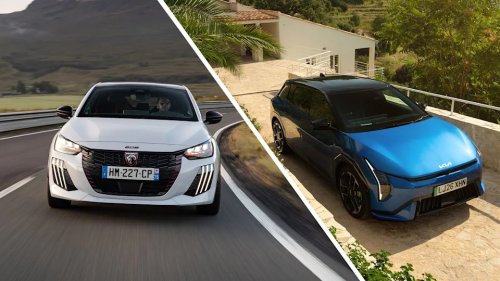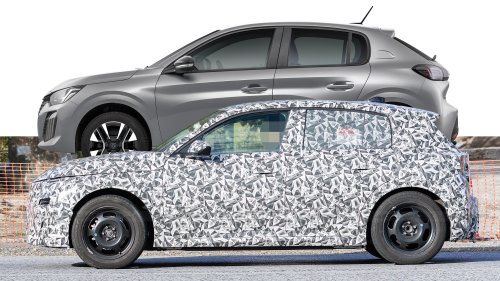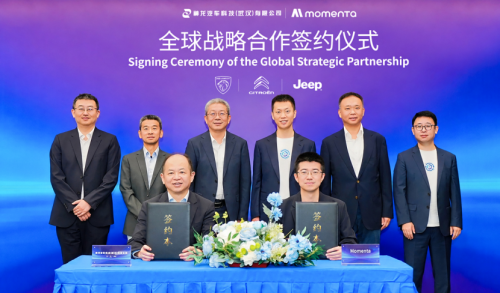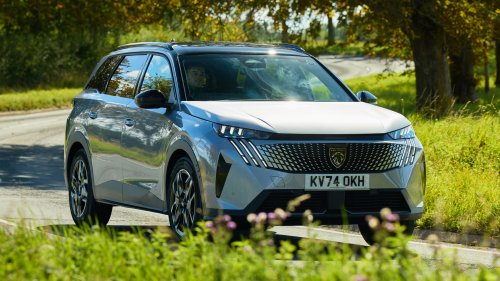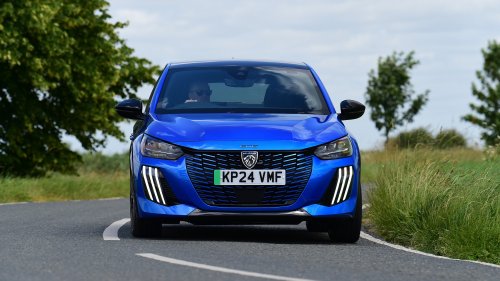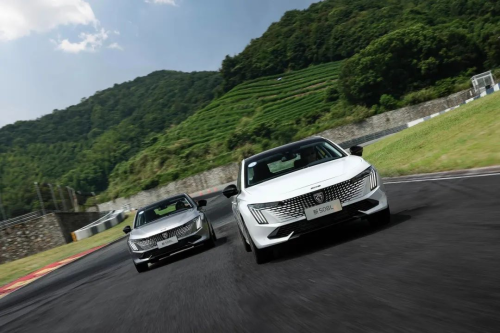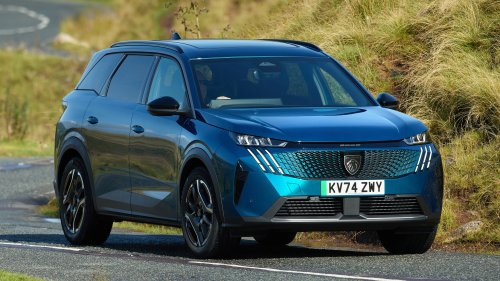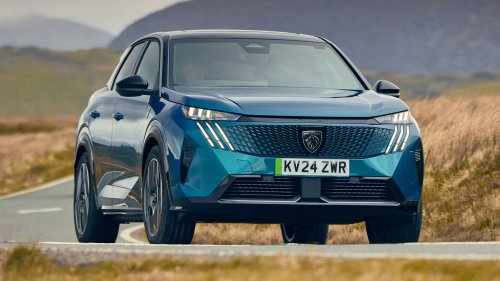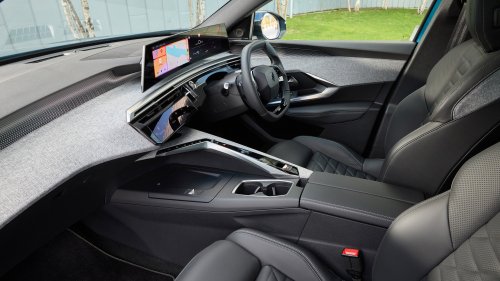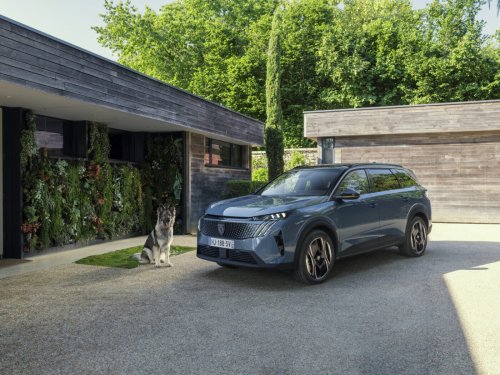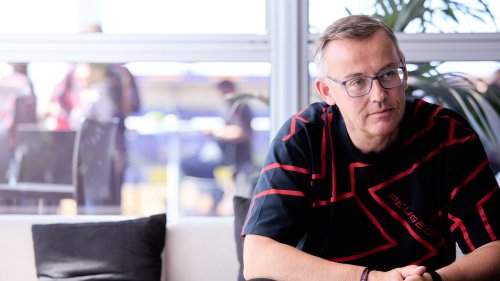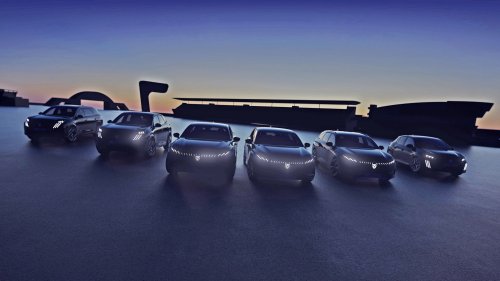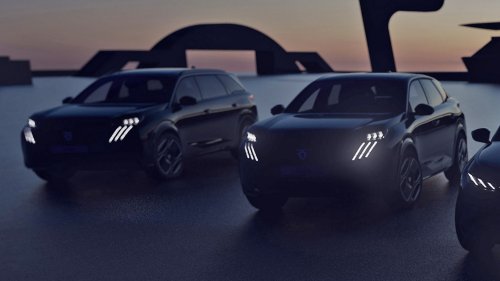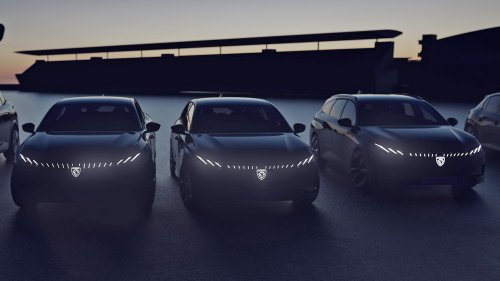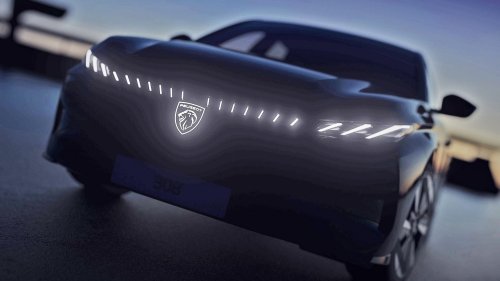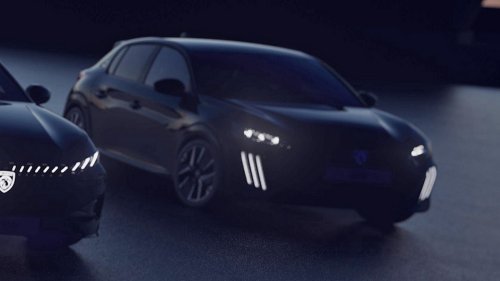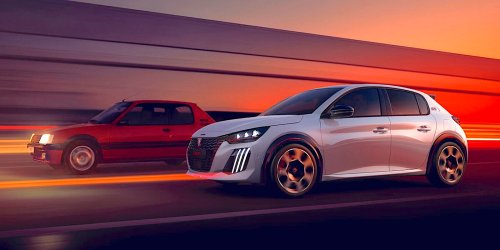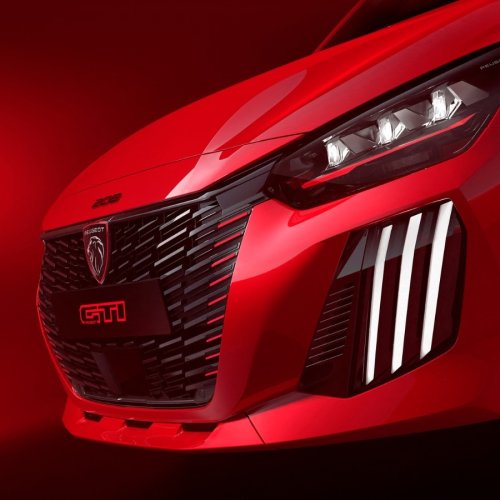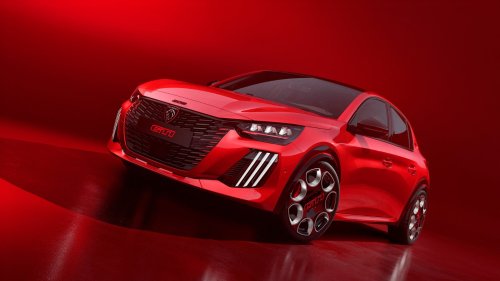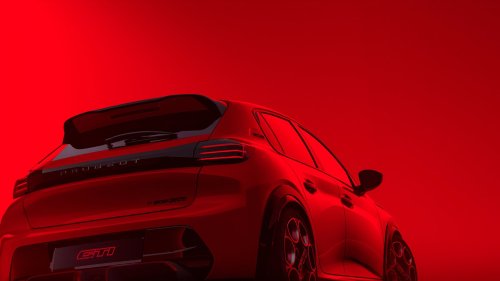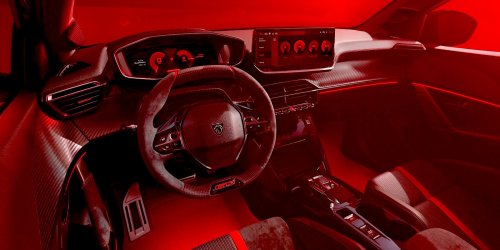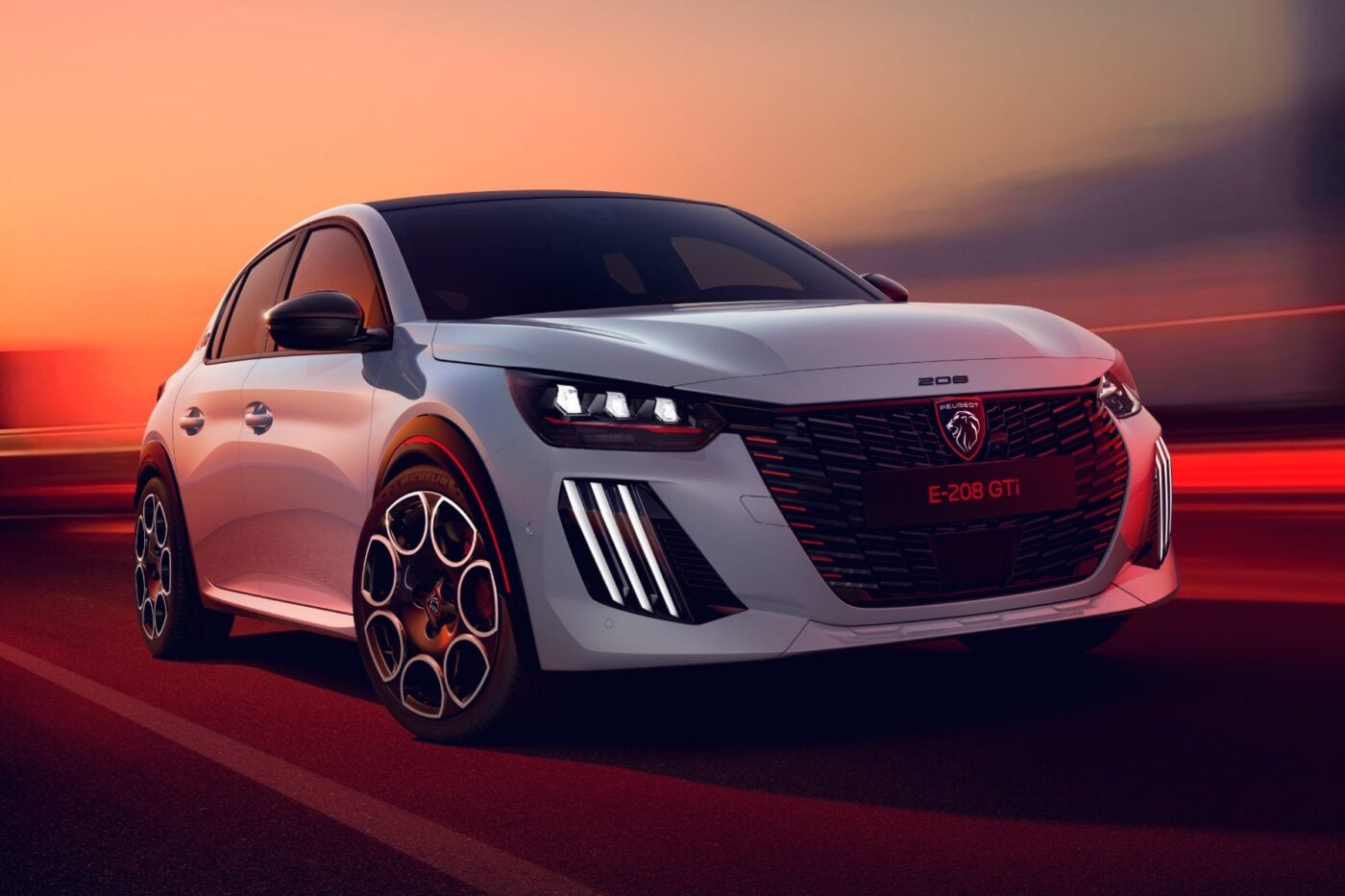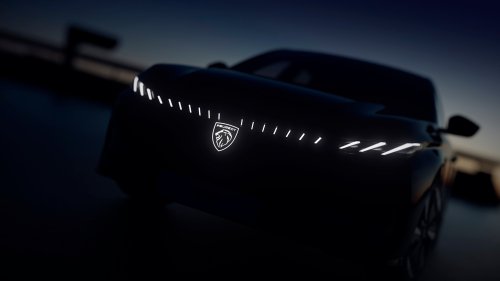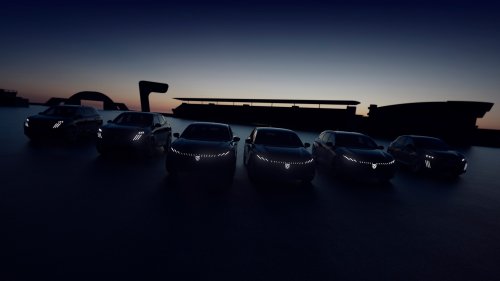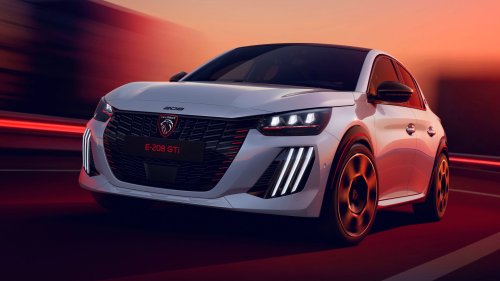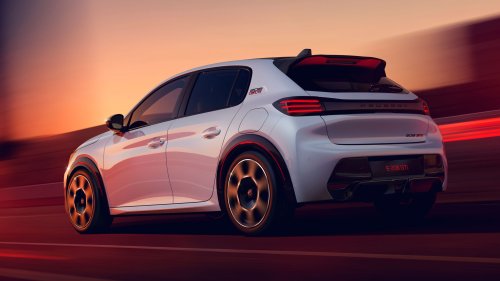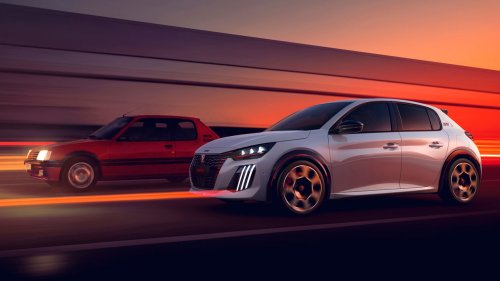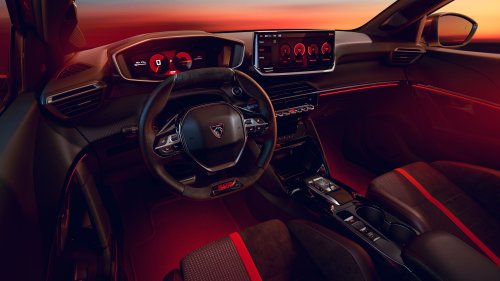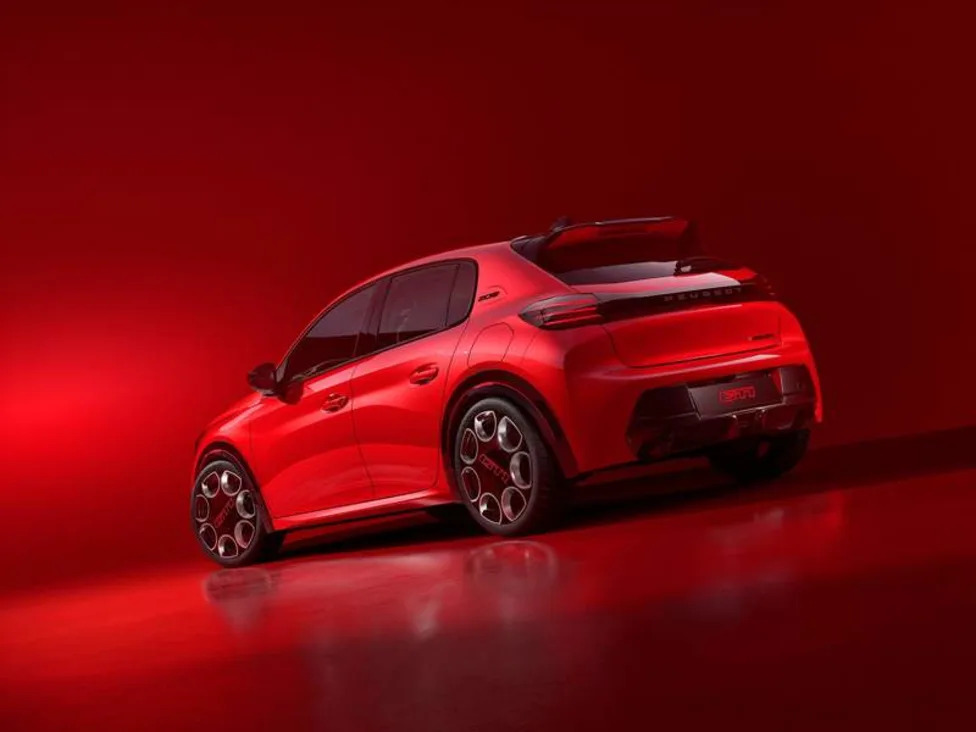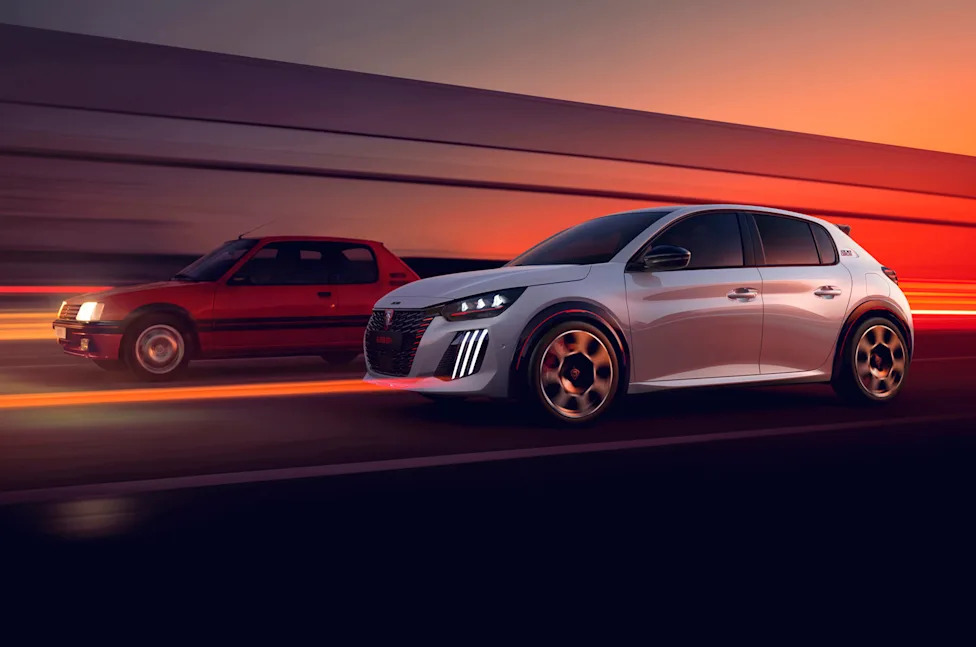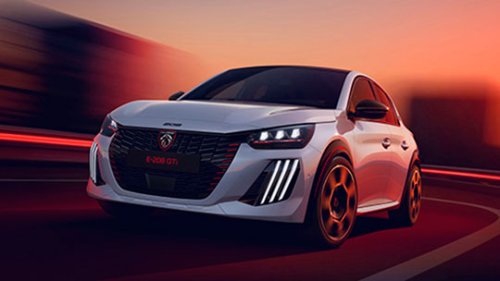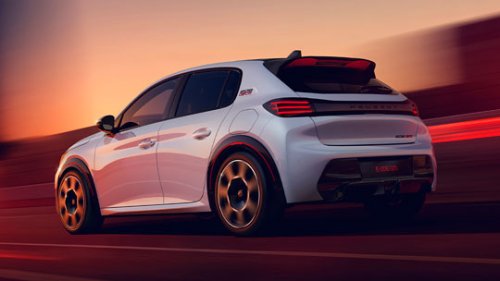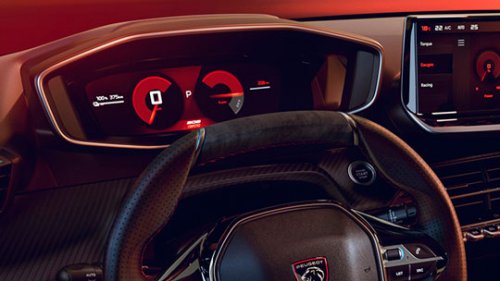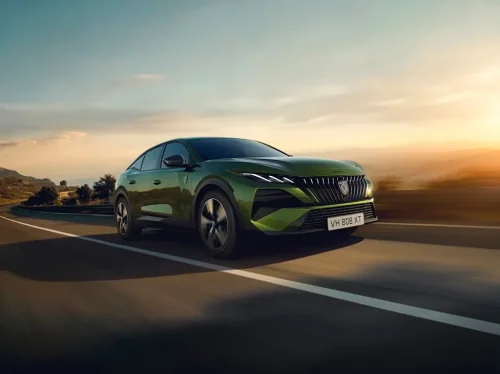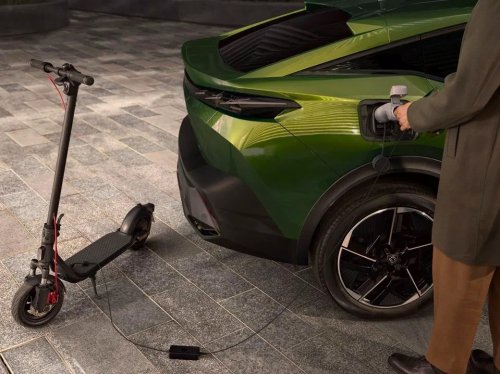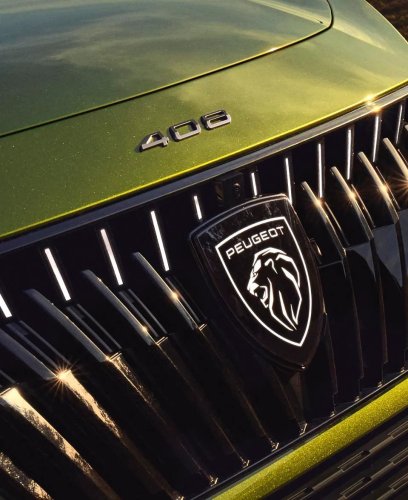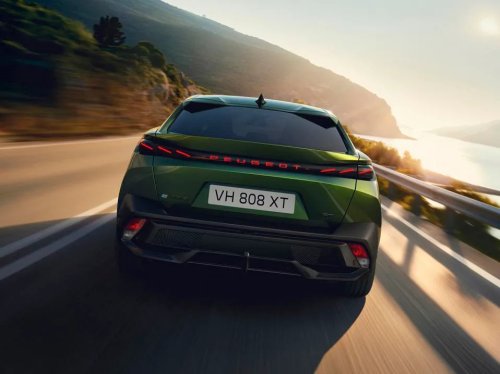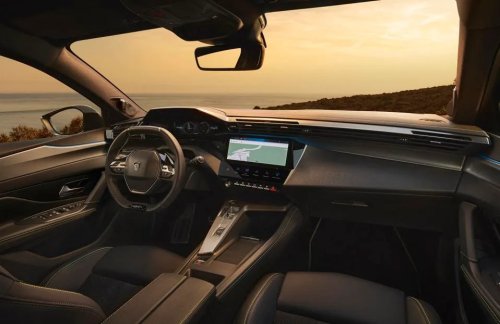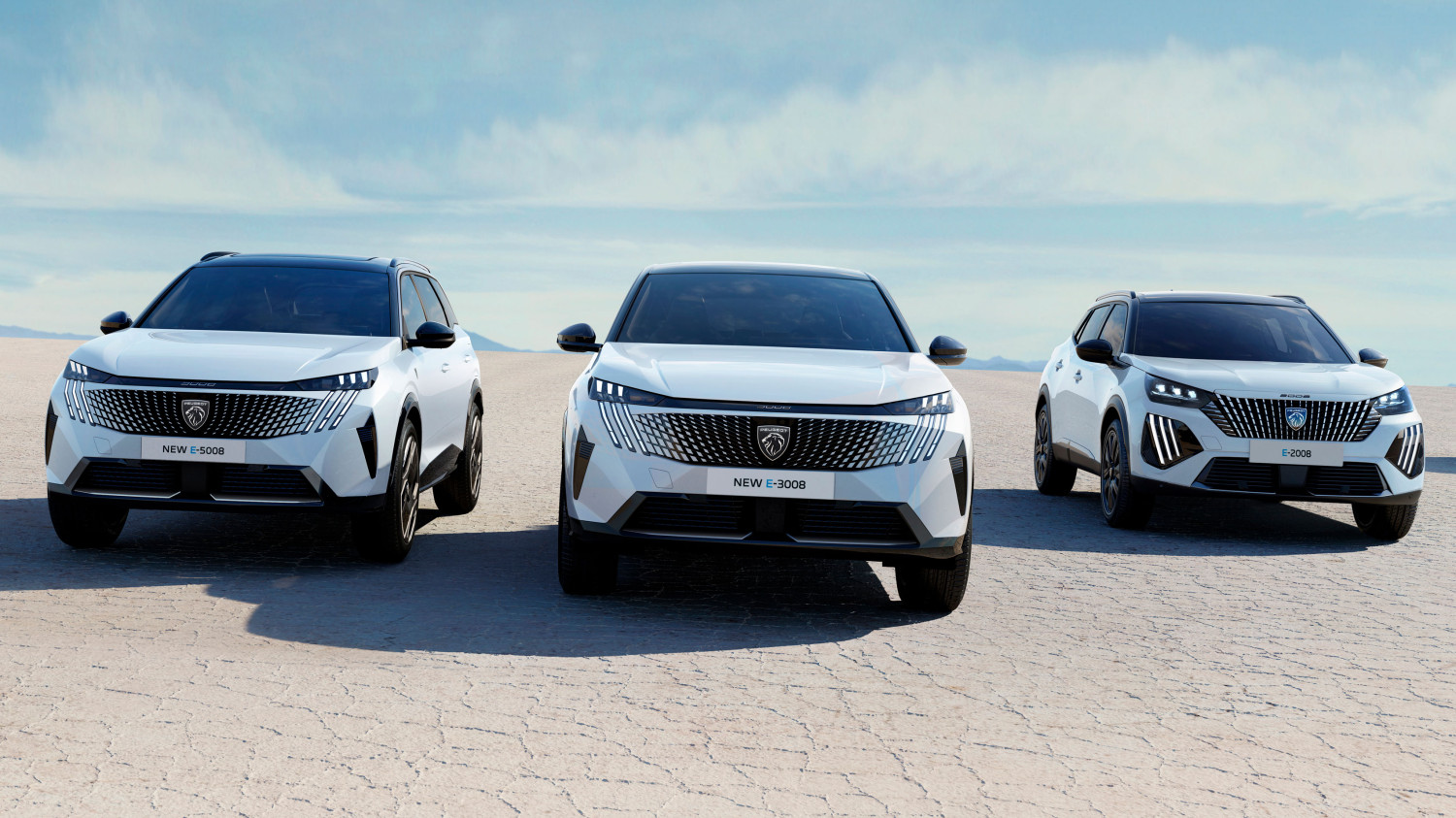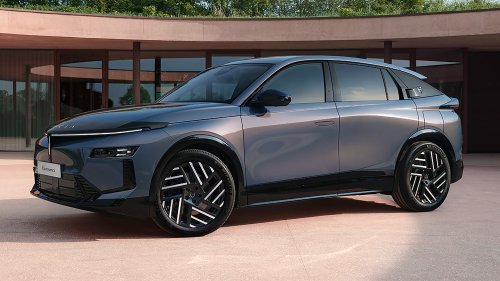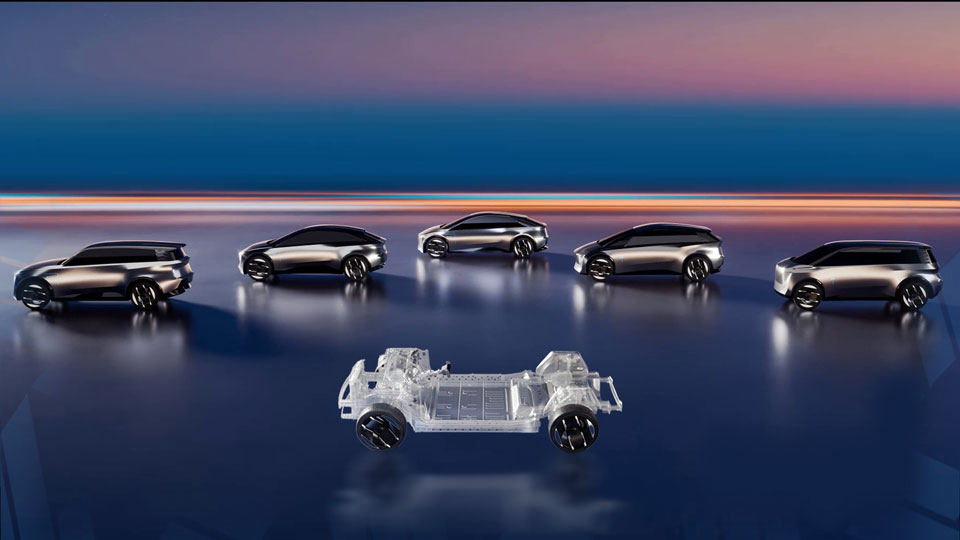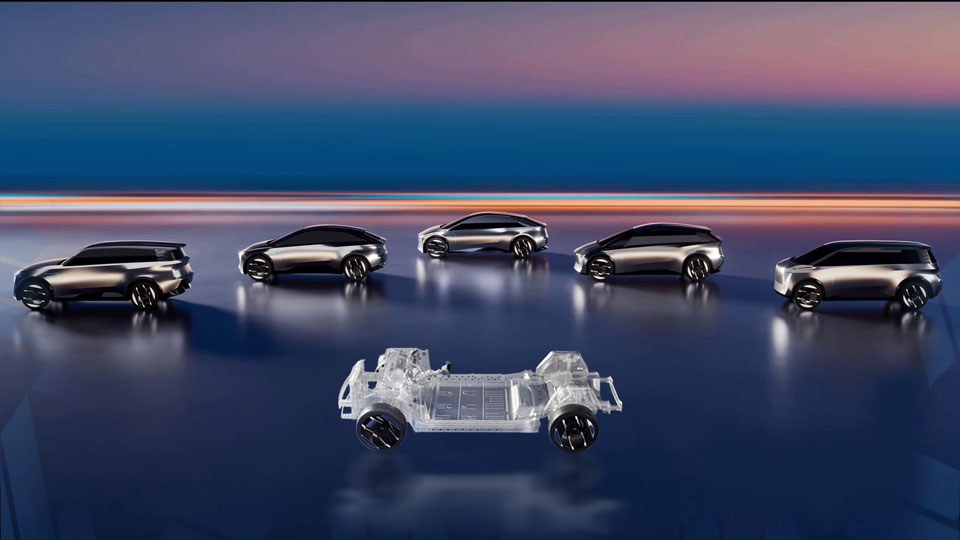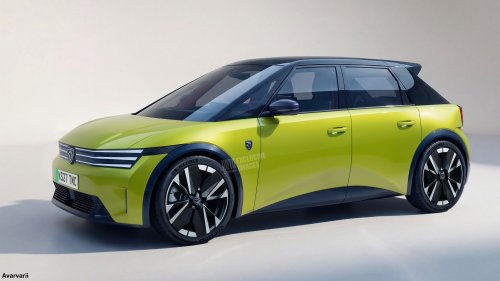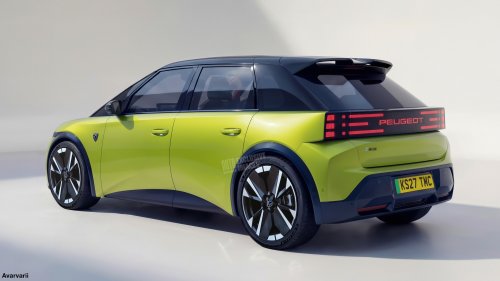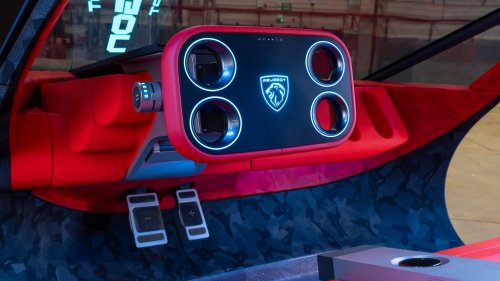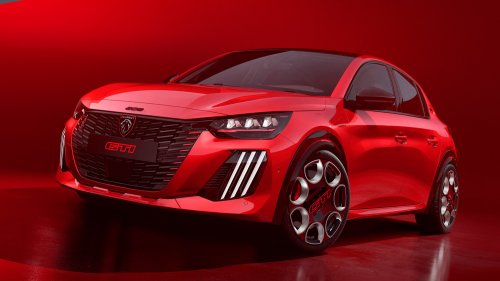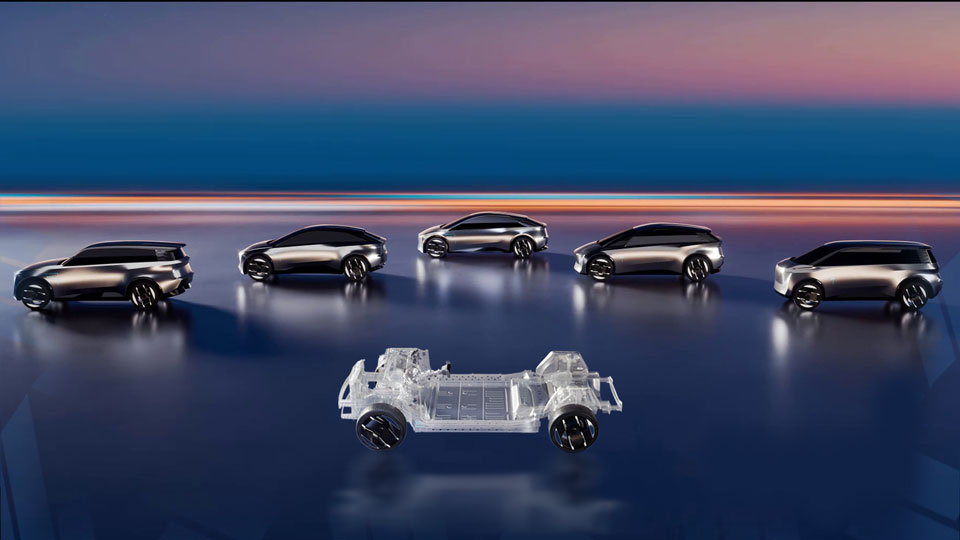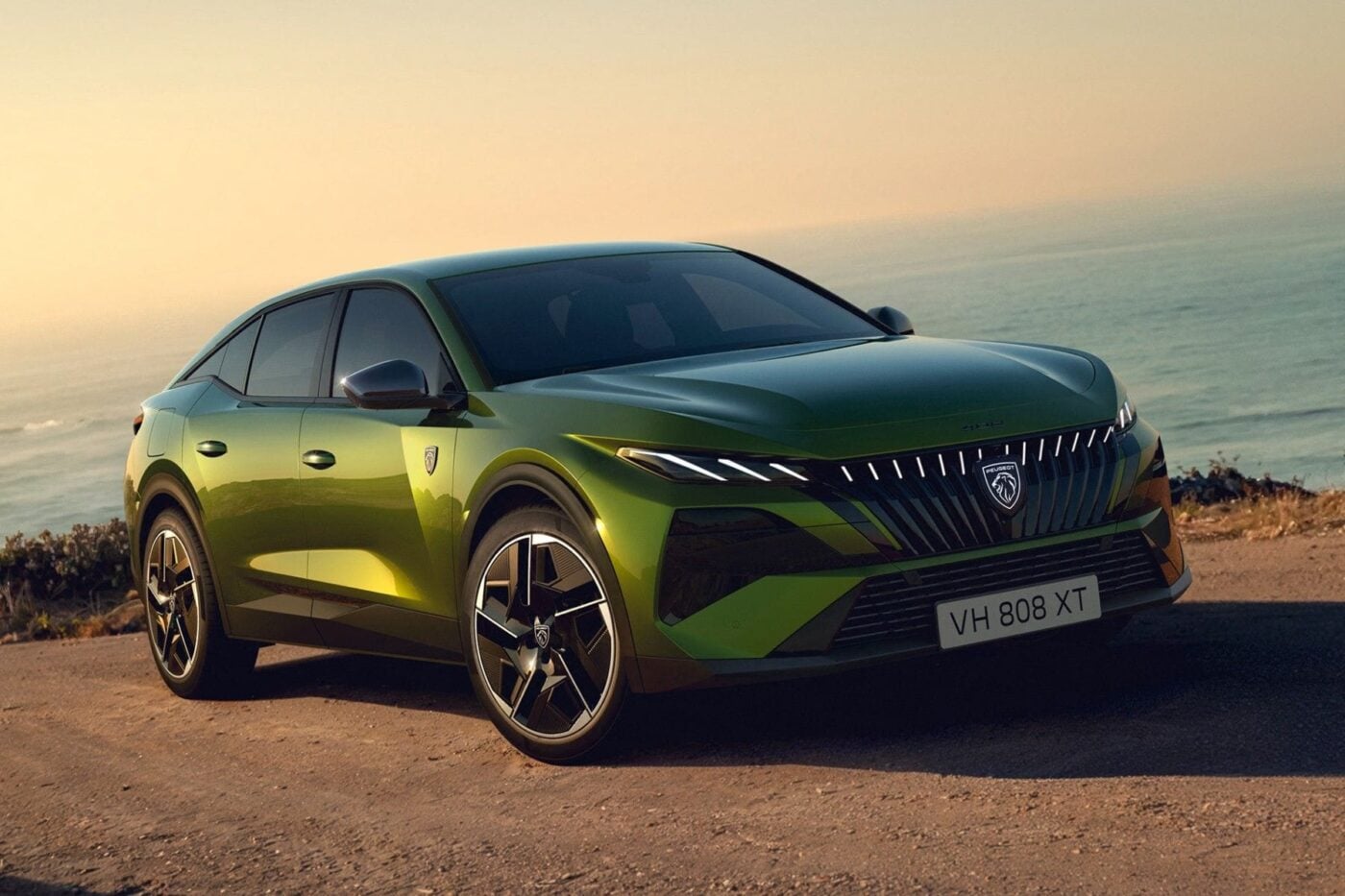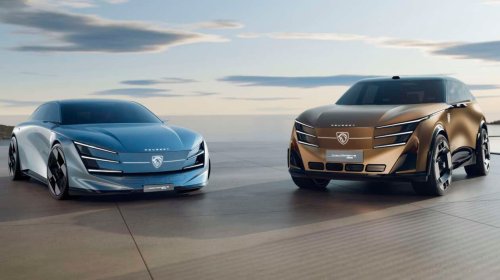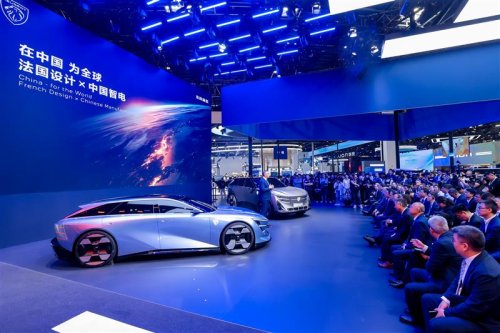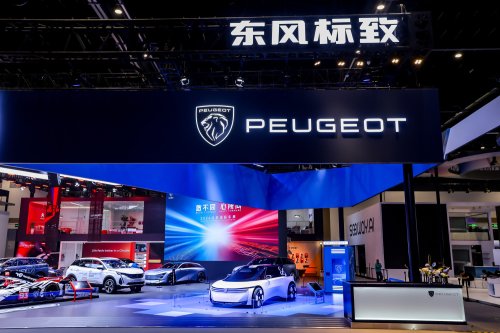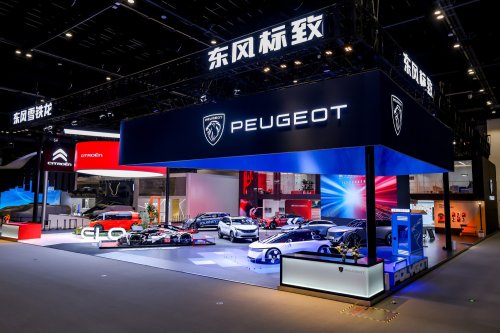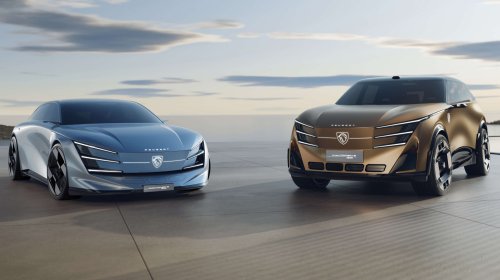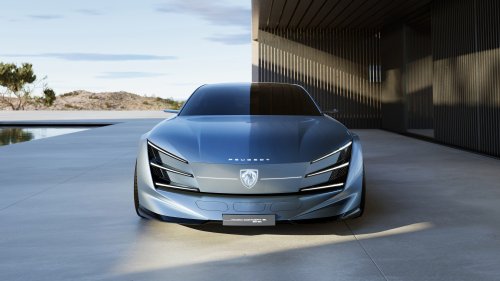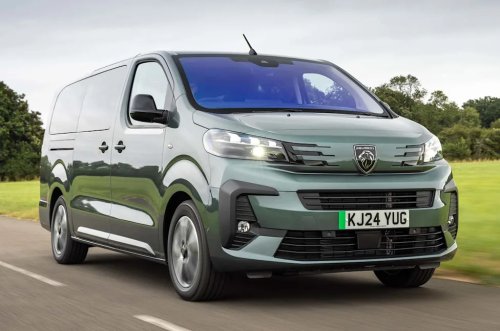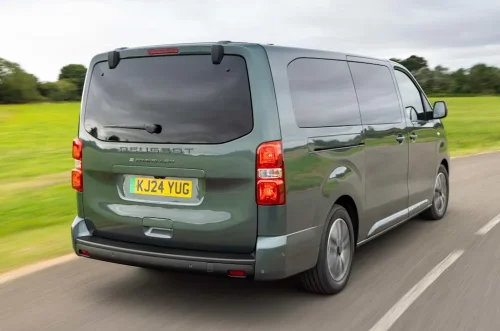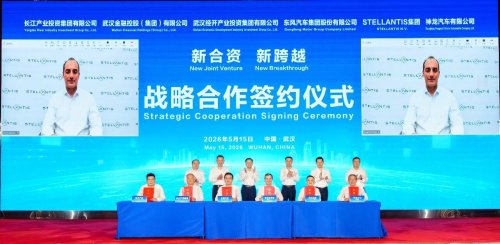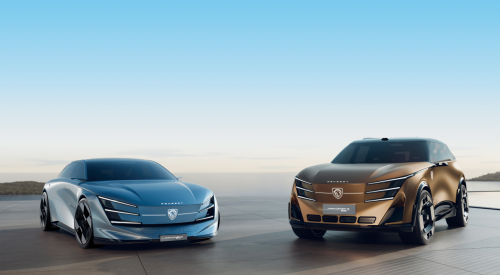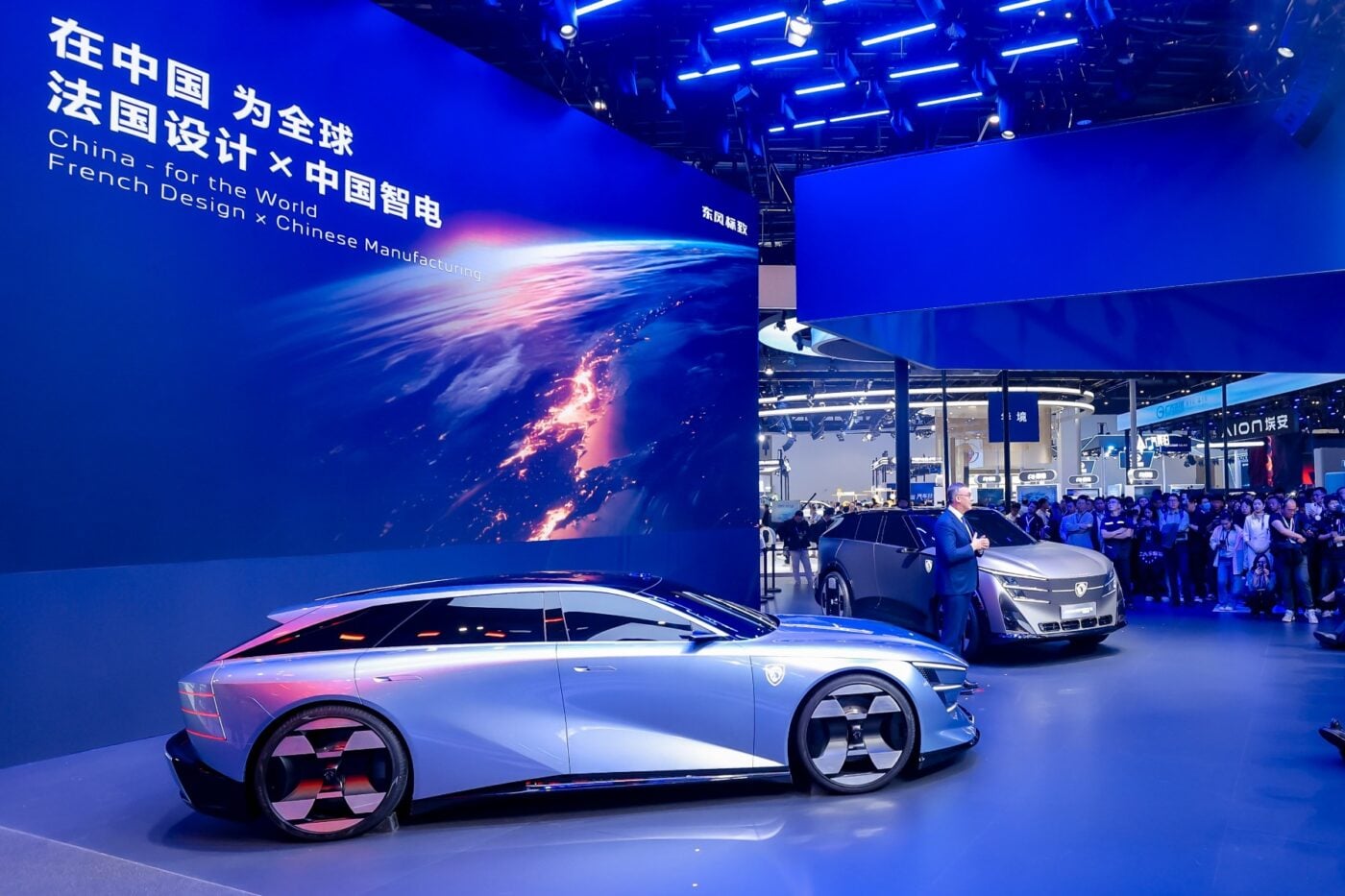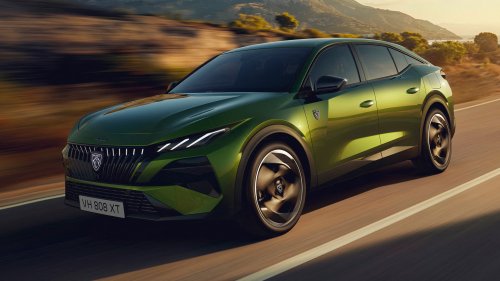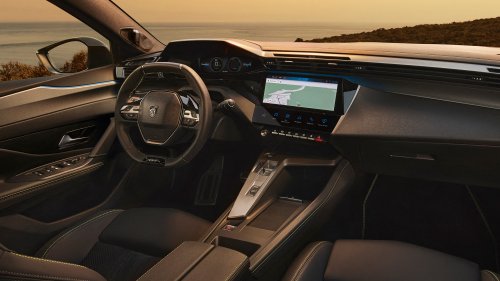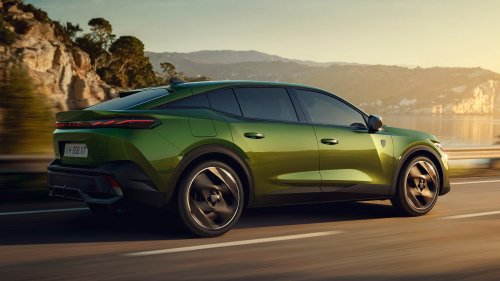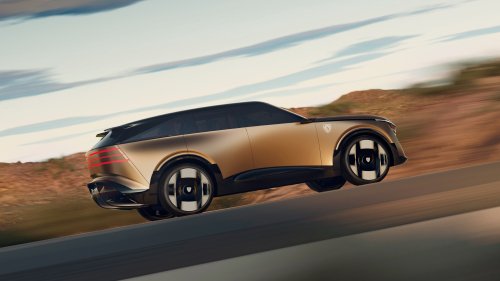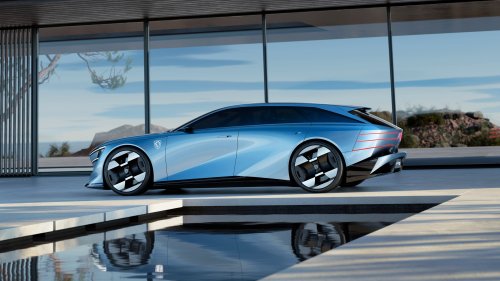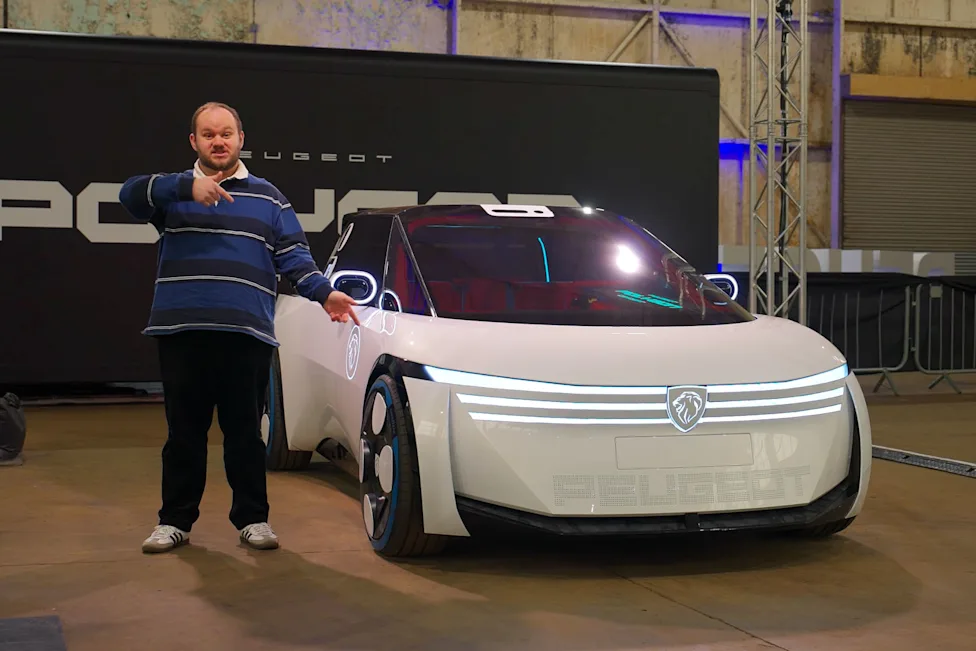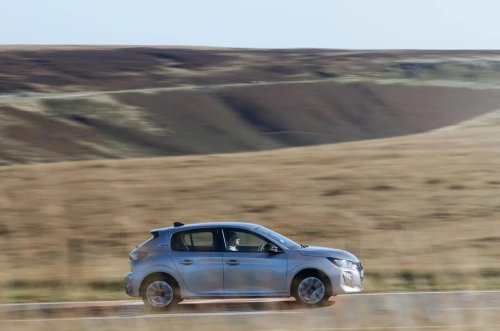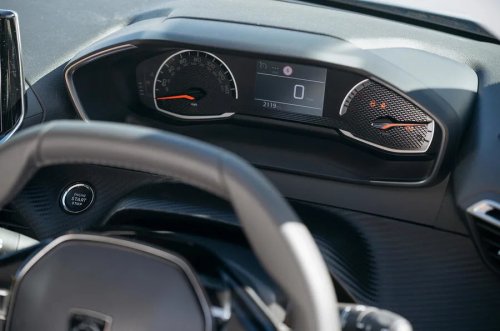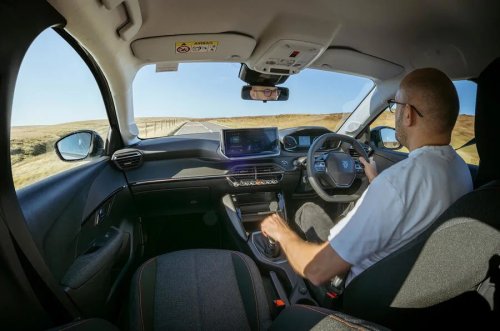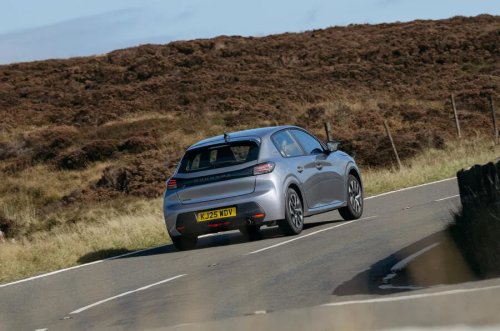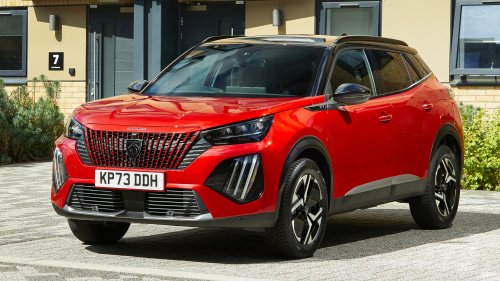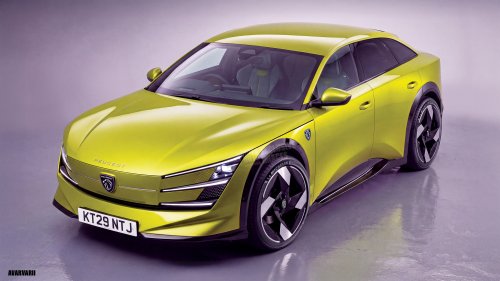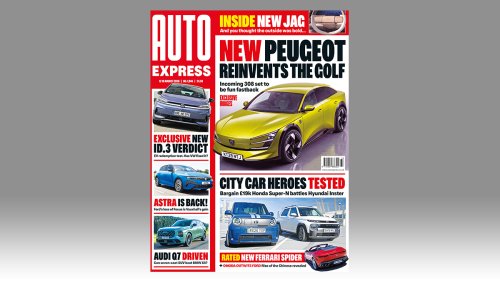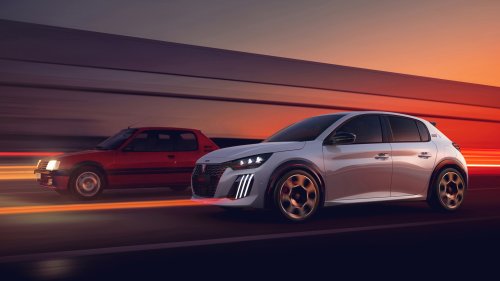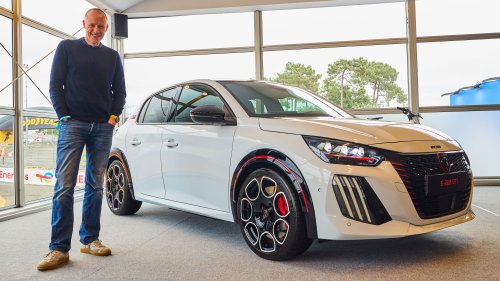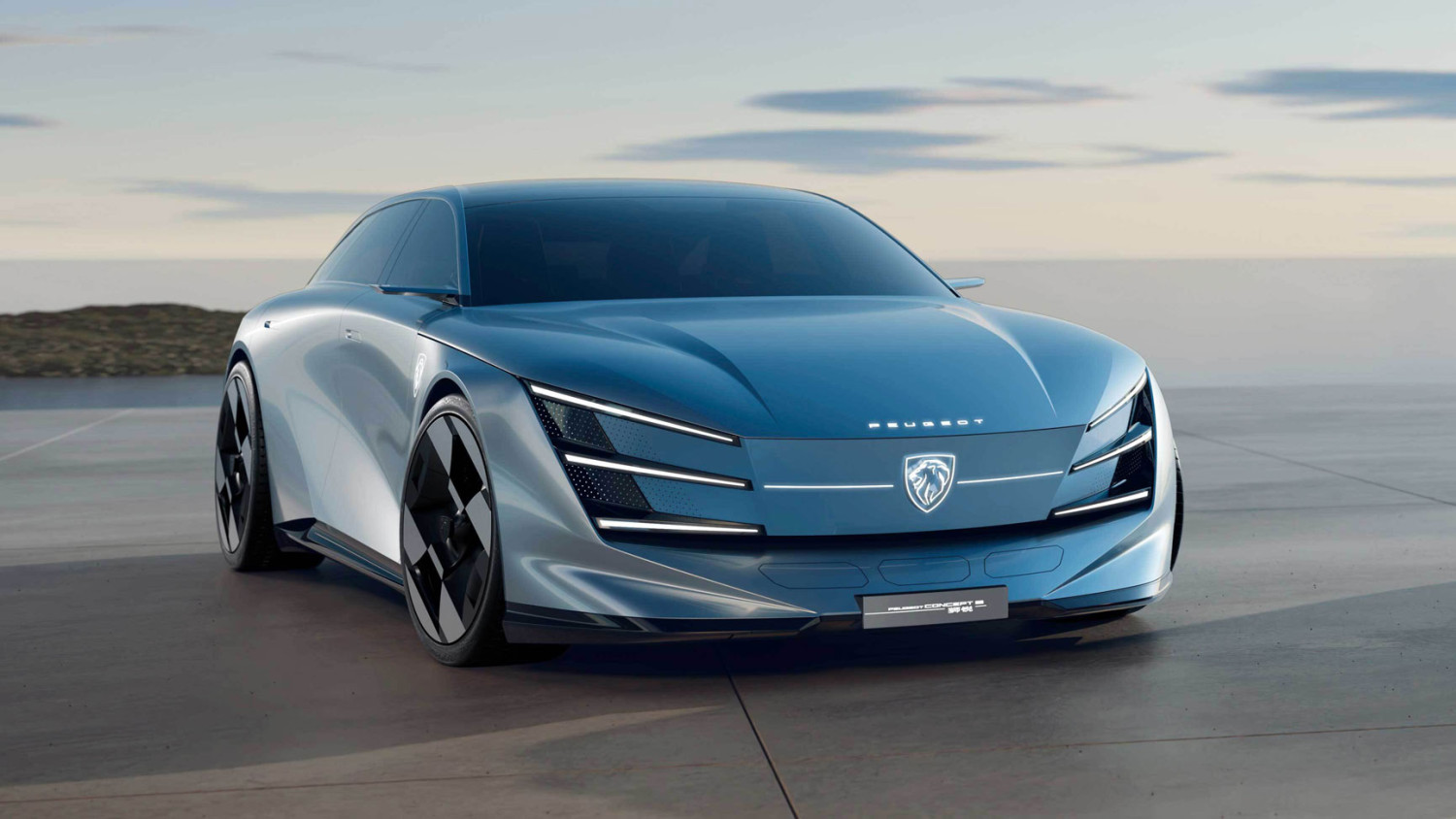
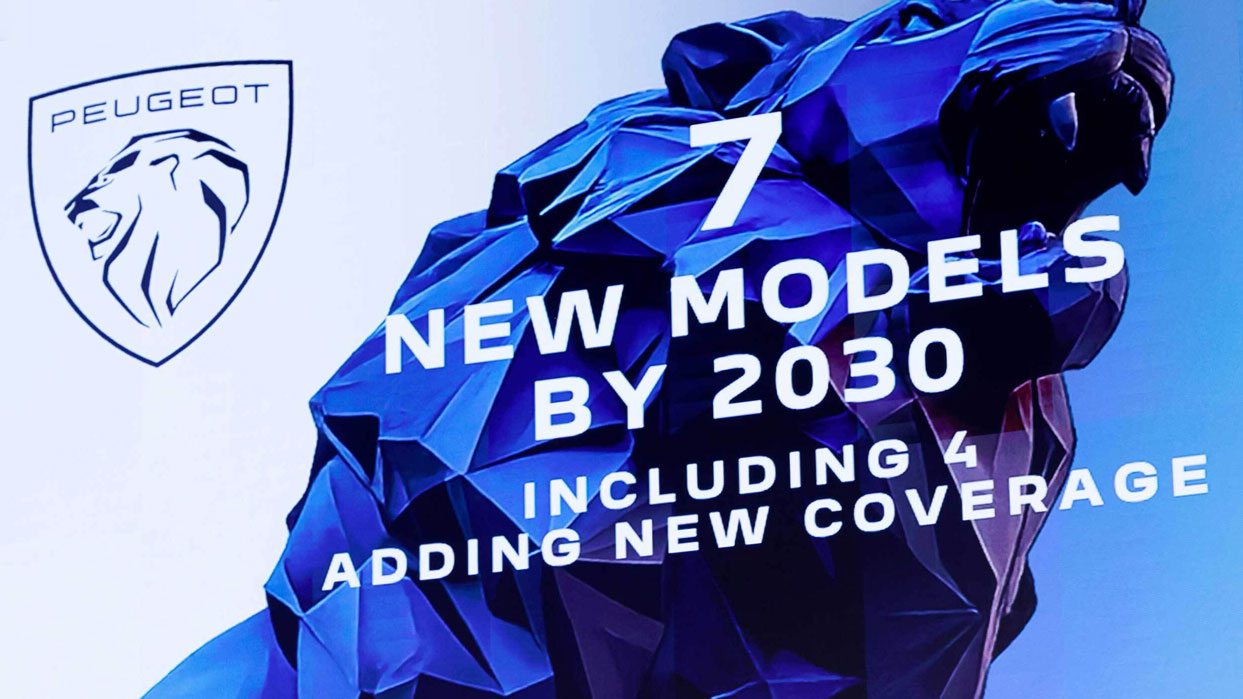


















Peugeot will launch seven new cars in Europe by 2030 and roll out key new technology for owner Stellantis, under the giant car group’s new FaSTLAne strategy. The first four cars are brand new electric versions of the 208 supermini and 2008 small SUV, plus updated versions of their petrol/hybrid equivalents. “Then on the C-segment we will bring three new models, replacing the 308 [hatchback], 308 SW estate and the 408,” Peugeot CEO Alain Favey told us in a meeting at Le Mans. Stellantis has 14 car brands, but Peugeot is one of only four with the elevated status of a global brand; the others are Fiat, Jeep and US truck brand Ram. What does that mean? “It’s based on our size: Peugeot sells 1.1-million cars a year and we have the ambition to sell 1.5m in 2030,” explains Favey. “And our scale, which allows us to swallow some additional costs better than a brand with smaller volumes. “There’s a benefit for Peugeot: we access new technology first, which is very important because innovation has always helped drive the brand’s appeal.” A textbook example is the new STLA One electric vehicle architecture, which will be rolled out to 2-million vehicles across almost every Stellantis brand – after Peugeot gets first dibs. “The new 208 [supermini] will launch next year inaugurating the STLA One platform, and the new 2008 [SUV] will launch the year after,” says Favey proudly. They will be true Software-Defined Vehicles, deploying the ‘STLA Brain’ electronic architecture, with ultrafast data processing from the car’s digital central nervous system to enable steer-by-wire and deliver next-level efficiency, safety and in-car experience. STLA One is being converted to accommodate hybrid drivetrains, but they won’t be ready for the new E-208’s launch in 2027. “Today’s 208 and 2008 will remain in the range as combustion and hybrid cars,” confirms the boss. Favey doesn’t say so but it’s likely the cars – launched way back in 2019 – will get extensive sheet metal changes to bring them in line with the new 208’s look, hinted at by 2025’s Polygon concept car. Like all European car bosses, Favey is acutely aware of the threat posed by new Chinese brands vacuuming up market share. While Stellantis is mirroring Renault and moving to a 24-month development cycle, the CEO seems relaxed about taking slightly longer so long as his cars are “innovative” and stand out. “The Chinese are very, very fast and have the best battery and self-driving technology. But in terms of styling and interior design, it’s [often] more of the same: the best way to be fast is to reproduce what you've just done before or what everybody else is doing,” he says. Favey’s masterplan is to unleash eye-catching design and unusual bodystyles, potentially expanding the 408 Fastback philosophy into other market segments. “The 408 is a bit sedan, a bit SUV, it’s a new thing. It’s a car that goes much beyond just the volume it makes, it’s a statement.” He continues: “The important thing for me is on the first look at any new Peugeot, people have to be able to say within a tenth of a second: ‘That can only be a Peugeot’. I keep saying to our design team: ‘Bring me cars that cannot be a Hyundai or a Kia or whatever else.’ Ours need to stand out.” Peugeot showcased two concepts at this year’s Beijing motor show amid, Favey reckons, a sea of lookalike designs. The Concept 6 sedan and Concept 8 SUV show an edgy new take on the brand’s design, and the production versions – co-developed with Dongfeng – will relaunch the Peugeot in the world’s biggest car market starting next year. Favey calls the look our “Feline Future design language”. A key aspect is the evolution of the light signature: a series of vertical, claw-like slashes will turn horizontal, evoking the plastic strips on the 205 GTi’s tailgate. It’s another nod to heritage, something the Chinese brands lack. New Peugeots will be underpinned by a renewed focus on quality. The 208 and 2008 now get a completely overhauled 1.2-litre turbocharged petrol engine backed by 1.86-million miles of testing, in a bid to eliminate its predecessor’s warranty claims. “You have to learn from your mistakes and the new Turbo 100 is now the most efficient and best quality on the market,” vows the boss. He hopes the renewed focus on quality and customer service should boost loyalty. That’s important because Peugeot is only holding steady in Europe, no surprise says Favey considering its car line-up – bar the 3008 and 5008 SUVs – are in their twilight years. But Fastlane’s new model and technology push is charged with driving European volume from 800,000 to 1-million units by 2030. It’s time for Peugeot to floor it.