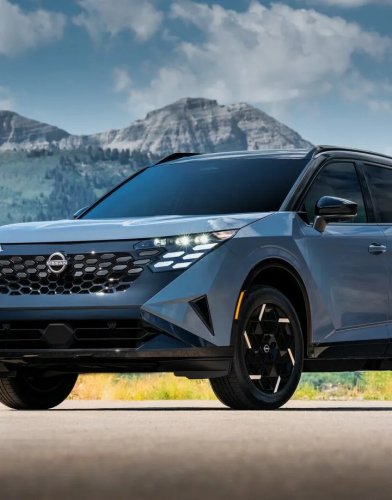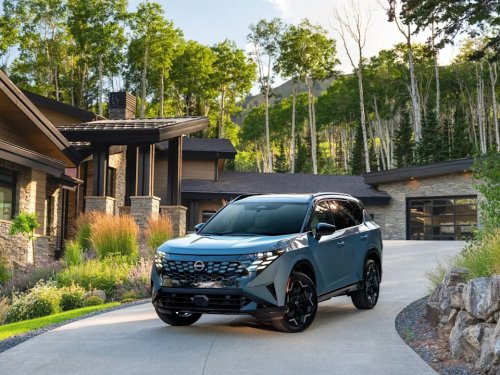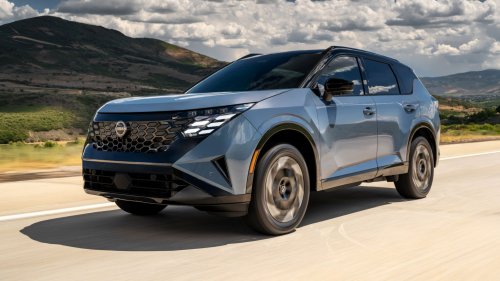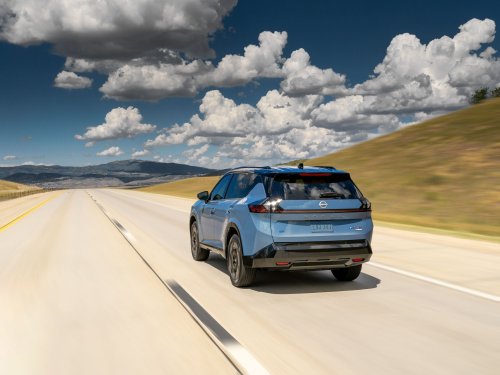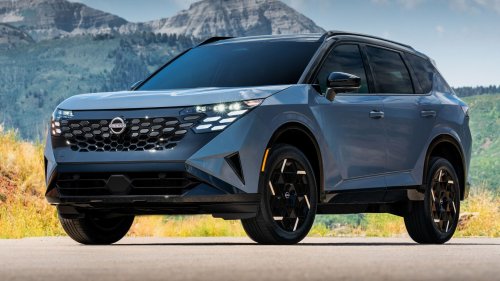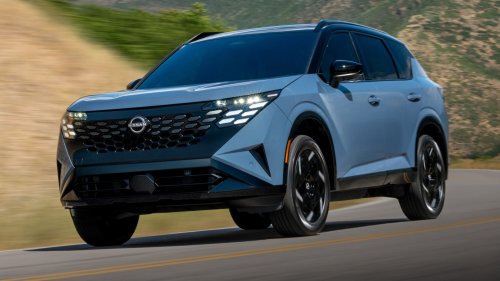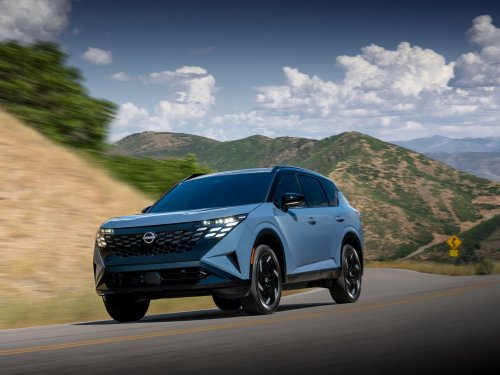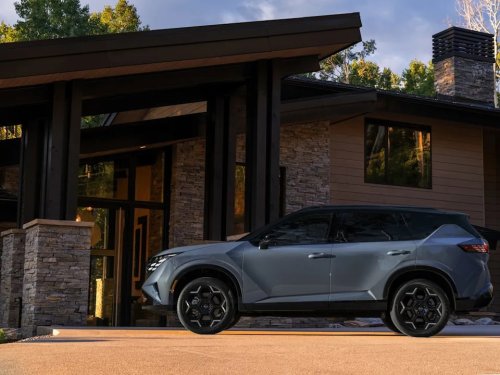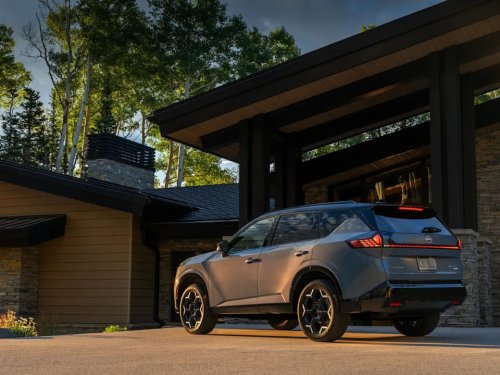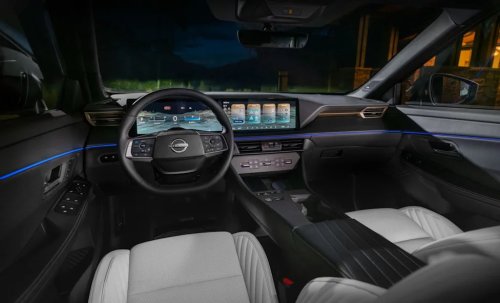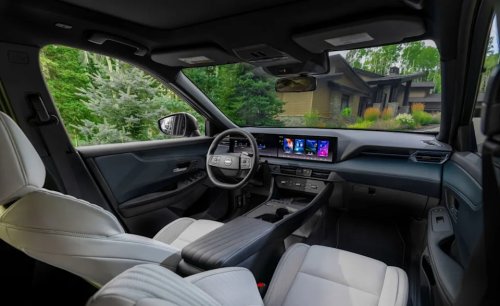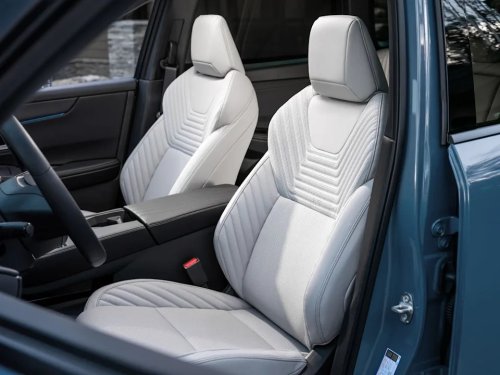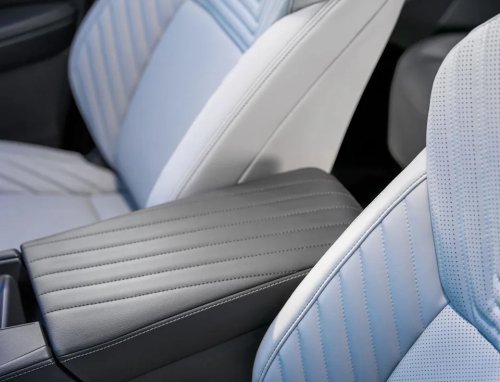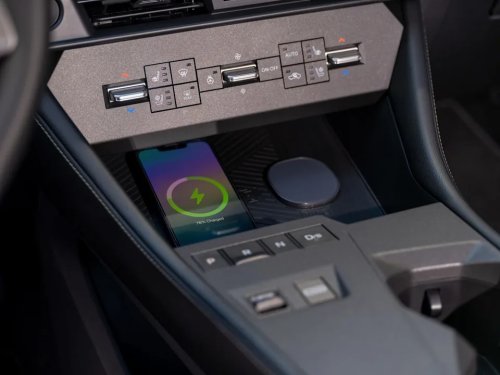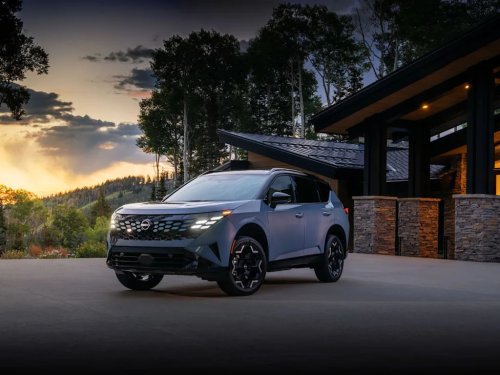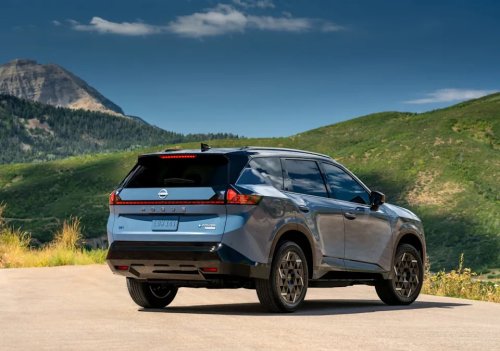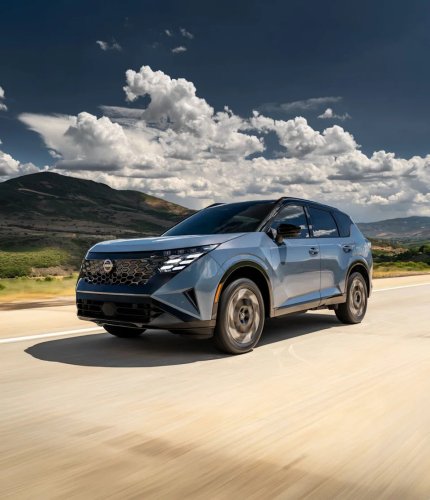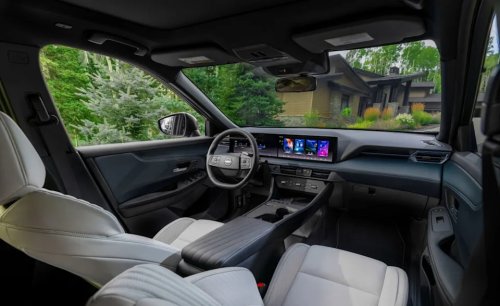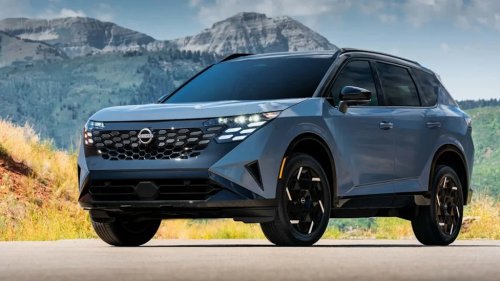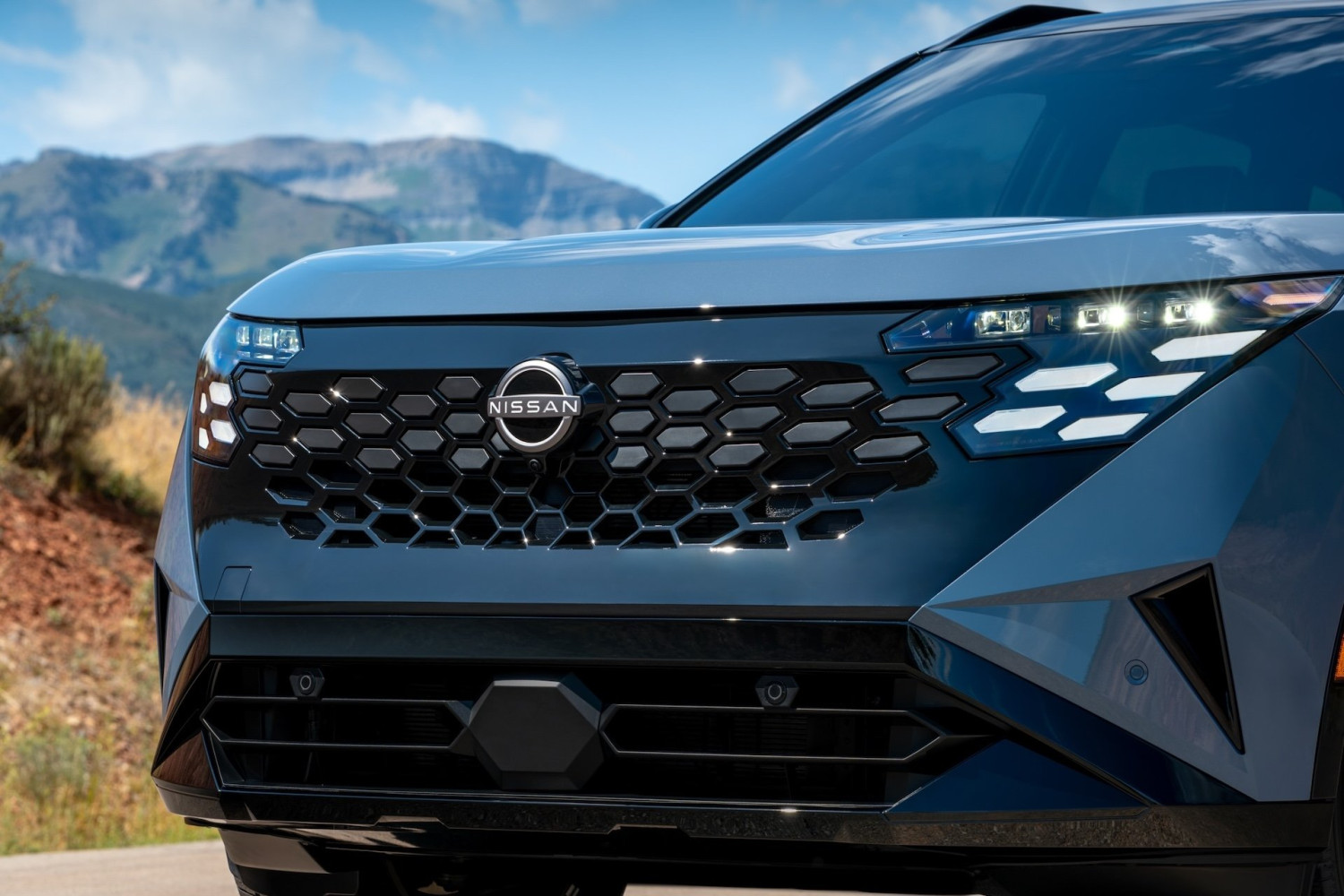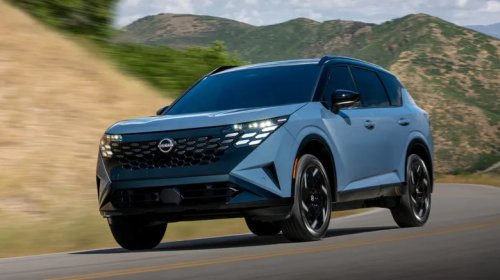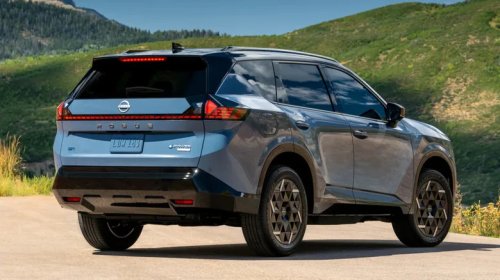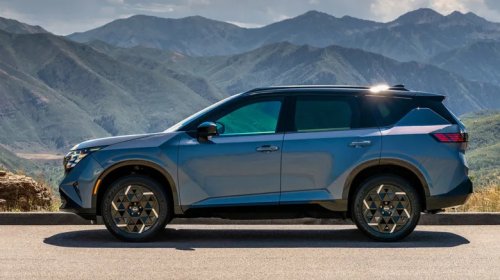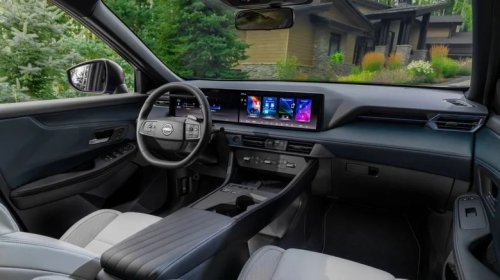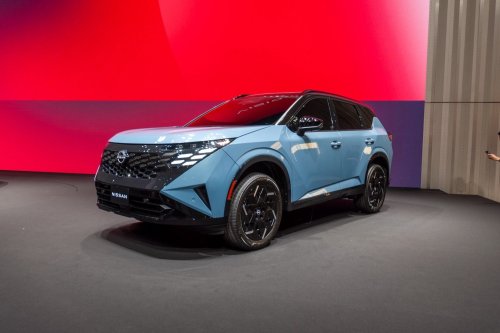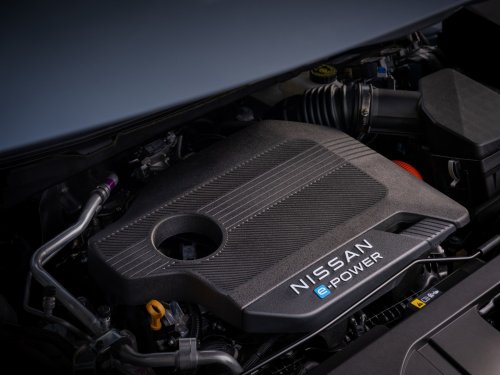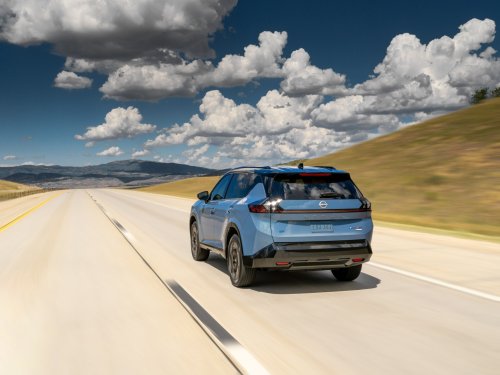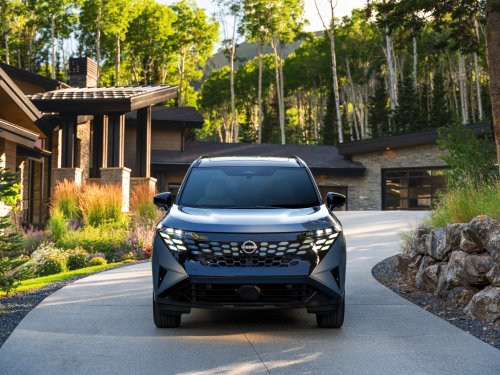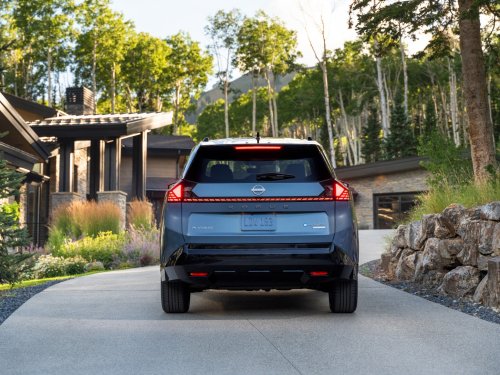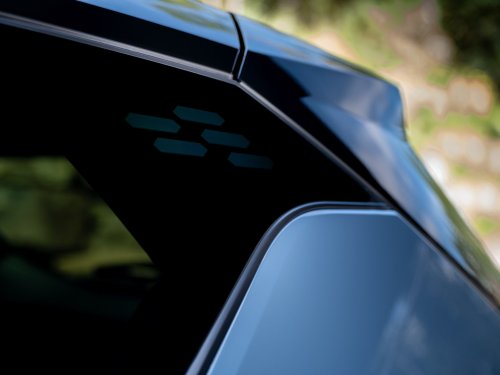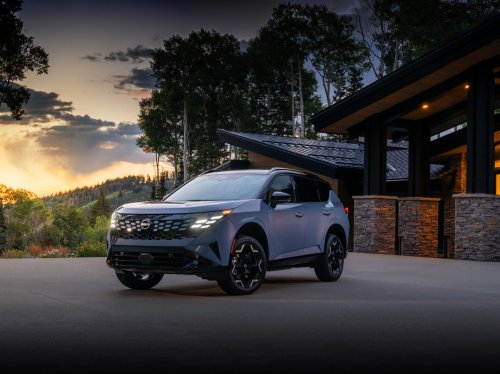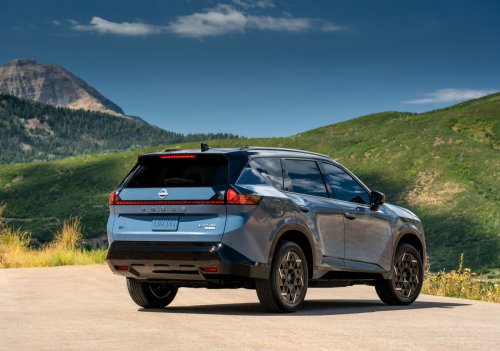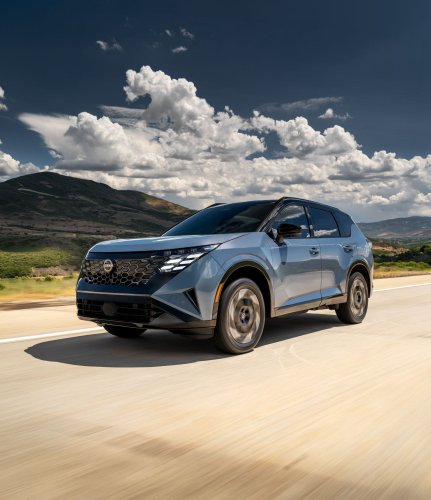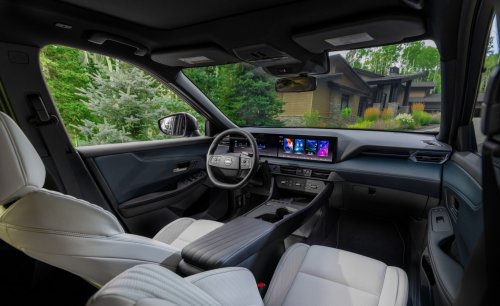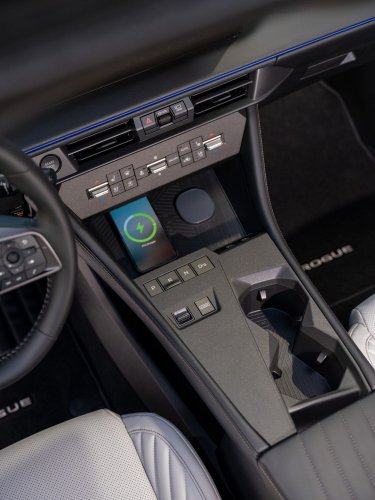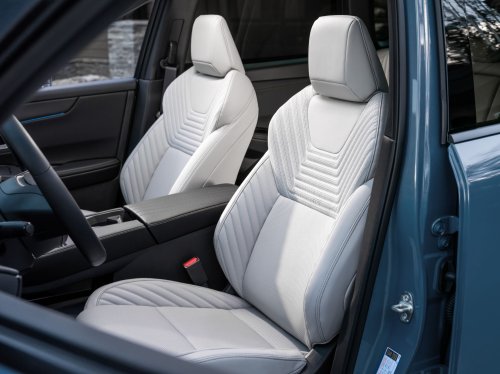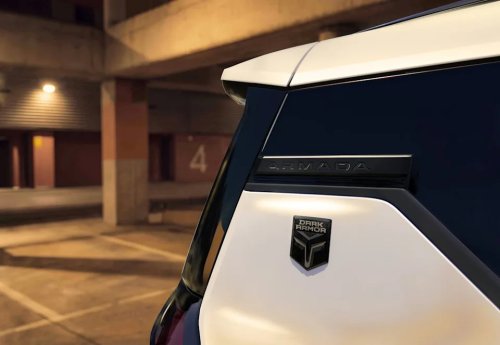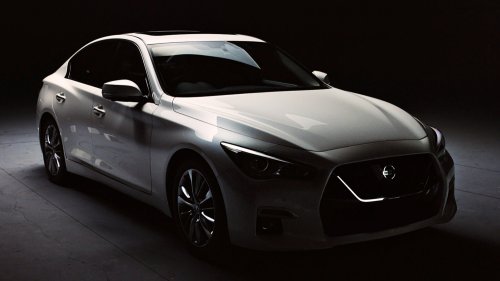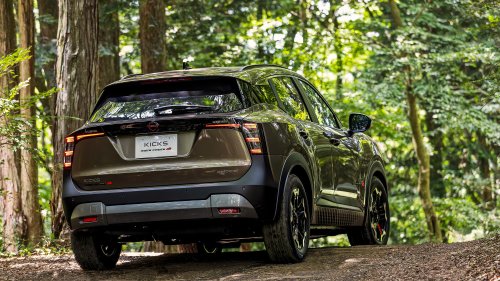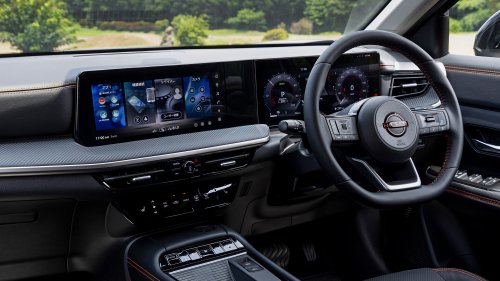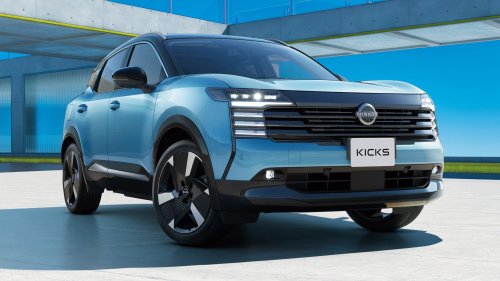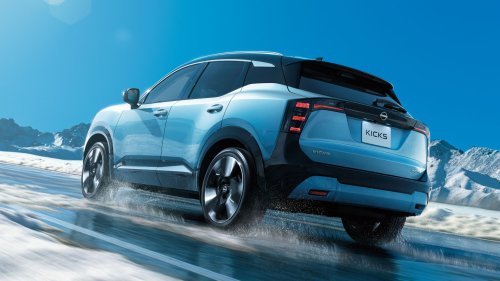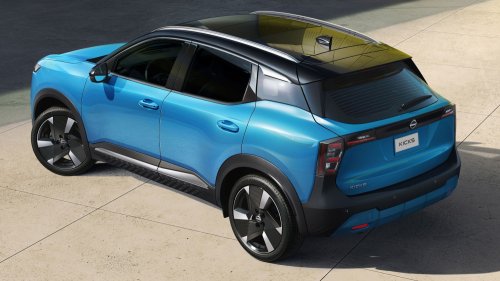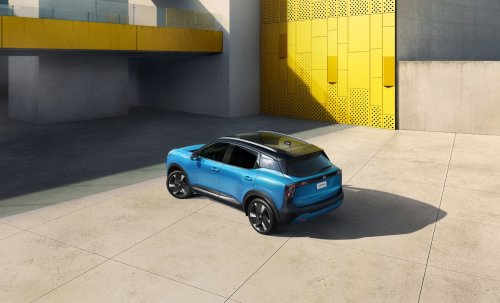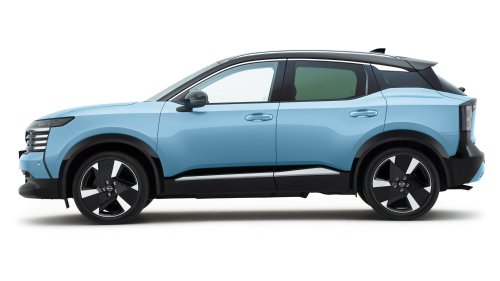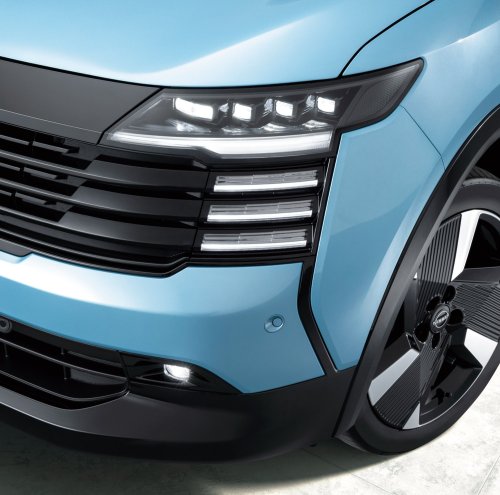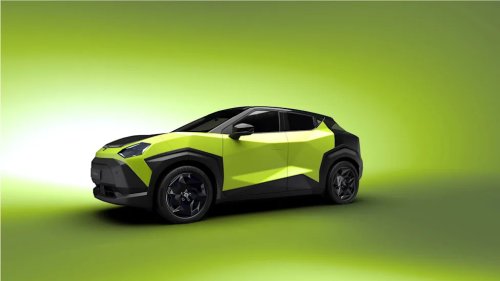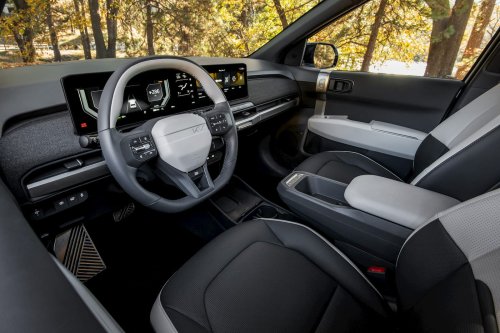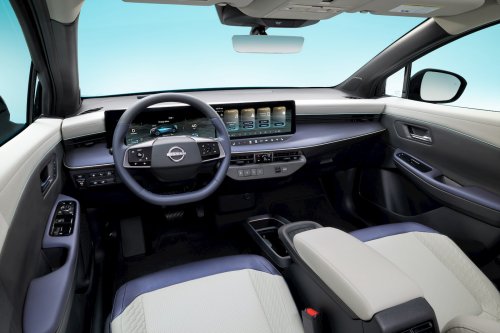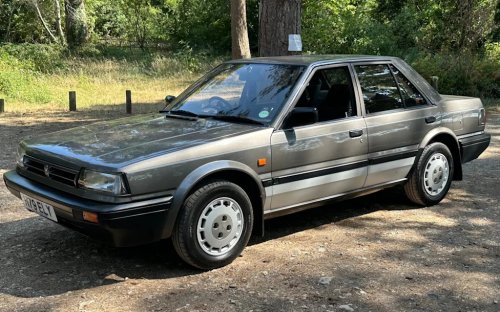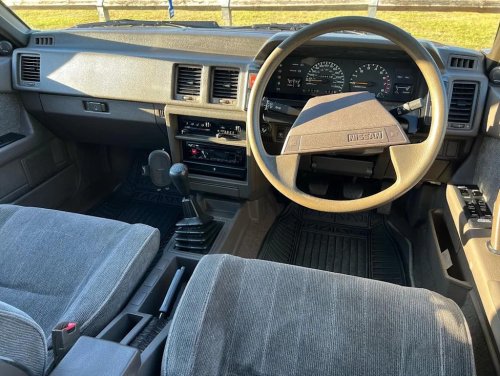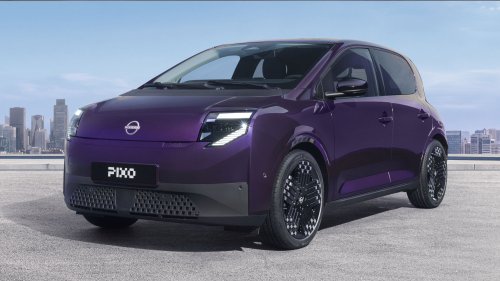
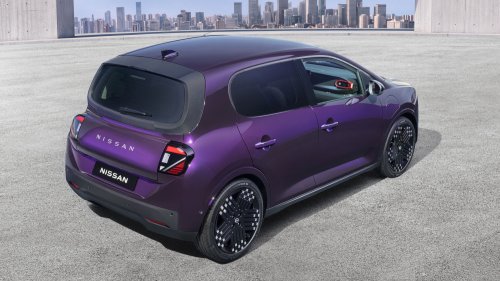
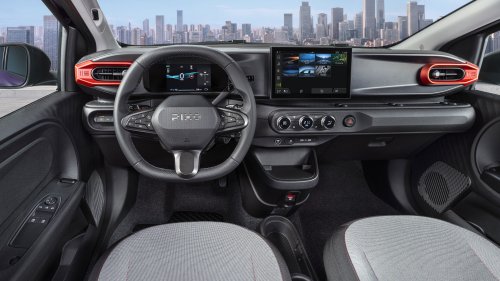
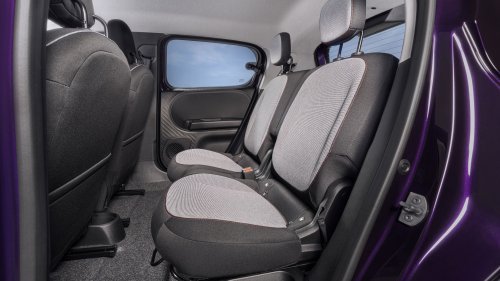




















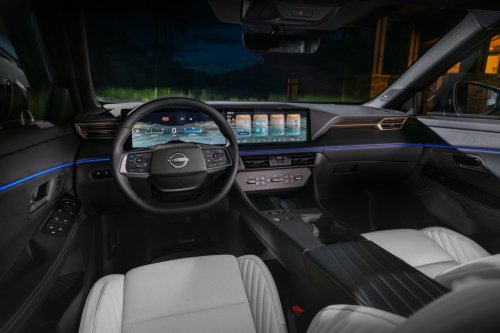

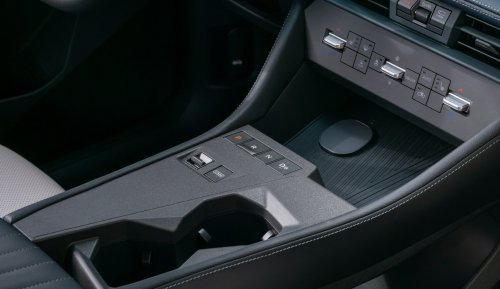


23This is the all-new Nissan Pixo, a city car set to join an increasingly crowded field of efficient, funky and affordable electric cars in early 2027. At a touch under 3.8 metres long, it will rival models such as the new Honda Super-N, Renault Twingo, Dacia Spring and Volkswagen’s forthcoming ID.up!, as well as a growing number of Chinese cars that generally cost a similar amount, yet have larger footprints, such as the BYD Dolphin Surf. As with all cars in this segment, pricing will be key. While Nissan won’t reveal any official details on cost until December, the Pixo will need to start somewhere in the region of £18,000 to £20,000 to be competitive. As it’s built in Europe, though, it does have a good chance of qualifying for at least the first band of the UK Government’s Electric Car Grant, which could take £1,500 off the asking price. If you’re thinking that the Pixo looks similar to another small electric car, you’re not mistaken. As with the latest Micra, Nissan has looked to its French partner Renault to help deliver a new European-focused electric model, this time leaning heavily on the Twingo. The Japanese brand has a history of working with partners in the A-segment, as the first-generation Pixo shared its underpinnings and body with the Suzuki Alto. 23Without the resources to go it alone, Nissan has made a clever choice by basing its newcomer on one of the best cars in the class. The key is ensuring there is enough distinction between the Pixo and the Twingo. In an effort to achieve this, designers have applied Nissan’s own, more futuristic style to the Renault’s core structure. The first and most obvious change is the front-end styling, which introduces a less overtly retro look with flush-fitting LED headlights and sharper lines that draw up the body. Much like the new Dacia Spring – also related to the Twingo – the Pixo has more of a defined bonnet and less of a ‘one box’ silhouette, and with it a different stance that helps endow it with its own feel. To keep a cap on price, the Pixo’s doors, windows and rear quarter panels are all shared with the Twingo, but almost by accident the rear end has more than a passing resemblance to that of the third-generation Nissan Micra which was sold between 2002 and 2010. This could help attract buyers who owned a Micra of that generation, or still do. There’s a reprofiled bumper and blockier rear lights, complemented by a new rear windscreen surround that features a few easter eggs such as Japanese ‘Ni-San’ script debossed into the plastic. Nissan reinforces all these design changes with a range of new colour options, including vibrant purple and light blue finishes, plus new wheel designs in both 16-inch and 18-inch sizes. 23Inside, the Pixo shares its basic dashboard structure with the Renault, but the upper panel is unique, and once again feels more contemporary than the lozenge-shaped one found in the Twingo. The dashboard itself is quite high, but offers plenty of storage options for various odds and ends, including a small central shelf to rest your phone, plus a narrow shelf above. There’s no covered storage between the seats, but a tray with an in-built cup holder is fitted, and it has potential for clipped-in accessories to be added. The interior colours and trim are more demure than in its French cousins, but Nissan’s use of orange highlights on the dash and contrasting stitching on the seats does help to liven things up. And while the cabin might not be the last word in premium materials or finishes, it makes very good use of its interior volume. There are only two seats in the second row, but they’re both on rails so can be slid forward and back individually to increase rear legroom or bootspace, depending on your priority. Nissan quotes boot capacity of up to 356 litres with the rear seats in place, or 1,221 litres with them down. Some of that comes via an under-floor section that’ll comfortably fit charging cables, but it lacks the Spring’s handy split boot floor. Nissan has also yet to confirm whether there’s any usable space under the bonnet, although if there is, it’s sure to be rather small. The car’s technology package is also promising, with standard fitment of a 10-inch central touchscreen that includes embedded Google navigation, and for the first time in a Nissan, integration of the Gemini AI assistant. This will allow owners to easily log into their Google account, granting access to all of their saved locations, events, calendars and messages. 23The connection to the cloud also gives access to remote services via a Nissan phone app, which will allow you to pre-warm or cool the cabin before entering, as well as start or stop charging if plugged into the right source. Not everything is controlled via the touchscreen, though, as there are three physical dials underneath that operate the air-conditioning system. There are also buttons on the steering wheel that control a second seven-inch screen that sits in front of the driver. This is relatively configurable, with the ability to view your navigation or media. The Pixo is powered by a small 78bhp front-mounted electric motor with 175Nm of torque. From our experience driving the Twingo, the Nissan’s 12.1-second 0-62mph time might undersell the performance somewhat – the output should ensure it is perfectly capable at low speeds and more than enough to comfortably cruise on a British motorway. Power is drawn from a 27.5kWh lithium iron phosphate (LFP) battery pack that can be charged at up to 50kW. This can be topped up from 10-80 per cent in around 28 minutes, and Nissan says it’s expecting to match the Twingo’s 161-mile WLTP range. There’s also up to 11kW AC charging, and the option of vehicle to load (V2L) bi-directional charging. These figures are about as good as the traditional A-segment gets at this price point, but larger Chinese rivals can offer more outright range from their bigger battery packs. The question that remains is why a buyer might want to choose the Pixo over a Twingo (or indeed even the new Spring). This is the biggest obstacle Nissan is likely to face, in trying to convince customers to buy a Japanese version of an already very charismatic and desirable car. It might come down to cost, or maybe even what colours are available. However buyers come to their decision, that close relationship with the Twingo should mean they’ll be getting an accomplished small car. Want the latest car news in your inbox? Sign up to the free Auto Express email newsletter...