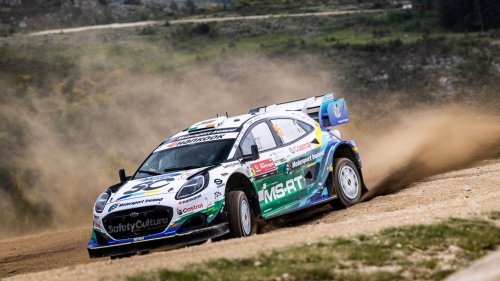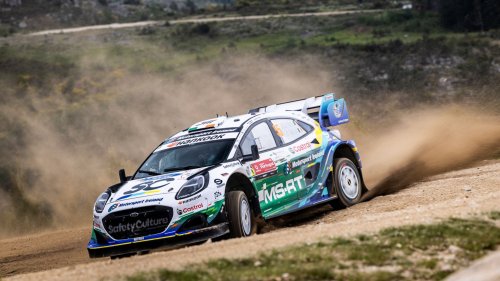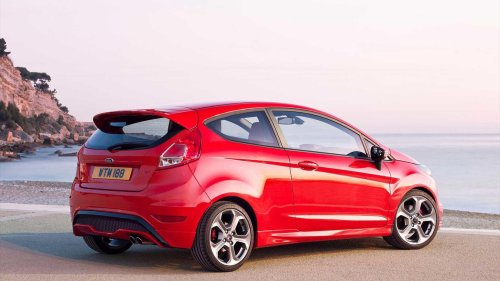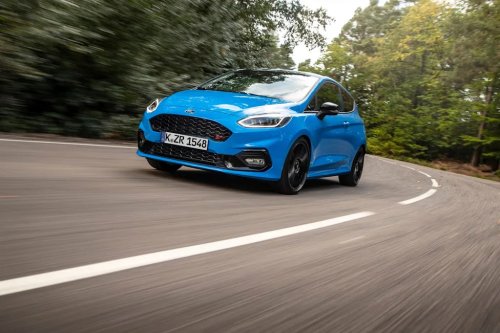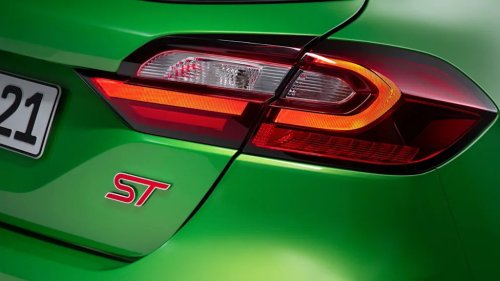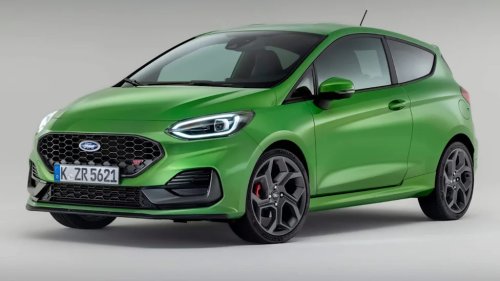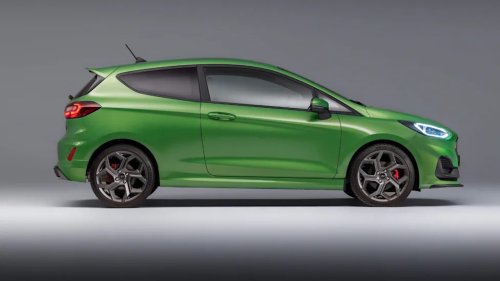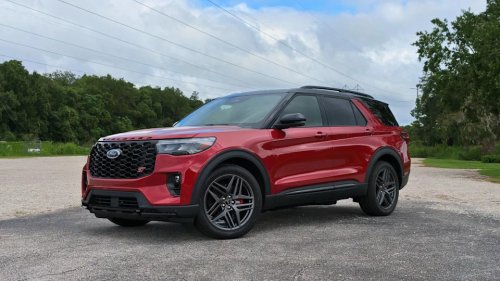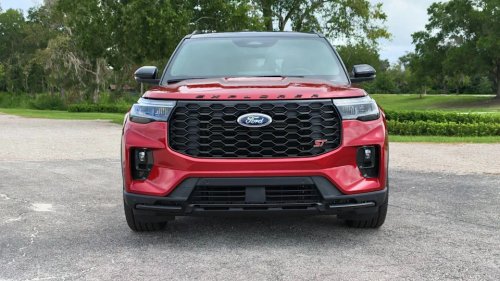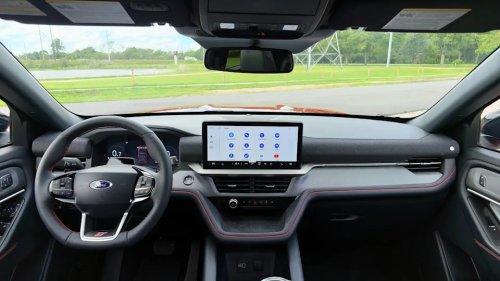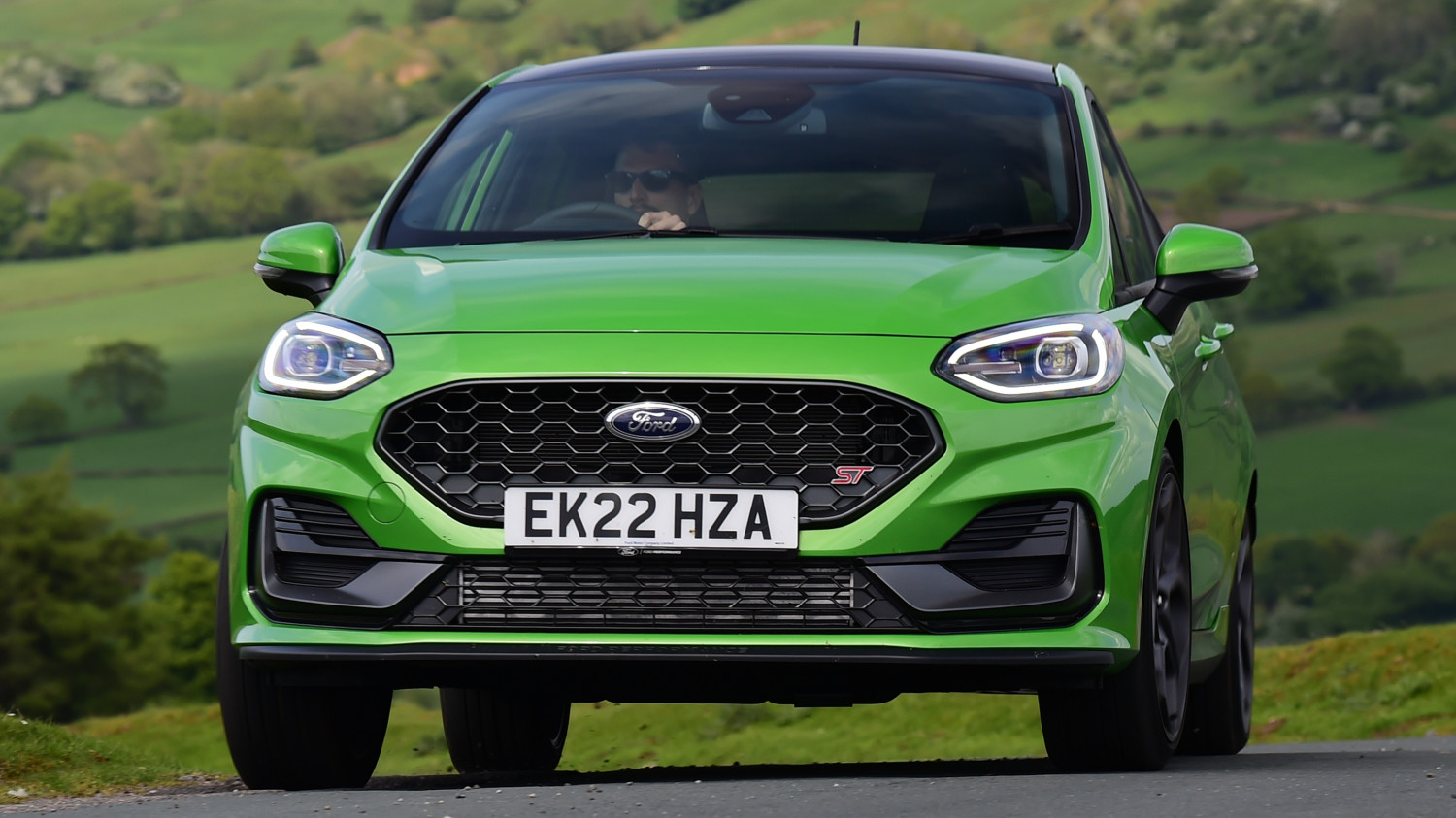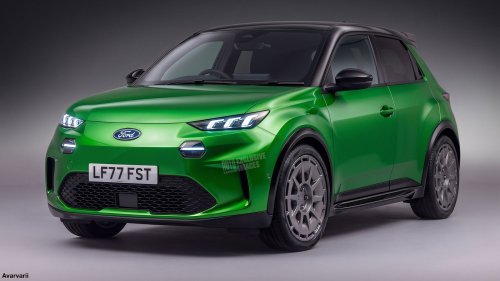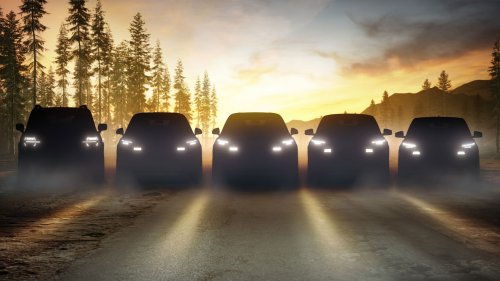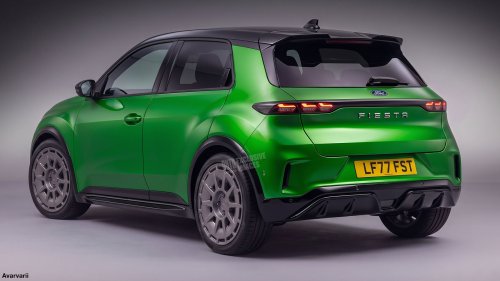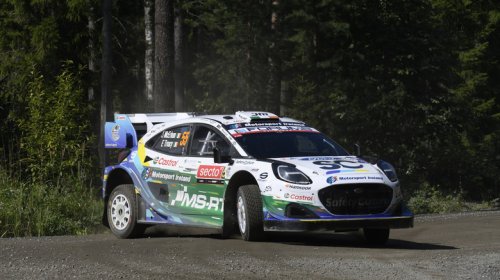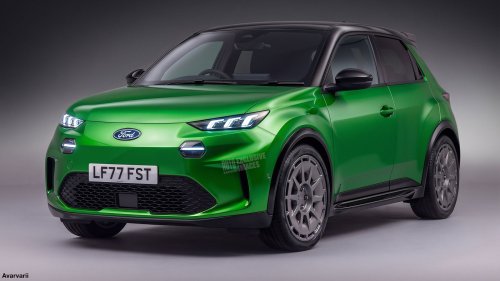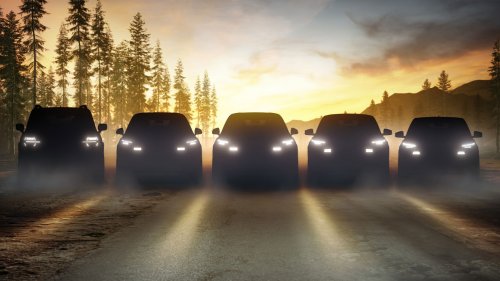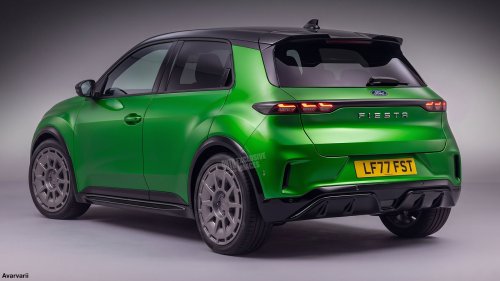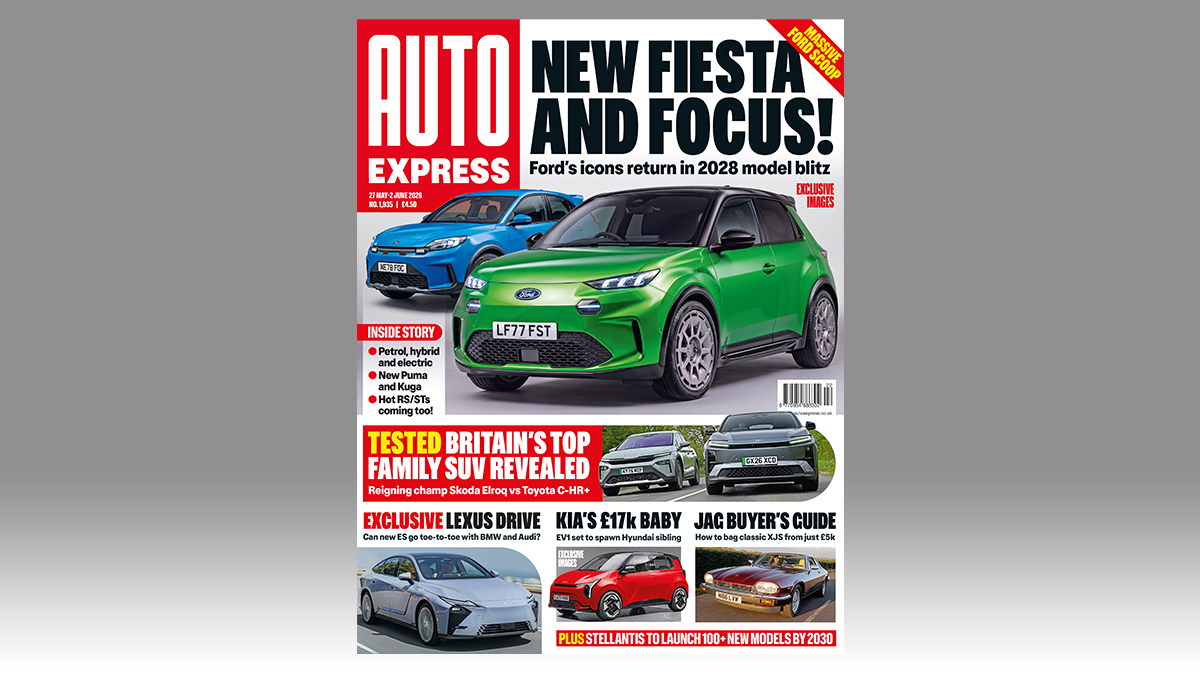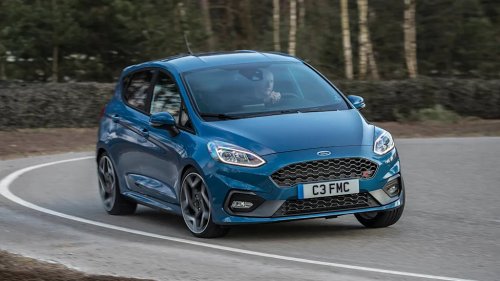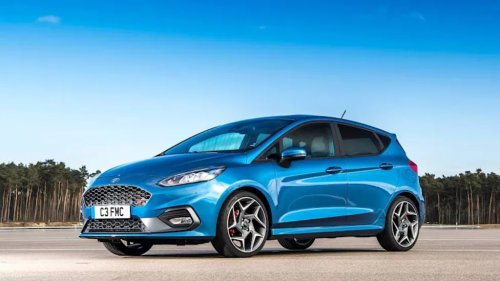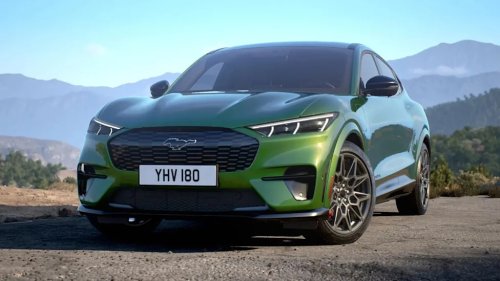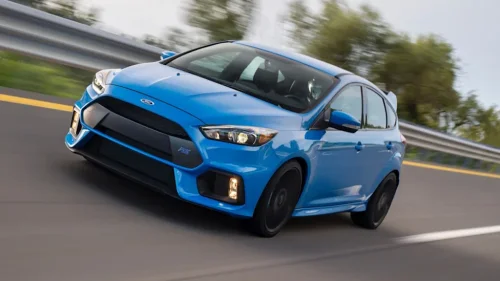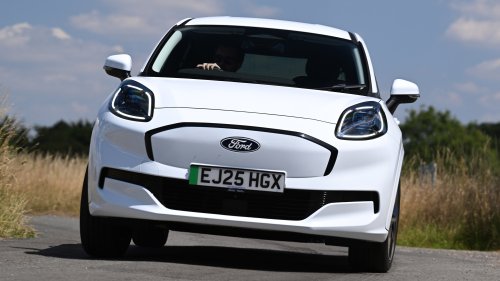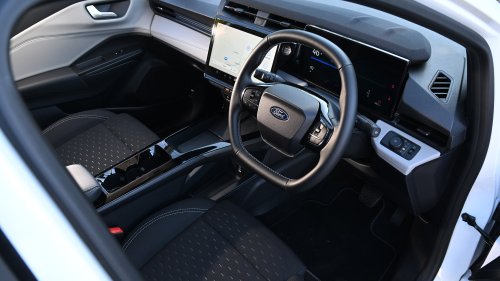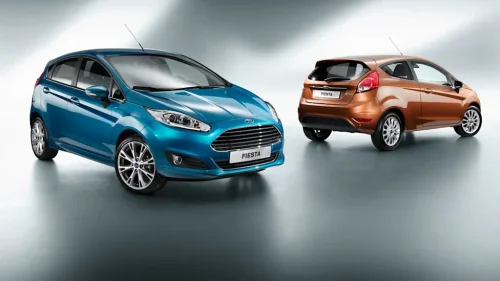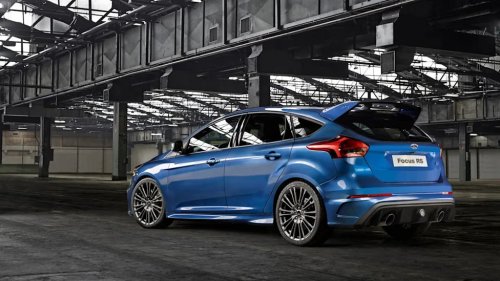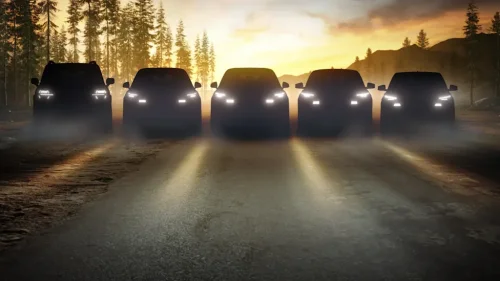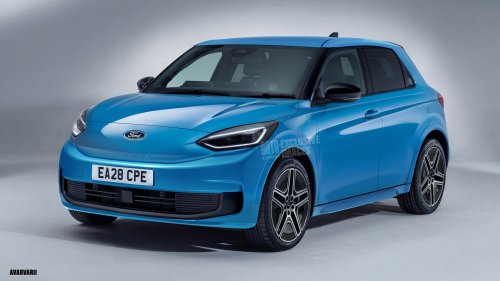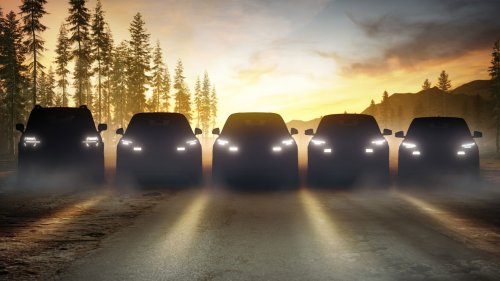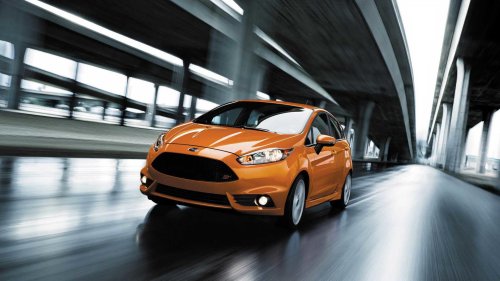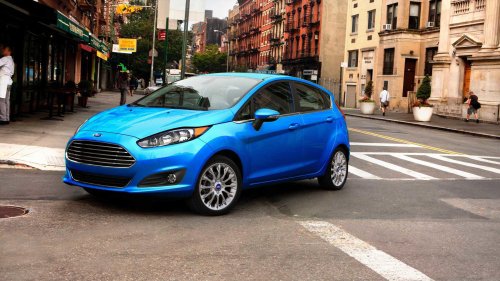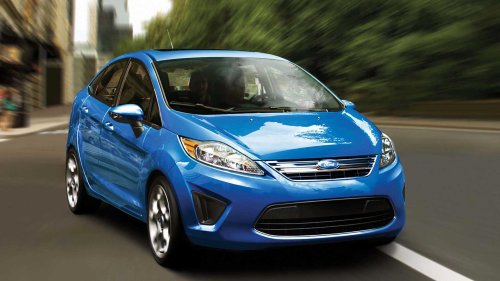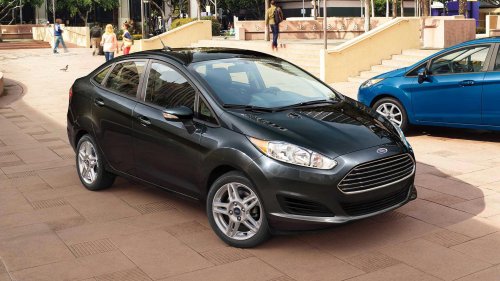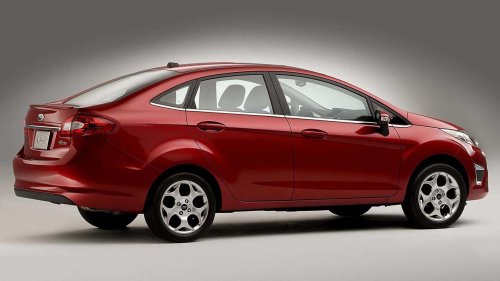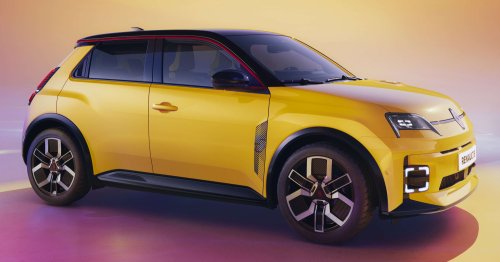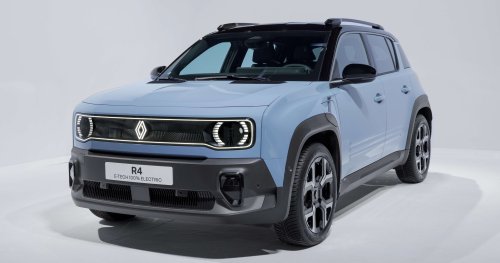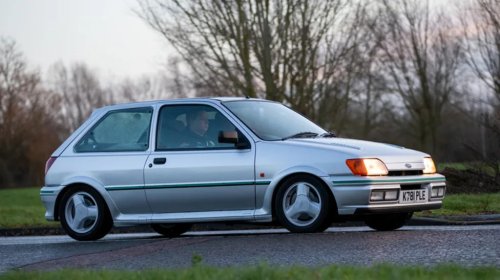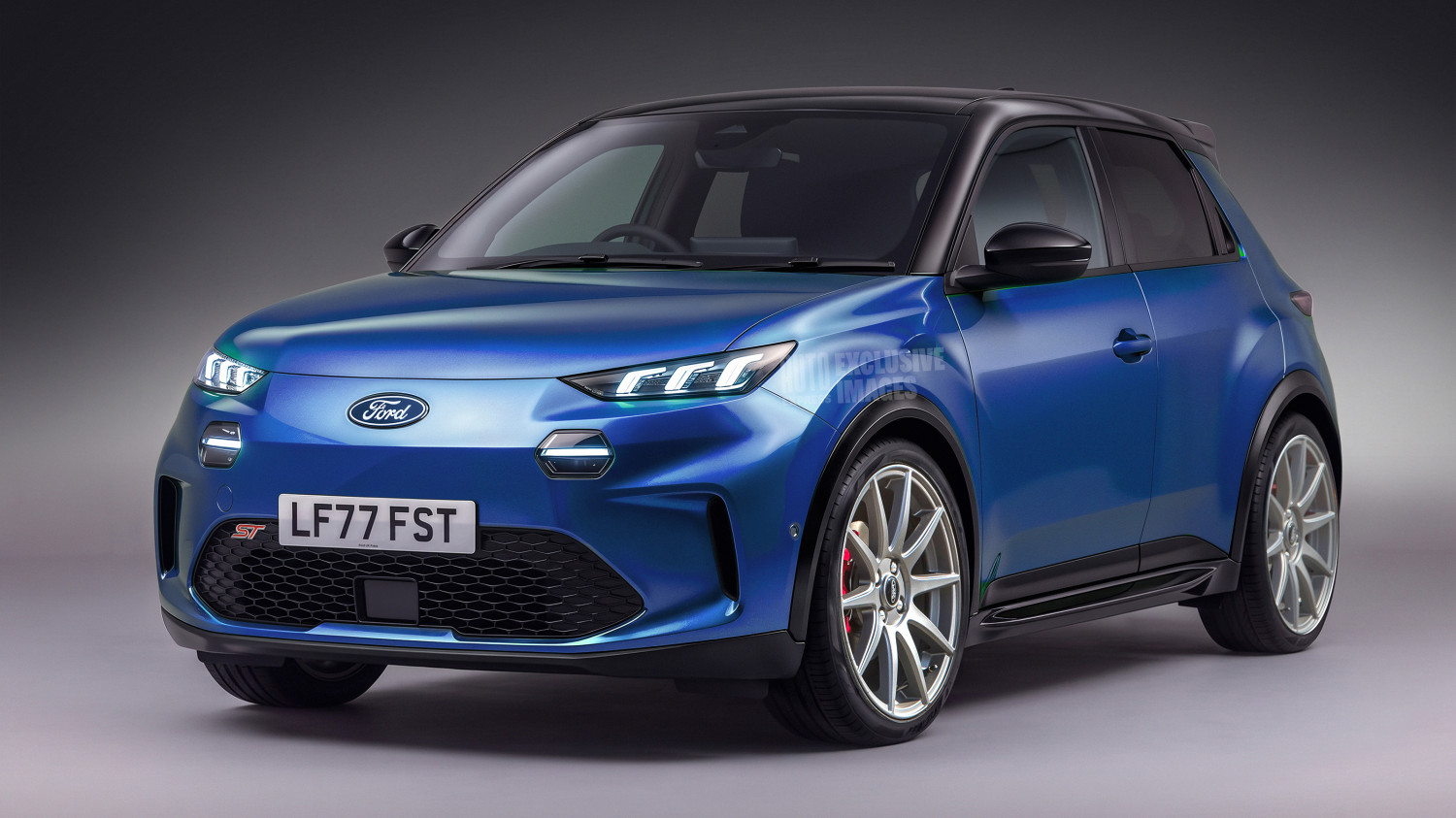
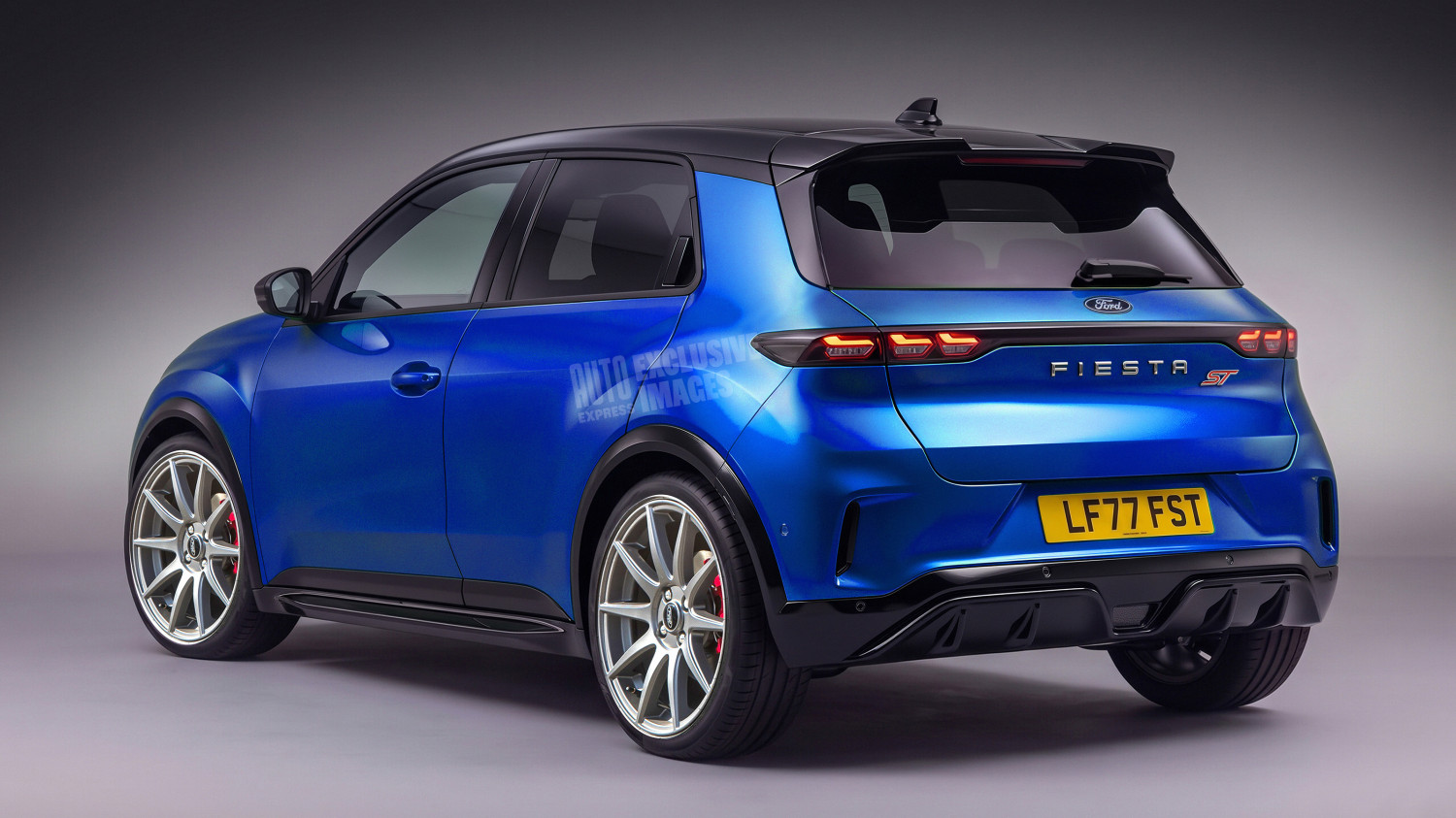



















Ford is cooking up a new generation of models designed specifically for the European palette, and the most exciting of all are destined to have an ST badge affixed to them. As part of Ford of Europe’s renaissance, in which five new models will be launched between now and 2029, Ford knows its success lies in its ability to connect with buyers, and crucial to that is a return to high-performance models that stir the soul. The most exciting of these is a reborn Fiesta in 2028, based on the Renault 5. While this might sound like an opportunistic chance for Ford to come to market with a new model quickly, it also unlocks a big opportunity for the brand, because it could also underpin a rebirth of the ST. Speaking with Ford’s European general head of product Christian Weingartner, he told Auto Express: “We have not made any decisions on naming, but it's very clear that if you talk ‘race to to road’, that we want to have really capable vehicles. To be credible and authentic, there needs to be some kind of performance series of our vehicles; that's what we’ve got to have.” There’s plenty to work with when it comes to the forthcoming Fiesta ST in this regard, too, because the RG EV Small architecture is already available in a high performance variant in sporty Alpine A290 form, which has a wider track and lower stance than other models on that same platform. While there’s no indication about whether the new Fiesta ST will adopt its own more powerful electric motors, we can use the current A290 GTS variant as a reference. Currently, it tops out at 217bhp and 300Nm of torque, but with hot new electric rivals such as the Vauxhall Corsa GSE and Peugeot E-208 GTI now pushing out more like 276bhp, Ford will need a more potent set-up to compete. With both Ford and Alpine needing to up their game, we’d suggest a more potent e-motor isn’t off the cards. This performance advantage is also extended to the drivetrain; to support so much power the Stellantis pair also feature a limited-slip differential. However, the Alpine’s wider tracks and larger wheels already form an excellent basis for a new ST, to which Ford will apply its own chassis tuning magic. What’s unlikely, however, are any major styling changes for the ST. Instead we expect the standard Fiesta’s body to be lightly modified, with ST badges and new wheel designs. A further power boost could be found in the application of a second, rear-mounted motor, making an all-wheel-drive Fiesta RS a potential high-performance flagship. Renault’s multi-link rear suspension system could theoretically be arranged to integrate a second motor. Ford’s performance models shouldn't be limited to just the Fiesta either, as the three other models – in this case a new Puma-sized BEV and two hybrid models that will effectively replace the existing Kuga and Focus – all share a similar connection to Ford’s high performance heritage. So who knows. A new Puma ST might well also be on the cards, and looking further ahead might this even lead to a new era of Focus ST and RS models? This aligns with plans to integrate Ford’s rally-bred heritage into each of its models. However, this sense of driver engagement and focus on quality engineering will be tangible across more ordinary variants too, as Ford Europe CEO Jim Baumbick told us: “We develop products for targeted customers, so we can actually bring out the attributes that matter most to them. It doesn’t mean that your granny at 93 has to drive a rally car. When you talk to most customers they can’t explain it, but they say it just feels right. It drives well. And that’s the soul of what we’re trying to unlock and what’s special about our cars.” Specific timings and price points are still to come, but with Ford racing to get this new era of European models on sale as quickly as possible, we don’t expect it to be too long after the standard Fiesta’s 2028 launch that we’ll see some tastier models hit the showroom floor.