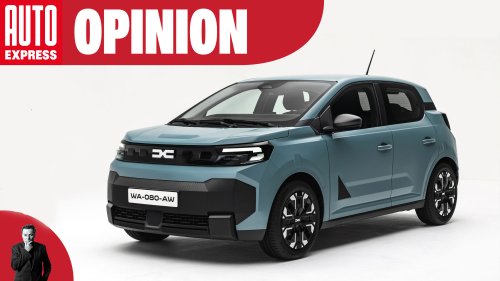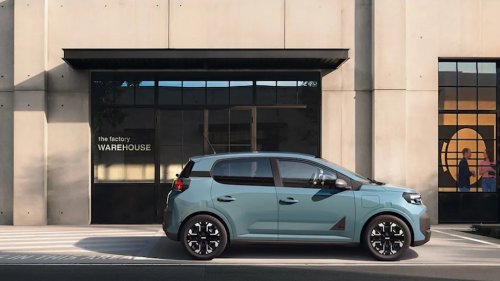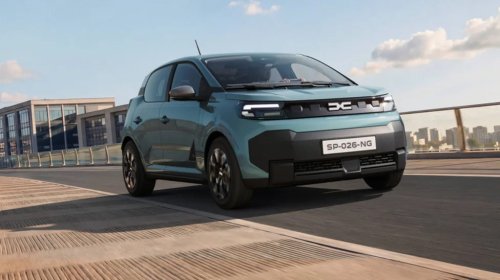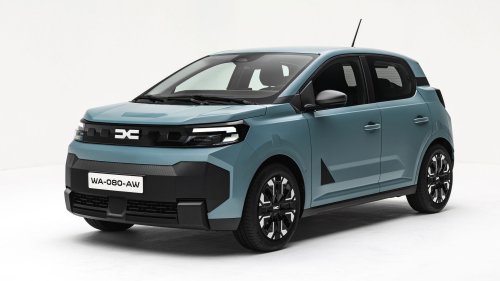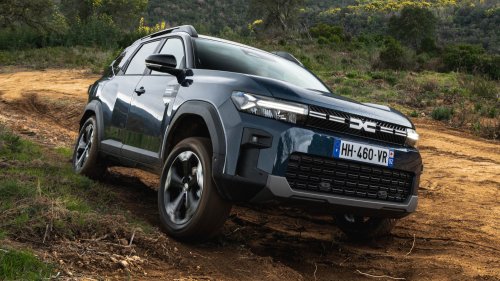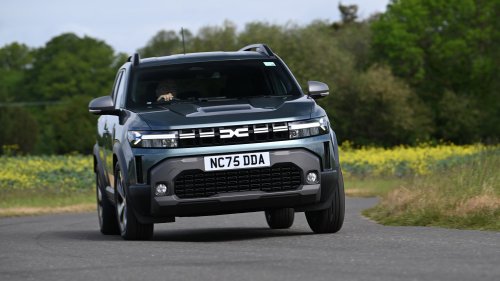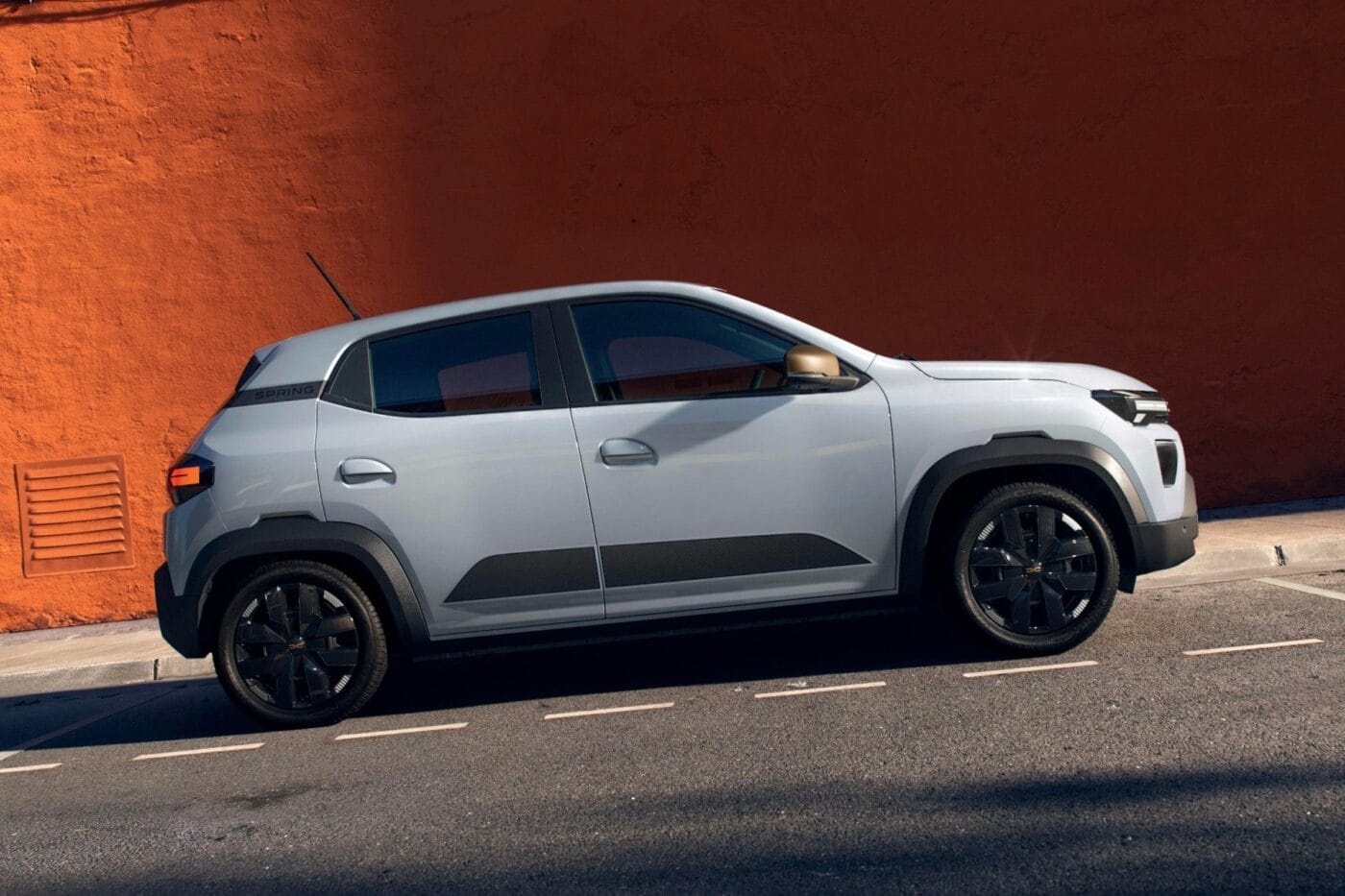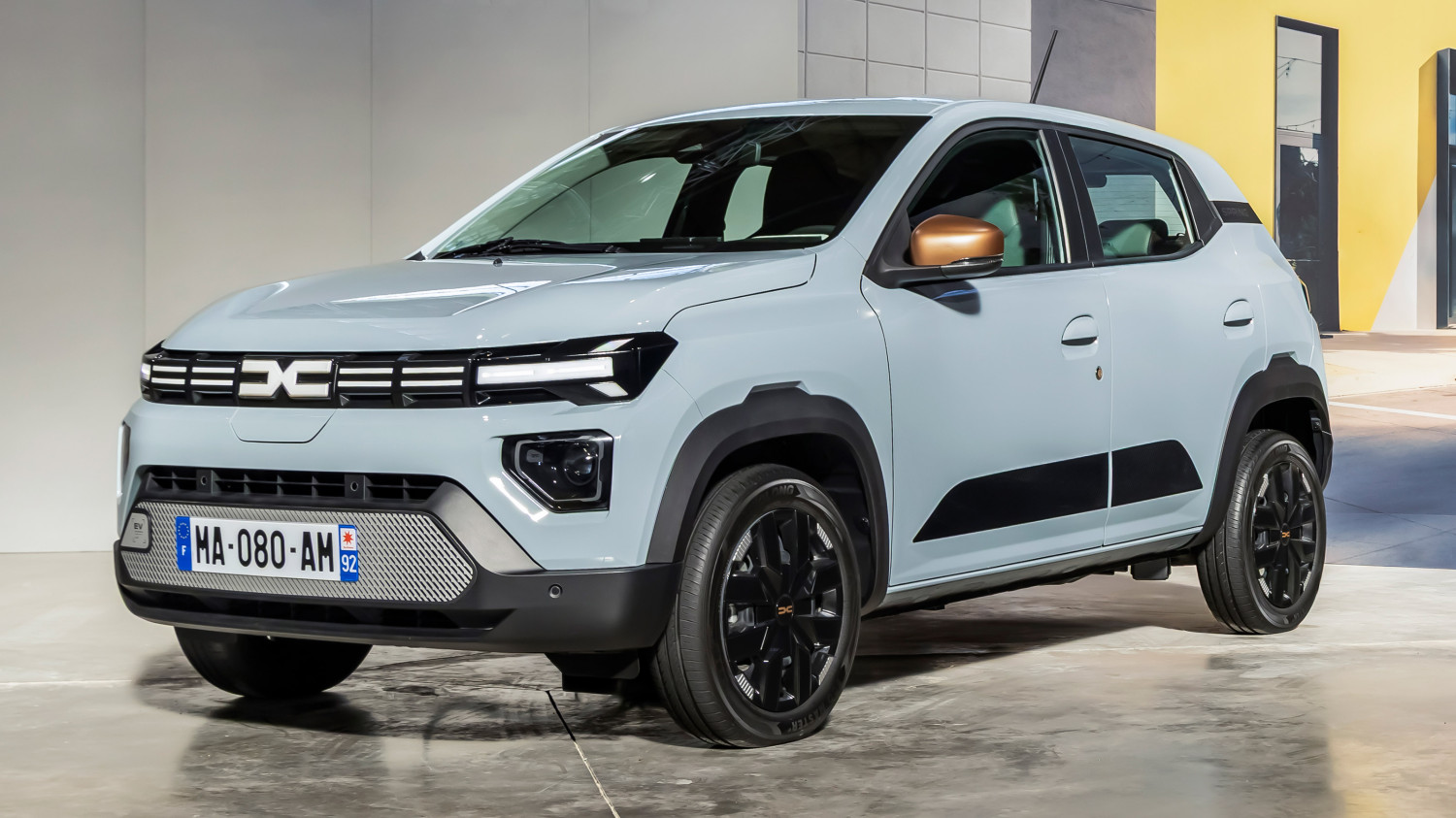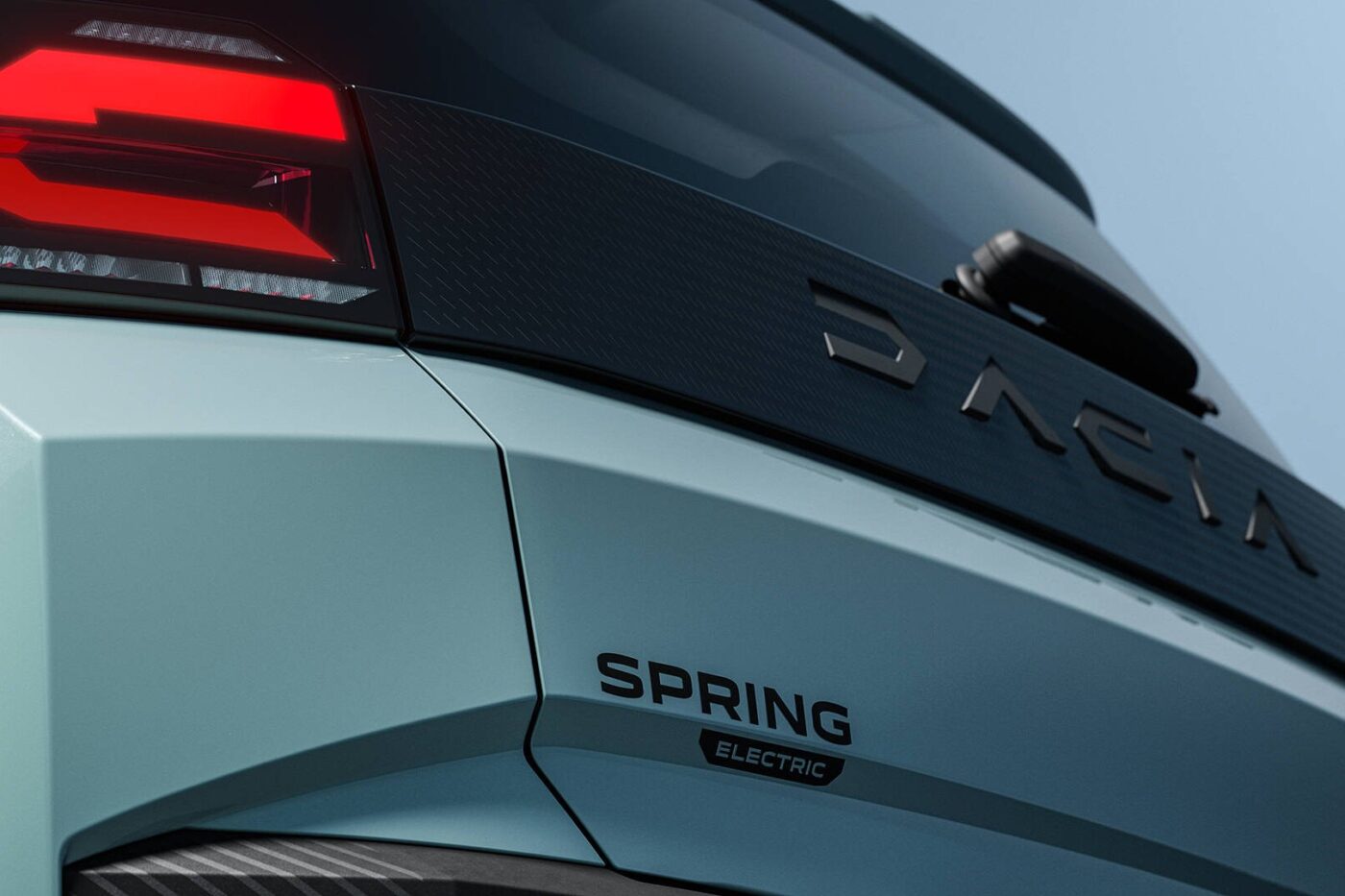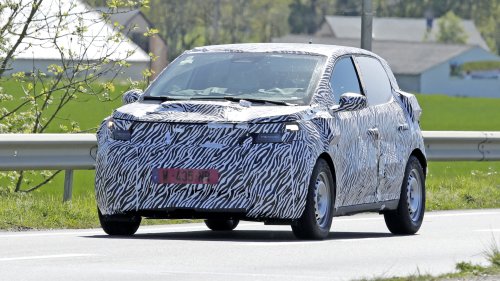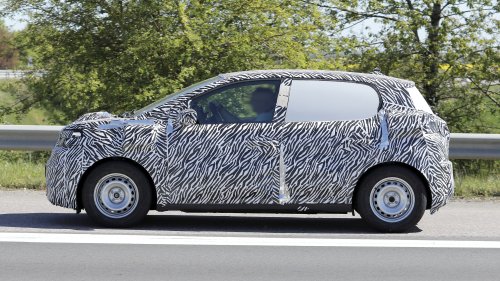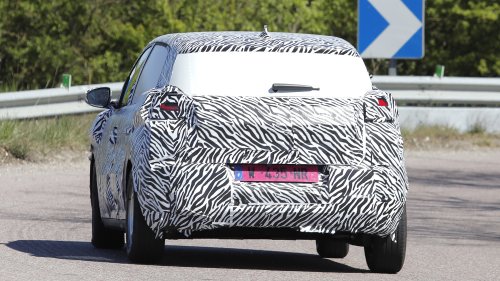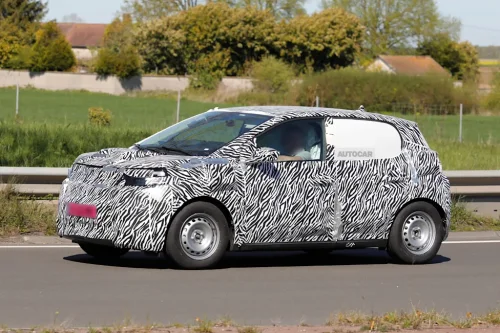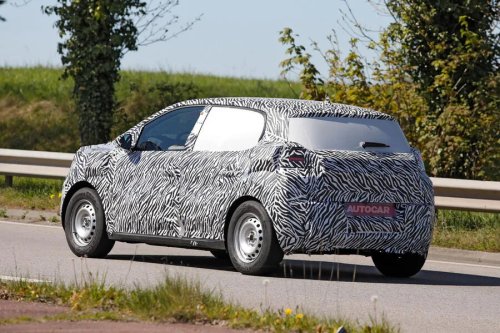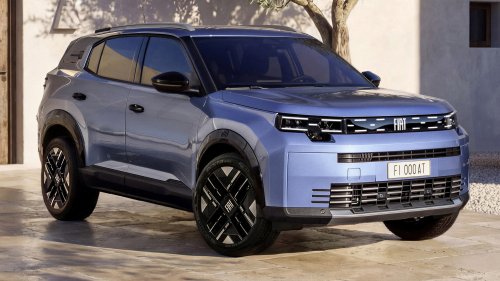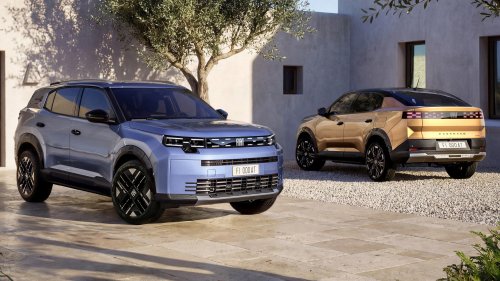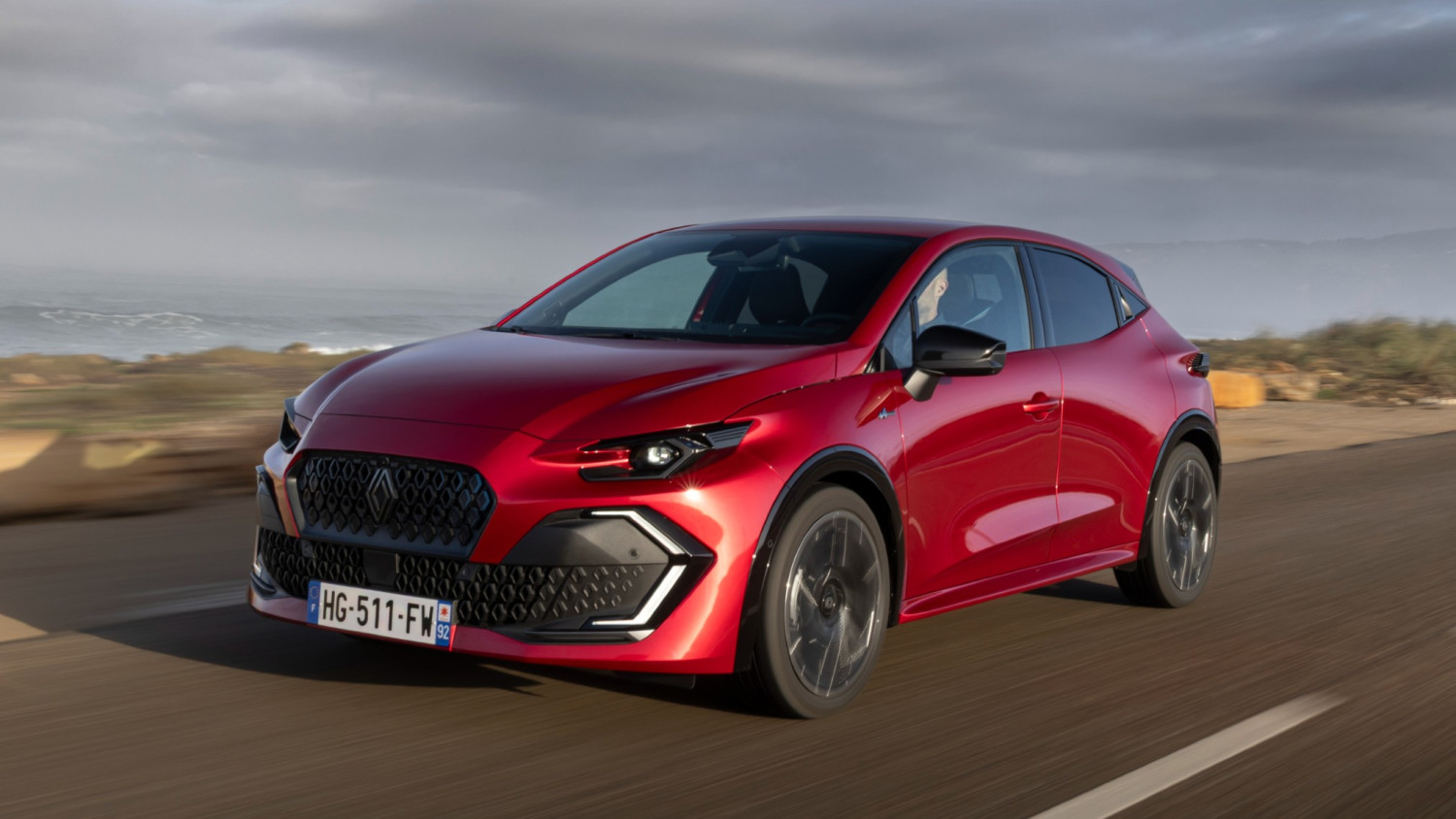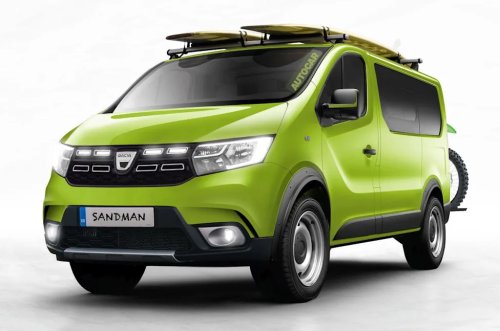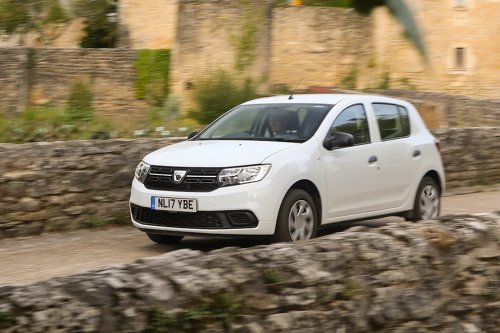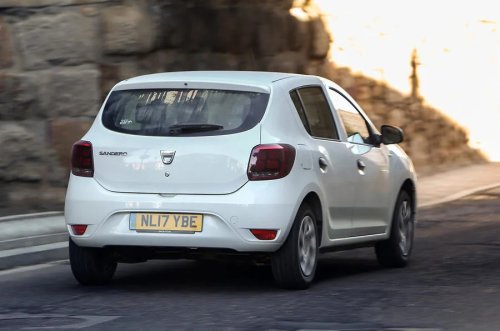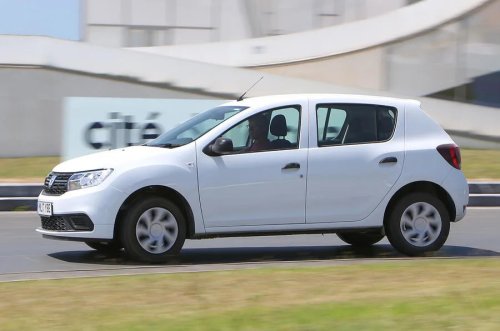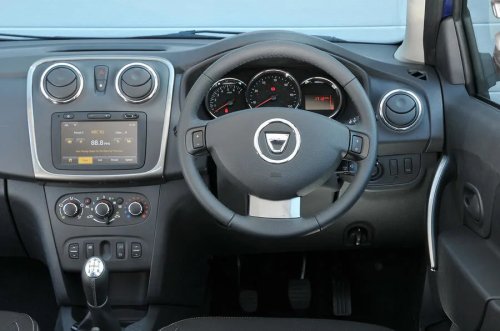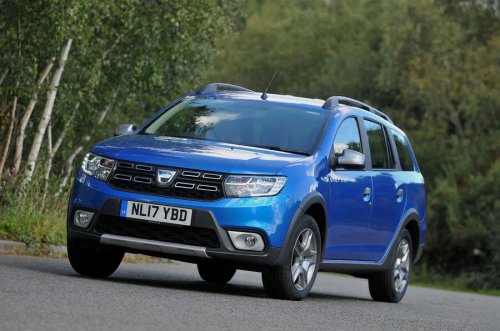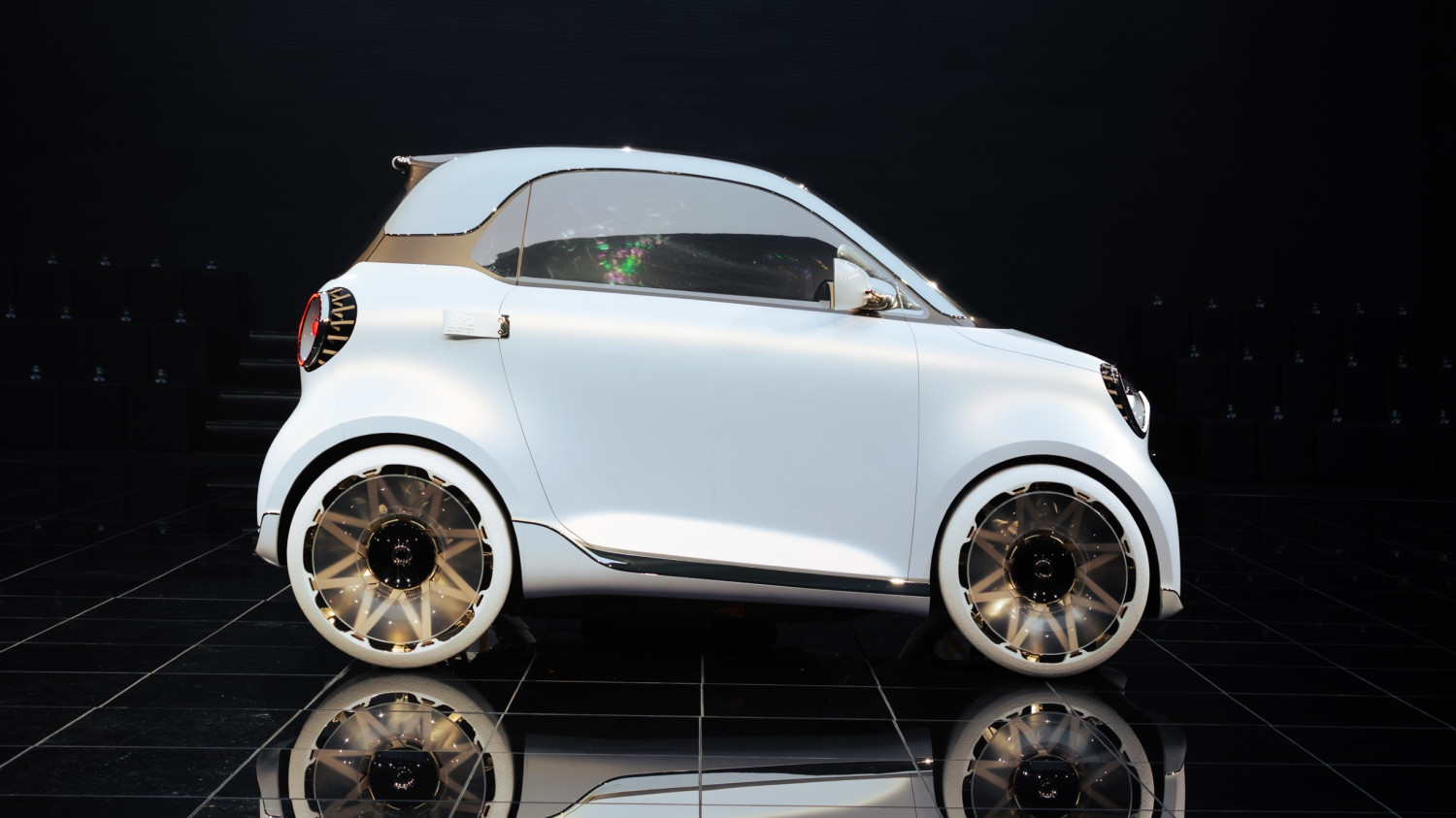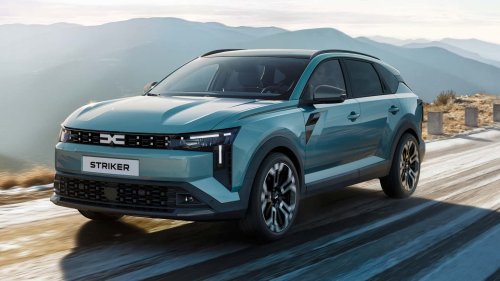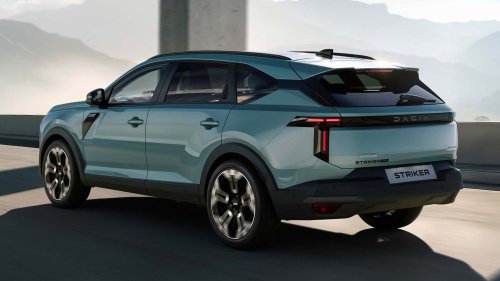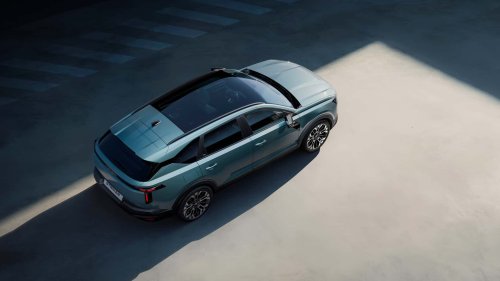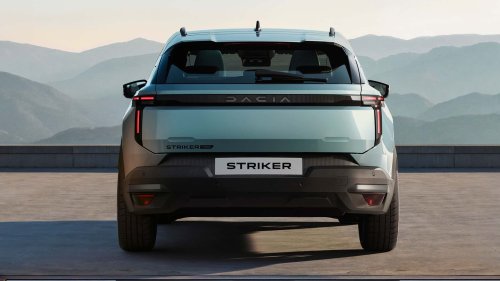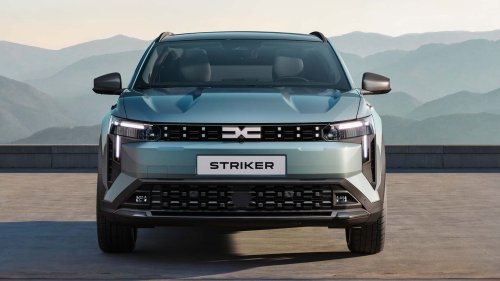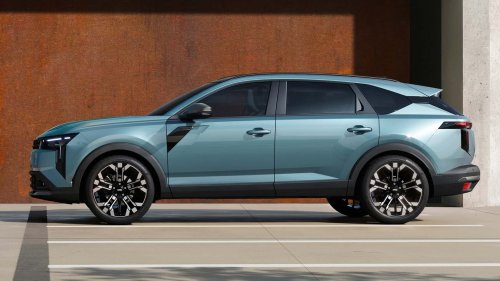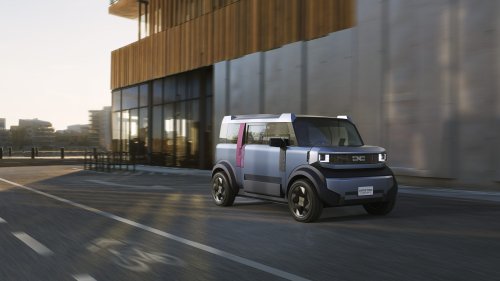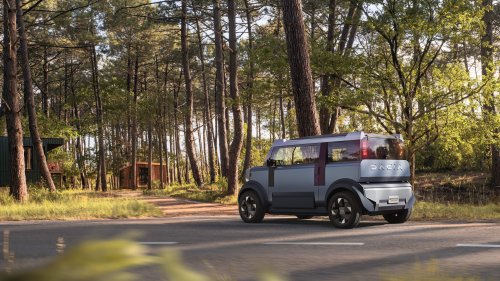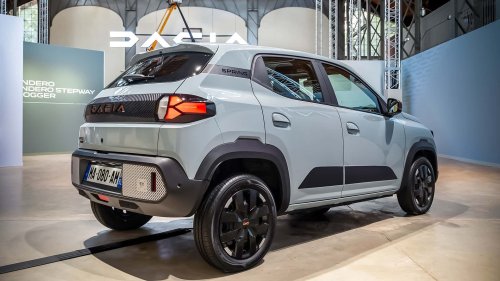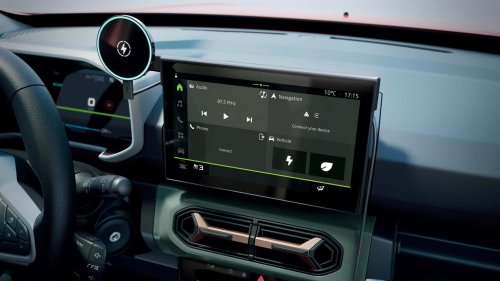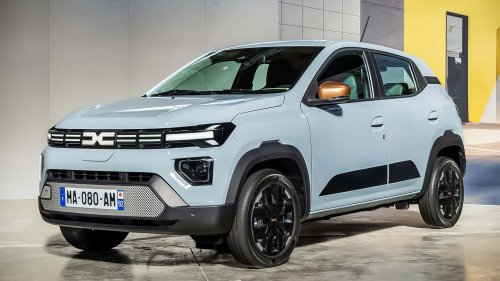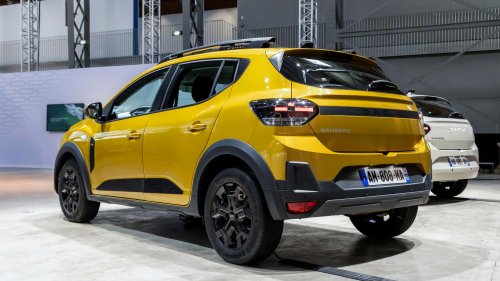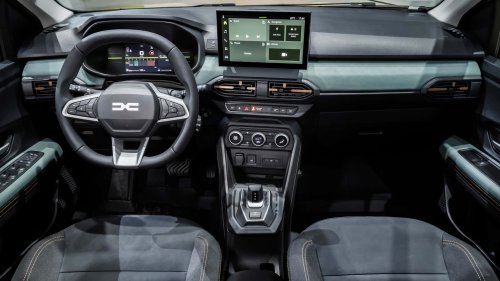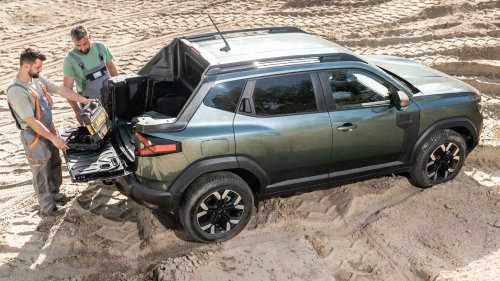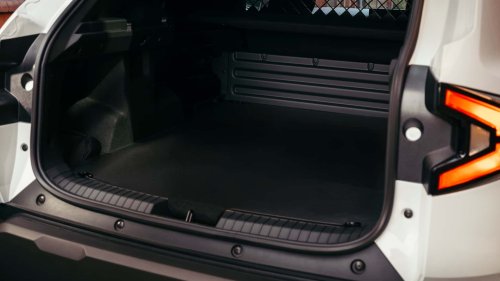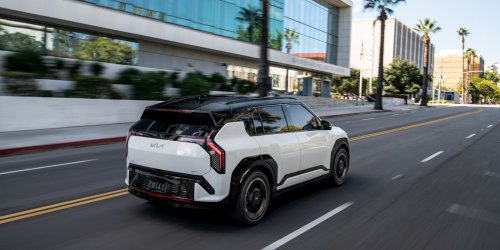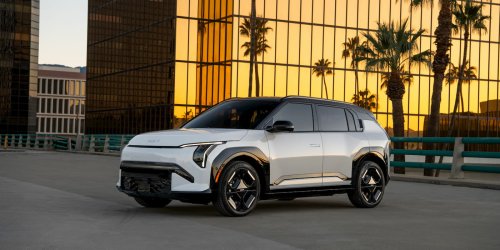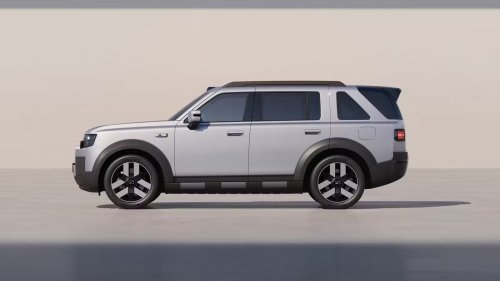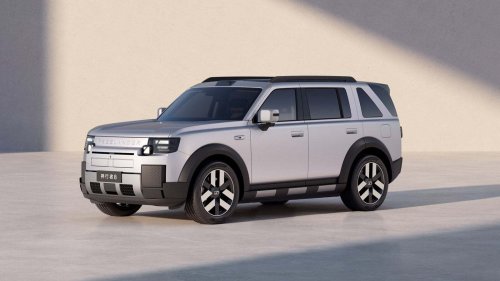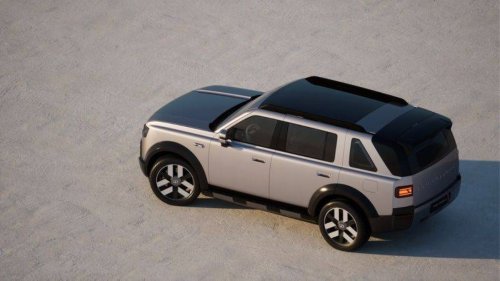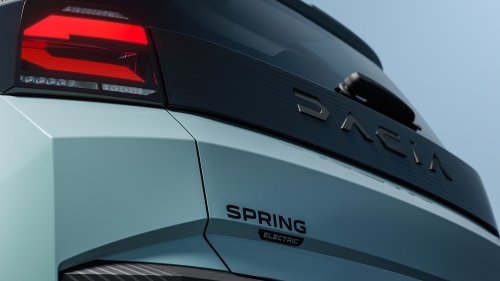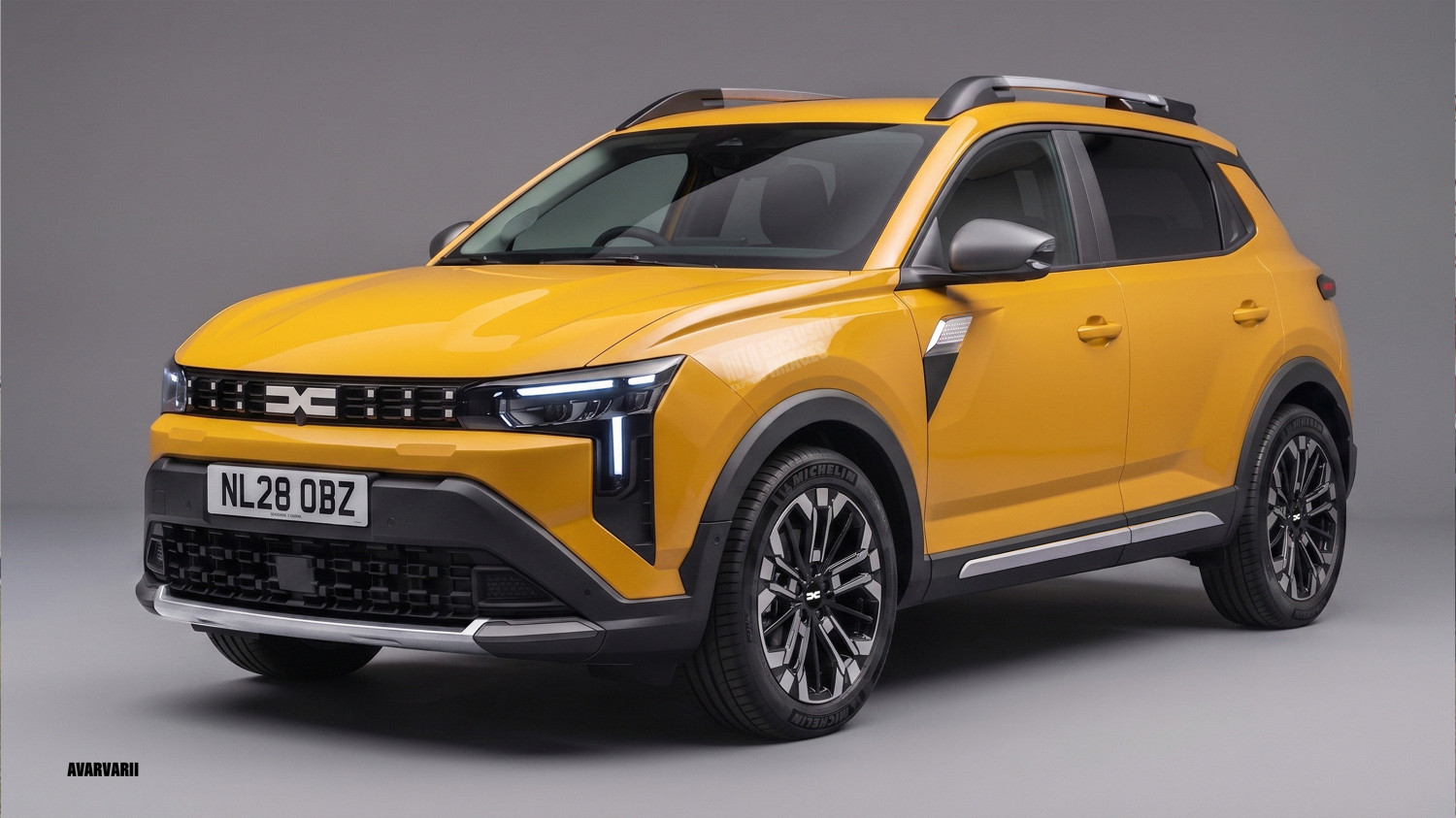



















The all-new Dacia Sandero due in 2028 will be the first car from the Renault Group to feature both petrol and electric powertrains. We caught wind of the new Sandero almost 18 months ago, when then-CEO of Dacia, Denis Le Vot, confirmed the car was coming with a mix of electric and combustion powertrains. He told us that the market “is not yet there to go only electric”, but that the ICE options will “most likely be completely hybrids”. Recent conversations with UK managing director Lina Ribeiro confirmed that plans are still on track to deliver a new, multi-fuel Sandero for 2028 – and that the model will once again spawn a jacked-up, rugged Dacia Sandero Stepway variant, previewed here in our exclusive image. Dacia’s role as the Renault Group’s budget brand will play a big part in the level of tech offered in the new Sandero. It’s assumed, therefore, that instead of using the bespoke AmpR electric-car architecture found underneath the Renault 4, Renault 5 and forthcoming Renault Twingo, Dacia’s supermini will build on the existing CMF-B platform, adapted to cater for both hybrid and EV powertrains. This strategy was hinted at recently by Frank Marotte, Dacia’s vice-president of marketing, sales and operations, who reiterated that while the Renault Group has “many technical solutions available on the shelf that can allow [Dacia] to build pure EVs on pure EV platforms”, it also has scope to develop “flexible, multi-energy platforms”. Current Dacia CEO Katrin Adt confirmed that while decisions are yet to be finalised, the team was working towards the solution of taking “one platform for all [models]”. Whatever the outcome, value will continue to be core to the Sandero’s appeal, with Marotte telling us Dacia needs to be “best in class in terms of affordability in the EV world”, emphasising that its objective is “to find the balance between product performance and affordability” in order to “bring EV to mass markets”. It’s understood that Dacia is keen to adopt a universal design language that will make its combustion and electric vehicles indistinguishable to the untrained eye. While the ICE models will get a conventional front-end treatment, the EV is expected to feature subtle aero tweaks and a faired-in grille – possibly even with the inclusion of flush door handles and a slightly lower ride height. As mentioned, the Sandero will be offered in supermini and pseudo-SUV forms. It’s a tried and tested formula for Dacia, and one that design boss David Durand is keen to exploit, suggesting the maker is looking to have “more difference between those two parts of the family”. Given its associations with the CMF-B platform, it’s sensible to suggest that the next-generation Sandero will inherit some of the powertrains found in cars such as the latest Renault Clio, as well as Dacia’s own Duster and Jogger. Le Vot’s comments on the proliferation of hybrid tech mean a detuned version of the Clio’s 1.8-litre petrol-electric set-up is expected to be the only ICE option – although Renault’s TCe turbo petrol will remain a possibility. On the EV side, the Sandero is expected to lift much of its tech from the latest Twingo and R5, possibly with a focus on the more affordable, less powerful models fitted with the smaller battery options. The Twingo’s 27.5kWh set-up offers up to 163 miles of range, while the larger 40kWh and 52kWh batteries in the Renault 5 officially return up to 252 miles. Adt told us that Dacia is “still in the development phase of the [new Sandero]” and that the brand “will talk about that probably in 2028”. For now, the firm’s focus is on the next-generation Dacia Spring, due to be revealed in the coming months. Tell us which new car you’re interested in and get the very best offers from our network of over 5,500 UK dealers to compare. Let’s go… Don't miss the best of Auto Express on Google! Make us a preferred source. Click here...