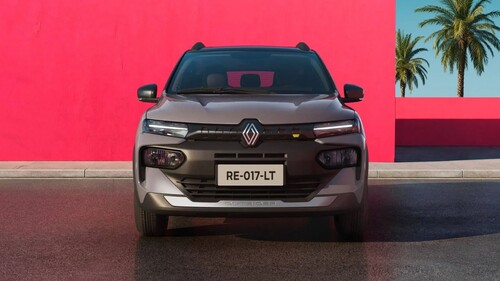
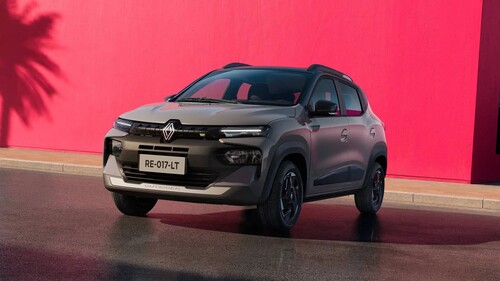
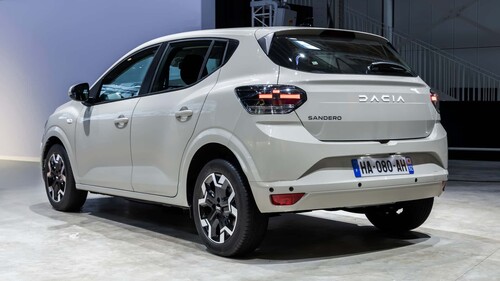
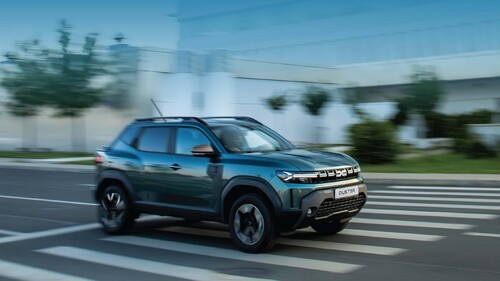
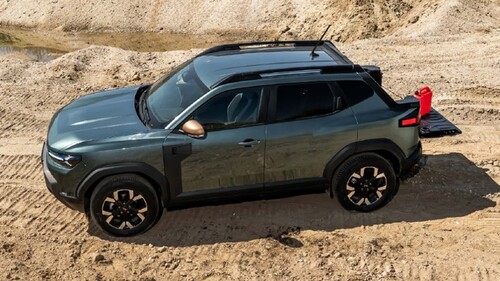
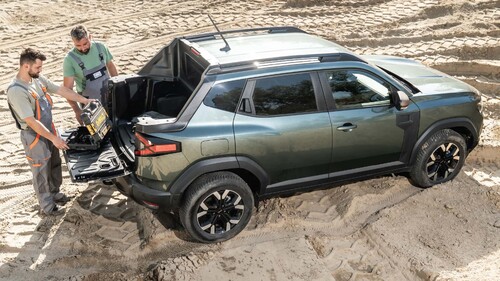
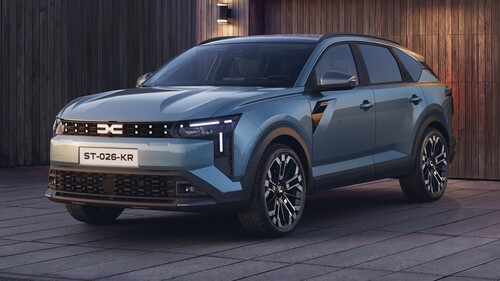
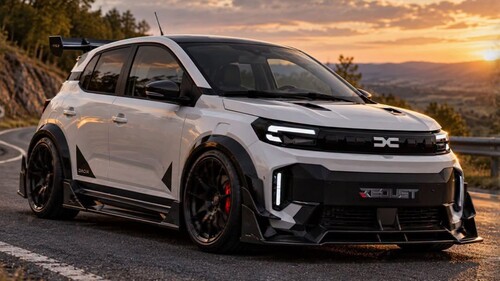
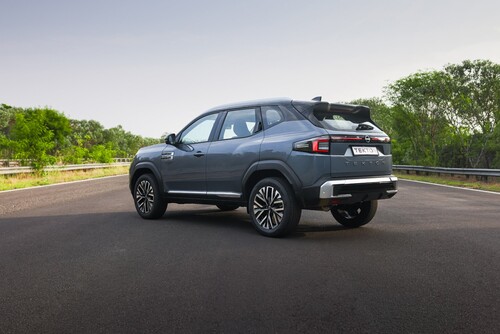
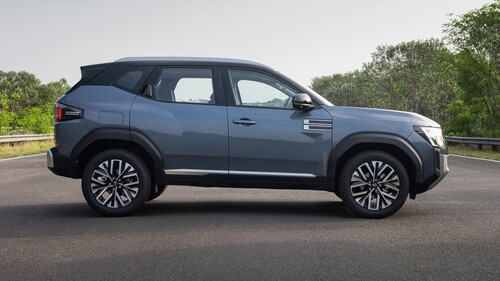
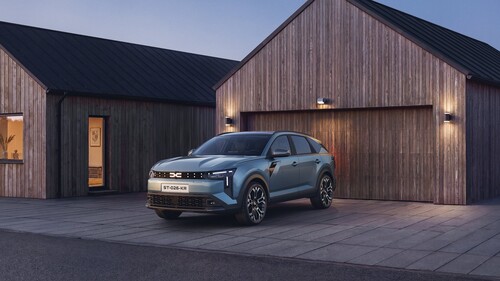
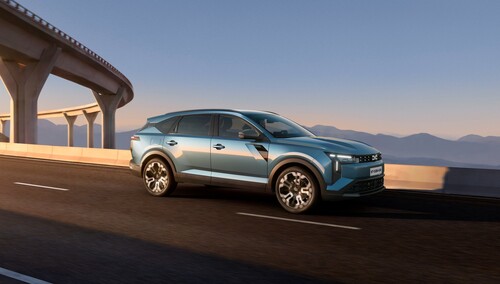
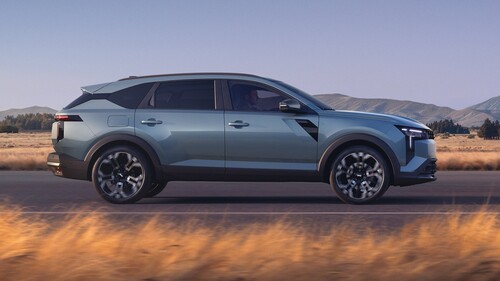
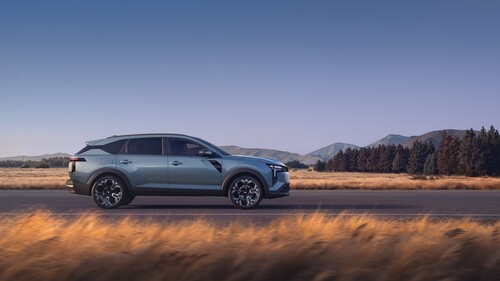
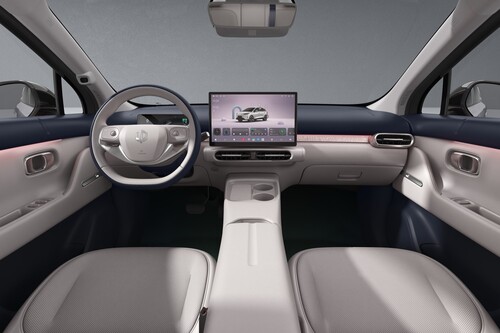
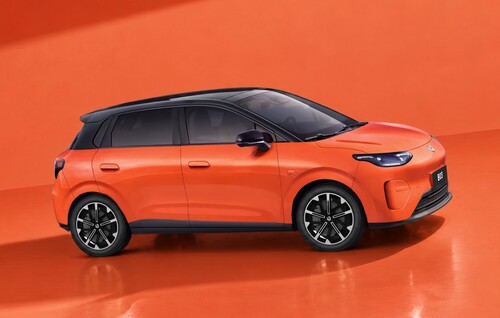
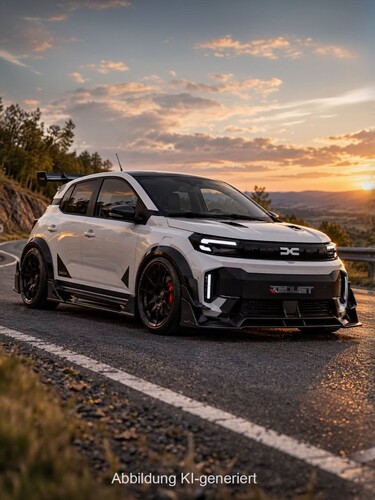
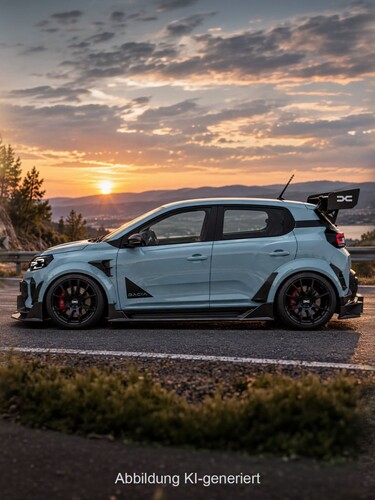
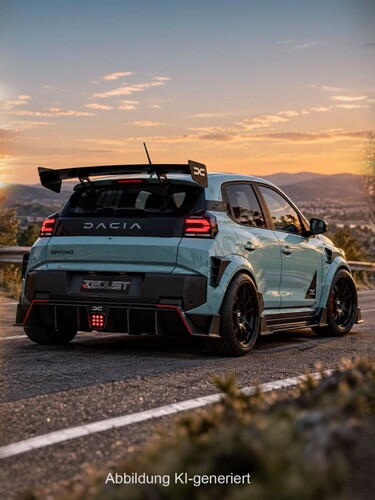
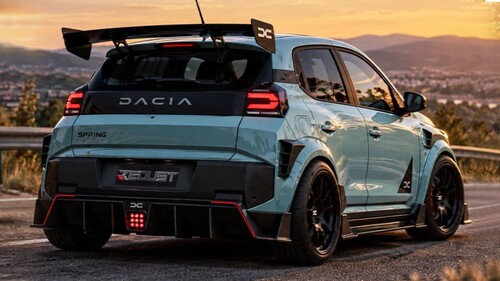
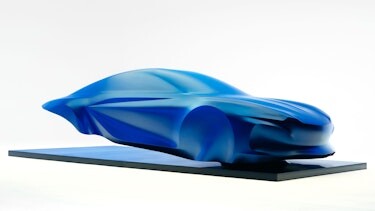
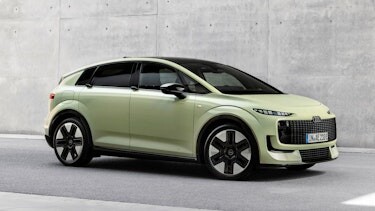
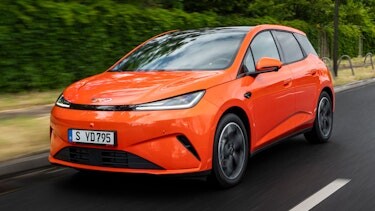
Earlier this year, Dacia confirmed it was looking to launch four new pure-electric cars by 2030. Now, in an exclusive interview with Auto Express, UK managing director Lina Ribeiro has revealed that each of them will be based on an existing nameplate – securing the future of the popular Sandero supermini and rugged Duster SUV. The first model will be the all-new, Renault Twingo-based and Europe-built Spring EV due on sale early next year. Ribeiro told us: “We want to be really competitive in terms of price; we’re really doing everything to have the best value car out there,” insisting that the new version “won't be very far away” from the current model on price. The UK boss said the next Spring will be a “massive step forward in electrification” and the “big acceleration that [Dacia needs] for the EV range”. The Spring will be based on the most compact version of parent company Renault’s AmpR Small platform. Dacia’s sub-four-metre-long five-door city car will get SUV styling cues, including extensive body cladding and the illusion of a raised ride height. Expect a range of around 150 miles from the Twingo’s 27kWh battery. Following in the wheeltracks of the electric city car will be replacements for the Sandero and Sandero Stepway, with Ribeiro confirming that the next-generation supermini will be offered with a choice of petrol, hybrid and electric powertrains from 2028. “We will still have the Sandero and Sandero Stepway. The proposition will be multi-energy – including EV,” Ribeiro told us. She insisted the Vauxhall Corsa rival would be a “new car”, although it’s not yet clear whether Dacia will use separate platforms for ICE and EV, or if the company will develop a single architecture appropriate for both. At the moment, all Dacias – except for its sole current EV, the Chinese-built Spring – are built on the Renault Group’s low-cost CMF-B architecture. The big question is whether Dacia will electrify this component set, or base the Sandero EV on the Renault 5’s AmpR Small platform. The two architectures share about 70 per cent of parts, but Dacia may be loath to introduce additional complexity by having two Sandero designs with subtly different proportions due to their different powertrains. Either way, the supermini is expected to be the first model from the group to be offered with a choice of combustion and electric power. Ribeiro wouldn’t confirm the fourth and final EV, but it’s assumed Dacia will focus its efforts on the highly lucrative B-SUV segment, and build on the success of the big-selling Duster. While it’s currently utilising the same CMF-B platform as the Sandero, it’s thought the new model will also move to a multi-energy architecture, allowing it to still be offered with ICE and hybrid powertrains, but with the added appeal of pure-electric power. The Duster is expected to be the last of Dacia’s four planned EVs, arriving towards the end of the decade. Ribeiro praised the success of the brand’s small but tough SUV, saying: “We have very loyal customers – I spoke to a customer the other day who was on his fifth Duster; as long as Dacia has been in the UK, he has been buying Dusters. Our customers are evolving with the brand.” Previously, Dacia CEO Katrin Adt told us the brand is striving for two-thirds of its volume to be electrified by 2030, and the four new EVs will be core to it achieving this goal. Ribeiro told us that “at this stage, with the product plan that we have, that is it in terms of new models entering new segments”. However, further down the line, there is the possibility we may see the introduction of the cool Hipster concept car. Designed as a short-range urban EV that manages to cram four seats into a three-metre-long package thanks to its tall, boxy stature, the Hispster’s compact size would meet the proposed criteria for the European Commission’s ‘M1E’ affordable electric vehicle class, with manufacturers who build them qualifying for super-credits towards their emissions obligations. “We feel there is a need in the market for a very, very affordable EV car,” Adt told us. “We have continued to work on [the Hipster]. We have all the assets in house to do it. However, we still need to pay attention also to the development of the markets, but also of the regulations, and we’re waiting a little bit for that to push the button.” Firming up the regulation is expected to take all of 2026, so the proposed 100km (62 miles) EV would struggle to make production much before 2030. “The mission is to have an EV offer in each segment,” Adt said. But it’ll take some clever engineering to square the circle of a bigger car requiring a larger, costlier battery: the boss is determined for the brand’s EVs to remain affordable and offer good all-round capability, given Dacias are often the only car in a household. Now you can buy a car through our network of top dealers around the UK. Search for the latest deals…