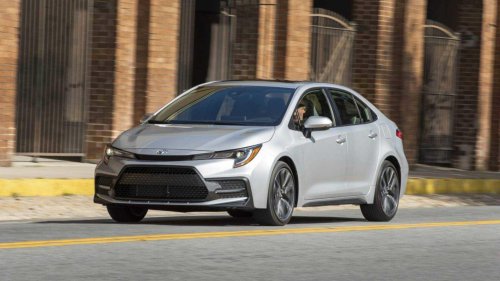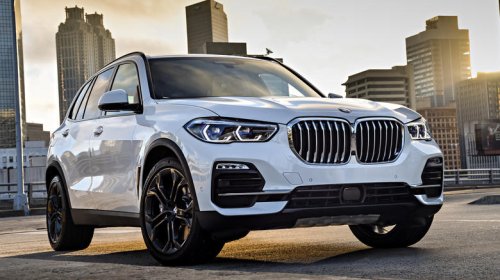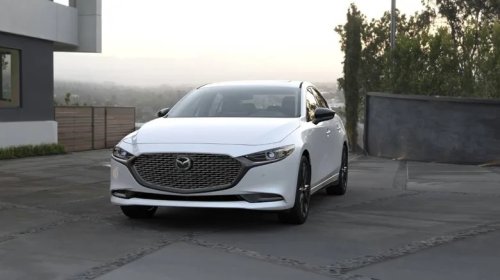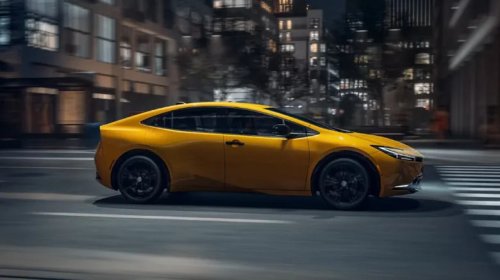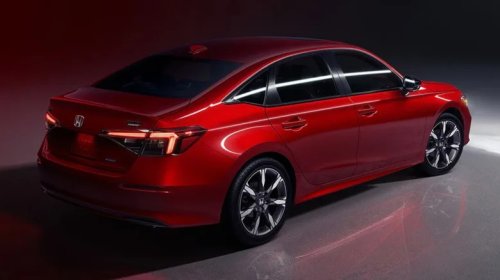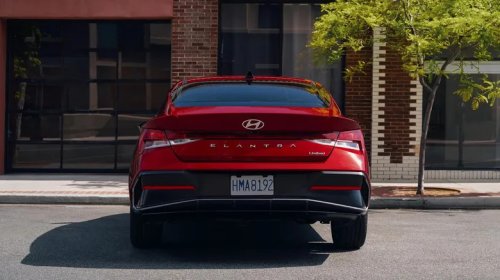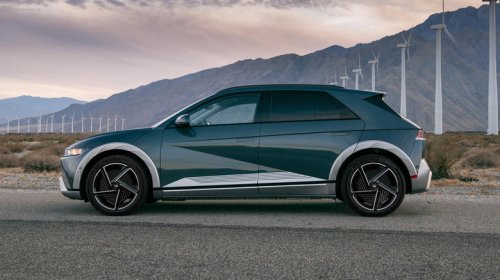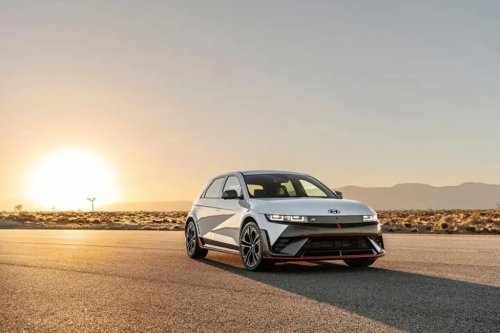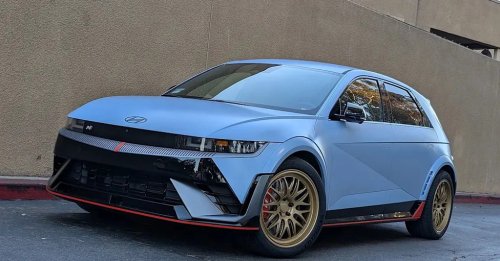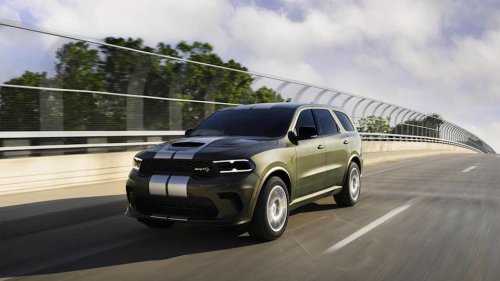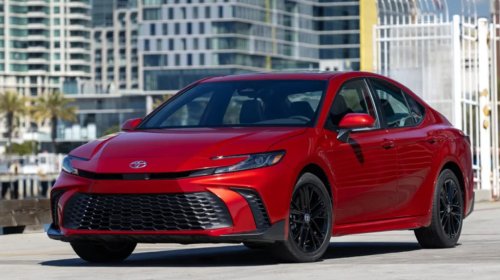























Image Credit: Harbucks/Shutterstock.Buying a new vehicle has become even more expensive, as dealer asking prices have climbed to their highest level on record. Fresh market data shows that average advertised prices surpassed the previous peak set in 2023, continuing a trend that has made affordability one of the industry's biggest challenges.The latest figures indicate the average marketed price for a new vehicle reached $51,974 by the end of June. That represents an increase of $2,421, or 4.9 percent, compared with the same time last year, while prices also rose by $314 over the previous month.Although nearly every segment has become more expensive, compact sedans experienced the sharpest increase. Vehicles once viewed as the affordable entry point into new-car ownership are now seeing some of the fastest price growth in the market.AdvertisementAdvertisementDespite these rising costs, new vehicles are continuing to sell at a healthy pace. Dealers report that inventory spends less time on showroom floors, suggesting buyers are still willing to pay higher prices or finance them over longer loan terms.Dealer Asking Prices Continue To ClimbImage Credit: Shutterstock.The latest data comes from the Automotive News/Catalyst IQ Vehicle Price and Inventory Tracker, which monitors advertised prices across 133 vehicle nameplates sold through franchised dealerships. Unlike transaction-price studies, the tracker reflects what dealers are asking for vehicles after advertised discounts rather than what customers ultimately negotiate.The record first fell on June 26, when average marketed prices edged just one dollar above the previous high of $51,820 set in July 2023. By the final day of the month, the average had climbed even further to $51,974.The findings highlight how resilient vehicle pricing has remained despite ongoing affordability concerns. Dealer asking prices have now settled at levels that would have seemed extraordinary just a few years ago.Sedans Lead The Biggest Price IncreasesCompact sedans recorded the largest year-over-year increase of any major vehicle category. Average asking prices rose approximately 12 percent, adding nearly $2,900 compared with the same period in 2025.AdvertisementAdvertisementGrowing demand for more affordable vehicles may be contributing to the trend. As SUVs and pickups continue to command premium prices, many buyers are returning to traditional sedans, placing additional pressure on supply.Popular individual models have also experienced notable increases. The Kia Telluride posted one of the largest jumps, with advertised prices rising 16.4 percent, while the redesigned Toyota RAV4 climbed 15.7 percent as demand remained strong.Not Every Vehicle Is Becoming More ExpensiveImage Credit: Shutterstock.Although most segments moved upward, a handful bucked the trend. Convertibles saw the largest decline, with average prices falling 9.8 percent, while minivans dropped by 3.2 percent.Among individual models, the Hyundai Ioniq 5 recorded one of the biggest decreases, with advertised prices falling 17 percent following the expiration of federal EV incentives. The Jeep Wrangler and Subaru Forester also posted year-over-year declines of more than four percent.AdvertisementAdvertisementOverall, however, price increases remained the dominant story. Of the 133 nameplates tracked, 99 recorded higher asking prices than a year ago, while only 34 became less expensive.Affordability Remains A Growing ConcernEven as vehicle prices continue climbing, shoppers have shown little sign of abandoning the market. Inventory is moving through dealerships more quickly than before, indicating buyers are adapting to today's pricing environment rather than waiting for costs to fall.Industry analysts suggest many consumers have simply become accustomed to higher vehicle prices after several years of elevated costs. Financing has also become an increasingly important tool, with longer loan terms helping buyers manage larger monthly payments.The challenge is especially significant for entry-level shoppers. The biggest increases are occurring in the least expensive parts of the market, making it even harder for first-time buyers and budget-conscious consumers to purchase a new vehicle.AdvertisementAdvertisementWith affordability remaining under pressure and several automakers shifting away from lower-priced models, there are few signs that new-car prices will return to pre-pandemic levels anytime soon. For many shoppers, the search for value is becoming just as important as choosing the right vehicle.If you want more stories like this, follow Guessing Headlights on Yahoo so you don't miss what's coming next.