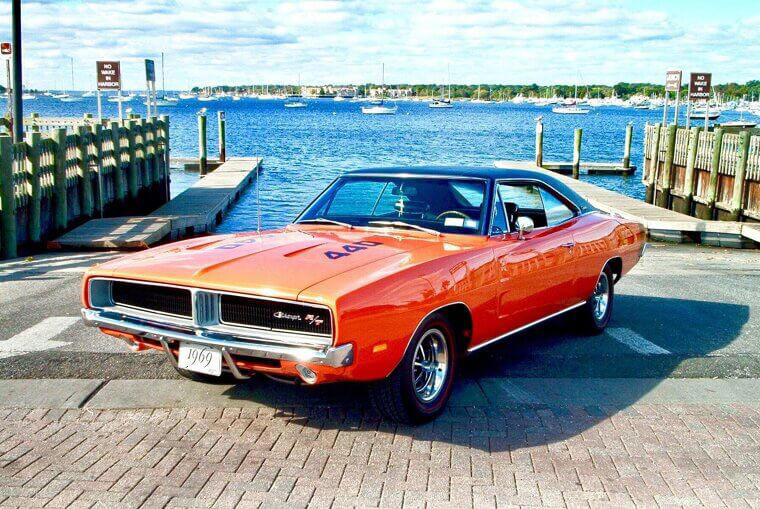
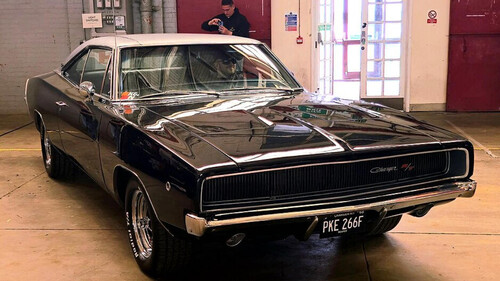
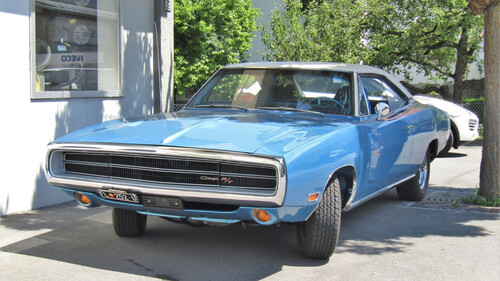
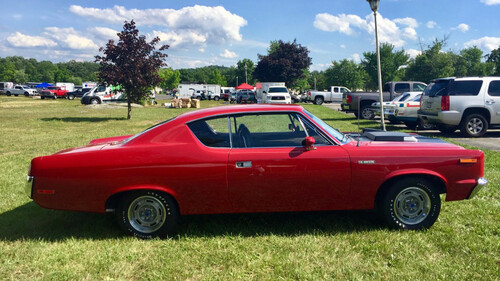
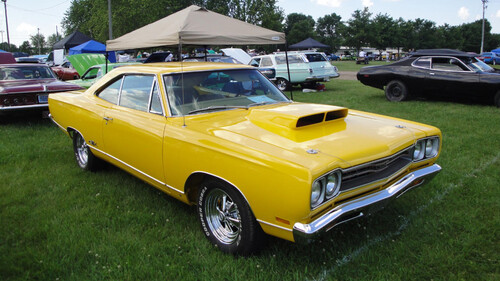
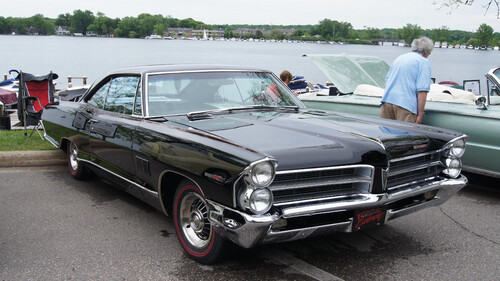
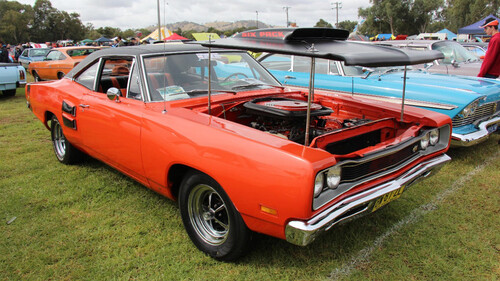
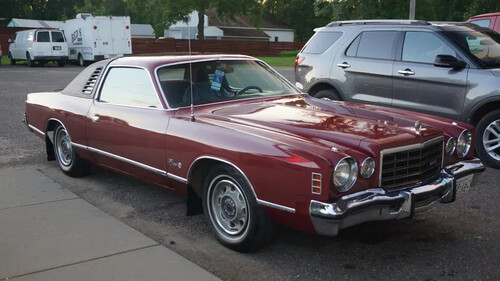
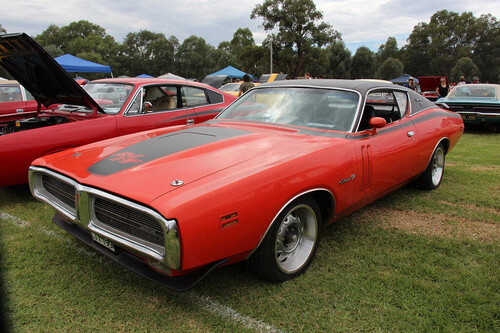
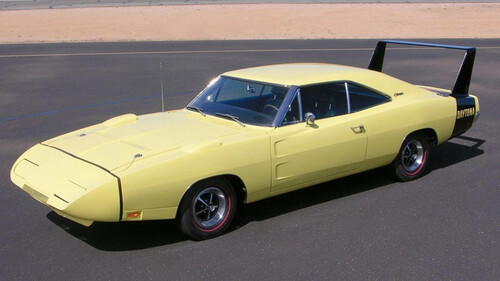
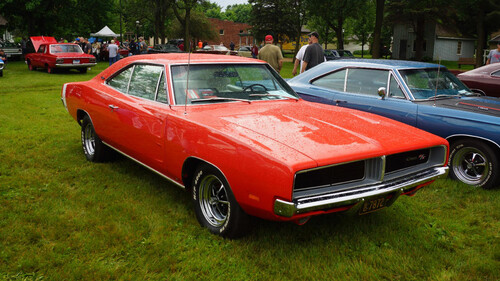
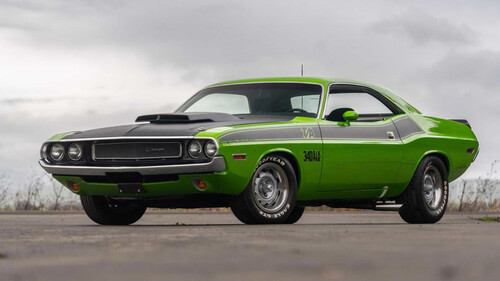
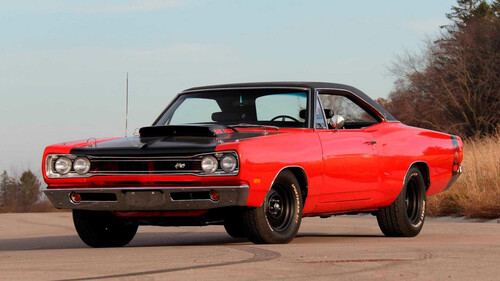
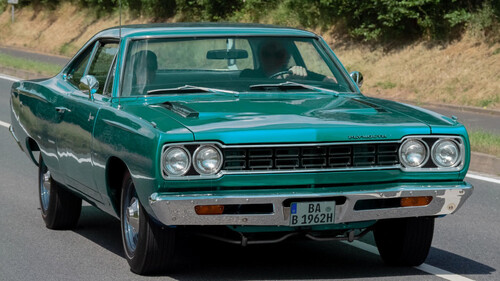
The 1969 Dodge Charger R/T Still DominatesFew machines from any era command attention the way a 1969 Dodge Charger R/T does when it rolls onto a strip. Under that long, sculpted hood sat a 440 Magnum or the optional 426 Hemi — engines producing 375 to 425 horsepower at a time when fuel was cheap and engineers had no speed limits on ambition. Modern sports cars may boast better electronics and traction control, but the Charger R/T achieves 0-60 times that still embarrass entry-level performance vehicles today. Its aerodynamic fastback design, once revolutionary, remains functionally sound. More than a collector's trophy, this car is a running argument that Detroit got it right the first time.How the Pontiac GTO Defined MuscleMuscle cars didn't just appear — they were invented. The 1964 Pontiac GTO is widely credited as the original, born when engineer John DeLorean stuffed a 389 cubic-inch V8 into a mid-size Tempest body and dared buyers to keep up. It was a calculated act of rebellion against corporate policy and common sense. The formula was brutally simple: lightweight car, massive engine, affordable price tag. No exotic materials, no turbochargers, no driver assistance modes. Just displacement and determination. Every muscle car that followed — every Charger, every Chevelle, every 'Cuda — owes its existence to what Pontiac proved in 1964: that performance didn't have to be exclusive.The Boss 429 Mustang's Legendary EngineCrank the engine on a Boss 429 Mustang and you understand immediately why Ford built it. That 429 cubic-inch semi-hemispherical V8 was originally developed for NASCAR superspeedways, then shoehorned into a pony car chassis with almost reckless enthusiasm. The engine required widening the front shock towers just to fit — a modification that speaks volumes about Ford's priorities. Officially rated at 375 horsepower, most automotive historians agree the real output was significantly higher, a common practice of underreporting to satisfy insurance regulators. Only 859 Boss 429s were produced in 1969. Each one represents a moment when Ford stopped building transportation and started building weapons.The Plymouth Hemi 'Cuda Outruns Modern Rivals426 cubic inches of pure Hemi fury, wrapped in a lightweight E-body shell — the Plymouth Hemi 'Cuda was essentially a street-legal race car that somehow passed inspection. With hemispherical combustion chambers generating explosive efficiency, the 426 Hemi produced 425 official horsepower, though dyno tests consistently revealed that figure was conservative by a comfortable margin. Against modern sports cars in the $40,000-$60,000 range, a well-tuned Hemi 'Cuda can still post quarter-mile times that demand a second look. The physics haven't changed. Only 652 Hemi 'Cudas were built in 1971, making every surviving example both a museum piece and a legitimate performance machine that refuses to be retired.Buick GSX Stage 1 Surprises Sports Car FansNobody saw Buick coming. That was exactly the point. The 1970 Buick GSX Stage 1 arrived wearing Saturn Yellow or Apollo White paint, projecting a confidence that bordered on arrogance — and backed it up completely. Its 455 cubic-inch Stage 1 engine produced 510 lb-ft of torque, a number that remained the highest torque rating of any American production car for years afterward. Sports car enthusiasts conditioned to dismiss Buick as a grandparent's brand were consistently humiliated at stoplights and drag strips. The GSX Stage 1 ran the quarter mile in the mid-13-second range, territory that challenges plenty of modern performance vehicles. Underestimated then, still underestimated now — which is precisely what makes it dangerous.The Shelby GT500 Was Built for SpeedCarroll Shelby didn't build comfortable cars. He built fast ones, and the 1967 Shelby GT500 represented his most aggressive interpretation of what a Mustang could become. A 428 cubic-inch Police Interceptor V8 sat under a fiberglass hood, producing 355 horsepower by official count — a number Shelby himself reportedly laughed at. The GT500 was tuned for straight-line devastation, with suspension upgrades and brake improvements that gave drivers enough control to actually use the power. Decades later, the GT500 nameplate was revived multiple times, each iteration paying tribute to the original while adding modern technology. None of them, however, carry quite the same mythology as the one Shelby built when the only driver aid available was skill.Oldsmobile 442 Holds Its Own on the StripOldsmobile's 4-4-2 designation stood for four-barrel carburetor, four-speed transmission, and dual exhausts — a straightforward declaration of intent from a brand that understood its audience. By 1970, the W-30 performance package pushed its 455 cubic-inch engine to 370 horsepower with force-air induction and low-restriction exhaust, creating a car that felt faster than its specifications suggested. The 4-4-2 distinguished itself with handling that outclassed many contemporaries. Engineers paid genuine attention to suspension geometry, producing a muscle car that could negotiate corners without terrifying its driver. On a quarter-mile strip, a properly sorted W-30 4-4-2 consistently posts times in the 13-second range — enough to make modern hot hatches and base-model sports cars reconsider their self-confidence.The Yenko Camaro Remains a Quarter-Mile KingDon Yenko understood something General Motors' accountants didn't: some customers wanted more than the factory would officially provide. His Chicago dealership became famous for ordering base Camaros and installing 427 cubic-inch COPO engines that Chevrolet wouldn't offer through standard channels, creating machines built for one purpose. The Yenko Camaro wasn't refined. It wasn't comfortable. The suspension was stiff, the cabin was spartan, and the engine demanded respect from the moment it started. Fewer than 200 true Yenko Camaros were produced, making them extraordinarily rare today. But rarity isn't why they matter — they matter because in the quarter mile, where honesty is absolute, a Yenko Camaro still posts times that silence modern performance cars worth three times as much.Dodge Super Bee Packed a Serious PunchDodge named it the Super Bee after a cartoon mascot, but there was nothing cartoonish about its performance. Introduced in 1968 as a budget muscle car, it came standard with the 383 Magnum V8 — and for buyers who wanted to escalate things, the 426 Hemi was available at extra cost. The Super Bee's philosophy was refreshingly honest: strip out the luxury, keep the engine, lower the price. No frills, maximum acceleration. What makes the Super Bee relevant today isn't nostalgia — it's that the car's power-to-weight ratio, particularly in Hemi configuration, remains genuinely competitive. Against modern sports cars that cost as much as a house, a Super Bee built from honest American iron still has something to say.The Z28 Camaro's Racing Roots Run DeepWhile the big-block Camaros grabbed headlines, the Z28 played a longer game. Built specifically to homologate for Trans-Am road racing, the 1969 Z28 used a 302 cubic-inch small-block V8 that revved to 7,000 RPM — unusual behavior for an American V8 of its era, which typically preferred low-end torque over high-revving fury. The result was a car with genuine handling credentials, not just straight-line speed. Stiffer suspension, wider tires, and a racing-derived engine made it a complete performance package. Modern track enthusiasts who dismiss old muscle cars as one-trick quarter-mile machines haven't spent time with a properly prepared Z28. Its racing DNA surfaces on road courses in ways that continue to surprise drivers expecting something far less sophisticated.How Big-Block Engines Changed EverythingBefore big-block engines, American performance meant something modest. After them, the entire conversation changed. When manufacturers began fitting 400, 427, 440, and 454 cubic-inch engines into mid-size and pony car bodies during the mid-1960s, they created a performance arms race that compressed roughly a decade of engineering progress into five years. Horsepower figures doubled. Quarter-mile times dropped dramatically. Insurance companies panicked. The physics driving these results were straightforward — more displacement meant more air and fuel burned per cycle, releasing more energy per stroke. No turbochargers, no superchargers, no hybrid assistance. Just size and mechanical efficiency working together at the molecular level. Every modern performance innovation traces a direct line back to what engineers learned pushing big-block engines to their absolute limits during this remarkable period.The Ford Torino Cobra Was No Ordinary FastbackFastback styling and a Cobra badge might suggest something sporty but manageable. The 1970 Ford Torino Cobra corrects that assumption immediately. Available with Ford's 429 Cobra Jet engine producing 370 horsepower — or the Super Cobra Jet variant optimized for drag racing — the Torino Cobra was a full-size fastback with genuinely alarming straight-line performance. Its longer wheelbase provided stability at high speeds that smaller pony cars sometimes struggled to match. Ford positioned it against the Chevelle SS, and the competition was legitimate. Quarter-mile times in the 13-second range were achievable from the factory without modification. Today the Torino Cobra occupies an interesting position — less famous than the Mustang, less celebrated than the Charger, yet capable of outrunning both on the right stretch of road.