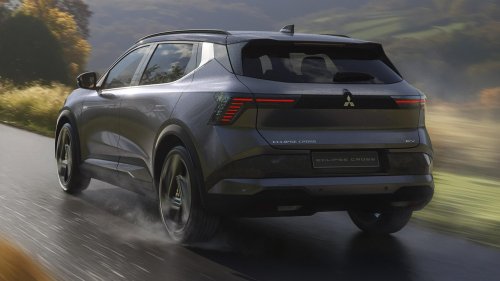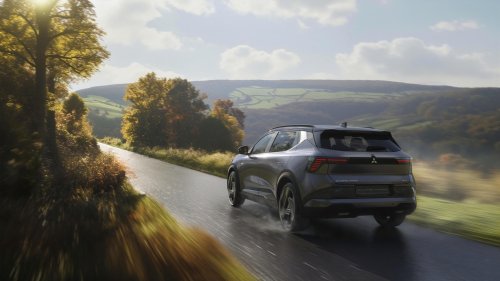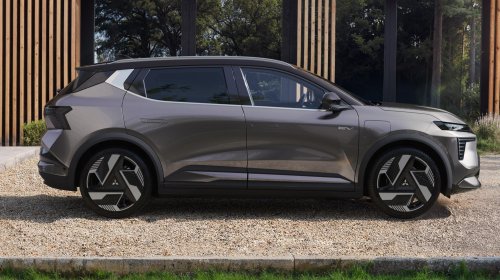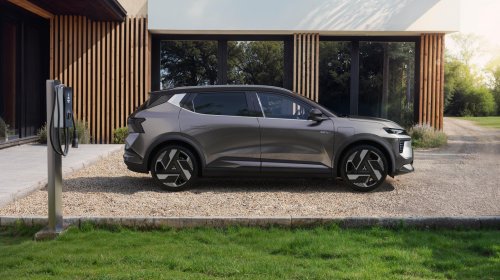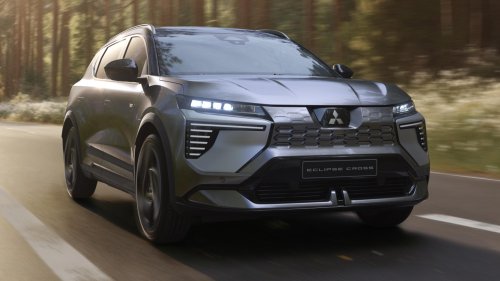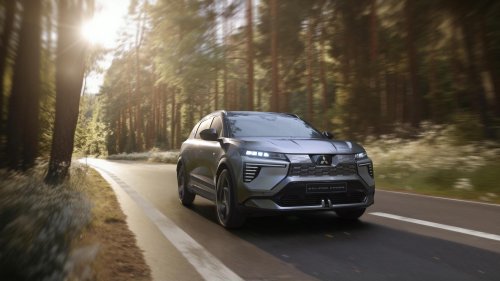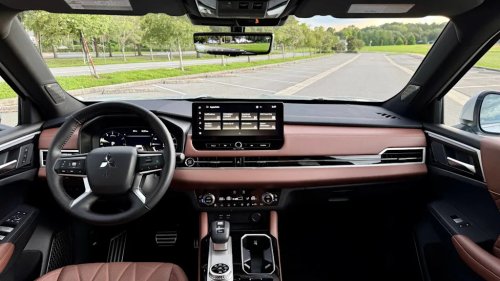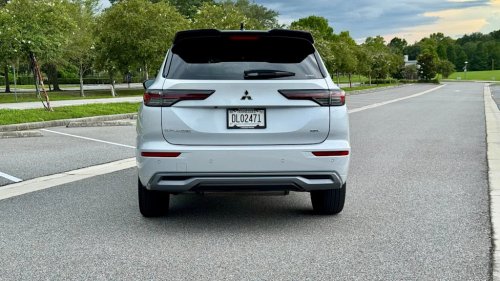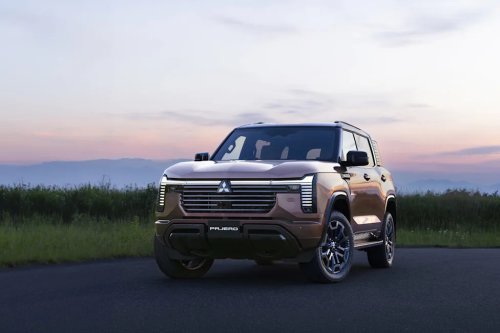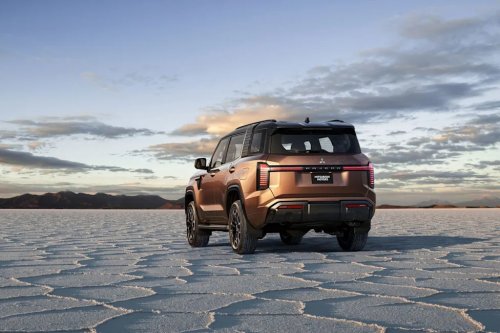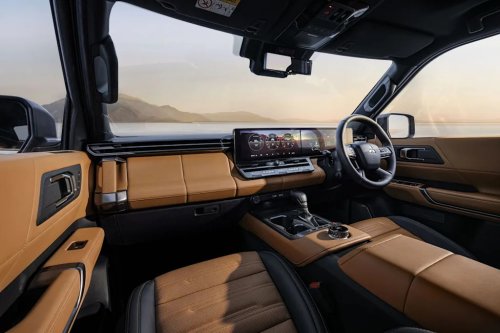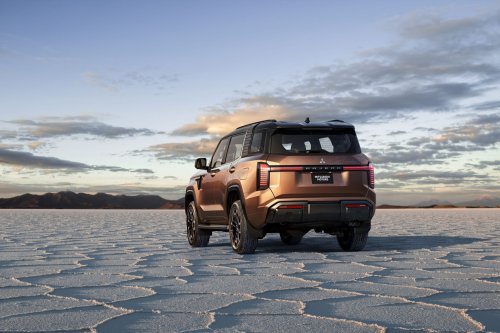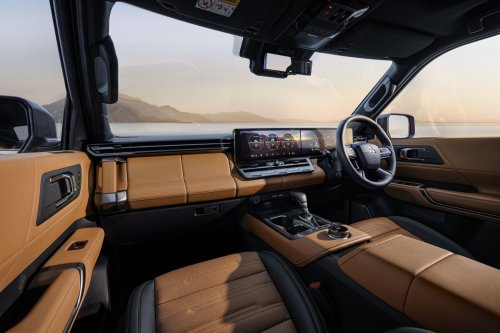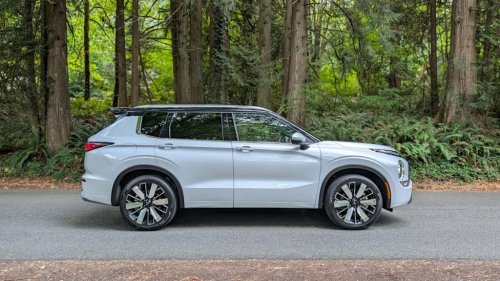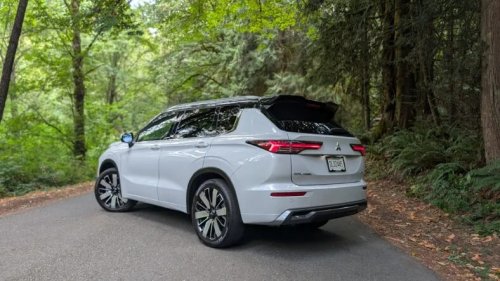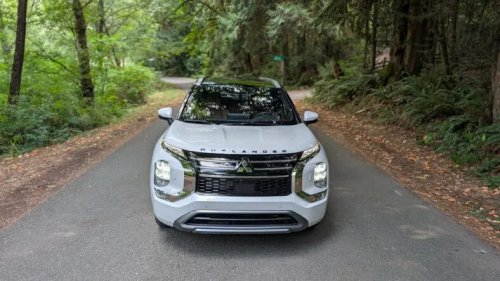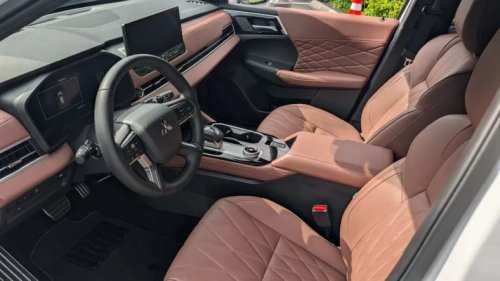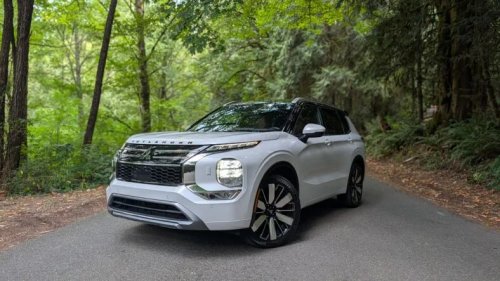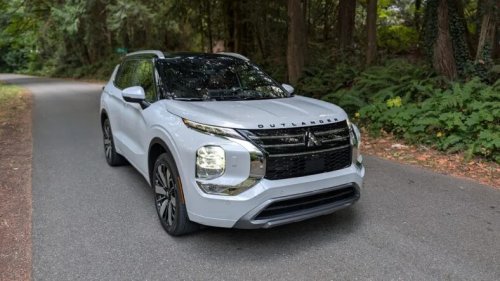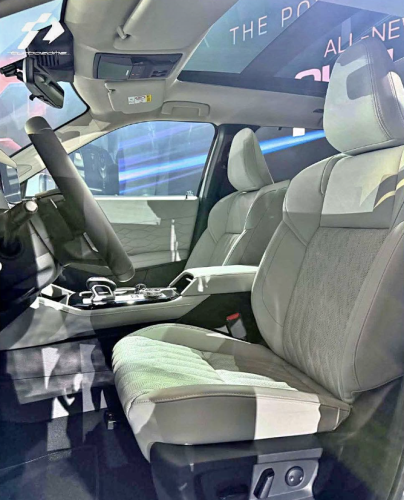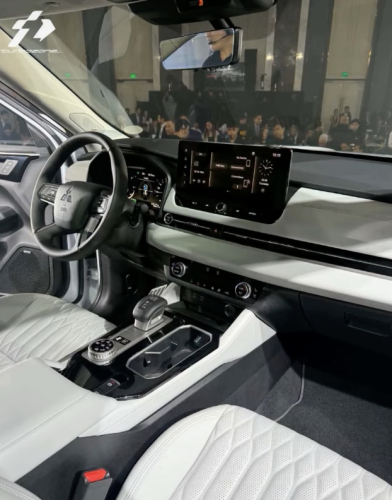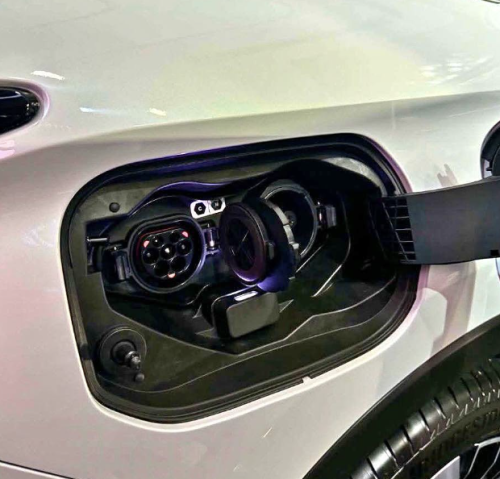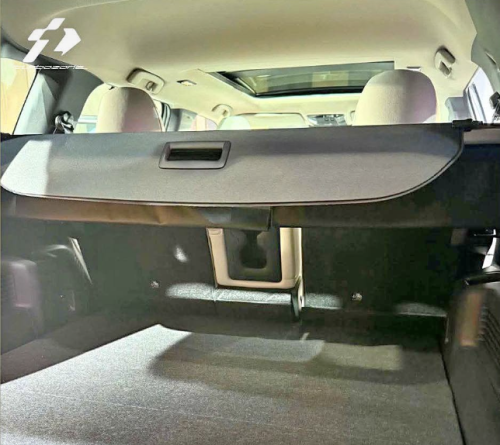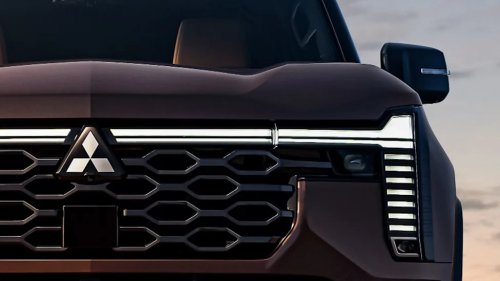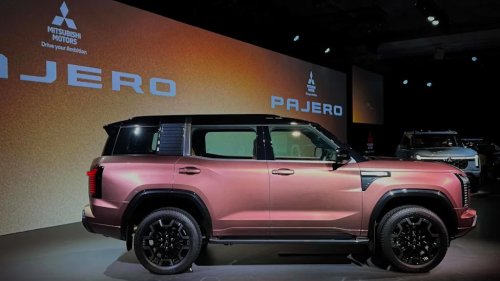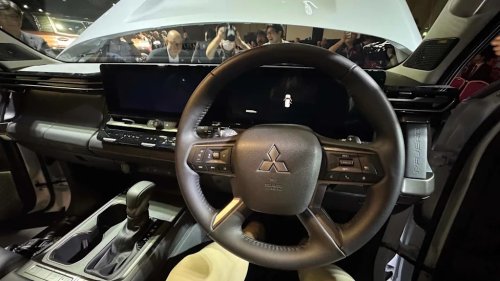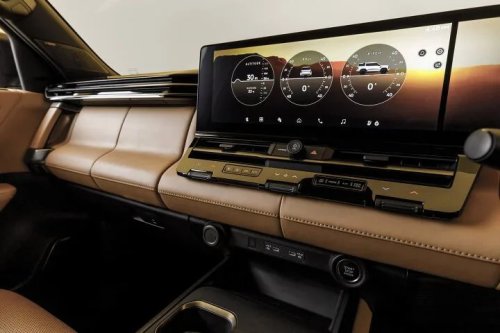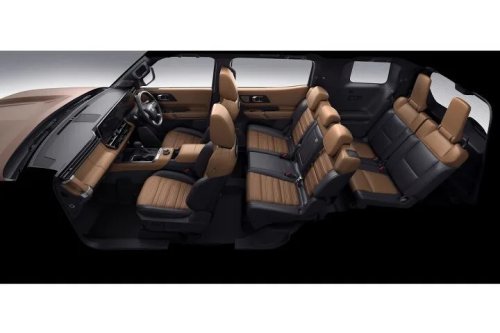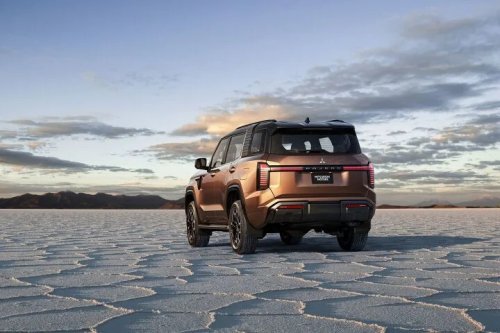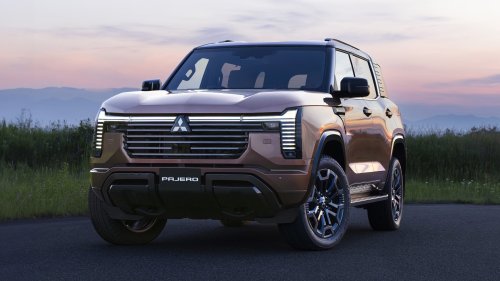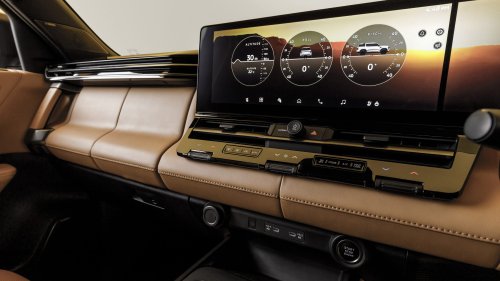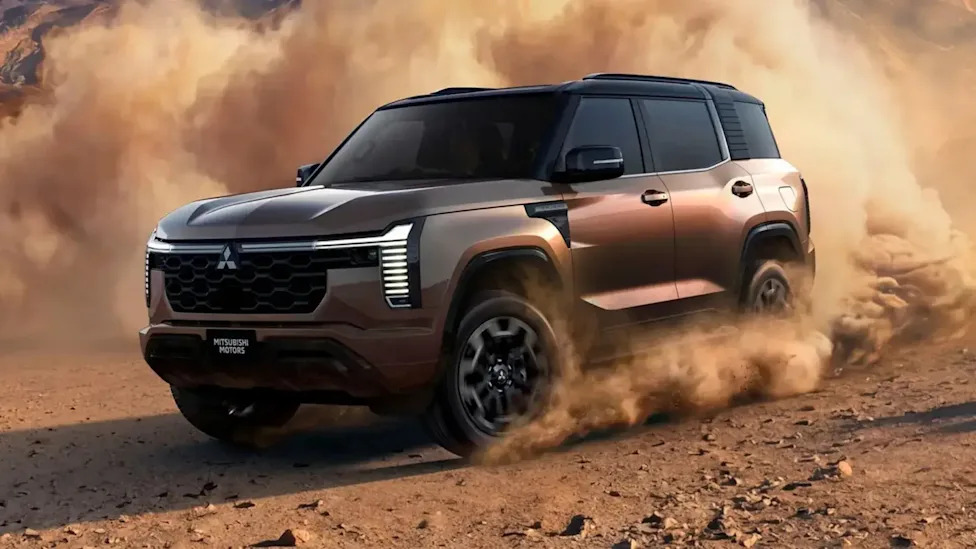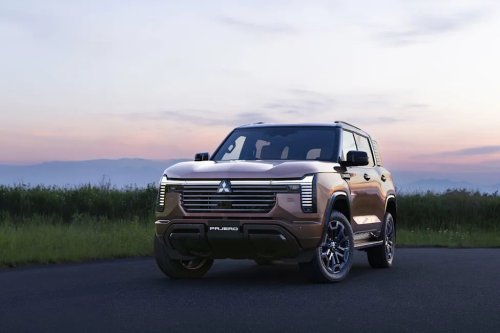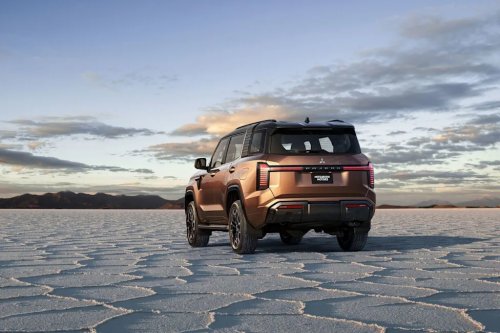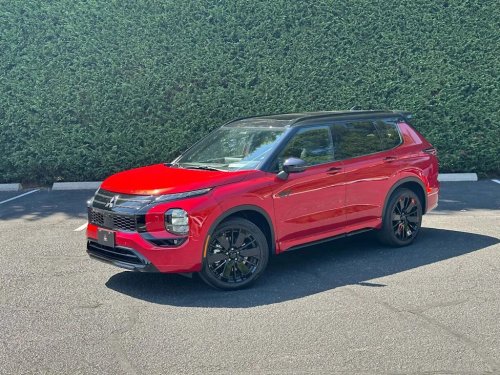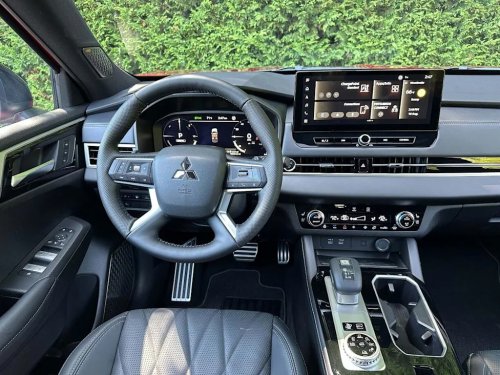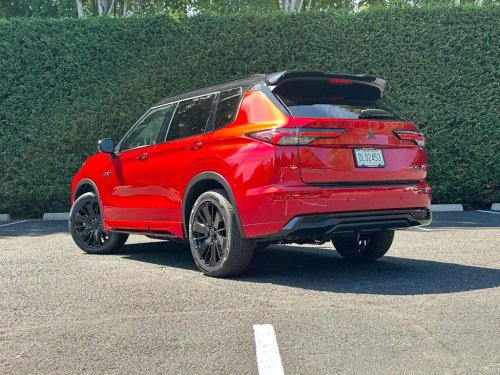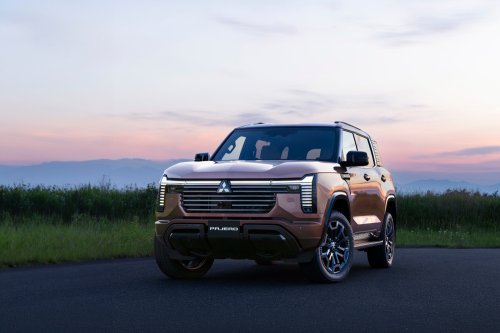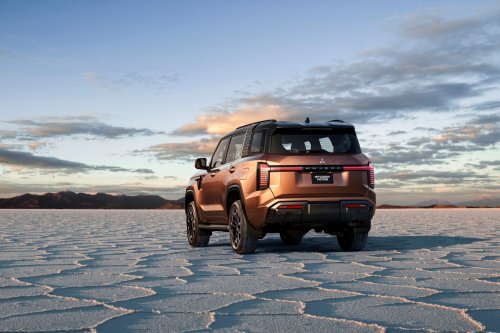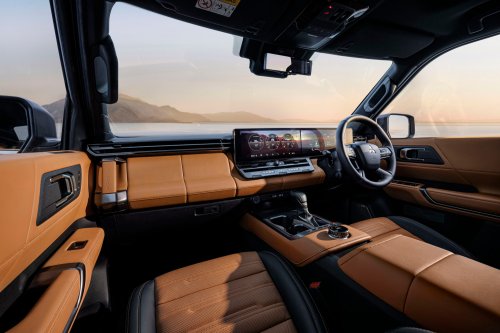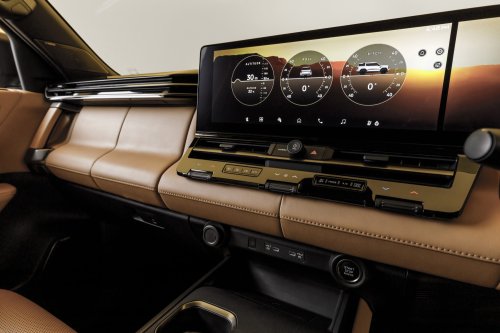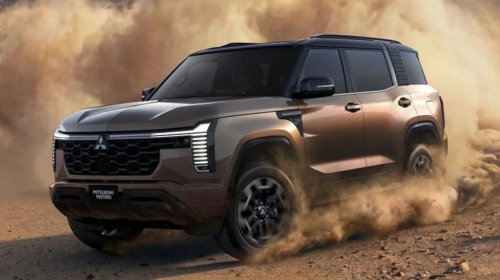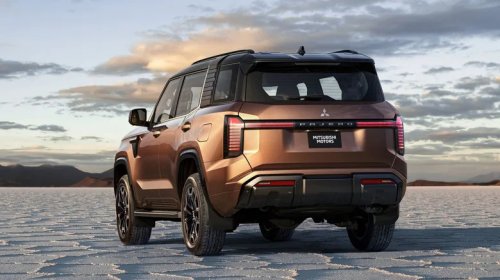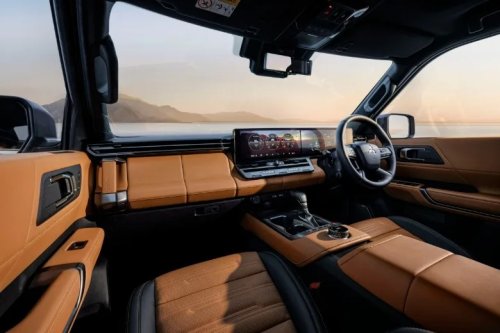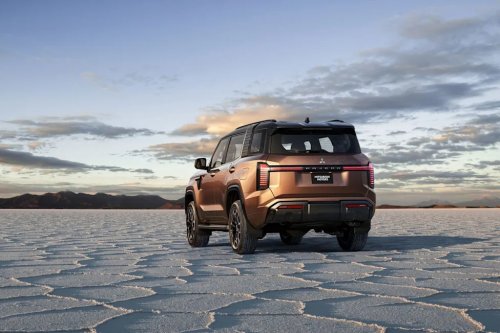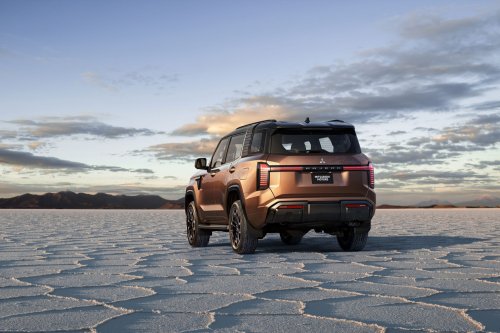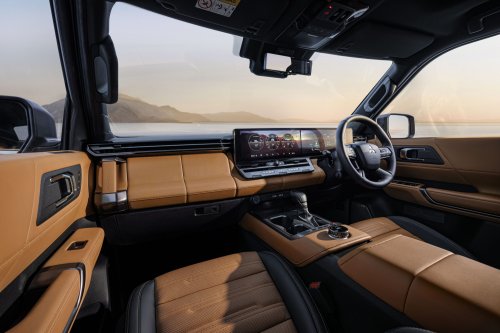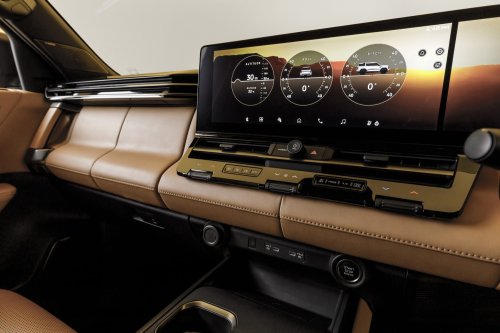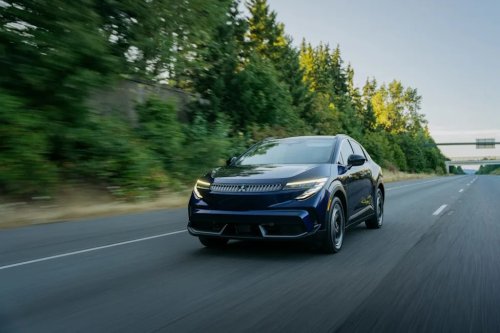
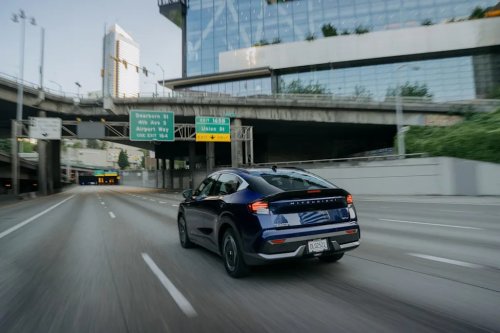
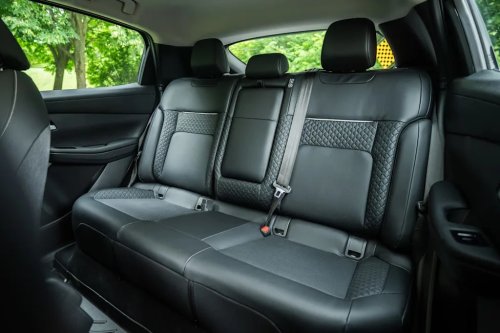
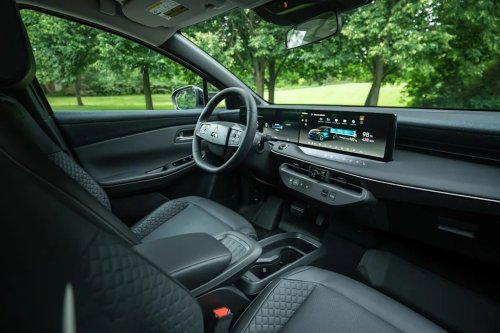
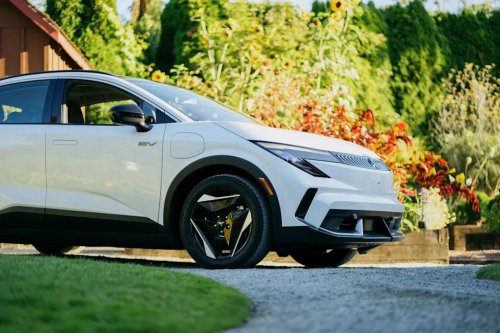
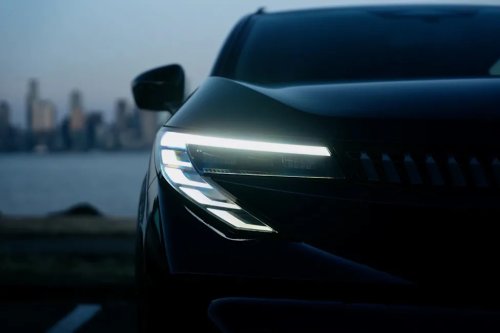
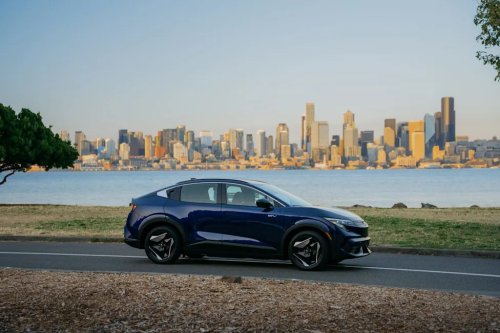


















2027 Mitsubishi Eclipse Sportback DriveMitsubishiThe new 2027 Mitsubishi Eclipse Sportback puts a classic Mitsu model name on the Japanese brand's return to EVs, almost 10 years after its tiny, 62-mile i-MiEV failed to make inroads into the U.S. market. This battery-electric compact four-door hatchback is a far more practical size, and it delivers real range: a projected 282 miles.Piloting a pre-production prototype around Seattle, we found it to be peppy and fun to drive. Prices will be announced closer to its on-sale date in October but seem likely to run $35,000 to $40,000.Not to put too fine a point on it, the Eclipse Sportback is essentially a current Nissan Leaf with a Mitsubishi badge. This isn't a bad thing; the Leaf, redesigned for 2026, is a modern and competitive EV. Thus far, however, not many have sold: Nissan delivered just 2184 new Leafs from October 2025 through this past June.AdvertisementAdvertisementYou may not see much resemblance to the Leaf if you approach the Eclipse Sportback head-on. Although the hood is the same, Mitsubishi has redesigned the front lights, the bumper surround, and the grille, which now sports 20 ridges or "teeth"—10 on either side of the Mitsubishi three-diamond logo—that look nothing like the Leaf's blander, flatter front end.MitsubishiViewing it from the side, the Eclipse Sportback gets different wheels than the Leaf, along with a chrome embellisher on each C-pillar next to the hidden rear door handles. At the rear, you may not notice a different bumper shield, and the large letters spelling out Mitsubishi across a raised panel on the liftgate distinguish the car as well. But that's about it: a Leaf with a handful of trim differences.With the Leaf's 75-kWh battery pack and 214-hp electric motor powering the front wheels, Mitsubishi's new EV should accelerate from 0 to 60 mph in 6.9 seconds (based on our test results for the mechanically identical Leaf). That's hardly high performance, but it's more than enough to keep up with traffic. Maximum torque is 261 pound-feet, which proved enough to spin the inside front wheel when accelerating out of a curve. Like the Leaf, the Eclipse Sportback is exclusively front-wheel drive.We found the Eclipse Sportback well suited to almost any kind of traffic. The instant acceleration handled the many traffic circles and lane reductions in and around Seattle, and it held the road as well as most cars its size. It's hardly a canyon carver, but it's more fun for mixed use than many gas cars of its size and presumed price. Unfortunately, we didn't have the opportunity to drive it at sustained highway speeds.MitsubishiThe Eclipse Sportback is remarkably quiet inside, with virtually no whine from the electrical components. The tires on its 18-inch alloy wheels have sidewalls tall enough to keep the ride comfortable, providing adequate grip around turns and a 35.4-foot turning circle that makes this short car easy to maneuver or park. There's a fair amount of body roll if you drive it hard, but it remains predictable even then.AdvertisementAdvertisementThere are five levels of regenerative braking (B1 to B5), with the e-Step button boosting the regen still further—"think of it as B8," said one exec—though it doesn't provide full one-pedal operation; the driver must brake to a stop below about 8 mph. The car retains creep torque, like a conventional automatic, though the Auto Hold setting turns it off after coming to a complete stop.MitsubishiThe electric Mitsubishi shares the Leaf's split charge-port strategy: a NACS (Tesla) port on the right-front fender for DC fast-charging, which maxes out around 150 kilowatts and can charge from 10 to 80 percent in 35 minutes under ideal circumstances. A CCS-to-NACS adapter comes with the car, and entering a DC fast-charger into the navigation as a destination automatically preconditions the battery pack for fastest charging. (Drivers can tell the car to precondition itself if they're not using the nav.)For overnight or Level 2 public charging on 240-volt AC power, there's a J-1772 port on the left-front fender. The onboard charger is capable of 7.2 kilowatts, which will charge the battery from 20 to 80 percent in roughly 6.5 hours. A portable charging cord with pigtails for both 240- and 120-volt outlets is standard.MitsubishiTo boost efficiency, Mitsu's EV uses a heat pump to warm or cool the cabin, the battery pack, and the drive motor. After the car sat in the sun for a few hours, the air conditioning worked decently.AdvertisementAdvertisementUpholstery in the all-black cabin is a mix of flat and diamond-quilted panels, with both soft and hard plastic for the dash and door surfaces. It doesn't scream "cheap economy car" in the way compacts did 15 years ago, but some elements remind drivers it's not a luxury model. One detail that looked particularly cheap was the row of four rectangular black buttons in the middle of the dash for Park, Reverse, Neutral, and Drive. They're not in a place most people think to look for gear-selector buttons—and without contrasting colors or a surround of some kind, they're hard to find in certain light.The dash is flat and horizontal, without a lip to act as a useful tray. A 14.3-inch digital instrument cluster behind the wheel is joined by another 14.3-inch touchscreen display in the center of the dash with navigation and other control functions. Android Auto and Apple CarPlay are standard. Vents, thankfully, remain manually adjustable, and there's a volume knob too. The center console has a pair of large cupholders and a handy slot for the key fob, along with a compartment under the armrest. The cargo hold is slightly restricted by the sloping roofline but offers an adequate 56 cubic feet of space with the rear seats folded.To simplify sales, there's just one trim level and only a single option bundle, known as the Technology package. That wraps together a panoramic glass roof with electrochromic dimming, a power liftgate, a 10-speaker Bose premium audio system, and roof rails for luggage racks or boxes. Oddly, the only standard paint color is a charcoal tone known as Storm Grey, while the other four—white, black, red, and a brilliant blue—all carry an extra charge.Standard equipment includes an eight-way-adjustable power driver's seat (although memory settings aren't available), heated front and rear seats, a heated steering wheel, the 18-inch alloy wheels, front and rear automatic emergency braking, an around-view monitor function, and two 120-volt outlets that can power tools, camping equipment, or small appliances directly from the battery pack. One outlet is at the rear of the center console; the other is in the cargo area.MitsubishiWhile the Eclipse Sportback will be available in all 50 states, Mitsubishi plans to focus deliveries on the dozen or so states with zero-emission vehicle requirements—California first and foremost, as well as other Western and mountain states and much of the Northeast.AdvertisementAdvertisementMitsubishi offers a significantly longer warranty for the Eclipse Sportback than Nissan does for its Leaf: five years or 60,000 miles on the entire vehicle and 10 years or 100,000 miles on the battery pack and electric powertrain. Free maintenance is included for two years or 30,000 miles (meaning largely tire rotation and cabin air filters), as well as five years of roadside assistance with no mileage cap.MitsubishiThe practice of a smaller company slapping its badge on a larger company's car isn't limited to Mitsubishi. All four of Subaru's current or coming EVs are essentially rebadged Toyota designs. For both Mitsubishi and Subaru, it reflects the harsh realities of EV development: As small brands partially owned by larger brands, they simply can't afford to develop their own EVs. For Mitsubishi, a borrowed EV is better than no EV.➡️ Skip the lot. Let Car and Driver helpyou find your next car.Shop New Cars Shop Used CarsYou Might Also LikeGift Guide: Best Ride-On Electric Cars for KidsFuture Cars Worth Waiting For: 2025–2029