As it races toward what could be a U.S. sales record, Mazda North America Operations still has room to grow in the Japanese brand’s largest market as its 4-year-old, $2.3 billion American factory ramps up to planned capacity, the region’s CEO said.
Tom Donnelly, CEO of Mazda North America Operations, said the automaker’s joint venture assembly plant with partner Toyota in Huntsville, Ala., is hitting its manufacturing stride, and powering the Japanese automaker’s 500,000-vehicle U.S. sales ambitions in the process.
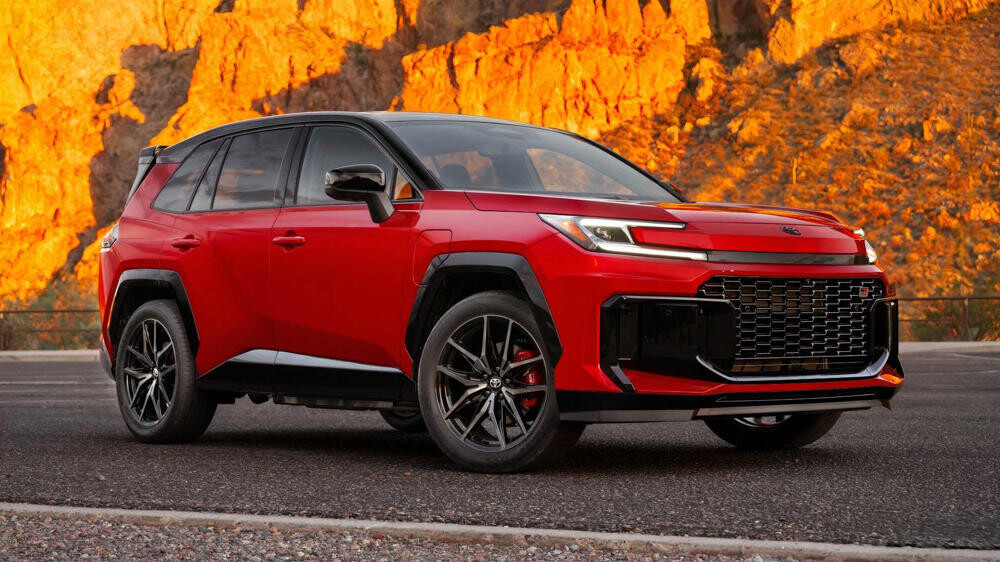
Mazda Toyota Manufacturing was conceived a decade ago and broke ground in 2018. However, because of the pandemic and construction delays, the twin-line plant didn’t begin production of the Mazda CX-50 until January 2022, four months after the first Toyota Corolla Cross rolled off an assembly line. Each side of the facility was built with an annual capacity of about 150,000 vehicles, and last month marked its one millionth manufactured vehicle.
The Mazda side, however, has accelerated more slowly than the Toyota line, and is still about 10,000 vehicles below planned capacity, Donnelly said.
“To stand up and start a new factory with a new partner, with a new model, with new suppliers is pretty historic,” Donnelly said of the factory, which navigated disruptions caused by the pandemic and supply chain shortages. “To be at the position we are now, where again we’ve got a lot of momentum with CX-50, but the operation is cruising along ... is pretty significant.”
A long process
For Mazda, unlocking its 150,000-vehicle share has been a meticulous process of stabilizing the workforce and supply base, but Donnelly said the plant is making steady strides to reach maximum utilization.
“We’ve been making gains there to get to that 150,000-[vehicle] ambition in the months ahead, which we feel confident about,” Donnelly said. Collectively, the two sides of the joint venture have 4,500 employees and support another 3,000 supplier jobs.
Even though it produces only one of the brand’s eight nameplates, Mazda’s decision to open a U.S. plant provided a much-needed relief valve when the Trump administration imposed costly tariffs on automakers in 2025. In response to those tariffs, Mazda moved Mazda3 sedan output from Mexico back to Japan to minimize its exposure and took other countermeasures.
“The point of MTM establishing a U.S. manufacturing base ... just in terms of the flexibility it provides, the capability it provides, the agility that it provides for us is significant for any brand, but for us as well,” Donnelly explained. “The supply base that we have in place now, so all of those things just add a degree of more confidence on our pursuit towards our future ambitions.”
Mazda has long targeted annual U.S. sales of 500,000 — a benchmark that would solidify Mazda’s transition from a niche player into a mainstream brand in the U.S. For about 20 years, Mazda’s volume plateaued at around 300,000 vehicles. In 2024, the brand set a U.S. sales record of 424,382, but sales fell 3.3 percent in 2025 to 410,346. Donnelly said a new sales record is in sight with a strong finish in November and December; through October, Mazda sales sit at 341,714, down 0.9 percent from 2025.
“We’ve been the fastest-growing brand in the industry the last six years,” Donnelly said, noting growth north of 45 percent over that period. “We have no desire to slow down or stop.”
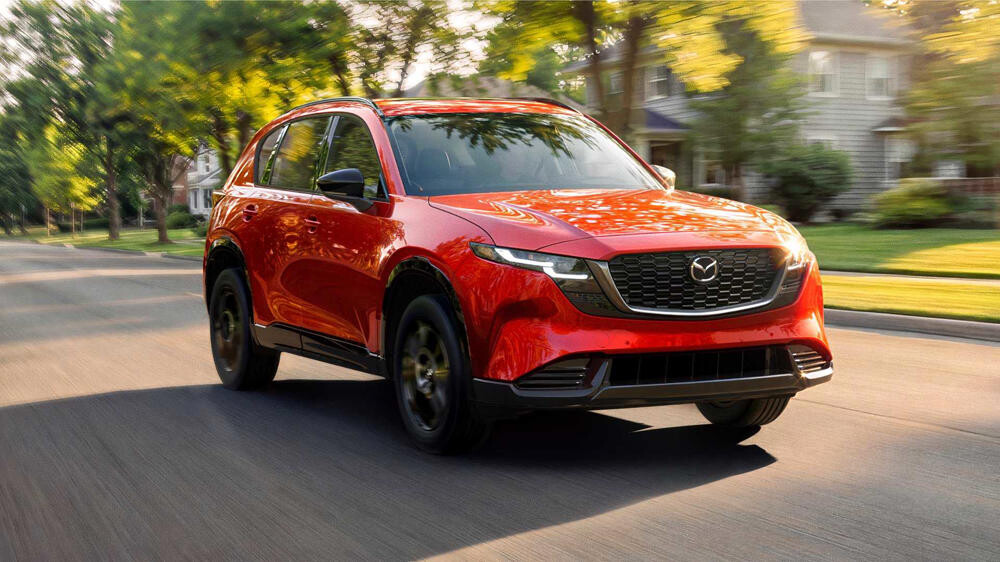
Mazda reported record September U.S. sales of 34,519 and had its second-best October on record at 31,446, both powered in part by the U.S.-produced CX-50, which has quickly become the brand’s second-bestselling model behind the similarly sized CX-5.
The segment-splitting pair each has a unique audience, Donnelly said.
“CX-50 is clearly targeted more toward an outdoor vibe or outdoor aesthetic to it. It has more functionality,” Donnelly said. “Whereas CX-5 simply, we call it a more urban customer.”
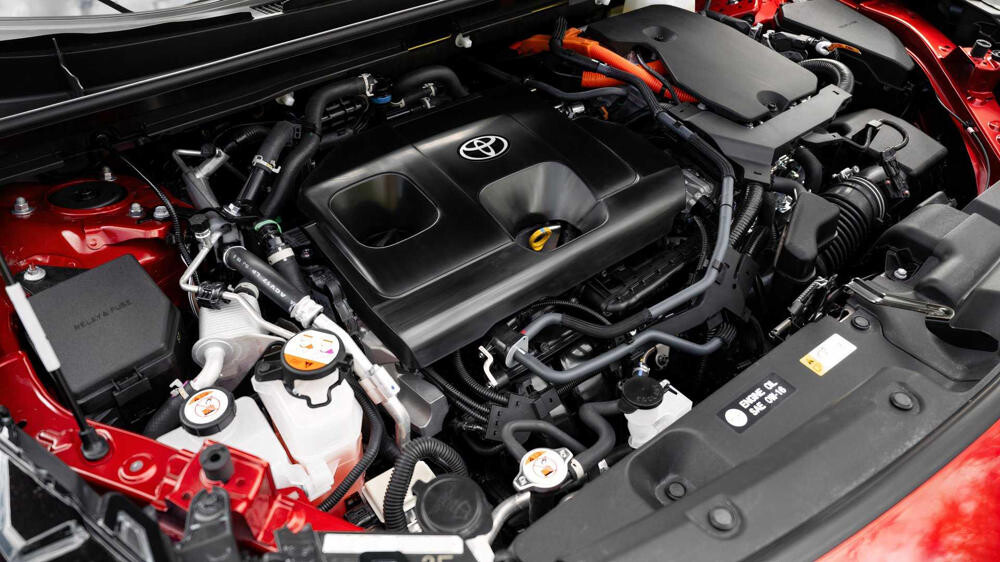
The recent addition of a Toyota-sourced hybrid powertrain on the CX-50 lineup has helped spark more demand for the crossover. CX-50 hybrid sales are up roughly 40 percent year over year, making it one of Mazda’s fastest-turning vehicles on dealership lots.
Mazda’s deepening roots in the U.S. have been a high priority to expand the brand. Beyond the $2.3 billion invested in Huntsville, Mazda and its dealer network have poured over $2 billion into its Retail Evolution, a dealership facility program, and brand transformation over the last seven to eight years, Donnelly said.
Together with its dealers, Mazda’s U.S. investments have eclipsed $4 billion in the last five to seven years, and support between 25,000 and 30,000 jobs across corporate and retail operations, Donnelly said.
When asked if Mazda should receive credit for the U.S. investments in the form of any tariff relief for automakers, Donnelly was clear.
“I think that would be fair, right?” he said. “Because we’re a global industry. We need to compete globally.”
He said Mazda’s $4 billion-plus investments in the U.S., along with future ambitions, would benefit the U.S. market and the objectives of the administration, notably new jobs.
Said Donnelly: “Let’s have a conversation about that.”