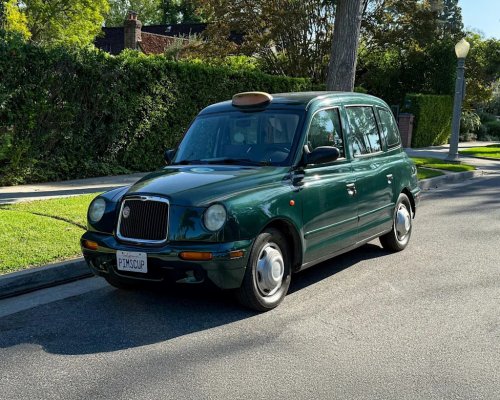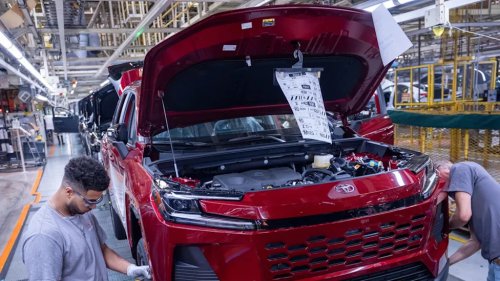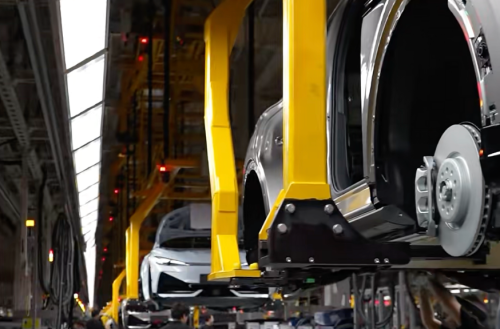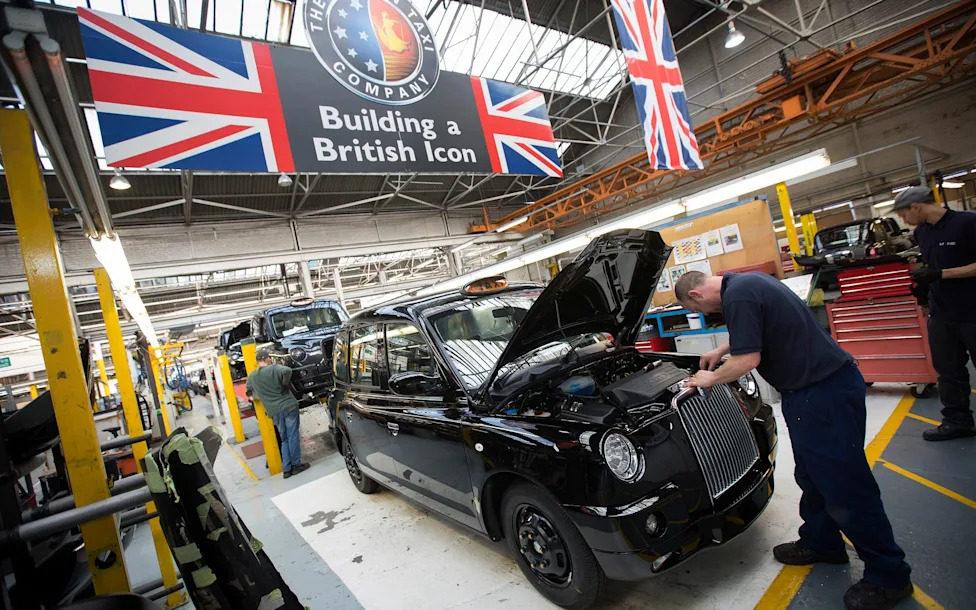
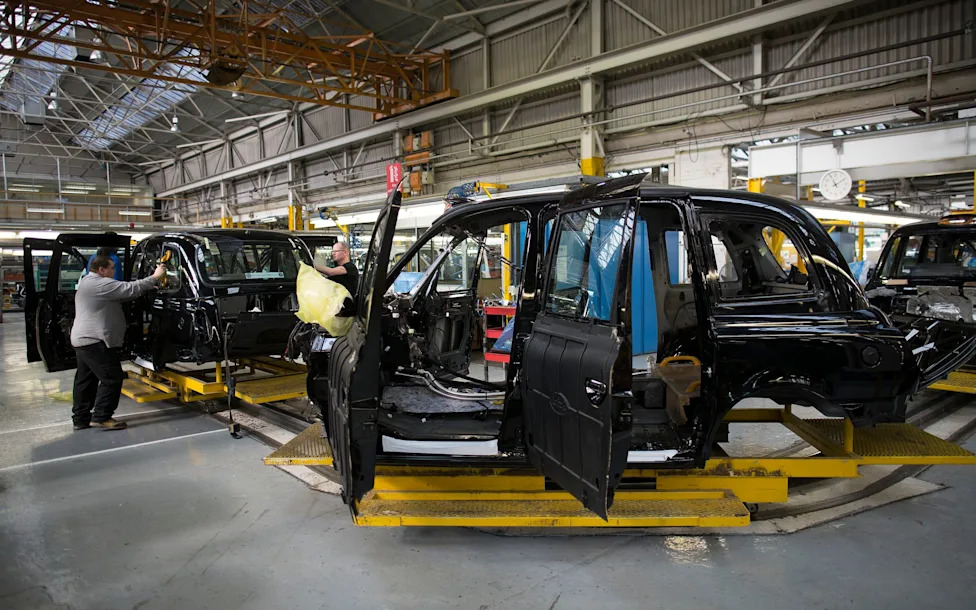



















A London taxi cab on the production line at the London Taxi Company's assembly plant in Coventry - Simon Dawson/BloombergLondon taxi drivers face the threat of a black cab shortage after a Chinese manufacturer radically scaled back production.Drivers and fleet operators in the capital have complained of nine-month waiting times for even small numbers of cars from the London Electric Vehicle Company (LEVC), which is currently the sole manufacturer available.Dwindling demand for black cabs means the Coventry-based group, owned by Chinese giant Geely, has cut production of the celebrated vehicles as the popularity of ride-hailing apps lead to fewer drivers.AdvertisementAdvertisementBut its "build-to-order" policy has been blamed for creating a shortfall of electric taxis, just as net zero rules imposed by Transport for London (TfL) force drivers to retire their older diesel vehicles and buy new ones.At the moment, mainstream manufacturers such as Ford, Stellantis and Nissan do not produce a London taxi because it would not be financially viable, leaving LEVC's electric TX cab as the only option.Mick Walker, the secretary of the London Cab Drivers Club, said: "Everyone is starting to realise the trade is in serious trouble."There are drivers being put out of work now because they cannot actually get a vehicle."AdvertisementAdvertisementSteve McNamara, the general secretary of the Licenced Taxi Drivers' Association, stressed that the secondhand market for black cabs remained healthy, giving individuals an alternative option.But he warned that things were particularly tough for fleet operators that only buy new.Colts Cabs, London's largest fleet operator with more than 1,000 cabs, typically replaces between 100 and 200 vehicles per year but said it had been offered just 10 cars when it attempted to order 30 in March.Mr McNamara said: "Fleets are really struggling to get hold of new vehicles."In recent weeks and months, there have been attempts to place orders for 200 cabs and people are being told they can only have 25 and not until February next year at the earliest."AdvertisementAdvertisementAn LEVC spokesman said the company "regularly adjusts manufacturing output to meet expected market demand" but insisted that the cuts to production were also the result of work to gear up for the launch of a new model.He added: "In the meantime, TX assembly continues and new vehicle deliveries, used sales and aftersales operations continue as normal."LEVC is the only manufacturer of black cabs - Simon Dawson/BloombergThe most recently available accounts published by the company say it produced 1,308 cars in 2024, or about 25 per week. However, the figure is thought to have fallen since then.China's Geely acquired the London Taxi Company, now known as LEVC, in 2013.AdvertisementAdvertisementThe automotive giant, which also owns Lotus, Volvo and Polestar, later invested £500m in a cutting-edge factory in Ansty Business Park on the outskirts of Coventry.Its business plan assumed demand for its world-famous taxis from London and other world cities, with a van variant also developed as a sideline.However, industry sources say demand in both categories has been disappointing globally.In particular, LEVC says it has cut production in response to a dramatic decline in the number of licenced taxi drivers in London.Since 2020, the figure has plunged from about 20,400 to 15,900.However, cabbies argue that the company's "build-to-order" policy is failing to keep pace with demand for replacement vehicles, creating a vicious feedback loop where cars become even less affordable and more drivers are squeezed out.AdvertisementAdvertisementUnder TfL rules related to air quality, black cabs must be retired after 12 years.The policy will mean some 1,300 cars are taken off the streets in the next 11 months alone, according to the London Cab Drivers Club.At the same time, rising input costs and high interest rates have pushed up the cost of LEVC's electric taxis.When the TX was introduced in 2018, the base purchase price stood at under £55,000. It has since increased to more than £74,000 – with cabbies who cannot afford this upfront cost typically paying more than £90,000 when financing deals are taken into account.LEVC has blamed this rising cost of ownership for falling demand, as well as the shrinking number of drivers taking "The Knowledge" test and entering the trade.AdvertisementAdvertisementWhereas some 3,400 people applied in 2000, only 809 people did so last year – with only 107 passing.Mr Walker blamed the drop on the ease with which drivers can now qualify instead as a private hire operator and then ply London for work on apps such as Uber and Bolt.Whereas it typically takes three to four years to memorise the hundreds of routes they could be tested on, he said, a private hire driver can obtain a licence in just three to four weeks."There's no one coming into the trade, really," he warned, pointing to figures showing that last week just one black-cab driver qualified compared to more than 600 private hire drivers.AdvertisementAdvertisementThere are some 109,700 private hire drivers in London overall.Try full access to The Telegraph free today. Unlock their award-winning website and essential news app, plus useful tools and expert guides for your money, health and holidays.