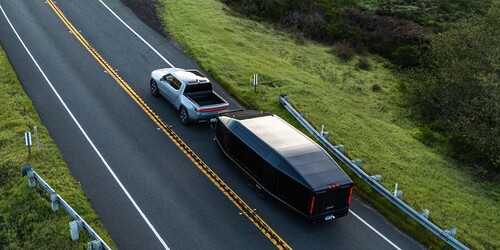
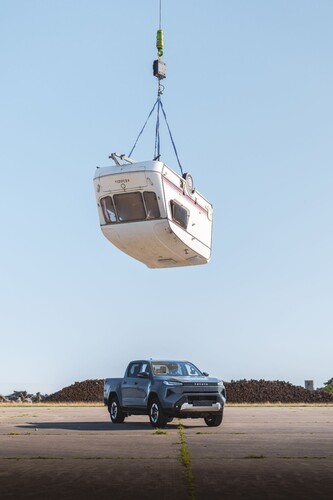
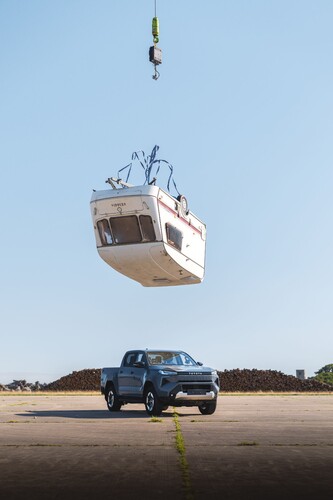
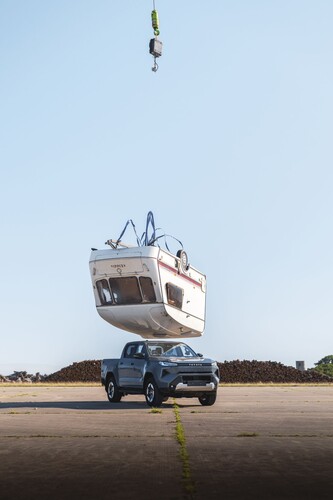
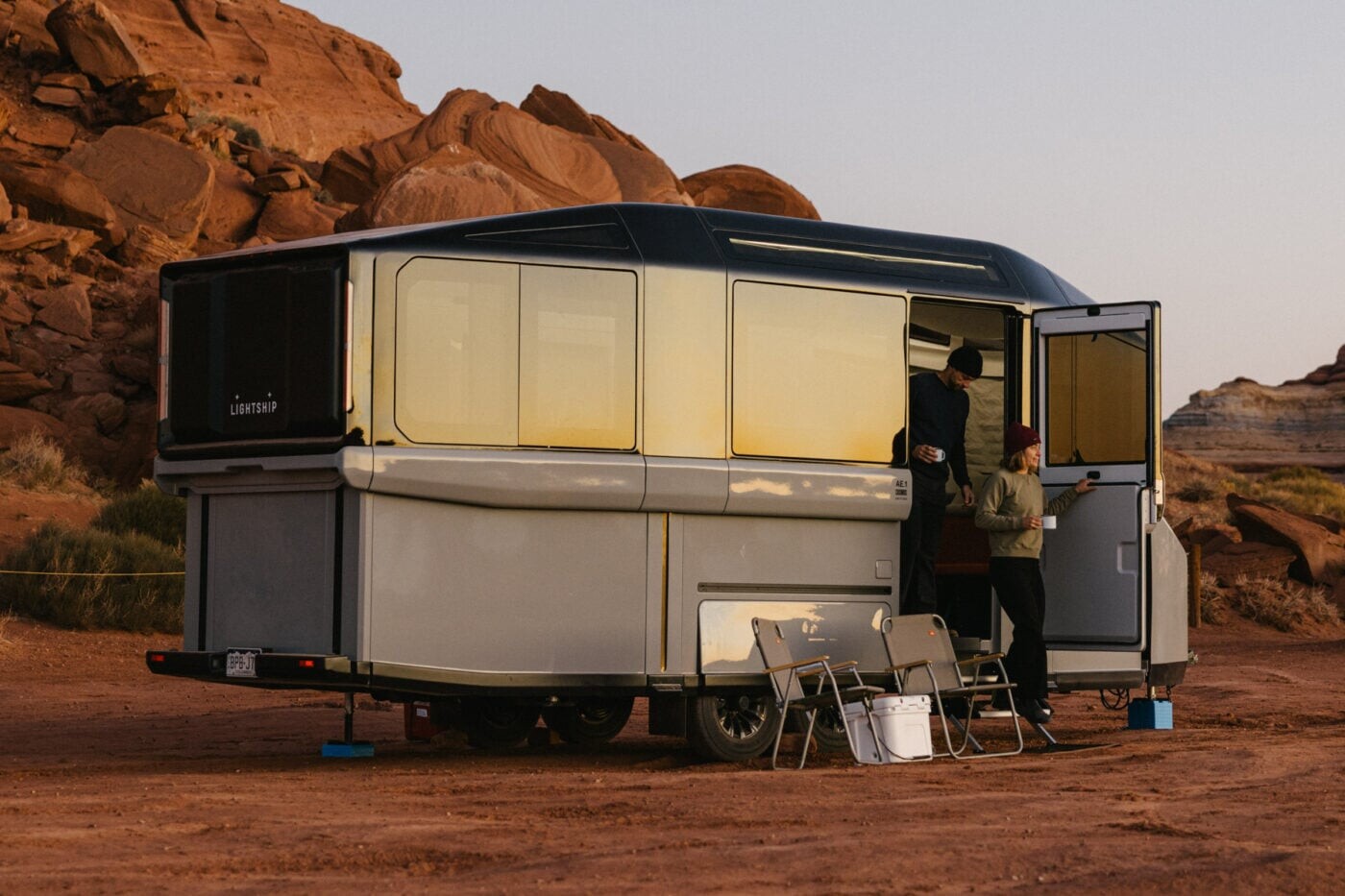
Ethan Harris · 6 months ago@ethanharris55Lightship expands US facility for electric caravans Liked by+39 othersPost commentRelated PostsChinese Humanoid Robots Enter European New Energy Vehicle Manufacturing Facilities 83 · Liam Leblanc · 3 months agoChina Chongqing to Build 750,000 Charging Facilities and 2,500 Ultra-Fast Charging Stations 41 · Madeleine Harris · 3 months agoGotion to build battery facilities in Spain next year 73 · Connor Anderson · 3 months agoLocal Groups & Sierra Club Challenge Permit for Pipeline that Would Feed CP2 LNG Export Facility 70 · Ryan Anderson · 3 months agoLDEQ Must Conduct Full Environmental Justice Analysis of Hyundai Steel Facility 63 · Jacob Hall · 3 months agoWe Tour a Facility in China to See How EV Charging Equipment Is Made 33 · Lucas Pelletier · 4 months agoTE Connectivity strengthens China footprint with new manufacturing facility in Nantong 84 · Charlotte Hall · 4 months agoMoment Energy opens new second-life facility in Vancouver 84 · Carter Wilson · 4 months agoGreat Wall Motor, TotalEnergies deepen global partnership with new joint R&D lab facility 14 · Grace Harris · 4 months agoTesla Approved Body Collision Center – Hap Seng opens two new repair facilities in Melaka and Kuching 92 · Madeleine Bouchard · 4 months agoChina's charging facility total exceeds 21.48 million, up nearly 50% year-on-year 30 · Mia Fortin · 5 months agoTesla (TSLA) maxes out $5.8 billion Chinese bank debt facility as China sales crash 11 · Emma Campbell · 5 months agoOver 500 Jobs To Be Created At New Solar Cell Manufacturing Facility 12 · Nathan Labelle · 6 months agoLeapmotor eyes Canadian production at Stellantis facility 73 · Sophie Leblanc · 6 months agoThailand: Xpeng mulls local production facility amid rising demand 77 · Caleb Pelletier · 6 months agoPuspakom sets out to modernise its vehicle inspection network – capacity expansion, facility upgrades 79 · Sophie Rogers · 8 months agoSunway Iskandar Puteri track named Jeffrey Cheah Circuit – four layouts, up to 4.5 km; off-track facilities 46 · Mia Martin · 8 months agoLeapmotor Ipoh 3S centre by CST Auto launched – 8,400 sq ft facility with 24/7 roadside assistance 71 · Mia Wright · 11 months agoBHPetrol revamps Bandar Tun Razak petrol station – 29-year-old facility gets new CI, Kenangan Coffee 82 · Alexander Leblanc · 12 months agoGroundbreaking takes place for new Honda Facility in Decatur 88 · Lauren Rogers · 1 years ago

 +39 others+39 others
 +39 others