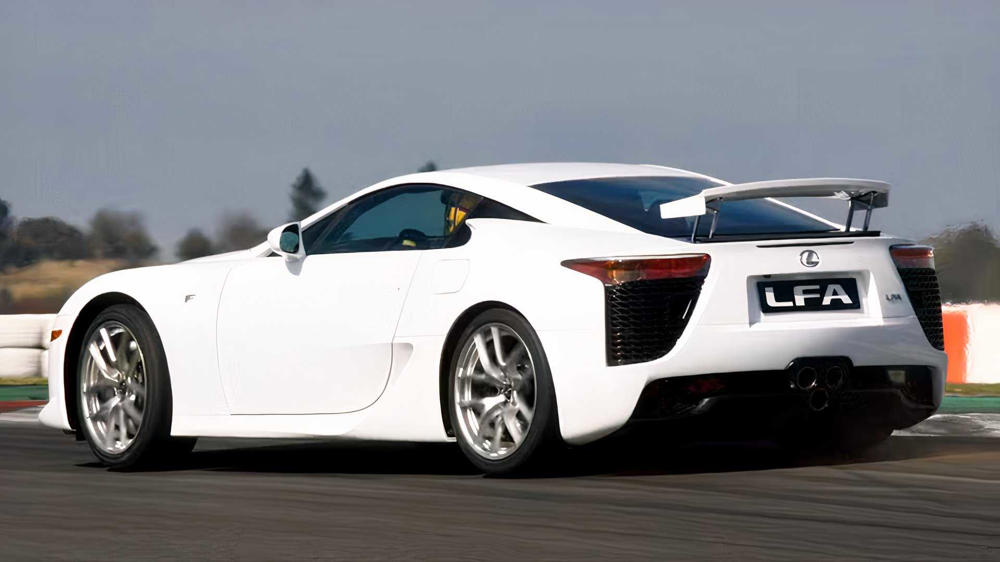
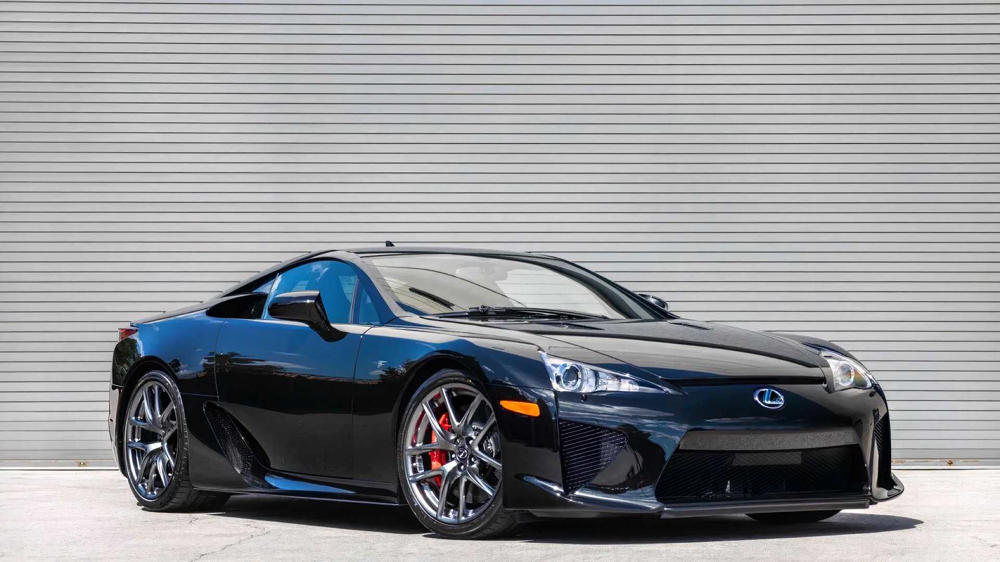
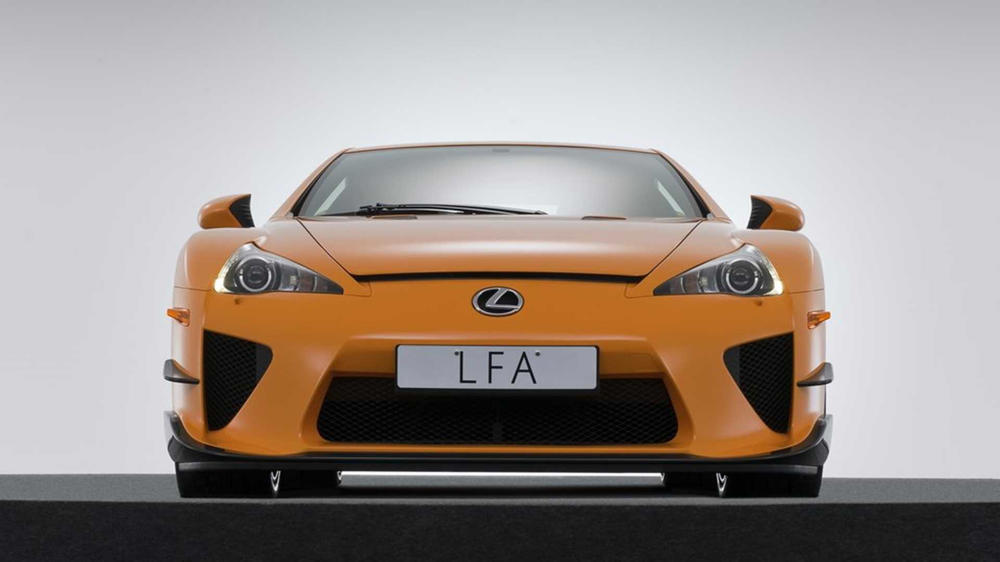
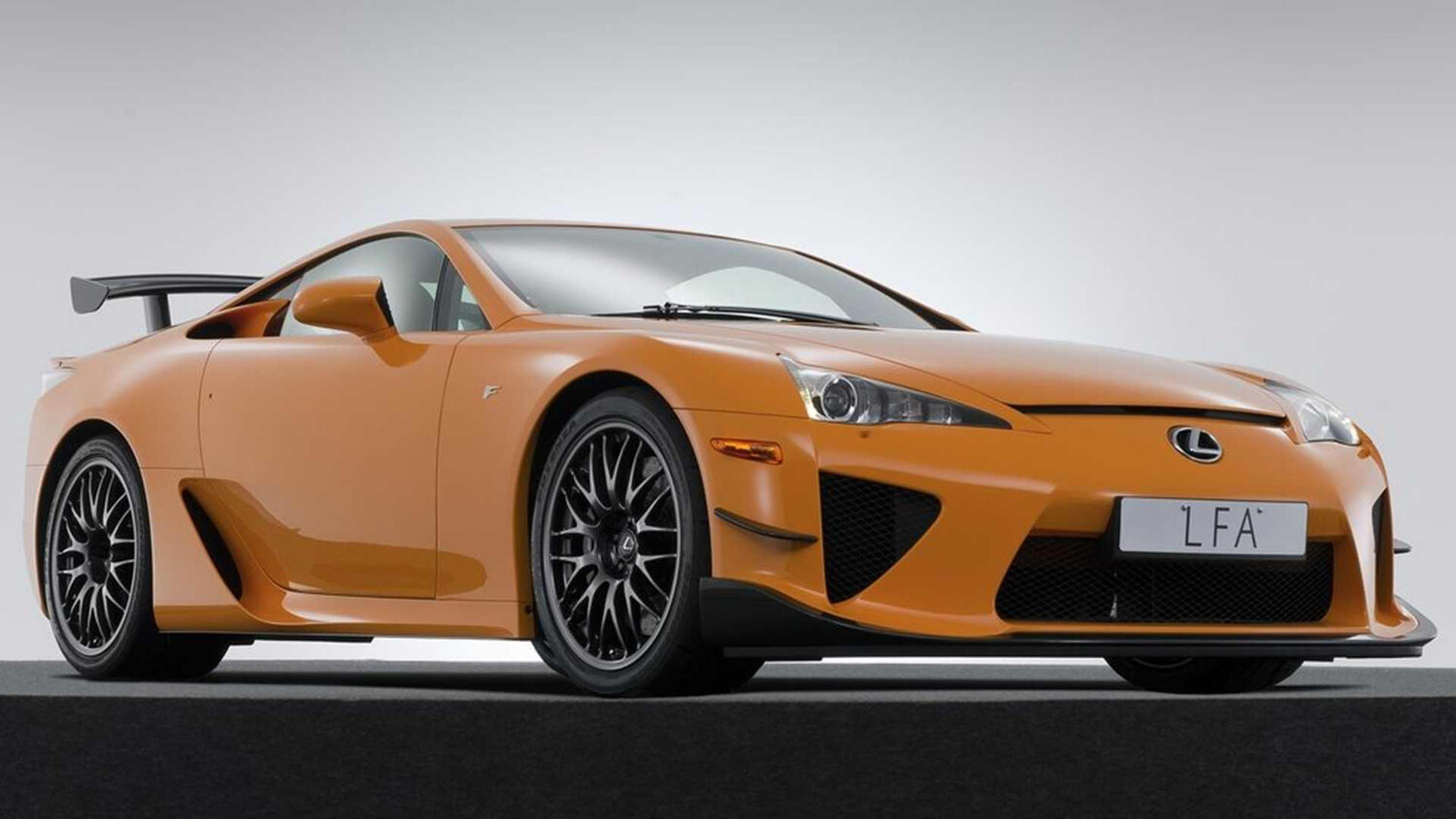
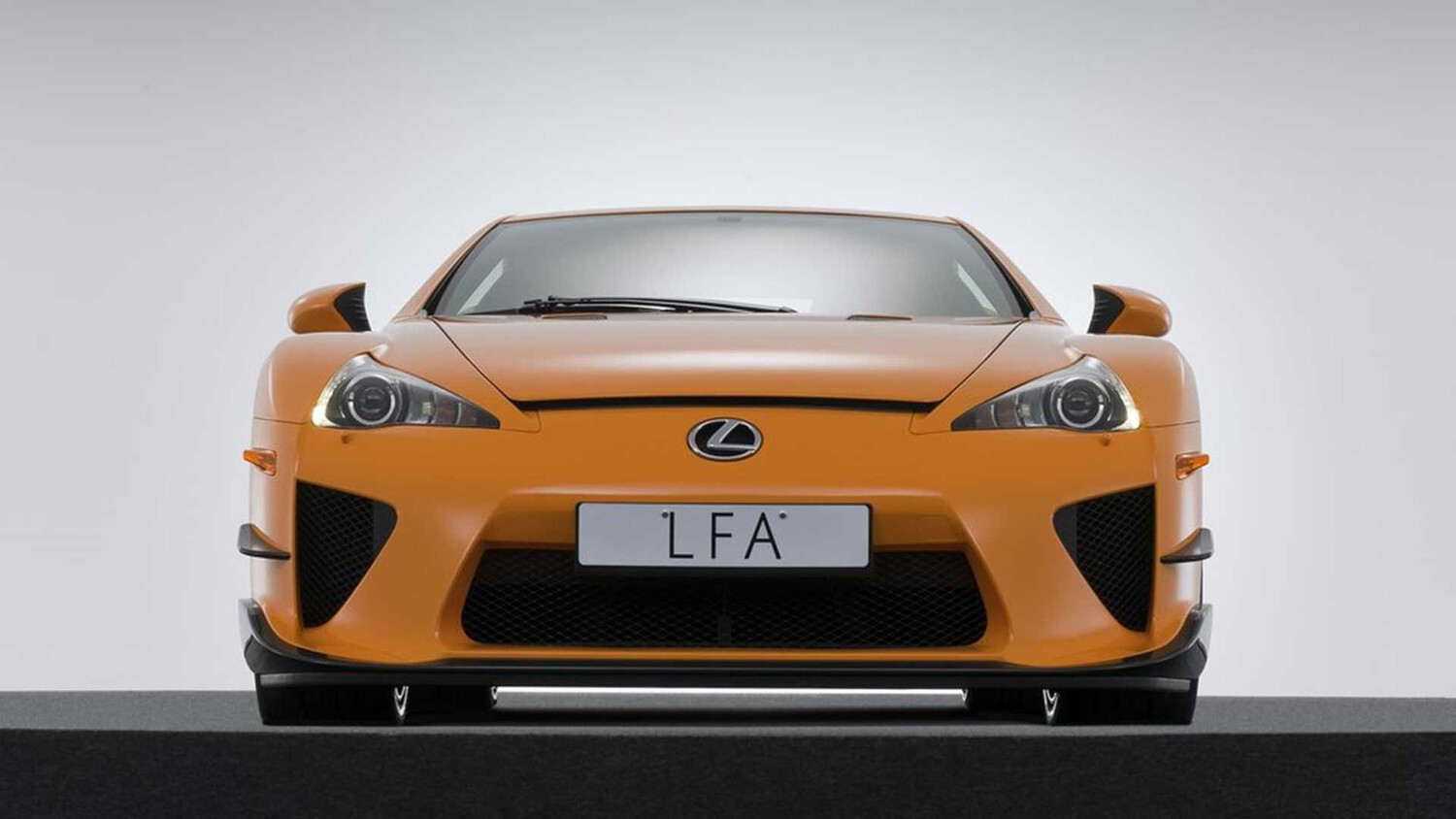
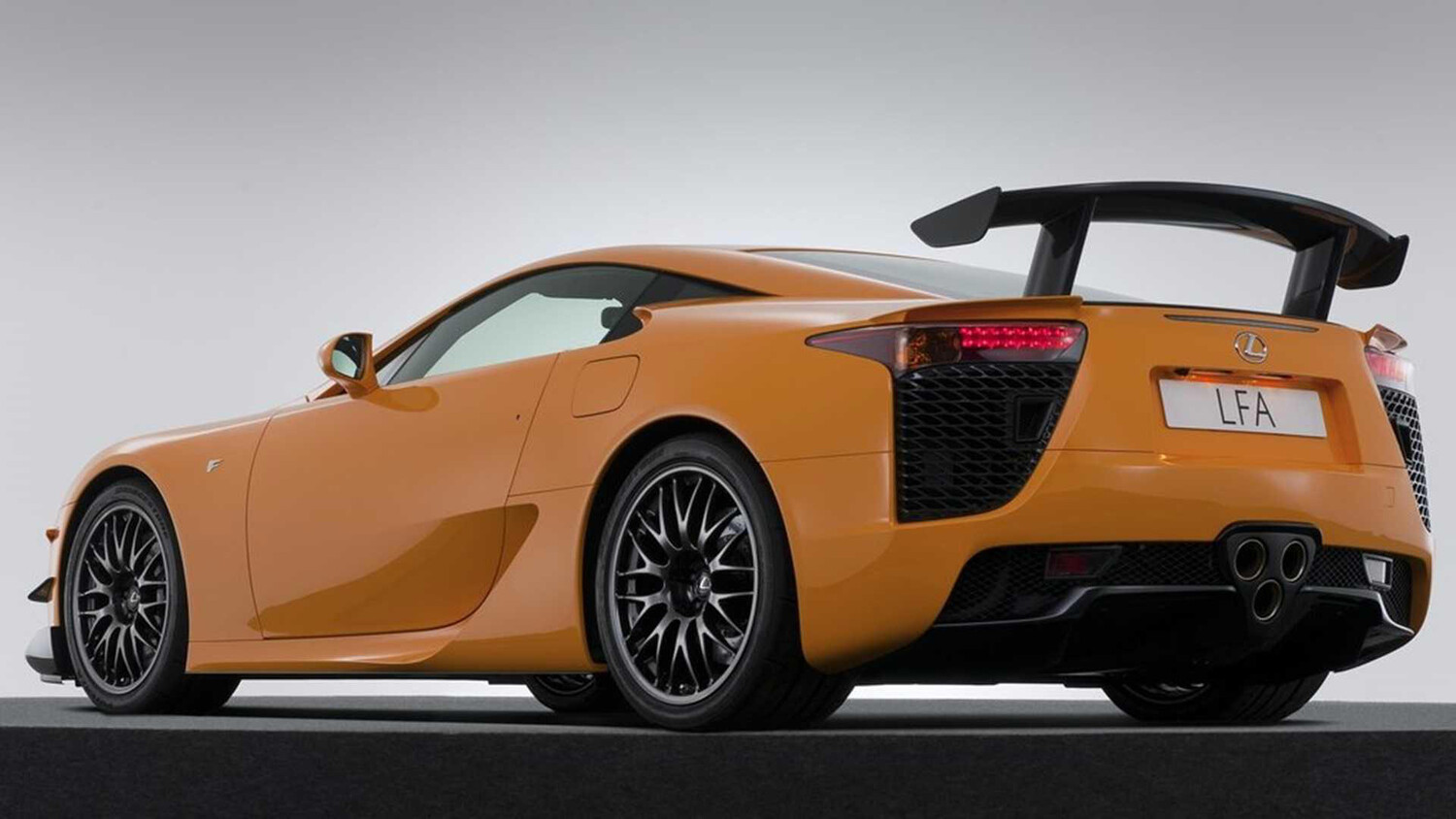
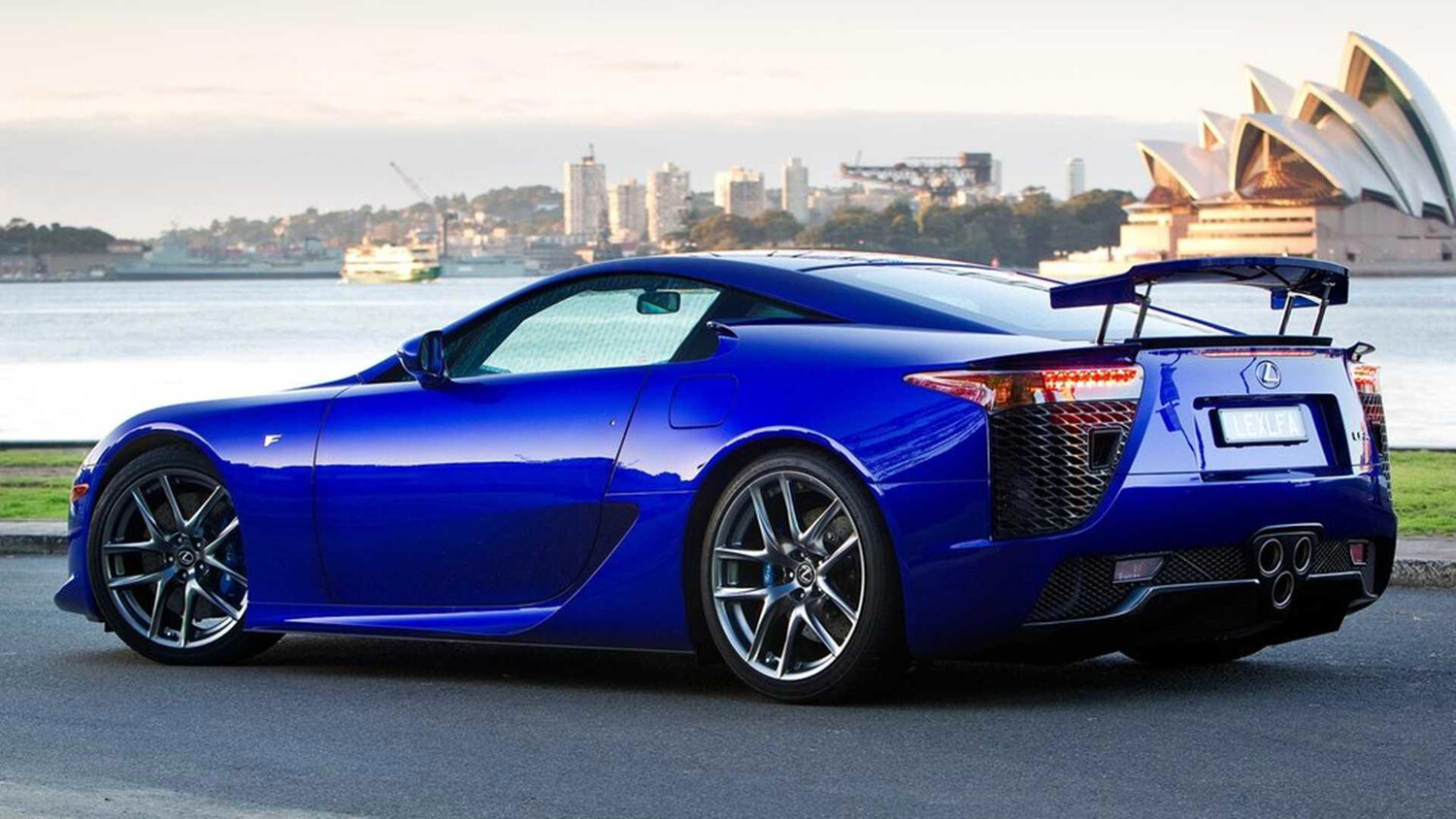
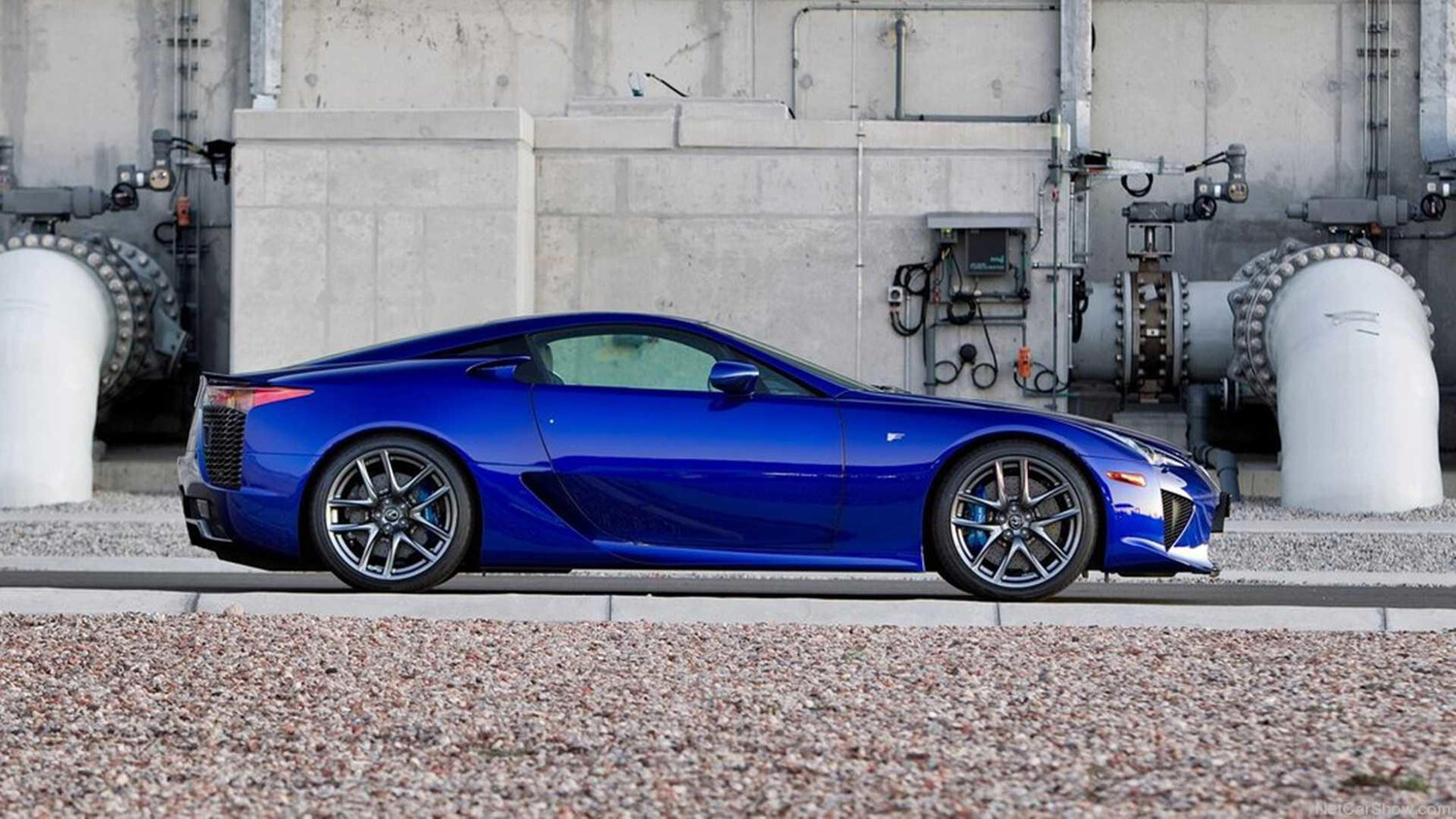
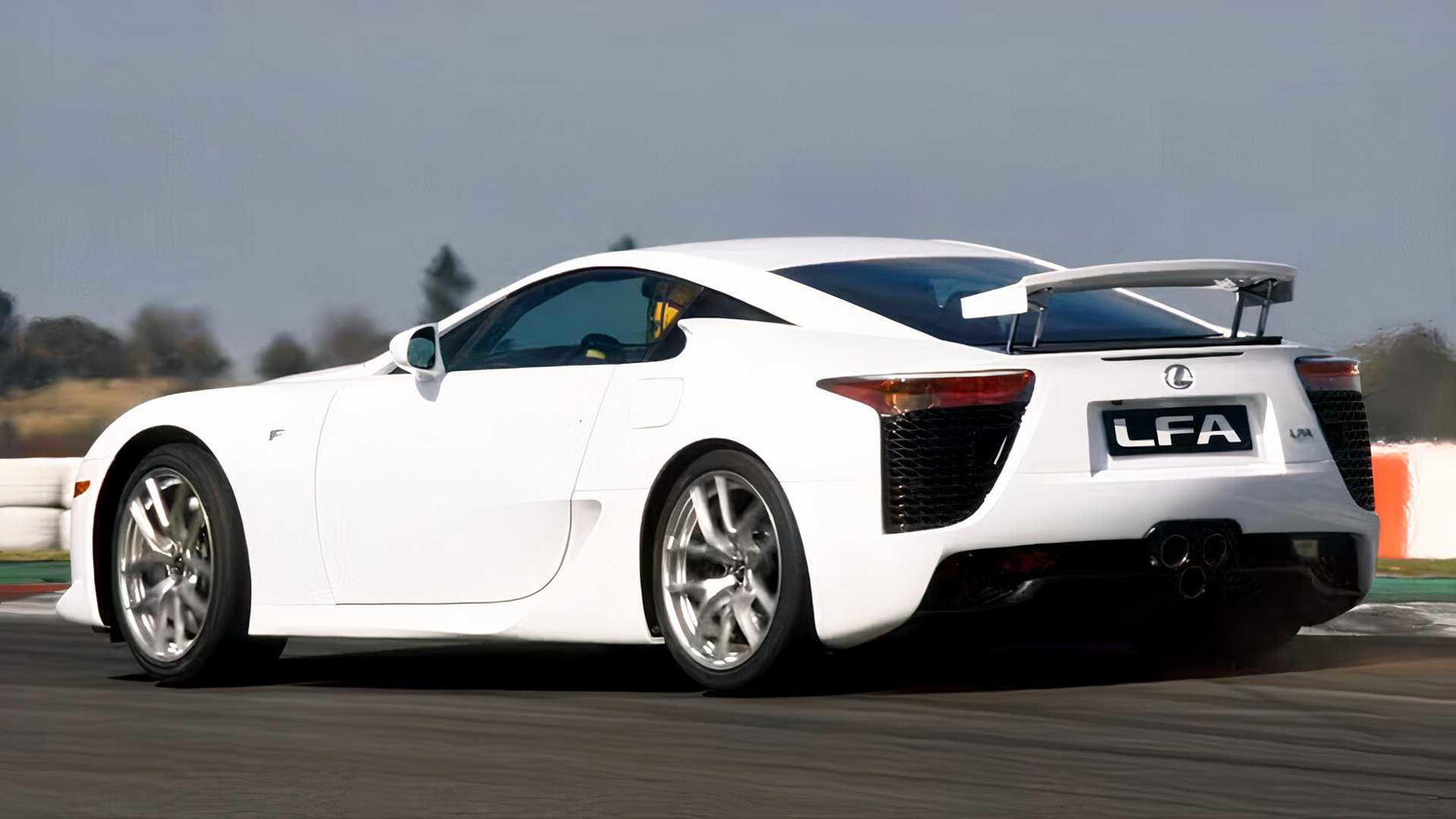
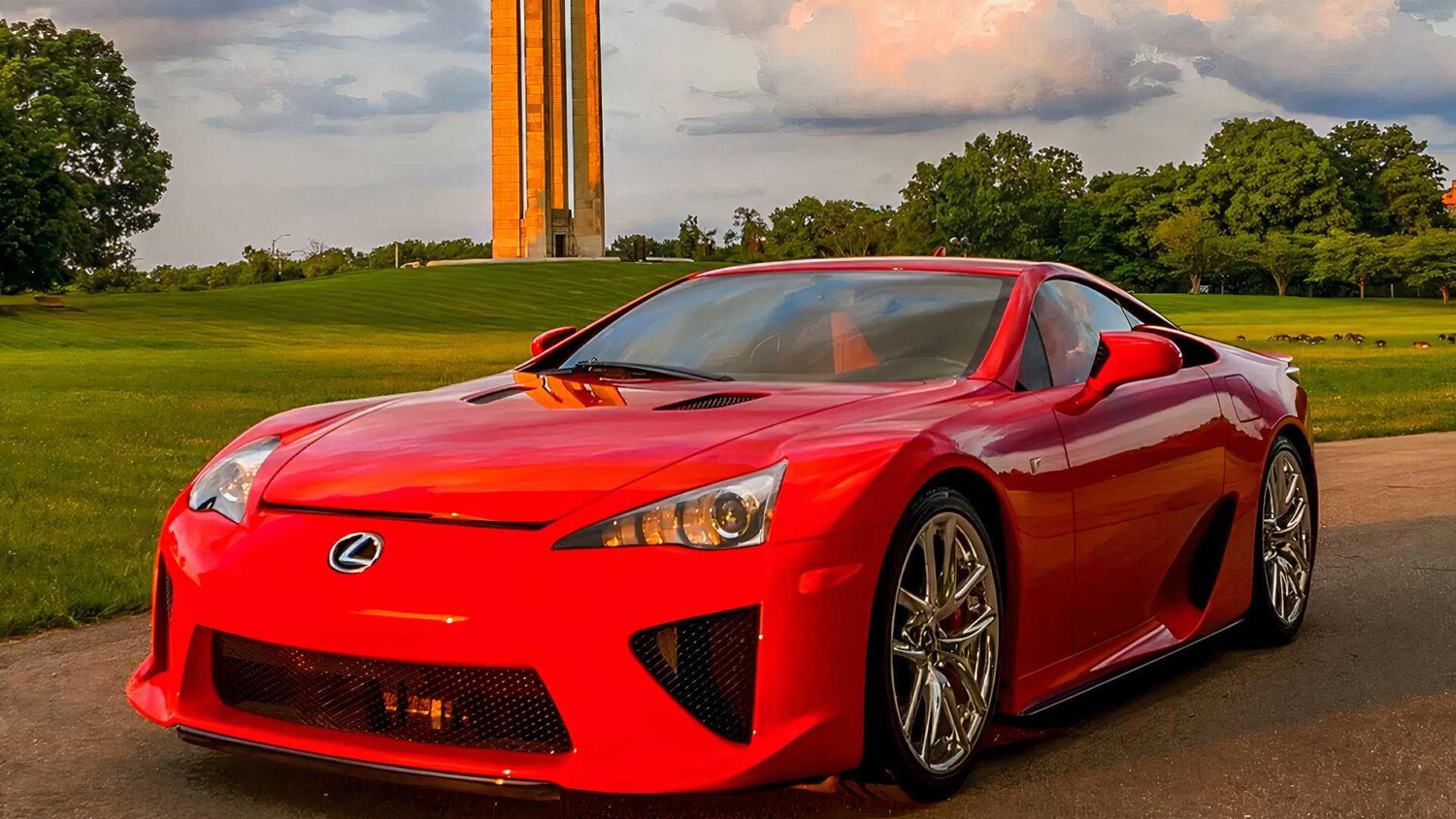
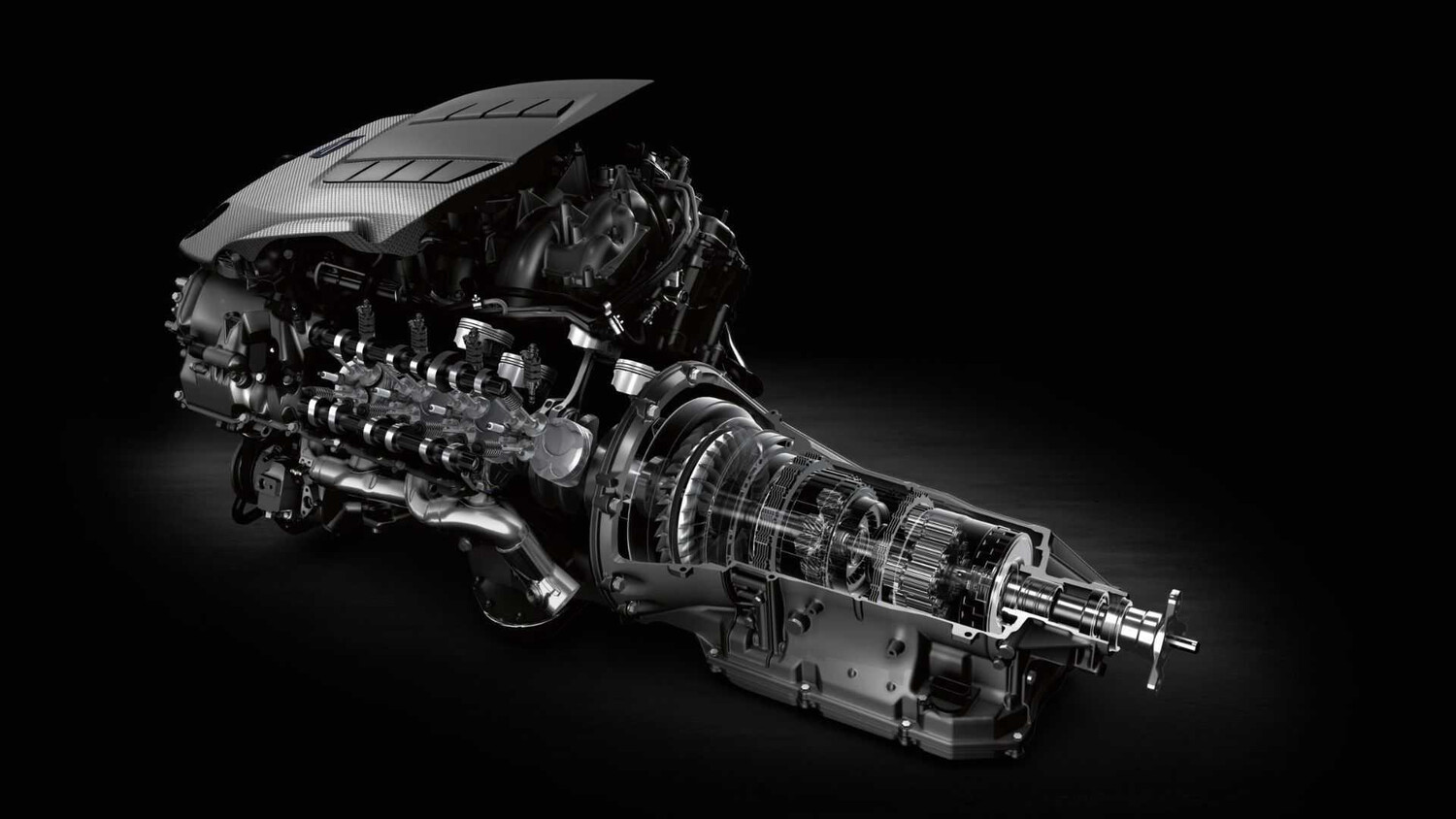
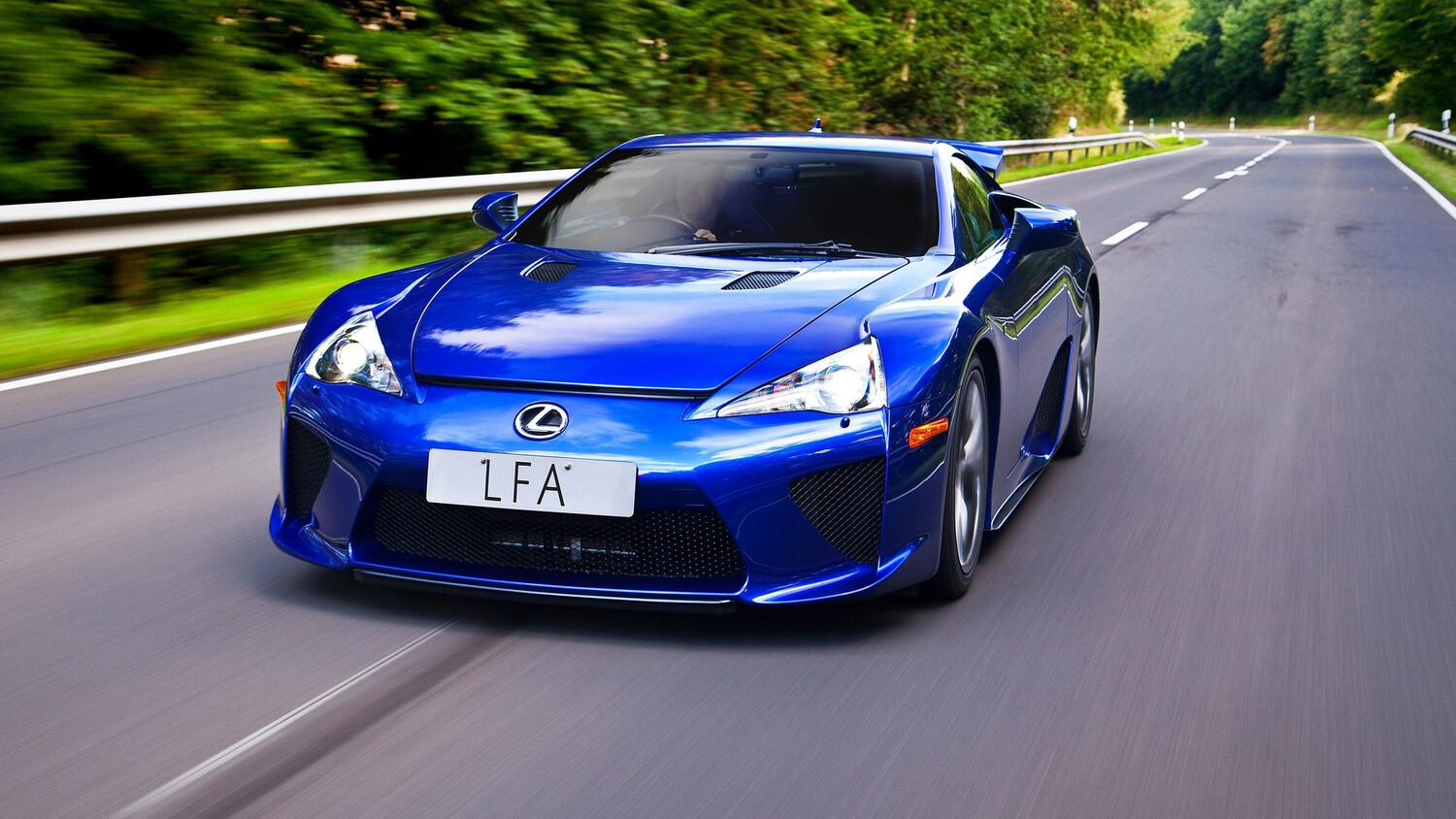
A high-revving, naturally aspirated supercar engine becomes a costly affair when it comes to churning out performance. Turbochargers and hybrid systems come across as alternate routes for OEMs to access power, while a bespoke engine engineered to chase revs has to justify itself through the experience it delivers. What made Toyota take that gamble once, and where did it lead to later? The Golden Age Of Naturally Aspirated Supercars A naturally aspirated engine is designed to generate power without having a turbocharger or supercharger push extra air into it. In the world of performance, that often means using revs. The faster the engine spins, the more power it produces. Over the years, this resulted in high-revving V10s and V12s that defined an era where manufacturers built engines for the sheer pleasure of hearing them rev towards the redline. By 2010, manufacturers found it hard to sustain this concept. Emissions rules, development costs, and changing policies and priorities were reshaping how the world looked at supercars. That tipping point also marked the year the world took notice of a hand-built Lexus supercar that went into production after its 2009 unveiling. It was powered by an engine unlike anything else in its lineup. This was the Lexus LFA’s V10, which showcased a remarkable engineering effort. Its short production run is what makes things interesting, as it begs everyone to ask why it was never repeated. The 1LR-GUE: A V10 That Shouldn’t Fit The 1LR-GUE is a 4.8-liter V10 developed by Lexus for the LFA. Its 72-degree bank angle allowed engineers to squeeze 10 cylinders into a compact area, while still managing evenly spaced combustion without a split-journal crankshaft, a crankshaft design that offsets connecting-rod attachment points to achieve the anticipated firing order. The layout also resulted in reduced weight and friction. These choices were crucial, because the engine had to make its way into a front-mid-engined car without compromising weight distribution of the LFA. How Yamaha’s Role Proved To Be Equally Important In This Project Lexus worked with them on the engine's high-flow cylinder heads and the intake and exhaust tuning, which gave birth to its distinctive sound that is admired by gear-heads worldwide even today. Yamaha’s experience with high-revving engines and acoustics resulted in making the V10’s performance and voice part of the design and engineering DNA. As a result, the engine sounds more like an instrument with ten combustion chambers. The V10 powering the Lexus LFA produced 552 horsepower at 8,700 rpm and 354 pound-feet of torque at 6,800 rpm.These figures had it locking horns with the contemporary Ferrari 458 Italia, whose naturally aspirated 4.5-liter V8 made 562 horsepower at 9,000 rpm. The Nürburgring Package pumped up the LFA’s output to 562 horsepower, often rounded to 563 horsepower, but these numbers apply to the limited edition, not the standard LFA. Engineering At The Redline A 9,000-rpm redline makes sense only if the parts survive reaching that mark repeatedly. The LFA’s forged titanium connecting rods and forged aluminum pistons reduced the weight of the parts pacing up and down inside the mill. Less reciprocating mass means less force is needed to accelerate those components, as engine speed climbs. The materials selected for the V10 were carefully chosen for durability as well as lightness, enabling the engine to tolerate the constant stress of high revs. Air and fuel delivery had to be kept up to speed too. Ten individual throttle bodies, one for each cylinder, controlled airflow, while high-volume, 12-hole injectors helped meter fuel. The engine control system timed the injector sparks to the cylinders’ intake cycles. Lexus’s response was to prioritize the logic that used throttle-pedal angle to estimate incoming air, allowing the engine’s brain to calculate the precise fuel quantity quickly, as the driver opened the throttle. The Brief For The System Was Rapid Response Lexus stated that the engine could rise from idle to 9,000 rpm in 0.6 seconds. That is swift enough to make an ordinary tachometer needle look like it has somewhere else to be. So, Lexus designed an LCD digital display that imitated an analog tachometer, wherein the digital needle could keep up with fast-changing engine speed in real time. It’s also worth noting that the standard redline is 9,000 rpm; the 9,500-rpm figure on the display refers to the fuel cutoff; it is not a higher standard redline. Mapping that response rate on a digital display also shaped the driving experience. Contemporary road testers began describing the V10 as something that hit the redline almost instantly, with a sharp, high-pitched echo and direct throttle response. It wasn’t just the numbers on the spec sheet, but the way the power was delivered that defined the engine’s character. It rewarded the driver for using the rev range, by offering performance and drama without the need for a turbocharger to fill in the gaps. The Nürburgring Package was introduced to offer a track-focused demonstration of the idea. In 2011, Lexus test driver Akira Iida recorded a 7:14.64 lap of the 20.6-kilometer Nordschleife in the road-legal version of the LFA. The result proved that the Lexus engine, alongside its chassis, tires, suspension, and aerodynamics, worked as part of a complete performance package, while also proving that it wasn’t the engine alone that was responsible for the recorded time. Why It Ended The LFA began with the idea of keeping it limited. Lexus planned 500 cars; production started in December 2010 and ended in 2012. Building a bespoke V10 for such a short stint made the LFA an engineering marvel. The company never gave a public explanation for not repeating the V10 again. Cost, emissions, and changing market priorities and policies are plausible contexts, but Lexus hasn't confirmed any of these reasons. The LFA Engine’s Legacy The LFA’s V10 wasn’t just another large engine. Its compact bank angle, lightweight internals, individual throttle bodies, carefully managed fuel delivery, and digital tachometer all defined one purpose, and it was to prove that a naturally aspirated engine could rev rapidly and remain in control. Its 552 horses placed it well amongst the leading supercars of its day, while the Nürburgring Package dictated the engine’s finesse to deliver serious track performance. That formula was never repeated by Lexus. The 500-car production window of the Lexus LFA closed, and the flagship coupes that followed later took different routes with a V8 in the LC 500 and a V6 hybrid in the LC 500h. For anyone wondering what makes a performance engine memorable, the sensible takeaway is that peak horsepower is just one of the many attributes. With regard to the LFA, the engine's rapid response was central to the car's identity, and so every decision taken by Lexus engineers, be it the titanium rods, the fueling, or the driver display, was made to make the Lexus LFA unforgettable. Source: Lexus, Toyota