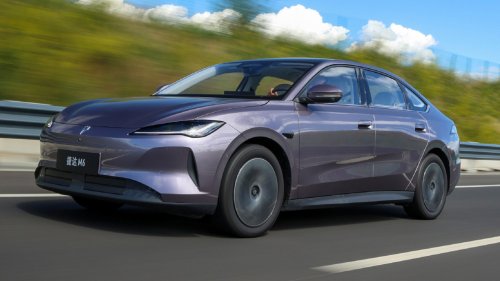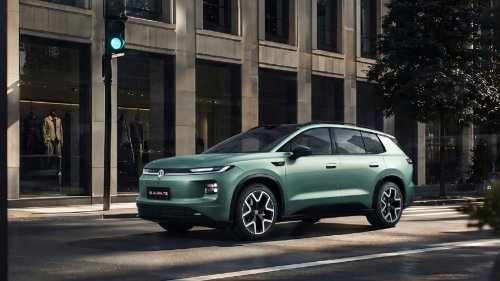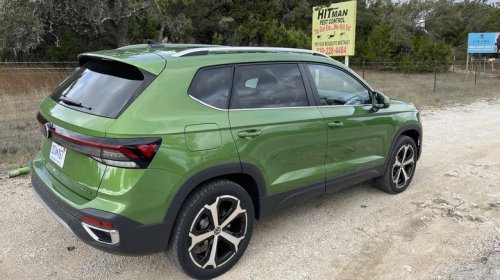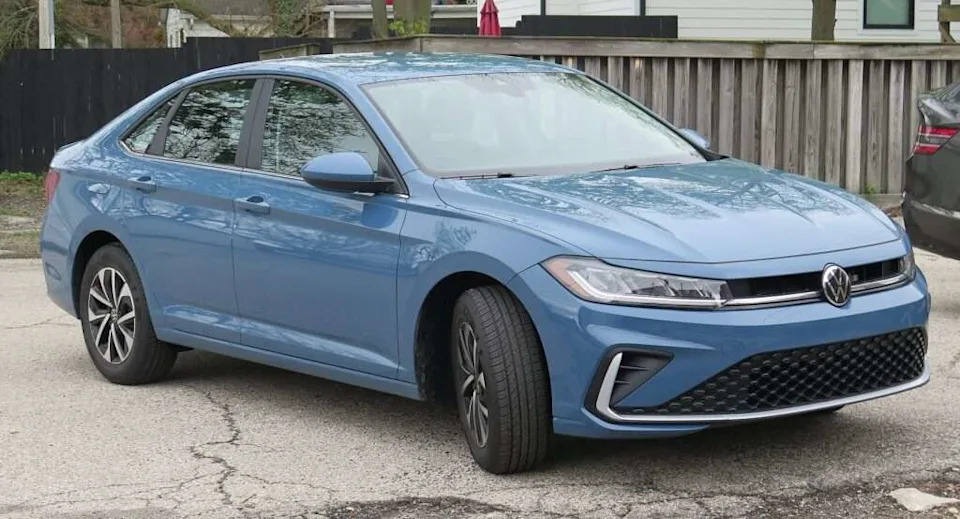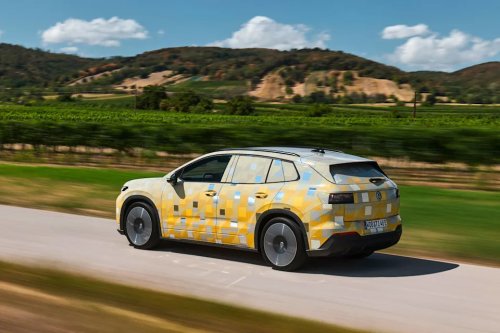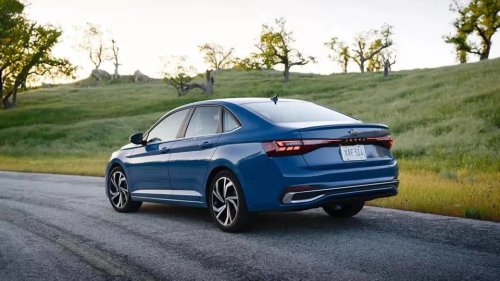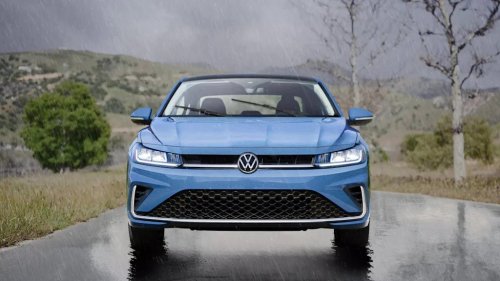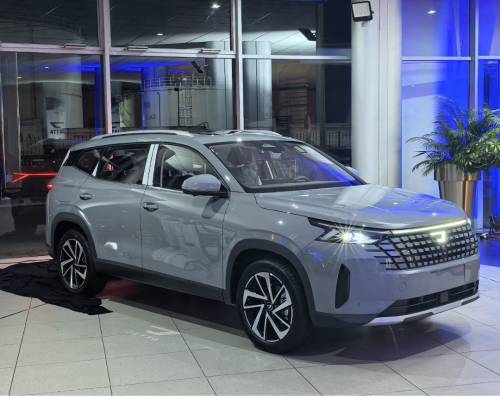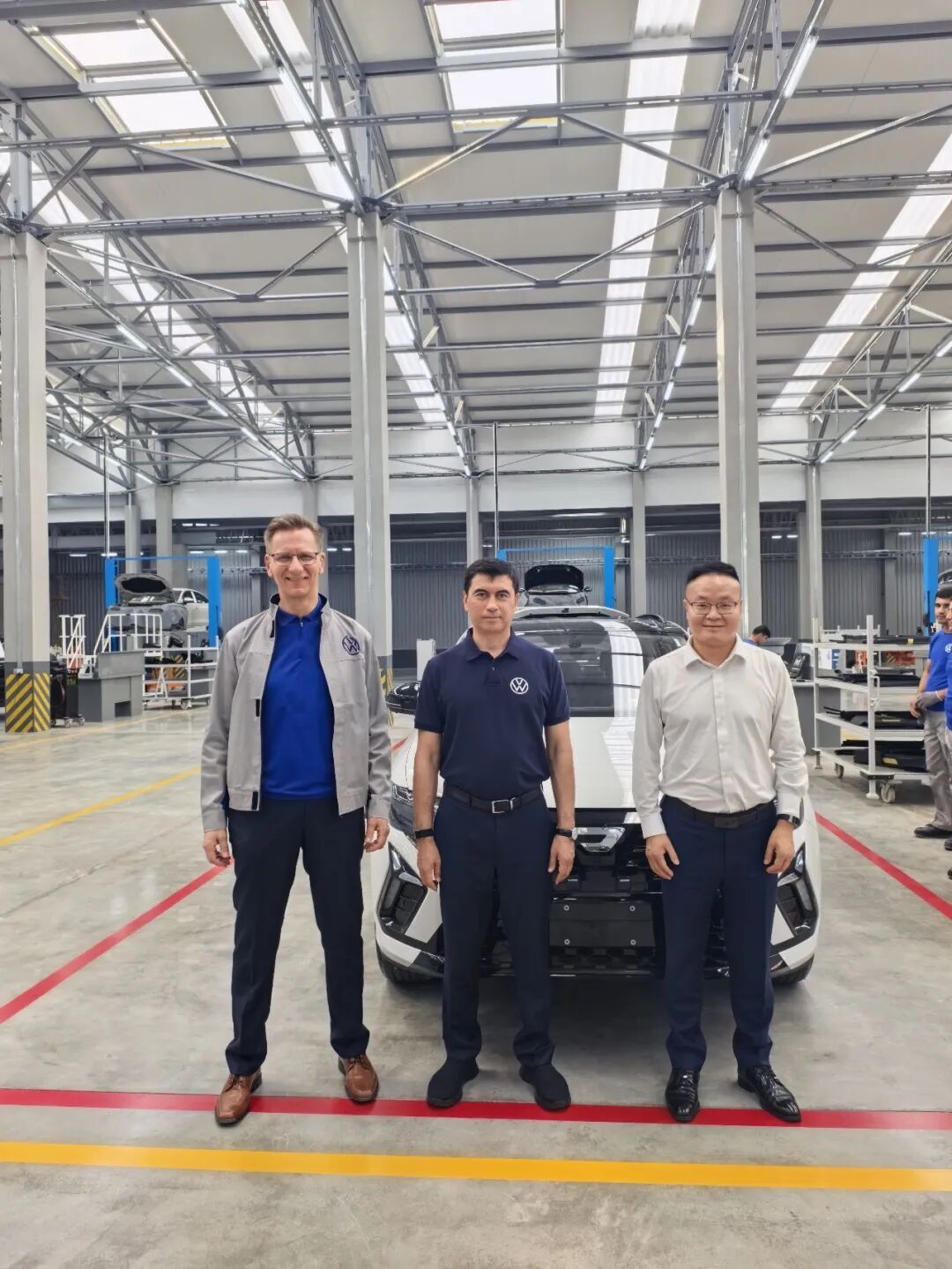



















Gasgoo Munich- JETTA, the value-oriented passenger vehicle brand under FAW-Volkswagen, has officially entered the Uzbekistan market, marking a significant milestone in the brand's international growth strategy. The launch reflects JETTA's broader ambition to expand beyond China by leveraging the country's advanced manufacturing capabilities and integrated supply chain ecosystem to deliver products tailored to the needs of emerging markets.The market-entry initiative was formally launched during an international forum held in Tashkent on June 17, underscoring the strategic importance of Uzbekistan in JETTA's overseas development plans.With a population exceeding 38 million, Uzbekistan has emerged as one of the fastest-growing automotive markets in Central Asia. Passenger vehicle sales surpassed 285,000 units in 2025, while compact A-segment models accounted for more than 95% of the market, creating favorable conditions for JETTA's positioning as an affordable brand within the Volkswagen family.During the initial phase of its market rollout, JETTA will focus on exporting the VS5 and VS7 SUVs. Both models are intended to address the mobility needs of local families and capitalize on growing consumer demand for practical and competitively priced vehicles.Looking beyond vehicle exports, JETTA intends to deepen its presence through a phased localization strategy. The company believes local production will improve cost competitiveness, enhance regulatory compliance, and provide a foundation for long-term volume growth.As part of this plan, JETTA will partner with Uzbekistan-based Alyans Auto to begin semi-knocked-down (SKD) assembly of the VS5 and VS7 in Tashkent by the end of 2026. The move represents an important step toward establishing a local manufacturing footprint in the country.The Uzbekistan launch serves as a key starting point for JETTA's international expansion roadmap. The brand plans to continue entering new overseas markets, with launches scheduled for Madagascar and Kazakhstan in the third quarter of this year.At the same time, JETTA is evaluating opportunities across a broader range of emerging regions, including the Middle East, Africa, and Southeast Asia, as it seeks to build a more diversified global presence.As it advances toward its 2030 strategic objectives, JETTA says it will be guided by a framework centered on new products, new marketing approaches, new market expansion, new ecosystem development, and new operating mechanisms.The brand aims to combine German engineering standards with China's manufacturing efficiency and development capabilities, creating competitively priced vehicles designed for consumers in a wide range of international markets. This approach is expected to play a central role in JETTA's effort to achieve sustainable, high-quality global growth.The expansion also forms part of a broader overseas strategy at FAW-Volkswagen. The joint venture plans to coordinate international operations across its Audi, Volkswagen, and JETTA brands, covering exports, localized production, and market development in multiple regions.By integrating resources across the entire value chain—from manufacturing and logistics to local partnerships and sales channels—FAW-Volkswagen is seeking to accelerate its global footprint and establish a more comprehensive international business framework.The Uzbekistan project highlights a growing trend among Chinese automotive manufacturers and joint-venture brands: using China's manufacturing strengths and supply chain advantages as a springboard to compete in emerging markets, where affordability, localization, and operational flexibility are becoming increasingly important factors in winning customers.