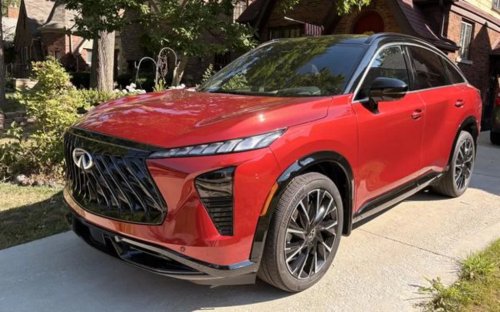
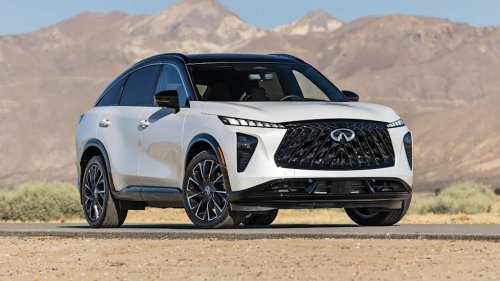
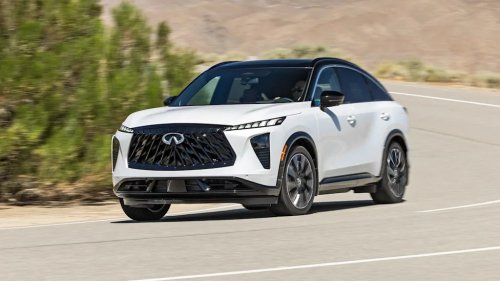
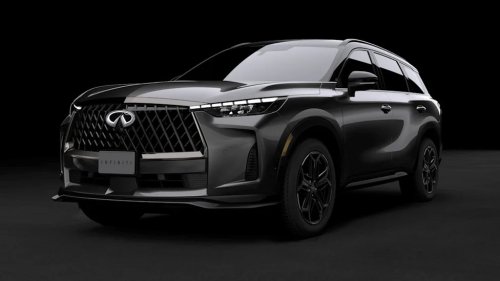
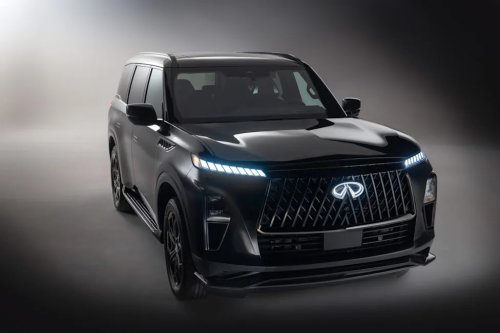
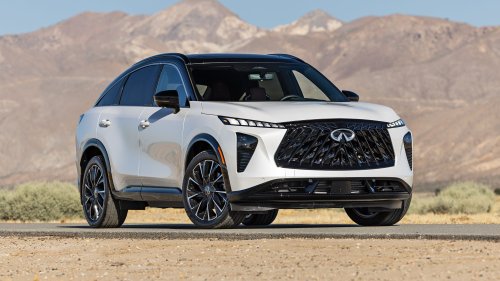
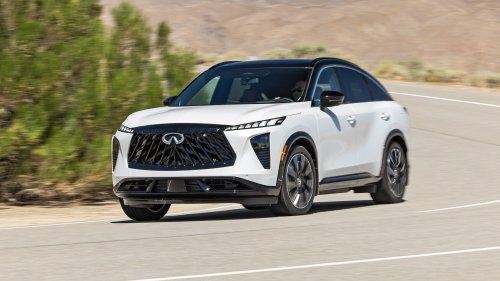
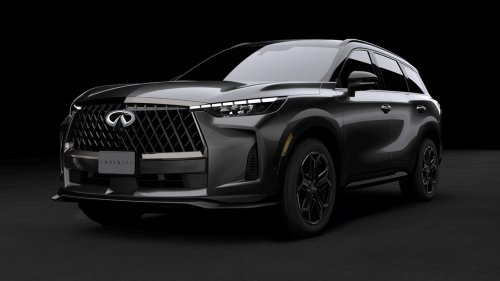
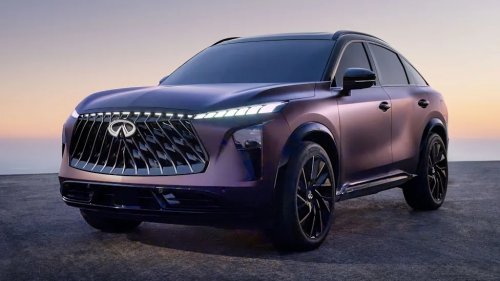
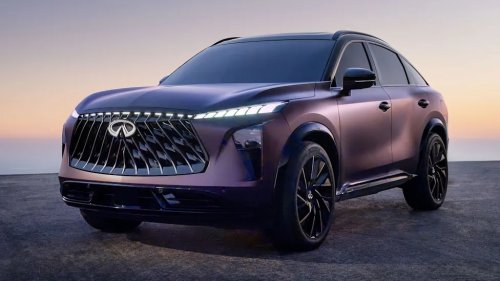
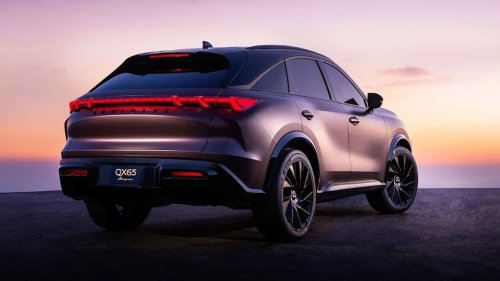
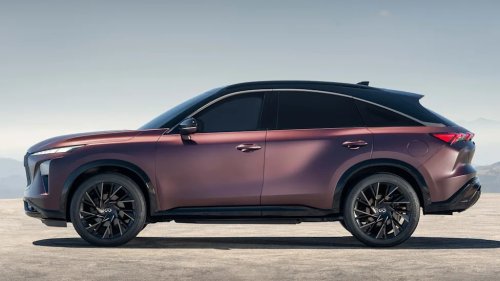
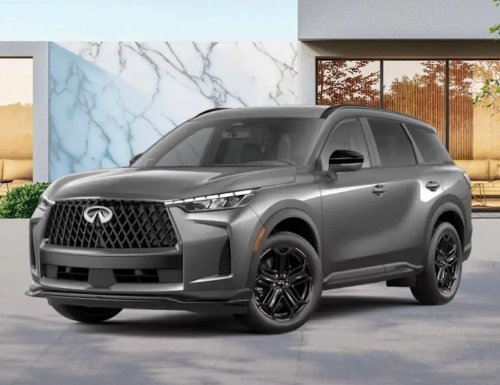
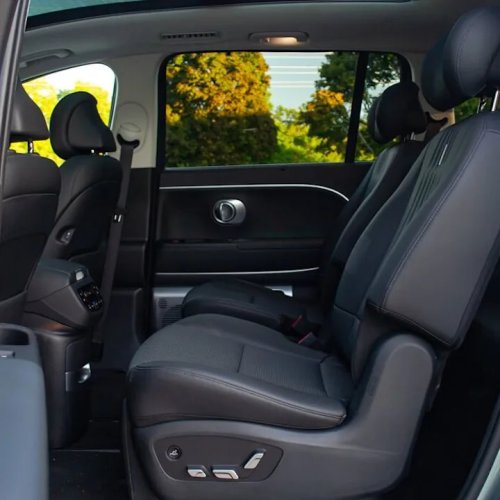
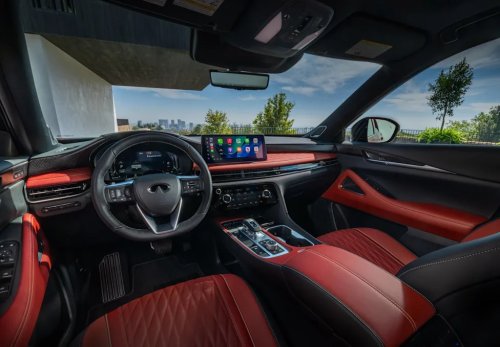
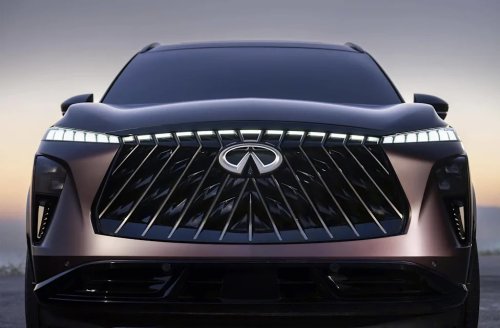
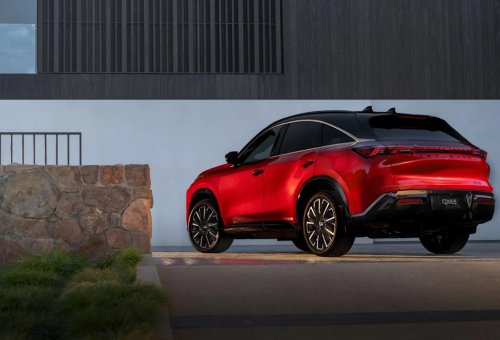
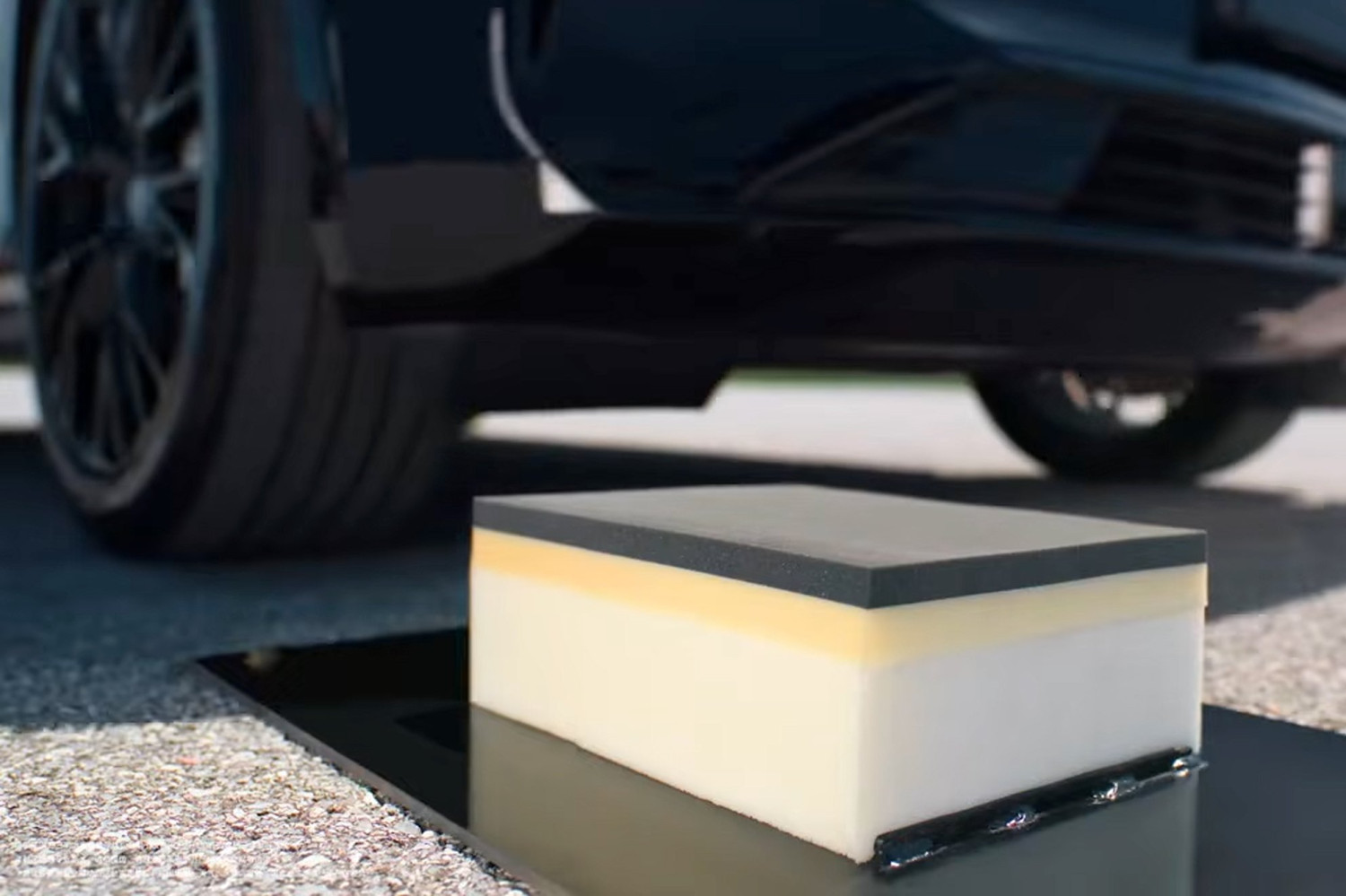
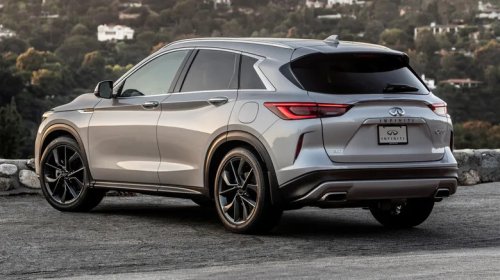
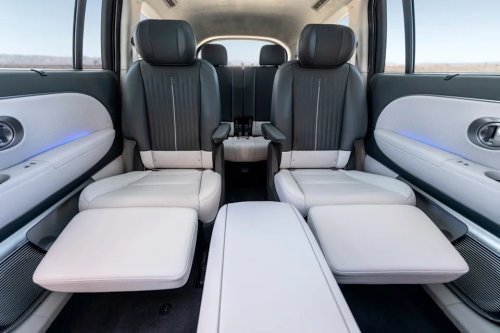
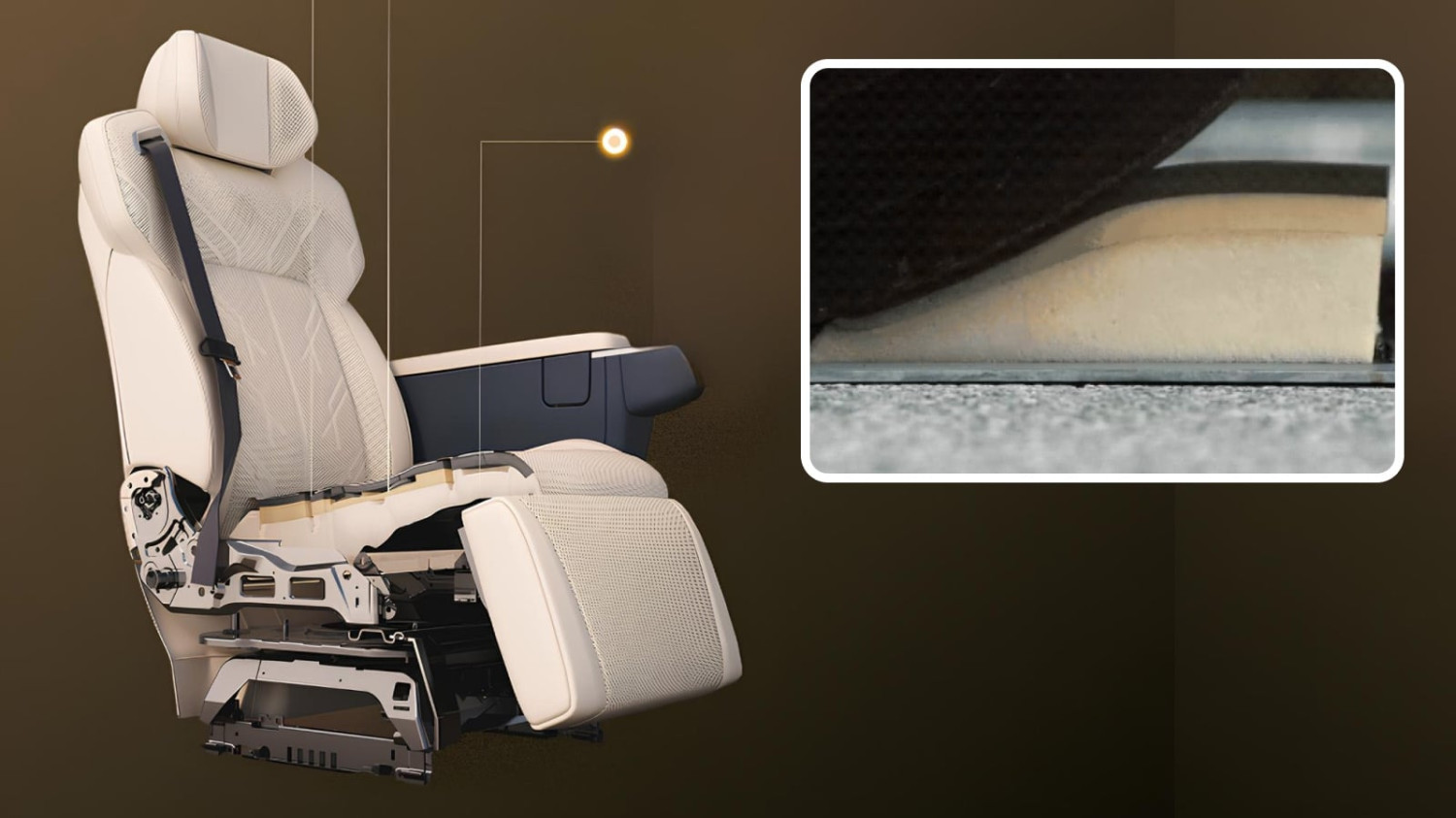
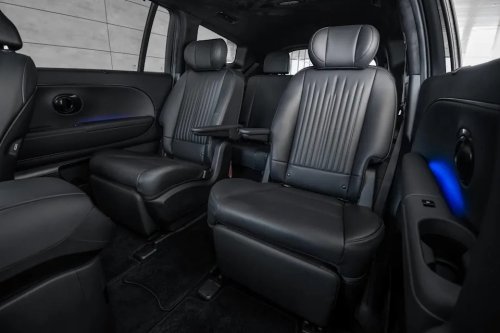
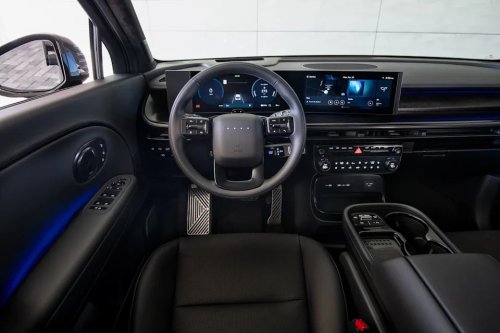
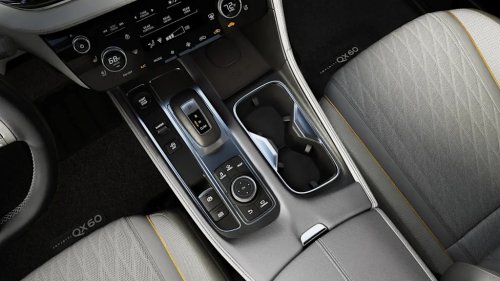
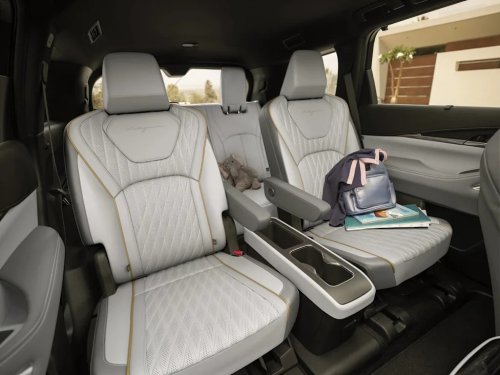
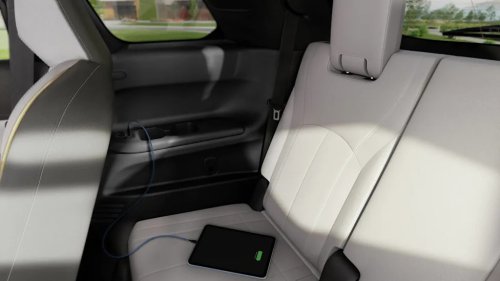
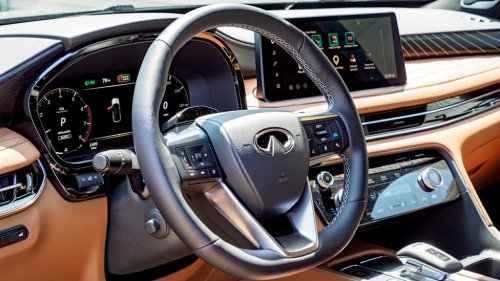
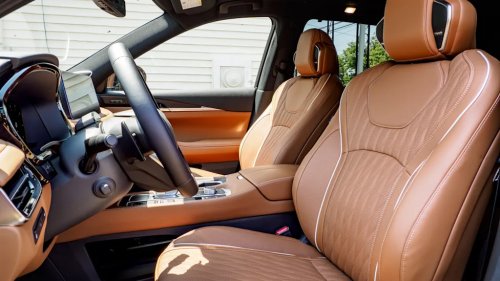
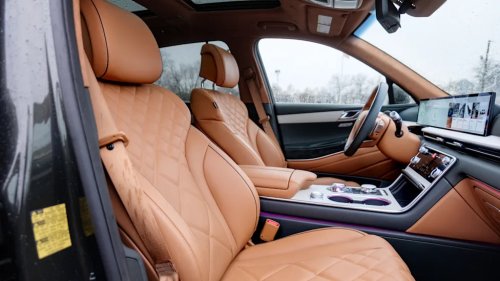
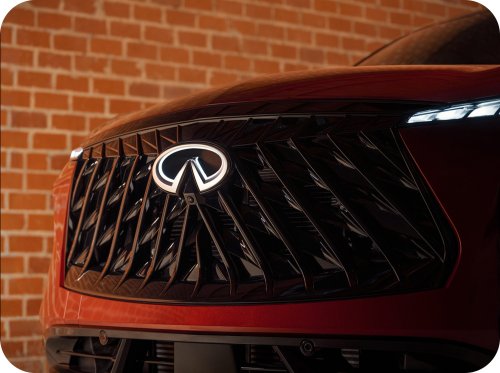
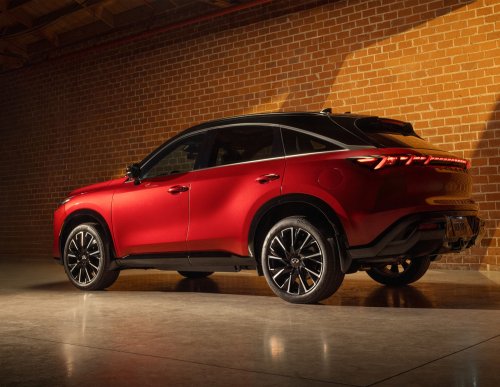
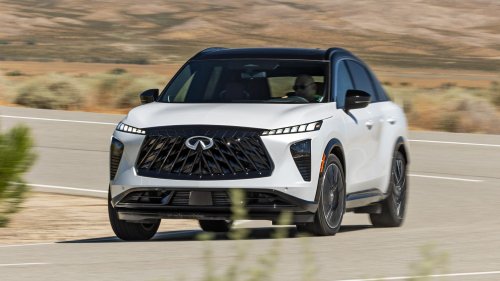
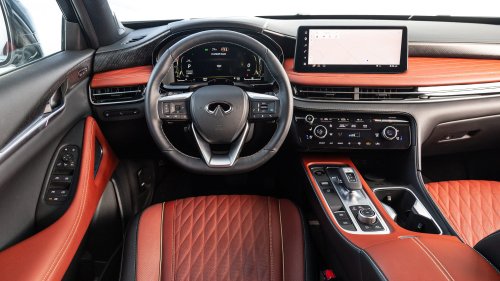
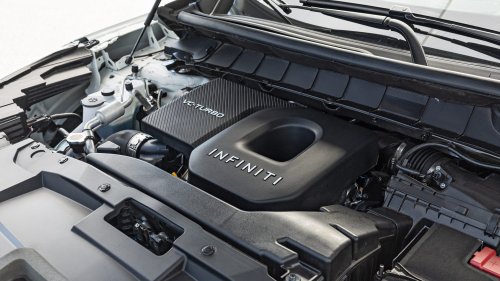
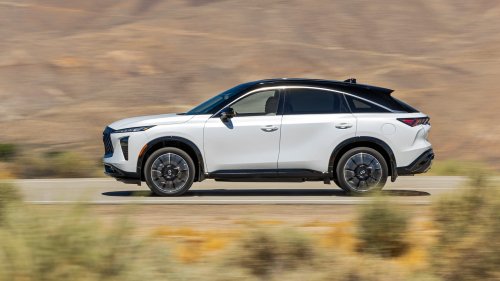
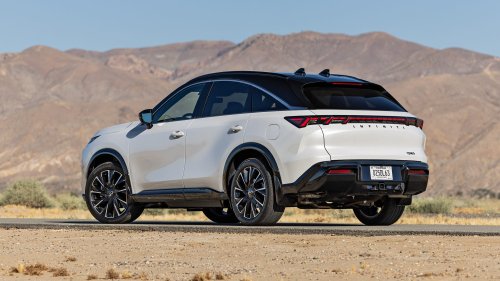
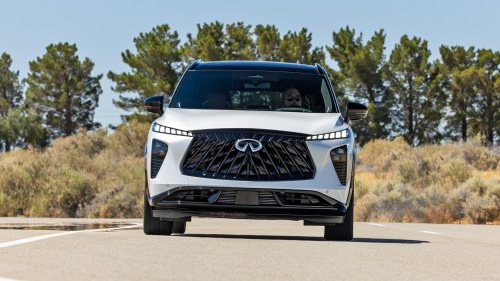
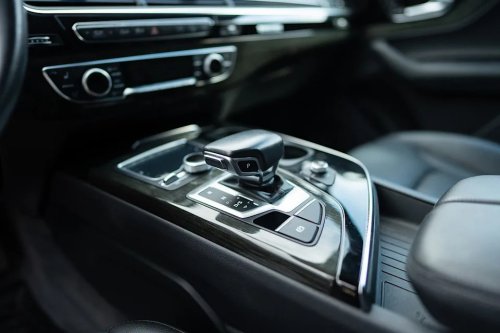
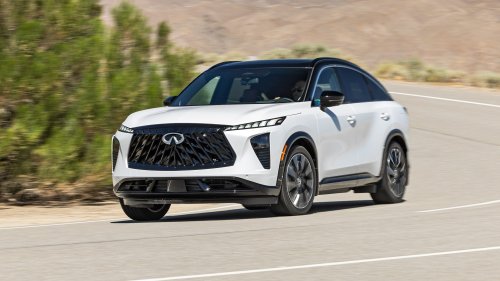
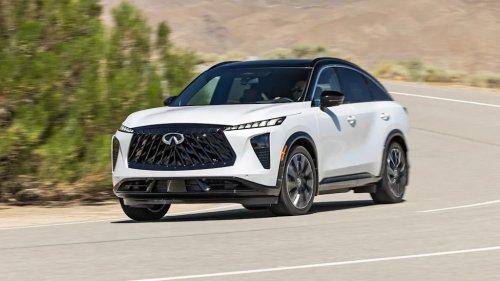
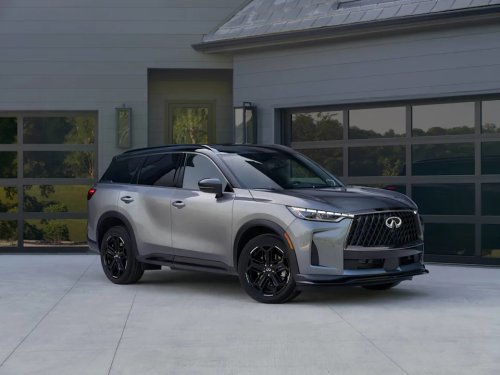
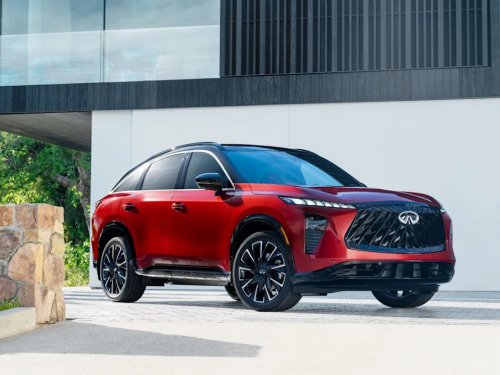
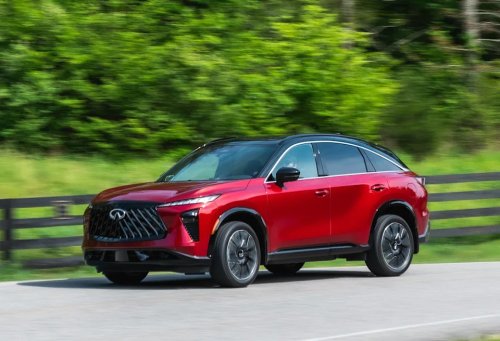
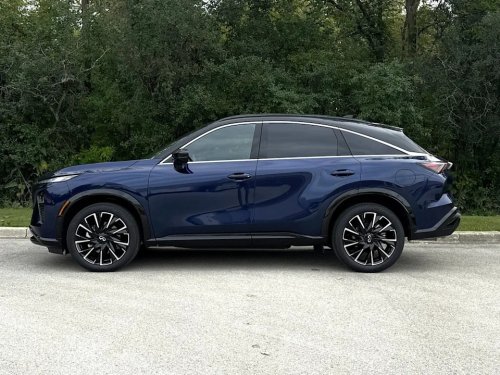
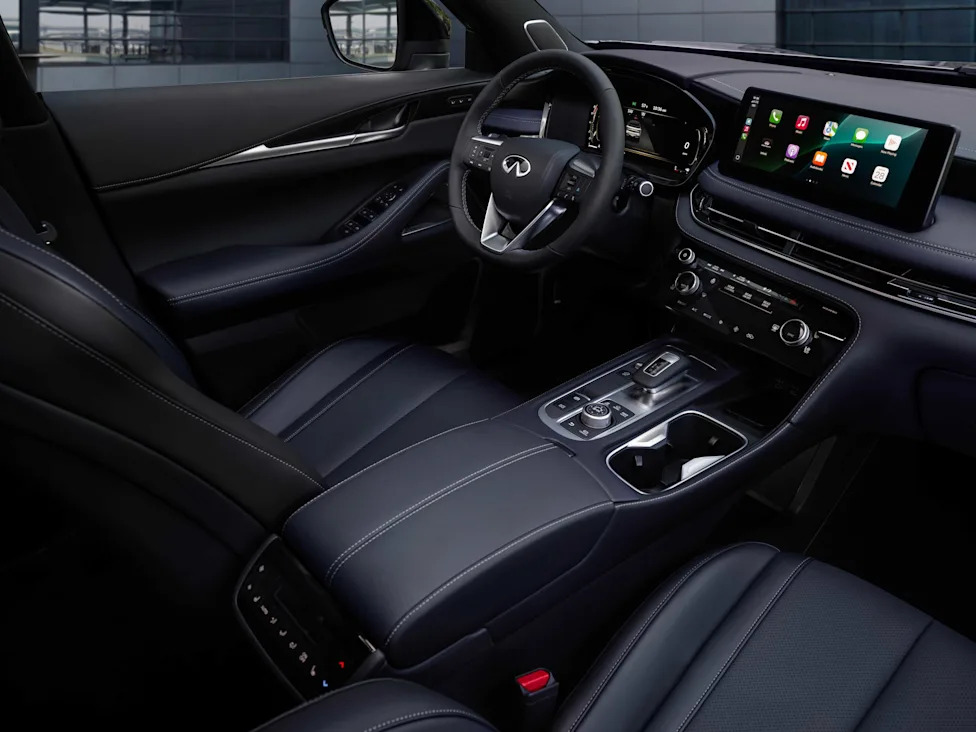
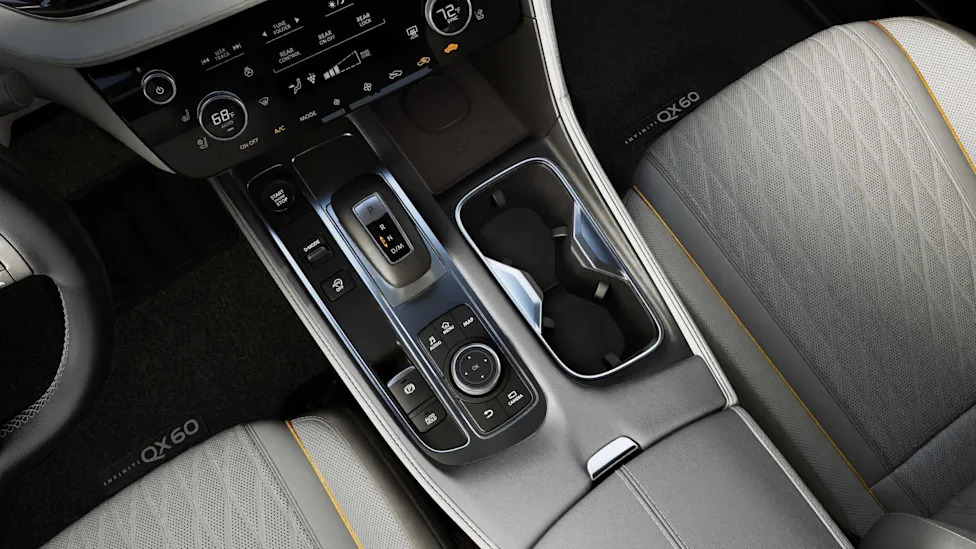
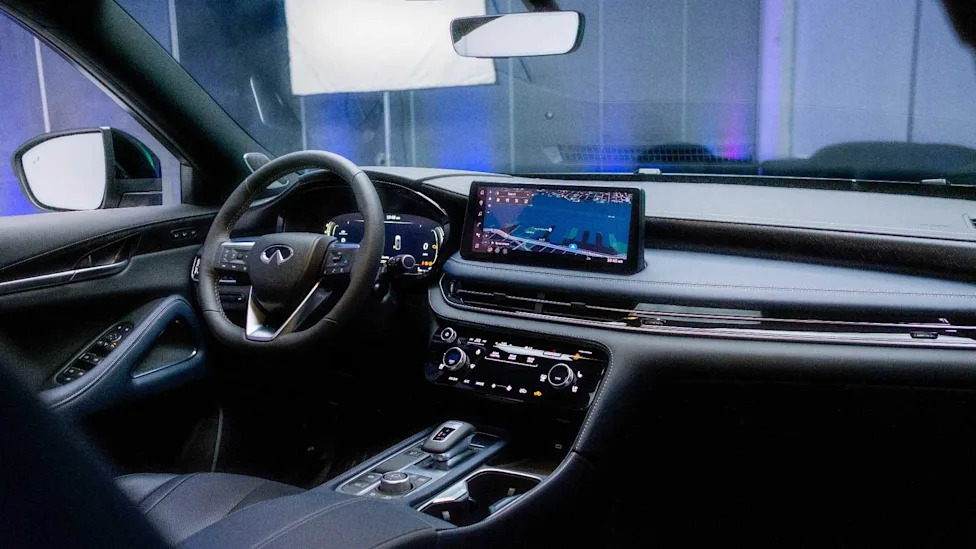
Infiniti Motor CompanyWhen Nissan engineers borrowed NASA's research on neutral body posture to design the seats in the Infiniti QX60, they wanted to keep drivers and passengers comfortable on long trips. Believe it or not, that same engineering mindset extends to something a lot less glamorous than astronaut ergonomics. Cupholders.Infiniti's team spent ample time building mock-ups and driving water-filled containers at speed around a proving ground, risking a soaked test driver whenever a cupholder failed to hold its "cargo," all to make sure the QX60's cupholders could handle whatever a family puts in them.Family-first thinking has shaped the QX60 from the start. It was Infiniti's first true three-row crossover, launching in 2012 as the JX35 before the QX60 badge arrived for the 2014 model year (part of a broader renaming push across Infiniti's lineup at the time). Since then, the QX60 has become one of Infiniti's best-selling models, drawing in families who want three-row utility without giving up a premium cabin.How to engineer the perfect cupholderFrom mini sodas to giant tumblersWhile seats and screens tend to get the spotlight inside a vehicle, Infiniti's engineers put similar care into where passengers put their drinks. Chris Fischer is a senior manager of Vehicle Performance Development with Nissan Americas, based at the Nissan Technical Center North America in Farmington Hills, Michigan. He has spent 21 years working on Nissan and Infiniti vehicles, including the QX60, Murano, Pathfinder, and Frontier.AdvertisementAdvertisementAcross every Infiniti vehicle, Fischer's team measures, tests, and shapes the interior components that hold the wide range of containers drivers and passengers bring along. The process starts with digital scans of different containers during a computer-aided design stage. From there, Fischer's team builds dozens of physical mock-ups shaped like everything from slim energy drink cans to tall thermoses. To check for spill risk, they fill those containers 75% full of water and drive them around Infiniti's Arizona proving grounds.Two features came out of the testing in Arizona, both of which buyers will find in the new QX60. The first is a "dog-bone" shape with a lowered wall between cupholders, giving large mug handles room to sit without getting pinched. The second is a pair of spring-loaded "fingers" that press against narrower containers so they don't tip over on rough roads.The 2026 QX60 has eight cupholders and four bottle holders spread through the cabin. In total, there are two up front in the center console, two more in the second row, and four in the third row. Fischer's goal was to make every one usable and easy to reach, a challenge since modern bottle and container designs can include anything from a 7.5-ounce mini soda can to a 40-ounce tumbler.In 2025, J.D. Power's Initial Quality Study addressed cupholder complaints, tracing them to a mismatch between fixed cupholder designs and the growing range of bottle and can sizes on the market today, from personal water bottles to anything available at the grocery store or gas station. Just a year later, in its 2026 Initial Quality Study, J.D. Power found the industry had turned it around, calling cupholders "the biggest single contributor to the year-over-year improvement in initial quality."AdvertisementAdvertisement"For a family of four, if you bring along a water bottle and you stop for food, now everyone's getting a drink, too," Fischer explained. "If you bring a water bottle, it can go in the door pocket. If you have a fast food cup with a straw, those go into the cupholders. So, each person can have multiple drinks."Third-row passengers get extra consideration since they have no door pockets for snacks or phones. Infiniti designed the second cupholder on each side to double as a phone holder, added a USB-C port next to the right-hand one, and sized the pair to hold two large bottles or a phone as big as an iPhone 17 Pro Max standing upright."When you look at the way this vehicle is used, it's a key road-trip vehicle," Fischer said of the QX60, which received a mid-cycle refresh for the 2026 model year. Its exterior now reflects Infiniti's Artistry in Motion design language, the same visual direction introduced on the QX Monograph Concept and carried into the redesigned QX80. The QX60 is the smaller of the two SUVs, but it still seats seven thanks to a bench seat in the second row."Being a family vehicle, we expect kids, teenagers, and even adults in the back rows," Fischer said.Out-of-this-world seatingNASA-inspired technology for long tripsIf the cupholders seem out of this world, wait until you hear about the seats for the 2026 QX60! The Zero Gravity seats inside the Infiniti QX60 trace their design back to NASA's research on neutral posture, the position the human body naturally settles into when weightless. Nissan adapted that ergonomic research, originally developed for astronauts, to help QX60 owners feel less fatigue on long drives.AdvertisementAdvertisementOn a lengthy commute, the steady pressure gravity places on the lower back and surrounding muscles wears a driver down over time. Zero Gravity seats are shaped to relieve that pressure, using 14 points that support the spine from the pelvis to the chest. Drivers feel less muscular fatigue and have better blood flow, with added support for the hips, back, and shoulders to help stave off the restlessness of a long trip.Zero Gravity seating remains exclusive to Infiniti and Nissan vehicles. On the top-level Autograph trim for the QX60, Infiniti pairs the seats with a massage function for even more comfort on long hauls. Autograph models draw on Japanese design traditions, with kimono-style stitching over perforated semi-aniline upholstery and open-pore wood trim finished with laser-etched metal inlays. The kimono-style stitching is a personal favorite feature among the engineers who worked on the QX60 at Infiniti.Meanwhile, Pure and Luxe trims use a material called TailorFit, made from more than 60% recycled content. Sport models lean more athletic both inside and out, pairing black 20-inch wheels with a Dusk Blue interior.The total package for families on the goBeyond flexible cupholders and comfortable seats, the QX60 is tech-focused, with Google built-in that connects Google Maps and Google Assistant directly to the 12.3-inch touchscreen. ProPILOT Assist 2.1 adds hands-off freeway driving capability, while the Individual Audio feature of the Klipsch audio system sends everything to the driver's headrest, including music, phone calls, and navigation prompts, so as not to disturb other passengers.AdvertisementAdvertisementReaction to the Klipsch system has been largely positive on the r/infiniti subreddit, even among users who were skeptical when Infiniti went away from Bose for the QX60. Panasonic Automotive and Infiniti first announced the Klipsch partnership at CES 2024. The system debuted on the redesigned 2025 QX80 before reaching the 2026 QX60.In terms of the powertrain, Infiniti dropped the QX60's V6 for the 2025 model year in favor of a 2.0-liter variable compression turbo engine, known as VC-Turbo, which produces 268 horsepower and 286 lb-ft. of torque. It carries over as the standard powerplant for 2026, paired with a nine-speed automatic. Infiniti also added new engine mounts for the 2026 model year specifically to cut down on cabin noise.The VC-Turbo's party trick is adjusting its compression ratio on the fly. A multi-link system raises or lowers the pistons in real time based on how the driver is accelerating, balancing power delivery against fuel economy. Because the engine is smaller and more compact than the old V6, it also frees up extra interior room for the 2026 QX60, which can be used for more cupholders!



















 +22 others