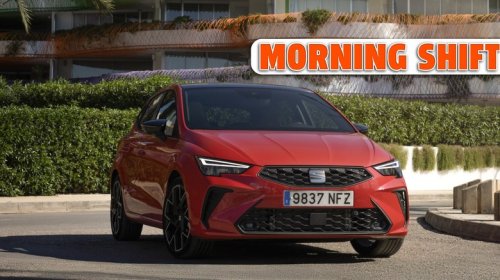
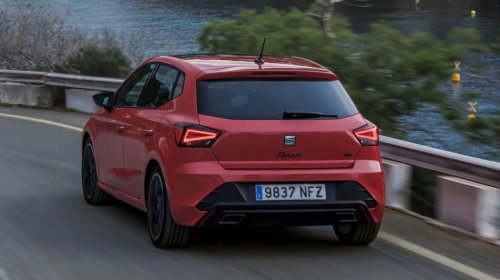
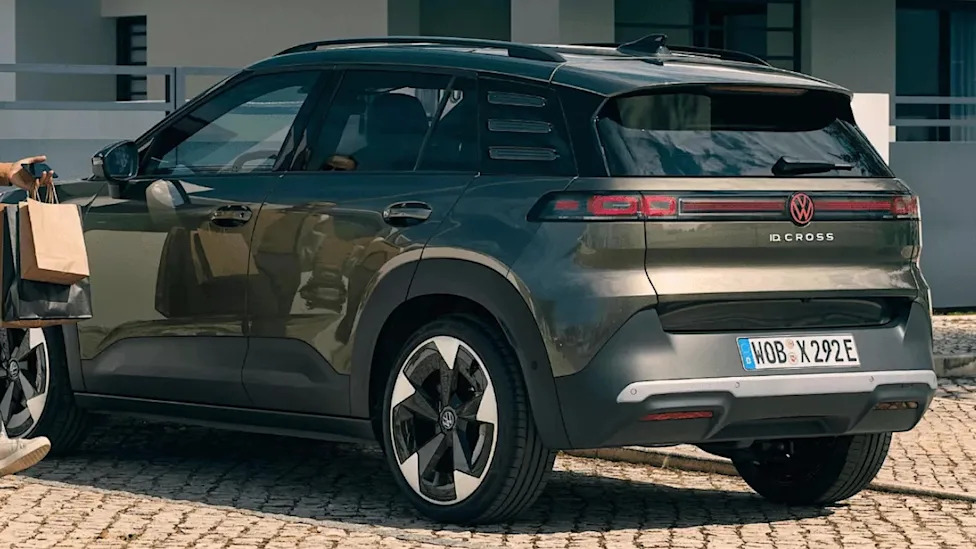
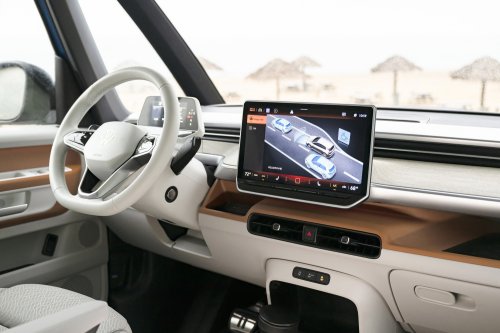
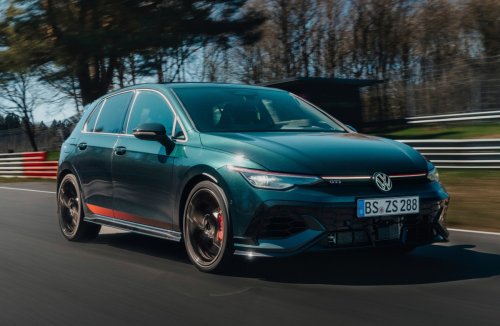
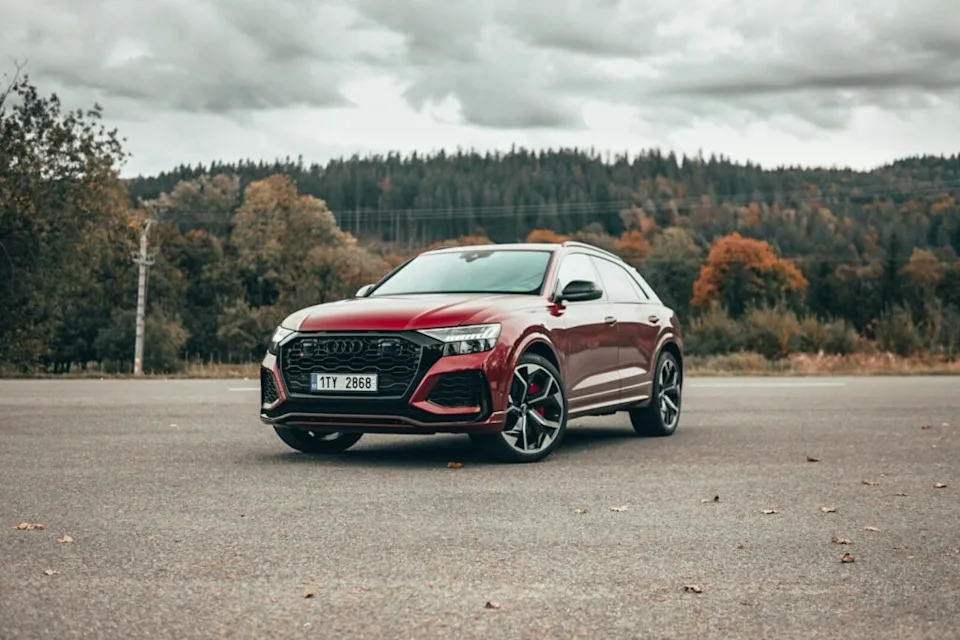
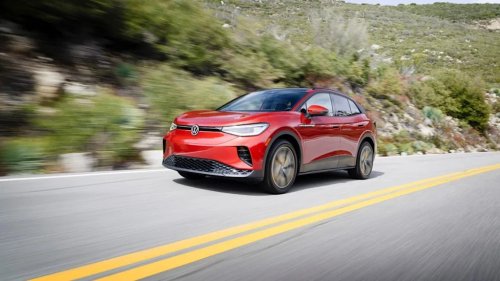
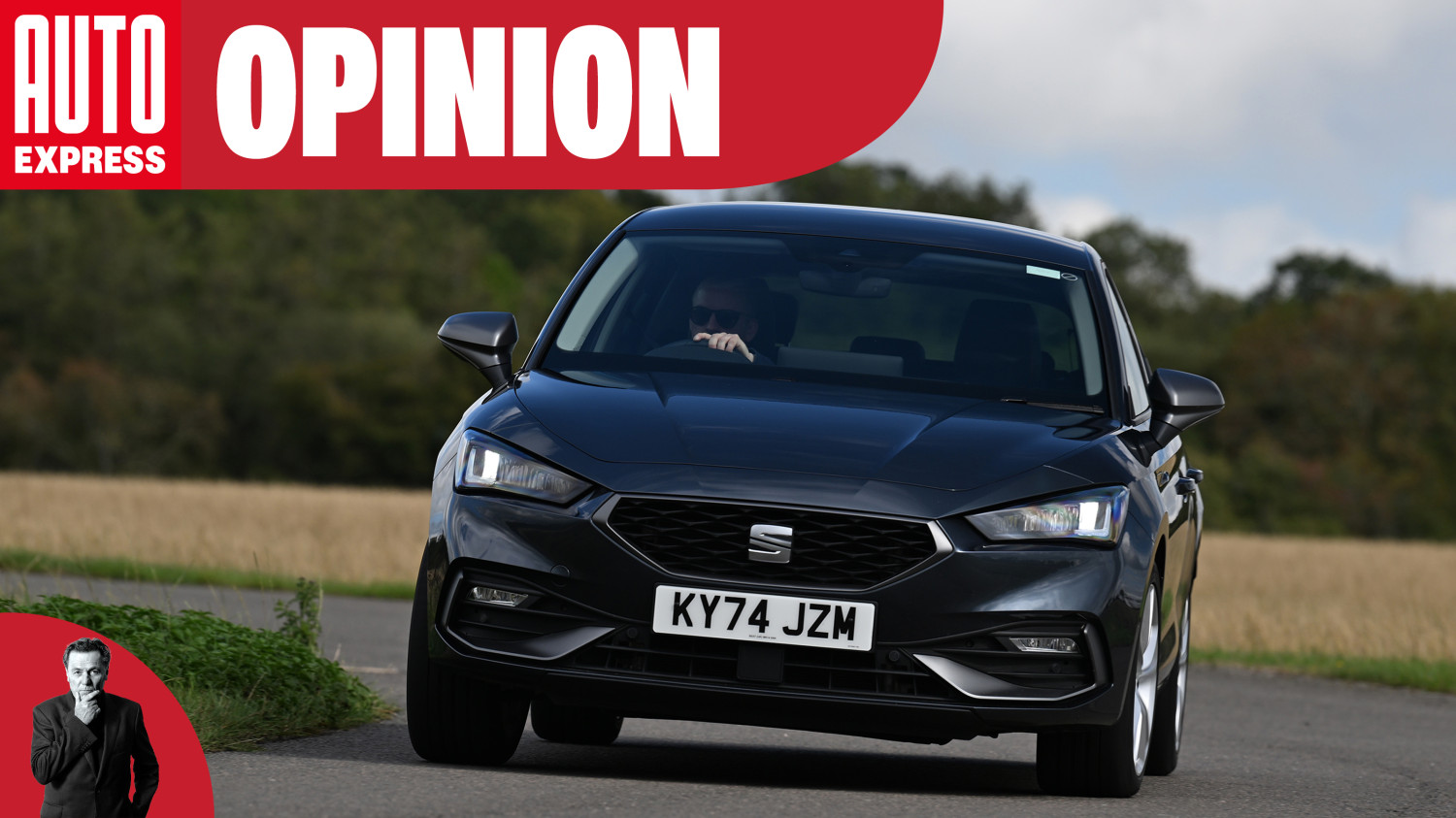
The Volkswagen Group’s self-inflicted Dieselgate debacle was first brought to the attention of a shocked public in autumn 2015. Fast forward 11 years and it’s coping with a different kind of trauma – one that involves the possible dumping of a family brand and closure of factories. Then there’s the tragic disposal of 100,000 workers. That’s almost the equivalent of Renault Group ditching its entire global workforce in one fell swoop. Killing the SEAT marque would be a mistake. More than ever (and especially now that Skoda has moved so far upmarket), the VW Group needs a bargain-basement brand knocking out cheap, stripped-out, low-performance runabouts with sub-Dacia price tags and group-one insurance ratings. In the early eighties, one of SEAT’s strengths was making modest motors such as the Panda-based Marbella that appealed to everyone from newly qualified drivers to pensioners. Nearly half a century later, SEAT can survive – but only if it returns to its roots and makes little hatchbacks, vans and buggy-type vehicles for budget buyers, local delivery drivers and beach bums. Its sportier sister brand, Cupra, can concentrate on more upmarket products, including the Raval EV. Another member of the VW clan is Audi, which – in the UK at least – remains in rude health as it continues to outsell Mercedes and catch BMW. But, sadly, gone is its sensibly priced TT. Too many of its Q models look boringly similar and crazily expensive (up to £142,000 for a 4.0-litre Q8). And its mid-engined, £500,000 (really?) Nuvolari doesn’t cut it as a real-world successor to the massively less expensive R8 (RIP). As for the VW brand, in one sense it’s great that it has just unveiled the aerodynamically impressive electric car badged Mission Efficiency. But in another, this is a backwards step in design terms, because the car’s overall exterior architecture is, in effect, a couple of decades old. No prizes for guessing that it looks hauntingly similar to the XL1 that I first saw in the late 2000s before driving it in Qatar, Switzerland, Germany and Britain throughout the early 2010s, the era that immediately preceded the dark days of Dieselgate. It was powered by a turbodiesel engine linked to an electric motor; we were led to believe that it would retail for around £30,000, but it eventually went on sale at a laughable £99,000. I now consider the XL1 to be jinxed. Maybe its overall shape is too. On a more positive note, VW has finally released details of its ID. Polo, which looks like a tastefully designed, appropriately priced EV, from £23,945. But its sister car, the Skoda Epiq, officially starts at £24,885, is more SUV-like and, arguably, better equipped. Yet again, I suspect it may well be the Czech brand’s car that will prove to be the all-things-considered better bet than the equivalent model wearing a VW badge. Don't miss the best of Auto Express on Google! Make us a preferred source. Click here...


















 +45 others