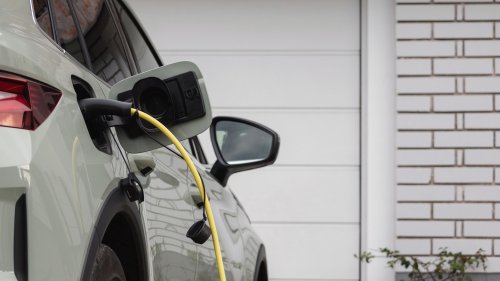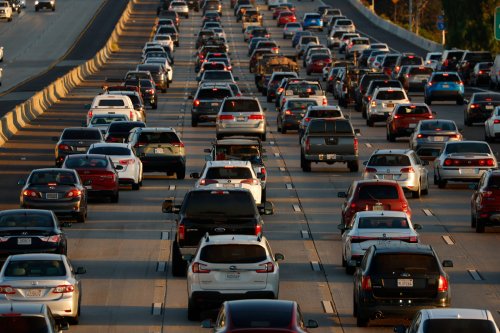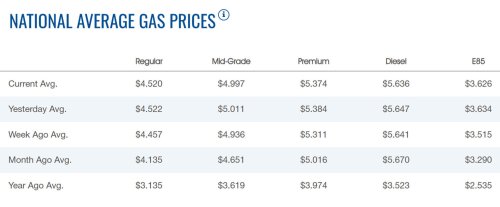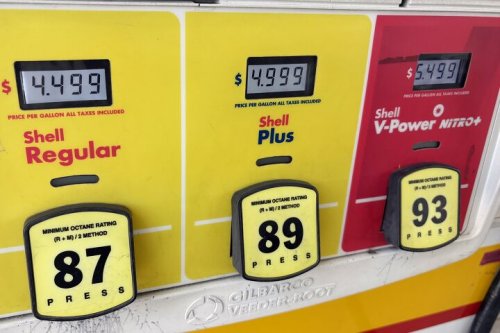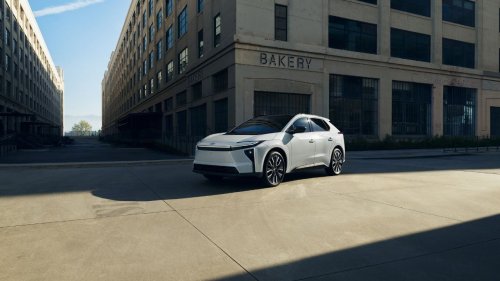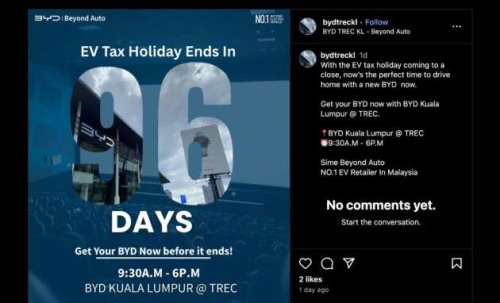



















As many people finished their tax filings for the deadline yesterday in the US, Canada announced a holiday on gasoline taxes. Many US lawmakers are proposing similar tax holidays. Germany cut its petrol and diesel tax by €0.17/liter (~$0.76/gallon). Several other nations are implementing similar measures. While high fuel prices are hurting many people, this is also an opportunity to prevent future pain. Fundamentally, taxes tend to serve as a disincentive. When people have to pay more due to taxes, they tend to be less likely to make a purchase. When buyers can save in taxes, they tend to feel more motivated to make a purchase. Overall, gas taxes have been relatively stagnant over the past few decades, despite inflation, so they are not as strong of a disincentive to consume fuel as they once were. Uncertainty also motivates people to avoid purchases. Petroleum price uncertainty will motivate many to look at alternatives that offer more stability, as well as overall lower operating costs. In many ways, the uncertainty can be a more powerful motivator than the cost itself. Of course, the measures governments use to reduce petroleum price volatility are also expensive. Efforts to counter the volatility in gasoline prices undermine the natural market forces that would drive many consumers to look at alternatives. Many will say that EVs already benefit from subsidies and incentives. However, bureaucracy can complicate the implementation. In many cases, governments will offer EV incentives, then tax those EVs, countering the incentive value. In the end, the added complexity of giving with one hand and taking away with the other increases inefficiencies while reducing effectiveness. This is amplified by some states and governments applying additional taxes and fees to EVs. Often, this is under the justification of paying for roads that are still used by EVs that do not pay gas taxes. Of course, when there is a gas tax holiday, they are not paying for roads either. And if we want to get into being “fair,” are fossil fuels covering the cost of wars over oil, pollution, and all the other negative externalities? Other countries have sales tax exemptions. China’s primary EV subsidy is a 5% purchase tax exemption on vehicles up to 300,000 RMB (~$44,000), which works out to a roughly $1100 benefit on the typical car. New York already has a state sales tax exemption on the first $35,000 of the new vehicle purchase price, in addition to a $2000 rebate. While a sales tax exemption does not reduce the list price of vehicles, it can reduce monthly payments, which is what many buyers are most concerned with. Of course, states that do not have sales tax would not see much difference. However, let’s just keep it simple. If Canada wants to have a holiday for gas tax, then EVs should be exempt from the 5% GST and HST should be reduced by a similar amount. Make it apply to all EVs, new and used. Don’t overcomplicate the policy trying to make it perfect. States and other countries looking to reduce pain at the pump should follow a similar path. Only reducing the immediate increase in fossil fuel prices will leave people vulnerable to future volatility. And that volatility has ripple effects throughout the economy. The potential reduction in monthly payments can help people afford the transition. If enough people shift their vehicle choice, then fossil fuel dependency and future pain can be avoided.