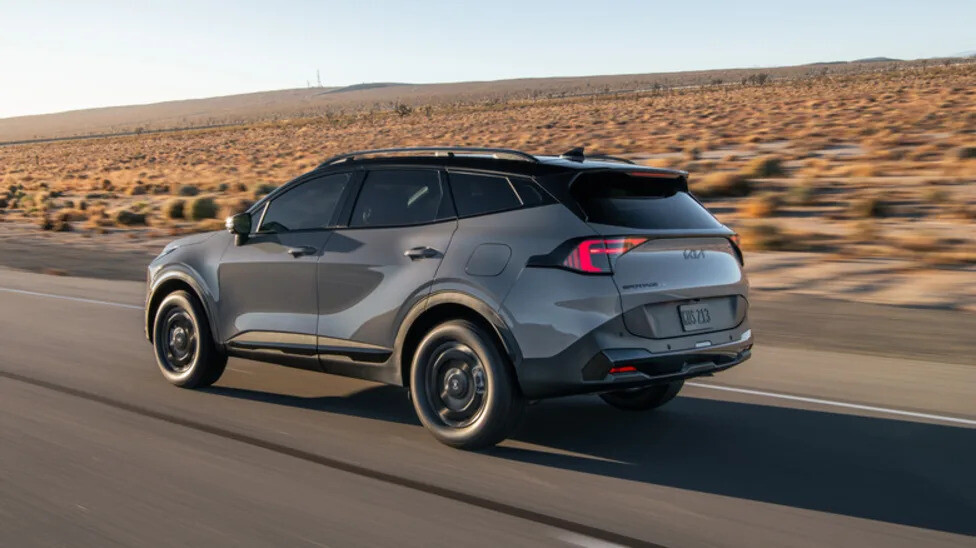
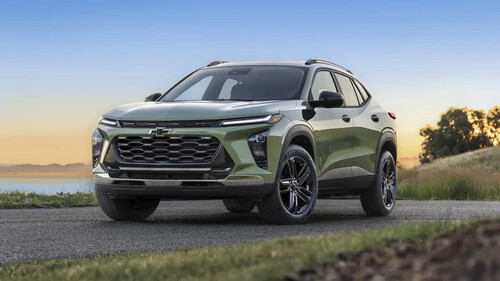
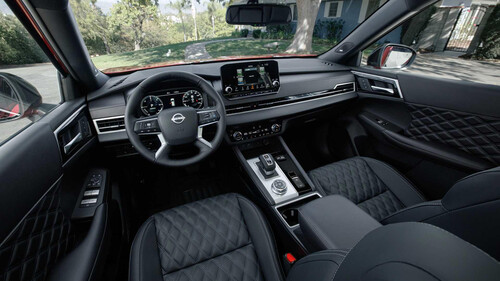
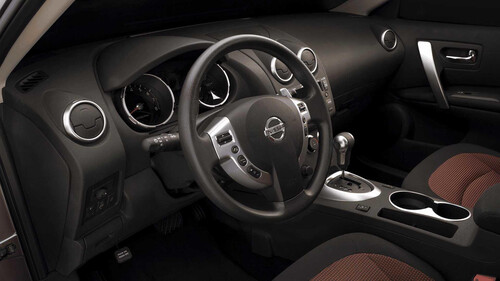
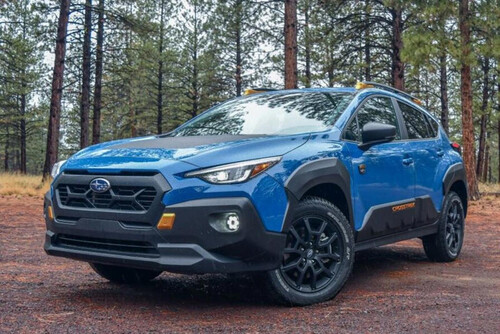
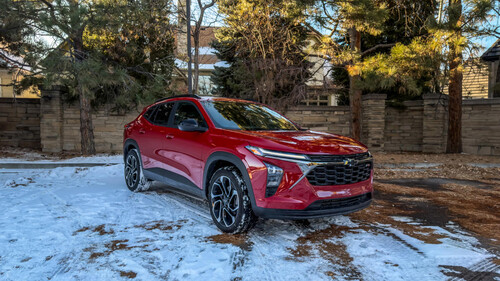
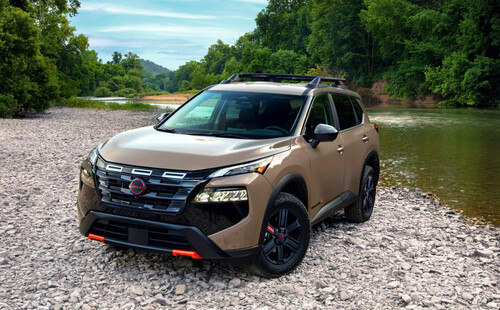
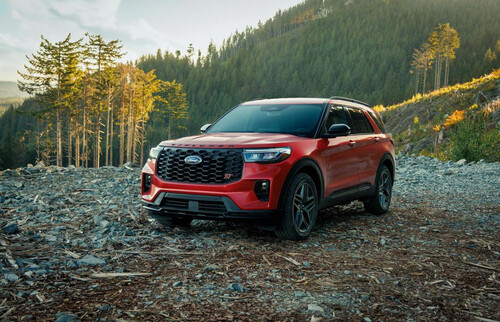
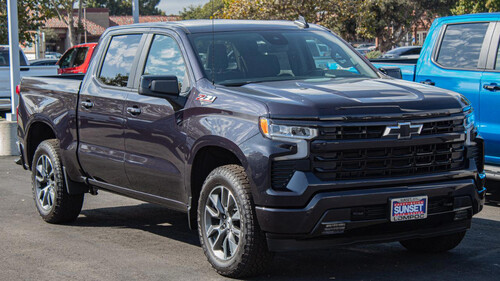
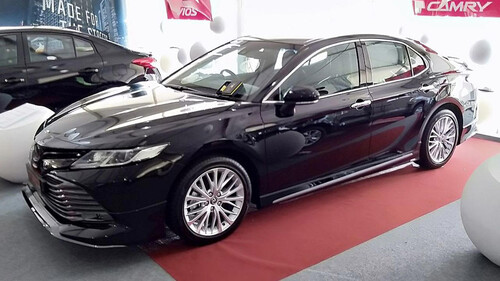
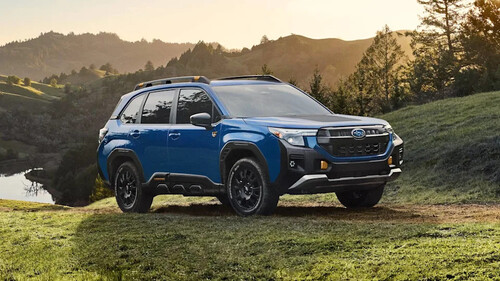
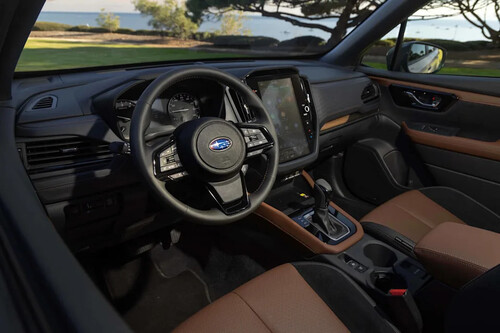
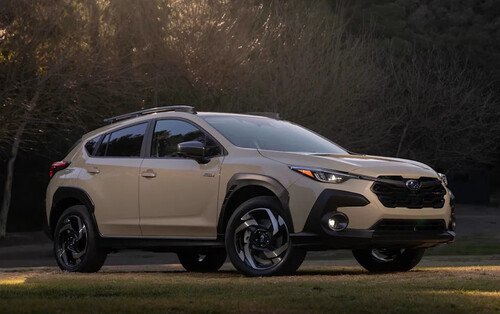
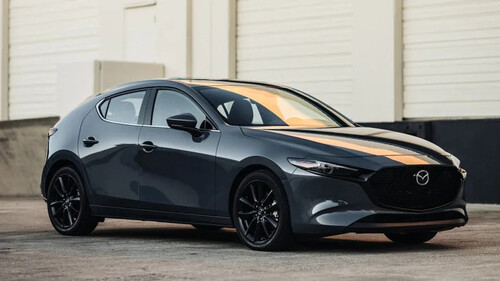
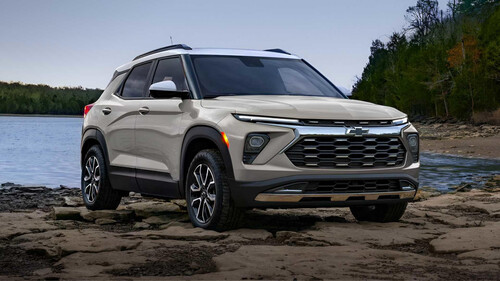
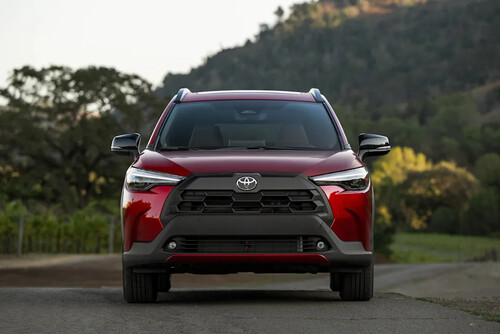
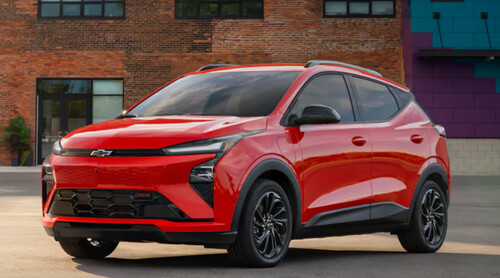
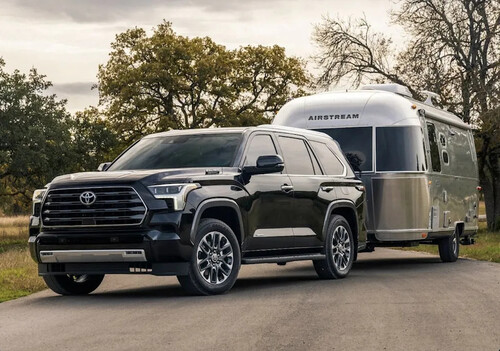
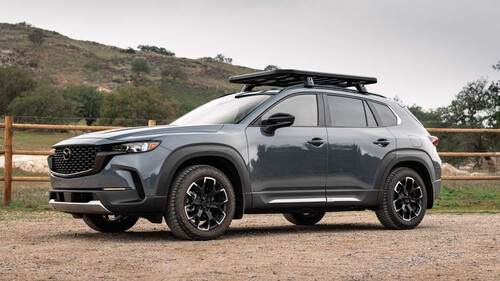
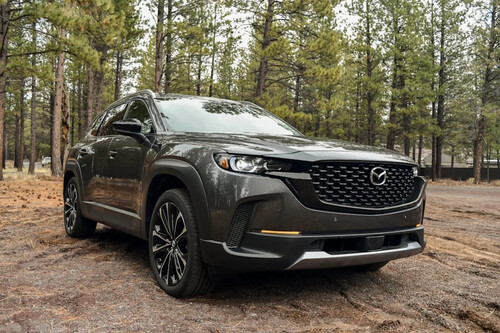
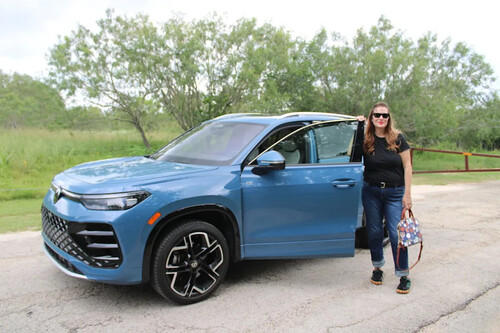
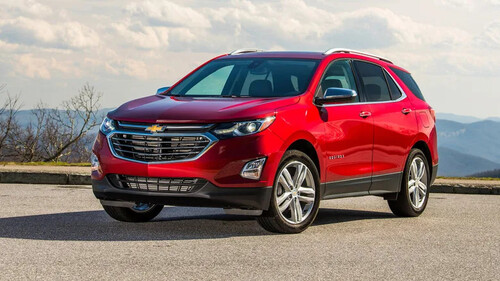
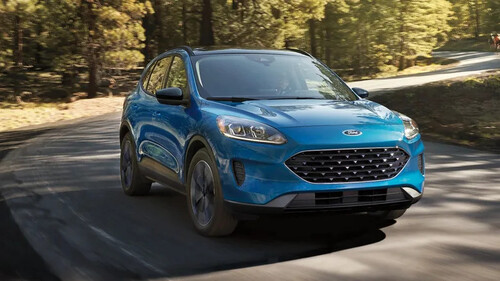
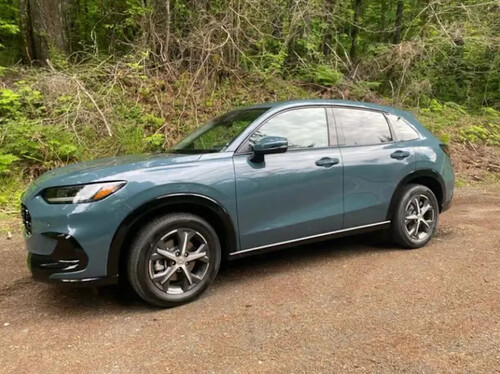
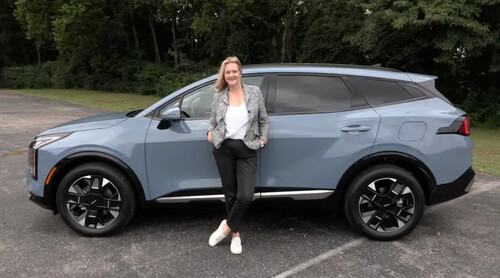
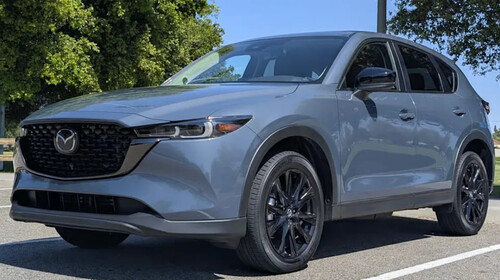
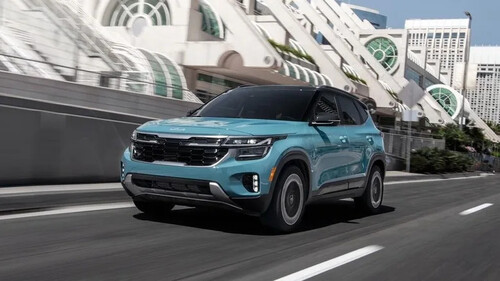
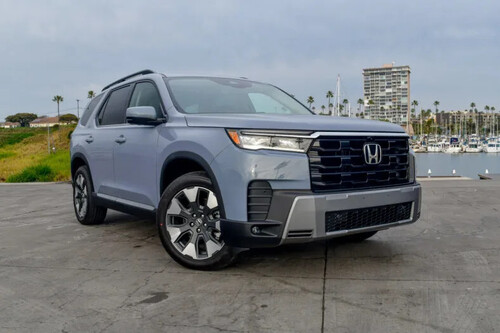
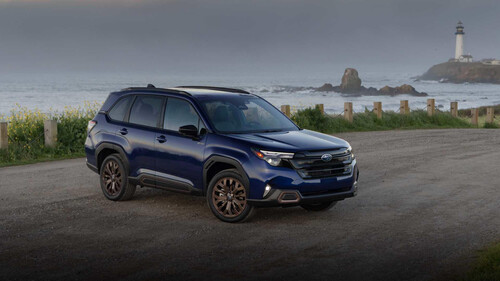
Kia Calling the Toyota RAV4 popular is like saying smartphones have caught on. Last year, Toyota sold almost 480,000 units in the U.S. alone, making it the most popular non-truck vehicle in the States. 2026 brought an all-new, hybrid-only sixth generation and a starting price of $33,320, including destination charges (all MSRPs mentioned in this article include these charges). And because Toyota can't build these new RAV4s fast enough, the dreaded dealer markups may also come into play. That's pricing that may not work for every buyer, even in a world where the average fresh-from-the-factory vehicle sells for almost $50,000 (via Kelley Blue Book). But the wonders of the free market mean you have options beyond a 2026 Toyota RAV4, as just about every mainstream automotive brand offers a compact crossover. And these alternatives come with a lower base price than Toyota's megaseller. Admittedly, this article might not involve a full apples-to-apples comparison, as not all the models covered here are hybrids — such as the Chevy Equinox or Nissan Rogue — or come with a cheaper front-wheel-drive option you'd find in the base RAV4 LE (Mazda CX-50 and Subaru Forester). Also in the mix are the Hyundai Tucson and Kia Sportage, which have hybrid options that are still cheaper than the RAV4, by varying degrees. With these RAV4 alternatives costing about $700 to $3,000 less, depending on the powertrain, the spread may not seem significant in some cases. But consider that an in-demand RAV4 is less likely to be discounted, and then there's the marketplace adjustment fee that some dealers also charge, which could make non-RAV4 options even cheaper. We'll also save the conversation about reliability and depreciation comparisons for another time. The focus here is on base pricing for new, with-warranty, 2026 compact SUV alternatives to the RAV4 you can buy for cheaper — and there are plenty. The lowest-priced alternatives to a Toyota RAV4 Chevrolet Cheapest crossover bragging rights versus the RAV4 belong to the Kia Sportage, with a base FWD LX coming in at $30,285 – more than $3,000 cheaper than the Toyota. This is the non-hybrid version with a naturally aspirated 2.5-liter four-cylinder engine that makes 187 horsepower. If the lack of a hybrid powerplant is a deal-breaker, the Sportage Hybrid still costs less than the RAV4. Its $31,985 MSRP includes FWD, a turbocharged 1.6-liter four-cylinder hybrid engine producing 232 total horsepower, and a combined fuel economy rating of 42 mpg — just shy of the RAV4's 43 mpg. A 5-year/60,000-mile basic warranty and 10-year/100,000-mile powertrain coverage are included with both versions. The Chevrolet Equinox is almost as cheap as the Sportage. The base LT trim with front-wheel drive (FWD) has an MSRP of $30,795, which is $2,525 less expensive than the base, FWD 2026 RAV4 LE. Of course, there's no hybrid system under the Equinox's hood. In fact, the only hybrid General Motors sells at the moment is the Corvette E-Ray, which is about as far from a crossover as you can get. The Chevy's conventional engine setup, a turbocharged 1.4-liter 4-cylinder unit, is EPA-rated for 27 mpg combined — almost 40% less than the RAV4's. Nissan's next-gen Rogue with hybrid power won't be around until the 2027 model year. Until then, the only hybrid Rogue is the much more expensive rebadged Mitsubishi Outlander PHEV. The current conventional Rogue, on the other hand, offers a cheaper alternative to the 2026 RAV4. For $31,035, buyers get a FWD-equipped Rogue in the plain-Jane S trim. Fuel economy still falls short of the Toyota, but 32 mpg combined is among the best in the class for a non-electrified SUV. Power comes from Nissan's variable-compression turbocharged 1.5-liter 3-cylinder engine, which produces 201 horsepower. The automaker applies the 2026.5 model-year label to the later Rogue. Not the cheapest, but still less expensive than a RAV4 Hyundai With an MSRP of $31,050, a FWD-equipped Hyundai Tucson SE is $15 more than the Rogue, but $2,270 less than the RAV4. The standard Tucson shares a powertrain with its corporate cousin, the Kia Sportage. Without electrification, it's unsurprising that fuel economy falls way behind the hybrid-only RAV4 at 28 mpg combined. What about the Tucson Hybrid? All-wheel drive (AWD) is no longer standard equipment, and Hyundai added cheaper FWD SE and SEL options. The base hybrid Tucson SE starts at just $32,550 and undercuts the cheapest FWD RAV4, while the AWD Tucson Hybrid Blue SE's $34,050 price tag makes it a tad more expensive. But check off the AWD option, and the Toyota's MSRP increases to $34,720, making the Tucson Hybrid $670 less expensive, with the same basic and powertrain warranties as the Kia Sportage Mazda priced the base CX-50 at $31,395. That's for a non-hybrid setup with a naturally aspirated 2.5-liter four-cylinder engine, which costs almost $2,000 less than the RAV4. But there's a twist: AWD is standard. However, don't count on the hybrid version of the CX-50 to be cheaper than the RAV4. Even with AWD added to the RAV4's equipment list, the CX-50 Hybrid (with standard AWD) is a couple of grand pricier. Subaru borrows from Mazda's playbook (or vice versa) for the Forester, excluding a hybrid engine but adding standard AWD. The Forester is $50 more expensive than the CX-50 and $1,875 cheaper than a RAV4 with FWD. With electrification, the Forester Hybrid gets priced out of contention, regardless of the RAV4's drivetrain. That said, the Forester Hybrid is still among a few new hybrids you can buy for well under $50,000.