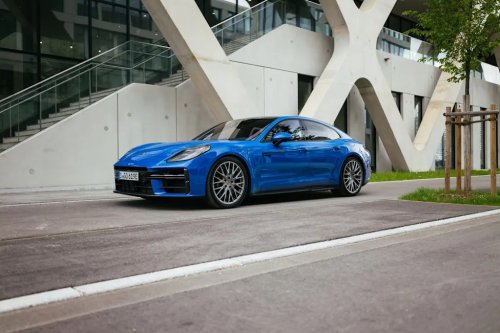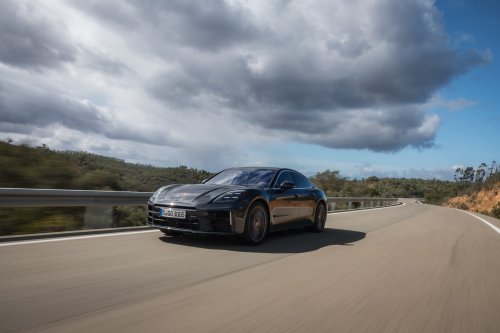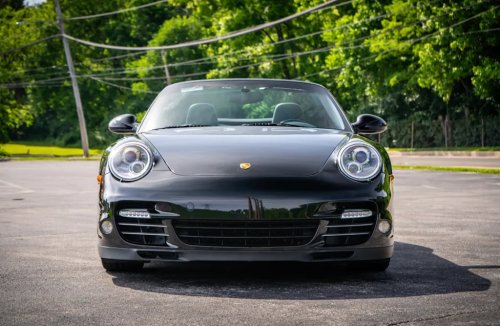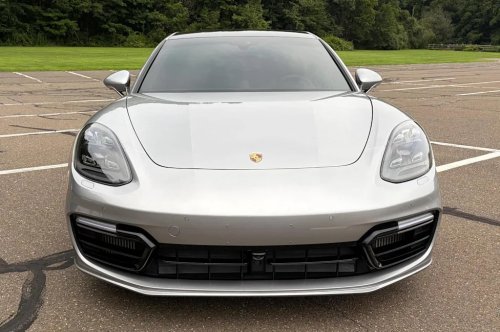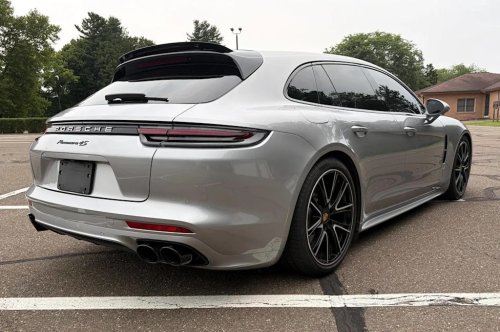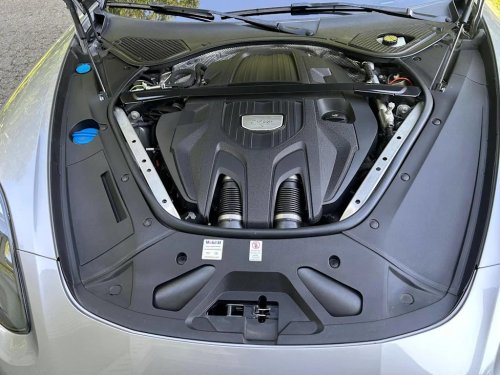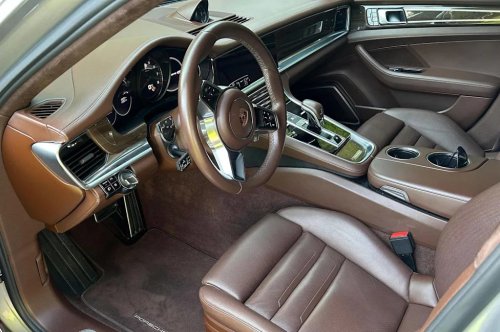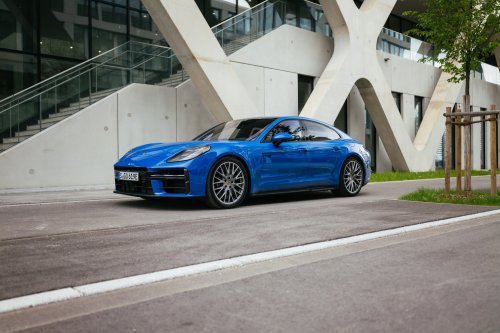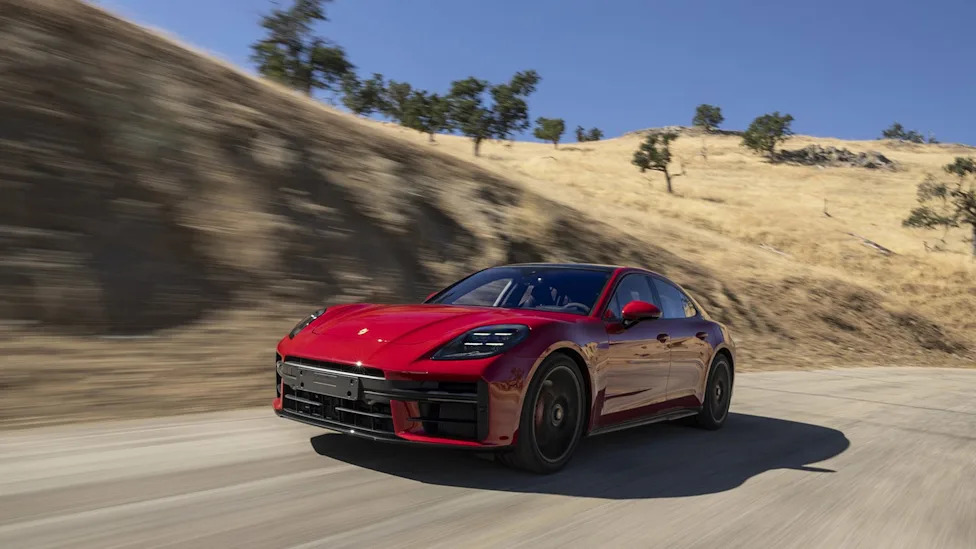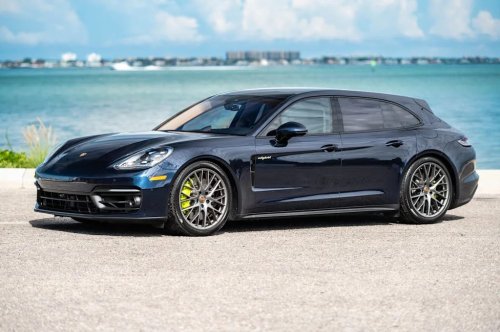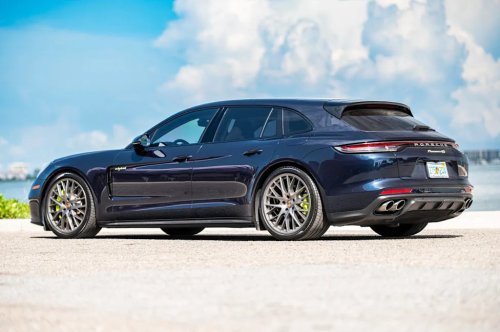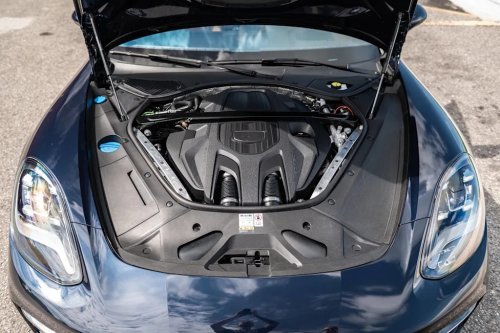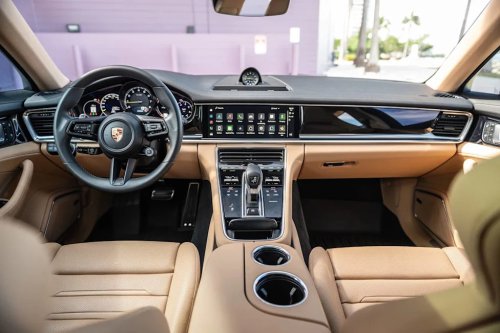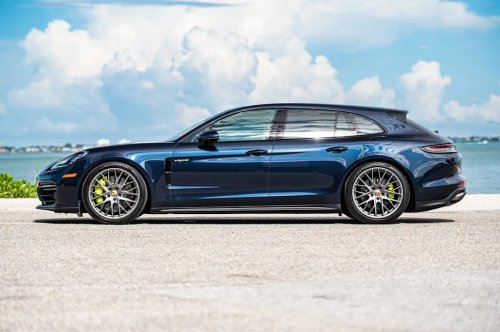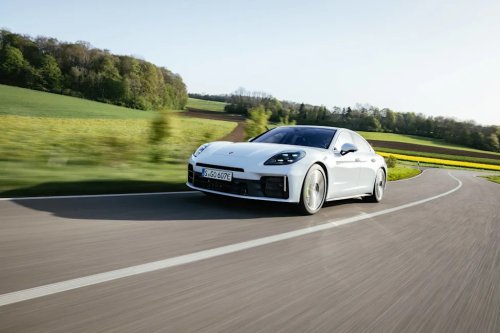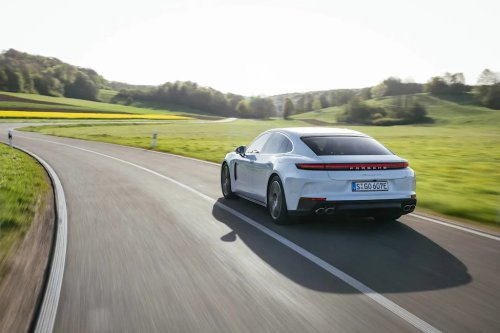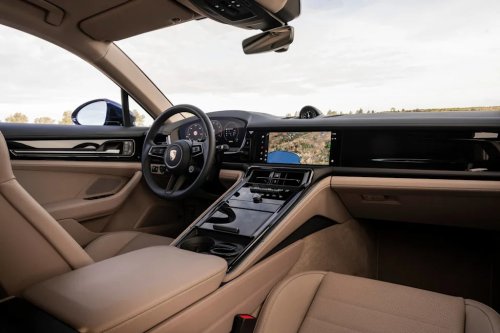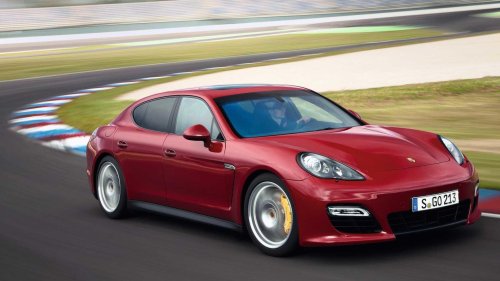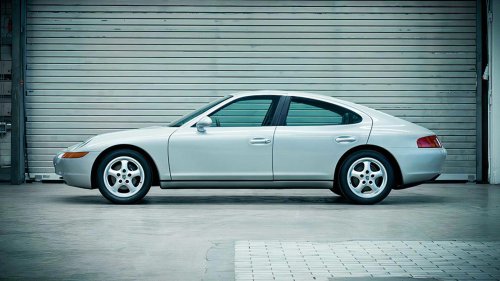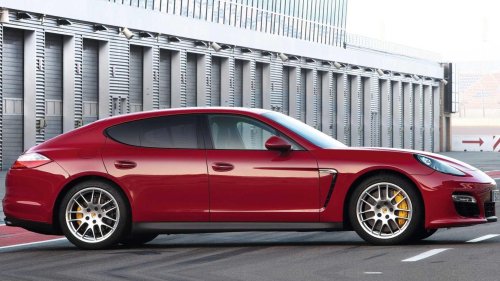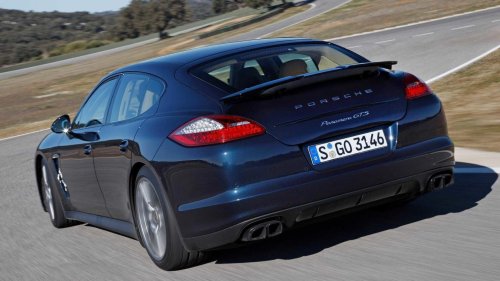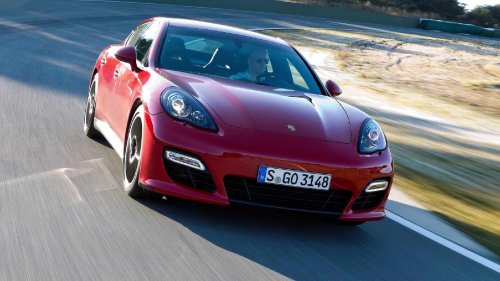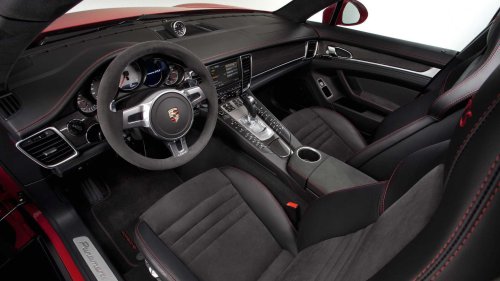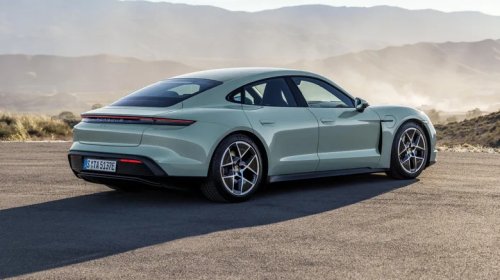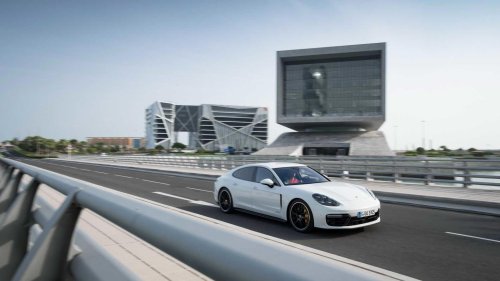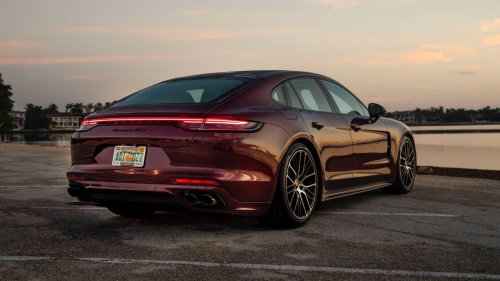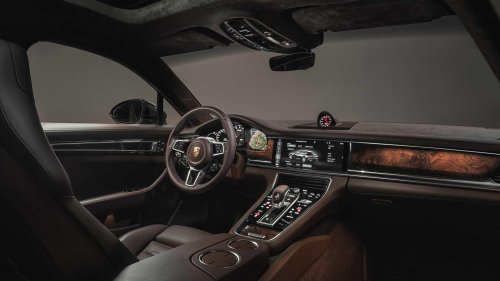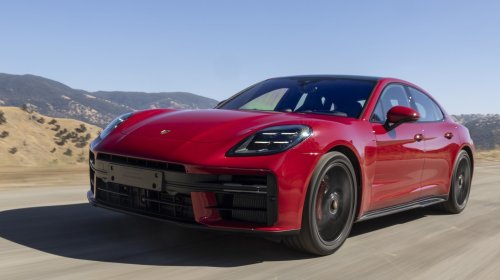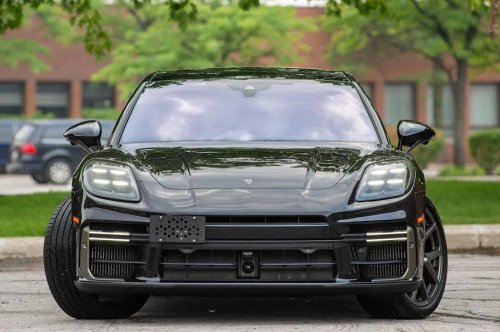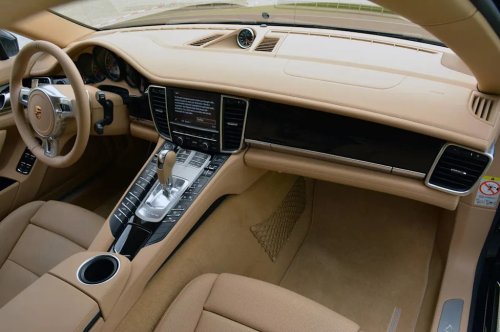
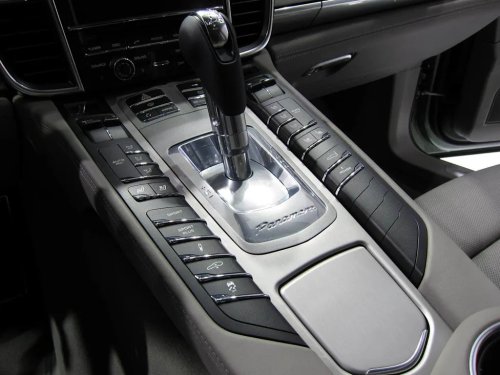
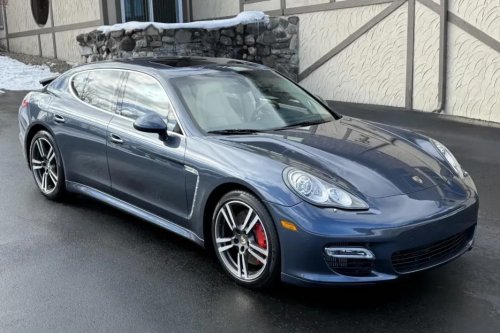
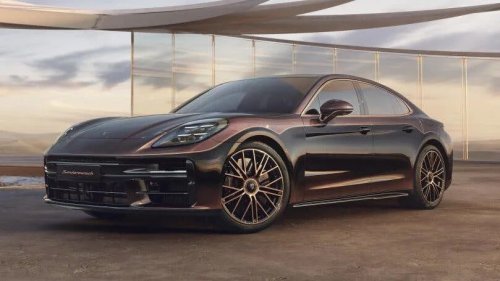


















Autoblog and Yahoo may earn commission from links in this article.The Ugly Duckling is a Now a Swan, at Least to MeWhen Porsche revealed the first-generation Panamera in 2009, I cringed. It looked awkward, beestung, and almost silly with its bulbous back end. It didn't really look like a four door 911 Carrera. It was long, wide, high-backed, and visually weird, as if one person started designing the car and someone else took over to finish the back end. Kinda like Joss Whedon taking over for Zack Snyder for DC's The Justice League. We saw how that turned out.From some angles, the roofline seemed fine. From others, the rear end looked swollen, as though a 911 had been stretched on a rack and forced to carry a family of four. Porsche could build a 500-horsepower luxury sedan that accelerated like a sports car, but apparently it failed when it came to a sedan. Now, after two generations, the Panamera is sleeker but, at least to me, anonymous and boring. I miss the original Panamera, and now I think I understand why.The First-Gen (2009-2016) Looked Like No Other Sports SedanThe OG Panamera arrived before every premium automaker decided a luxury car needed to be either a sleek coupe-shaped SUV or a shadowy, grille-heavy sedan with a full-width light bar. It was strange because Porsche was trying to take the 911, a rear-engined sports-car brand's design language, and turn transmogrify it into a four-door front-engined grand tourer with room for adults, luggage, and serious performance.The Panamera's broad shoulders, wide nose, bulbous rear hatch, and unusually tall rear deck created proportions that many people disliked. The inelegant roofline was made to create headroom for the two rear occupants. You could identify one immediately because it looked nothing like a BMW 7 Series, Mercedes-Benz S-Class, Lexus LS, or an Audi A8.AdvertisementAdvertisementThe first Panamera was ballsy, risking the traditional three-box design and giving a sedan a "big back" rear end and a long roofline. It was, effectively, a big four-door hatchback—and because Porsche let the product's purpose shape the design, it forged ahead in its own very original way.The Enthusiast's Four Door Sports CarThe original Panamera was a Porsche built for people who wanted one car to do nearly everything. It had four doors, usable rear seating, a hatchback cargo area, available all-wheel drive, and a range of V6 and V8 engines that were surprisingly powerful. The Turbo and Turbo S variants were particularly absurd: huge, heavy luxury cars that could embarrass sports coupes. The Panamera Turbo S (2014-2016) churned out an astouding 570 horsepower from its 4.8-liter twin-turbocharged V8 engine. The nearly 4,400-lb Turbo S could rocket to 60 mph in 3.6 seconds. Nothing from the "other Germans" could match it.Inside, it was peak early-2010s Porsche. The cockpit-like waterfall center console rose dramatically between the front seats and had more buttons than any sedan had a right to. It was wonderfully analog and totally purpose-driven. Climate controls, suspension settings, seat functions, audio commands, drivetrain modes—everything had a separate physical switch. Even the massive shifter looked like it came off a fighter jet. The current Panamera's cabin has given way to screens and touch controls, losing the magic tactility of the original.The Weird Ones Age Best2010 Porsche PanameraBring A TrailerThink about cars you thought were weird during their time but now look truly special: The Isuzu VehiCROSS, Subaru SVX, and the Ferrari FF come to mind. Given enough time, long after those cars ended production, and they find their way into the hearts of car lovers. The new one is more universally appealing, more capable, and more like a 911. But, it feels less special, not particularly cutting edge, and frankly, a bit anonymous.2025 Porsche Panamera Turbo 'Sonderwunsch'PorscheThe first-generation car now feels like a rare Skunkworks project pulled from the archives. It's clearly from a period when Porsche was still testing the limits of its own identity. It was the company's second modern leap beyond the traditional sports-car formula after the Cayenne SUV, and it was willing to look a little odd in pursuit of something new. That daring effort gives it character.Final ThoughtsI used to see the OG Porsche Panamera as proof that practical packaging could ruin a sports car's overall look. Now I see the radical original as proof that cars do not need to be pretty and universally appealing to become truly lovable. I would kill for a 2012 Panamera GTS, a car that would easily get the nod from enthusiasts and maybe even get looked down upon by new Panamera owners. Who cares? It's so original and was so envelope-pushing that it's now worthy of adoration. Sometimes cars just need to be distinctive enough to leave a mark.AdvertisementAdvertisementThis story was originally published by Autoblog on Sep 1, 2026, where it first appeared in the Features section. Add Autoblog as a Preferred Source by clicking here.