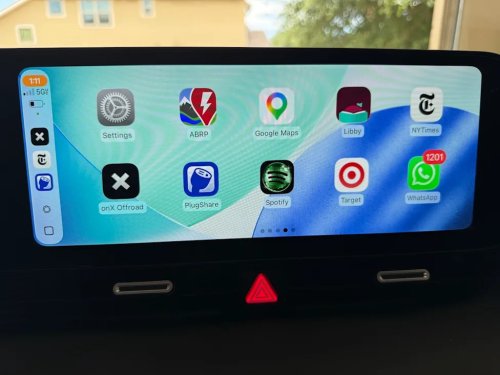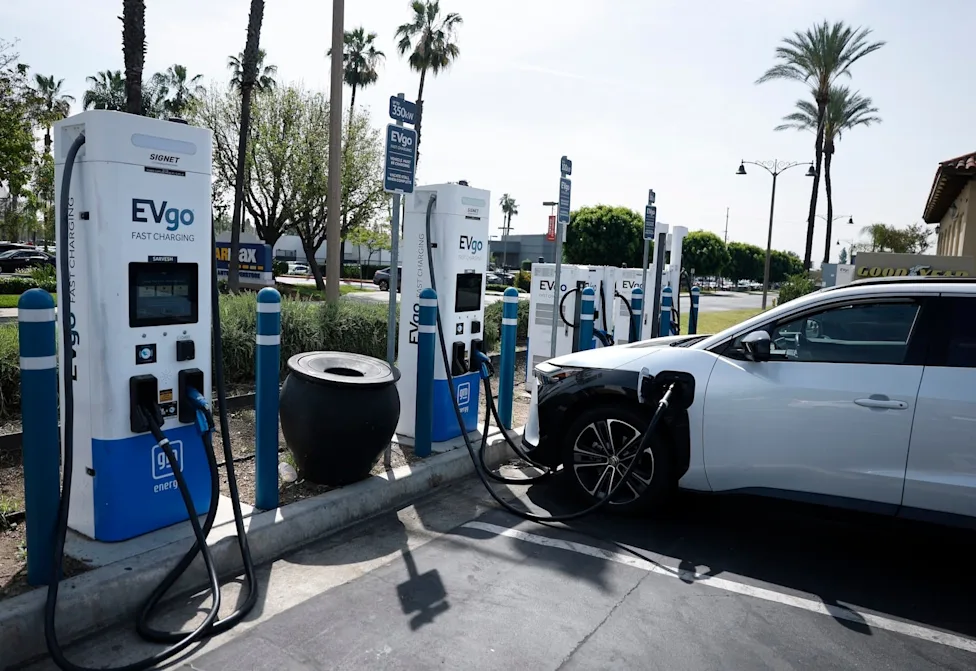
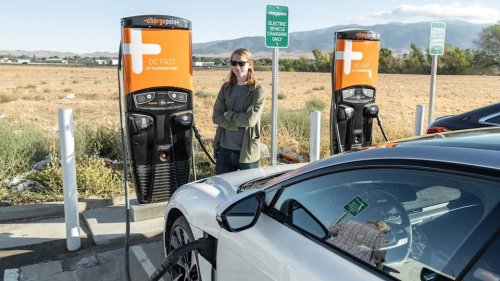



















I Sell Cars for a Living, and These Are the EV Myths That Won't DieMotorTrendMark McDonaldFri, September 25, 2026 at 11:00 AM UTCAdd us on GoogleCommon EV Questions, Answered by a Car SalesmanTeslaMost people who walk into a car dealership these days have already made up their minds about whether they're going to buy gas or electric. In my experience, there are a small number of people who are dedicated hybrid buyers, and an even smaller group that's "EV curious," but by and large, most buyers still buy gas-powered cars. The internal combustion engine has had a hold on the American psyche for a long time and continues to do so.This is strange when you think about it, because electric cars have been around since the advent of the automobile, although by the 1920s they had largely vanished. The Toyota Prius hybrid first launched here way back in 1997, and the Tesla Model S, which spearheaded the resurgence of the modern all-electric-powered car, had been around since 2012 before it was recently put out to pasture. So why have sales of EVs never captured more than 10 percent of the market in the U.S.? I think part of it is that there's a general human tendency to resist change, which is driven by fear.MotorTrendRange AnxietyThe No. 1 question I get from potential EV buyers is "How far will it go before I have to recharge?" The answer is, a lot farther than most people think, and a lot farther than most people need for normal, everyday driving.AdvertisementAdvertisementThe average driver travels no more than 40 miles a day, and the average EV will now travel up to 300 miles or so before it needs to be recharged. Most people can simply plug in their EV at home overnight, and it will be ready to go the next day. And most EVs require only 20 minutes or so to go from 10 to 80 percent charge using a public fast charger, many in less time than that. Why does range anxiety even exist anymore? It's a good question.Customers have told me they don't want an EV because they like to drive from the East to the West Coast during the holidays to visit family. I ask them if they've ever heard of an airplane. Why on earth would you subject yourself to four to six days trapped in a car, unless you're just dying to see the country or you're starring in a remake of The Cannonball Run? That's not a legitimate reason to avoid buying an EV, yet I've heard some variation of it a dozen times.MotorTrendWhere Do I Charge an EV?The second most common question I get from customers is, "Where will I go to charge it?" Contrary to popular belief, the infrastructure for EVs does exist, and it's getting better every day—especially in large metropolitan areas. Now, if you live in the boonies, far from the nearest town, it may be a bit harder to find a public charging station. But that situation is a lot less common today than it was 10 years ago. Today, there are over 80,000 public charging stations in the U.S., housing nearly 250,000 individual charging ports, and the number is growing all the time.Some people worry that the charging station may be there, but it won't be working when they roll up to it with 2 percent charge left, which has been a problem in the past. To help mitigate that issue, almost every manufacturer now has software in their EVs to help you to find usable fast charging stations and preplan your route. This software can tell you in advance how much each station costs and let you know if it's working. If your EV doesn't have such software, you can easily download an app on your phone that will do the same, like the MotorTrend Best Tech Award–winning PlugShare app.ManufacturerBattery DegradationThe third question I get is, "How long will the batteries last? Are they reliable?" The fact is, the batteries in an EV are probably the most reliable things in the vehicle. Your touchscreen will probably cause you more trouble than the battery. Typically, EV batteries last 8 to 15 years, or 200,000 miles, which is longer than most people keep any vehicle, gas or electric. To give the consumer even greater confidence, batteries in EVs come with a longer warranty—usually eight years or 100,000 miles, whichever comes first.MotorTrendOverall EV Expense"Aren't EVs more expensive than the average gas engine car?" The average price of an automobile these days—the average price—is around $50,000. But there are plenty of EVs on the market under $40K, such as the Chevy Bolt, Nissan Leaf, Kia EV3, Toyota bZ, Subaru Uncharted, Chevy Equinox EV, Hyundai Ioniq 5, Tesla Model 3, and Mustang Mach-E, to name just a few.AdvertisementAdvertisementThen there's the joy of less maintenance. With an EV, there are no oil changes, no spark plugs, no timing belts, and therefore no tuneups, which cuts the cost of routine maintenance by 30 to 50 percent. You do have to pay a little closer attention to tire pressures, though, because of the extra weight of the battery. On balance, an EV is quieter, smoother riding, and quicker from 0 to 60 mph than an equivalent gas car. You literally plug it in and drive. On the downside, insurance for an EV can cost 10 to 42 percent more than a gas engine vehicle.Studies show that while the initial cost of EV ownership can be slightly higher on average than a gas-powered car (manufacture, insurance, etc.), between five to seven years a break-even point is reached and EVs become cheaper to own. So, the widespread perception that EVs are more expensive than gas engine cars is just that: a perception.Unfortunately, we've politicized the ownership of EVs in this country. A significant number of people see them as "woke." Big-block V-8s are for people who eat red meat; EVs are for those who prefer tofu. And I've found that's enough for some folks to avoid one. On the flip side, many environmentally minded people buy EVs because of lower greenhouse emissions. This kind of divide in public attitudes doesn't exist nearly as much in Europe and China, which is one reason EVs are more popular there.The $7,500 in incentives offered by the U.S. government was enough to overcome all the fear factors associated with EVs, but those incentives went away in 2025. In addition, the present administration started rolling back emissions regulations. Since then, EV sales in America have slumped, though there are signs of that trend leveling off and even improving lately (see below for one reason).Getty ImagesRising Gas PricesEVs are slowly making a comeback at dealerships. Buyers who are looking for improved fuel economy or are motivated by environmental concerns are also turning to hybrids or plug-in hybrids. The primary reason is simple: rising gas prices. Recently, a couple came to my dealership looking to buy an EV for the first time for one reason. They're moving to California and don't want to pay $7 a gallon for gas. Old-fashioned economic pain is always a great motivator for change.AdvertisementAdvertisementThe dominance of the internal combustion engine won't last forever, and as MotorTrend has opined, it's InEVitable. Something has to replace it, and EVs are the most logical, reliable, and environmentally responsible option we have for now.