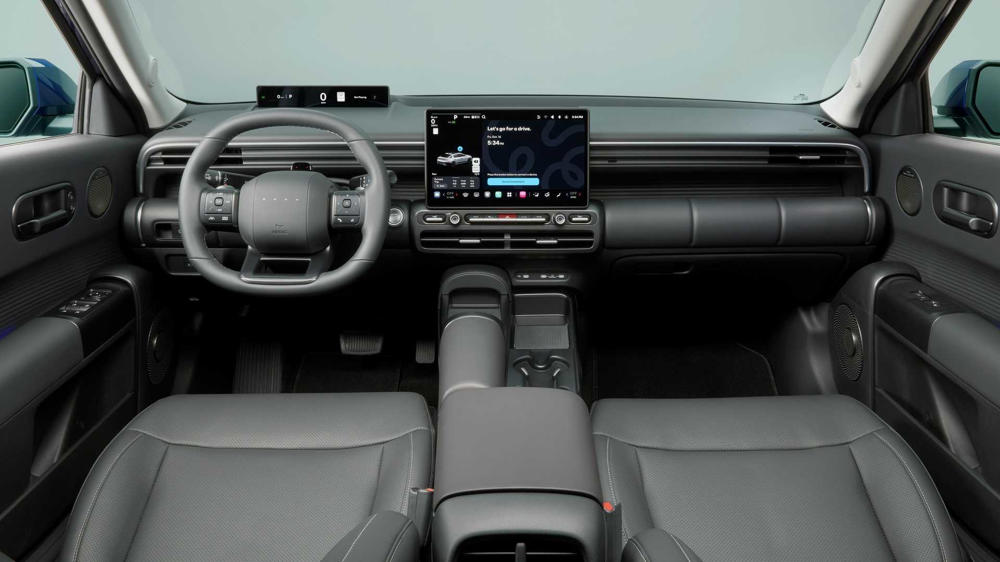
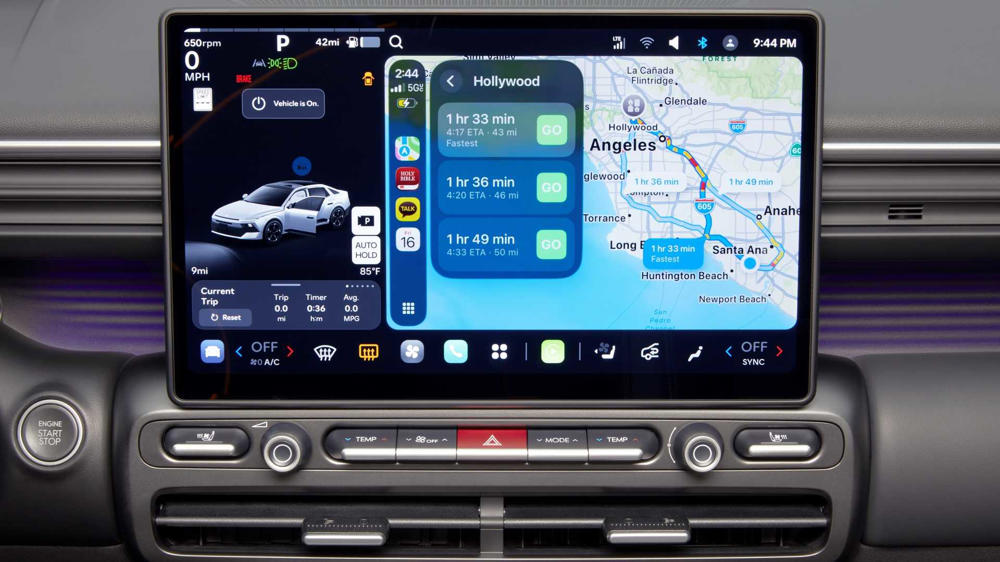
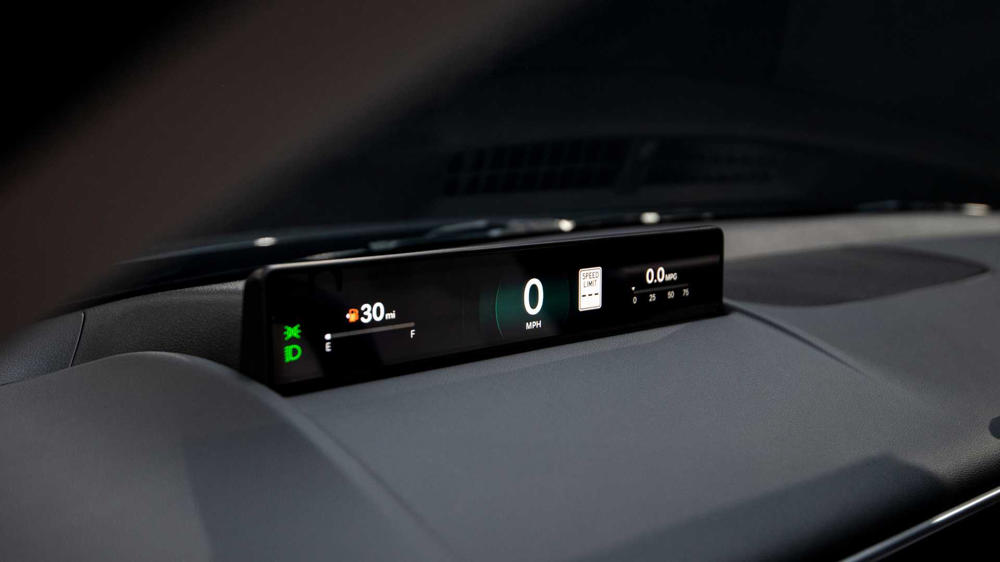
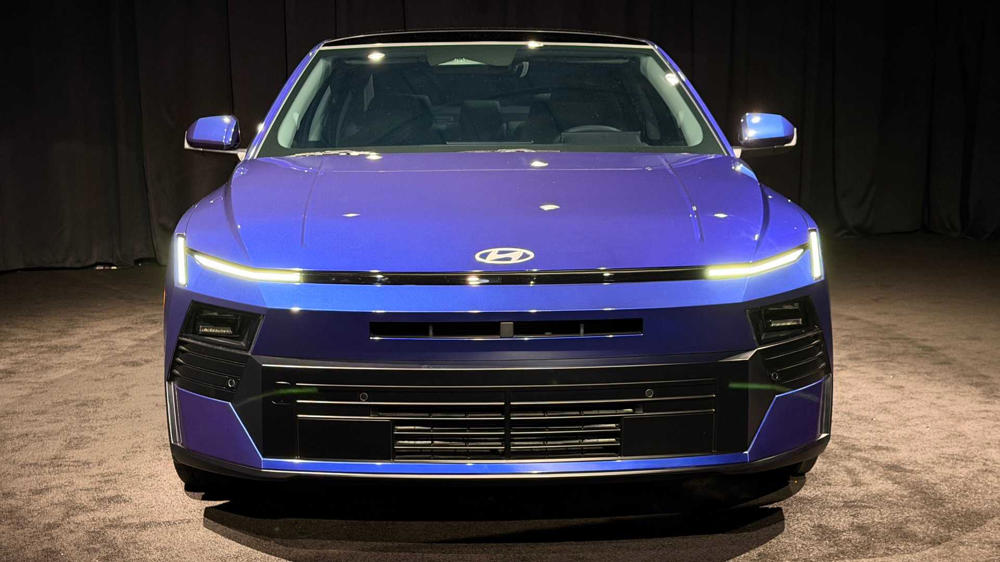
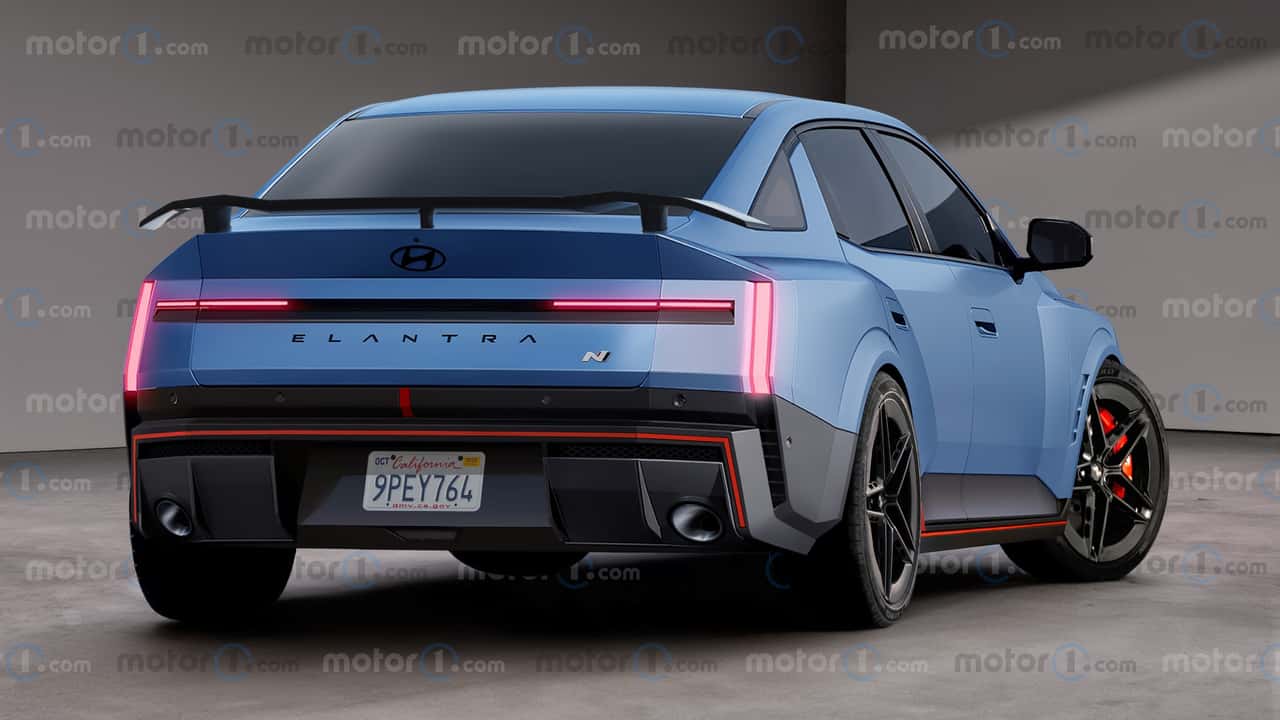
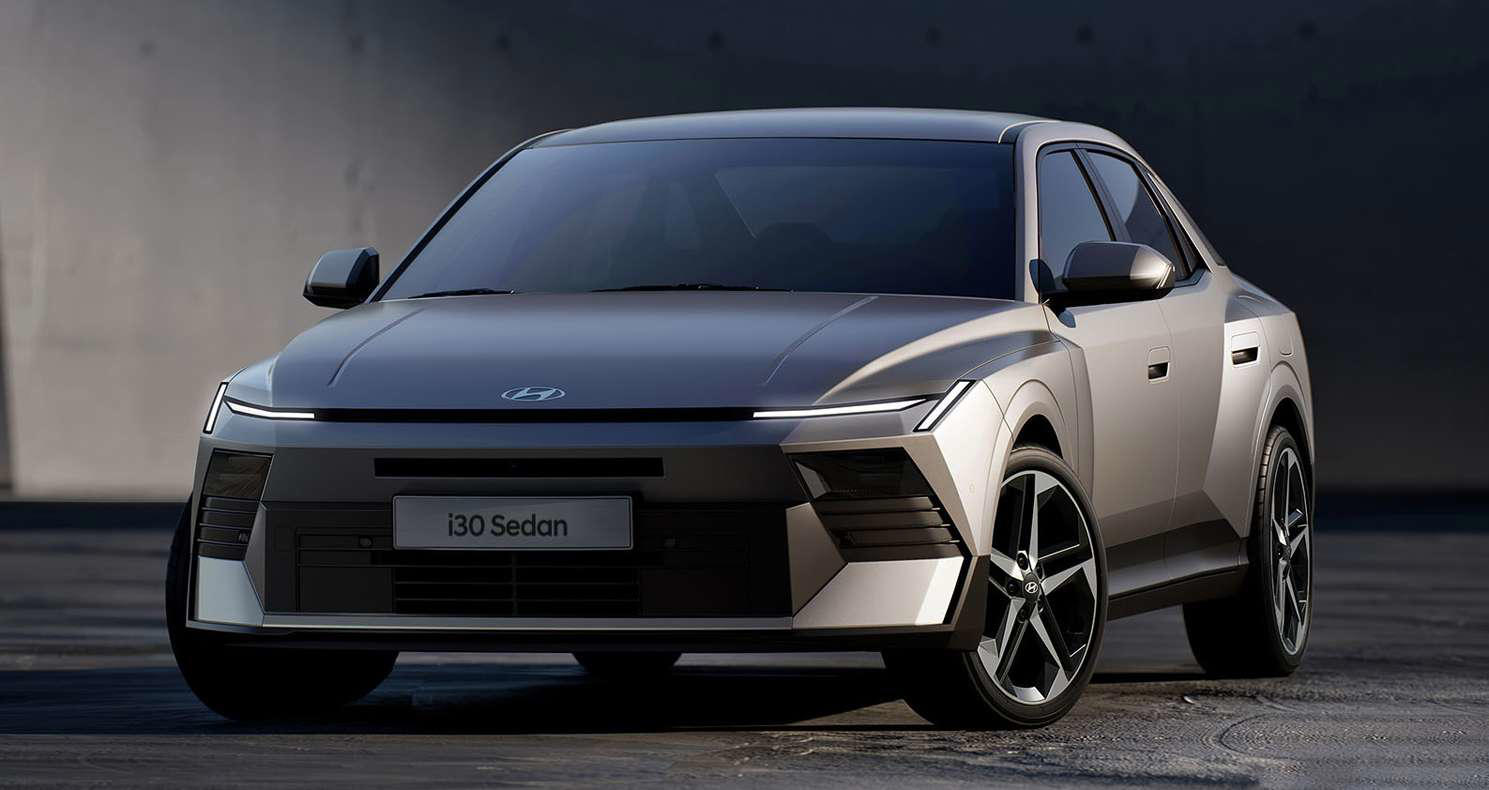
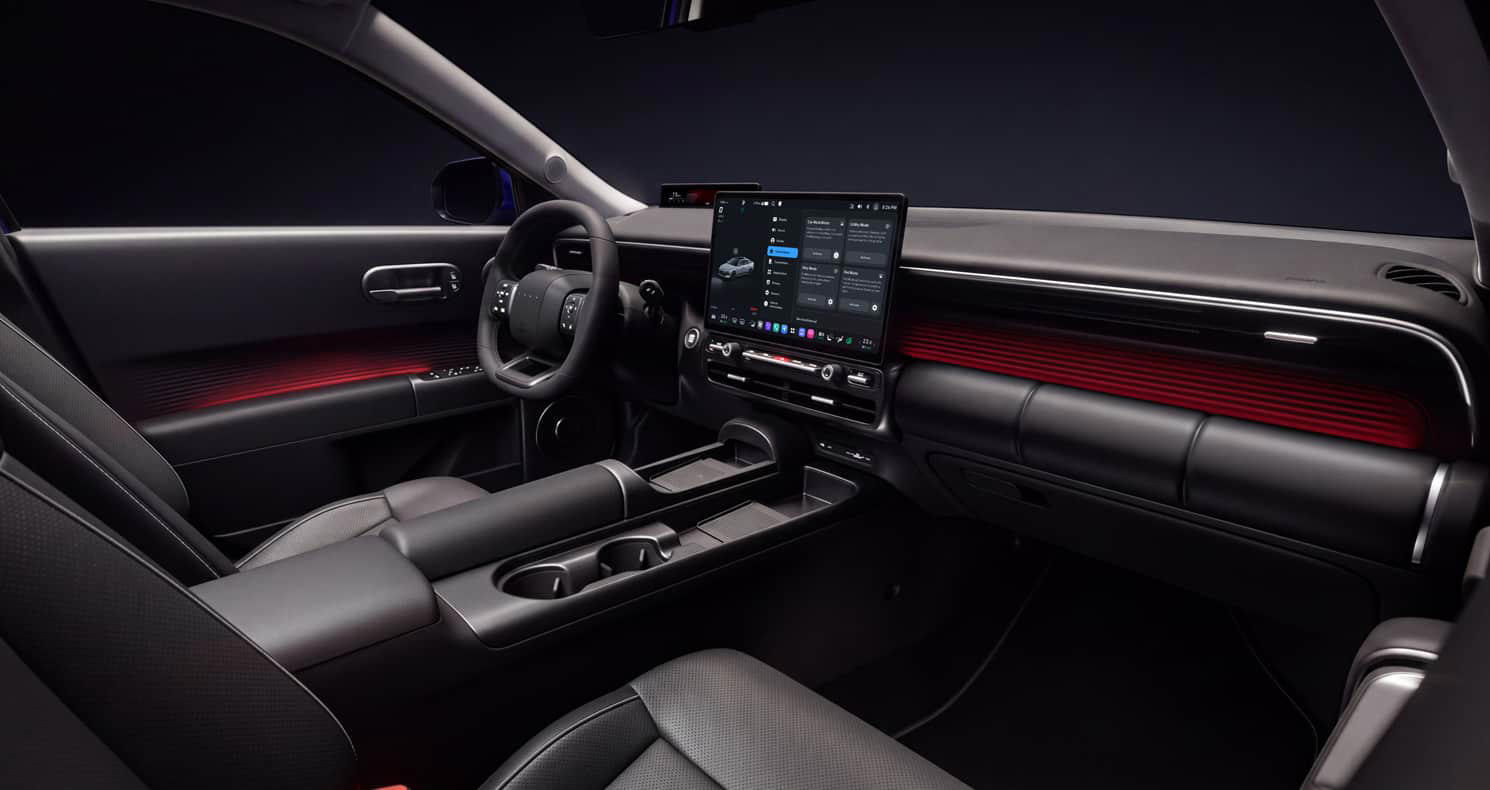
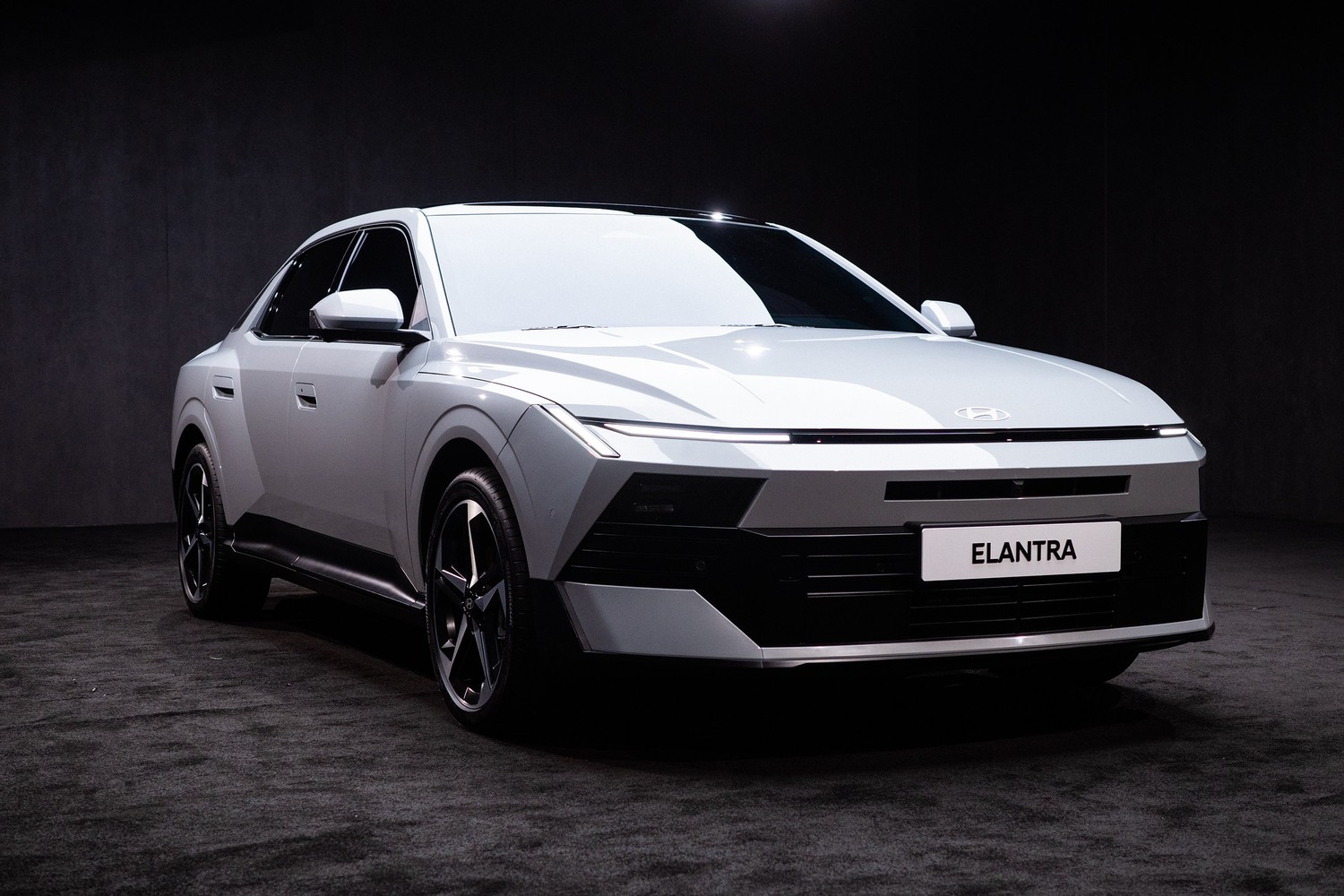
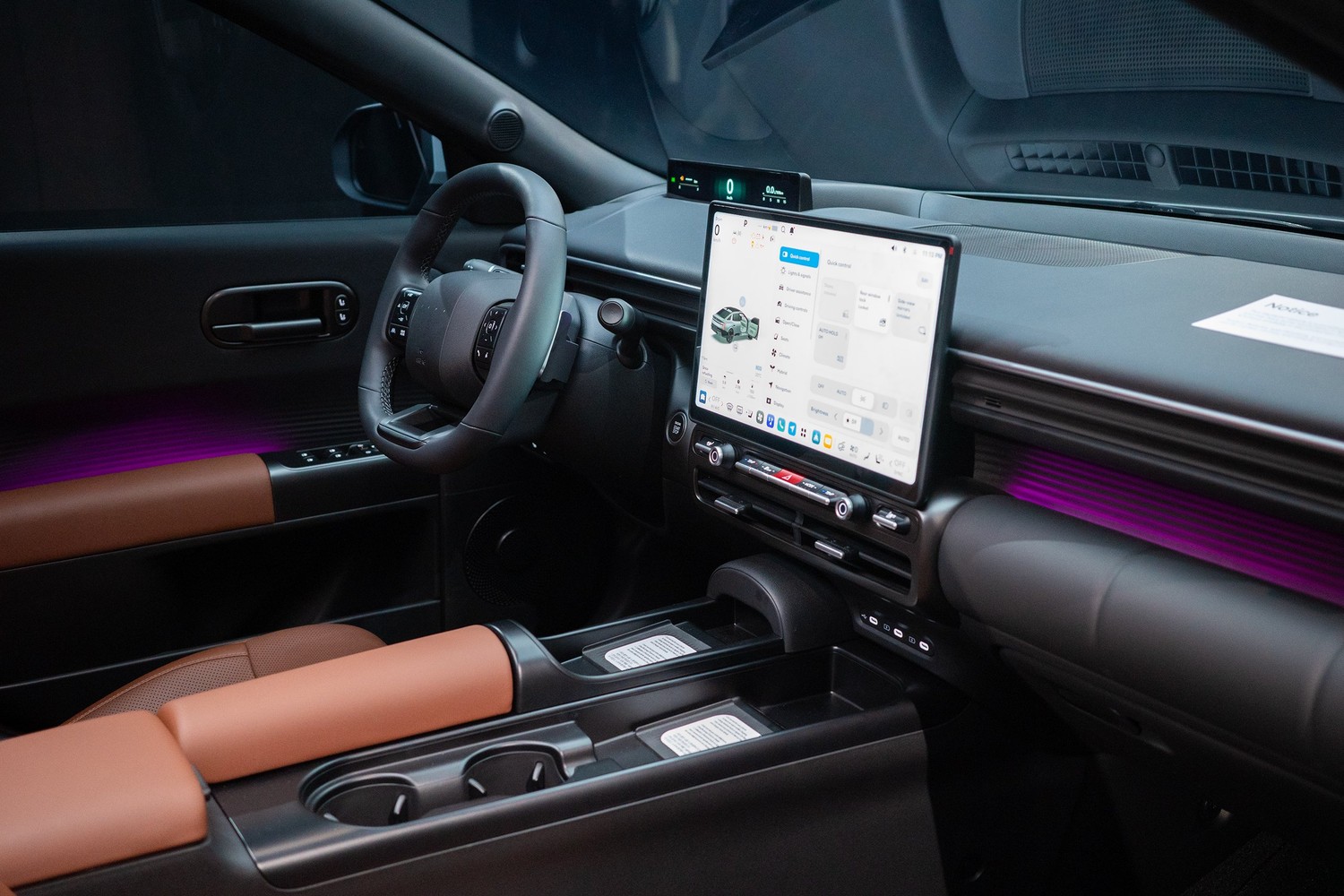
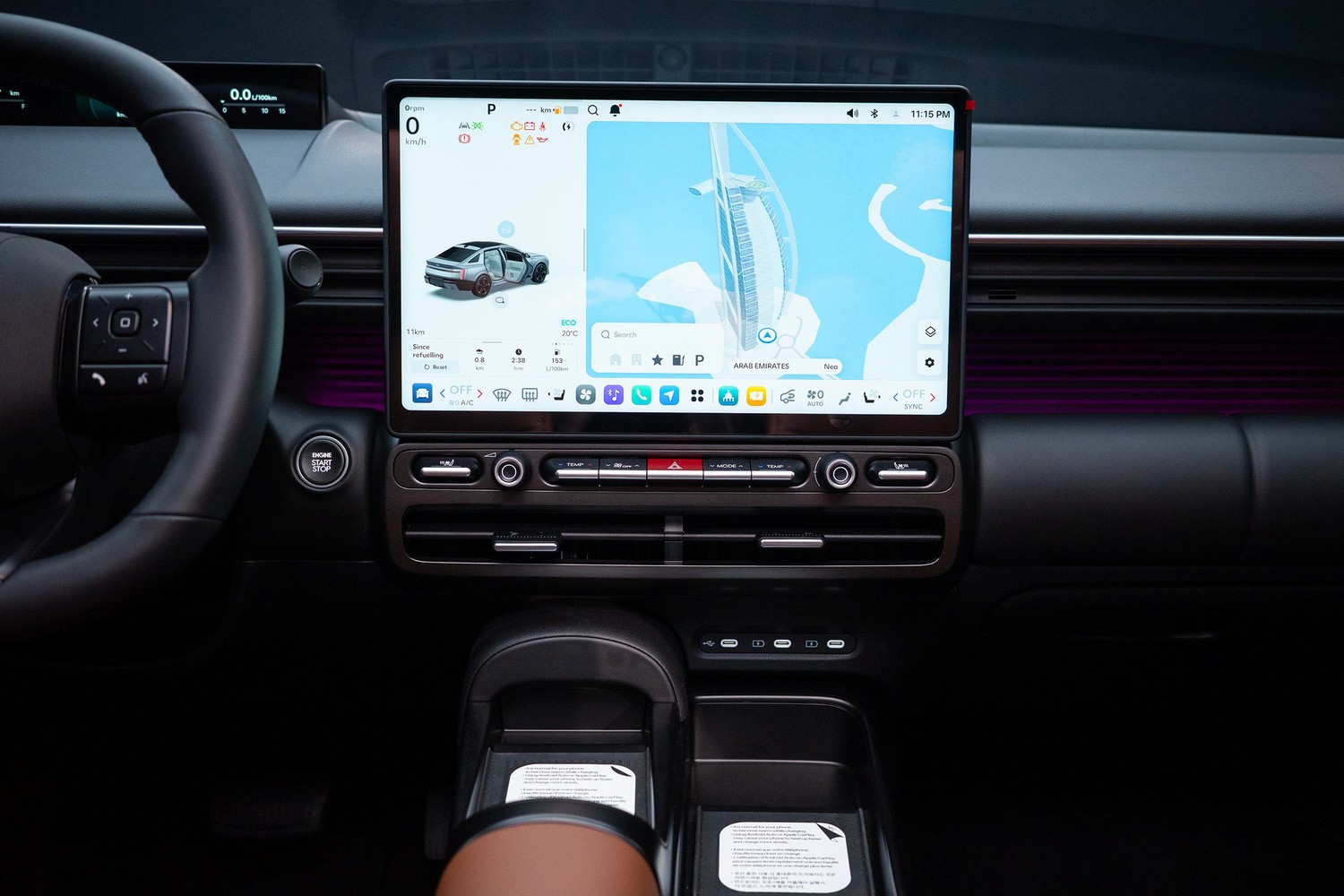
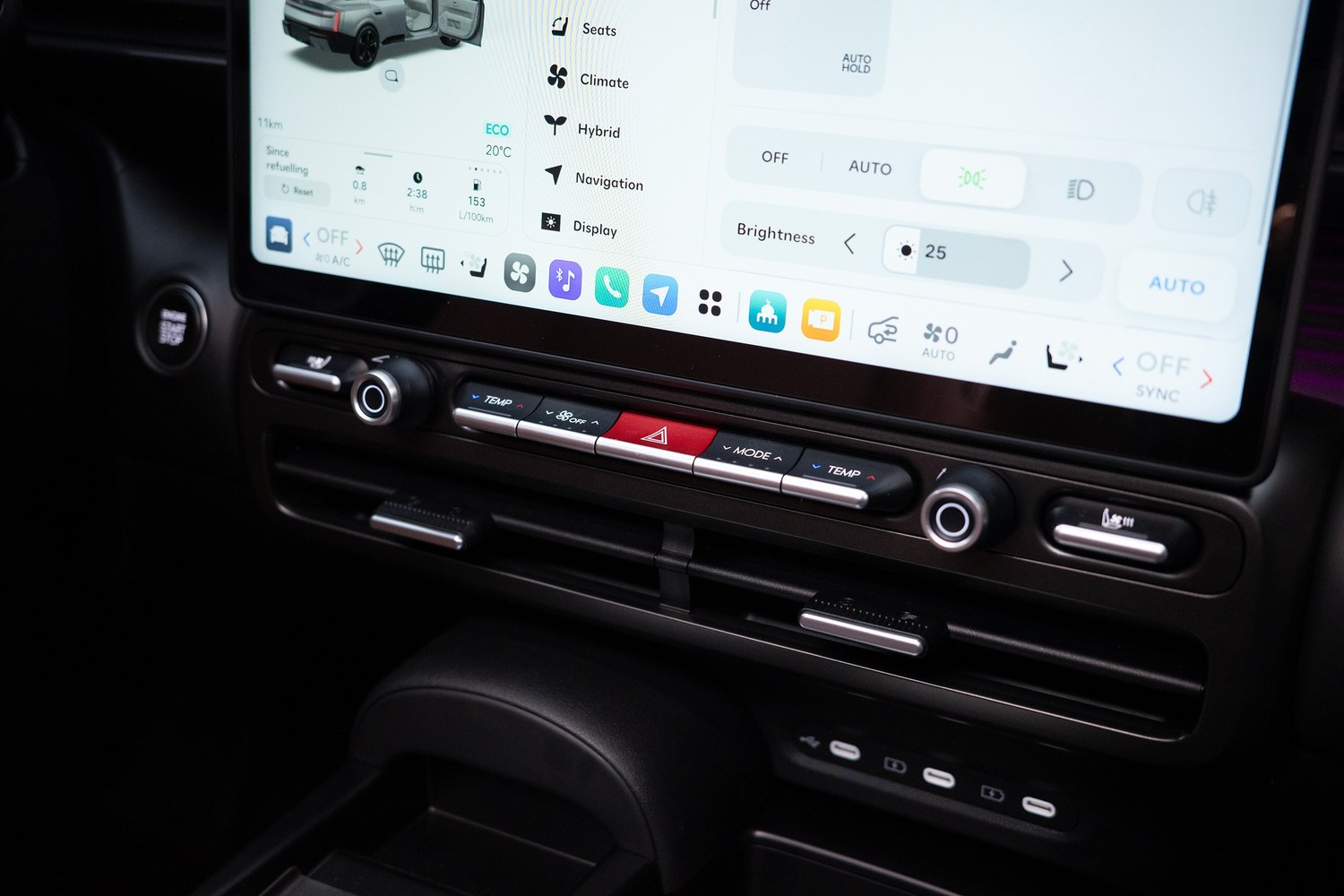
Just last month, Hyundai revealed the newest version of its most important, bestselling model in America, the Tucson. While some automakers would be careful with a follow-up to its biggest success, Hyundai decided to give the compact SUV a dramatically new look with a totally new platform. Plus, it's now larger, more powerful, and more efficient. Now, Hyundai is showing off the latest Elantra, its second bestseller, and its following nearly the same playbook as the Tucson: bigger, bolder, better. It Has Fenders Fit For An Audi RS Technically, we saw the Elantra back in June when Hyundai revealed it for the Korean market as the Avante. Still, that doesn't detract from how stunning the car looks compared to its predecessor. That's not to say the old one was boring, but Hyundai upped its game with the new car. While it's not actually lower, it looks it, in part because Hyundai made it longer and wider. It's a whole 3.4 inches longer overall, 1.2 inch longer in the wheelbase, and 1.2 inch wider. The actual size is only part of what gives the Elantra more presence than before. The shape, and especially the fenders, also contribute. We're not sure we've ever seen a mainstream, budget-minded vehicle with such musculature. They're so wide, and have such prominent creases in the doors to highlight them further. We expect this from high-performance German cars, not entry-level sedans. They're further backed by the pointy nose with a deep chin spoiler, and crisp taillight lines and integrated spoiler that wouldn't look out of place on a Cadillac. Those taillights have a similar clear effect to those on the Tucson, and, although the Tucson was revealed first, the Elantra had these lights first. Hyundai designers liked them so much, though, they added them to the Tucson at the last minute. Plus, the Elantra not only looks sleek, but it is sleek, as it has an impressively low 0.26 coefficient of drag. Just like the Tucson, the Elantra's interior goes a different, softer direction than the origami-like exterior. The dash is low and rounded with a shelf-like ledge running the width of it. The center console and door panels mirror the design, and ambient lighting highlights the different levels. Hyundai will be offering quite the array of interior colors, too, with black, grey, beige, burgundy, and "cognac," all available with different combinations. Right in the middle of the dash is a 12.9-inch infotainment screen running Hyundai's newest Android Automotive-based operating system, and directly below it is a set of physical controls for climate and audio that Hyundai has kept around by popular demand. Then ahead of the driver, is an instrument display measuring 9.9 inches. Besides the new design, Hyundai added more room to the cabin, a perk of the added length and width outside. Rear-seat passengers benefit most with 1.1 inch more legroom, 0.4 inch more headroom, and 0.9 inch more shoulder room. The trunk is bigger, too, going from 14.2 cubic feet to 16.9. What's Under The Skin? Unlike the Tucson, which is a clean-sheet product, the new Elantra still uses the outgoing car's platform as a base, though dramatically updated. It also features revised versions of the current powertrains. The standard models come with a naturally-aspirated 2.0-liter four-cylinder paired with a CVT and front-wheel drive. Hyundai says it updated the cooling, oiling, and ignition systems to improve efficiency, though output is the same at 147 horsepower and 132 pound-feet of torque. In its most efficient configuration, it will also return 35 mpg in combined driving, the same as the outgoing model. The suspension design is basically the same, too, with MacPherson struts up front and a torsion-beam at the rear. Hyundai did say that it has revised the suspension tuning and bushings to improve comfort and reduce noise, both on the combustion and hybrid models. The chassis itself has also been stiffened compared to the previous model. The hybrid Elantra has more notable changes. It still uses a naturally-aspirated 1.6-liter four-cylinder engine with an electric motor, but that electric motor is more powerful, and it's fed by a slightly larger battery pack. That means it makes an extra 16 hp for 155 in total. Hyundai hasn't shared combined torque numbers, but we wouldn't be surprised if that also increased. The powertrain also remains paired with a six-speed dual-clutch automatic transmission powering the front wheels. As for expected fuel economy, Hyundai is estimating 53 combined for the most frugal configuration, which is down 1 from last year. That's still within a couple of mpg of the Toyota Prius, though, which isn't bad. The hybrid also gets the same Stay Mode as the Tucson, which lets owners run the climate and sound systems off the hybrid battery for up to half an hour. Additionally, the hybrid continues to get the more sophisticated multi-link independent rear suspension, rather than the torsion-beam design. It's Going On Sale Next Year The first of the new Elantras to hit dealers will be the non-hybrids as 2027 models early next year. The hybrid will follow soon after, but as a 2028 model. Pricing hasn't been announced, but considering that these aren't dramatically different mechanically, pricing will likely be close to, but slightly higher than, the current generation. The base model 2026 Elantra has a starting MSRP of just under $23,000, and the hybrid's MSRP starts under $26,000. Each version of the Elantra also has just three trim levels, fewer than before. Those include SE, SEL Sport, and Limited. 2027 Hyundai Elantra wheel CarBuzz Insight – Why This Matters: While the Elantra looks just as radical as the Tucson, it's actually a more conservative update, what with its very similar powertrains and refreshed chassis. That's not bad, though. The existing Elantra is quite good, and a bigger, cooler version with an even better hybrid will be an excellent option in the compact market. Also, keeping it related to the old model could help keep costs low, and hopefully avoid any big price increases. Being such an entry-level model in a world with rapidly increasing prices, staying as affordable as possible will be critical o success. We think Hyundai has a winner, here, and if it looks this good in standard form, we can't wait to see (and drive) the inevitable N model. 2028 Hyundai Elantra Hybrid front

 Liked by Amélie Campbell, Ella Leblanc


















 Liked by Amélie Campbell, Ella Leblanc