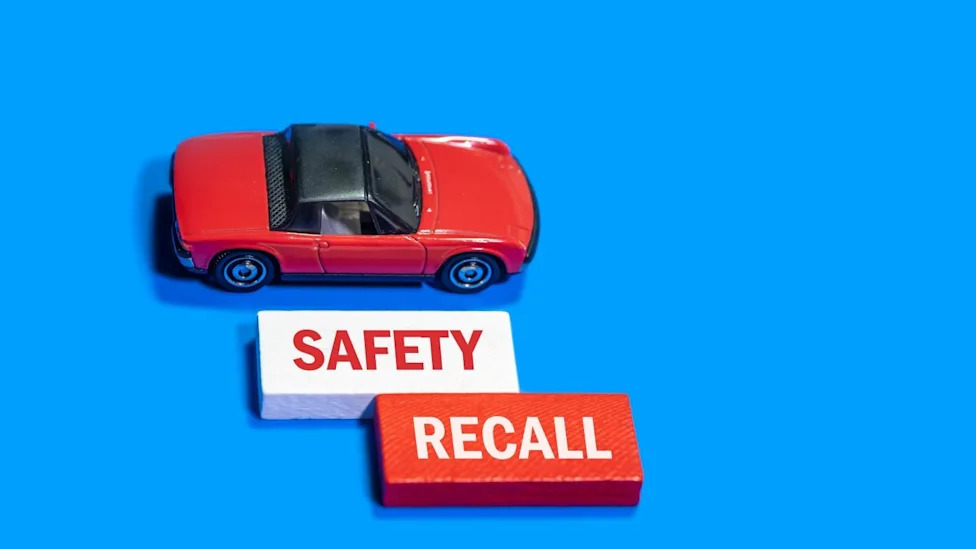
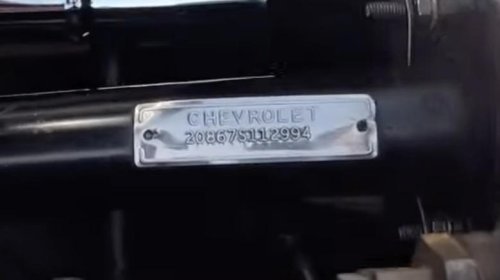
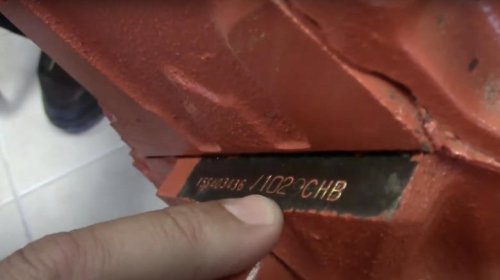
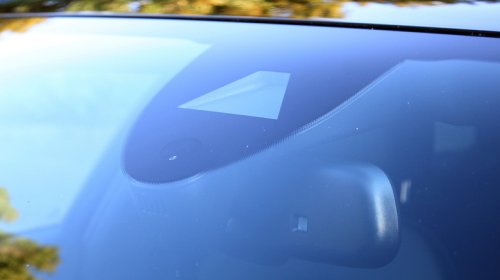
how to check if your car has an open safety recallSafety recalls happen more often than most drivers realize. NHTSA (the National Highway Traffic Safety Administration) logs hundreds of recall campaigns a year, covering tens of millions of vehicles nationwide. However, a large share of those vehicles never receive the free repair because owners don't know an open recall exists. Checking your status takes about two minutes.Find Your VIN FirstYour Vehicle Identification Number gives the most accurate recall picture available. Locate it on the driver's side dashboard (visible through the windshield), on the door jamb sticker, or on your registration and insurance documents. It is a 17-character string unique to your vehicle.Go to nhtsa.gov/recalls and enter the VIN in the search field. NHTSA maintains the official recall database and updates it as manufacturers file new campaigns. A VIN search returns results tied to your exact vehicle rather than just your make and model, so it catches recalls that apply to specific production runs or build dates. As a result, two outwardly identical vehicles from the same model year can carry entirely different recall histories.What Your Results MeanIf no open recalls appear, your vehicle is current as of that search date. Therefore, bookmark the page and return periodically. Manufacturers can file new campaigns at any time, including on vehicles that are many years old.AdvertisementAdvertisementWhen results do appear, each entry lists the recall campaign number, the component involved, a plain-language description of the risk, and the remedy. Read the remedy section carefully. It tells you exactly what the dealer will do to address the defect.how to check if your car has an open safety recallScheduling the RepairAll recall repairs are performed by authorized franchise dealers at no cost to the vehicle owner - regardless of the vehicle's age, mileage, or whether you are the original owner. Call your preferred dealer, provide the VIN, and confirm parts are available for your specific campaign. High-volume recalls sometimes create parts shortages; in that case, ask to be placed on a waiting list and request written confirmation.Bring your VIN search printout to the appointment. The service advisor will independently verify the open recall before beginning work. After completion, the dealer provides documentation confirming the campaign is closed on your vehicle.The Bottom LineNHTSA issues recalls when a defect creates an unreasonable safety risk. Leaving one open does not reduce that risk; completing the repair eliminates it at no cost. Check your VIN at nhtsa.gov/recalls. For additional context on a used vehicle's history, services like Carfax cross-reference recall data alongside ownership and service records.Does your car have a recall? Here's what to do next.



















 +8 others