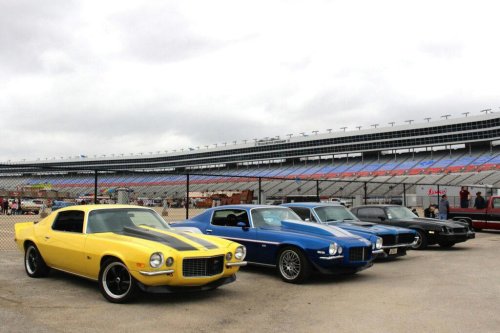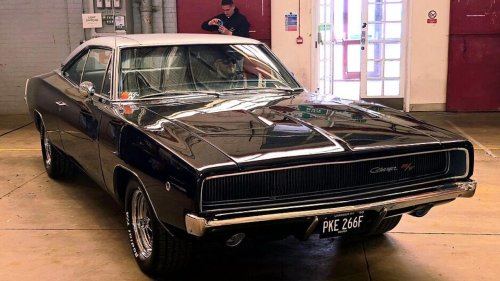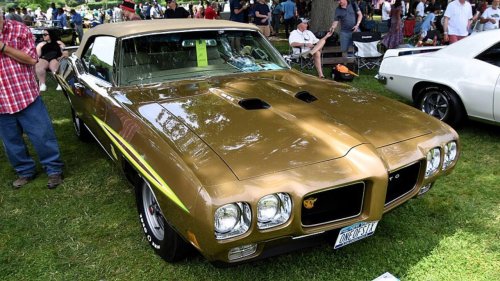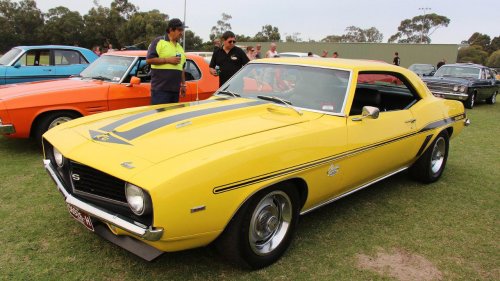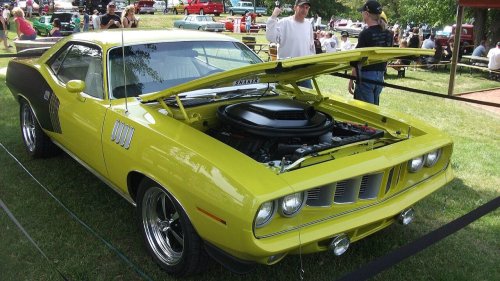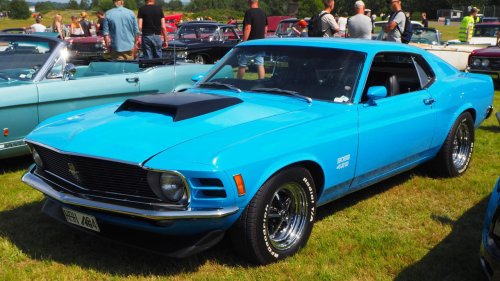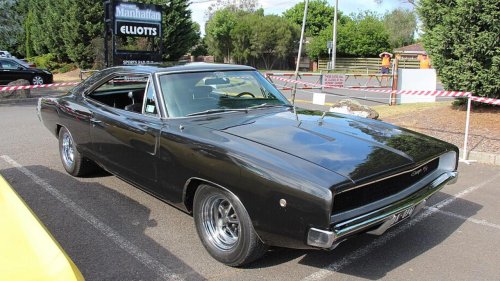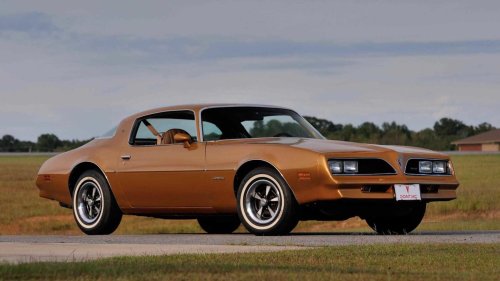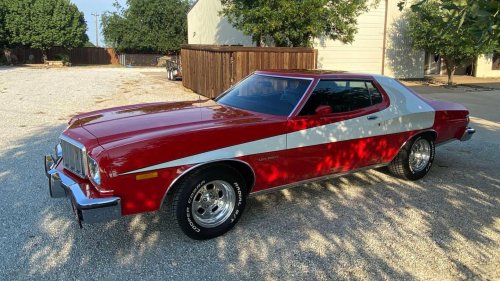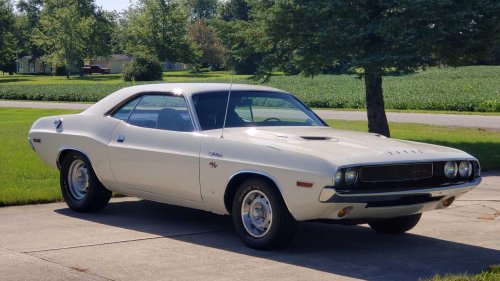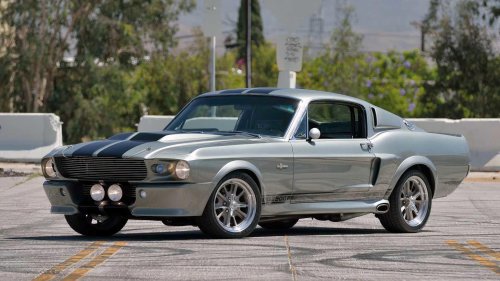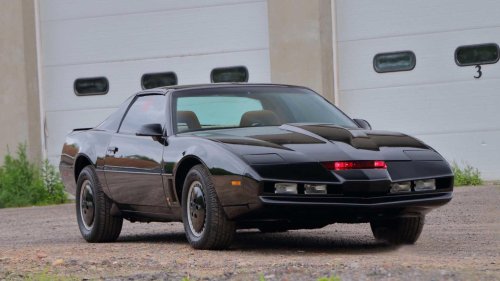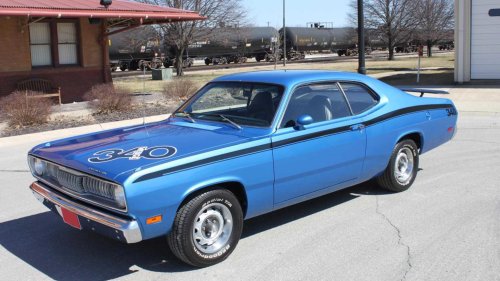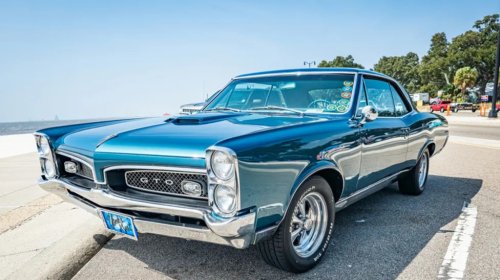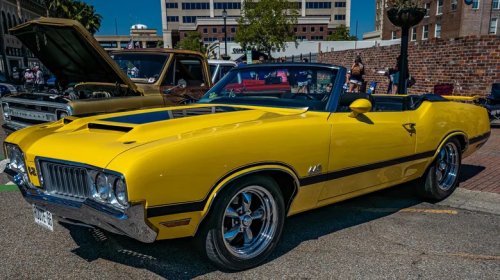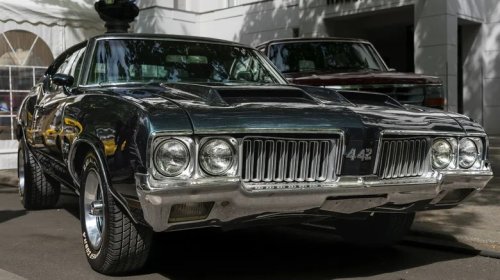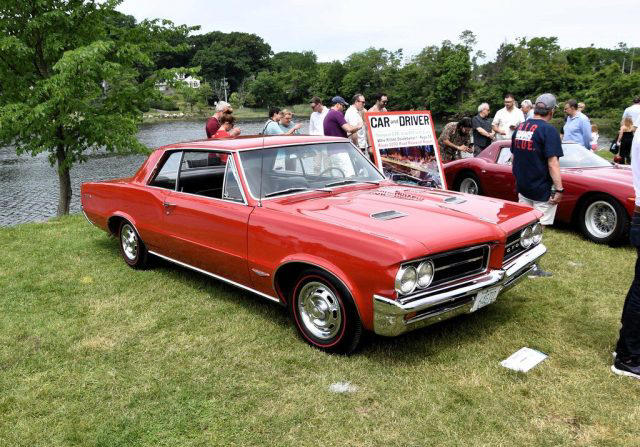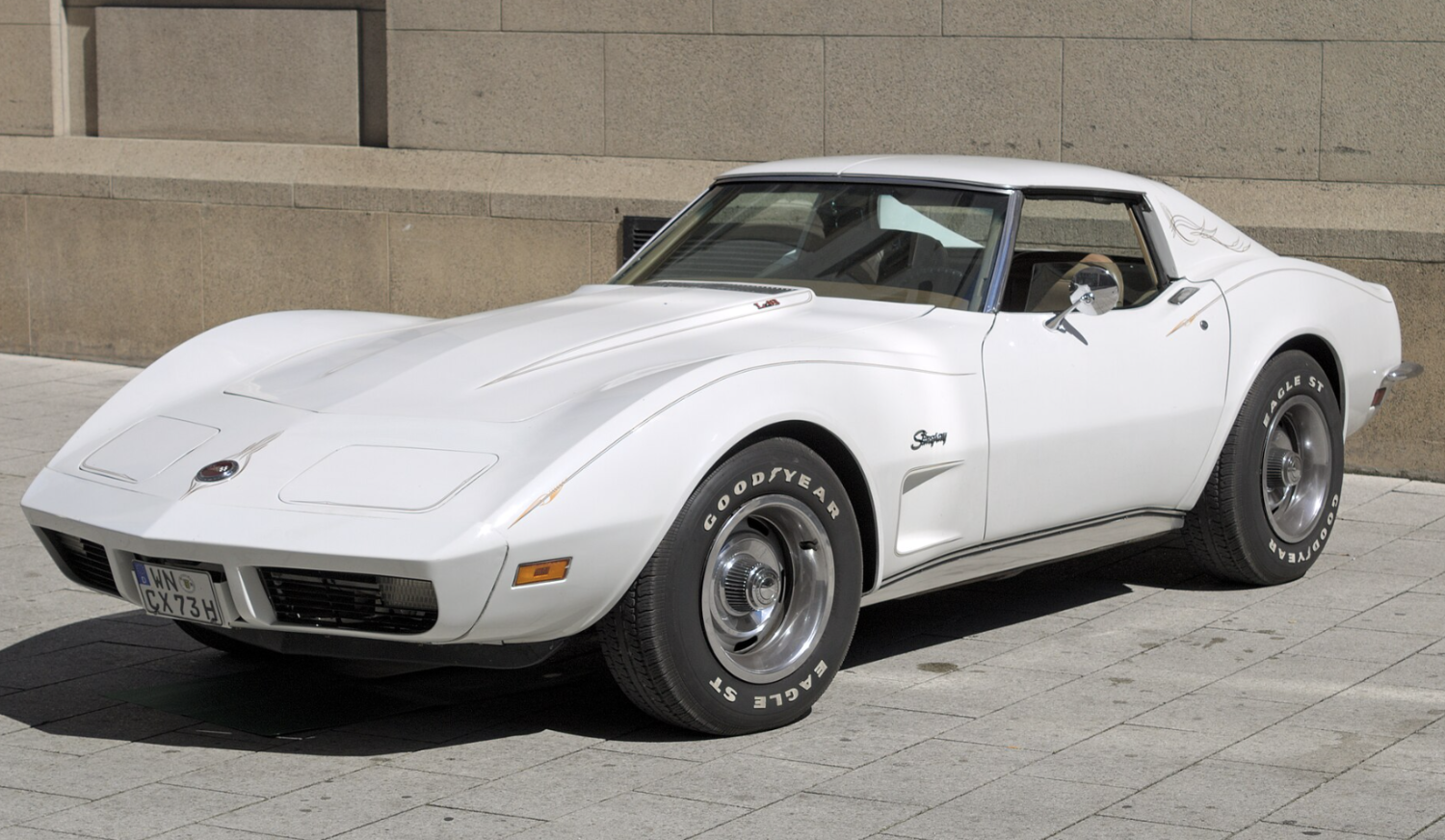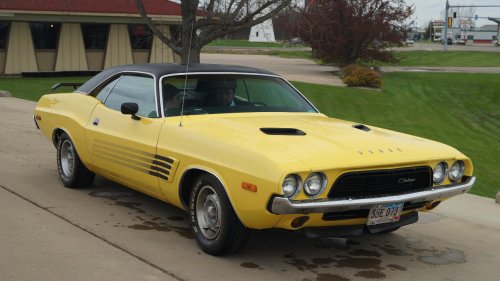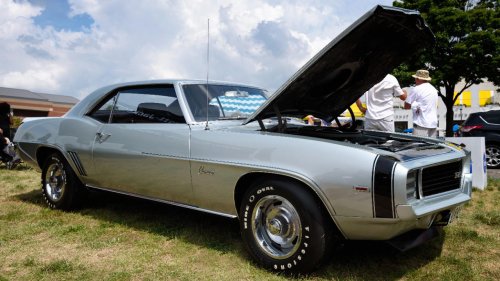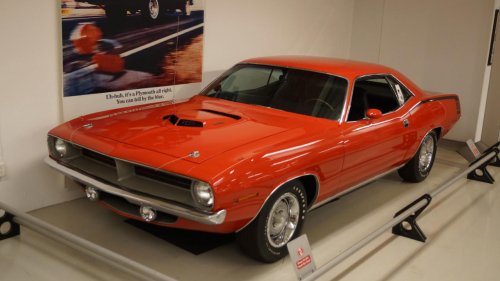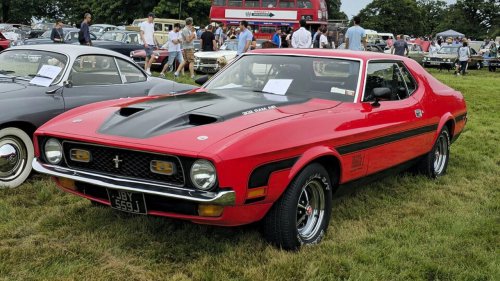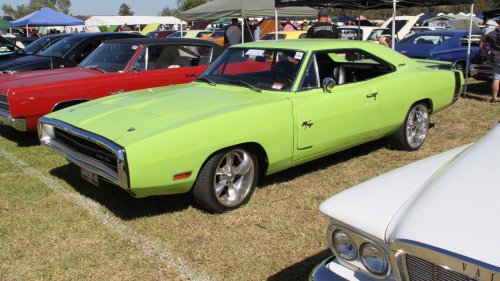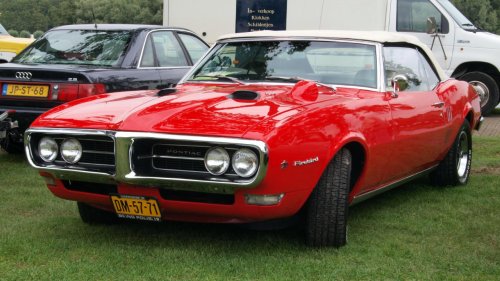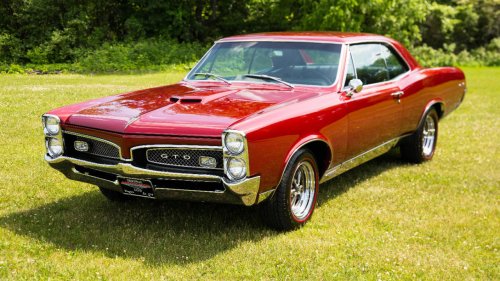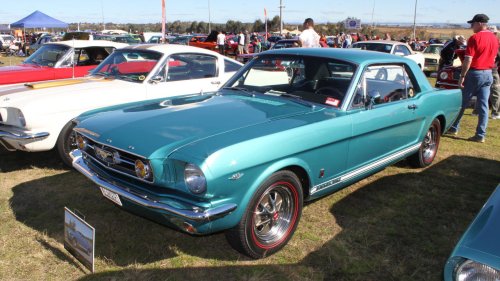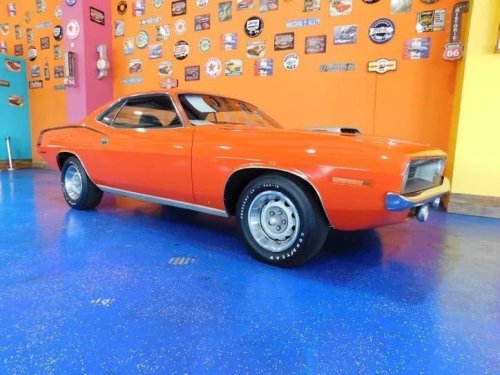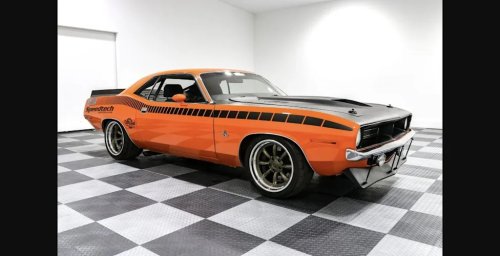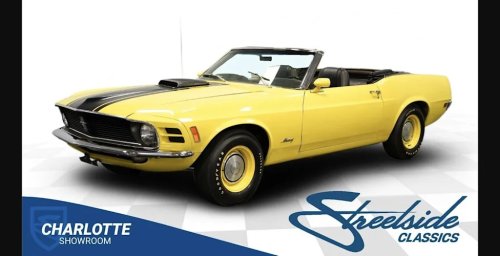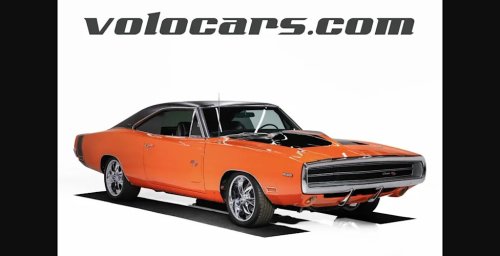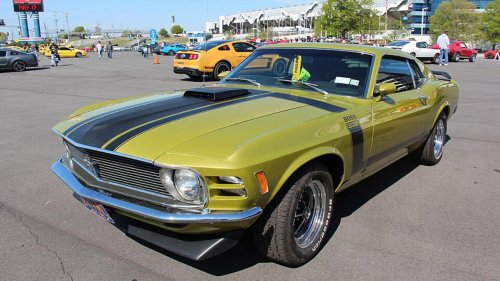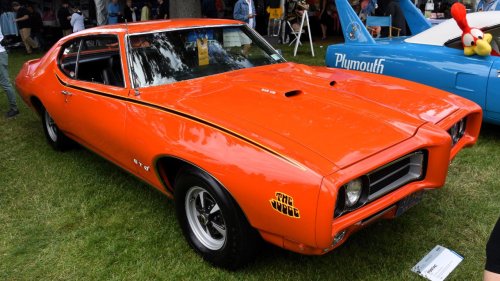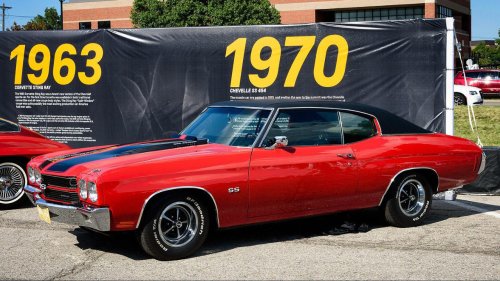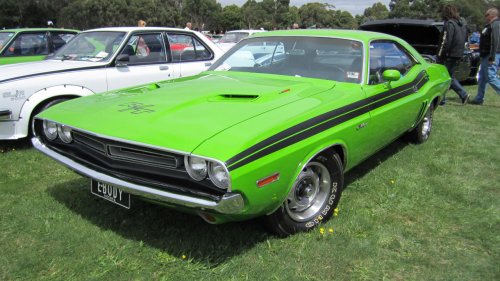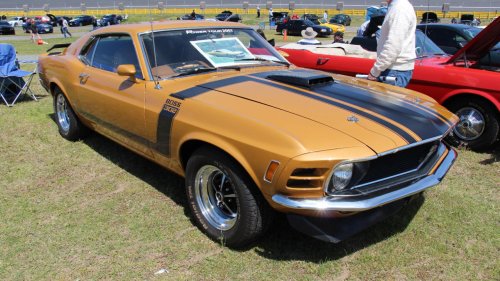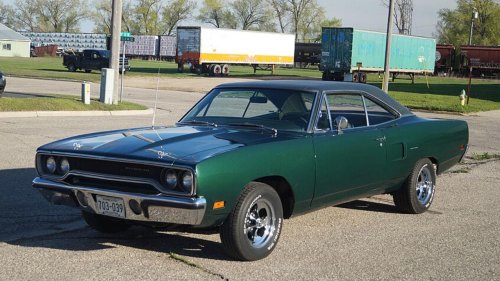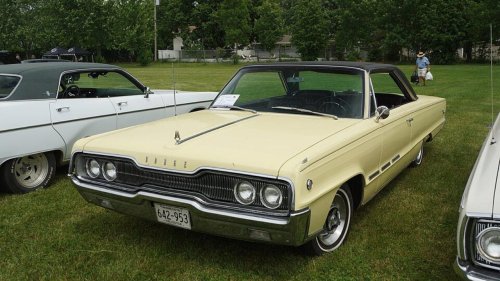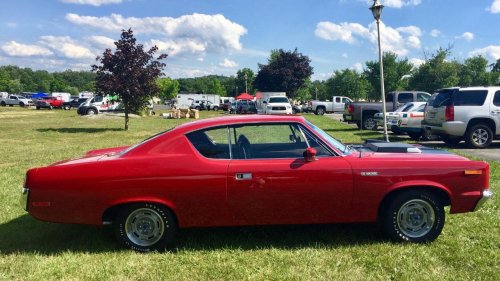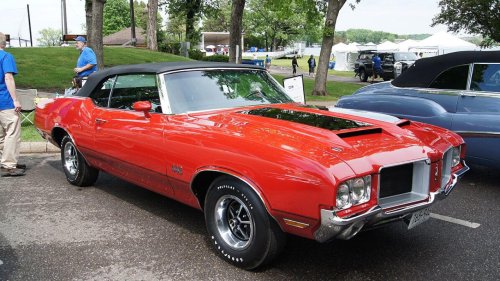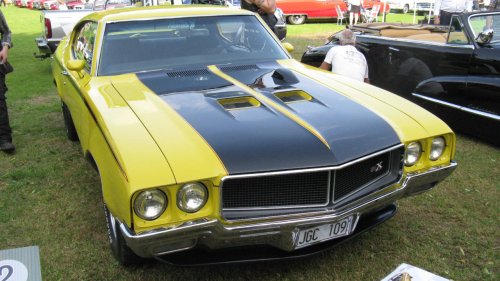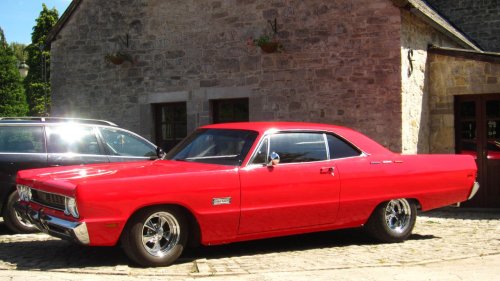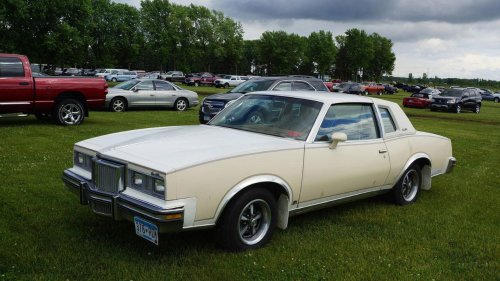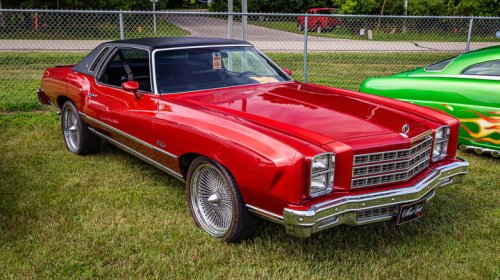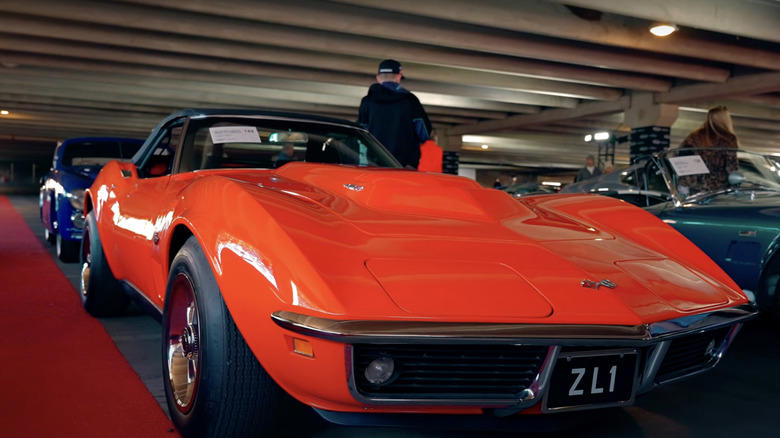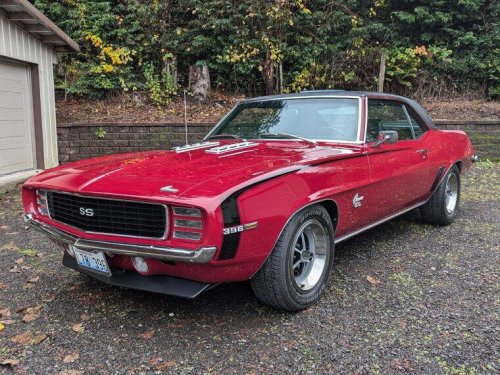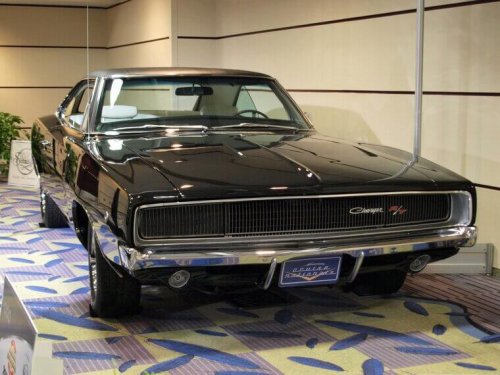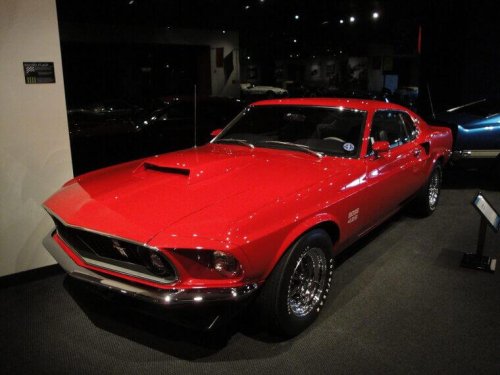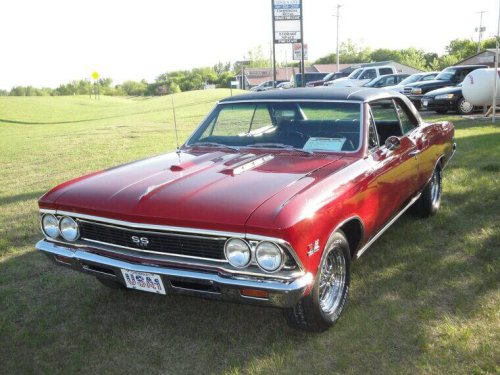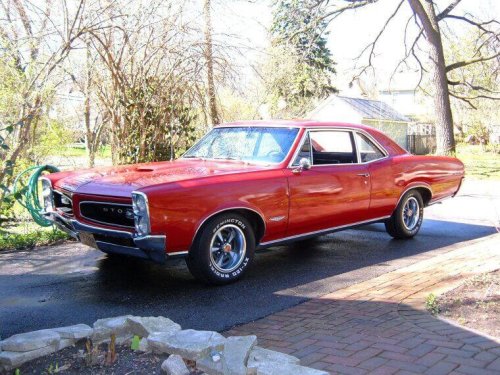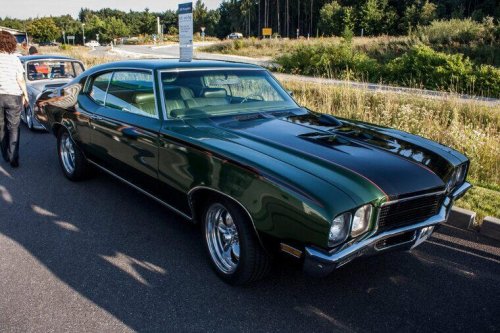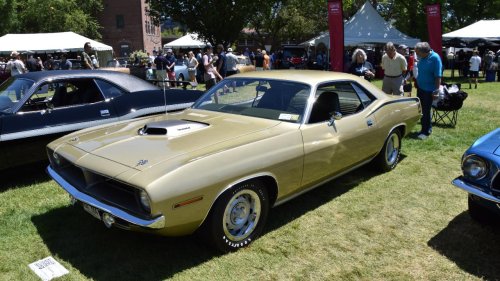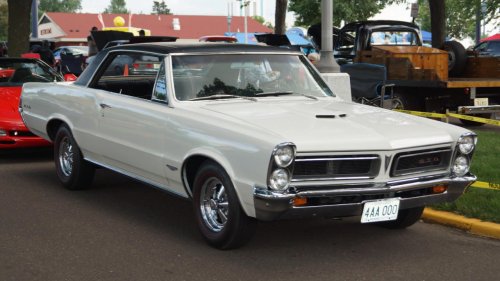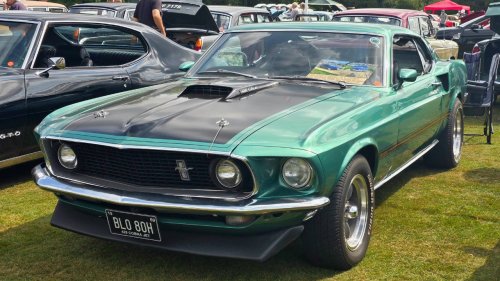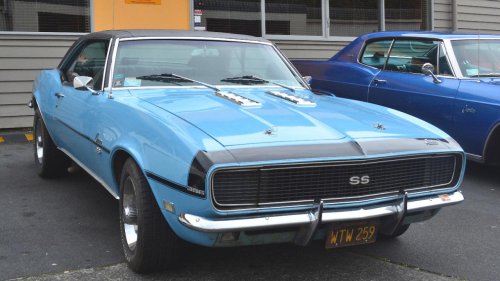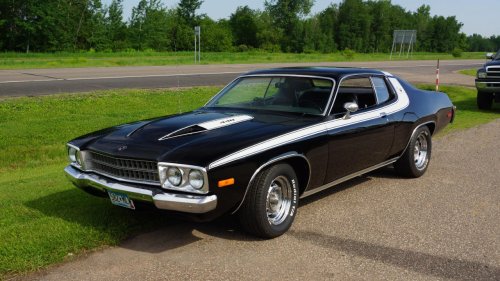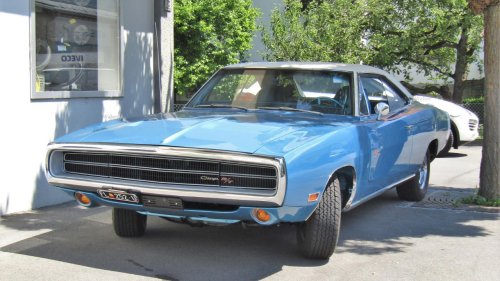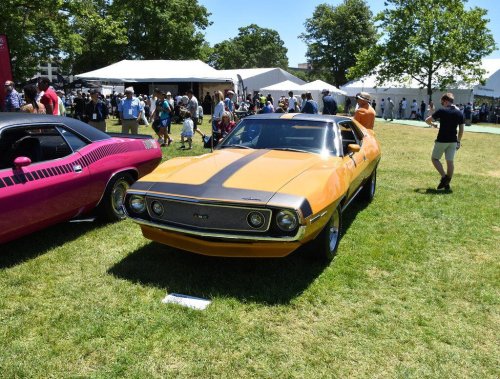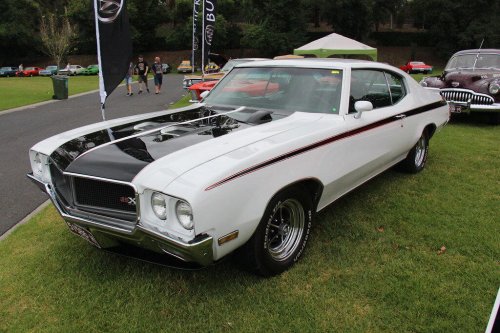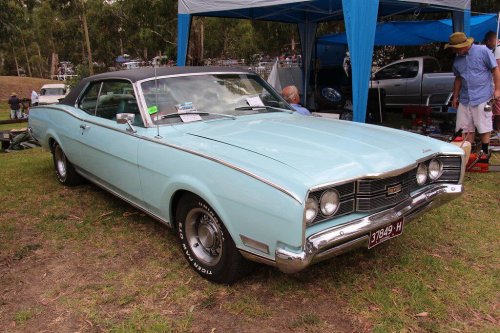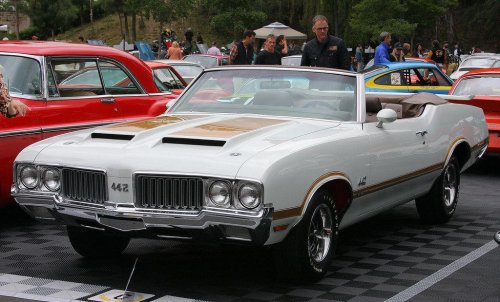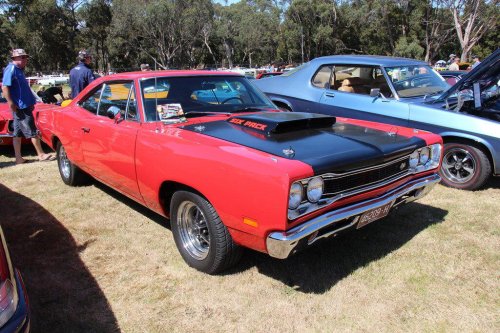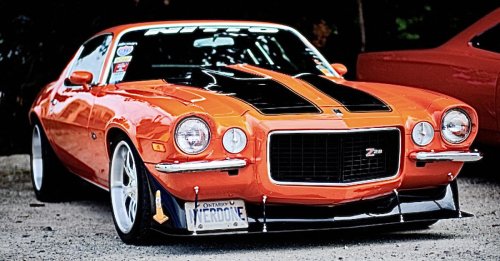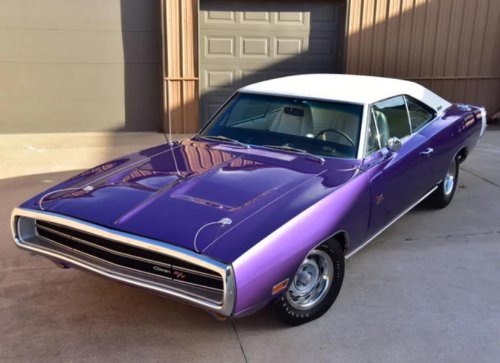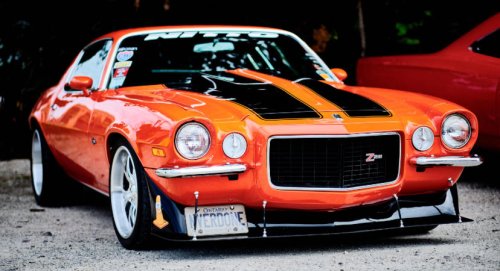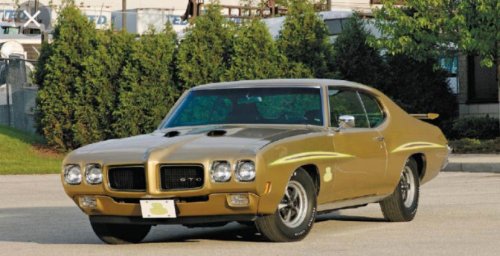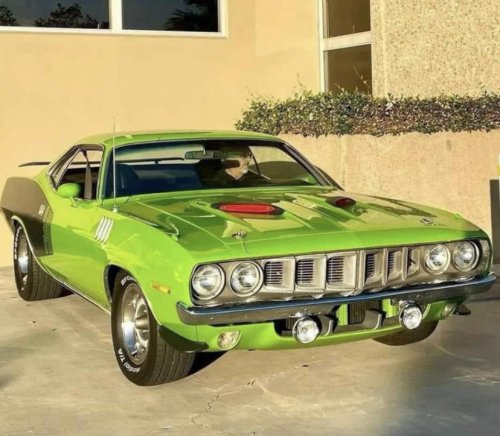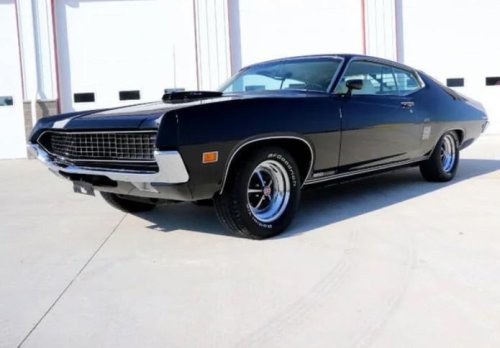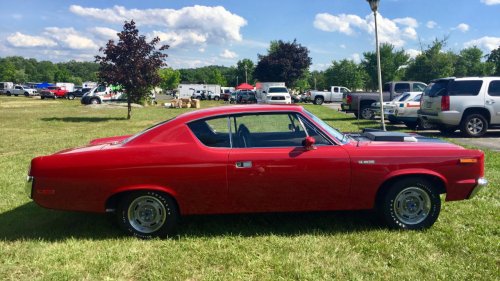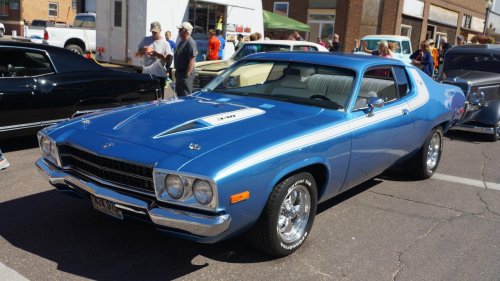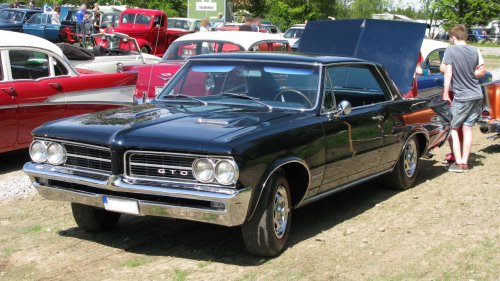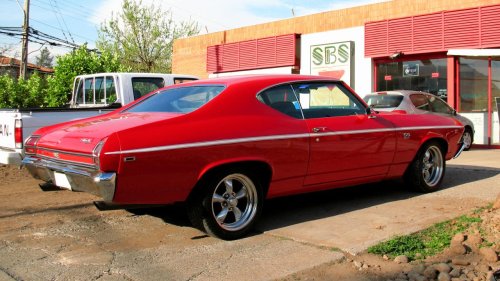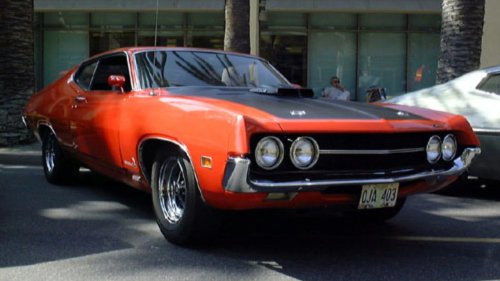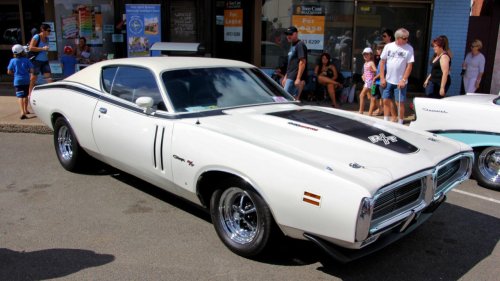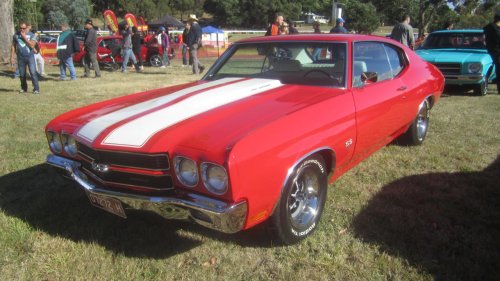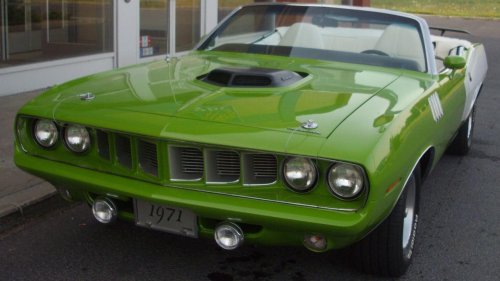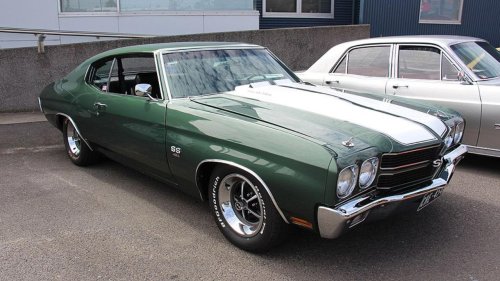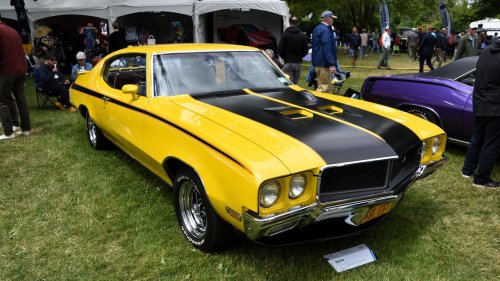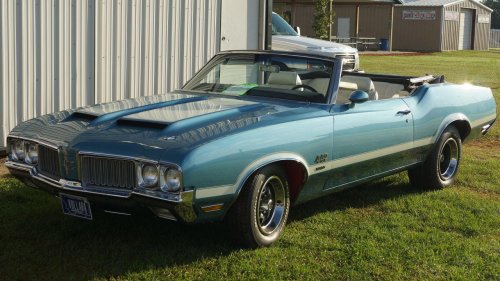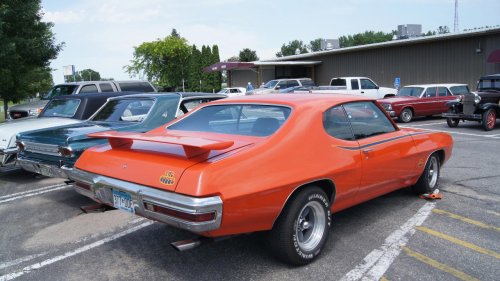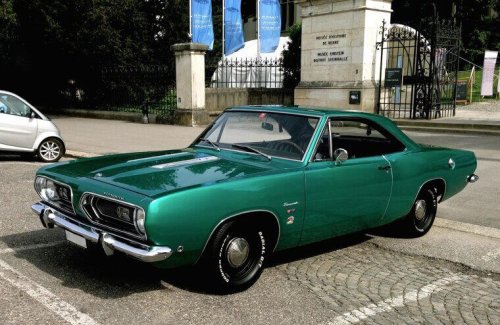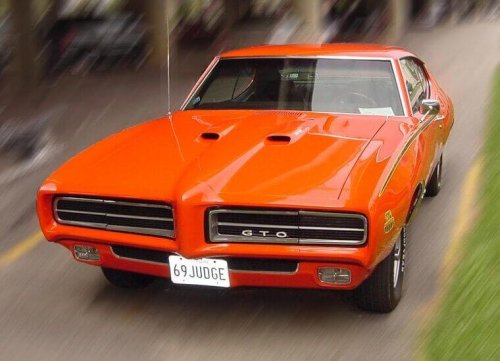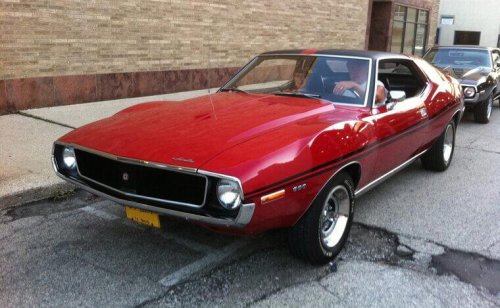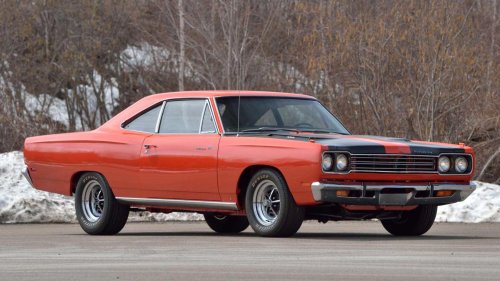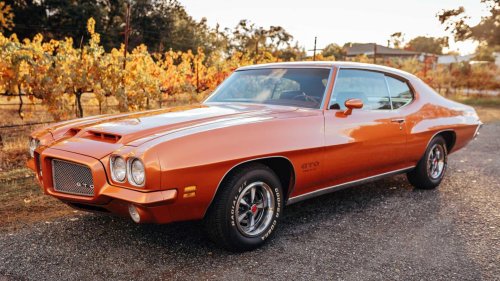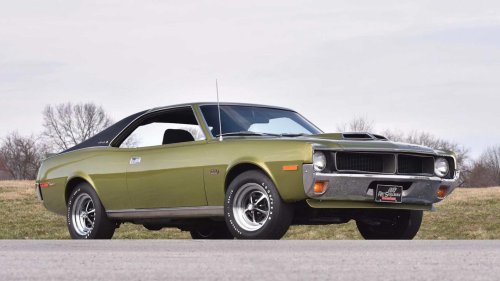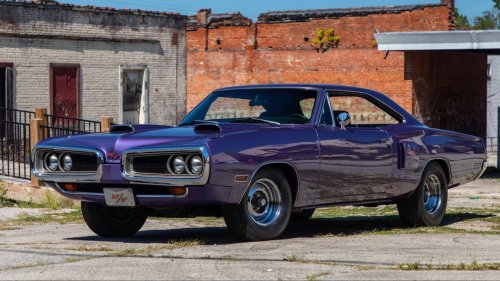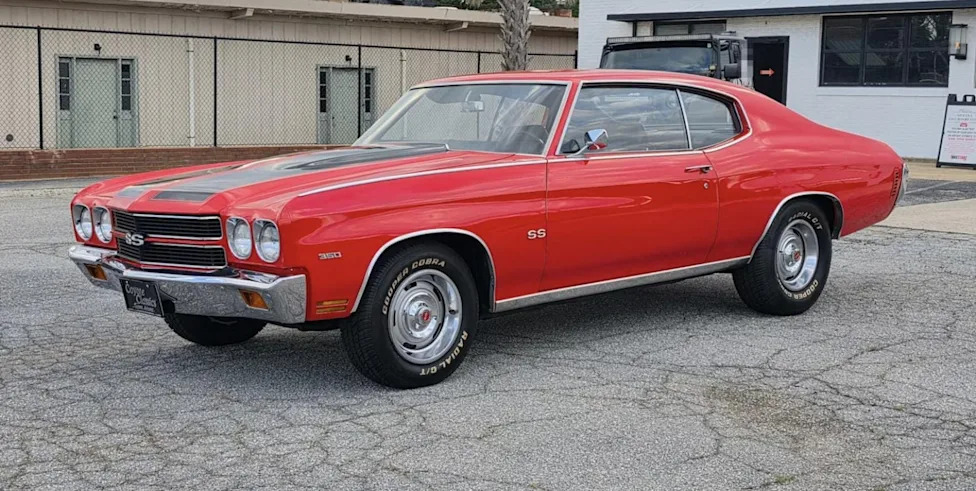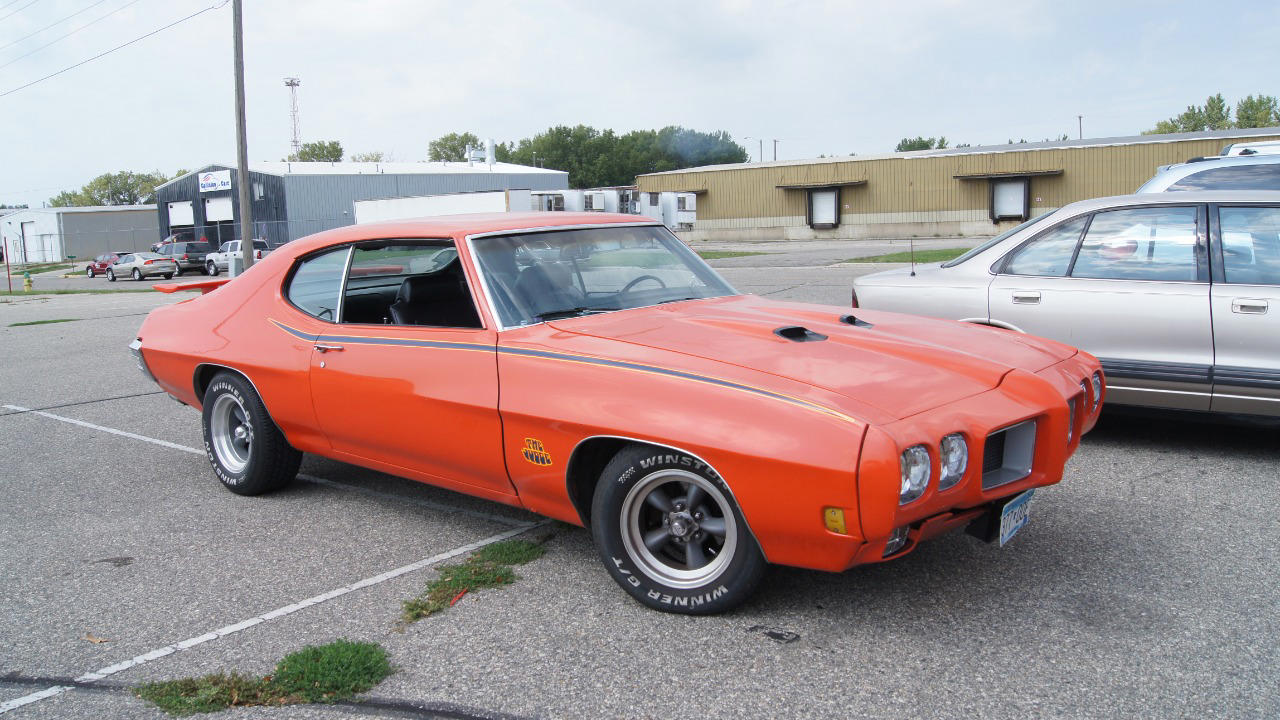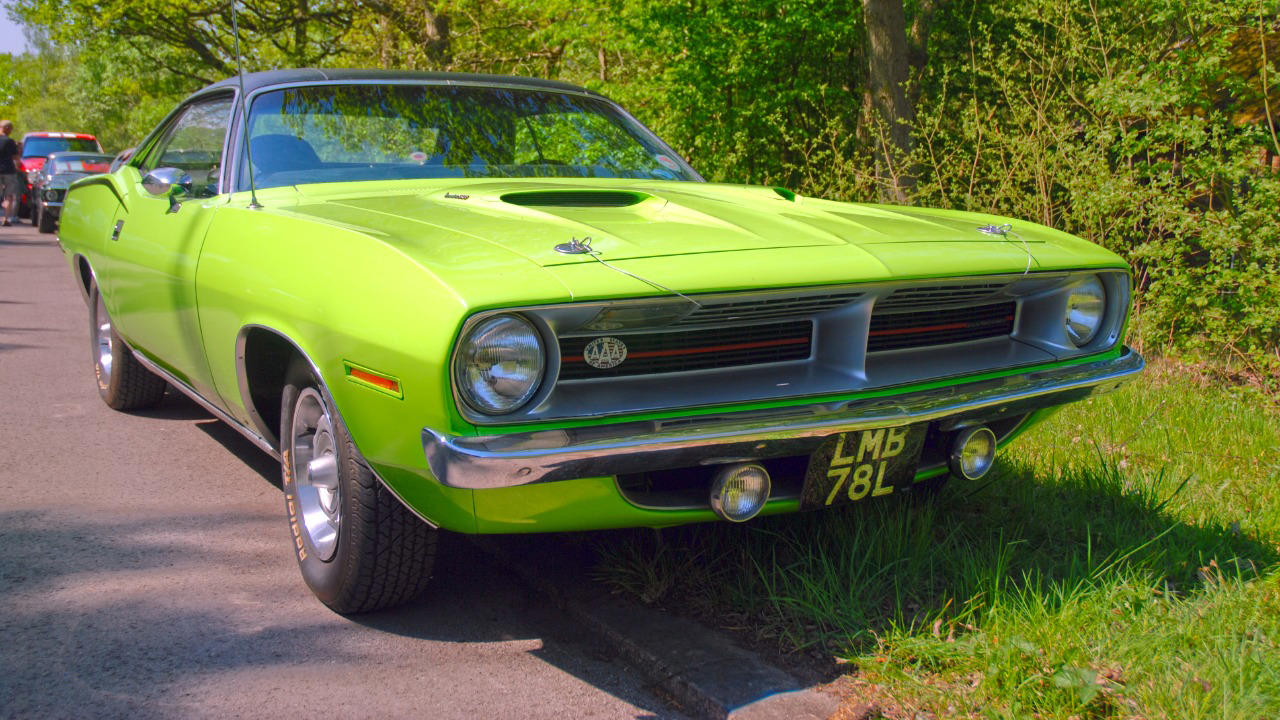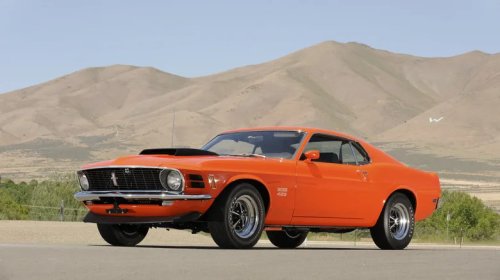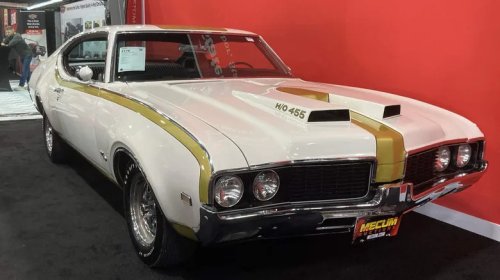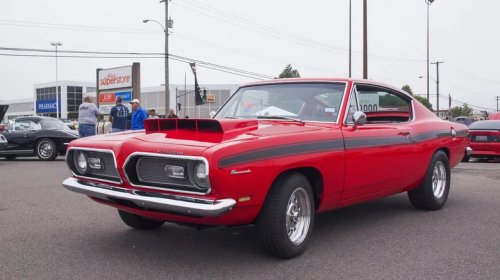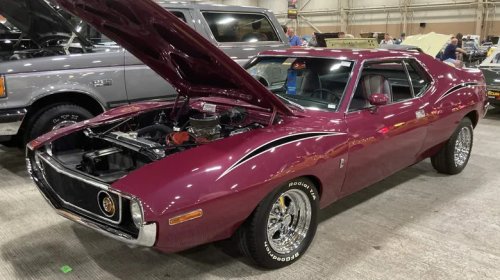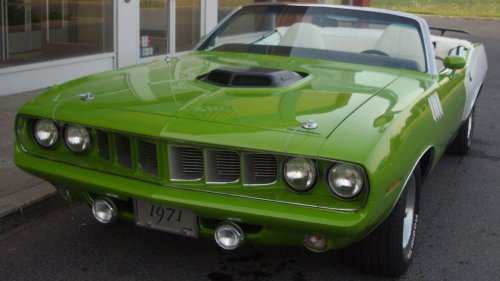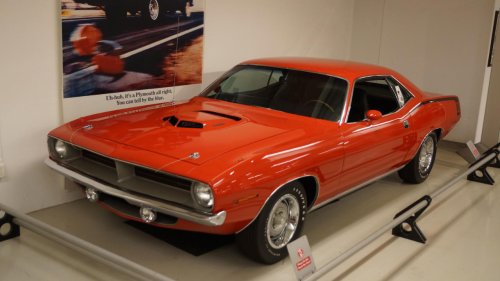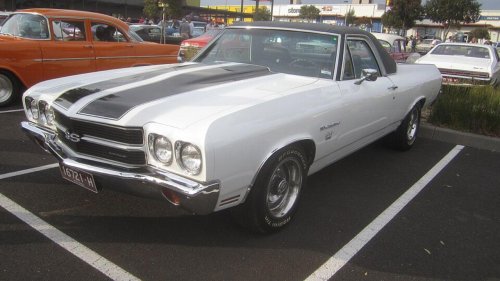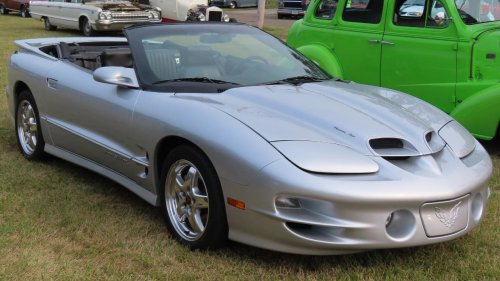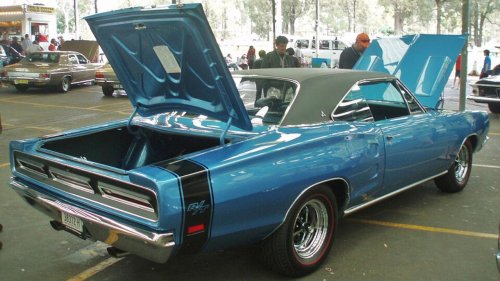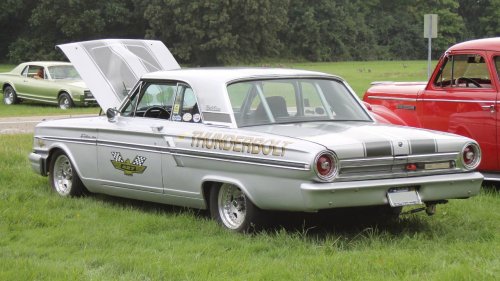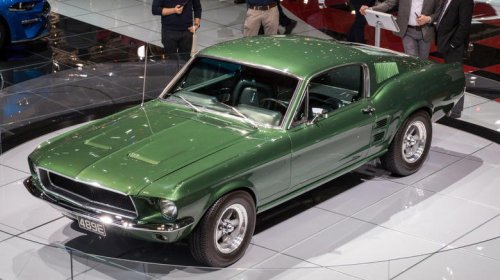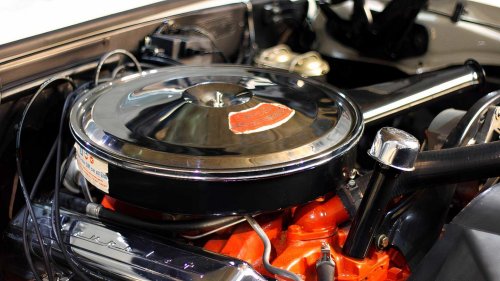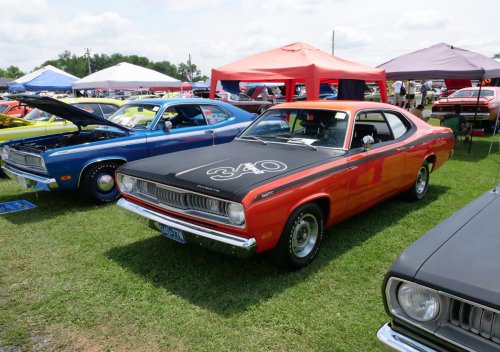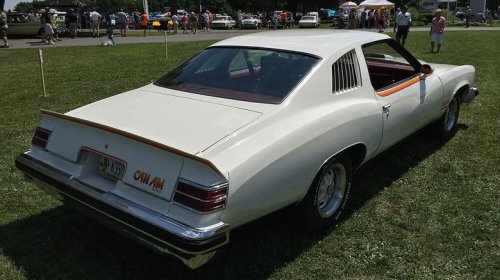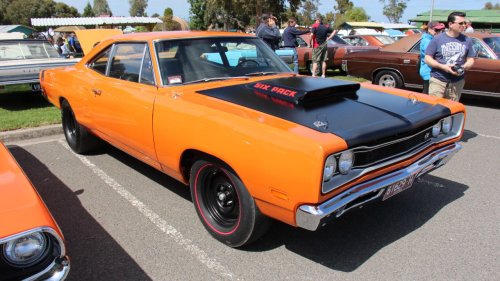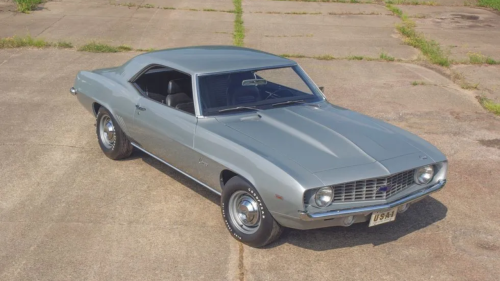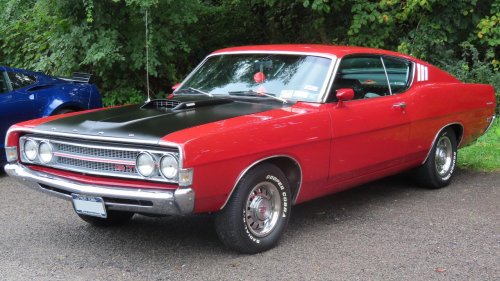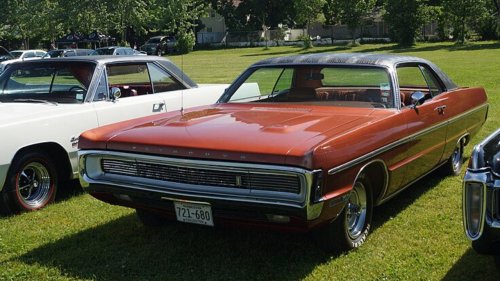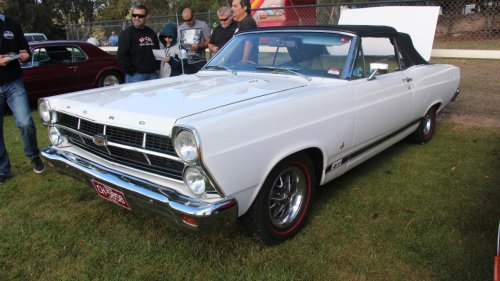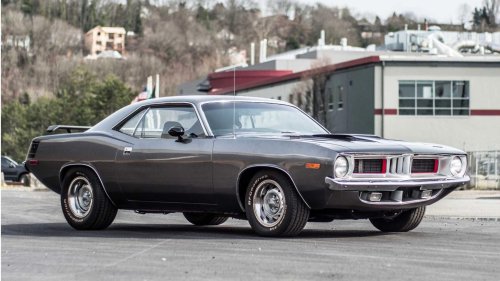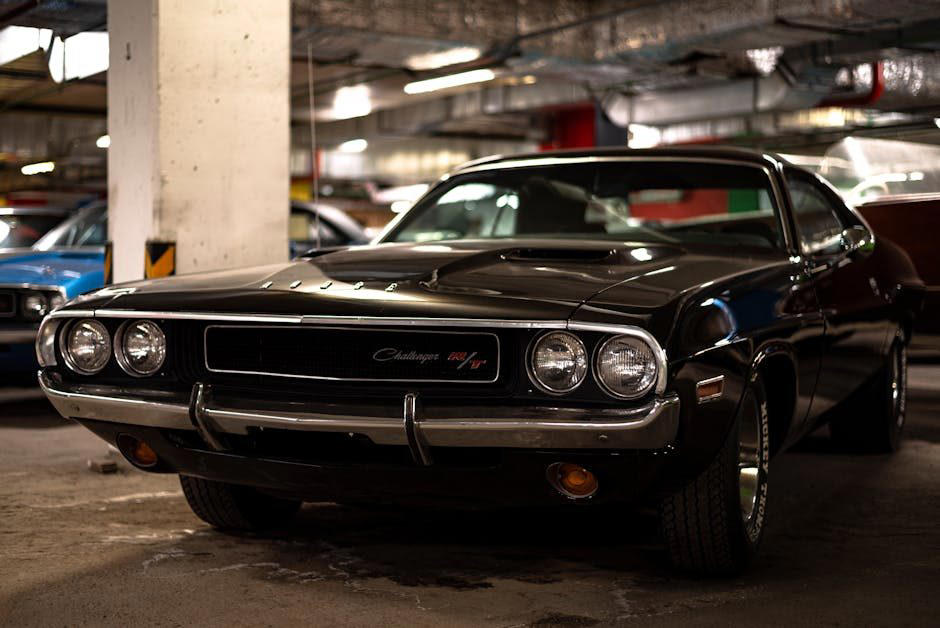



















How the 1970s Oil Crisis Killed the Muscle Car Era That a Generation Had Just Fallen in Love With Key Takeaways The muscle car era lasted barely a decade before federal regulations and an overseas oil embargo combined to end it almost overnight. Federal emissions standards were already strangling horsepower before the 1973 embargo hit, meaning the muscle car was dying from two directions at once. American buyers pivoted to fuel-efficient Japanese imports so fast that domestic muscle car sales fell by more than half in a single model year. The scarcity created by the malaise era is a direct reason why original pre-1972 muscle cars now routinely sell for six figures at auction. Picture yourself in 1970, twenty-two years old, working a union job at a factory or a construction site, and you've just put a down payment on a brand-new Plymouth 'Cuda with a 440 cubic inch engine. Life felt wide open. Three years later, you're sitting in a gas line that stretches six blocks, watching the price per gallon nearly quadruple, and the car you loved is suddenly the wrong thing to own. What happened between those two moments is one of the most dramatic collapses in American automotive history — and it left a mark on an entire generation that still hasn't fully healed. Detroit's Finest Hour Before the Fall The golden years when power was cheap and ambition was limitless From roughly 1964 to 1971, American automakers were locked in an arms race that benefited every working-class kid with a driver's license and a dream. The Pontiac GTO — widely credited as the car that launched the muscle car era — proved that you could stuff a big-block engine into a mid-size body and sell it for under three thousand dollars. Ford answered with the Mustang. Dodge countered with the Charger. Chevrolet brought the Chevelle SS. Each year, the horsepower numbers climbed higher and the price tags stayed surprisingly accessible. At the peak of this era, a buyer could walk into a dealership and drive out with a Dodge Hemi 'Cuda, a Chevrolet LS6 Chevelle, or a Ford Boss 429 Mustang — cars producing 425 to 450 horsepower — for roughly the same price as a modest family sedan. These weren't exotic machines reserved for the wealthy. They were built for ordinary Americans who simply wanted to go fast. The cultural weight of these cars went beyond horsepower specs. They represented a particular kind of postwar optimism — the idea that technology, ambition, and a full tank of cheap gas could take you anywhere. That belief was about to be tested in the worst possible way. October 1973: The Day Everything Changed A war in the Middle East ended the American love affair with big engines On October 17, 1973, the Organization of Arab Petroleum Exporting Countries announced an oil embargo targeting the United States, Portugal, the Netherlands, and several other nations that had supported Israel during the Yom Kippur War. The effect on American daily life was almost immediate. Gas prices that had hovered around 38 cents per gallon shot toward $1.20 in many markets — a jarring increase that hit working families directly in the wallet. The lines at gas stations became a defining image of the era. In some cities, drivers waited three and four hours to fill their tanks. States introduced odd-even rationing systems based on license plate numbers. The federal government imposed a nationwide 55 mph speed limit. Everything about the American relationship with the automobile — the freedom, the abundance, the casual assumption that fuel was cheap and endless — was suddenly in question. A car getting 12 miles per gallon, which described most muscle cars accurately, went from being a perfectly reasonable choice to a genuine financial burden almost overnight. The 1974 model year would be the first to reflect the new reality in showroom traffic, and the numbers were brutal. The muscle car hadn't just fallen out of fashion — it had become a symbol of an era that America was being forced to leave behind. Washington Tightened the Screws on Horsepower Federal regulations were strangling engines before the embargo even arrived The oil embargo gets most of the blame for killing the muscle car, but the federal government had already been pulling the plug for years. The Clean Air Act of 1970 introduced emissions standards that forced automakers to retune their engines in ways that directly reduced power output. Starting with the 1971 model year, Detroit began lowering compression ratios across the board so their engines could run on the new low-lead and unleaded fuels that regulations were pushing into the market. The 1971 Chevrolet LS6 454 — rated at 450 horsepower and widely considered the high-water mark of the muscle car era — turned out to be almost literally the last of its kind. By 1972, Chevrolet had dropped the same engine's rating to 270 horsepower, partly due to a new SAE net measurement standard but also because of real detuning. By 1975, the 454 family had been strangled down to around 215 horsepower. The same pattern played out across every manufacturer. Ford's 429 Cobra Jet, Mopar's 440 Six Pack, Pontiac's Ram Air IV — all of them were either discontinued or so heavily neutered that the model names became hollow. Buyers who had been following horsepower numbers in the annual car magazines watched those numbers fall off a cliff in real time, and many of them never fully trusted Detroit again. Buyers Walked Away and Never Looked Back The same fans who built the muscle car era were the first ones to abandon it The consumer shift that followed the embargo was swift and, for Detroit, genuinely shocking. The young men who had been the core muscle car audience — the buyers who argued about quarter-mile times and memorized engine codes — turned toward the Toyota Corolla and Honda Civic with a practicality that surprised even the import manufacturers. Japanese automakers had been quietly building a reputation for reliability and fuel economy through the late 1960s, and the embargo handed them an opening they never relinquished. Domestic muscle car sales dropped dramatically in the 1974 model year alone, a collapse that no single product category in American automotive history had experienced so quickly. Plymouth discontinued the 'Cuda after 1974. Pontiac's GTO limped along as a badge-engineered Chevrolet Vega clone before disappearing in 1974 as well. The Dodge Charger survived in name only, transformed into a personal luxury coupe that shared almost nothing spiritually with the original. What made the shift permanent wasn't just the embargo itself — it was the realization that cheap gas was no longer a guarantee. Once American buyers accepted that fuel costs were an ongoing concern rather than a temporary crisis, the calculus behind owning a 12-mpg car changed forever. Detroit had built an entire product segment on the assumption that gas would always be cheap, and that assumption turned out to be wrong. Detroit Panicked and Produced Embarrassing Replacements The cars Detroit rushed out next felt like a betrayal to loyal fans If the oil crisis was the wound, the replacement products were the salt. Ford's response to the fuel economy crisis was the Mustang II, introduced for the 1974 model year. Built on the floorpan of the subcompact Pinto, it weighed less and sipped less fuel than its predecessor — but it also came with a base four-cylinder engine producing 88 horsepower. The car that had once come with a 429 cubic inch engine now struggled to merge onto a highway. Chevrolet's answer was the Monza, another Vega-based economy car. Pontiac dressed up the Astre. The Dodge Charger became a front-wheel-drive economy car by 1983. Automotive historians and longtime enthusiasts consistently point to this stretch — roughly 1974 through 1982 — as the malaise era, a period when Detroit's performance credibility essentially evaporated. The brand loyalty that manufacturers had spent a decade building through genuine performance evaporated because the replacement products felt dishonest. Slapping a "GT" badge on an economy car and calling it a sports car didn't fool the buyers who remembered what those names used to mean. Many of them simply stopped buying American altogether, a shift in purchasing habits that would haunt Detroit for the next two decades. The Survivors Who Became Future Legends Two cars kept the performance flame alive when everything else went dark Not everything died. Through the long drought of the malaise era, two nameplates managed to hold onto at least a shadow of their performance identity — the Pontiac Firebird Trans Am and the Chevrolet Corvette. Neither was immune to the detuning that hit the rest of Detroit's lineup, but both retained enough sporting character to stay relevant with enthusiasts who had nowhere else to turn. The 1977 Trans Am, with its screaming chicken hood decal and Burt Reynolds association, became a genuine cultural phenomenon even while producing a relatively modest 200 horsepower. The Corvette survived the era with its reputation largely intact, serving as proof that GM hadn't completely abandoned the idea of performance. These two cars essentially kept a community of enthusiasts together during years when the alternative was giving up on American performance entirely. There's an irony worth noting here: the scarcity of genuine performance cars during the malaise era is a direct reason why the cars that came before it became so fiercely collectible. When buyers who remembered the real muscle car era eventually had the money and the nostalgia to go looking for one, they found a limited supply of increasingly well-preserved originals. The classic car auction market that exists today was built, in no small part, on the emotional vacuum the malaise era created. A Generation Still Mourns What Gas Prices Stole The men who lost these cars are still trying to get them back Walk through the pits at any major classic car auction today and you'll find men in their sixties and seventies paying prices that would have seemed absurd thirty years ago. Original, numbers-matching 1969 Camaros Z/28s, 1970 Plymouth 'Cudas with Hemi engines, and first-year Pontiac GTOs regularly cross the block at $150,000 to $500,000 or more. The cars haven't gotten faster. The roads haven't gotten wider. What's driving those prices is something closer to grief. The oil crisis didn't just disrupt a product category — it interrupted a cultural moment at the exact instant a generation was falling in love with it. The men who were 18 to 25 years old in 1970 had just enough time to fall hard for these machines before the rug was pulled out. Many of them couldn't afford to keep the cars they had, let alone buy new ones as the era collapsed around them. Decades later, the restoration and collector market has become the mechanism for processing that loss. Pre-1972 American muscle cars remain among the most actively traded segments of the collector market. The oil crisis stole something from a generation, and that generation has spent the decades since trying to buy it back. Practical Strategies Buy Pre-1972 for True Collector ValueThe 1972 model year is the widely recognized dividing line in the muscle car world — the point where compression ratios dropped, horsepower ratings fell, and the character of these cars changed permanently. If you're looking at a muscle car as a long-term collectible, originality and a pre-1972 build date carry the most weight with serious buyers and appraisers.: Verify Numbers-Matching Before BuyingA 1970 Chevelle SS with its original engine, transmission, and rear axle codes intact is worth dramatically more than one that's been re-engined or rebuilt with non-original components. The VIN, partial VIN stamps on the engine block, and broadcast sheet documentation are what separate a genuine survivor from a well-assembled clone. Have a marque-specific appraiser verify the codes before any serious transaction.: Study the Malaise Era to Avoid OverpayingMuscle car names that survived into the mid-1970s — Charger, Mustang, GTO — often describe cars that share almost nothing with their earlier versions. A 1976 Mustang II is not a collectible in the same category as a 1969 Mach 1. Knowing exactly which model years represent the real article versus the badge-engineered replacement will save you from paying muscle car prices for what is essentially an economy car.: Track Barrett-Jackson Results for Real PricingPublished asking prices for classic muscle cars can be wildly optimistic. Auction results — particularly from Barrett-Jackson and Mecum — reflect what buyers actually paid for documented, inspected examples in competitive bidding. Following a few auction cycles before buying gives you a realistic baseline for what a specific model, year, and condition level actually commands in the current market.: Look at Trans Ams and Late Corvettes for ValueThe Pontiac Firebird Trans Am and late-1970s Corvettes remain undervalued relative to the pre-1972 muscle cars they kept company with during the malaise era. They're not the same machines, but they represent genuine performance survivors from a period when Detroit had almost nothing else to offer. Collectors who got in early on clean, low-mileage examples from this era have generally done well.: The muscle car era lasted barely eight years at full strength, but its shadow has stretched across five decades of American car culture. What the oil crisis revealed was how fragile the whole thing had been — built on cheap fuel, regulatory freedom, and a postwar economic confidence that turned out to have an expiration date. The men who lived through it never quite got over losing those cars, and the collector market they built in response is one of the most emotionally driven in the world. If you want to understand why a 1970 Hemi 'Cuda sells for half a million dollars today, the answer isn't really about the car — it's about what the car represented before October 1973 took it away.