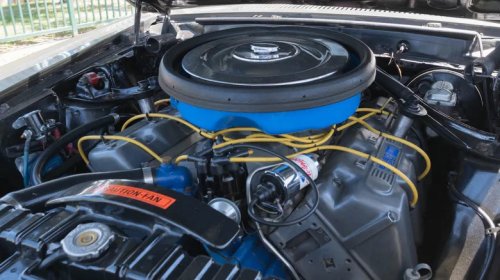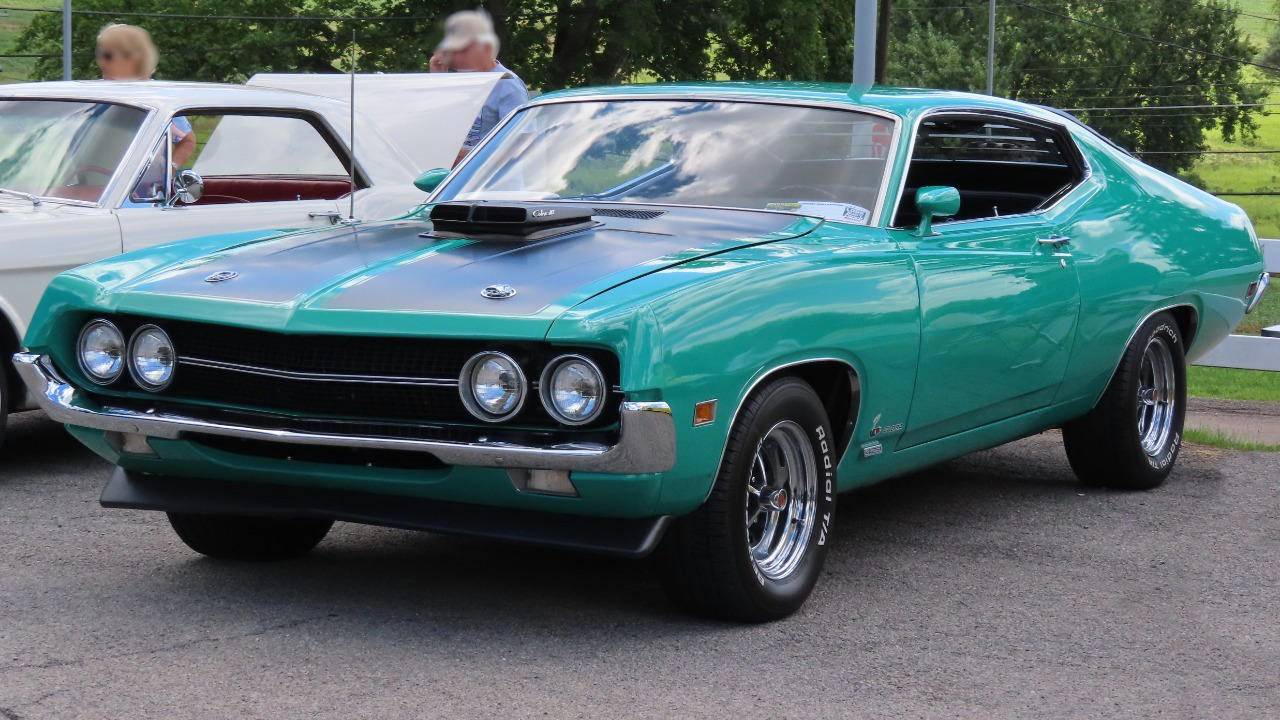



















How the 1970 Ford Torino Cobra offered big-block performance at a lower priceIn 1970, Ford’s performance lineup was crowded with famous names, but not everyone wanted to pay for a top-tier muscle car just to get serious power. That’s where the Torino Cobra landed: a mid-size fastback that could be ordered with real big-block hardware without forcing buyers into the most expensive badge in the showroom. The result was a car that appealed to people who cared more about how it ran than what it cost on the window sticker. The Torino itself was a key player for Ford, sitting in the intermediate class that had become the sweet spot for muscle. The 1970 model year brought a distinctive body style, and the fastback version in particular looked ready for speed even standing still. The Cobra package leaned into that image, combining performance intent with a more attainable place in Ford’s catalog than some of its halo offerings. Where the Cobra fit in Ford’s performance pecking order Ford wasn’t shy about offering performance across multiple nameplates, and that meant buyers could shop within the brand for the best mix of price, image, and capability. The Torino Cobra effectively served as a value-focused route to big power in a mid-size platform. You could get the kind of acceleration associated with larger, pricier models while staying in a segment that often priced below the most high-profile muscle cars. Part of the appeal came from how Ford structured its lineup: you didn’t necessarily have to buy the flashiest or most expensive model to access serious engines. That strategy mattered in 1970, when insurance costs and option pricing could push a dream build out of reach quickly. The Cobra helped keep the “go fast” part on the table for shoppers who still watched the bottom line. Big-block availability without the premium branding Big-block performance was the main hook, and the Torino Cobra could be ordered with engines that delivered the kind of torque people wanted for street racing, highway pulls, and stoplight theatrics. In that era, engine choice often defined a car’s personality more than any styling cue. Having big displacement under the hood meant effortless thrust and a sense that the car was barely trying. What made that notable is that big-block options were frequently associated with higher trim levels, special editions, or models that carried extra cost by default. The Cobra package let buyers focus their money on the powertrain rather than paying primarily for luxury touches or a more prestigious name. It was a practical kind of performance: spend where it counts, skip what you don’t need. Performance hardware you could actually use Muscle cars weren’t just about engines, and the Torino Cobra’s appeal also came from being a complete performance package in spirit. A car with big power needs supporting pieces—things like driveline strength, braking confidence, and road manners that don’t fall apart when you drive it hard. Buyers looking at the Cobra weren’t only chasing peak horsepower numbers; they wanted something that could handle real-world use. That balance mattered because 1970 was an era when some cars were brilliant in a straight line but less composed everywhere else. The Torino’s intermediate platform gave it a solid foundation for both everyday driving and weekend fun. When you’re buying big-block torque, a stable, substantial mid-size body can make the whole experience feel more planted and predictable. Aerodynamic fastback style with a purpose The fastback Torino SportsRoof body style helped the Cobra stand out, and it wasn’t just for looks. Fastback profiles were associated with speed, and manufacturers leaned on that shape as a visual shorthand for performance. Even if the real advantages varied by model and setup, buyers responded to the message: this one’s built to run. Ford’s styling in 1970 also gave the Torino a broader, more aggressive stance than earlier versions. That mattered on the street and in the showroom, because muscle was as much about presence as it was about quarter-mile times. The Cobra took advantage of that presence while keeping the focus on performance-per-dollar. Why “lower price” mattered in 1970 Talking about affordability with classic muscle can sound strange today, but new-car buyers in 1970 were still making hard choices. Options stacked up quickly, and performance equipment often came bundled with trim items that not everyone valued. A buyer who wanted big torque and a strong drivetrain didn’t always want to pay extra for upscale interiors or luxury features to get it. The Torino Cobra’s value proposition made sense in that environment. It offered a path to serious performance that didn’t automatically force you into Ford’s most expensive performance branding. For a lot of shoppers, that meant they could spec the car they wanted—and still have money left for tires, maintenance, or the inevitable fuel bill. The sweet spot: intermediate size, maximum shove Intermediate muscle cars hit a sweet spot because they were generally roomier and more comfortable than compact-based performance models, but still lighter and more manageable than full-size cars. That combination helped big engines feel even stronger, especially in everyday driving. With a big-block, you weren’t wringing the car out all the time; you could ride the torque and let the engine do the work. That relaxed strength is a big part of what people remember about big-block muscle. The Cobra gave buyers that experience in a body that worked for more than just weekend blasts. You could cruise, you could haul friends, and when you put your foot down, it could still deliver the drama people expected from 1970 performance. How it compared in the real world In practice, the Torino Cobra appealed to buyers who cross-shopped within Ford showrooms and focused on value. If you could get big-engine performance without stepping into a pricier niche, that was a compelling argument. It also made the car attractive to people who planned to modify, because starting with a strong factory foundation matters when you’re adding more power later. The Cobra’s identity was straightforward: performance first, flash second. That didn’t mean it was plain, but it did mean the emphasis was on what you got for the money. For enthusiasts then—and collectors now—that straightforwardness is part of the charm. What to look for today If you’re shopping for a 1970 Torino Cobra now, the same value-focused story still applies, but verification is everything. Original equipment, documentation, and correct identification matter a lot because cars have been swapped, upgraded, and reconfigured over decades. It’s smart to check build information and match key components to what the car is claimed to be. Condition also plays an outsized role because bodywork, trim, and correct parts can be time-consuming to sort out. A well-preserved example can save money in the long run, even if it costs more up front. And if your goal is the driving experience, a properly sorted Cobra can still deliver that big-block vibe: effortless torque, strong presence, and a lot of performance for what it was originally meant to cost. More from Fast Lane Only Unboxing the WWII Jeep in a Crate 15 rare Chevys collectors are quietly buying 10 underrated V8s still worth hunting down Police notice this before you even roll window down *Research for this article included AI assistance, with all final content reviewed by human editors.