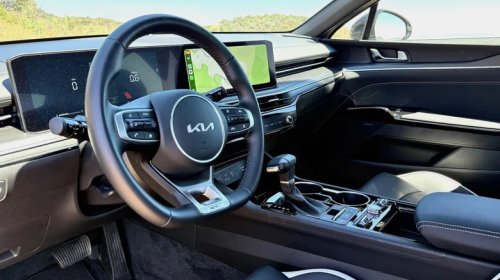
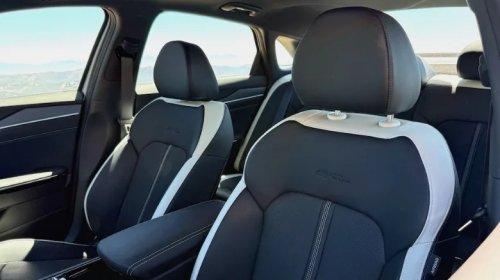
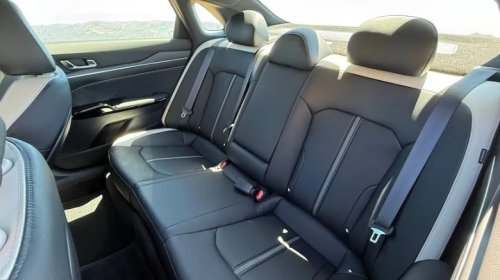
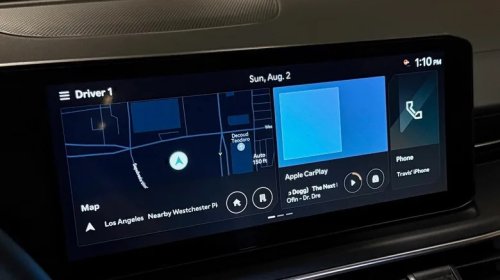
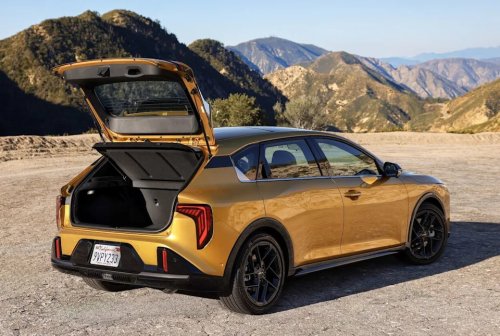
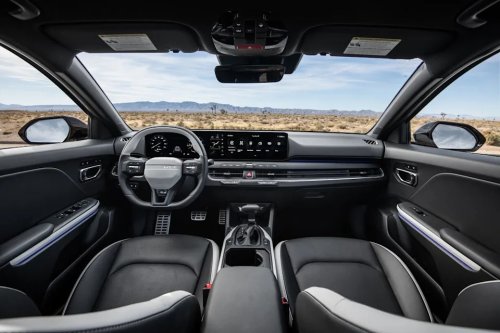
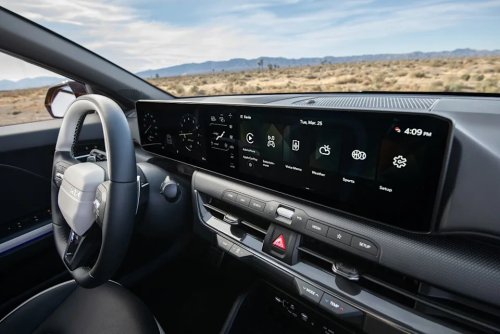
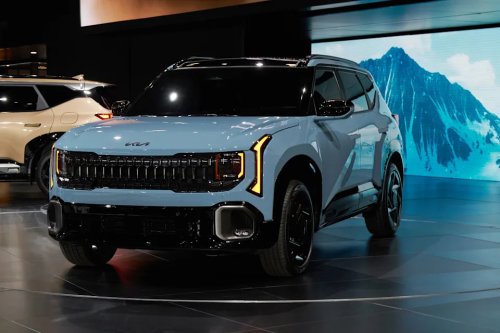
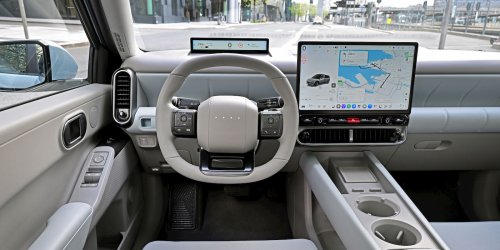
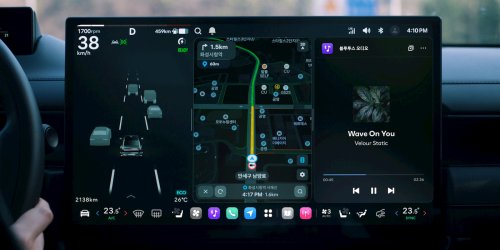
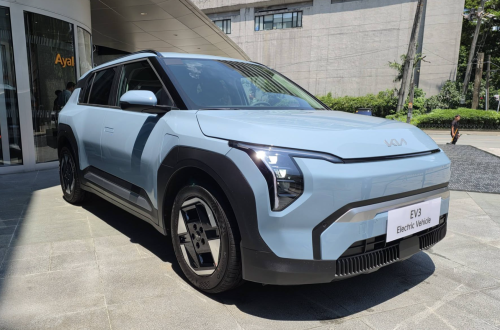
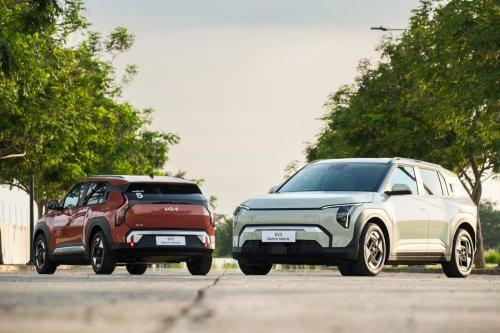
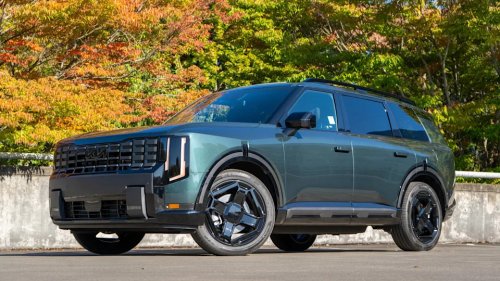
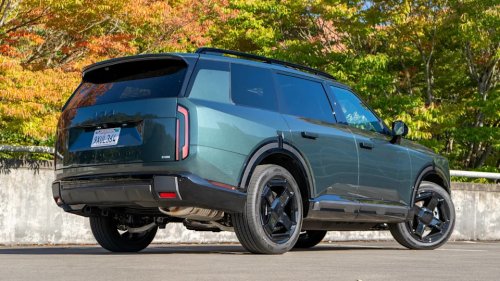
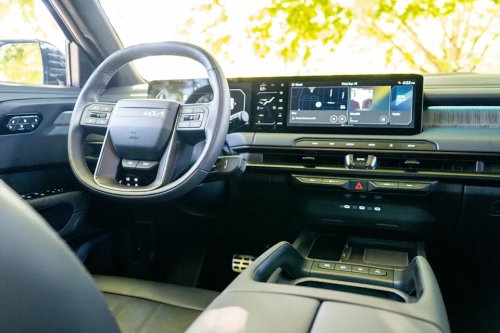
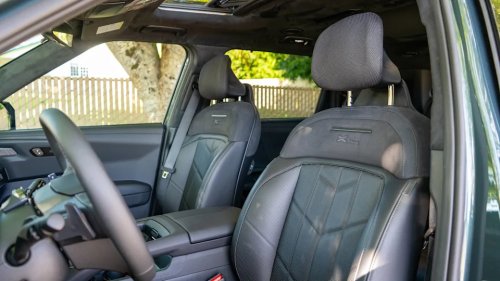
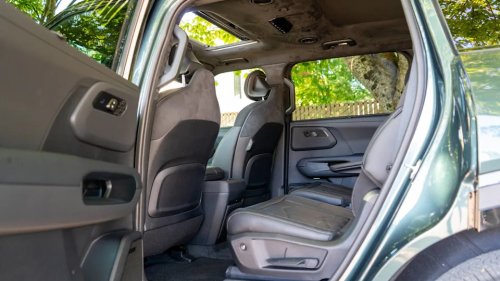
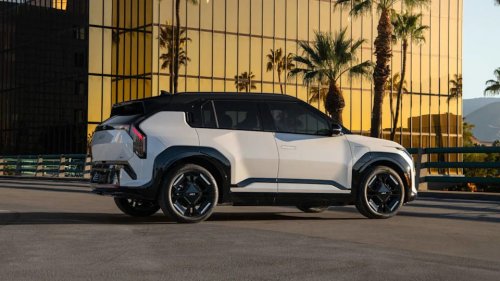
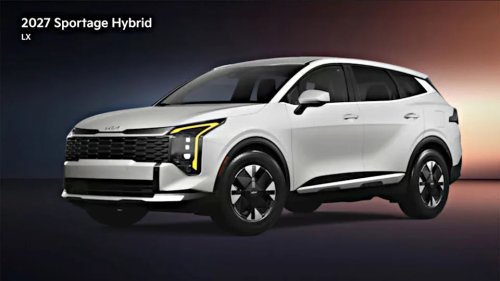
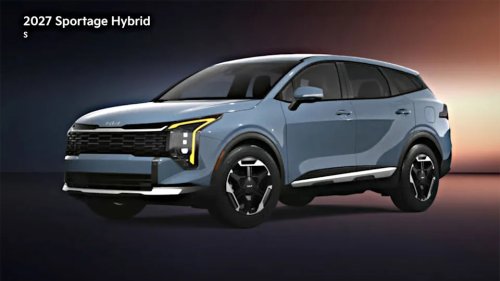
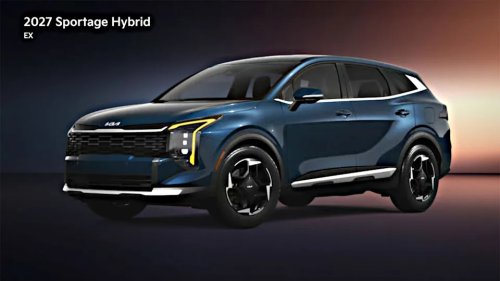
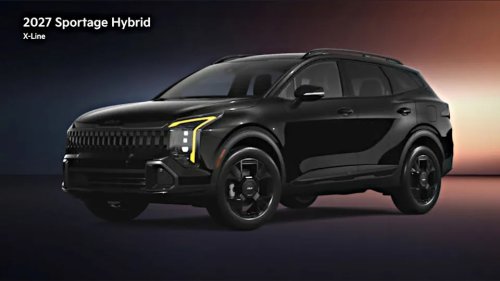
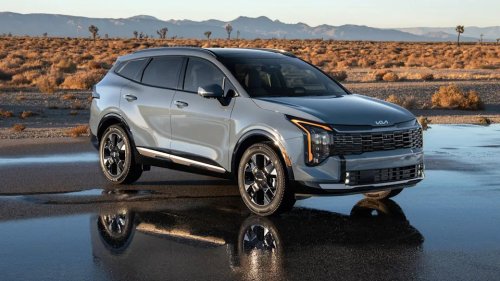
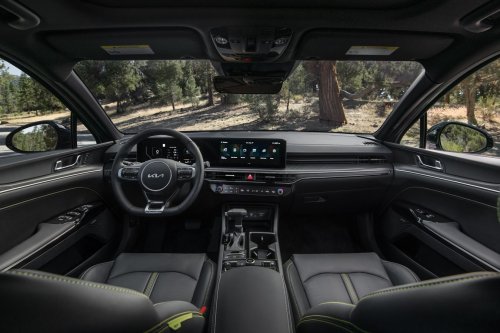
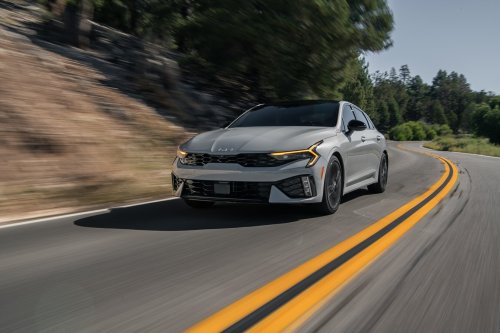
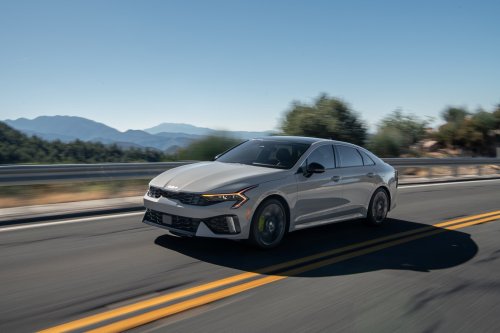
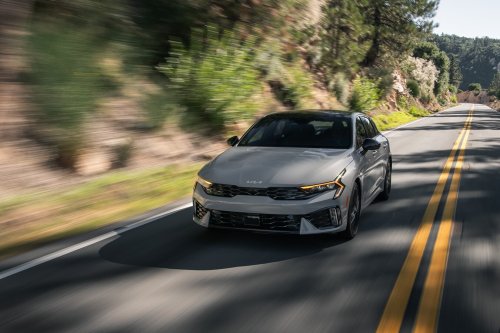
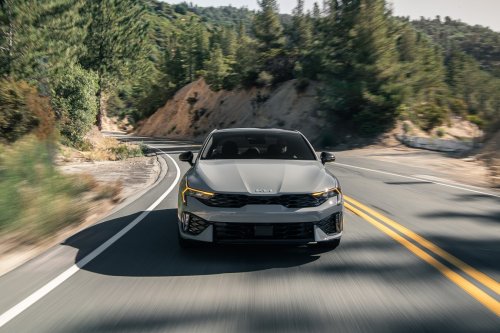
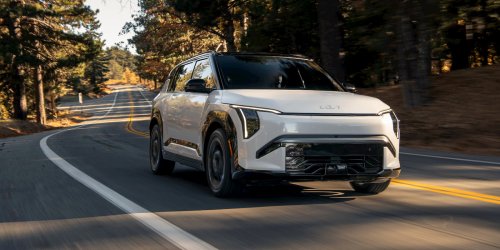
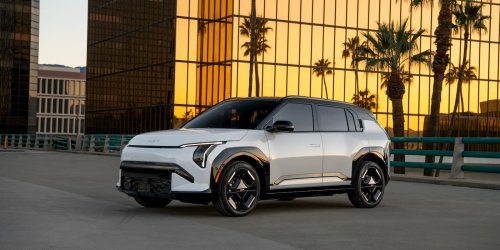
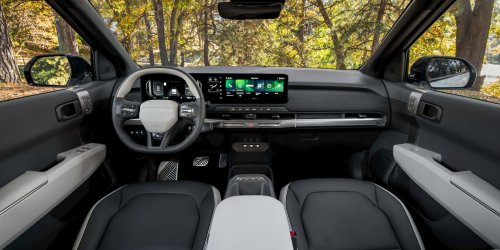
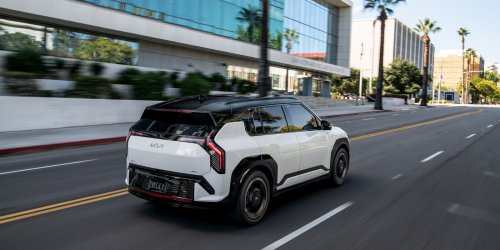
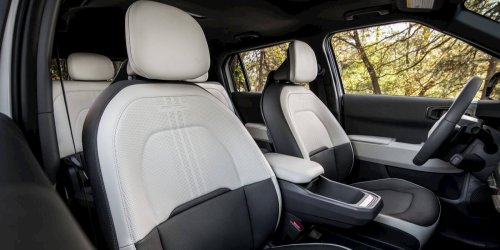
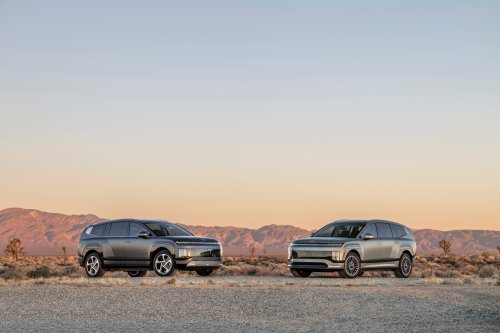
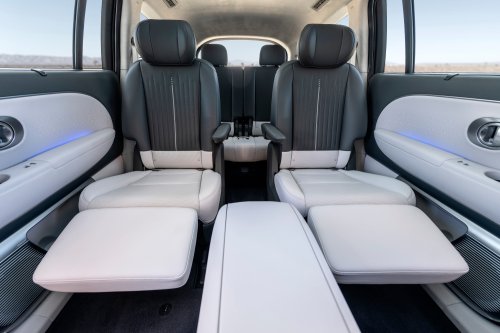
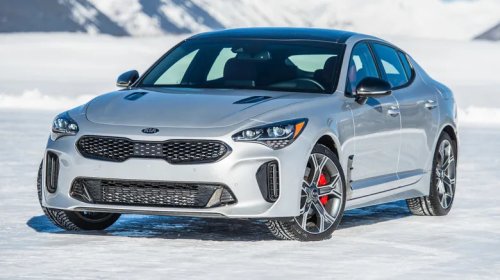
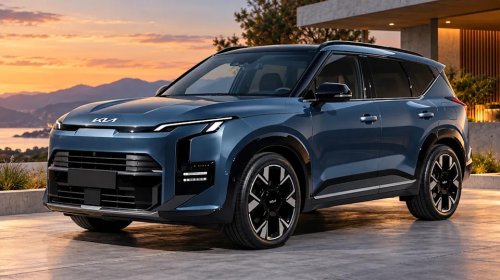
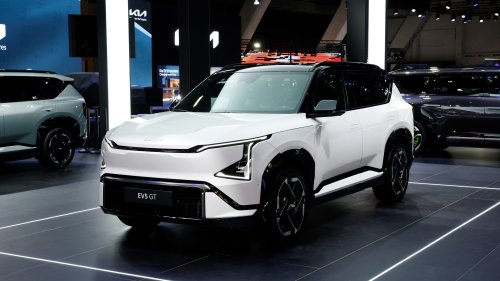
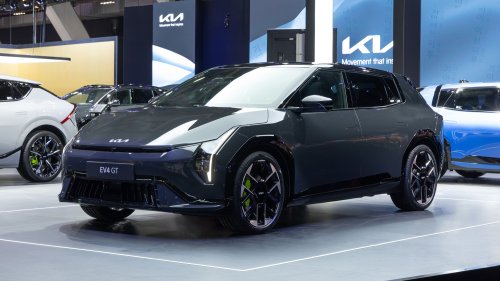
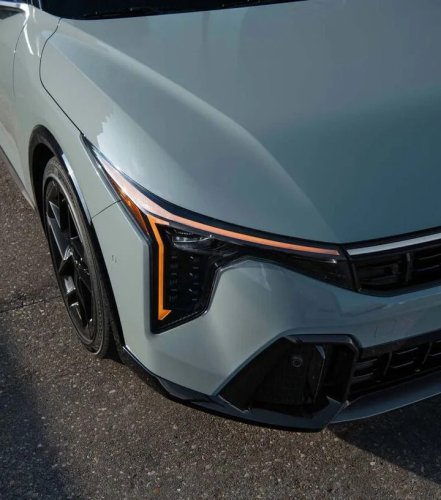
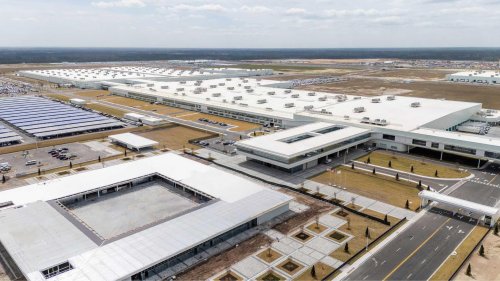
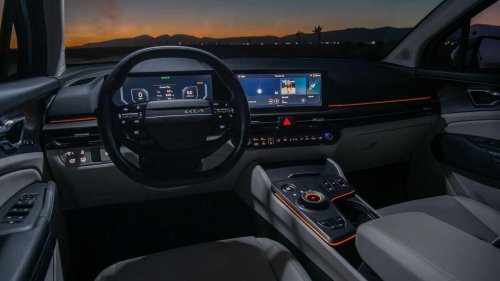
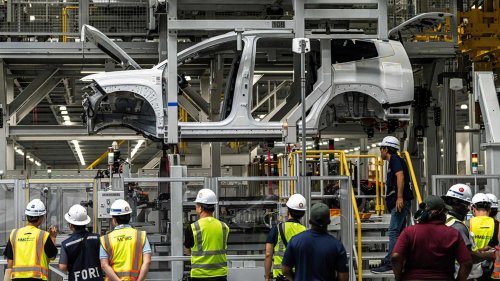
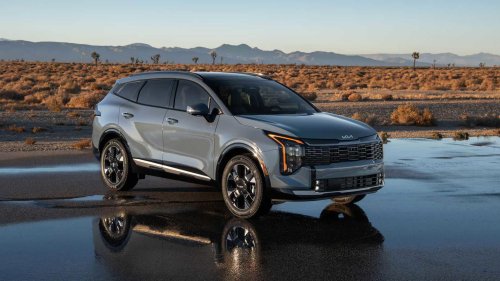
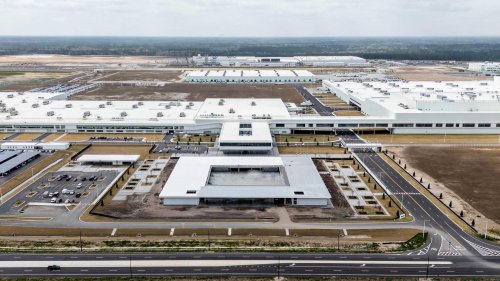
The Kia Sportage Hybrid is the company's first hybrid electric vehicle to come out of its new facility in the US state of Georgia. While it's possible to view this as simply a manufacturing move on behalf of the Korean company, it also represents a practical and economic reality for the company and its US customers.The Sportage Hybrid will emerge from the high-tech Ellabell, Georgia facility, also known as the Hyundai Motor Group Metaplant America (HMGMA), a facility that can also handle electrified vehicles from Hyundai and Genesis. This hybrid crossover may avoid import duty pressures and potentially qualify for the new American final assembly vehicle loan interest deduction. But it also shines a spotlight on Kia's bigger aspirations as the company tries to turn the tariff math in its favor. The Georgia Move Looks Like A Pricing Story But Is Really A Chess Move Hyundai Motor GroupThe Sportage Hybrid is one of Kia's most important vehicles and sits in one of the more competitive parts of the US marketplace. Compact SUVs are now becoming the default family transportation choice, with hybrids increasingly seen as the sensible middle ground in a hugely volatile gasoline market. And this led Kia to commence production of the 2027 Kia Sportage Hybrid model on June 2, 2026, to stand alongside Hyundai's Ioniq 5 and Ioniq 9 within the new HMGMA plant.It’s also worth noting that Kia already builds other US market models like the Telluride, EV9, EV6 and Sorento at its West Point, Georgia facility. So, it continues to expand its US manufacturing footprint, with production of the Sportage Hybrid giving Kia a way to protect a mainstream product from import duty volatility. Kia Turned The Sportage Hybrid Into A Test Case Kia While import duties on South Korean-built vehicles fell from 25% to 15% as part of a November 2025 trade deal, there's no doubt that tariffs expose companies like Hyundai and Kia to major cost disadvantages. Kia was already reeling from US tariffs when the new HMGMA project opened, and such tariffs apparently cost the company more than $2.3 billion in 2025 alone. Localizing production of a key hybrid crossover could change the tariff math completely, and that makes this production move far more strategically impactful than just adding another nameplate to an American plant.Still, the tariff story is complex, and OEMs also need to manage their parts sourcing, currency shifts, and supply chain bottlenecks, while complying with content rules. Final assembly location is certainly one of the biggest levers these OEMs can pull to deal with these challenges, and it's where import tariffs become the biggest threat to transaction prices. Manufacturers cannot afford to overlook these details when they operate in very price-sensitive segments. It's not easy to hide a tariff-related cost increase for something as competitively priced as a compact hybrid SUV. The New Plant’s Real Advantage Is Its Modernity Hyundai The HMGMA plant is not just a traditional assembly line, but a highly connected, automated, and flexible manufacturing system. Hyundai uses artificial intelligence and carefully managed data to optimize production, while maintaining flexibility to turn out both EVs and hybrids. Ultimately, the facility should produce up to 500,000 vehicles annually, and this could present a real challenge to other domestic manufacturers.The plant's biggest advantage could be in its ultimate flexibility as historically, it’s difficult to quickly retool a traditional automotive factory. Instead, companies typically optimize them around specific platforms, powertrains, or production flows, which can be a challenge if demand shifts suddenly as such rigidity becomes costly.Hyundai Motor Group (HMG) clearly understands this and has created a new facility to work best in a market where uncertainty is paramount. Should planners need to pivot swiftly, they can take full advantage of HMGMA’s software-defined factory architecture. They may be able to switch between EV and hybrid variants in a matter of weeks rather than months.If HMGMA were indeed to have that level of flexibility, it could turn out to be a major advantage in the US market. After all, the market has been anything but predictable in recent years, with EV demand fluctuating significantly. Hybrid cars have emerged as the more pragmatic answer for the moment, at least. But due to this inherent uncertainty, a factory that is able to move along with any demand curve could provide its owner with a hedge against both policy and market swings. The Sportage Hybrid Was The Right Vehicle For This Factory Kia The Kia Sportage Hybrid combines mainstream affordability with plenty of meaningful technology. It comes with a 1.6-liter turbo gas engine, an electric motor, and a combined output of 232 horsepower and 271 pound feet of torque. It also has a six-speed automatic transmission, unlike the e-CVT common in many hybrids. From a technological point of view, the 2026 Sportage has Kia's newer connected car navigation cockpit system and is able to accept over-the-air updates.The Sportage Hybrid has strong power output for a compact crossover and is relatively frugal as well. EPA figures are 41 MPG city, 44 MPG highway, and 42 MPG combined for the front-wheel-drive LX, while the all-wheel-drive versions comes in at 35, 36, and 35. So, buyers can get a competent vehicle with SUV usability and still be relatively happy at the pump. And while the Sportage Hybrid may not be glamorous in the way that a halo EV might be, it's perfectly placed to do battle in the real US marketplace, being the type of vehicle a family will opt for.From a corporate number-crunching point of view, the Sportage Hybrid is exactly the right type of vehicle to benefit from local production. It has enough volume potential to matter and enough price sensitivity to make tariffs important. And it also has enough hybrid complexity to validate HMG's flexible production aspirations. Buyer Payoff Is Bigger Than A Window Sticker Hyundai Motor Group Under the One Big Beautiful Bill, US taxpayers may now deduct up to $10,000 of qualifying car loan interest annually from 2025 through 2028. The important qualifier is that final assembly must be in the US, while the loan has to meet other IRS requirements. That deduction could be one of the biggest advantages for Kia in building its Sportage Hybrid at its new Georgia facility. And while buyers may not see one dramatic discount as a result of this production choice, they may yet notice steadier inventory, stronger lease or finance competitiveness, and fewer price pressures. All of that could make a real difference in a segment that is as cost-competitive as the compact SUV world.There’s also a parts content angle that could come into the picture under the American Automobile Labeling Act. Here, other factors like engine and transmission origin, and US or Canadian parts content, may come into play. The latest NHTSA filing shows the Sportage Hybrid as a Korean import because the data predates the start of Georgia production. But once the data appears in a future filing, domestic content should start to climb, and final assembly should flip over to a US entry. And while the Sportage Hybrid may still not be entirely domestic, it’s in a better position to be competitive than some others in the market.In summary, Kia did not simply decide to move the Sportage Hybrid to Georgia, but it did commit to building a key mainstream hybrid in a factory it built for uncertainty. The HMGMA facility gives its owner plenty of flexibility and a way to respond to rising hybrid demand, tariff risks, and US final assembly incentives. In doing so, it represents a clear and calculated move that could allow its owner to react to the unknown more effectively.With its new facility in play, Kia may no longer need to treat each new disruption as a crisis after all. Instead, it can lean on a manufacturing system that is designed to make import exposure less dangerous. And in the current market, a mainstream hybrid SUV like the Sportage that's resistant to tariffs could be one of Kia's smartest plays to date.



















 +77 others