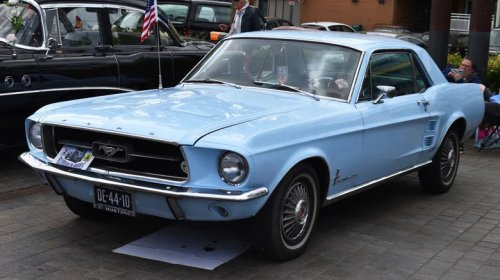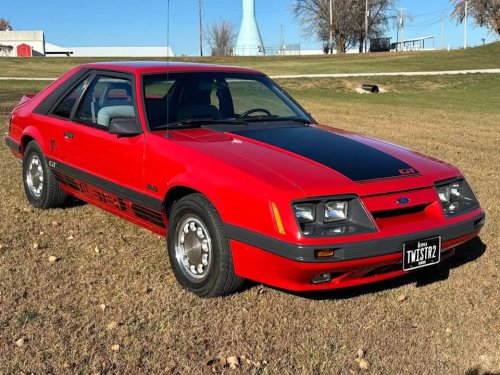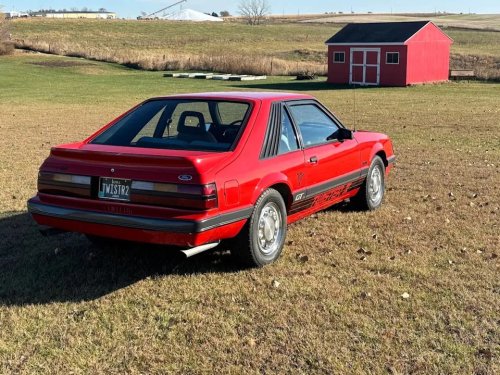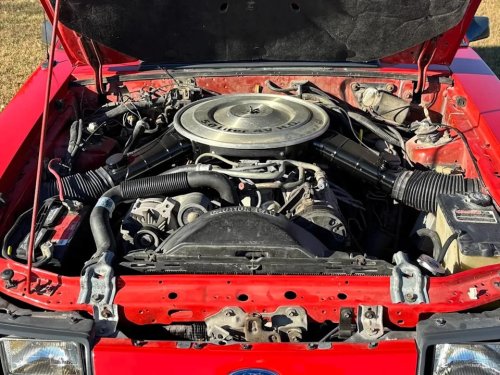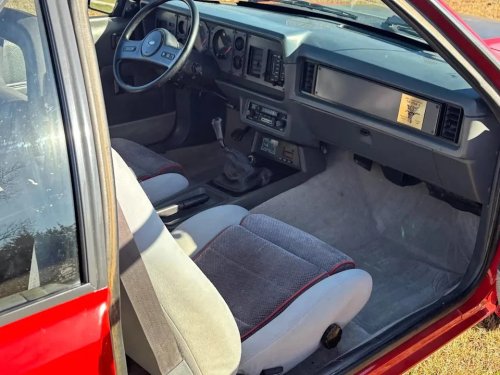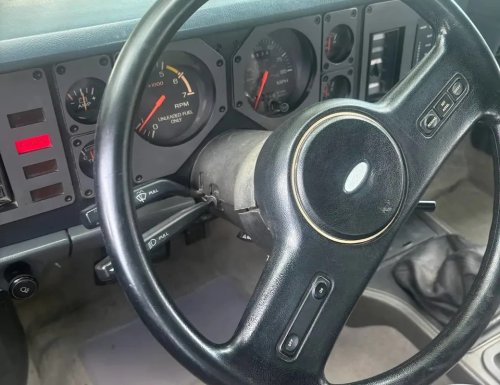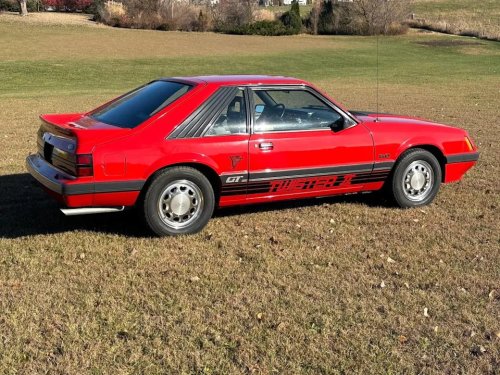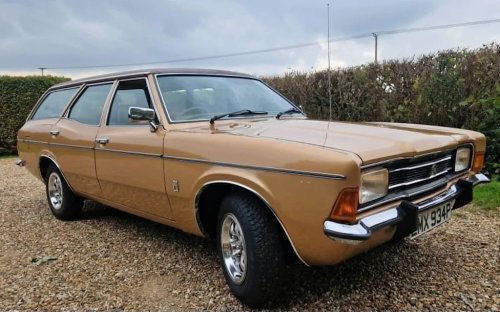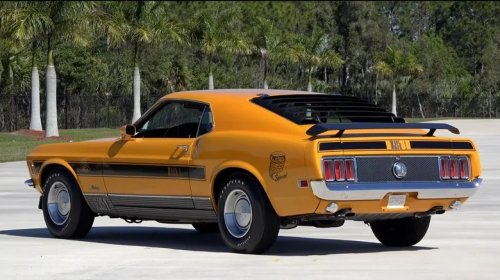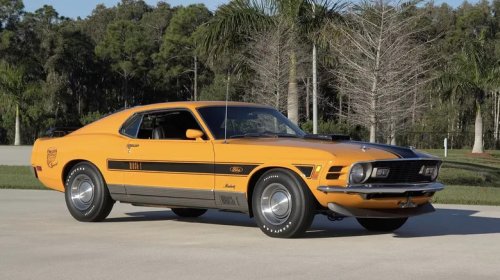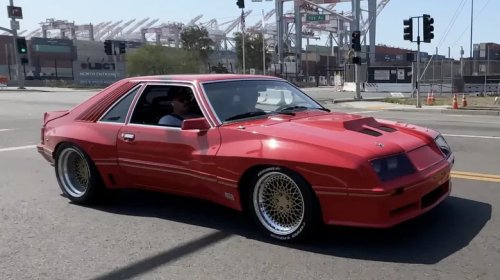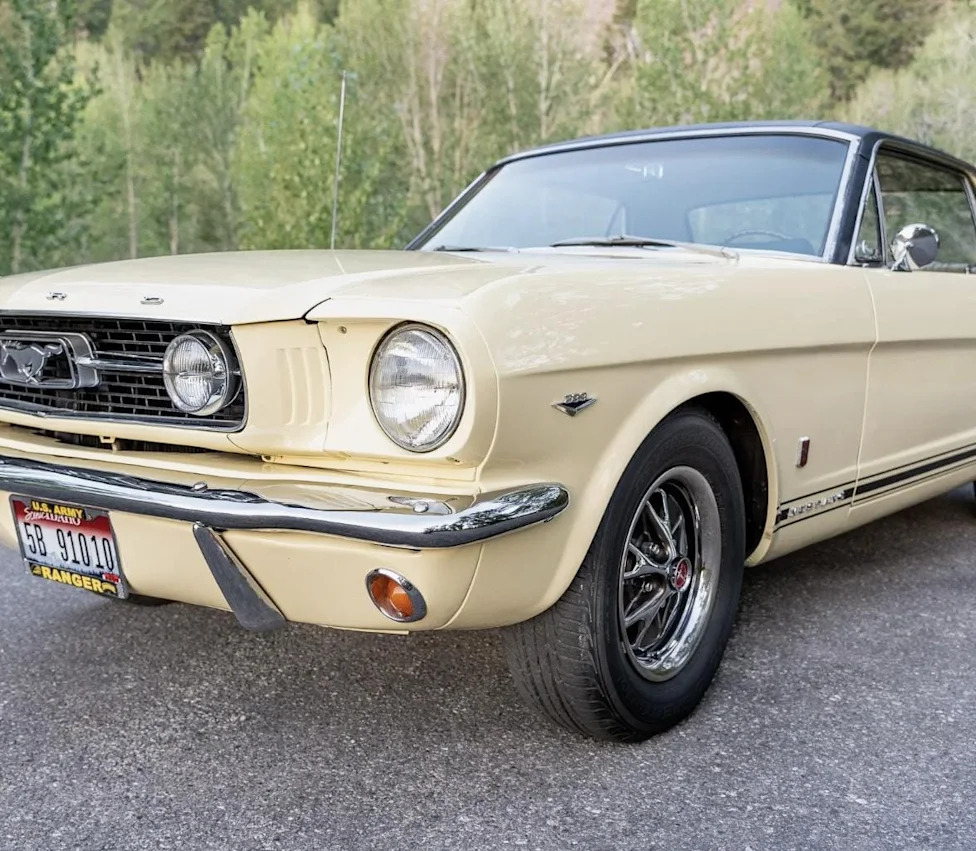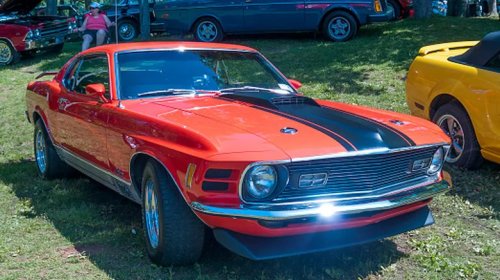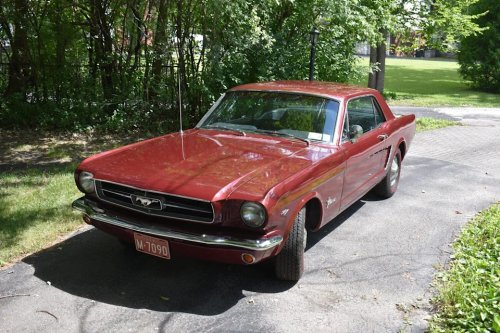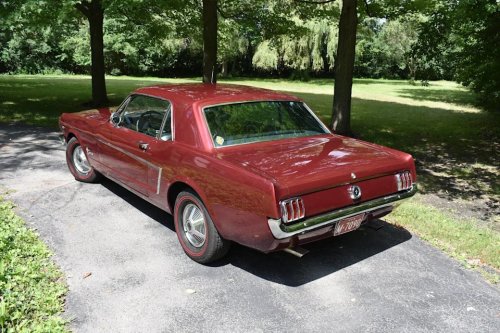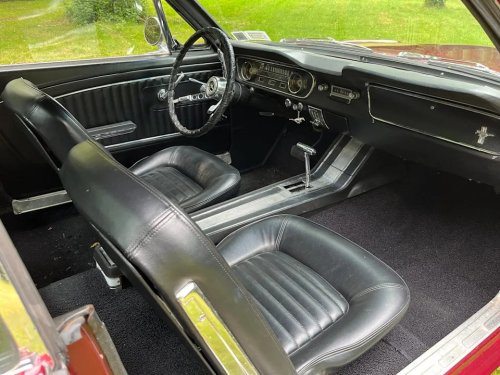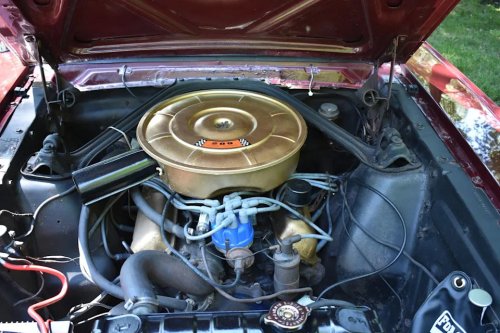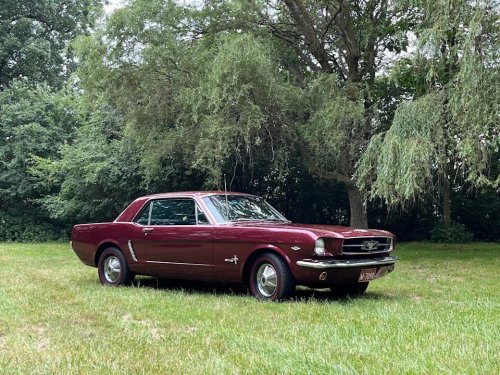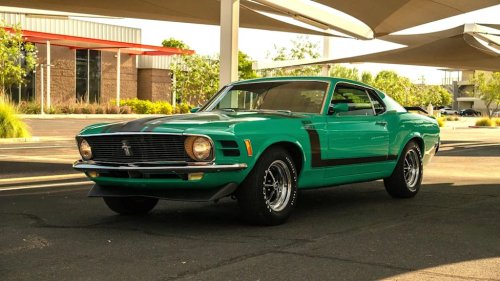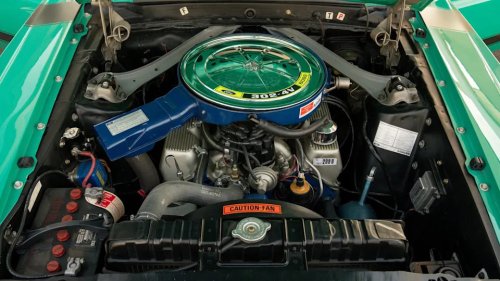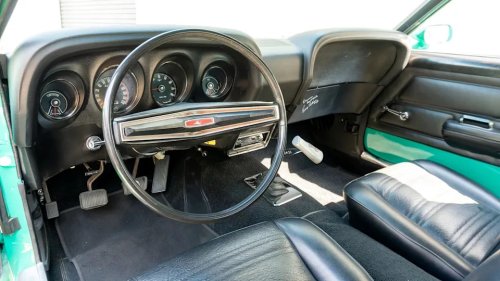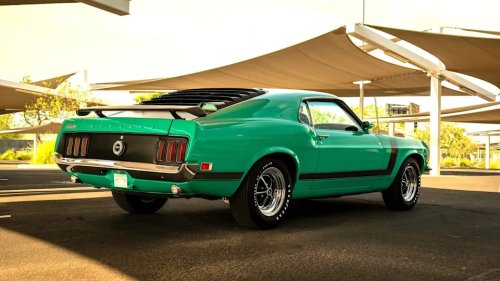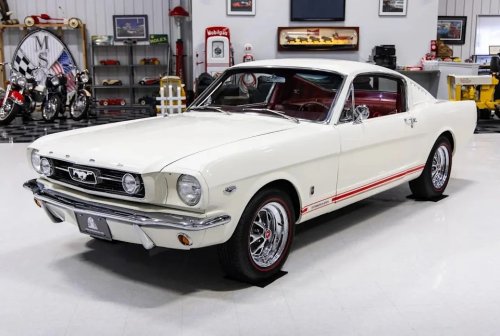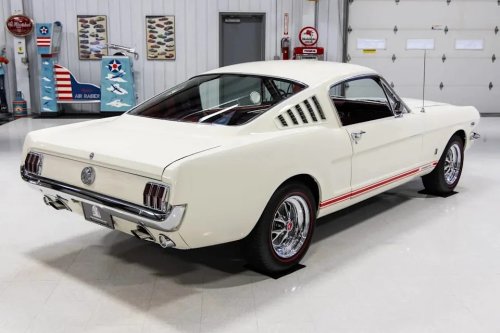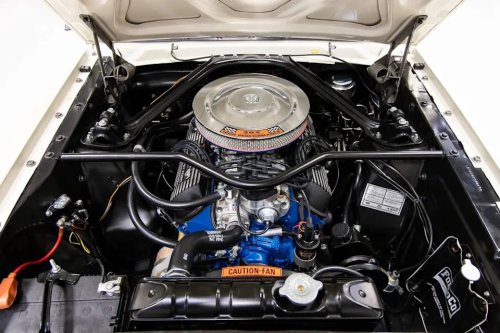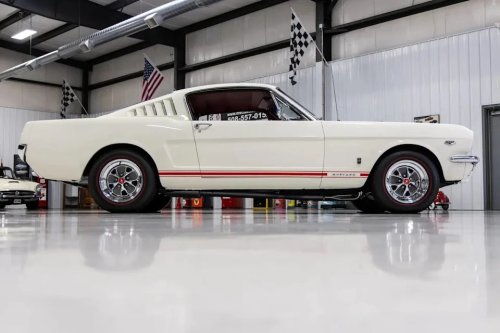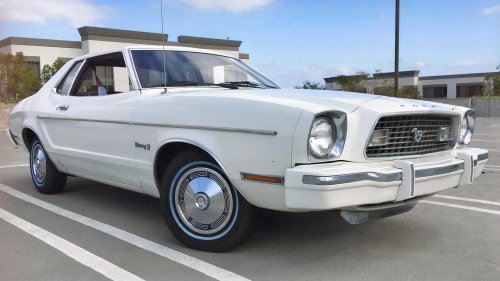
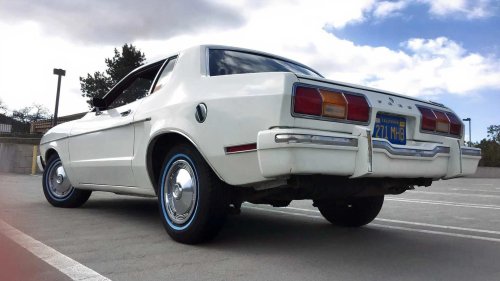
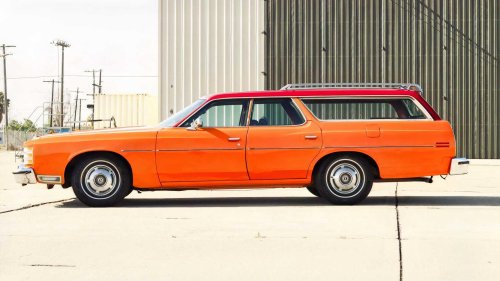
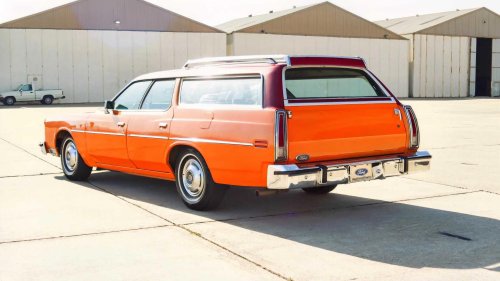
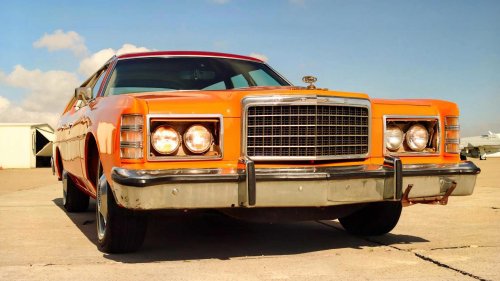
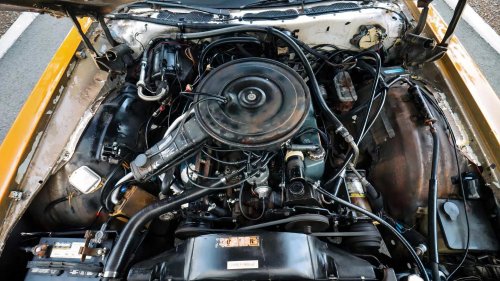
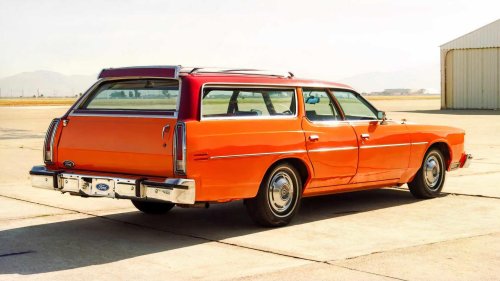
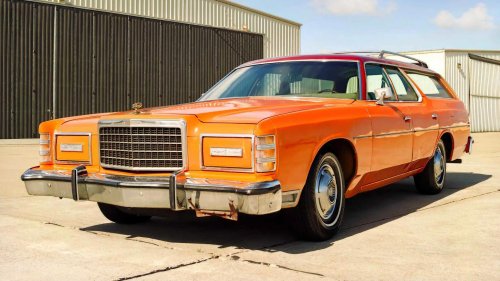
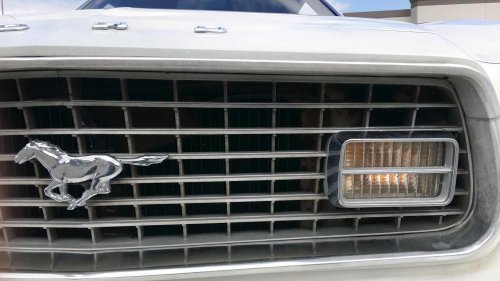















Saying it was a weird time to go hunting for performance at a Ford dealer in the mid-'70s is an understatement. The obvious choice sat low, wore stripes, and tried hard to look like the last good idea from the muscle car years.The funnier answer was parked a few spaces away, probably near the service entrance, looking like it had been designed around picnic coolers, kids, and grocery bags. However, it didn’t need spoilers because it had the kind of low-rpm grunt Detroit used to hand out like free matchbooks, and that made Ford’s showroom feel like a small civil war on wheels. Why Ford’s Mustang Suddenly Went Soft Bring A TrailerThe Mustang II is an easy punchline now, which is a little unfair and also a touch unavoidable. Ford built the car because the world around the original pony car had changed fast, and not in the sort of way that encouraged big cams, high compression, and tire smoke outside the burger stand.By 1974, fuel economy mattered in a way it hadn’t before. Insurance costs had already been squeezing performance cars, emissions rules were dragging horsepower down, and buyers were looking harder at smaller, thriftier imports. In that climate, the Mustang II was less betrayal than survival move, just with more vinyl than anyone asked for. Good Intentions, Bad Execution Bring A TrailerThe first year didn’t even offer a V8. Ford sold the Mustang II with a 2.3-liter four-cylinder or a 2.8-liter V6, and the 302ci V8 returned only for 1975. Even then, it came back as a hushed, smog-strangled version of a once-rowdy idea, with output hovering in the 122–139 horsepower range across the Mustang II's V8 years. The Wood-Sided Wagon That Kept The Big Block Bring A TrailerHere’s where Ford’s mid-'70s logic gets super weird. While the Ford Mustang was being downsized and softened, the company’s big family wagon could still be had with a 460ci V8. That’s 7.5 liters of old-school Detroit displacement living under the hood of something with woodgrain sides and a cargo area built for kids, coolers, luggage, and whatever else suburbia could throw at it.The seventh-generation Country Squire was based on the LTD and ran from 1969 through 1978. It was a true full-size wagon, the kind of car that made no apology for taking up room. By the late '70s, it measured 225.6 inches long, rode on a 121-inch wheelbase, and stretched nearly 80 inches wide. Modern crossovers like to play family-hauler, but this thing was the family-hauler. Big Body, Bigger Heart Bring A TrailerOf course, people didn’t walk into Ford dealers looking for sleeper performance when they asked about one of these. They wanted space, comfort, air conditioning, power accessories, and probably a rear-facing seat so the kids could make faces at traffic. The big V8 was sold as ease, not excitement.So while it wasn’t marketed as a muscle car, it didn’t have to pretend to be one, either. It was a big, plush, fake-wood monument to suburban usefulness. Yet by keeping the 460 alive in that body, Ford accidentally preserved the one thing its sporty Mustang was missing most badly: torque. The Country Squire 460 Made The Mustang II Sweat Bring A TrailerNow for the fun part: the numbers. The 460-equipped Country Squire sat at 195 hp and carried 353 lb-ft of torque, which is a wonderfully silly amount of shove for something wearing fake wood and carrying enough glass to qualify as a small greenhouse. Keep in mind that this was a family wagon that happened to have a big-block heartbeat.Against the 2.3-liter Mustang II, the wagon suddenly looks even funnier. The Mustang's four-cylinder numbers put it at 13.8 seconds to 60 mph and 19.4 seconds through the quarter-mile. The Country Squire, despite weighing roughly 5,000 pounds and having the aerodynamic profile of a suburban tool shed, took 12.1 seconds to 60 mph and 18.8 seconds in the quarter-mile. Not A Muscle Car Bring A TrailerBefore you jump the gun, that doesn’t turn the wagon into a muscle car, and it shouldn’t be framed like one. The real punchline is better than that. A massive station wagon, built to haul kids, luggage, pets, and possibly an entire living-room set, could stay ahead of a Mustang II from 0-60 and through the quarter-mile. Imagine pulling up next to a Mustang in Dad’s long-roof bus and realizing the fake-wood thing had the better launch card.What a wonderful absurdity. The Mustang II had the shape, the badge, and the showroom theater, while the Country Squire had the deeper lungs and the torque advantage that mattered most when the light turned green. And all it was was a family hauler that made Ford’s own sporty compact look a little too dressed up for the job. The First Sixty Feet Told The Real Story Bring A TrailerThe honest version of this comparison gets better when the Mustang II in question is the 2.3-liter four-cylinder. That engine made about 88 hp, which sounds less like a Mustang spec and more like something you’d expect from a sensible hatchback with a strong interest in fuel economy. It could still wear the Mustang name, but the old pony-car punch had clearly left the building for a long lunch.Against that, the Country Squire 460 suddenly looks hilarious. The wagon's 195 horsepower and 353 pound-feet of torque had to move 5,000 pounds of Ford, fake wood, glass, chrome, and suburban responsibility. Yet its 12.1-second 0-60 mph time put it ahead of the 2.3-liter Mustang II’s 13.8-second run. That’s a full-size wagon beating a Mustang to 60 while looking like it’s on the way to pick up patio furniture.The quarter-mile keeps the same joke going. These are not fast numbers by any heroic standard, but the comparison is pretty cool to note. A huge family wagon with the aerodynamic charm of a refrigerator could still cover the standing quarter quicker than Ford’s sporty compact. The Dad Car Had Ford’s Better Performance Secret Bring A TrailerThe best part is that these cars could have lived on the same dealer lot. One was the Mustang buyers were supposed to want when the world had gone smaller, thriftier, and more cautious. The other was the big family wagon buyers chose because they needed room for kids, luggage, pets, groceries, and possibly an entire dining set if the rear seats were folded correctly.That’s Ford’s malaise-era split personality in one parking lot. The company kept the Mustang name alive with a smaller car that made sense after the fuel crisis, but the 2.3-liter version had only 88 hp to work with. At the same time, the Country Squire could still be ordered with a 460ci V8, giving the least racy-looking Ford in the showroom the kind of torque the Mustang badly needed. The Unintended Side Effect Bring A TrailerWagon folk probably didn’t think they were buying the stronger stoplight car. They were buying comfort, space, air conditioning, power accessories, and enough road presence to make modern crossovers look like carry-on luggage. The 460 was there to make a loaded wagon feel relaxed, but the side effect was much funnier: it let a massive long-roof Ford hold its own against a car wearing the Mustang badge.Sources: Hagerty, Automobile Catalog, Hemmings.