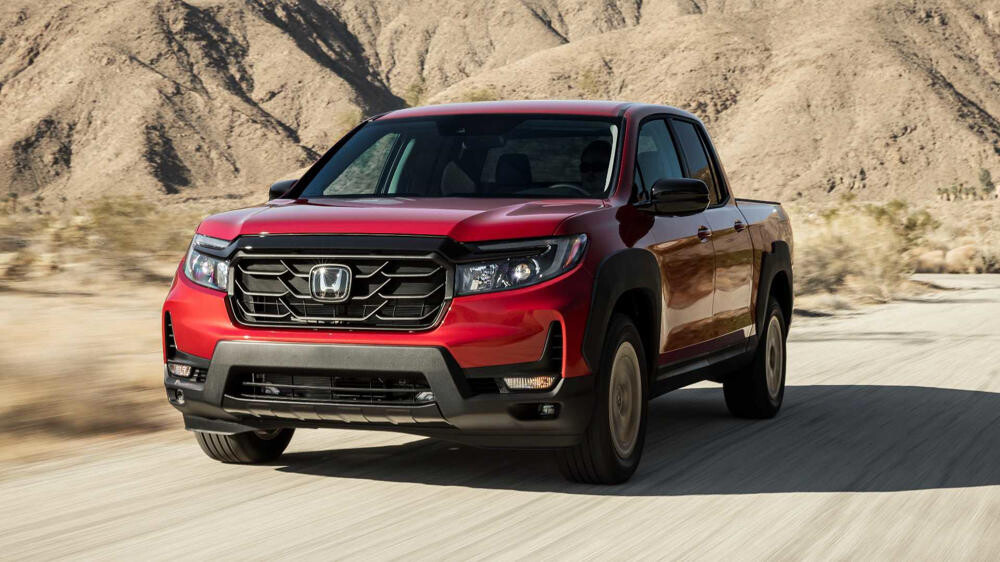
Honda Motor Co., historically a retail pure play to protect residual values, is leaning into fleet sales to drive market share and expand dealerships’ supplies of late-model used cars.
Honda and Acura fleet sales surged 54 percent in the first nine months of the year, to 124,485, according to Cox Automotive data. That raised the automaker’s fleet penetration to 11 percent, from 7.4 percent a year earlier, though it remains well below the industry average of roughly 18 percent, according to GlobalData estimates.
Honda executives signaled the shift early this year, saying much of the fleet increase would come in the form of loaner vehicles for dealership service departments. The automaker declined to break out how many go to dealer fleets versus daily-rental companies.

Keep up with product planning news with Automotive News' regularly updated database.
Future Product database: 5-year vehicle timelines
Future Product guide: Our 10-week series on future products by brand
Honda funneled nearly five times as many Accords into fleets this year, according to Cox. About 20 percent of the midsize sedan’s sales through September were to fleet buyers.
CR-V fleet volume surged 84 percent, leaving dealerships with only a 34-day supply of the company’s top-selling nameplate after September.
Sign up for our daily First Shift morning newscast email for a quick video to start your day.
Honda’s fleet penetration trails its Asian rivals, including Hyundai’s 24 percent, Nissan’s 26 percent and Toyota’s 13 percent.
Guarding residuals
The fleet expansion comes as Honda navigates U.S. tariffs, a stronger yen and softer demand for electric vehicles. At the start of the year, Honda projected total U.S. sales of about 1.5 million vehicles across its two brands, a 4 percent increase from 2025.
Honda, in a statement, said it’s not abandoning its retail-first model and that fleet sales allow it to “increase market share in an otherwise flat market.”
The company said its fleet mix as a proportion of total volume will stay “significantly lower” than that of competitors and that the increase won’t hurt residual or resale values for retail customers.
Honda’s approach to fleet includes not only deliveries to traditional corporate buyers and rental companies but also dealership service loaners. Those vehicles offer service customers extended product exposure and create a pipeline of low-mileage certified pre-owned vehicles after 9 to 12 months of use.
American Honda sales chief Lance Woelfer has called fleet “a tactic, not a strategy.”
“In this environment, where affordability is key … it’s important that we provide additional options for consumers,” Woelfer told Automotive News in March. “The loaner business is about growing our overall business, providing more vehicles at affordable levels.”
Honda said it has renewed a corporate vehicle sales program for businesses, such as pharmaceutical companies and insurance providers, that provide vehicles to employees. The deals operate similarly to traditional leases and return vehicles in good condition for CPO sales.
Honda traditionally has steered away from bulk channels to build retail loyalty and limit lease incentives, said an industry analyst familiar with the company’s fleet strategy.
After studying the issue for about a year, Honda concluded it had been “too myopic” about fleet, said the analyst, who asked not to be identified because they were not authorized to speak publicly. Executives benchmarked Toyota, which typically moves about 10 to 12 percent of U.S. volume through fleets without damaging residuals.
“Honda is doing this with the right spirit,” the person said. “They are building the business for the long haul.”
Loaners feed CPO
Honda’s dealer-led approach targets the used-car lot. Average new-vehicle transaction prices have climbed from about $35,000 in 2020 to about $50,000 today, pricing out many consumers.
Among Honda’s goals is a larger supply of affordable, late-model used vehicles to attract younger shoppers. Unlike traditional rental cars, dealership loaners don’t end up in public auctions, which can drag down residual values.
Honda has sweetened the deal for its retailers. The automaker provides a monthly credit worth 0.5 percent of sticker price for the average trim of each model for up to six months, or less if the vehicle is removed earlier from the service loaner fleet, according to dealers who asked not to be identified.
One retailer said the improved terms finally persuaded the store to take several dozen units after refusing for years. “It’s a good program,” the person said. “Honda’s finally kicking some money into this.”
The cars typically accumulate 600 to 800 miles, then sell as Honda-certified pre-owned. “When I show the customer the car, it’s only got 800 miles on it, and it comes with a 100,000-mile bumper-to-bumper warranty,” the dealer said. “It’s a no-brainer.”
An Acura dealer cheered the automaker’s renewed focus on feeding service loaner fleets, a practice abandoned during the pandemic. Before that, stores could order loaners months ahead, but supply bottlenecks ultimately forced dealers to raid their retail inventory just to keep service customers in cars.
Acura has reopened ordering for set production periods, giving dealers more say over what lands on the lot, though model availability and build timing still constrain the pipeline, the retailer said.