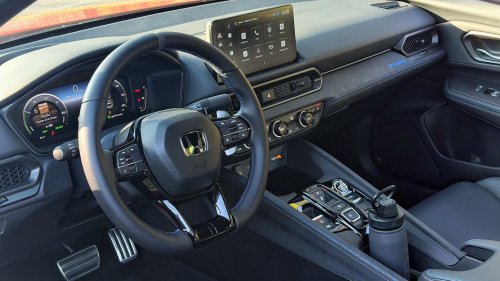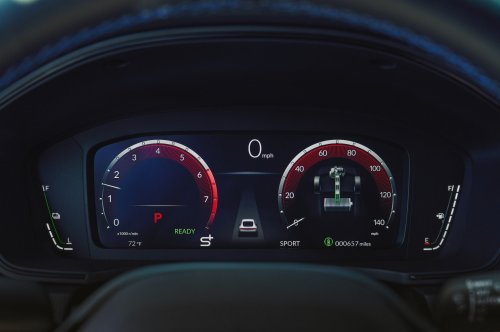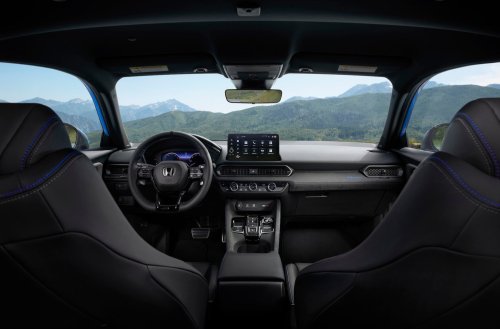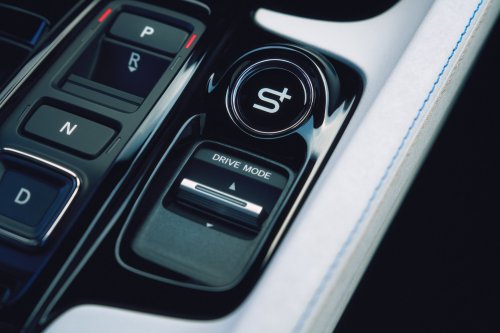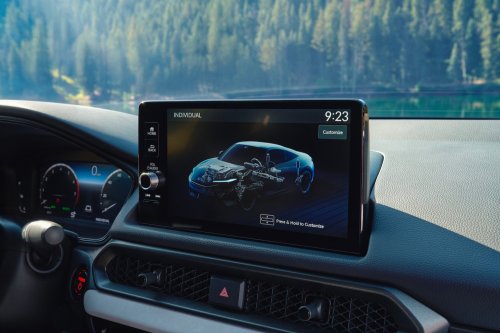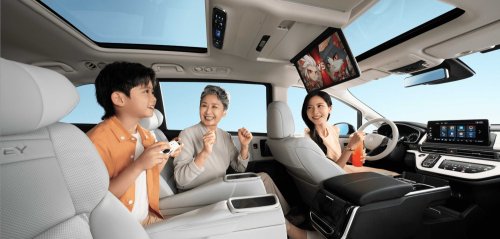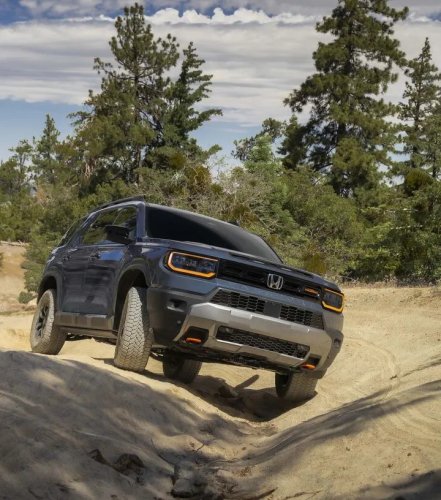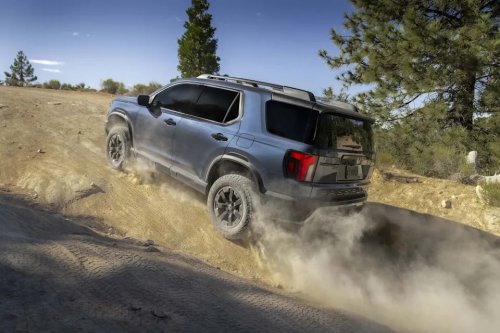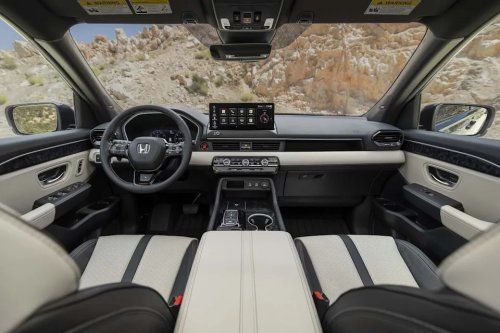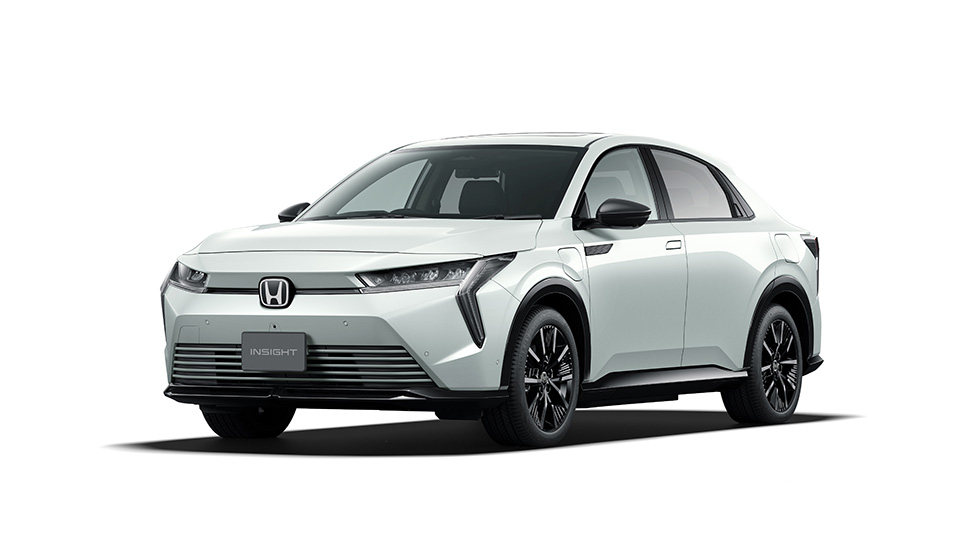
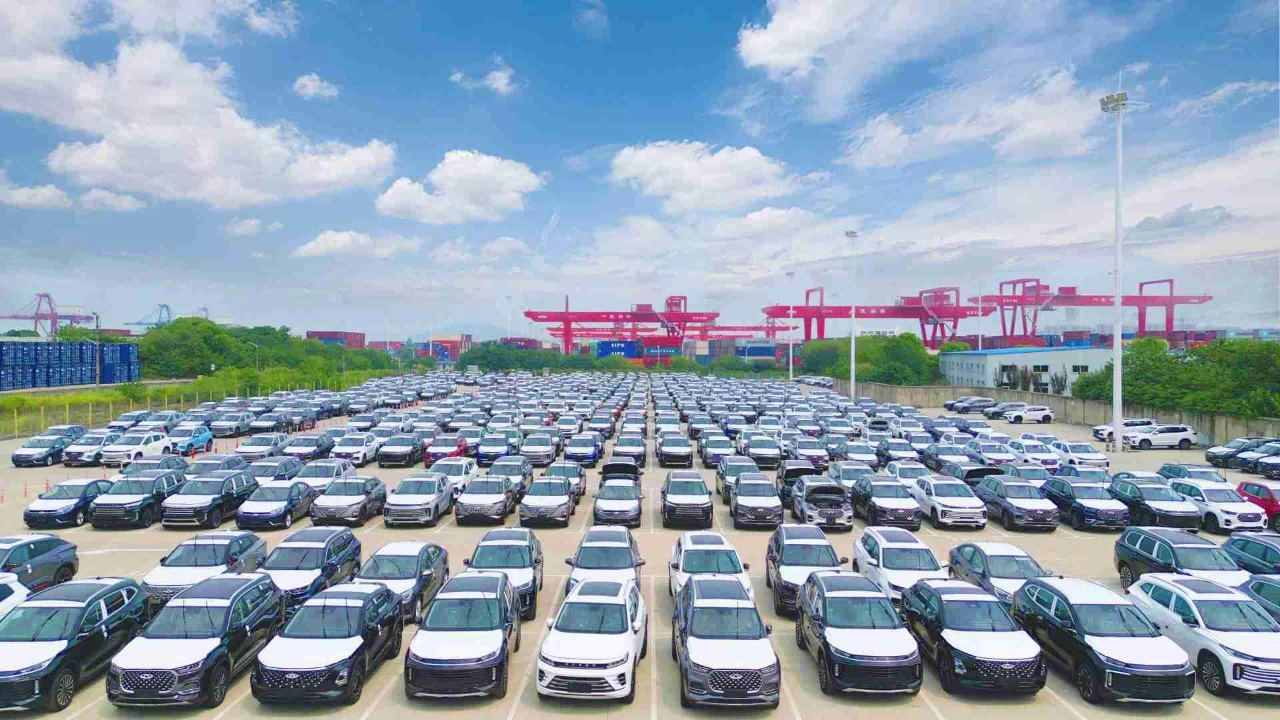



















Gasgoo Munich- Honda launched a new all-electric model in Japan on April 17. It revives the classic "Insight" nameplate, but unlike its predecessors, this one isn't made in Japan—it's developed from a model built in China.Priced at 5.5 million yen (roughly $34,500), the car carries an official sticker that drops to about 4.2 million yen after factoring in Japan's maximum EV subsidy of around 1.3 million yen. Honda is limiting the rollout, with just 3,000 units slated for the initial batch.The new Insight boasts a maximum range of 535 km on a single charge—the longest of any electric vehicle Honda currently sells in Japan. It also supports fast charging, capable of going from low to 80% battery in about 40 minutes under ideal conditions, covering daily commutes and medium-distance trips.The Insight name is no stranger to Honda's lineup. The first generation arrived in 1999 as Honda's first mass-produced hybrid, marking the brand's early foray into fuel-saving technology. A third-generation sedan followed in 2018 before production ended in 2022.Now, more than three years later, the nameplate is back—but the form has shifted from a hybrid sedan to a pure electric vehicle, and production has moved from Japan to China.Image Source: HondaWhat Does This Mean?The move makes Honda the first Japanese automaker to sell a Chinese-built vehicle under its own brand in the domestic market—a shift that carries symbolic weight in the traditional automotive landscape.Historically, Japan and China have played distinct roles in the global auto industry. Japan leveraged decades of accumulated expertise to build a solid lead in internal combustion engines and hybrids, with a manufacturing system renowned for stability and precision. China, meanwhile, seized the window of opportunity in new energy vehicles over the past decade to catch up rapidly, building a complete, scaled supply chain spanning batteries, electric drive systems, and vehicle integration.Image Source: Chery AutomobileThat shift is already visible in the global market. Data shows China surpassed Japan as the world's largest auto exporter in 2023. Driving this isn't just expanded production capacity, but the maturity of the EV supply chain, allowing China to seize the initiative in the electrification transition.Against this backdrop, Honda's decision to import Chinese-built EVs into Japan breaks the long-standing convention of domestic factories supplying the home market first. Japanese automakers typically kept high-value models at home while using overseas plants to serve regional markets or export to emerging economies. This "reverse import" signals a realignment of that division of labor.Fundamentally, this reflects a rebalancing of the global automotive division of labor. Japan has been cautious in its EV push, and its supply chain hasn't yet achieved significant scale. China, by contrast, holds cost and efficiency advantages in core electrification components and manufacturing, offering more cost-effective solutions. Under these conditions, cross-regional resource allocation has become the pragmatic choice.Reviving a Brand Through EVsAt the corporate level, importing Chinese-built EVs is more than a supply chain adjustment—it's a strategic restructuring of Honda's brand and product portfolio. The return of the Insight embodies this thinking.As a historically significant model, the Insight once stood as a symbol of Honda's hybrid technology. Applying the name to an EV helps maintain brand recognition, lowers the barrier for consumers to understand the new product, and signals continuity in Honda's electrification shift. It's a strategy more likely to draw attention than launching with an entirely new name.Of course, this Chinese-made Insight isn't a simple, unmodified import. It's based on the e:NS2, an EV developed with Dongfeng Motor that launched in China in 2024. Before entering Japan, Honda made targeted adjustments: switching to right-hand drive to match local driving habits, optimizing the charging system for local infrastructure, and tweaking specific configurations.Image Source: HondaHonda states the vehicle adheres to unified global quality standards. Moving forward, the company will evaluate market feedback to determine whether to expand this model and introduce more overseas-produced vehicles to Japan.The strategy is closely tied to Honda's current position in Japan's EV market. Its existing electric lineup is dominated by kei cars like the N-ONE e: and N-VAN e:, which handle daily commutes but fall short of family needs for space and range. The previously launched "Honda e" was withdrawn in 2024 due to limited range.Consequently, Honda has lacked a mainstream passenger EV with a range exceeding 300 km, creating a clear mismatch with market demand. At the same time, external competition is intensifying, with the Tesla Model Y steadily gaining ground and Toyota expanding its bZ series lineup.Although Japan's EV market remains relatively small, Honda risks further diminishing its presence in the future electrification landscape if it goes too long without competitive products. Developing a new model from scratch is a lengthy process, making the import and localization of an existing vehicle a far more efficient path.The decision also reflects pressure on Honda's operations in China, where sales have slipped noticeably and capacity utilization at joint-venture plants has declined. Exporting Chinese-built EVs to Japan helps boost plant utilization and spread fixed costs, while quickly replenishing Honda's Japanese product lineup.Honda's experiment may be just the beginning. As the global auto industry electrifies, the geographic boundaries between production and sales are blurring. Automakers will rely more on global resource allocation, flexibly adjusting production layouts based on cost, efficiency, and demand. In this process, the importance of China's manufacturing system is set to rise, making the "Made in China, sold globally" model increasingly common.